St Johns First Aid Supplies: Complete Guide for 2026
When medical emergencies strike, having reliable first aid supplies can mean the difference between effective intervention and helpless waiting. St Johns first aid supplies have established a global reputation for quality, compliance, and accessibility across multiple continents. From workplace safety to home preparedness, understanding what makes these supplies essential helps medical professionals and everyday citizens build comprehensive emergency response capabilities. This guide examines the standards, components, and strategic considerations that define effective first aid supply management in 2026.
Understanding St Johns First Aid Standards and Certification
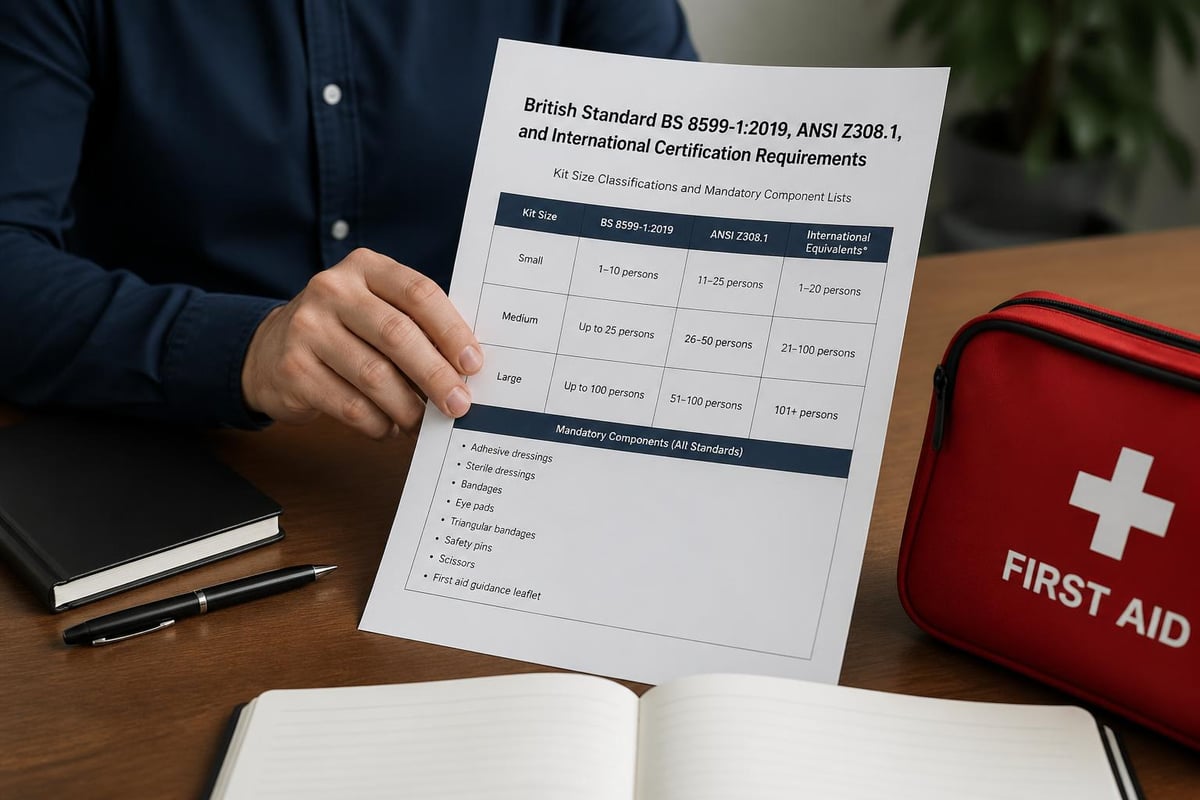
The foundation of st johns first aid supplies rests on rigorous compliance with international safety standards. British Standard BS 8599-1:2019 serves as the benchmark for workplace first aid kits in the United Kingdom, and St John Ambulance has built their product lines to exceed these requirements. This standard specifies minimum contents based on workplace size and risk assessment factors.
Organizations selecting first aid supplies must evaluate their specific regulatory obligations. St John Ambulance offers first aid kits designed specifically for compliance with BS 8599-1:2019, ensuring businesses meet legal requirements while protecting employees. The standard classifies kits into small, medium, and large categories, each addressing different workforce sizes and hazard levels.
Certification Requirements Across Regions
Different geographic regions maintain unique certification standards:
- United Kingdom: BS 8599-1:2019 for workplace kits
- United States: ANSI/ISEA Z308.1-2021 for minimum requirements
- European Union: CE marking for medical devices
- Australia/New Zealand: AS/NZS 4151 for first aid compliance
Professional responders benefit from understanding how industry standards and certifications intersect with actual emergency needs. While certifications establish baselines, experienced paramedics recognize that effective kits often exceed minimum requirements.
Core Components of Comprehensive First Aid Systems
St johns first aid supplies encompass far more than basic bandages and antiseptic. A complete first aid system integrates multiple component categories to address diverse medical emergencies. Understanding these categories helps organizations build layered response capabilities.
Essential Supply Categories
| Category | Primary Items | Emergency Application |
|---|---|---|
| Wound Care | Sterile dressings, gauze, adhesive strips | Bleeding control, infection prevention |
| Protective Equipment | Nitrile gloves, face shields, eye protection | Bloodborne pathogen barriers |
| Immobilization | Triangular bandages, splints, tape | Fracture stabilization, sprains |
| Medications | Pain relievers, antihistamines, burn gel | Symptom management, allergic reactions |
| Instruments | Scissors, tweezers, thermometer | Assessment and treatment tools |
St John Ambulance provides comprehensive first aid supplies and consumables that cover each category systematically. Their approach recognizes that effective emergency response requires depth within each component type rather than simply checking boxes on a compliance list.
The selection of wound care materials demonstrates this principle. Beyond basic adhesive bandages, professional-grade kits include sterile trauma dressings for severe bleeding, non-adherent pads for burns, and butterfly wound closure strips for wound approximation. Each item serves a specific function within the broader wound management protocol.
Protective Equipment Standards
Personal protective equipment (PPE) represents the first line of defense for anyone providing emergency care. Nitrile gloves protect against bloodborne pathogens while maintaining tactile sensitivity necessary for delicate procedures. Face shields and CPR masks create additional barriers during rescue breathing.
St johns first aid supplies emphasize latex-free options to accommodate common allergies. This consideration extends to adhesive products, tapes, and other materials that contact skin during treatment. Inclusive supply selection ensures responders can help anyone without triggering adverse reactions.
Workplace-Specific First Aid Requirements
Employment settings demand tailored approaches to st johns first aid supplies based on industry hazards, employee count, and site accessibility. Risk assessment drives these determinations, identifying probable injury types and severity levels that inform supply selection.
Industry-Based Kit Customization
Manufacturing environments face different risks than office settings. Heavy machinery operations require enhanced trauma supplies including hemostatic dressings, tourniquets for severe bleeding control, and burn treatments. Chemical facilities need eye wash stations, chemical burn protocols, and specialized decontamination supplies.
Professional settings require adherence to specific regulations. Compliance standards vary by workplace type and employee count. Organizations with 5-25 employees typically need small workplace kits, while facilities with 25-100 workers require medium kits with expanded supplies.
Construction sites present unique challenges:
- Remote locations requiring self-sufficient capabilities
- Multiple hazard types from falls, cuts, crushing injuries
- Extended response times before professional medical services arrive
- Environmental exposure to extreme temperatures and weather
St John Ambulance Isle of Man demonstrates how regional St John organizations adapt supplies for local industries, including maritime, agriculture, and tourism sectors with specific risk profiles.

Home and Vehicle First Aid Preparation
Beyond workplace requirements, st johns first aid supplies serve critical roles in domestic and automotive emergency preparedness. Home first aid kits address common household injuries while maintaining readiness for more serious incidents that occur before professional help arrives.
Essential Home Kit Components
Household kits balance comprehensive capability with practical storage:
- Adhesive bandages in multiple sizes for minor cuts
- Sterile gauze pads and rolled gauze for larger wounds
- Medical tape and triangular bandages for immobilization
- Antiseptic wipes and antibiotic ointment for infection prevention
- Pain relievers, antihistamines, and insect bite treatments
- Digital thermometer for fever assessment
- Scissors, tweezers, and safety pins
Vehicle kits address roadside emergencies and collision injuries. These portable systems must withstand temperature extremes while remaining accessible during stressful situations. Portable medical kits designed for travel incorporate durable containers and organized compartments that facilitate rapid access to needed supplies.
Family-Specific Considerations
Households with children require age-appropriate supplies including smaller bandages, child-safe medications, and fever-reducing treatments. Families with members who have chronic conditions should supplement basic kits with condition-specific supplies such as epinephrine auto-injectors for severe allergies or glucose tablets for diabetes management.
Health kits for various family scenarios extend beyond traditional first aid to include wellness monitoring tools and preventive care supplies. This comprehensive approach recognizes that emergency preparedness integrates with overall health management strategies.
Specialized Trauma and Tactical Supplies
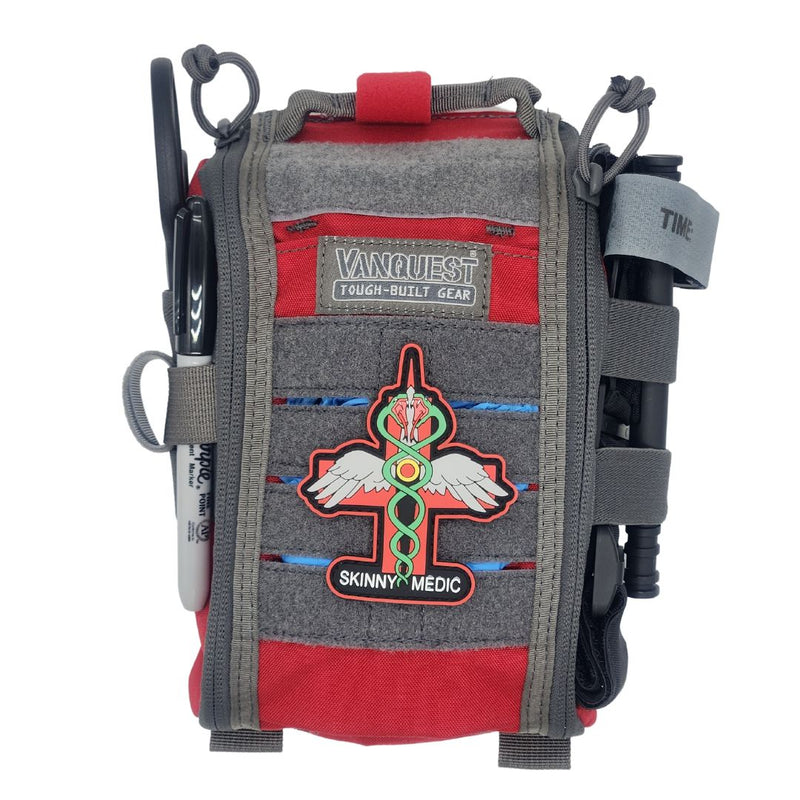
Advanced st johns first aid supplies address severe trauma scenarios requiring immediate life-saving interventions. Tactical medical gear bridges the gap between basic first aid and professional emergency medical services, particularly in remote locations or mass casualty incidents.
Advanced Hemorrhage Control
Severe bleeding represents the leading cause of preventable death in trauma situations. Professional-grade supplies include:
| Item | Application | Key Advantage |
|---|---|---|
| Combat gauze | Deep wound packing | Hemostatic agents accelerate clotting |
| Tourniquet (CAT/SOFT-T) | Extremity arterial bleeding | Proven life-saving effectiveness |
| Pressure dressings | Large surface area wounds | Even compression distribution |
| Chest seals | Penetrating torso injuries | Prevents tension pneumothorax |
T3 bandages provide tactical trauma treatment combining multiple functions in single compact packages. These Israeli bandages integrate pressure applicators with securing mechanisms, enabling one-handed application during self-treatment scenarios.
Understanding when bleeding requires serious intervention helps responders make critical decisions about supply deployment. Arterial bleeding, large wound volume, and bleeding in anatomical areas difficult to compress all indicate need for advanced hemorrhage control techniques.
Burn Treatment Systems
Thermal injuries demand specialized st johns first aid supplies that cool tissue, prevent infection, and manage pain. Water-Jel burn dressings provide immediate cooling while creating sterile barriers against contamination. These gel-soaked dressings conform to body contours and won't adhere to damaged tissue during removal.
Burn treatment protocols vary by severity:
- First-degree burns: Cool water, aloe gel, non-stick dressings
- Second-degree burns: Sterile burn sheets, pain management, professional evaluation
- Third-degree burns: Dry sterile covering, immediate emergency services, shock prevention
Chemical burns require additional considerations including specific neutralizing agents and extended irrigation protocols. Industrial settings working with caustic materials must maintain supplies appropriate to the chemicals present.
Supply Management and Maintenance Protocols
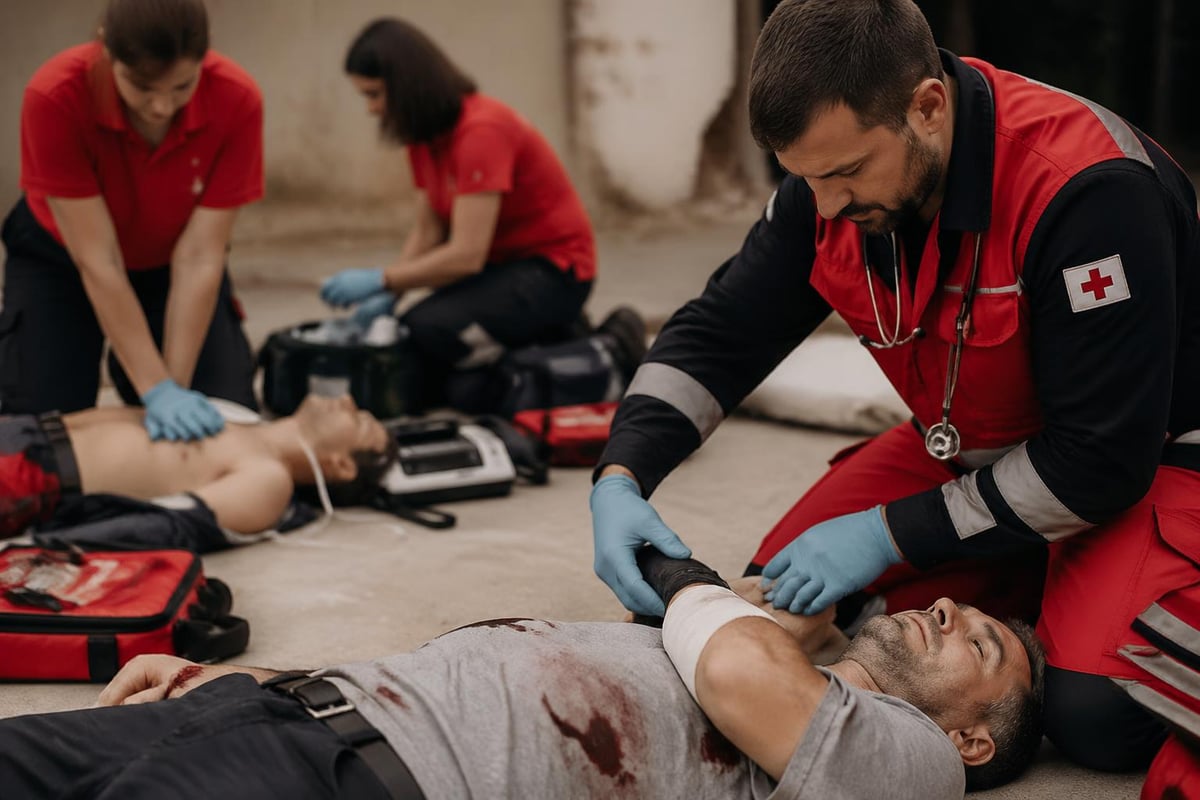
Effective st johns first aid supplies require systematic management ensuring readiness when emergencies occur. Inventory control prevents supply shortages while minimizing waste from expired materials. Organizations serving as first responders cannot afford gaps in critical supplies during crisis situations.
Expiration and Replacement Schedules
Medical supplies maintain finite shelf lives determined by sterility requirements and medication stability:
- Sterile dressings: Typically 3-5 years when packaging remains intact
- Medications: Vary widely; pain relievers 2-3 years, epinephrine 12-18 months
- Ointments and gels: Generally 1-3 years depending on formulation
- Adhesive products: 2-5 years before adhesive degrades
Refill and restocking options streamline maintenance for organizations managing multiple kits across facilities. Subscription services deliver replacement supplies on schedules matching typical consumption rates and expiration cycles.
Inspection and Audit Procedures
Monthly kit inspections identify missing or damaged supplies before emergencies expose gaps. Inspection checklists should document:
- All items present against inventory manifest
- Packaging integrity for sterile items
- Expiration dates for time-sensitive supplies
- Equipment functionality for tools and devices
- Training materials current and accessible
St John Ambulance's official shop provides replacement supplies organized by kit type, simplifying the restocking process. This systematic approach ensures organizations maintain compliance while preserving emergency response capabilities.
Training Integration with Supply Systems
St johns first aid supplies achieve maximum effectiveness when paired with comprehensive training. Knowledge and equipment form inseparable components of emergency preparedness. Supplies without trained users offer limited value during actual emergencies when stress and urgency demand confident, practiced responses.
Training Program Alignment
Hato Hone St John in New Zealand demonstrates integrated approaches combining supplies with training courses. Their model recognizes that proceeds from supply sales support community education programs, creating sustainable cycles of preparedness. This philosophy aligns with Medical Gear Outfitters' paramedic-driven mission ensuring customers understand how to deploy supplies effectively.
Training programs should match supply sophistication levels:
- Basic first aid: Wound care, minor burns, sprains, basic CPR
- Advanced first aid: Severe bleeding control, shock management, spinal precautions
- Tactical medicine: Tourniquet application, chest seal deployment, casualty evacuation
- Specialized scenarios: Pediatric emergencies, wilderness medicine, mass casualties
Organizations investing in advanced st johns first aid supplies must commit to training that builds competence with specialized equipment. A tourniquet improperly applied can cause permanent injury rather than saving life. Complex supplies demand corresponding skill development.
Digital Resources and Support
Modern first aid preparation increasingly incorporates technology. Artificial intelligence systems for first aid guidance show promise for low-connectivity settings where professional consultation isn't immediately available. These systems help users navigate supply deployment through step-by-step protocols matched to injury presentations.
However, technology supplements rather than replaces hands-on training. Physical practice with actual supplies builds muscle memory and confidence that no app can replicate. The ideal approach combines digital reference tools with regular practical training sessions.
Selecting Quality Suppliers and Products
Not all first aid supplies meet the standards necessary for reliable emergency response. Quality verification requires examining multiple factors beyond initial cost. St johns first aid supplies maintain reputation through consistent adherence to manufacturing standards and clinical evidence supporting product efficacy.
Evaluation Criteria for Suppliers
| Factor | Assessment Questions | Impact on Preparedness |
|---|---|---|
| Certification | Do products meet relevant standards? | Ensures minimum quality thresholds |
| Source reputation | What is supplier's industry standing? | Indicates reliability and support |
| Product range | Can one supplier meet diverse needs? | Simplifies procurement and standardization |
| Availability | Are supplies consistently in stock? | Prevents dangerous gaps in preparedness |
| Support services | Does supplier offer training or consultation? | Enhances effective deployment |
Organizations comparing suppliers should request detailed specifications and certification documentation. Best medical kit selections balance standards compliance with practical usability informed by field experience.
Avoiding Common Selection Mistakes
Budget constraints tempt some organizations toward lowest-cost options that compromise quality. Ineffective supplies during emergencies create liability exposure far exceeding initial savings. Common pitfalls include:
- Purchasing uncertified products lacking quality verification
- Selecting kits with insufficient quantities for actual workplace size
- Ignoring environmental factors like temperature extremes or humidity
- Failing to account for specific hazards present in the environment
- Neglecting ongoing maintenance and restocking requirements
Paramedic-operated suppliers like Medical Gear Outfitters bring frontline experience to product curation, selecting items proven effective in actual emergency responses rather than merely checking regulatory boxes.
Global Perspectives on First Aid Accessibility
St johns first aid supplies represent a global network of organizations united by emergency preparedness missions. While standards vary by region, the fundamental commitment to accessible, quality first aid remains consistent. Understanding international approaches provides context for best practices applicable across settings.
Regional Adaptations and Innovations
Different St John organizations adapt to local needs while maintaining core quality standards. Island nations emphasize marine emergencies and isolation-appropriate supplies. Urban centers focus on mass casualty preparedness and rapid professional service integration. Rural areas prioritize self-sufficiency and extended care capabilities before evacuation.
Research on emergency medical services optimization examines how supply positioning and deployment strategies affect response outcomes. These insights inform st johns first aid supplies placement decisions, ensuring critical materials reach patients within therapeutic time windows.
Community-Centered Approaches
Many St John organizations operate on social enterprise models where supply sales fund community services. This structure creates virtuous cycles where preparedness purchases directly support emergency response infrastructure. Organizations choosing these suppliers contribute to broader public safety beyond their immediate needs.
The integration of commercial activity with charitable mission distinguishes St John approaches from purely profit-driven suppliers. Customers receive quality products while supporting emergency services that benefit entire communities.
Emerging Technologies in First Aid Supply Systems
Innovation continues transforming st johns first aid supplies through advanced materials, smart packaging, and integrated monitoring systems. Next-generation supplies enhance effectiveness while simplifying deployment for users with varying skill levels.
Material Science Advancements
Recent developments include:
- Hemostatic agents with faster clotting activation
- Antimicrobial dressings reducing infection risk
- Temperature-stable medications extending shelf life
- Biodegradable packaging reducing environmental impact
- Color-coded organization systems accelerating supply location
These improvements address practical challenges identified through decades of field experience. Paramedics and first responders provide feedback driving product evolution toward greater effectiveness.
Smart Inventory Management
Connected systems now track supply usage, expiration dates, and environmental conditions automatically. These technologies alert managers when restocking is needed or when storage conditions threaten supply integrity. Integration with training systems can even suggest refresher courses when certain supplies haven't been accessed recently.
While sophisticated monitoring adds value for large organizations, basic systematic approaches work equally well for smaller operations. The key is consistent attention to maintenance regardless of technological support level.
Procurement Strategies for Organizations
Acquiring st johns first aid supplies efficiently requires strategic planning balancing immediate needs with long-term preparedness goals. Procurement planning considers budget cycles, volume requirements, and organizational growth trajectories.
Centralized vs. Decentralized Purchasing
Large organizations must decide whether to standardize supplies across all locations or allow site-specific customization:
Centralized advantages:
- Volume pricing discounts
- Standardized training requirements
- Simplified audit and compliance
- Consistent quality control
Decentralized advantages:
- Site-specific hazard matching
- Faster local decision-making
- Flexibility for unique needs
- Empowered local management
Many organizations adopt hybrid approaches with core standardized supplies supplemented by site-specific additions addressing unique hazards.
Budget Planning Considerations
Annual first aid supply budgets should account for:
- Initial kit purchases or replacements
- Routine restocking of consumed items
- Expiration-driven replacements
- Training and education programs
- Storage and management systems
- Emergency reserve capacity
Online first aid box purchasing provides transparency in pricing and specifications, enabling accurate budget forecasting. Organizations can compare options and plan multi-year procurement strategies with confidence.
Understanding st johns first aid supplies empowers organizations and individuals to build comprehensive emergency preparedness systems aligned with international standards and practical field requirements. The combination of quality materials, appropriate training, and systematic management creates reliable capabilities when emergencies demand immediate response. Whether you're outfitting a workplace, equipping a family, or preparing for tactical scenarios, Medical Gear Outfitters brings paramedic expertise to supply selection, ensuring you're prepared to act as a first responder when lives depend on it.