Its Boo Boo Kit: Essential First Aid for Minor Injuries
When preparing for emergencies, most people understand the importance of comprehensive medical supplies. However, not every situation requires a full trauma kit with tourniquets and hemostatic agents. Its boo boo kit serves a distinct purpose in emergency preparedness, bridging the gap between having no medical supplies and carrying professional-grade trauma equipment. This specialized collection addresses the most common injuries people encounter daily-minor cuts, scrapes, blisters, and small burns-without the bulk and expense of larger systems. Understanding what belongs in its boo boo kit and how it complements your broader emergency response strategy can make the difference between properly managing a minor injury and letting it escalate into a more serious medical concern.
Understanding the Purpose of Its Boo Boo Kit
Its boo boo kit represents a targeted approach to first aid preparedness, specifically designed for non-life-threatening injuries that occur during everyday activities. Unlike comprehensive first aid kits that contain supplies for major medical emergencies, its boo boo kit focuses exclusively on comfort care and preventing minor injuries from becoming infected or more problematic.
The concept emerged from the recognition that most injuries people sustain don't require advanced medical intervention. A scraped knee from a hiking trail, a blister from new boots, or a small burn from cooking represents the typical scope of what its boo boo kit addresses. Medical professionals and preparedness experts acknowledge that having appropriate supplies readily accessible encourages prompt treatment, which significantly reduces complication rates even for minor wounds.
Distinguishing Between Trauma and Comfort Care
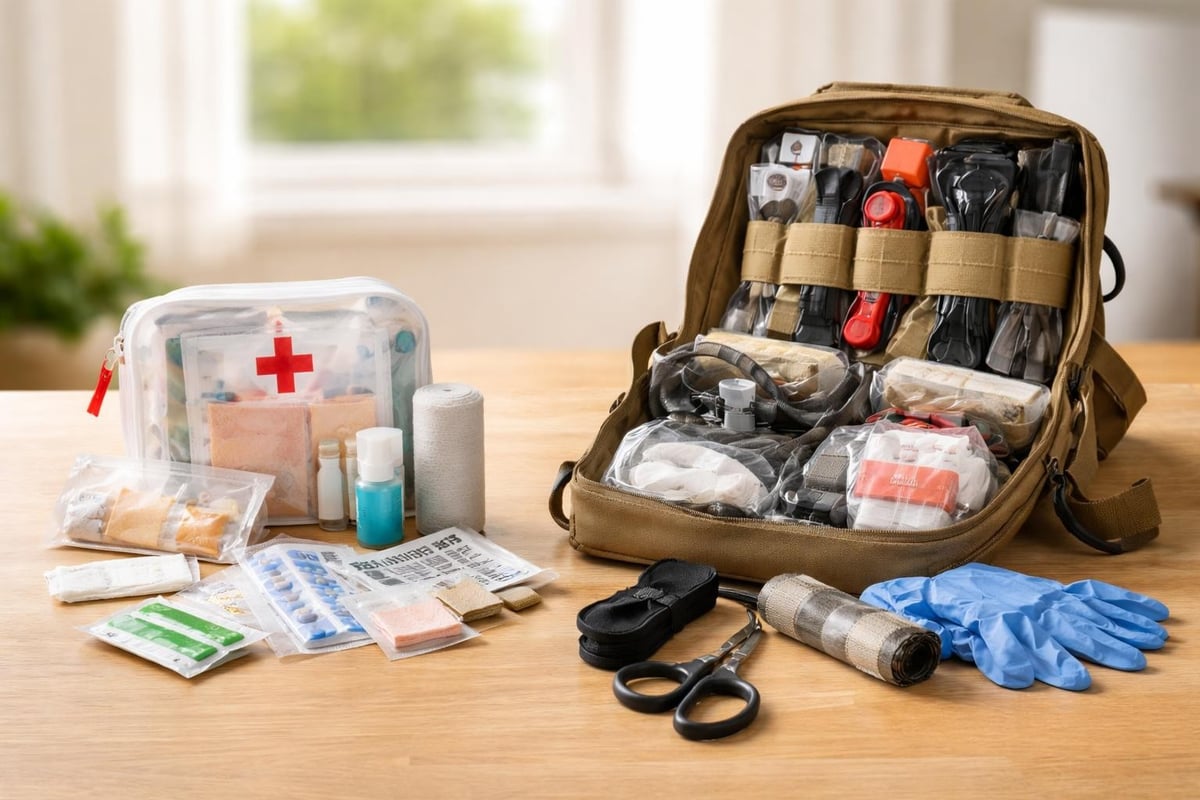
The fundamental difference between its boo boo kit and a trauma kit lies in the severity of injuries each addresses. Trauma kits contain tourniquets designed to stop life-threatening hemorrhage, chest seals for penetrating injuries, and hemostatic gauze for severe bleeding. Its boo boo kit, conversely, handles the minor injuries that occur far more frequently but require less intensive intervention.
This distinction matters because it influences how people organize their emergency supplies. A well-prepared individual carries both types of equipment but keeps them separate for quick access. When a child falls on the playground and scrapes their elbow, fumbling through trauma supplies to find a simple adhesive bandage wastes time and creates confusion. Its boo boo kit should be immediately accessible and clearly labeled.
Key differences include:
- Injury severity: Life-threatening versus minor
- Supply complexity: Advanced medical devices versus basic wound care
- Training requirements: Specialized instruction versus common knowledge
- Usage frequency: Rare emergencies versus regular occurrences
- Cost considerations: Expensive specialized gear versus affordable everyday supplies
Essential Components for Its Boo Boo Kit
Building its boo boo kit requires careful selection of supplies that address the most common minor injuries without creating unnecessary bulk. According to guidance from the American Red Cross on first aid kit anatomy, certain items appear consistently across recommended supply lists due to their versatility and frequency of use.
Wound Cleaning and Protection Supplies
The foundation of its boo boo kit centers on cleaning minor wounds and protecting them from infection. Antiseptic wipes or alcohol prep pads remove dirt and bacteria from abraded skin, while antibiotic ointment provides a protective barrier that promotes healing. Quality triple antibiotic ointment in convenient packaging ensures you can treat multiple small wounds without cross-contamination concerns.
Clean wounds heal faster and with fewer complications. Research consistently demonstrates that proper wound cleaning within the first few minutes after injury significantly reduces infection risk. Its boo boo kit makes this critical step convenient, encouraging people to treat injuries immediately rather than postponing care until they return home.
| Supply Category | Specific Items | Primary Purpose |
|---|---|---|
| Cleaning | Antiseptic wipes, alcohol pads, saline solution | Remove debris and bacteria |
| Protection | Antibiotic ointment, petroleum jelly | Prevent infection and promote healing |
| Covering | Adhesive bandages (various sizes), gauze pads | Shield wounds from contaminants |
| Securing | Medical tape, self-adhesive wrap | Hold dressings in place |
Bandages and Dressing Materials
Its boo boo kit requires a variety of bandage sizes to accommodate different injury types and locations. Standard adhesive bandages work well for small cuts on fingers or minor scrapes, while larger gauze pads with medical tape address bigger abrasions on knees or elbows. Knuckle and fingertip bandages prove invaluable for injuries in areas where standard bandages don't conform well.
The essential supplies that belong in any first aid system apply equally to its boo boo kit, though in smaller quantities focused on minor injury management. Self-adhesive wrap deserves special mention for its versatility-it secures dressings without tape, provides compression for minor sprains, and protects blisters without sticking to skin.
Recommended bandage inventory:
- Standard adhesive bandages (20-30 assorted sizes)
- Knuckle and fingertip bandages (6-10 pieces)
- Large gauze pads 4x4 inches (10-12 pieces)
- Non-stick pads for burns and scrapes (6-8 pieces)
- Self-adhesive wrap 2-3 inches wide (2-3 rolls)
- Medical tape 1-inch width (1 roll)
Blister and Friction Management
Active individuals quickly discover that blisters can transform an enjoyable outdoor experience into a painful ordeal. Its boo boo kit should include specific supplies for blister prevention and treatment. Moleskin or blister pads cushion hot spots before they develop into full blisters, while hydrocolloid dressings protect existing blisters and promote faster healing.
Prevention remains more effective than treatment when addressing friction injuries. Recognizing the early signs of a developing blister-warmth, redness, or discomfort in a specific area-and immediately applying protective padding can prevent hours or days of discomfort. Its boo boo kit enables this proactive approach by keeping appropriate supplies readily accessible during activities.
Organizing Its Boo Boo Kit for Maximum Effectiveness
The most comprehensive supply collection loses value if you cannot quickly locate needed items during an emergency. Its boo boo kit requires thoughtful organization that balances completeness with accessibility. Successful organization strategies consider the container, internal arrangement, and maintenance schedule.
Selecting the Right Container
Its boo boo kit container should be compact enough for convenient carry while providing adequate protection for supplies. Hard-sided containers protect contents from crushing but add weight and bulk. Soft pouches offer flexibility and lighter weight but provide less protection. The ideal choice depends on your primary use case and carrying method.
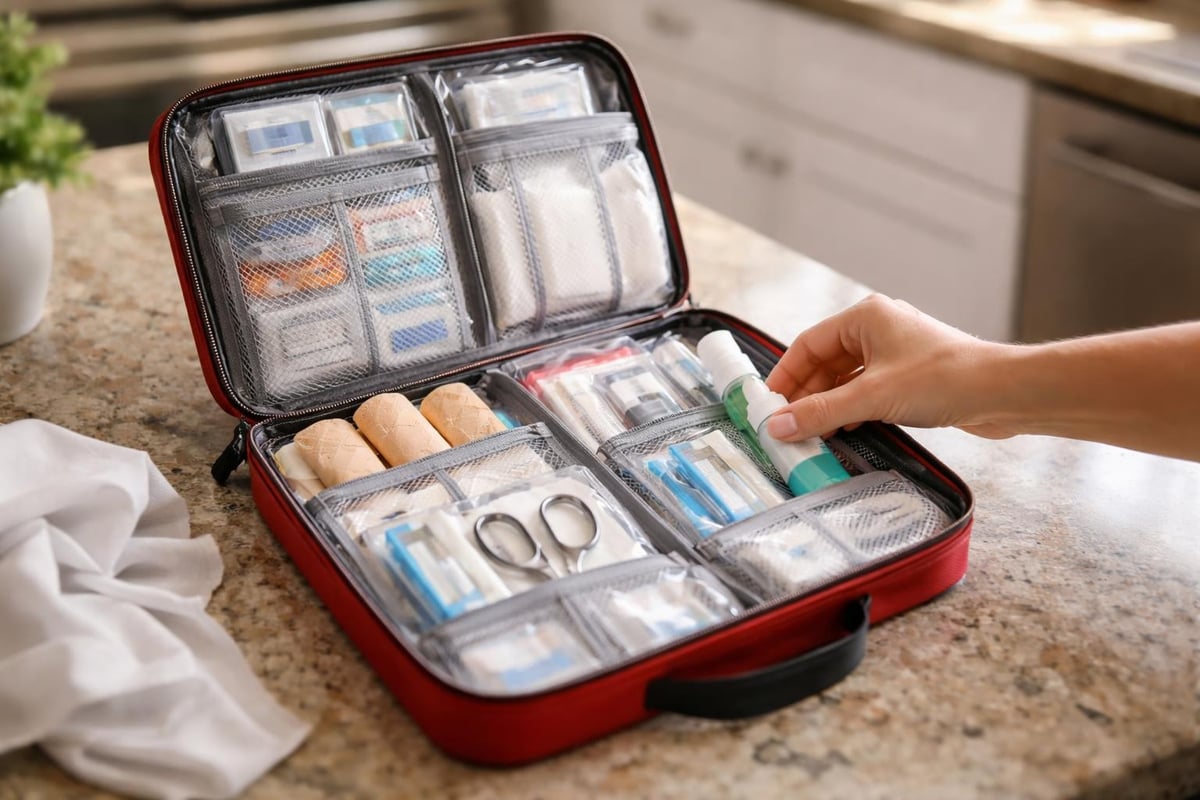
For everyday carry in a backpack or vehicle, a semi-rigid pouch with multiple compartments works well. The compartments prevent items from mixing together, making specific supplies easier to locate. Clear or mesh sections let you identify contents without unpacking everything. Waterproof or water-resistant materials protect supplies from environmental exposure.
Implementing a Logical Layout System
Arrange its boo boo kit contents according to usage frequency and injury type. Items you use most often-standard adhesive bandages and antiseptic wipes-should occupy the most accessible positions. Specialized items like blister pads or burn gel can be placed in secondary compartments since they're needed less frequently.
Effective organization categories:
- Immediate access: Standard bandages, antiseptic wipes, pain relievers
- Wound care: Antibiotic ointment, gauze pads, medical tape
- Specialized treatment: Blister supplies, burn treatment, eye wash
- Tools and accessories: Tweezers, scissors, disposable gloves
- Documentation: Instruction cards, emergency contact information
Some practitioners group supplies by injury type rather than item category. This approach places all blister-related items together, all burn treatment supplies together, and so forth. The strategy works particularly well for individuals who regularly encounter specific injury types during their activities.
Customizing Its Boo Boo Kit for Specific Activities
Generic its boo boo kit configurations provide broad utility, but customization based on specific activities or environments improves relevance and effectiveness. A kit optimized for office environments differs significantly from one designed for hiking, and recognizing these distinctions ensures you carry appropriate supplies without unnecessary weight.
Activity-Specific Modifications
Outdoor enthusiasts should enhance its boo boo kit with supplies addressing common wilderness injuries. Tick removal tools, sting relief pads, and additional blister treatment supplies prove valuable during hiking or camping trips. Conversely, office workers might emphasize headache medication, eye drops for computer strain, and bandages for paper cuts.
Parents assembling its boo boo kit for family use should consider child-specific items. Colorful character bandages encourage young children to accept treatment more readily. Child-safe pain relievers in appropriate dosages eliminate guesswork during stressful moments. Including a small toy or distraction item-while not medical equipment-can significantly ease treatment of minor injuries for anxious children.
| Environment | Priority Additions | Rationale |
|---|---|---|
| Workplace | Eye wash, burn gel, headache medication | Address common office and industrial injuries |
| Outdoor recreation | Tick removal, sting relief, extra blister supplies | Prevent wilderness-specific complications |
| Youth sports | Ice packs, elastic wraps, extra bandages | Manage frequent minor athletic injuries |
| Home use | Larger quantities, varied sizes, burn treatment | Accommodate diverse family needs |
Environmental Considerations
Temperature extremes and environmental conditions affect both injury types and supply performance. Cold weather environments increase the likelihood of chapped skin and minor frostbite, suggesting lip balm and warming packs as useful additions to its boo boo kit. Hot climates elevate sunburn risk and heat-related issues, making aloe gel and electrolyte packets valuable inclusions.
Humidity affects adhesive performance, with standard bandages failing to adhere properly in very wet conditions. Waterproof or fabric bandages maintain better adhesion during water activities or in humid environments. Understanding how your typical environment influences both injury patterns and supply effectiveness helps optimize its boo boo kit configuration.
Maintenance and Resupply Strategies
Its boo boo kit requires regular attention to remain effective. Supplies expire, get used, or degrade over time, and systematic maintenance ensures the kit performs when needed. Establishing a review schedule and resupply system prevents the frustration of discovering expired or depleted supplies during an emergency.
Establishing Review Intervals
Schedule comprehensive its boo boo kit reviews every six months, checking expiration dates on all medications and ointments. Adhesive products lose stickiness over time, even when stored properly, so test a sample bandage periodically to verify adhesive quality. Replace any items showing signs of degradation, including discolored ointments, dried-out wipes, or compromised packaging.
Beyond scheduled reviews, implement an immediate resupply protocol. When you use supplies from its boo boo kit, add those items to a replacement list immediately. Many people intend to restock later but forget which items they used, gradually depleting the kit without realizing it. Maintaining adequate first aid resupply ensures continuous preparedness.
Monthly quick checks:
- Verify container remains intact and properly sealed
- Confirm most-used items are still adequately stocked
- Check for any water damage or environmental exposure
- Ensure the kit remains in its designated storage location
- Review and update any emergency contact information
Tracking Expiration Dates
Its boo boo kit contains multiple items with different expiration dates, creating a tracking challenge. Several strategies simplify this management task. Mark the kit's exterior with the earliest expiration date among its contents, prompting a detailed review when that date approaches. Alternatively, maintain a simple inventory list inside the kit noting item names and expiration dates.
Some prepared individuals use color-coded dots to indicate expiration years, placing a red dot on items expiring in 2026, blue for 2027, and so forth. This visual system allows quick identification of approaching expirations without reading small print on individual packages. The detailed information about proper first aid box contents emphasizes storage practices that extend supply longevity.
Training and Practical Application Skills
Possessing its boo boo kit provides little value without understanding proper usage techniques. While treating minor injuries seems straightforward, evidence-based practices improve outcomes and prevent complications. Basic wound care knowledge transforms its boo boo kit from a collection of supplies into an effective medical tool.
Proper Wound Cleaning Techniques
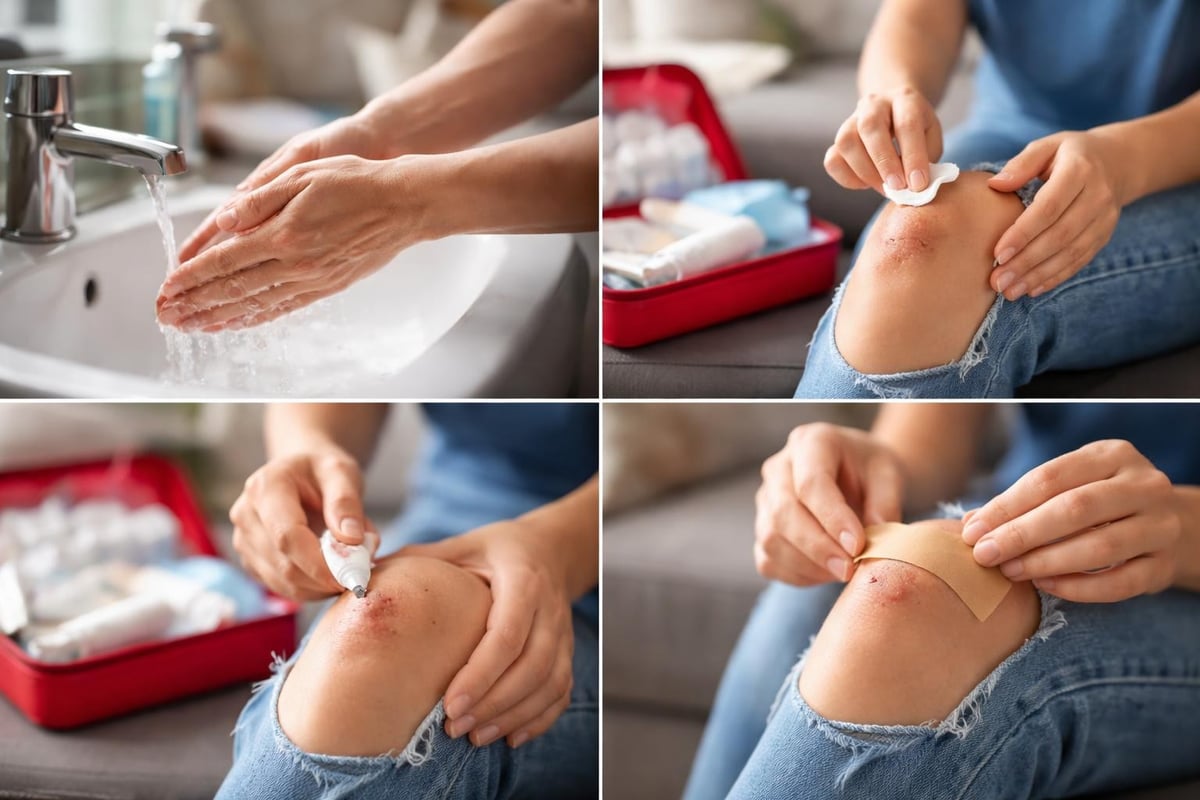
Effective wound cleaning removes visible contamination while minimizing tissue damage. Begin by washing your hands or using disposable gloves to prevent introducing additional bacteria. Rinse the wound with clean water or saline solution, gently removing dirt and debris. Avoid harsh scrubbing, which damages tissue and impairs healing.
After cleaning, pat the area dry with sterile gauze before applying antibiotic ointment. The ointment creates a moist healing environment and provides antimicrobial protection. Cover the wound with an appropriate bandage that extends beyond the injury margins, securing clean skin rather than the wound itself. This technique prevents the bandage from becoming saturated with drainage and maintains better adhesion.
When to Seek Professional Care
Its boo boo kit addresses minor injuries, but recognizing when an injury exceeds these capabilities proves equally important. Deep lacerations requiring stitches, puncture wounds from dirty objects, or injuries showing signs of infection need professional medical evaluation. Understanding what constitutes appropriate first aid kit usage versus requiring advanced care prevents delayed treatment of serious conditions.
Seek professional care when injuries involve:
- Deep cuts with visible underlying tissue or fat
- Puncture wounds from rusty or contaminated objects
- Animal or human bites that break the skin
- Burns larger than the victim's palm or on face/hands/genitals
- Signs of infection including increasing redness, warmth, swelling, or pus
- Injuries that don't improve within 48-72 hours
Its boo boo kit complements professional medical care rather than replacing it. Having appropriate supplies and knowledge enables effective initial treatment while recognizing serious injuries require expert intervention demonstrates responsible preparedness.
Integration with Comprehensive Emergency Systems
Its boo boo kit functions as one component within a broader emergency preparedness strategy. Understanding how it relates to other medical supplies and emergency equipment creates a cohesive response capability for various scenarios. This integrated approach ensures you can address both minor inconveniences and serious emergencies without carrying excessive or redundant equipment.
Layered Medical Preparedness
Professional emergency responders employ a layered approach to medical equipment, carrying different supply levels for various situations. Its boo boo kit represents the first layer, addressing everyday minor injuries. The second layer consists of comprehensive first aid supplies for non-life-threatening but more serious conditions like sprains, larger wounds, or illness management.
The third layer includes trauma equipment designed for life-threatening emergencies-tourniquets, hemostatic agents, chest seals, and airway management tools. While most people never need trauma supplies, having them available can mean the difference between life and death during critical incidents. Understanding workplace first aid requirements helps organizations determine appropriate supply levels for their specific environments.
Strategic Placement and Accessibility
Where you store its boo boo kit significantly affects its utility. Keeping it locked in a vehicle's trunk proves useless when you need it during a trail hike. Conversely, carrying it during every grocery store visit represents unnecessary burden. Strategic placement considers activity patterns and risk profiles.
Many prepared individuals maintain multiple its boo boo kit configurations. A compact version rides in an everyday carry bag or purse for urban environments. A more comprehensive version stays in vehicles for road trips and outdoor activities. Home versions can be larger and more complete since weight and size constraints don't apply. The various kit size options available enable this multi-kit strategy without significant expense.
Cost-Effective Assembly and Value Optimization
Building its boo boo kit need not strain budgets, particularly when approached systematically. Understanding which supplies provide the greatest value and where cost savings opportunities exist helps create effective kits at reasonable expense. The goal balances comprehensive capability with financial practicality.
Prioritizing High-Impact Supplies
Some its boo boo kit components see frequent use while others remain untouched for years. Prioritizing investments in high-use items ensures better value. Adhesive bandages, antiseptic wipes, and antibiotic ointment warrant higher quality purchases since you'll use them regularly. Specialized items needed only occasionally-like eye wash or burn gel-can be more budget-conscious choices.
Buying in appropriate quantities also affects cost-effectiveness. Individual packets cost more per unit than bulk containers, but bulk sizes waste money if supplies expire before use. For its boo boo kit, mid-size packaging usually offers the best value-enough to justify volume discounts without excessive waste from expiration.
Value optimization strategies:
- Buy quality for frequently used items: Adhesive bandages, wipes, ointments
- Accept generic for specialized items: Burn gel, eye drops, sting relief
- Watch for sales and bulk discounts: Stock up when prices drop
- Share large quantities: Split bulk purchases with family or friends
- Prioritize multi-use items: Self-adhesive wrap, gauze pads, medical tape
Building Versus Buying Pre-Assembled Kits
Pre-assembled its boo boo kit options offer convenience but typically include items you don't need while omitting others you want. Building custom kits provides better control over contents and often costs less, though it requires more time and research. For individuals with specific needs or preferences, custom assembly usually delivers superior value.
However, pre-assembled kits work well as starting points. Purchase a basic kit meeting 70-80% of your requirements, then supplement with specific additions addressing your unique needs. This hybrid approach balances convenience with customization while often providing better per-item pricing than buying everything separately.
Special Considerations for Different User Groups
Its boo boo kit requirements vary based on user characteristics and intended beneficiaries. A kit designed for elderly adults differs from one serving active children or individuals with specific medical conditions. Recognizing these distinctions and adjusting contents accordingly improves kit relevance and effectiveness.
Pediatric Modifications
Children require different supply sizes and formulations than adults. Smaller bandages fit small fingers better, while child-appropriate medication dosages eliminate calculation errors during stressful moments. Including supplies that make treatment more acceptable to anxious children-character bandages, small rewards, distraction items-improves cooperation and outcomes.
Parents should also consider developmental stages when assembling its boo boo kit for children. Teenagers might appreciate discrete, neutral-colored bandages, while younger children respond better to bright colors and fun designs. Instruction cards with simple illustrations help older children begin learning self-care skills for minor injuries.
Considerations for Chronic Conditions
Individuals with certain medical conditions need specialized additions to its boo boo kit. Diabetics should include extra supplies for blood sugar monitoring and foot care, since minor foot injuries can escalate quickly with this condition. People taking blood thinners might need additional gauze and pressure supplies since minor wounds bleed more extensively.
Allergies represent another important consideration. Someone with known insect sting allergies should carry antihistamines and possibly an epinephrine auto-injector, though the latter exceeds typical its boo boo kit scope and enters emergency medication territory. Skin allergies might require hypoallergenic adhesives and latex-free gloves.
| User Group | Specific Additions | Rationale |
|---|---|---|
| Young children | Character bandages, smaller sizes, simple instructions | Improve cooperation and fit |
| Athletes | Blister prevention, elastic wraps, instant cold packs | Address activity-specific injuries |
| Elderly adults | Reading glasses, larger print instructions, arthritis-friendly packaging | Accommodate physical limitations |
| Diabetics | Extra gauze, foot care supplies, glucose tablets | Prevent complication of minor injuries |
Real-World Applications and Success Stories
Understanding its boo boo kit value becomes clearer through practical examples demonstrating its utility. These scenarios illustrate how appropriate preparedness transforms potentially problematic situations into minor inconveniences managed confidently and effectively.
Outdoor Recreation Scenarios
During a family camping trip in the Pacific Northwest, a father's preparedness with its boo boo kit prevented a minor injury from ruining their vacation. His daughter developed a painful blister on her heel during a morning hike. Having blister pads and moleskin immediately available, he cushioned the area before it worsened, allowing her to continue participating in activities comfortably for the remaining three days.
Without its boo boo kit, the family would have faced difficult choices-curtail the trip and return home, severely limit the daughter's participation, or let the blister worsen into a painful wound requiring medical attention. The small investment in proper supplies and the few minutes needed for treatment preserved both the vacation and the child's comfort.
Workplace Incident Management
A construction supervisor's decision to keep its boo boo kit readily accessible in his vehicle proved valuable when a worker sustained a minor cut while opening material packaging. The supervisor quickly cleaned and bandaged the wound, preventing worksite contamination and allowing the employee to continue working after a brief pause.
This incident highlights how its boo boo kit serves professional settings by minimizing disruption from minor injuries. The alternative-leaving the worksite to seek first aid supplies or continuing work with an unprotected wound-would have wasted time and increased infection risk. Having appropriate supplies immediately available demonstrated both preparedness and care for employee welfare.
Educational Opportunities
Each time someone uses its boo boo kit, they gain practical experience in wound care and emergency response. A college student who assembled her first kit learned proper wound cleaning techniques after sustaining a cooking burn. The included instruction card guided her through appropriate treatment steps, building confidence and competence she'll carry forward.
These learning opportunities extend beyond the immediate user. Children watching parents effectively treat minor injuries absorb valuable lessons about remaining calm during emergencies and following systematic treatment protocols. Its boo boo kit becomes a teaching tool as well as a medical supply collection, building generational preparedness knowledge.
Building and maintaining its boo boo kit represents a practical step toward comprehensive emergency preparedness, addressing the minor injuries most people actually encounter while complementing more advanced medical equipment for serious situations. Whether you're assembling your first kit or optimizing an existing collection, focusing on quality supplies, logical organization, and regular maintenance ensures you're ready to handle everyday medical needs confidently. Medical Gear Outfitters provides the professional-grade supplies and expert guidance you need to build effective medical kits for any situation, backed by genuine paramedic experience and a commitment to preparing individuals for emergency response.

