
9 Essential 1st Aid Box Contents Everyone Needs in 2026
A first aid kit is one of the simplest and most important pieces of safety equipment you can own. Whether it's for your home, car, office, or job site, a well-stocked kit lets you respond to cuts, burns, sprains, and more serious emergencies quickly and confidently. This guide covers everything you need: what a first aid kit is and why it matters, a complete contents checklist, how many of each item to include, the different sizes and types, what the case should be made of, OSHA and ANSI requirements, and where to keep it. Use it to build a kit from scratch or to check that the one you have is ready.
What Is a First Aid Kit?
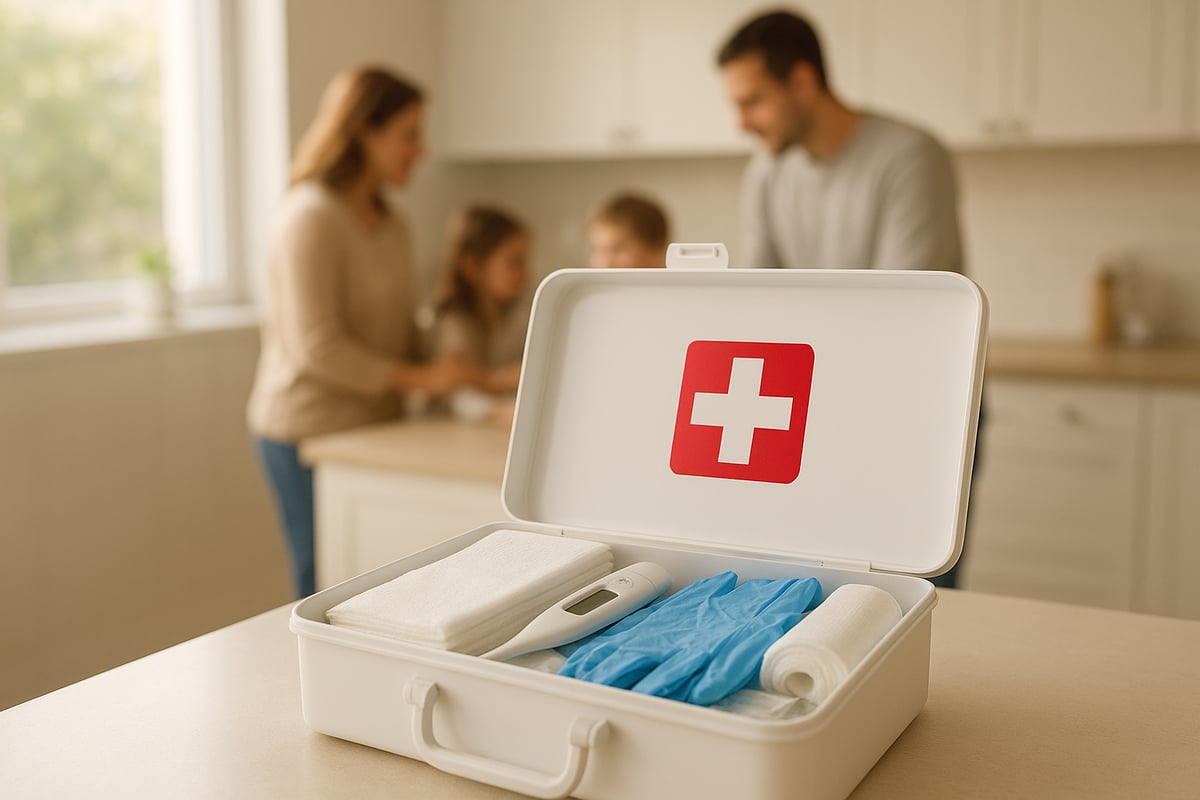
A first aid kit (also called a first aid box or med kit) is a container holding the supplies and equipment needed to give immediate care for injuries and illnesses until professional help arrives. The container is usually a rigid, clearly marked case, often with a green or red cross, that protects the contents from dust, moisture, and damage, though travel and vehicle versions are commonly soft nylon bags or pouches.
Purpose and Uses of a First Aid Kit (Why It's Important)
The purpose of a first aid kit is to let an ordinary person act as a first responder in the critical minutes before EMS arrives. A well-stocked kit lets you:
- Clean and cover wounds to prevent infection
- Control bleeding, from minor cuts to life-threatening hemorrhage
- Manage burns, sprains, and strains
- Relieve pain and treat allergic reactions
- Protect yourself from contamination while giving care
- Stabilize an injured person and reduce the severity of an injury
In the workplace, OSHA requires employers to have adequate first aid supplies "readily available" under 29 CFR 1910.151(b), and it recognizes the ANSI/ISEA Z308.1 standard as the benchmark for kit contents. But the case for a kit is just as strong at home and in the car, where most everyday injuries actually happen.
First Aid Kit Contents: The Complete Checklist
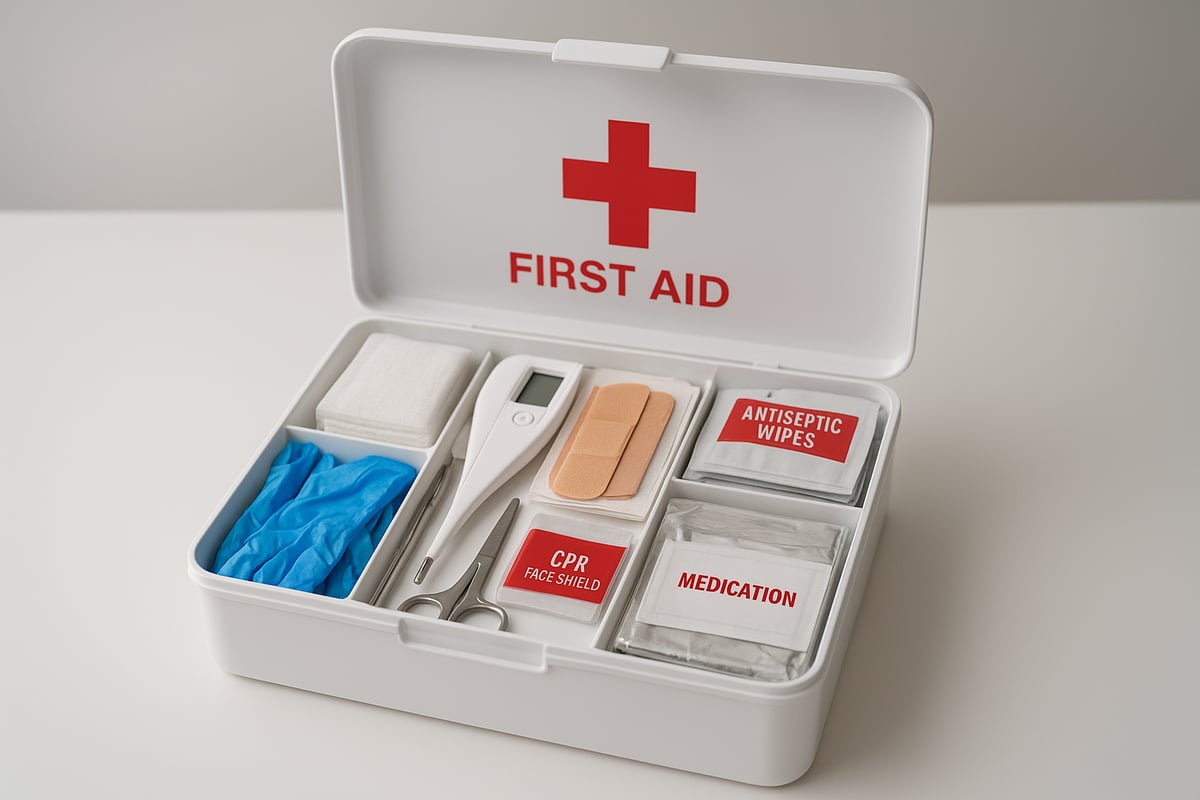
There's no single mandatory contents list, the right items depend on your setting and risks, but a well-rounded first aid kit contains the following. Use this as your first aid kit supplies checklist:
- Wound care: assorted adhesive bandages (Band-Aids), sterile gauze pads (assorted sizes), a roller (rolled) gauze bandage, an absorbent compress, trauma pads, non-stick pads, a triangular bandage (for slings), and an elastic (ACE) bandage
- Burn and eye care: a gel-soaked burn dressing, burn treatment packets, eye covering pads, and sterile eye/skin wash
- Securing materials: adhesive medical tape, safety pins, and wound closure strips (butterfly/Steri-Strips)
- Cleaning and antiseptics: antiseptic wipes, antibiotic ointment packets, and hand sanitizer
- Tools: scissors or trauma shears, tweezers, and a digital thermometer
- Protection (PPE): nitrile (non-latex) exam gloves and a CPR breathing barrier or face shield
- Medications: pain relievers (acetaminophen and ibuprofen), an antihistamine for allergic reactions, hydrocortisone cream, aspirin (for suspected cardiac events in adults), and any personal prescriptions
- Support items: a foil emergency (mylar) blanket, an instant cold pack, a first aid guide, and a notepad and pen
- For higher-risk settings: a tourniquet, hemostatic (bleeding-control) gauze, a pressure bandage, a chest seal, and a splint
You can build this yourself or start from a ready-made large first aid kit and add to it. Below, we break down the nine items most people should treat as non-negotiable.
9 Essential First Aid Kit Items (and How to Use Them)
1. Sterile Gauze Pads and Dressings
Sterile gauze pads and dressings are the foundation of wound care, used to cover wounds, control bleeding, and protect burns and abrasions. Store them in sealed, moisture-proof packaging to keep them sterile, and apply direct pressure with a pad to stop bleeding. Keep both standard pads and larger trauma pads for bigger wounds.
2. Digital Thermometer
A digital thermometer lets you detect fever or infection quickly and has safely replaced old mercury types. Clean it with an alcohol wipe after each use and store it in a protective case. (Yes, a good first aid kit should include one, even though basic pre-packaged kits sometimes omit it.)
3. Antiseptic Wipes and Antibiotic Ointment
Antiseptic wipes clean cuts, scrapes, and minor wounds, while antibiotic ointment helps prevent infection. Clean from the center of the wound outward, then dispose of the wipe. Check expiration dates and keep wipes sealed so they don't dry out.
4. Adhesive Bandages in Multiple Sizes
Assorted adhesive bandages (Band-Aids) protect minor cuts, blisters, and abrasions. Include a range of sizes plus some hypoallergenic and waterproof options. Apply after cleaning the wound and replace if wet or dirty.
5. Medical Gloves (Nitrile or Latex-Free)
Disposable gloves protect you and prevent cross-contamination. Nitrile is preferred because it avoids latex allergies. Keep several pairs, like these nitrile gloves, and bag them after use.
6. CPR Face Shield or Mask
A CPR face shield or pocket mask provides a safe barrier for rescue breaths and is emphasized in current American Heart Association CPR guidelines. Bystander CPR with a barrier device can meaningfully improve survival in cardiac emergencies.
7. Emergency Blanket
A foil emergency blanket helps manage shock and hypothermia and can serve as temporary shelter. Wrap the person completely, shiny side in for warmth. They pack down small, so keep one in every kit and vehicle. (Note: a foil blanket is now a required item in ANSI Z308.1-2021 kits.)
8. Tweezers and Safety Scissors
Stainless tweezers remove splinters, glass, and ticks, while scissors or trauma shears cut dressings and clothing. Clean them with alcohol before and after use.
9. Pain Relievers and Allergy Medication
Stock pain relief (acetaminophen and ibuprofen) and an antihistamine for allergic reactions. Keep medications in their original packaging, check expiration dates, and rotate stock. Note: avoid aspirin and ibuprofen for head injuries, and follow label directions.
How Many of Each Item Should Be in a First Aid Kit?
For workplaces, the answer comes from ANSI/ISEA Z308.1-2021, the consensus standard OSHA points to. It defines a Class A kit (basic, for common workplace injuries). Its required minimum fill includes:
- 16 adhesive bandages (1" x 3")
- 1 adhesive tape roll (2.5 yd)
- 10 antiseptic applications and 10 antibiotic treatment applications
- 1 breathing barrier (CPR)
- 1 burn dressing and 10 burn treatment packets
- 1 cold pack, 2 eye coverings, and 1 oz eye/skin wash
- 6 hand sanitizer packets
- 2 pairs of exam gloves and 1 pair of scissors
- 1 roller bandage, 2 sterile pads (3" x 3"), 2 trauma pads (5" x 9"), 1 triangular bandage, 1 absorbent compress
- 1 first aid guide and 1 foil blanket
So if you're wondering how many adhesive bandages a kit needs, ANSI specifies 16 for a Class A kit and 50 for a Class B kit. A Class B kit carries all Class A items in larger quantities, plus a tourniquet and a splint (both added in the 2021 revision), for higher-risk or industrial settings. Home kits aren't bound by ANSI, but it's a useful baseline.
First Aid Kit Sizes and Classes
Under ANSI/ISEA Z308.1-2021, workplace kits come in two classes based on risk:
- Class A, basic supplies for the most common workplace injuries (offices, retail, light commercial).
- Class B, larger quantities plus a tourniquet and splint, for higher-risk environments like warehouses, manufacturing, and construction.
Employers also scale the number of kits to the size of the workforce and add more for larger or multi-building sites. For home and car, choose a kit size that fits your space while covering the contents checklist above.
Types of First Aid Kits
ANSI also defines four container Types (I–IV) by environment and portability, and beyond the workplace there are kits built for specific settings:
- Type I, stationary, mountable indoor kit (e.g., an office wall cabinet)
- Type II, portable indoor kit (e.g., light manufacturing)
- Type III, portable, mountable, water-resistant for indoor/outdoor use
- Type IV, rugged, water-resistant, mobile kit for vehicles, construction, and the outdoors
- Home kit, for everyday household injuries
- Vehicle and travel kits, compact and portable for the car or trips
- Trauma or bleeding-control kit, with a tourniquet and hemostatic gear for high-risk use, such as a civilian trauma kit
What Material Should a First Aid Kit Case Be Made Of?
The container matters as much as the contents. Workplace kits commonly use a rigid plastic case (lighter and economical) or a metal cabinet (more durable, better for permanent wall mounting), both clearly marked with a cross so anyone can spot them fast. For vehicles, travel, and tactical use, a soft nylon bag (sometimes with a rip-away panel) is lighter and more portable. For outdoor or mobile use, choose a water-resistant Type III or IV container. Whatever the material, the case should keep supplies dust- and moisture-free and be clearly labeled.
First Aid Kit Requirements: Workplace, Office, and Home
Workplace and office: OSHA's general-industry rule (29 CFR 1910.151(b)) requires adequate first aid supplies to be readily available; the construction rule is 29 CFR 1926.50. OSHA doesn't mandate a specific contents list for most workplaces, but it recognizes ANSI/ISEA Z308.1 as the consensus standard, so a Class A or Class B kit is the practical way to demonstrate compliance. Match the class to your hazard level and the number of kits to your headcount. For more, see our workplace first aid kit guide.
Home: No law dictates a home kit, but every household should keep one (and a smaller one in each vehicle). The American Red Cross publishes a recommended contents list for a family of four. Tailor yours to your family, adding children's medications, allergy treatments, or supplies for seniors and pets as needed.
Where to Keep Your First Aid Kit (Location)
A kit only helps if you can reach it fast. Keep it in a central, clearly known, easily accessible location, not locked away. In workplaces, mount it on a wall near higher-risk areas and make sure all employees know where it is. At home, avoid the bathroom (humidity degrades supplies); a kitchen or hallway cabinet is better. In the car, keep a kit in the cabin within reach, not buried in the trunk.
How to Maintain and Update Your First Aid Kit
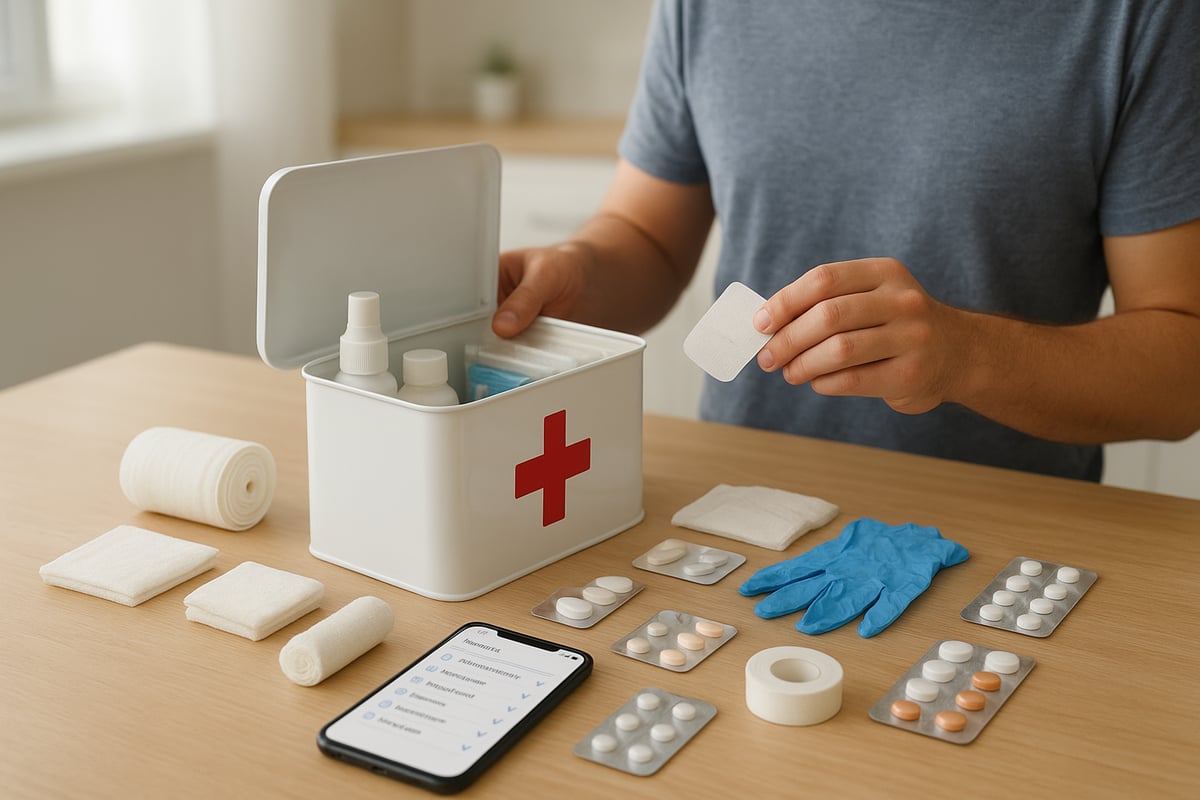
A neglected kit can fail you when it matters. Keep yours ready with a simple routine:
- Check it every 3–6 months. Inspect expiration dates on medications and sterile items, and confirm the case isn't damaged.
- Restock immediately after use. Replace anything used, expired, or with broken packaging.
- Look for wear. Make sure adhesive items still stick, dressings aren't frayed, and metal tools aren't rusted.
- Customize over time. Adjust contents for your household, season, and activities, and assign one person to keep workplace kits stocked.
- Pair it with training. Supplies are only as useful as the skills to use them, take a first aid and CPR course.
For a benchmark of a fully stocked kit, see the American Red Cross anatomy of a first aid kit and the latest first aid guidelines.
Where to Buy Quality First Aid Supplies
When you're protecting your family or team, quality and authenticity matter more than price. Prioritize clearly labeled, compliant supplies from reputable brands, and be wary of deals that seem too good to be true, counterfeit products often have unclear packaging, missing safety seals, or no expiration dates. A specialty supplier gives you paramedic-grade components and complete kits you can trust. Explore ready-made options like the large first aid kit and bleeding-control gear such as hemostatic gauze, or browse the full first aid equipment range to build exactly what you need.
Frequently Asked Questions
What should be in a first aid kit?
The essentials are assorted adhesive bandages and sterile dressings, gauze, antiseptic wipes, antibiotic ointment, nitrile gloves, scissors and tweezers, a digital thermometer, a CPR shield, an emergency blanket, pain relievers, and an antihistamine. Higher-risk settings should add a tourniquet and bleeding-control gear.
How many bandages should be in a first aid kit?
For workplace kits, ANSI/ISEA Z308.1-2021 requires at least 16 adhesive bandages (1" x 3") in a Class A kit and 50 in a Class B kit. Home kits aren't bound by ANSI, but 16 to 25 assorted bandages is a sensible minimum.
What sizes and classes do first aid kits come in?
ANSI defines Class A (basic) and Class B (higher-risk, with a tourniquet and splint) kits, plus four container Types (I–IV) by portability and environment. Employers choose the class by hazard level and the number of kits by headcount.
What is a first aid kit case made of?
Workplace kits use rigid plastic cases or durable metal cabinets, while travel and vehicle kits often use soft nylon bags. For outdoor or mobile use, choose a water-resistant Type III or IV container.
Do workplaces have to meet first aid kit requirements?
Yes. OSHA requires adequate first aid supplies to be readily available (29 CFR 1910.151(b); construction 1926.50) and recognizes ANSI/ISEA Z308.1 as the consensus standard, so a Class A or B kit is the practical way to comply. Home kits aren't regulated but are strongly recommended.
Where should a first aid kit be kept?
In a central, clearly marked, easily accessible spot, on a wall near higher-risk areas at work, in a dry cabinet at home rather than the bathroom, and within reach in the car cabin.
What items would you include in a first aid kit?
Cover five jobs: wound care (bandages, gauze, dressings, tape), cleaning and infection control (antiseptic wipes, ointment), protection (gloves, CPR shield), medications (pain relief, antihistamine), and support items (emergency blanket, cold pack, scissors, tweezers, thermometer), plus bleeding-control gear for higher-risk settings.

