Industrial First Aid Kits: Complete 2026 Compliance Guide
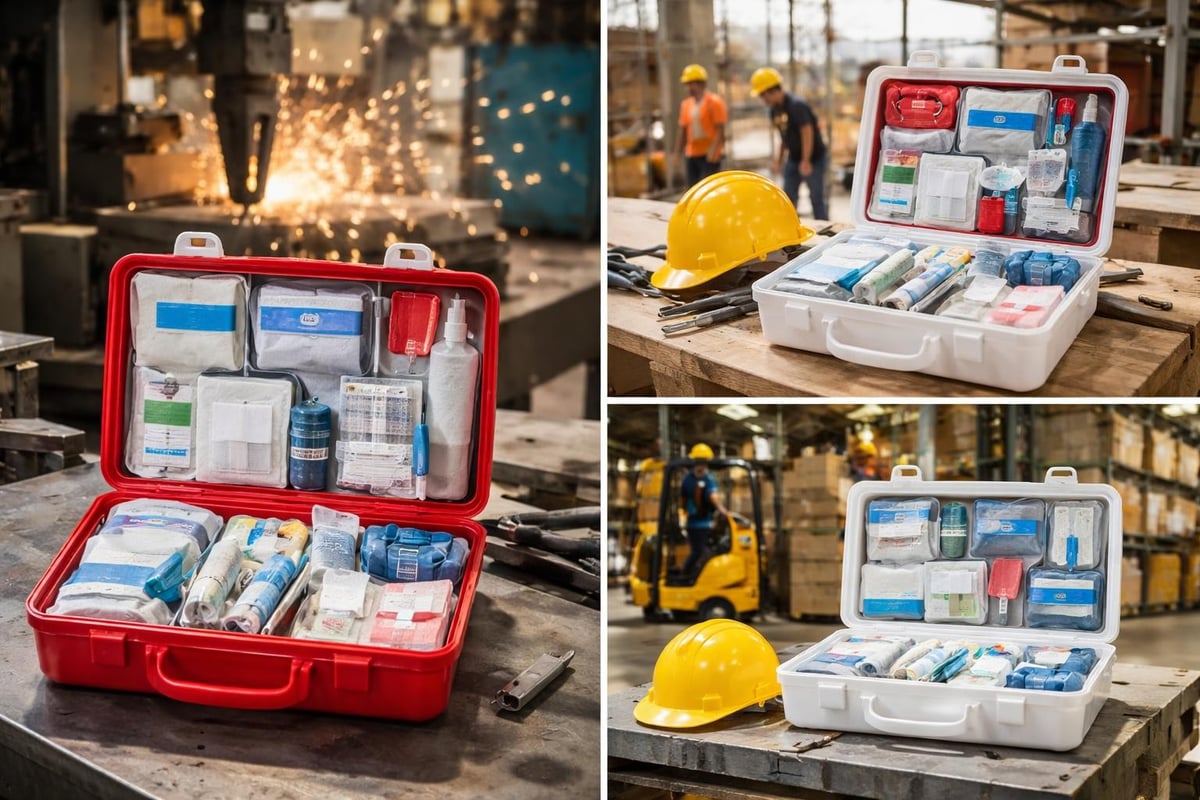
Manufacturing facilities, construction sites, and warehouses present unique safety challenges that require specialized emergency preparedness. Industrial first aid kits serve as critical safety resources designed to address workplace injuries ranging from minor cuts to serious trauma incidents. Unlike basic home first aid kits, these professional-grade systems must meet stringent regulatory standards while containing supplies appropriate for the specific hazards present in industrial environments. Understanding the requirements, components, and maintenance protocols for these essential safety tools ensures compliance and protects your workforce.
Understanding Industrial First Aid Kit Requirements
Workplace safety regulations mandate that employers provide adequate first aid supplies based on their specific operational hazards. OSHA regulations for first aid kits establish baseline requirements that vary depending on facility size, employee count, and proximity to medical services. These federal standards create a foundation, but many facilities exceed minimum requirements to address their unique risk profiles.
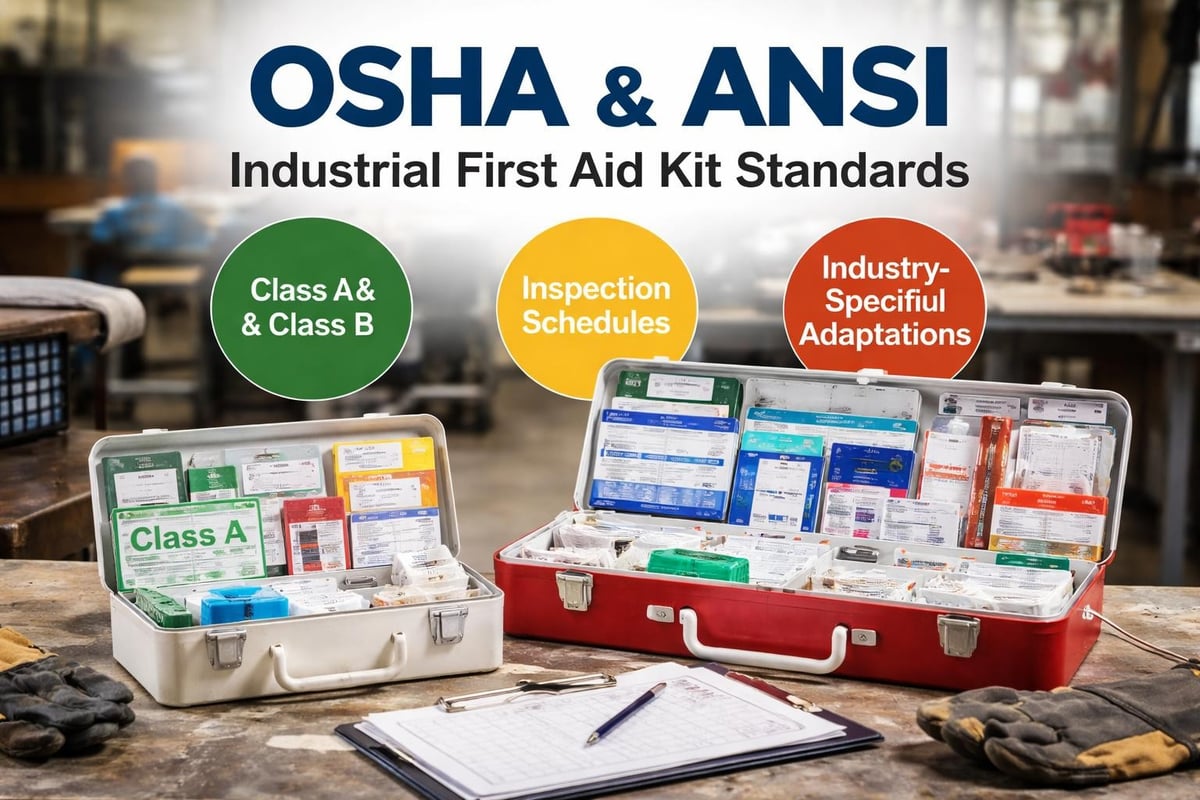
The American National Standards Institute (ANSI) provides additional guidance through the Z308.1 standard, which classifies industrial first aid kits into two primary categories. Class A kits contain supplies for minor workplace injuries, while Class B kits include more comprehensive materials for serious incidents. Understanding these ANSI classifications helps employers select appropriate kits for their facilities.
OSHA Compliance Fundamentals
Federal workplace safety standards require employers to ensure quick access to medical personnel or first aid supplies. When professional medical help is not readily available within three to four minutes, fully stocked industrial first aid kits become mandatory. This requirement applies to virtually all industrial operations, from small manufacturing shops to large distribution centers.
Compliance involves more than simply purchasing a kit and mounting it on a wall. Employers must:
- Conduct regular inspections to ensure supplies remain stocked and unexpired
- Train designated employees in first aid procedures
- Document all kit usage and maintenance activities
- Update kit contents based on workplace hazard assessments
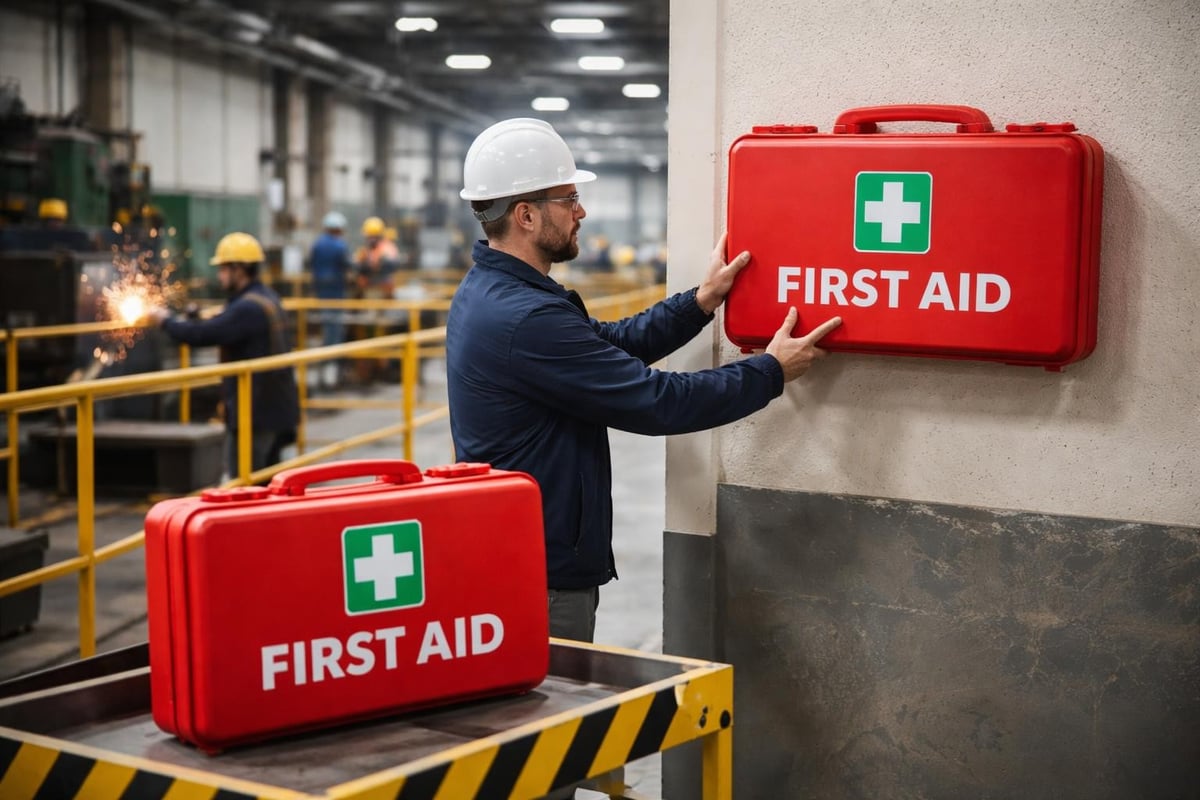
- Position kits in easily accessible, well-marked locations
The OSHA requirements for workplace first aid kits emphasize that generic kits may not adequately address industry-specific hazards. Chemical plants, metalworking facilities, and food processing operations each face distinct injury risks requiring tailored first aid solutions.
Essential Components of Industrial First Aid Kits
Professional-grade industrial first aid kits contain significantly more supplies than residential versions. The contents must address both frequency and severity of potential workplace injuries while remaining organized for rapid access during emergencies.
Core Medical Supplies
Every compliant industrial first aid kit includes fundamental wound care and protective items. These baseline supplies handle the majority of workplace injuries:
- Adhesive bandages in multiple sizes (minimum 16 per ANSI Class A)
- Sterile gauze pads for wound coverage and blood absorption
- Adhesive tape to secure dressings
- Antiseptic wipes for wound cleaning
- Medical gloves to protect both responder and patient
- Scissors for cutting tape, clothing, or bandages
- Tweezers for splinter and debris removal
- CPR barrier devices for safe rescue breathing
Understanding first aid bandage selection helps employers stock appropriate sizes and types for their workplace environments. Industrial settings often require larger bandages and more robust adhesion compared to office environments.
Trauma and Emergency Equipment
Industrial environments present elevated risks for serious injuries requiring immediate intervention. Beyond basic wound care, comprehensive industrial first aid kits incorporate trauma supplies that can save lives before emergency medical services arrive.
Bleeding Control
Severe lacerations from machinery, power tools, or sharp materials demand rapid hemorrhage control. Advanced kits include:
- Trauma dressings for large wounds
- Elastic bandages for compression
- Hemostatic gauze for accelerated clotting
- Tourniquets for life-threatening extremity bleeding
Burn Treatment
Manufacturing processes involving heat, chemicals, or electricity create burn risks. Specialized burn dressings provide cooling relief while protecting damaged tissue from infection. These supplies differ significantly from standard bandages and require specific storage conditions.
Eye Protection
Metal particles, chemical splashes, and flying debris threaten vision in many industrial settings. Eye wash stations and portable eyewash bottles provide immediate irrigation, while eye pads protect injured eyes during transport to medical facilities.
| Supply Category | Class A Minimum | Class B Minimum | Common Industrial Uses |
|---|---|---|---|
| Adhesive Bandages | 16 | 50 | Minor cuts, scrapes |
| Gauze Pads (3x3) | 10 | 50 | Wound coverage |
| Roller Bandages | 2 | 8 | Securing dressings, sprains |
| Trauma Pads (5x9) | 2 | 6 | Large wounds, heavy bleeding |
| Burn Dressings | 1 | 2 | Thermal, chemical burns |
| Eye Wash | Not specified | 1 bottle | Chemical splash, debris |
Specialized Items for High-Risk Environments
Certain industries face unique hazards requiring specialized first aid equipment beyond standard ANSI recommendations. Company first aid programs should incorporate workplace-specific risk assessments to identify necessary additions.
Chemical facilities benefit from extended eye wash capabilities and chemical burn neutralizers. Metalworking operations require enhanced eye protection and burn treatment supplies. Food processing plants need additional hand protection and cut-resistant coverage options. Construction sites demand splinting materials and enhanced trauma supplies given the elevated risk of falls and crush injuries.
Placement and Accessibility Strategies
Even the most comprehensive industrial first aid kits provide no value if workers cannot access them quickly during emergencies. Strategic placement requires analyzing workflow patterns, identifying high-risk zones, and ensuring visibility.
Location Planning
Industrial first aid procedures recommend placing kits within 100 feet of all work areas, with additional stations near identified high-hazard locations. Multi-story facilities need kits on each floor, while large open spaces may require multiple stations to ensure adequate coverage.
Environmental factors influence placement decisions. Kits should avoid extreme temperatures, direct sunlight, and moisture exposure that could degrade supplies. However, proximity to work areas takes priority over perfect storage conditions. Mounting kits on walls at consistent heights (typically 4-5 feet) improves visibility and accessibility across facilities.
Marking and Signage
Bright green cabinets with white crosses provide universal recognition of first aid stations. Supplementary signage with arrows guides workers from various approach angles. In facilities with non-English speaking workers, multilingual signs or pictogram-based markers ensure everyone can locate emergency supplies.
Maintenance and Inspection Protocols
Regulatory compliance requires ongoing attention to kit condition and supply levels. Establishing systematic maintenance protocols prevents discovering empty or expired supplies during actual emergencies.
Regular Inspection Schedules
First aid kit maintenance requirements suggest monthly inspections as best practice, though quarterly checks meet minimum ANSI standards for most facilities. Inspection checklists should document:
- Supply levels compared to baseline inventory
- Expiration dates on medications and sterile items
- Package integrity ensuring sterility is maintained
- Kit accessibility confirming nothing blocks access
- Signage visibility checking for damage or obstruction
Facilities with higher kit usage rates benefit from more frequent inspections. Manufacturing plants with hundreds of employees might inspect weekly, while smaller operations maintain adequate safety with monthly reviews.
Restocking and Replacement
Used supplies require immediate replacement rather than waiting for scheduled inspections. First aid resupply strategies should include establishing relationships with reliable suppliers who can provide rapid turnaround on replacement items.
Creating a perpetual inventory system helps track which items deplete fastest. This data informs purchasing decisions and helps optimize stock levels. Some facilities maintain backup supplies in storage, allowing immediate restocking from internal reserves while placing orders for longer-term replenishment.
Training Requirements and Best Practices
Stocked kits provide limited value without trained personnel who can deploy supplies effectively. OSHA strongly recommends that employers train employees in first aid procedures, and some state regulations mandate training for designated safety personnel.
Certification Programs
Multiple organizations offer workplace first aid training tailored to industrial environments. These programs typically cover:
- Assessment of emergency situations
- Basic life support techniques
- Wound care and bleeding control
- Burn treatment protocols
- Musculoskeletal injury management
- Recognition of serious conditions requiring EMS activation
Training should extend beyond designated first aiders to general awareness programs for all employees. Workers who understand basic first aid principles provide better assistance and make informed decisions about when to seek help.
Documentation and Record Keeping
Thorough documentation serves multiple purposes in industrial settings. Incident reports that include first aid provided help identify trends and inform safety improvements. Training records demonstrate regulatory compliance during inspections. Maintenance logs prove consistent attention to kit readiness.
| Documentation Type | Retention Period | Primary Purpose |
|---|---|---|
| Inspection Checklists | 3 years | Compliance verification |
| Incident Reports | 5+ years | Trend analysis, liability |
| Training Certificates | Duration of employment | Qualification proof |
| Supply Orders | 3 years | Budget tracking |
| Expiration Tracking | Current inventory period | Safety assurance |
Digital documentation systems streamline compliance by automating reminders for inspections, expirations, and training renewals. These platforms also simplify producing reports for OSHA inspections or insurance audits.
Customization for Industry-Specific Hazards
Generic industrial first aid kits provide baseline coverage, but optimal workplace safety requires customization based on actual operational hazards. Risk assessments identify specific dangers that standard kits may not adequately address.
Manufacturing and Production Facilities
Machinery operations create risks for crushing injuries, amputations, and foreign object penetration. Enhanced kits for these environments include:
- Additional trauma dressings for severe lacerations
- Splinting materials for fracture stabilization
- Eye irrigation solutions in larger quantities
- Specialized burn treatments for welding operations
Chemical exposure protocols may require neutralizing agents, extended eye wash capabilities, and specific antidotes based on materials used in production processes.
Construction and Field Operations
Mobile work sites present unique challenges for first aid preparedness. Portable medical kit considerations become essential when workers operate across multiple locations or in remote areas where fixed stations prove impractical.
Construction-specific enhancements often include:
- Ruggedized containers for transport
- Enhanced quantities for larger crews
- Wilderness medicine supplies for remote sites
- Environmental protection for outdoor storage
Warehouse and Distribution Centers
Material handling equipment, repetitive motion tasks, and pedestrian-vehicle interaction create distinct injury patterns in logistics facilities. Appropriate kit customization addresses strains, sprains, and impact injuries while maintaining supplies for cuts from packaging materials and loading equipment.
Cost Considerations and Budget Planning
Implementing comprehensive industrial first aid programs requires initial investment and ongoing expenditures. Understanding cost structures helps facilities allocate appropriate resources while maintaining compliance.
Initial Kit Investment
Basic ANSI Class A kits typically range from seventy-five to one hundred fifty dollars, while comprehensive Class B kits cost between two hundred and four hundred dollars. Custom configurations addressing specific industrial hazards increase costs further, with specialized trauma kits reaching six hundred dollars or more.
Facility size significantly impacts total investment. A small manufacturing shop might need two to three kits totaling five hundred dollars, while a large distribution center could require twenty or more stations representing several thousand dollars in initial equipment costs.
Ongoing Operational Expenses
Annual maintenance costs typically equal twenty-five to forty percent of initial kit value. This includes:
- Replacement of used supplies
- Expired item disposal and restocking
- Periodic complete kit replacement (typically every three to five years)
- Signage updates and mounting hardware maintenance
Training represents another significant expense category. Initial certification courses cost approximately one hundred to two hundred dollars per employee, with refresher training every two years. Facilities designating multiple first aiders across shifts multiply these costs accordingly.
Regulatory Compliance Verification
Regular audits ensure industrial first aid programs meet evolving standards and address changing workplace conditions. Comprehensive compliance verification extends beyond simply checking kit contents.
Internal Assessment Tools
Self-audit checklists help safety managers systematically evaluate program effectiveness. Workplace first aid kit compliance guides provide frameworks for reviewing placement, contents, training, and documentation practices.
Effective internal audits examine:
- Regulatory alignment with current OSHA and ANSI standards
- Hazard correlation ensuring kits match actual workplace risks
- Accessibility verification through timed access tests
- Training currency confirming designated first aiders maintain valid certifications
- Documentation completeness reviewing inspection logs and incident reports
Third-Party Verification
Some facilities engage safety consultants to conduct independent program assessments. External auditors bring fresh perspectives and expertise in regulatory interpretation that internal teams may lack. Insurance providers sometimes offer complimentary safety audits that include first aid program reviews.
Professional evaluations identify gaps that might escape internal notice and provide detailed remediation recommendations. These assessments prove particularly valuable when facilities expand operations, introduce new processes, or experience changes in regulatory requirements.
Integration with Emergency Response Plans
Industrial first aid kits function as components within broader emergency preparedness strategies rather than standalone safety measures. Effective integration ensures coordinated responses that maximize worker protection.
Emergency Action Plan Coordination
Written emergency action plans should specify first aid kit locations, identify trained responders for each shift, and outline procedures for activating emergency medical services. These plans coordinate first aid responses with evacuation procedures, fire suppression activities, and hazardous material containment protocols.
Regular drills that include first aid scenarios help identify weaknesses in emergency response coordination. Simulated incidents reveal whether workers can quickly locate kits, whether trained personnel respond appropriately, and whether communication systems effectively notify emergency services.
Communication Systems
Industrial facilities need reliable methods for summoning help and coordinating responses. This includes:
- Clear protocols for calling emergency services
- Internal communication systems alerting designated first aiders
- Methods for directing EMS personnel to incident locations
- Procedures for notifying management and safety personnel
Large facilities benefit from dedicated emergency phones near first aid stations. Smaller operations might rely on personal cell phones but should ensure reliable coverage throughout work areas.
Advanced Kit Technologies and Innovations
Industrial first aid continues evolving with new technologies and treatment approaches that enhance emergency response capabilities. Forward-thinking facilities incorporate these innovations to improve worker outcomes.
Smart Kit Management
Digital inventory systems track supply levels, expiration dates, and usage patterns through integrated sensors and cloud-based platforms. These systems automatically generate restocking orders and inspection reminders while providing real-time visibility into kit readiness across multiple facilities.
Some advanced kits include instructional technology that guides untrained responders through emergency procedures using visual displays or audio prompts. These systems prove valuable when designated first aiders are unavailable and untrained workers must provide initial care.
Enhanced Treatment Options
Modern industrial first aid kits increasingly incorporate advanced hemorrhage control technologies originally developed for military applications. Hemostatic gauze that accelerates clotting, compact tourniquets for extremity bleeding, and chest seals for penetrating injuries now appear in comprehensive industrial kits addressing high-risk environments.
Specialized medical equipment requires corresponding training investments. Facilities adding advanced supplies must ensure designated responders receive appropriate instruction in deployment techniques and indications for use.
Supplier Selection and Procurement Strategies
Choosing reliable suppliers for industrial first aid equipment impacts both compliance and cost-effectiveness. Partnering with knowledgeable vendors who understand industrial requirements ensures access to appropriate products and expert guidance.
Evaluation Criteria
Quality suppliers demonstrate several key characteristics:
- Regulatory expertise providing guidance on OSHA and ANSI compliance
- Product knowledge recommending appropriate items for specific industries
- Inventory reliability maintaining stock of essential items
- Technical support offering training resources and implementation assistance
- Competitive pricing balancing cost with quality
Companies operated by medical professionals bring additional credibility and practical insights to supplier relationships. Their firsthand emergency response experience informs product selection and training recommendations.
Building Vendor Relationships
Establishing long-term partnerships with first aid suppliers provides multiple advantages over transactional purchasing approaches. Preferred vendors learn facility-specific needs, anticipate restocking requirements, and proactively notify customers about regulatory changes affecting compliance.
Volume purchasing agreements reduce per-unit costs for facilities managing multiple locations or requiring frequent restocking. Some suppliers offer inventory management services, maintaining on-site stock rooms and handling replenishment automatically based on usage patterns.
Industrial first aid kits represent essential safety infrastructure that protects workers while ensuring regulatory compliance. Proper selection, placement, maintenance, and integration with comprehensive emergency response plans create robust preparedness systems addressing the unique hazards present in manufacturing, construction, and distribution environments. Whether you're establishing a new safety program or enhancing existing capabilities, Medical Gear Outfitters provides the expert guidance and professional-grade equipment necessary to protect your workforce, drawing on paramedic experience to ensure your team has the right tools and knowledge for effective emergency response.