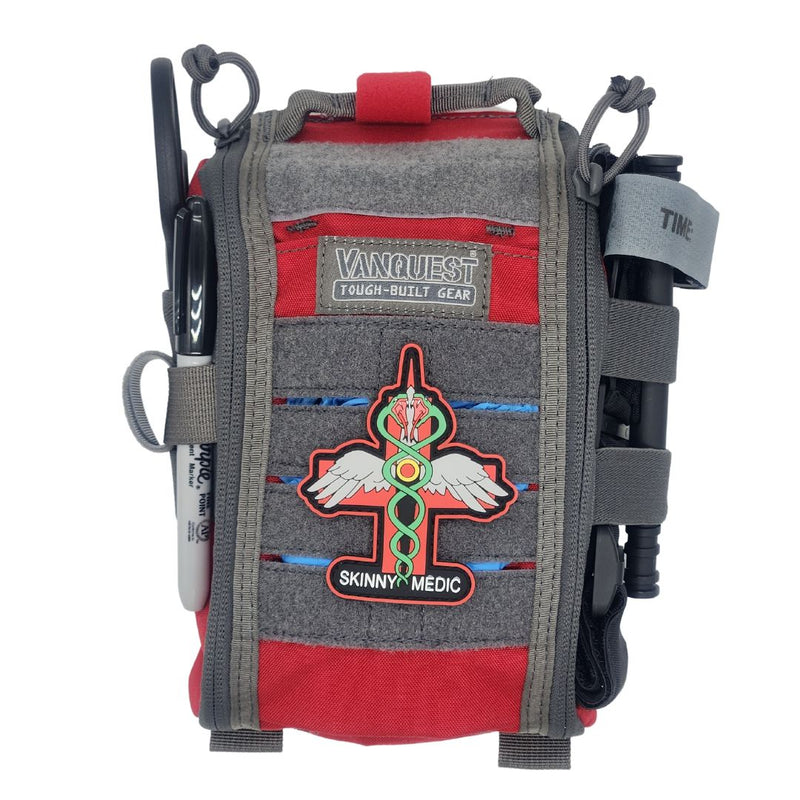
Hospital Emergency Kit: Essential Supplies and Preparation
When medical emergencies strike in healthcare facilities, having a well-stocked hospital emergency kit can mean the difference between life and death. These specialized kits serve as the frontline defense against unexpected medical crises, natural disasters, and mass casualty events. Whether you're a healthcare administrator, emergency department director, or medical professional, understanding what constitutes an effective hospital emergency kit is crucial for maintaining patient safety and operational readiness. This comprehensive guide explores the critical components, organizational strategies, and maintenance protocols that ensure your facility remains prepared for any emergency scenario.
Core Components of a Hospital Emergency Kit
Every hospital emergency kit must contain supplies that address the most common and critical medical emergencies. The foundation includes trauma supplies such as tourniquets, hemostatic gauze, and chest seals that control severe bleeding and stabilize trauma patients during the critical first minutes of care.
Life-Saving Medical Equipment
Airway management tools form the backbone of any hospital emergency kit. These include bag-valve masks, oral airways, and suction devices that maintain patient breathing during cardiac arrest or respiratory failure. Advanced kits should also contain endotracheal tubes in multiple sizes, laryngoscopes, and backup manual resuscitation equipment.
According to emergency health kit guidelines from the WHO, standardized medical supplies ensure consistent care delivery across different emergency scenarios. Professional-grade equipment meets the demands of high-acuity situations where time and precision matter most.
Diagnostic equipment enables rapid patient assessment in chaotic environments. Essential items include:
- Blood pressure cuffs in pediatric and adult sizes
- Pulse oximeters for oxygen saturation monitoring
- Digital thermometers with disposable probe covers
- Stethoscopes dedicated to emergency use
- Glucometers with test strips and lancets
Intravenous access supplies deserve dedicated space in every hospital emergency kit. Stock multiple sizes of IV catheters, administration sets, saline flushes, and securing devices. Include intraosseous access equipment for situations where traditional IV access proves difficult, particularly in pediatric emergencies or severe shock cases.
Medication Management in Emergency Kits
Pharmaceutical components of a hospital emergency kit require careful selection based on facility protocols and patient populations. Emergency medications must remain readily accessible while maintaining proper storage conditions and security measures.
Critical Emergency Medications
Cardiac emergency drugs constitute the highest priority medication category. Epinephrine, atropine, amiodarone, and vasopressin support advanced cardiac life support protocols during arrests and arrhythmias. Store these medications in pre-filled syringes when possible to reduce preparation time during critical moments.
The medication inventory should reflect your specific patient demographics. Pediatric hospitals need weight-based dosing guides and age-appropriate formulations, while facilities serving elderly populations require considerations for polypharmacy interactions. Detailed guidance on emergency medication organization helps ensure proper storage and accessibility.
| Medication Category | Essential Items | Storage Requirements |
|---|---|---|
| Cardiac Drugs | Epinephrine, Atropine, Amiodarone | Room temperature, light-protected |
| Analgesics | Morphine, Fentanyl, Ketorolac | Controlled substance protocols |
| Anticonvulsants | Lorazepam, Diazepam, Midazolam | Room temperature storage |
| Antidotes | Naloxone, Glucagon, Activated charcoal | Readily accessible location |
| Antibiotics | Broad-spectrum IV formulations | Refrigeration may be required |
Controlled substances within the hospital emergency kit demand additional security measures and documentation protocols. Implement dual-lock systems, maintain detailed logs, and conduct regular audits to ensure compliance with DEA regulations and institutional policies.
Antidotes and reversal agents save lives in poisoning and overdose scenarios. Stock naloxone for opioid reversals, flumazenil for benzodiazepine toxicity, and calcium gluconate for various metabolic emergencies. Include activated charcoal for oral poisoning cases when appropriate.
Specialized Kits for Different Emergency Scenarios
Different emergency situations require tailored supply configurations. A comprehensive emergency preparedness program includes multiple specialized kits designed for specific crisis scenarios beyond standard medical emergencies.
Mass Casualty and Disaster Response
Trauma-focused kits address the unique demands of mass casualty incidents. These kits emphasize hemorrhage control, airway management, and rapid triage capabilities. Stock combat application tourniquets and hemostatic gauze in quantities sufficient for multiple simultaneous casualties.
Natural disasters require hospital emergency kits that function independently of facility infrastructure. Include battery-powered lighting, portable suction devices, and manual vital sign equipment that operates without electricity. The CDC's emergency preparedness guidelines emphasize self-sufficiency during prolonged infrastructure failures.
Pediatric emergency kits deserve special attention in facilities treating children. Equipment sizing becomes critical, requiring:
- Pediatric-sized airways and endotracheal tubes
- Broselow tape for weight-based medication dosing
- Appropriately sized blood pressure cuffs
- Pediatric IV catheters and fluid warmers
- Age-appropriate medical devices and securing equipment
For comprehensive pediatric emergency preparedness, consult the CDC's specialized medical kit checklist for children with special healthcare needs.
Strategic Organization and Accessibility
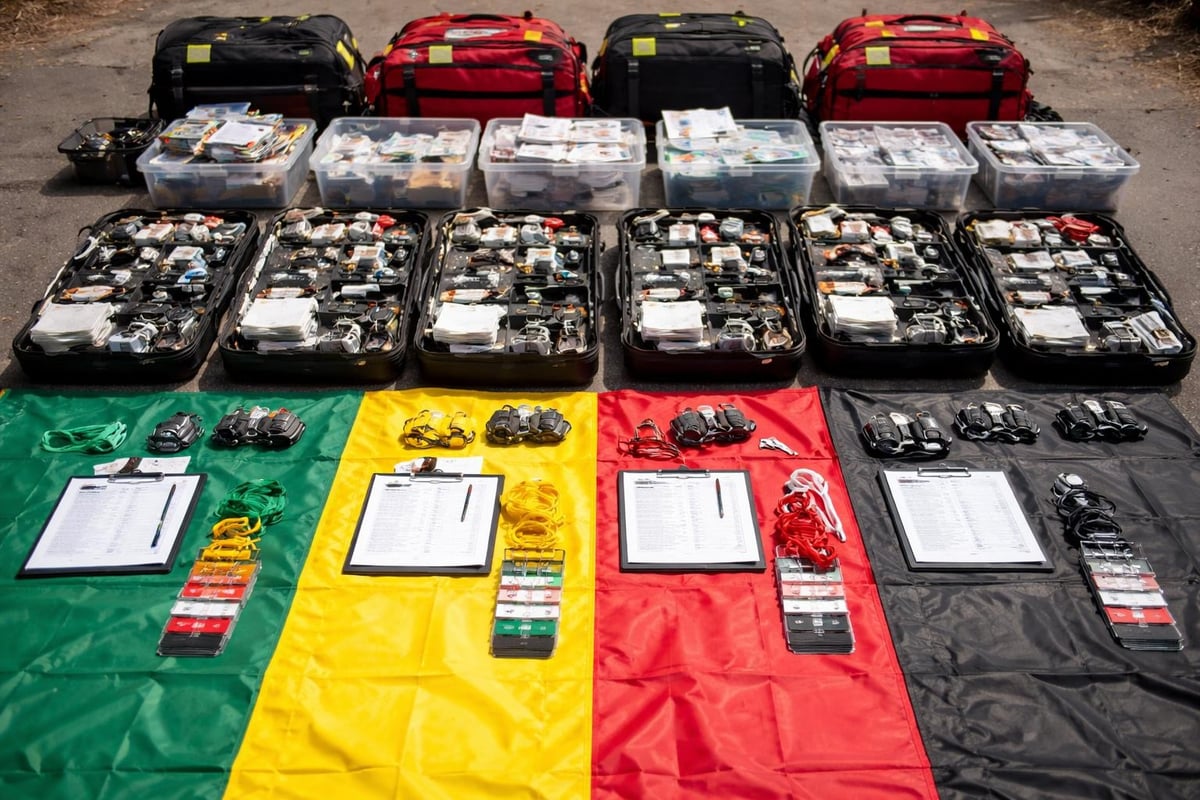
The physical organization of a hospital emergency kit directly impacts response times during critical situations. Strategic placement, clear labeling, and logical categorization enable healthcare providers to locate supplies instantly under pressure.
Color-Coding and Compartmentalization
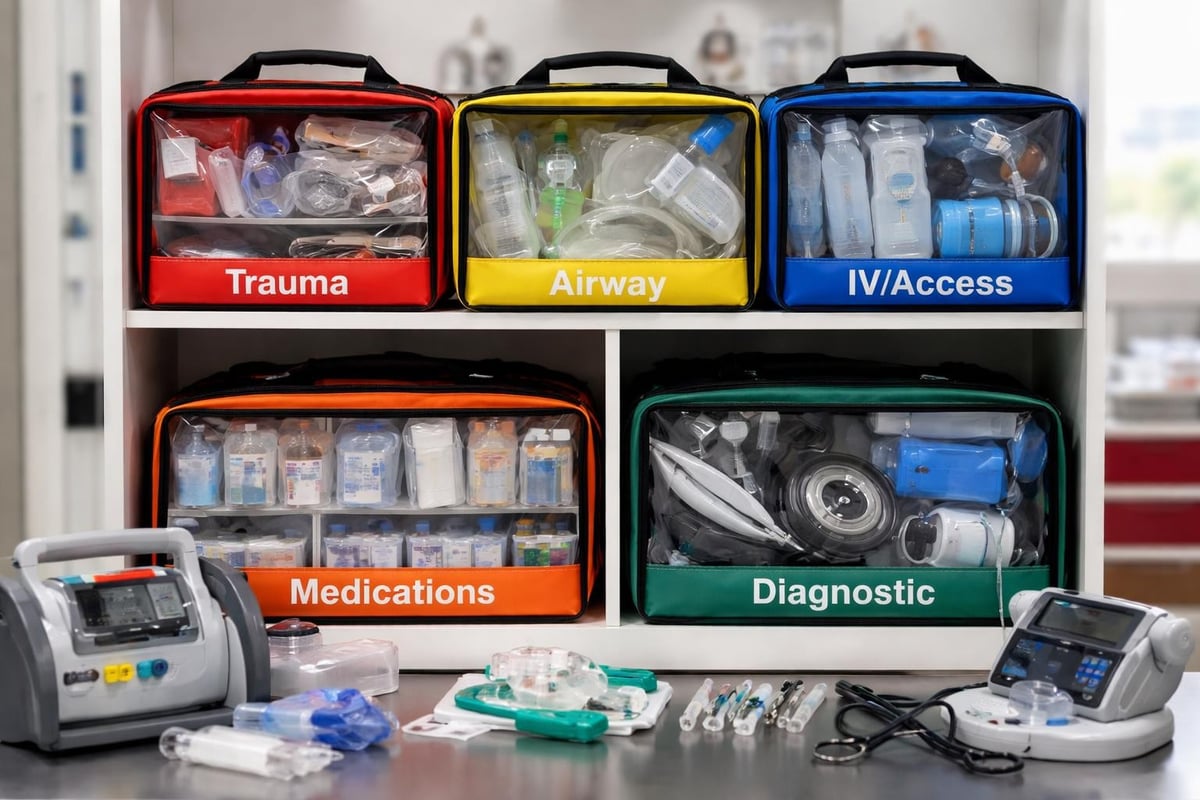
Visual organization systems reduce cognitive load during emergencies. Implement color-coded compartments that correspond to emergency types: red for trauma, blue for cardiac, green for respiratory, and yellow for pediatric supplies. This system allows team members to navigate the kit efficiently without extensive searching.
Transparent containers and pouches improve visibility while maintaining sterility. Providers can identify contents at a glance without opening packages unnecessarily. Label all containers with large, clear text indicating contents and expiration dates visible from multiple angles.
Strategic placement throughout the facility ensures rapid access regardless of emergency location. Position hospital emergency kits in:
- Emergency department resuscitation bays
- Operating room suites and recovery areas
- Intensive care unit stations
- Labor and delivery units
- Main hospital entrances and security stations
- Outpatient procedure areas
- Administrative areas for non-clinical emergencies
Mobile cart systems offer flexibility for responding to emergencies throughout the facility. Equip carts with large wheels suitable for various floor surfaces, secure locking mechanisms to prevent unauthorized access, and organized drawers that maintain supply positions during transport.
Understanding medical first aid kit best practices helps establish organizational standards that work across different healthcare settings.
Documentation and Compliance Requirements
Regulatory compliance and proper documentation protect both patients and healthcare facilities. Hospital emergency kits must meet specific standards while maintaining detailed records of contents, maintenance, and usage.
Regulatory Standards and Auditing
Joint Commission standards mandate specific emergency preparedness capabilities, including documented emergency supply inventories and regular testing protocols. Facilities must demonstrate that hospital emergency kits contain appropriate supplies for their patient populations and potential emergency scenarios.
OSHA requirements address workplace safety aspects of emergency preparedness, particularly regarding bloodborne pathogen exposure risks. Ensure kits contain adequate personal protective equipment including gloves, face shields, gowns, and respiratory protection appropriate for various emergency scenarios.
Inspection and audit schedules maintain kit readiness over time. Establish monthly checks for:
- Medication expiration dates and potency
- Equipment functionality and battery status
- Seal integrity on sterile supplies
- Completeness of inventory against master lists
- Physical condition of the kit and containers
| Compliance Area | Requirement | Frequency | Documentation |
|---|---|---|---|
| Medication Expiry | Check all pharmaceuticals | Monthly | Dated inspection log |
| Equipment Testing | Verify functionality | Quarterly | Equipment check sheet |
| Inventory Audit | Complete supply count | Monthly | Inventory comparison |
| Staff Training | Emergency kit familiarization | Annually | Training attendance records |
| Seal Verification | Check sterile package integrity | Monthly | Visual inspection log |
Documentation systems should track every interaction with the hospital emergency kit. Record when supplies are used, replaced, or expired. This information proves invaluable for usage pattern analysis, budget planning, and demonstrating compliance during regulatory surveys.
Training and Familiarization Protocols
Even the most comprehensive hospital emergency kit provides little value if staff members cannot locate and utilize supplies effectively. Structured training programs ensure competency across all shifts and departments.
Staff Education and Drills
Hands-on training sessions should occur during new employee orientation and annually thereafter. Allow staff to physically open the hospital emergency kit, identify supply locations, and practice retrieving items under simulated time pressure. This familiarity eliminates hesitation during actual emergencies.
Scenario-based drills test both individual competency and team coordination. Conduct realistic simulations including cardiac arrests, trauma resuscitations, and pediatric emergencies that require staff to utilize kit supplies while managing patient care responsibilities.
Just-in-time learning aids enhance performance during infrequent emergencies. Consider including:
- Laminated quick-reference cards with medication dosing
- Visual diagrams showing supply locations
- QR codes linking to instructional videos
- Algorithm flowcharts for common emergencies
- Contact information for specialty consultations
Interdisciplinary training ensures seamless collaboration during emergencies. Nurses, physicians, respiratory therapists, and pharmacists should train together using the same hospital emergency kit they would access during real events. This builds familiarity with each team member's role and reduces duplication or omission of critical tasks.
Role-specific competencies address different professional responsibilities. While all staff should know basic kit contents and organization, physicians need deeper familiarity with medication options and advanced procedures, while nurses must excel at rapid supply retrieval and patient monitoring equipment operation.

Maintenance and Inventory Management
Sustained readiness requires systematic maintenance protocols that prevent supply depletion, expiration, and equipment failure. Effective inventory management balances preparedness with cost control.
Restocking and Rotation Systems
Automated inventory tracking systems alert managers to approaching expiration dates and depleted supplies. Modern solutions integrate with hospital supply chain management software, automatically generating replacement orders when quantities fall below predetermined thresholds.
First-in, first-out (FIFO) rotation prevents waste from expired medications and supplies. When restocking the hospital emergency kit, place newer items behind existing stock so older products are used first. Mark expiration dates prominently on the outside of packages to facilitate quick visual checks.
Post-emergency restocking protocols ensure kits return to full readiness immediately after use. Assign specific responsibility for:
- Documenting all supplies used during the emergency
- Generating replacement supply orders within 24 hours
- Physically restocking the kit once supplies arrive
- Verifying complete kit restoration through checklist review
- Documenting the restocking completion date and staff member
Budget considerations for hospital emergency kits extend beyond initial purchase costs. Factor in ongoing expenses for medication replacement due to expiration, equipment calibration and testing, training program costs, and periodic upgrades as new technologies emerge.
Cost-effective strategies include negotiating bulk purchasing agreements with suppliers, participating in group purchasing organizations, and implementing just-in-time ordering for high-turnover items. However, never compromise critical supply availability to reduce costs. For professional-grade equipment and reliable restocking options, explore resources at Medical Gear Outfitters.
Understanding first aid kit restocking best practices establishes systematic approaches that prevent supply gaps.
Customization for Facility-Specific Needs
While standardized hospital emergency kits provide excellent foundations, customization addresses unique facility characteristics, patient populations, and regional risks. Tailored approaches optimize emergency response capabilities.
Patient Population Considerations
Specialty hospitals require modified kit contents reflecting their patient demographics. Cardiac care facilities need enhanced cardiac medication selections and hemodynamic monitoring equipment. Behavioral health facilities should minimize sharps and include chemical restraint medications with proper administration equipment.
Geographic risk factors influence kit composition significantly. Hospitals in earthquake-prone regions need supplies that remain accessible after structural damage and function without utilities. Facilities in hurricane zones should include supplies for extended self-sufficiency during evacuation route closures.
Urban versus rural settings create different supply priorities. Rural hospitals with limited immediate backup require more comprehensive kits with redundant critical supplies, while urban facilities may maintain smaller kits knowing that additional resources arrive quickly from nearby hospitals or emergency services.
Obstetric emergencies demand specialized equipment including:
- Neonatal resuscitation supplies and warming equipment
- Obstetric hemorrhage management supplies
- Emergency cesarean section instruments
- Magnesium sulfate for eclampsia management
- Umbilical vessel catheterization supplies
Surgical facilities integrate their hospital emergency kit with existing operating room supplies but must ensure emergency access even when surgical suites are occupied. Consider duplicate emergency kits or clearly marked emergency-only supplies within general surgical inventory.
Integration with Facility Emergency Plans
Hospital emergency kits function as components within broader emergency management systems. Integration with facility-wide plans ensures coordinated, effective responses during large-scale events.
Communication and Coordination Systems
Command structure protocols define who accesses hospital emergency kits during different emergency types. Establish clear authorization hierarchies that prevent supply depletion from non-critical usage while ensuring legitimate emergency access never faces bureaucratic delays.
Multi-kit coordination becomes essential during mass casualty incidents. Designate a supply coordinator responsible for tracking which kits have been deployed, monitoring supply consumption rates, and coordinating resupply efforts. This prevents duplicate deployments while ensuring adequate coverage across all emergency areas.
External coordination with community emergency services enhances overall response capabilities. Share information about your hospital emergency kit capabilities with local EMS, fire departments, and emergency management agencies. This knowledge helps them understand what resources your facility can provide during community-wide emergencies versus what external support you might need.
Transportation and deployment plans ensure kits reach emergency locations quickly. Consider:
- Dedicated emergency response team members assigned to kit transport
- Pre-positioned kits in strategic facility locations
- Mobile kits that accompany rapid response teams
- Backup kits that maintain baseline coverage when primary kits deploy
- Secure but quickly accessible storage that balances security with emergency access needs
Technology integration enhances hospital emergency kit effectiveness. Radio-frequency identification (RFID) tags track kit locations in real-time, particularly valuable when kits move throughout facilities during emergencies. Digital checklists guide users through systematic supply utilization while documenting usage for later restocking.
Reference Gallaudet University's emergency kit guidelines for comprehensive approaches to emergency supply management in institutional settings.
Quality Assurance and Performance Improvement
Continuous quality improvement processes ensure hospital emergency kits evolve with changing medical practices, technologies, and lessons learned from actual emergency responses.
Post-Event Analysis and Kit Evolution
After-action reviews following every hospital emergency kit deployment identify improvement opportunities. Gather input from all staff members who accessed the kit, documenting what supplies proved essential, what was lacking, and how kit organization facilitated or hindered response efforts.
Performance metrics provide objective measures of kit effectiveness:
| Metric | Target | Measurement Method |
|---|---|---|
| Time to kit access | Under 60 seconds | Simulation timing |
| Supply location time | Under 30 seconds per item | Training drill assessment |
| Kit completeness rate | 100% during inspections | Monthly audit results |
| Expired supply incidents | Zero | Tracking system reports |
| Staff competency scores | Above 90% | Annual skills verification |
Benchmark against industry standards and peer institutions to identify gaps. Professional organizations often publish recommended supply lists and quantities based on facility size and patient volume. Compare your hospital emergency kit against these standards, justifying any deviations based on your specific needs.
Innovation adoption keeps kits current with advancing medical technology. Regularly review new products entering the emergency medicine market, evaluating whether they offer meaningful improvements over existing supplies. Consider forming a multidisciplinary committee that meets quarterly to review potential kit updates.
User feedback systems encourage frontline staff to suggest improvements. Implement simple reporting mechanisms allowing anyone who uses the hospital emergency kit to submit suggestions, complaints, or observations. Many of the best improvements come from staff members who regularly interact with the supplies during actual emergencies.
Understanding content standards through resources like the IFAK contents guide provides benchmarks for individual first aid capabilities that scale to institutional needs.
Building and maintaining an effective hospital emergency kit requires ongoing commitment to preparedness, training, and quality improvement. The investment in comprehensive emergency supplies, systematic organization, and staff education directly translates to improved patient outcomes when critical seconds determine survival. Whether you're establishing your first hospital emergency kit or enhancing existing capabilities, partnering with experienced suppliers ensures access to professional-grade equipment and expert guidance. Medical Gear Outfitters combines paramedic-level expertise with comprehensive product selections to help healthcare facilities maintain the highest standards of emergency preparedness. Explore their full range of trauma supplies, medical equipment, and customized kit solutions designed specifically for professional healthcare environments.