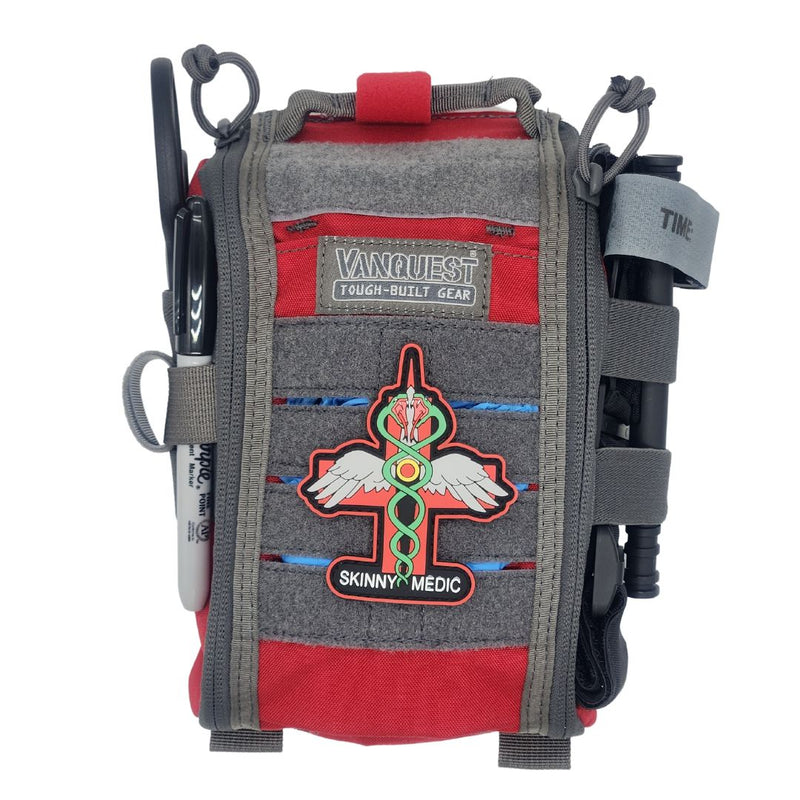
First Responder First Aid Kit Essentials for 2026
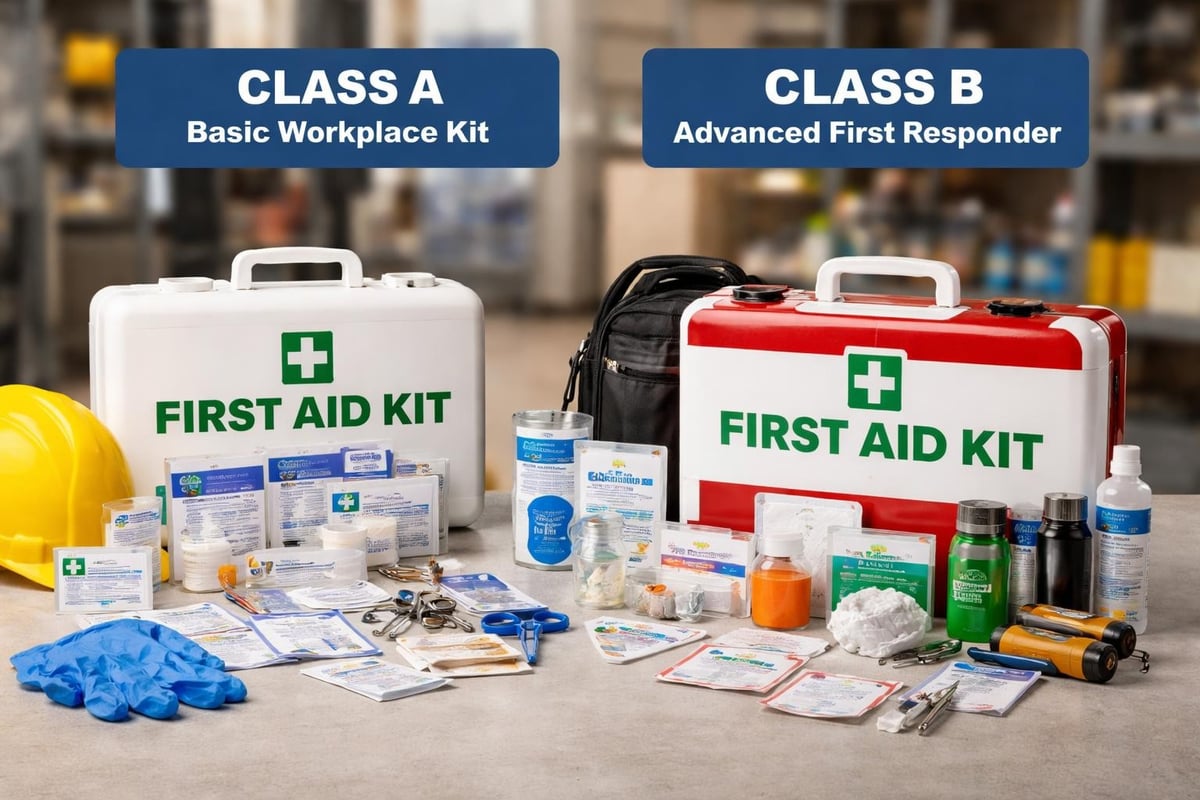
When seconds count and lives hang in the balance, having the right equipment at your fingertips makes all the difference. A first responder first aid kit serves as the foundation for effective emergency medical care, whether you're a trained paramedic, volunteer firefighter, law enforcement officer, or an ordinary citizen stepping up during a crisis. Unlike basic household first aid kits, these specialized assemblies contain advanced medical supplies designed to address life-threatening emergencies until professional medical help arrives. Understanding what belongs in these kits and how to maintain them ensures you're prepared when emergencies strike.
Understanding First Responder Kit Requirements
Professional first responders face scenarios that demand more than adhesive bandages and antiseptic wipes. The contents of a first responder first aid kit must address critical injuries including severe bleeding, airway obstructions, and traumatic wounds.
The American Red Cross provides comprehensive guidance on first aid kit fundamentals, which serves as a baseline for more advanced configurations. However, first responders need equipment that goes beyond these basics.
Regulatory Standards and Guidelines
Several organizations establish standards for medical kits used in professional settings:
- ANSI/ISEA Z308.1-2021: Defines minimum requirements for workplace first aid kits
- OSHA Regulations: Mandate availability of medical supplies in certain work environments
- State-Specific Requirements: Vary by jurisdiction for different responder categories
Many institutions reference these standards when building their programs. For instance, workplace first aid kit guidelines from Stanford University emphasize both contents and maintenance protocols that align with professional standards.
Essential Components for Life-Threatening Emergencies
A properly equipped first responder first aid kit prioritizes supplies that address the leading preventable causes of death in trauma situations. The tactical approach focuses on controlling massive hemorrhage, maintaining airways, and treating penetrating injuries.
Hemorrhage Control Equipment
Uncontrolled bleeding represents the most preventable cause of death in trauma scenarios. Your kit must include multiple options for bleeding control:
Tourniquets remain the gold standard for life-threatening extremity hemorrhage. Quality matters significantly, and inferior products can fail when needed most. Professional-grade tourniquets should be included with proper training on application techniques.
Hemostatic agents provide chemical clotting assistance for wounds where tourniquets cannot be applied. These gauzes contain compounds that accelerate the body's natural clotting cascade, making them invaluable for junctional wounds in the groin, neck, or axilla.
Pressure dressings offer controlled compression for moderate to severe bleeding. Israeli bandages and similar designs allow solo application while maintaining consistent pressure. Understanding how to assess if bleeding is serious helps responders choose the appropriate intervention.
Airway Management Supplies
Maintaining patent airways saves lives, and your first responder first aid kit should include dedicated airway tools:
- Nasopharyngeal airways (NPAs): Multiple sizes accommodate different patients
- Oropharyngeal airways (OPAs): For unconscious patients without gag reflex
- Chest seals: Vented and non-vented options for penetrating chest injuries
- Rescue masks: Enable safe rescue breathing with barrier protection
| Supply Category | Primary Purpose | Quantity Recommendation |
|---|---|---|
| Tourniquets | Extremity hemorrhage | 2-4 per kit |
| Hemostatic Gauze | Junctional bleeding | 2-3 packages |
| Chest Seals | Penetrating chest wounds | 2 pairs (vented) |
| NPAs | Airway management | 2-3 sizes |
| Pressure Dressings | Moderate bleeding control | 3-4 dressings |
Wound Care and Trauma Management
Beyond immediate life threats, first responder first aid kits must address wound management and injury stabilization. These supplies bridge the gap between initial intervention and advanced medical care.
Bandaging and Wound Coverage
Comprehensive bandaging supplies allow responders to address injuries of varying sizes and severities. Stock multiple gauze pad sizes, roller gauze, and elastic bandages for different applications.
Triangular bandages serve multiple functions including slings, splinting assistance, and large wound coverage. Their versatility makes them essential components despite their simple design.
Adhesive tape in various widths secures dressings and maintains bandage integrity during patient movement. Medical-grade tape adheres reliably without causing skin trauma during removal.
Trauma Shears and Cutting Tools
Access to injuries often requires cutting through clothing, gear, or equipment. Trauma shears with angled blades safely cut through multiple material layers without risking further patient injury. Quality shears cut smoothly through denim, leather, and even lightweight metals.
Personal Protective Equipment Integration
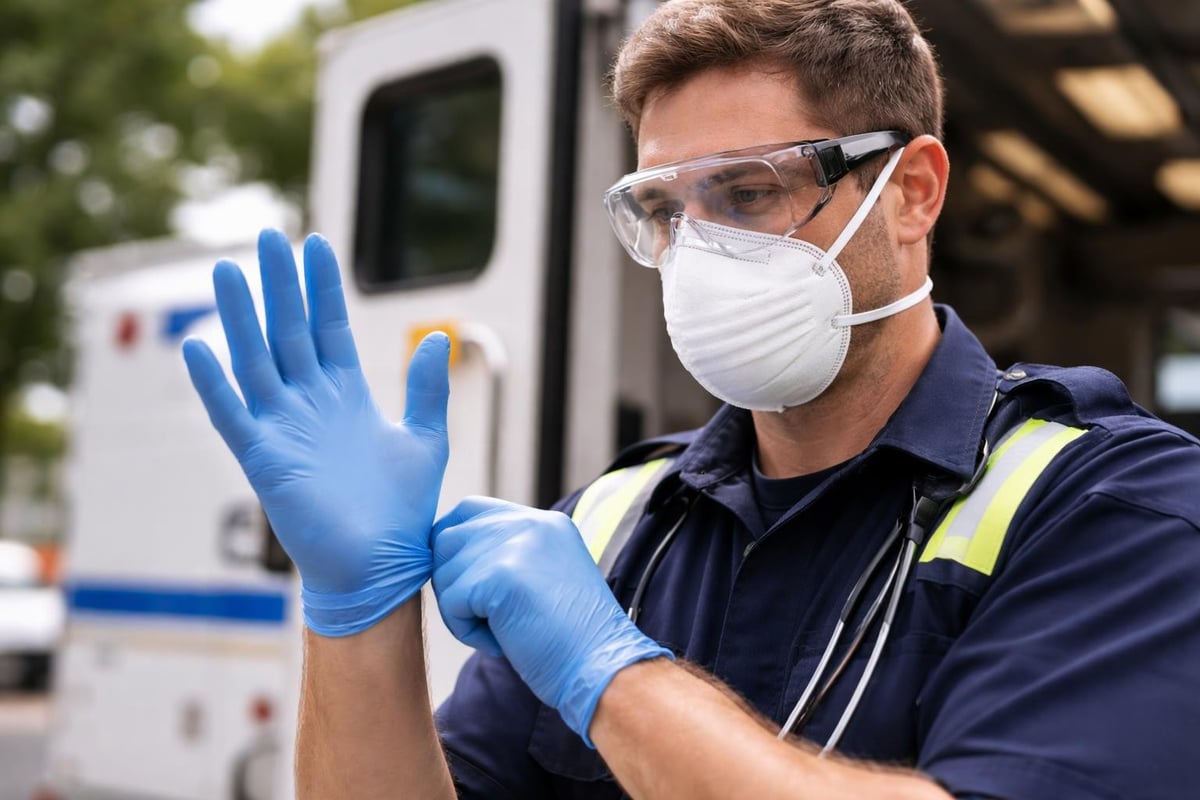
First responders face exposure risks that demand comprehensive barrier protection. Your kit configuration should prioritize responder safety alongside patient care capabilities.
Nitrile gloves in multiple sizes ensure proper fit for all team members. Stock significantly more gloves than other supplies since they're used for every patient contact. Consider both examination-grade and heavier utility gloves for different scenarios.
Eye protection shields against blood splatter and bodily fluids during high-pressure situations. Wraparound safety glasses or face shields provide adequate coverage without restricting vision.
CPR masks with one-way valves enable rescue breathing while protecting responders from disease transmission. Compact keychain models ensure constant availability.
- Gloves: Minimum 10 pairs per responder
- Eye protection: 2 sets per kit
- CPR barriers: 2 devices per kit
- Biohazard bags: Multiple sizes for contaminated waste
Medication and Pharmaceutical Considerations
While scope of practice varies by jurisdiction and certification level, certain medications prove valuable in first responder scenarios. Always operate within your training and local protocols.
Over-the-Counter Medications
Basic pain relievers, antihistamines, and anti-inflammatory medications address common complaints. Individual packaging prevents cross-contamination and simplifies inventory management. Guidance on emergency medication organization helps maintain pharmaceutical supplies effectively.
Prescription Medication Considerations
Some first responder roles allow carrying specific prescription medications like epinephrine auto-injectors, aspirin for cardiac events, or glucose for diabetic emergencies. Verify local regulations and maintain proper documentation for controlled substances.
Temperature-sensitive medications require special storage considerations. Monitor expiration dates meticulously and rotate stock before medications expire.
Kit Organization and Accessibility
Even the most comprehensive supply collection proves worthless if responders cannot quickly locate needed items during emergencies. Strategic organization transforms a first responder first aid kit from a jumbled bag into an efficient tool.
Compartmentalization Strategies
Divide supplies by intervention type or injury category. Color-coded pouches or clear compartments allow visual identification without reading labels. Many professional responders use the following organizational approach:
- Red compartment: Hemorrhage control (tourniquets, hemostatics, pressure dressings)
- Blue compartment: Airway management (NPAs, chest seals, rescue masks)
- Green compartment: Wound care (gauze, bandages, tape)
- Yellow compartment: Tools and PPE (shears, gloves, eye protection)
This system enables muscle memory development, where responders automatically reach to specific locations for needed supplies.
Container Selection
The bag or container housing your supplies significantly impacts field usability. Considerations include:
Durability: Weather-resistant materials withstand harsh environments and repeated use. Ballistic nylon and reinforced plastics offer excellent longevness.
Accessibility: Multiple access points allow opening the kit from different angles. Clamshell designs provide maximum visibility of all contents simultaneously.
Portability: Carrying options should match your response role. Belt-mounted pouches suit law enforcement, while backpack-style configurations work better for wilderness responders. Information about portable medical kit design explores various carrying solutions.
Visibility: Bright colors or reflective markings identify medical kits quickly in chaotic scenes.
Specialized Equipment for Different Response Roles
Not all first responders face identical scenarios, and kit contents should reflect anticipated emergency types. Customization based on response environment optimizes preparedness.
Law Enforcement Considerations
Officers encounter penetrating trauma from weapons, vehicular accidents, and violent encounters. Their first responder first aid kits should emphasize:
- Multiple tourniquets for mass casualty incidents
- Chest seals for gunshot wounds
- Compact profiles for belt or vest mounting
- Rapid one-handed access designs
Fire and Rescue Specialization
Firefighters manage burn injuries, smoke inhalation, and crush injuries alongside standard trauma. Additional supplies include:
- Burn dressings with cooling gel
- Larger wound coverage materials
- Extrication-specific tools
- Eye irrigation solutions for chemical exposure
Wilderness and Remote Response
Distance from definitive medical care demands enhanced self-sufficiency. Extended care capabilities include:
- Splinting materials for fracture management
- Advanced wound irrigation systems
- Hypothermia prevention supplies
- Extended medication supplies
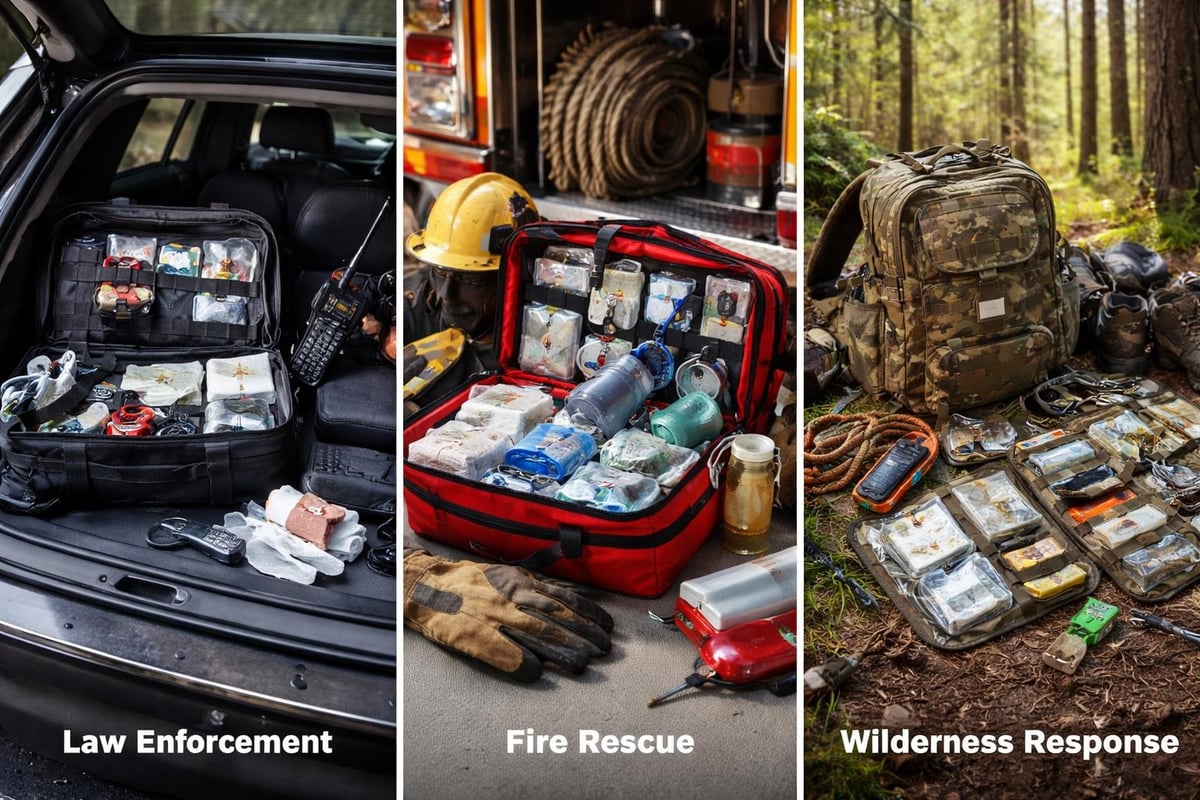
| Response Role | Primary Focus | Unique Supplies |
|---|---|---|
| Law Enforcement | Penetrating trauma | Multiple tourniquets, compact profile |
| Fire/Rescue | Burns, crush injuries | Burn dressings, large coverage materials |
| Wilderness | Extended care | Splints, irrigation, shelter supplies |
| Industrial | Machinery injuries, chemical exposure | Eye wash, amputation supplies |
Maintenance and Inventory Management
A first responder first aid kit requires ongoing attention to maintain operational readiness. Systematic maintenance protocols prevent supply shortages during emergencies.
Regular Inspection Schedules
Establish monthly inspection routines that verify:
- All supplies present in correct quantities
- No items approaching expiration dates
- Equipment functionality (check tourniquet windlasses, seal integrity)
- Container condition and closure mechanisms
- Cleanliness and absence of contamination
Document each inspection with dates and inspector signatures. This record-keeping proves valuable for organizational accountability and demonstrates compliance with workplace safety standards like those outlined by the University of Texas workplace first aid requirements.
Resupply Procedures
After any deployment, immediately resupply used items to restore kit readiness. Waiting until the next inspection creates windows where your kit sits incomplete during subsequent emergencies.
Maintain a dedicated resupply budget and establish relationships with reliable suppliers. Bulk purchasing of commonly used items like gauze and gloves reduces long-term costs while ensuring consistent availability.
Training and Proficiency Maintenance
Equipment alone does not create effective first responders. Regular training with your specific first responder first aid kit builds the muscle memory and confidence necessary for high-stress interventions.
Hands-On Practice Sessions
Schedule quarterly training sessions that simulate realistic emergency scenarios. Practice scenarios should include:
- Tourniquet application under time pressure
- Chest seal placement on training manikins
- Bandaging techniques for various wound types
- Kit organization drills in low-light conditions
Rotate through different injury presentations to maintain broad competency. The goal is automatic response where hands move to correct supplies without conscious thought.
Scenario-Based Training
Move beyond individual skill practice to integrated scenario training. Combine multiple interventions in realistic sequences that mirror actual emergencies. Work through mass casualty sorting, treating multiple patients with limited supplies, and adapting to changing conditions.
Training investment multiplies the effectiveness of even basic equipment. A trained responder with a modest first responder first aid kit outperforms an untrained individual with premium supplies.
Cost Considerations and Budget Planning
Building a comprehensive first responder first aid kit requires financial investment, but strategic purchasing optimizes value without compromising capability.
Prioritization Strategy
Not all supplies demand identical quality levels. Allocate budget toward critical, life-saving equipment first:
Tier 1 (Premium quality required):
- Tourniquets
- Hemostatic agents
- Chest seals
- Airway devices
Tier 2 (Good quality sufficient):
- Gauze and bandages
- Trauma shears
- Tape and adhesives
- Pressure dressings
Tier 3 (Basic quality acceptable):
- Gloves
- Biohazard bags
- Irrigation supplies
- Basic wound care
This tiered approach ensures critical equipment receives maximum investment while controlling overall costs. Understanding what belongs in comprehensive medical kits helps establish realistic budgets.
Individual Versus Organizational Purchasing
Individual responders building personal kits face different constraints than organizations equipping multiple personnel. Group purchasing leverages volume discounts, while individual buyers benefit from selecting precisely matched components for their specific needs.
Organizations should standardize kit contents across teams to enable supply sharing during large-scale incidents. Individual responders enjoy customization freedom but sacrifice economy-of-scale pricing.
Integration with Broader Emergency Response Systems
A first responder first aid kit functions as one component within larger emergency medical systems. Understanding this context improves overall response effectiveness.
Communication Equipment
Modern response increasingly integrates communication capabilities. Consider including:
- Emergency contact cards with local EMS numbers
- Incident documentation forms
- Patient assessment guides
- Communication protocols for multi-agency responses
Coordination with Advanced Medical Resources
Your interventions buy time for advanced medical care. Recognize your kit's limitations and understand when to request additional resources. Establishing relationships with local EMS agencies before emergencies improves coordination when incidents occur.
Clear documentation of interventions performed helps receiving medical facilities continue appropriate care. Simple intervention logs noting tourniquet application times, medications administered, and wound care provided prove invaluable for emergency departments.
Legal and Liability Considerations
Providing emergency medical care, even with the best intentions, creates potential legal exposure. Understanding Good Samaritan laws and scope of practice limitations protects both responders and patients.
Scope of Practice Boundaries
Only perform interventions within your training level and certification. A first responder first aid kit may contain advanced equipment, but legal authority to use specific items varies by jurisdiction and credential type.
Many states protect individuals providing emergency care in good faith through Good Samaritan statutes, but protections typically require:
- Acting without compensation expectation
- Performing only interventions within training scope
- Obtaining consent when possible
- Avoiding gross negligence or willful misconduct
Documentation Practices
Maintain records of training completion, certification renewals, and equipment inspections. This documentation demonstrates due diligence and professional standards adherence. After incidents, create factual intervention records without speculation about outcomes or causation.
Emerging Technologies and Future Trends
First responder equipment continues evolving with medical advancement and technology integration. Staying current with innovations ensures optimal patient outcomes.
Smart Medical Devices
Connected devices now provide real-time guidance during emergencies. Smartphone applications walk responders through CPR sequences, tourniquet application, and bleeding assessment protocols. Some advanced first responder first aid kits now include:
- Bluetooth-enabled tourniquets tracking application time
- Smart bandages monitoring wound conditions
- Integrated sensors detecting patient vital signs
- Augmented reality guides for procedural assistance
Advanced Materials
Material science produces improved medical supplies regularly. Current innovations include:
- Next-generation hemostatic agents with faster clotting times
- Antimicrobial-impregnated dressings preventing infection
- Improved chest seal adhesives functioning on wet or bloody skin
- Lighter, stronger container materials reducing carry weight
Balancing proven equipment against promising innovations requires judgment. Adopt new technologies after thorough testing validates real-world performance improvements.
Building Your Custom Configuration
No single first responder first aid kit configuration suits every situation. Assess your specific needs considering response environment, training level, and anticipated emergency types. Exploring various medical kit options provides perspective on different approaches.
Begin with core life-saving components, then expand based on experience and identified gaps. Review actual deployments to determine which supplies get used frequently versus items that remain untouched. This usage data guides refinement over time.
Seek mentorship from experienced responders in your field. Their practical insights often reveal considerations that theoretical training misses. Join professional organizations where equipment discussions and lessons learned get shared among practitioners.
Remember that the best first responder first aid kit is one you know intimately through training and practice, stocked with reliable equipment you trust completely, and organized for rapid access when seconds determine survival.
Effective emergency response depends on having the right equipment accessible when critical moments arrive. Building and maintaining a properly equipped first responder first aid kit requires thoughtful planning, ongoing training, and commitment to preparedness that extends beyond simply purchasing supplies. Whether you're a professional responder or a prepared citizen ready to assist during emergencies, Medical Gear Outfitters provides paramedic-selected equipment and the expertise to use it effectively, ensuring you're truly prepared to make a difference when lives depend on your response.