First Aid Medical Kit Items: Essential Supplies Guide
A well-stocked first aid kit represents the difference between effective emergency response and helpless observation during critical moments. Whether you're assembling supplies for your home, workplace, vehicle, or tactical deployment, understanding the essential first aid medical kit items ensures you're prepared to address injuries ranging from minor cuts to life-threatening trauma. This comprehensive guide examines the critical components every responder should have at their disposal, drawing on professional paramedic experience and established medical standards to help you build or evaluate your emergency preparedness supplies.
Understanding First Aid Medical Kit Items Standards
Medical professionals and regulatory organizations have established clear guidelines for what constitutes adequate emergency preparedness. The Occupational Safety and Health Administration (OSHA) recommends specific minimum contents for workplace first aid kits, while ANSI Z308.1 standards provide comprehensive requirements for consumer kits.
Core Categories of Supplies
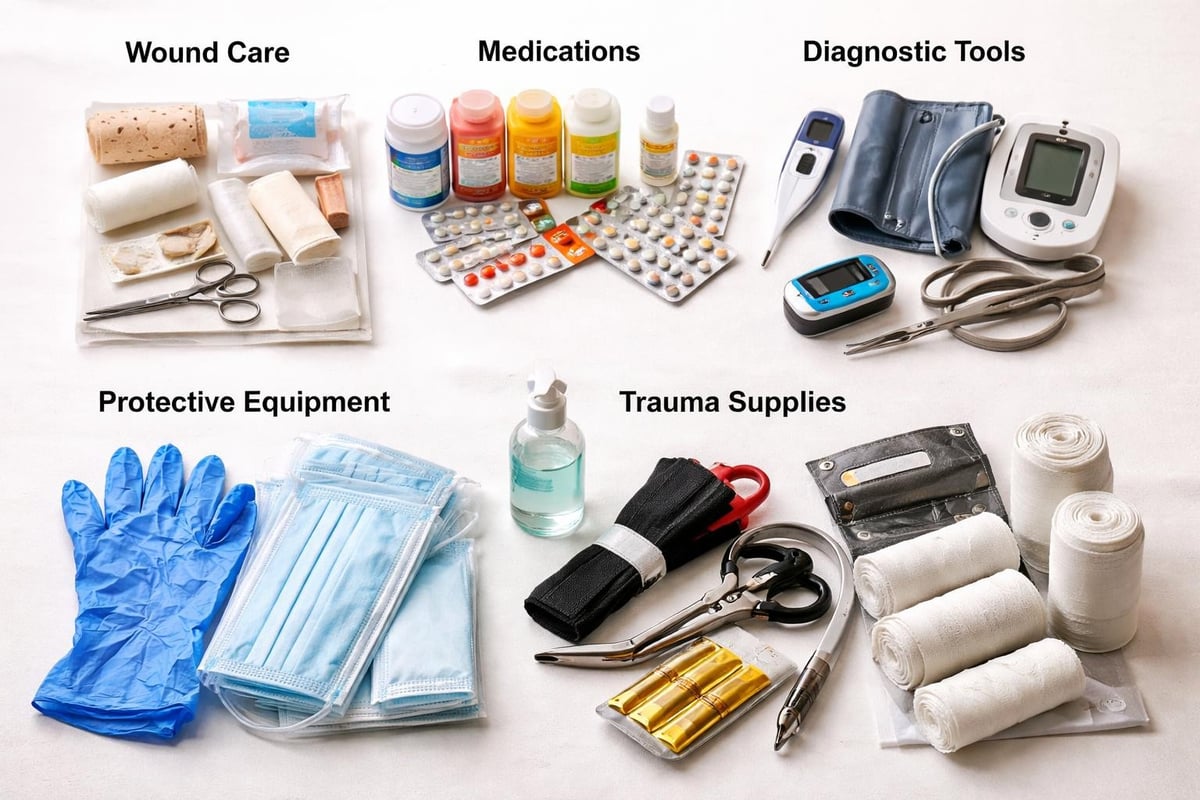
First aid medical kit items fall into distinct categories, each serving specific emergency response functions:
- Wound care materials for controlling bleeding and preventing infection
- Medications for pain relief, allergic reactions, and symptom management
- Diagnostic tools for assessment and monitoring
- Personal protective equipment to ensure responder safety
- Trauma supplies for severe injuries requiring immediate intervention
Understanding these categories helps you identify gaps in your current supplies and prioritize additions based on your specific needs and risk environment.
Essential Wound Care First Aid Medical Kit Items
Wound management represents the most common application of first aid supplies. According to the American Red Cross anatomy of a first aid kit, proper wound care materials prevent complications and promote healing.
Bandages and Dressings
Your kit should contain multiple sizes and types of bandages to address various wound presentations:
| Item Type | Sizes Needed | Primary Use |
|---|---|---|
| Adhesive bandages | Assorted (3/4" to 2" strips) | Minor cuts, abrasions |
| Sterile gauze pads | 2x2", 3x3", 4x4" | Wound coverage, absorption |
| Rolled gauze | 2", 3", 4" widths | Securing dressings, pressure |
| Elastic bandages | 3", 4", 6" widths | Sprains, securing splints |
| Trauma dressings | 4", 6" Israeli or ETD style | Major bleeding control |
Hemostatic gauze deserves special attention among wound care first aid medical kit items. Products containing kaolin or chitosan accelerate clotting in severe hemorrhage situations. The QuikClot Combat Gauze has become a standard in professional emergency response for its proven effectiveness.
Adhesive and Securing Materials
Beyond bandages themselves, you need materials to keep dressings in place:
- Medical tape in multiple widths (1/2", 1", 2")
- Self-adherent wrap for retention without tape
- Butterfly closures or adhesive wound closure strips
- Transparent film dressings for moisture retention
- Triangular bandages for slings and large area coverage
The versatility of triangular bandages makes them invaluable first aid medical kit items, serving as slings, tourniquets (when proper tourniquets aren't available), or large wound coverings.
Medications and Pharmaceuticals
Appropriate medications address pain, inflammation, allergic reactions, and other common medical issues encountered in emergency situations.
Over-the-Counter Medications
Stock these essential medications in individual packets or bottles, ensuring you check expiration dates regularly:
- Acetaminophen (pain relief, fever reduction)
- Ibuprofen (pain relief, anti-inflammatory)
- Aspirin (pain relief, potential cardiac event support)
- Antihistamines (allergic reaction management)
- Anti-diarrheal medication (gastrointestinal distress)
- Antacids (digestive discomfort)
Topical Treatments
Your first aid medical kit items should include topical medications for skin-level treatment:
- Antibiotic ointment in individual packets or tubes
- Hydrocortisone cream for rashes and inflammation
- Burn gel or aloe vera for thermal injuries
- Antiseptic wipes or solution for wound cleaning
- Hand sanitizer for responder hygiene
Specialized sting and bite treatments become particularly important in outdoor environments. Products like sting and bite pads provide immediate relief and reduce complications from insect encounters.
Diagnostic and Assessment Tools
Proper assessment drives appropriate treatment decisions. These first aid medical kit items enable you to gather vital information about a patient's condition.
Essential Assessment Equipment
| Tool | Purpose | Professional Insight |
|---|---|---|
| Digital thermometer | Temperature measurement | Oral/rectal capability preferred |
| Blood pressure cuff | Circulatory assessment | Manual cuffs more reliable in field |
| Stethoscope | Breath sounds, BP measurement | Not essential for basic first aid |
| Pulse oximeter | Oxygen saturation monitoring | Increasingly affordable, valuable data |
| Penlight | Pupil response, visibility | Check for equal, round, reactive pupils |
| Trauma shears | Clothing removal, cutting | Never use regular scissors |
The comprehensive guide to equipping your first aid kit emphasizes that assessment tools transform guesswork into informed decision-making, particularly when communicating with emergency medical services.
Documentation Materials
Often overlooked among first aid medical kit items, documentation supplies prove critical for continuity of care:
- Waterproof notepad or trauma documentation cards
- Permanent markers for marking treatment times
- Patient assessment forms
- Emergency contact information sheets
Recording when tourniquets were applied or medications administered provides essential information for arriving paramedics and hospital staff.
Personal Protective Equipment
Responder safety represents the first priority in any emergency situation. Without proper protection, you risk becoming a second patient.
Barrier Protection
Every first aid kit must contain adequate personal protective equipment:
- Nitrile gloves (minimum 4-6 pairs, multiple sizes)
- CPR face shield or pocket mask
- Eye protection (safety glasses or goggles)
- Face masks (N95 or surgical masks)
Nitrile gloves have largely replaced latex due to allergy concerns. Stock multiple sizes to ensure proper fit, as ill-fitting gloves compromise both protection and dexterity.
Biohazard Management
Proper disposal prevents disease transmission:
- Biohazard bags (red bags or clearly marked)
- Sharps container if kit includes needles
- Absorbent materials for fluid cleanup
- Hand sanitizer (60%+ alcohol content)
These first aid medical kit items protect both responders and bystanders from exposure to bloodborne pathogens and other infectious materials.
Advanced Trauma Supplies
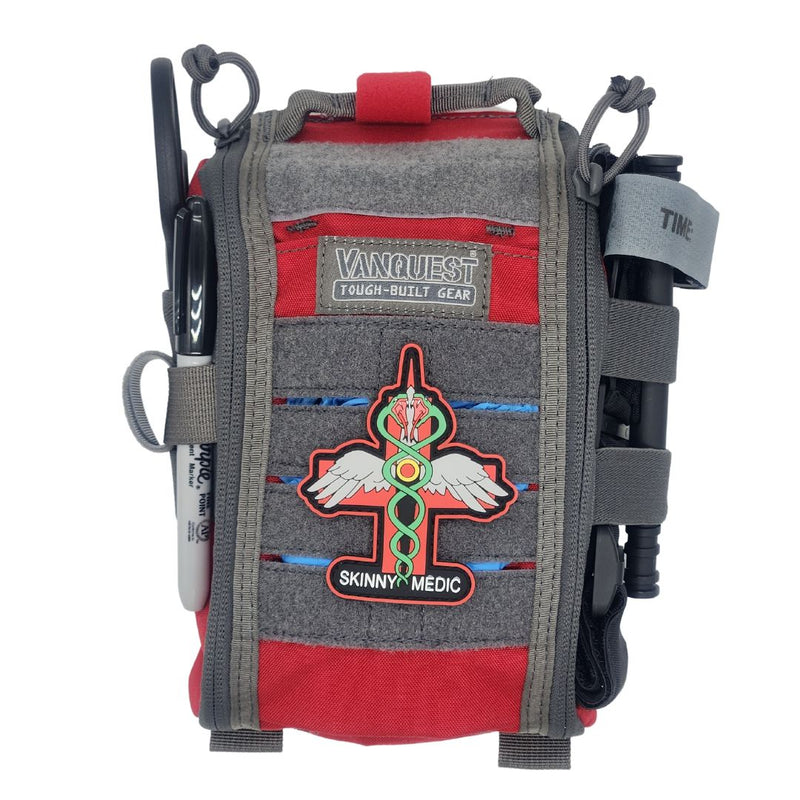
While basic first aid addresses common injuries, life-threatening trauma requires specialized equipment. The contents of an IFAK (Individual First Aid Kit) illustrate the elevated capabilities needed for serious emergencies.
Hemorrhage Control
Uncontrolled bleeding represents the leading cause of preventable death in trauma situations:
- Tourniquets (CAT, SOFTT-W, or equivalent)
- Hemostatic gauze (QuikClot, Celox, or similar)
- Pressure dressings (Israeli bandage, ETD)
- Chest seals (vented, occlusive dressings)
The debate over CAT vs SOFTT-W tourniquets highlights the importance of selecting proven, reliable equipment. Both tourniquets meet military standards, but individual preference and training influence selection.
Airway Management
Maintaining a patient's airway takes precedence in the ABC (Airway, Breathing, Circulation) priority system:
| Item | Function | Skill Level Required |
|---|---|---|
| Nasopharyngeal airway | Unconscious patient airway | Moderate training |
| Oropharyngeal airway | Airway maintenance | Basic training |
| Pocket mask with valve | Rescue breathing | Basic CPR training |
| Chest seals | Penetrating chest trauma | Advanced first aid |
| Decompression needle | Tension pneumothorax | Paramedic/combat medic |
While basic first aid kits may not include advanced airway equipment, those preparing for wilderness, tactical, or professional response should consider these additions.
Tools and Instruments
Effective emergency response requires more than just consumable supplies. Durable tools enhance your capabilities across diverse scenarios.
Cutting and Accessing Tools
Sharp, reliable tools provide access to patients and remove obstacles:
- Trauma shears (EMT scissors with blunt tips)
- Safety pins (securing slings, bandages)
- Tweezers (splinter removal, tick extraction)
- Razor or scissors (hair removal for adhesive application)
Quality trauma shears cut through clothing, seatbelts, and boots without posing puncture risk to patients. The slight additional cost of professional-grade shears pays dividends in reliability and safety.
Utility Items
These first aid medical kit items support diverse emergency needs:
- Emergency blanket (hypothermia prevention)
- Instant cold packs (inflammation reduction)
- Chemical light sticks (lighting without electricity)
- Duct tape (unlimited applications)
- Zip ties or cable ties (securing splints, equipment)
- Paracord (rescue, securing)
The versatility of items like duct tape and paracord extends their value far beyond traditional medical applications, supporting improvisation when standard supplies prove inadequate.
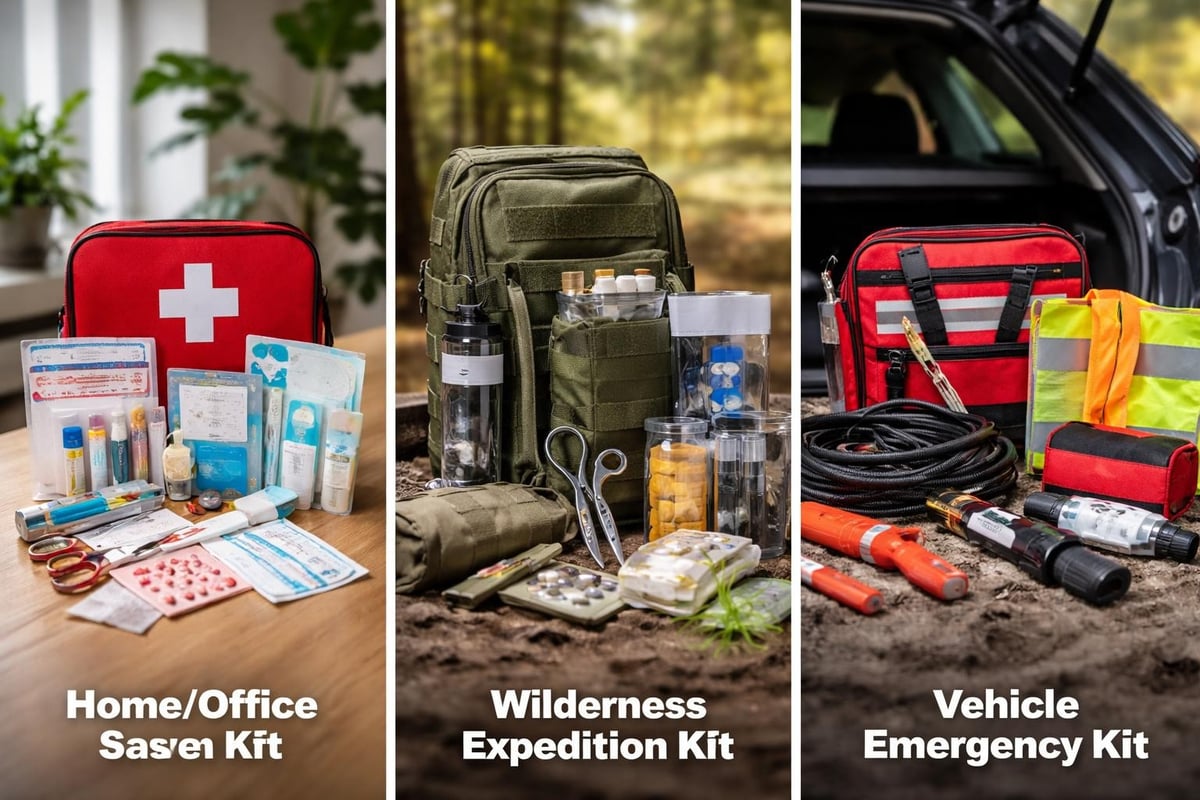
Specialized Environment Additions
Your specific activities and environment dictate additional first aid medical kit items beyond core essentials. A prepper's approach to first aid kits differs substantially from a family home kit.
Wilderness and Remote Location Kits
Extended distance from professional medical care requires enhanced self-sufficiency:
- Extended medication supplies (prescription medications for multi-day trips)
- Irrigation syringe (wound cleaning without running water)
- Sam splints (moldable, reusable splinting)
- Moleskin and blister treatment (foot care for hiking)
- Water purification tablets (dehydration prevention)
- Snake bite kit (regional considerations)
The ANSI-compliant standards provide baseline requirements, but wilderness medicine demands expanded capabilities reflecting delayed evacuation timelines.
Vehicle Emergency Kits
Automotive environments present unique hazards requiring specific first aid medical kit items:
- Heavy-duty trauma supplies (motor vehicle accidents)
- Fire extinguisher (vehicle fires)
- Emergency signaling devices (flares, reflective triangles)
- Seatbelt cutter and window punch
- Extra water and non-perishable food
Research indicates that home first aid kit prevalence and contents vary significantly based on education and awareness, suggesting that targeted information improves preparedness rates.
Organizing and Maintaining Your Kit
Even the most comprehensive collection of first aid medical kit items proves ineffective without proper organization and maintenance protocols.
Storage and Accessibility
Strategic organization enables rapid access under stress:
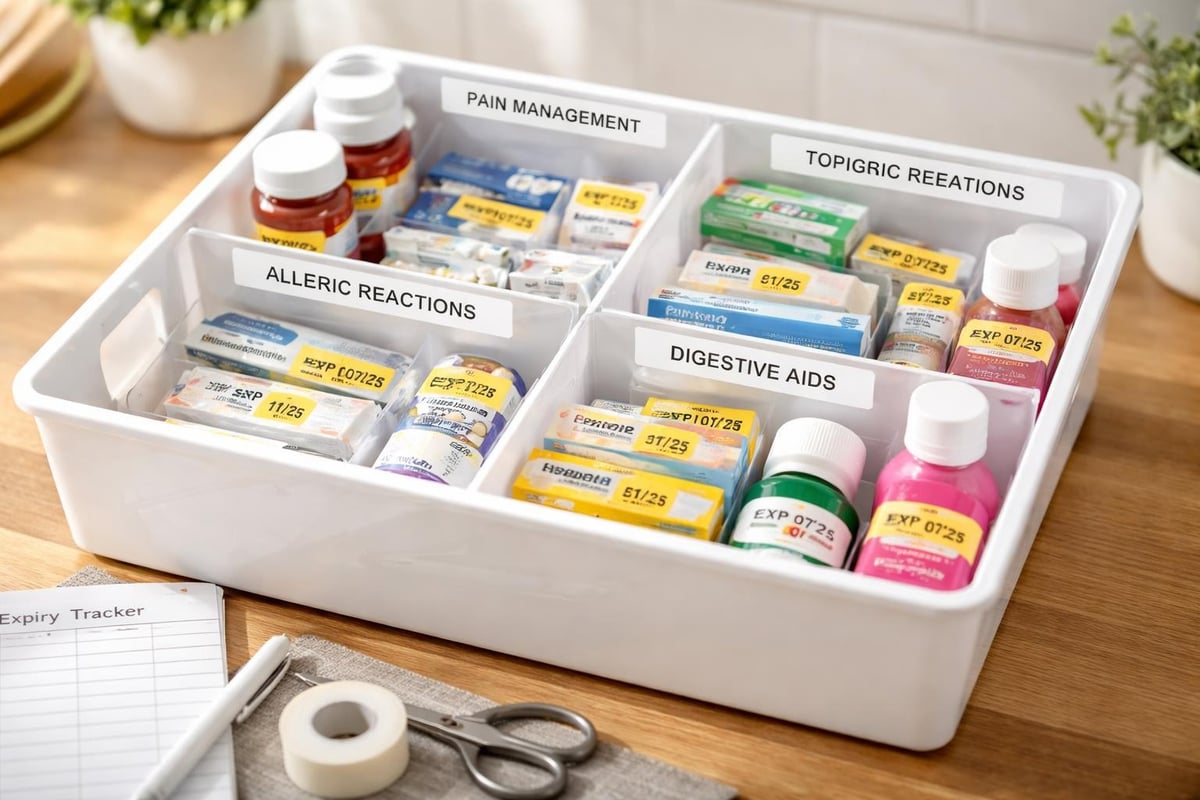
- Clear compartments or color-coded sections
- Labeled contents with expiration dates visible
- Priority placement (most critical items most accessible)
- Waterproof container or bag
- Inventory checklist attached to kit
Professional responders organize kits using the "golden hour" principle: supplies needed in the first critical minutes sit in immediately accessible locations, while less urgent items occupy deeper storage.
Regular Maintenance Schedule
Establish quarterly review cycles for your first aid medical kit items:
- Check expiration dates on all medications and sterile supplies
- Replace used items immediately after any deployment
- Rotate stock to use oldest unexpired items first
- Verify equipment function (thermometers, blood pressure cuffs)
- Update documentation reflecting current emergency contacts
The essential guide to first aid response emphasizes that neglected kits create false confidence, potentially worsening outcomes when supplies prove inadequate or expired.
Customizing for Specific Populations
Different user groups require modifications to standard first aid medical kit items to address unique vulnerabilities and conditions.
Family Kits with Children
Pediatric considerations include:
- Smaller dosage medications (children's acetaminophen, ibuprofen)
- Age-appropriate bandages (colorful designs reduce anxiety)
- Fever management supplies (thermometer, cooling strips)
- Choking relief information (age-specific techniques)
- Allergic reaction equipment (if child has known allergies)
Parents should understand that adult medication dosages differ significantly from pediatric doses, making properly labeled children's formulations essential rather than splitting adult medications.
Workplace and Industrial Settings
Occupational environments demand specific first aid medical kit items:
| Work Environment | Additional Supplies Needed |
|---|---|
| Construction | Eye wash station, burn treatment, splinting |
| Chemical facility | Chemical neutralization, eyewash, specialized PPE |
| Food service | Burn treatment, cut-resistant glove, finger cots |
| Office | Basic supplies, AED, cardiac emergency protocols |
The comprehensive workplace kit checklist provides detailed guidance for organizations ensuring OSHA compliance and employee safety.
Building Versus Buying Pre-Assembled Kits
The decision between assembling custom first aid medical kit items or purchasing complete kits depends on multiple factors including expertise, budget, and specific requirements.
Advantages of Pre-Built Kits
Commercial kits offer several benefits:
- ANSI compliance typically built-in
- Cost efficiency through bulk manufacturing
- Organized packaging designed for emergency use
- Comprehensive checklists included
- Quality assurance from reputable manufacturers
Products like the Large First Aid Kit provide professionally curated supplies in ready-to-deploy configurations, ideal for those lacking medical background or time to research individual components.
Custom Assembly Benefits
Building your own kit provides:
- Precise customization to your specific risks and skills
- Quality control over every component
- Elimination of filler items common in budget kits
- Familiarity with contents through hands-on assembly
- Ongoing education about emergency preparedness
The guide to analyzing basic first aid kit contents evaluates commercial options while providing insights for informed custom building.
Training and Knowledge Integration
The most comprehensive collection of first aid medical kit items provides limited value without the knowledge and training to use them effectively.
Essential Training Programs
Formal instruction transforms equipment into capability:
- CPR and AED certification (American Heart Association or Red Cross)
- Basic First Aid (8-16 hour comprehensive courses)
- Wilderness First Aid (for remote environment activities)
- Stop the Bleed (hemorrhage control training)
- Tactical Combat Casualty Care (TCCC for tactical responders)
Many organizations require certification demonstrating competency with specific first aid medical kit items before allowing their deployment in professional settings.
Practical Skills Development
Beyond certification, regular practice maintains proficiency:
- Monthly equipment familiarization drills
- Scenario-based training exercises
- Peer review and technique refinement
- Updated protocol integration
- Stress inoculation through realistic simulations
Research on appropriate kit selection by responder expertise demonstrates that matching supplies to training level prevents dangerous overconfidence while ensuring adequate capabilities.
Special Considerations for Medical Professionals
Healthcare providers maintaining personal or professional first aid medical kit items face elevated expectations and expanded capabilities compared to layperson kits.
Enhanced Equipment Standards
Medical professionals typically include:
- Advanced airway management tools
- Pharmaceutical grade supplies rather than over-the-counter alternatives
- Diagnostic equipment (stethoscope, BP cuff, pulse oximeter)
- Specialized instruments (hemostats, needle holders)
- Documentation systems for medical-legal protection
The best medical kit standards and certifications outline professional-grade requirements exceeding basic consumer kits.
Scope of Practice Awareness
Operating within your training and licensure proves critical:
- Prescription medications require appropriate authority
- Invasive procedures demand proper credentials
- Good Samaritan laws provide limited liability protection
- Standard of care expectations increase with professional status
- Documentation requirements exceed layperson obligations
Even off-duty medical professionals must balance their enhanced capabilities against legal and ethical constraints when providing emergency care.
Building and maintaining an appropriate collection of first aid medical kit items represents a fundamental responsibility for anyone committed to emergency preparedness, whether for personal, family, professional, or tactical applications. The supplies outlined throughout this guide provide the foundation for effective response across diverse scenarios, but remember that equipment alone cannot substitute for proper training and regular practice. Medical Gear Outfitters offers paramedic-curated kits and individual supplies designed to meet professional standards while remaining accessible to conscientious civilians who understand that being prepared means having both the right equipment and the knowledge to use it when seconds count.