
First Aid Kit Scissors: Essential Tool for Emergency Care
Every second counts during a medical emergency, and having the right tools can mean the difference between effective intervention and fumbling with inadequate equipment. Among the most critical yet often overlooked components in any emergency response kit are first aid kit scissors. These specialized cutting instruments serve multiple life-saving functions, from rapidly exposing injury sites to precisely preparing bandaging materials. Whether you're a paramedic, wilderness guide, industrial safety officer, or simply a prepared individual, understanding the unique design, capabilities, and selection criteria for these essential tools ensures you're ready to respond effectively when emergencies strike.
Understanding the Unique Design of Medical Scissors
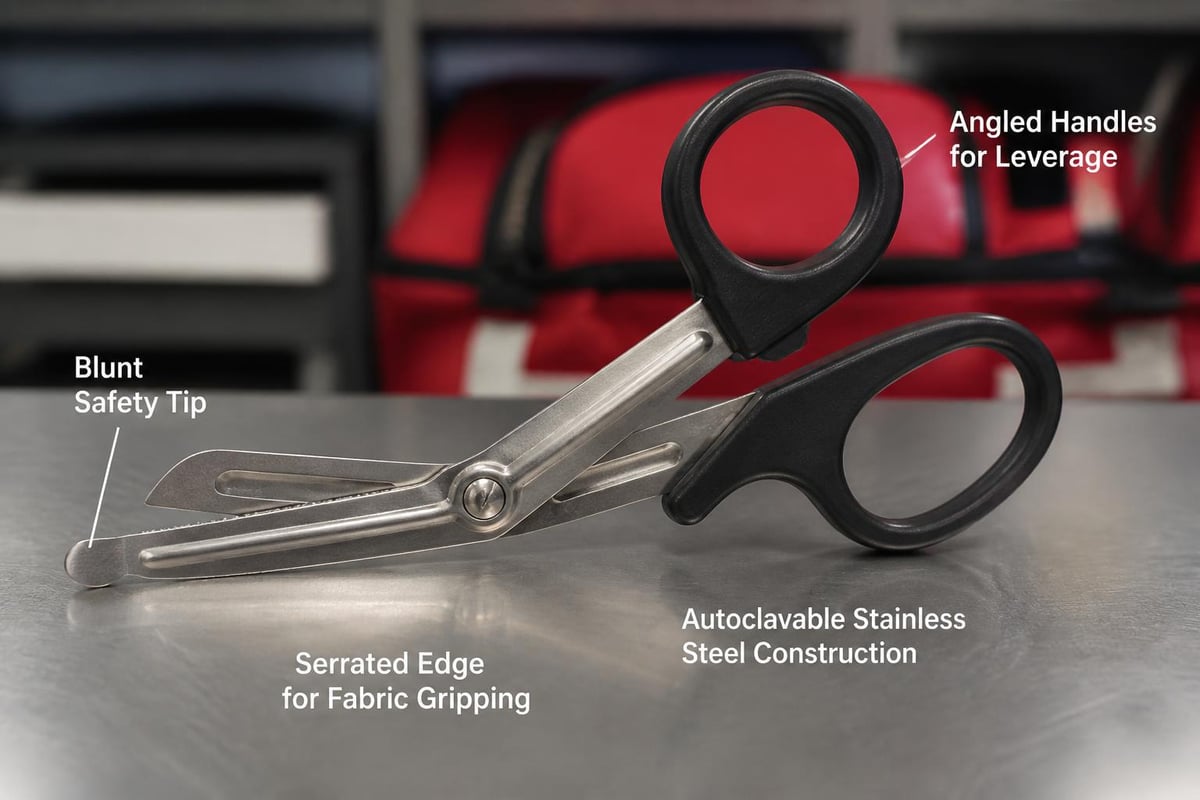
First aid kit scissors differ significantly from household or office scissors in both construction and purpose. The most recognizable feature is the blunt tip design, which prevents accidental puncture wounds when cutting clothing away from injured patients. This safety feature becomes critically important when working near open wounds or when visibility is limited during high-stress situations.
Key design elements include:
- Stainless steel construction for corrosion resistance and repeated sterilization
- One serrated blade edge for gripping slippery fabrics
- Angled or offset handles for improved leverage and cutting power
- Autoclavable materials that withstand repeated high-temperature sterilization
- Ergonomic grip design for use with gloved hands
The blunt-tip configuration addresses a fundamental challenge in emergency medicine. When a patient is injured, you need to expose the wound site quickly without causing additional trauma. Traditional pointed scissors pose an unacceptable risk of creating secondary injuries, particularly when cutting away clothing from an unconscious or moving patient.
Material Composition and Durability Standards
Professional-grade first aid kit scissors utilize medical-grade stainless steel, typically 420 or 440 series alloys that balance sharpness retention with corrosion resistance. These materials must withstand exposure to bodily fluids, disinfectants, and environmental conditions ranging from desert heat to Arctic cold. According to comprehensive guides on medical scissors, the metallurgy directly impacts both longevity and cutting performance under demanding conditions.
The manufacturing process involves precision grinding to create razor-sharp edges while maintaining the structural integrity needed for cutting through tough materials. Quality scissors feature hardened steel blades that resist dulling even after cutting through leather, denim, or synthetic fabrics commonly found in protective clothing.
Types of Scissors for Emergency Medical Kits
Different emergency scenarios require specific scissor designs optimized for particular tasks. Understanding these variations helps ensure your medical kit essentials include the right tools for your operational environment.
Trauma Shears
Trauma shears represent the workhorse of emergency medical scissors. These robust instruments feature wide, angled blades designed to cut through multiple layers of clothing, seat belts, boots, and even light metals. First responders and paramedics rely on trauma shears as their primary cutting tool because they combine power, safety, and versatility in a single instrument.
| Feature | Trauma Shears | Bandage Scissors | Utility Scissors |
|---|---|---|---|
| Blade Length | 7-8 inches | 5-6 inches | 4-5 inches |
| Cutting Capacity | Heavy fabrics, leather, light metal | Bandages, gauze, tape | Light clothing, packaging |
| Tip Design | Blunt, extra-wide | Blunt, rounded | Semi-blunt |
| Primary Use | Patient extrication, clothing removal | Dressing changes, precise cuts | General first aid tasks |
The distinctive angled design of trauma shears provides mechanical advantage when cutting, allowing responders to slice through resistant materials with less hand fatigue. This becomes crucial during extended rescue operations or when treating multiple patients.
Bandage Scissors
Specialized bandage scissors feature a flattened probe tip that slides safely under dressings and bandages without disturbing the wound bed. The glossary definition of scissors in first aid kits emphasizes how this design enables healthcare providers to remove old dressings efficiently while minimizing patient discomfort and contamination risk.
These scissors excel at:
- Removing soiled or blood-saturated dressings
- Cutting first aid paper tape to desired lengths
- Trimming gauze pads for custom wound coverage
- Opening sterile packaging without contaminating contents
Utility and Multipurpose Options
Compact utility scissors provide versatility for portable medical kits where space and weight constraints matter. These smaller instruments handle routine tasks like opening packaging, cutting medical tape, and preparing bandaging materials. While less capable than trauma shears for heavy-duty cutting, they serve essential functions in everyday first aid scenarios.
Critical Functions in Emergency Response
First aid kit scissors serve multiple roles that extend beyond simple cutting tasks. Understanding these functions highlights why quality scissors represent non-negotiable components in comprehensive emergency preparedness.
Primary emergency applications include:
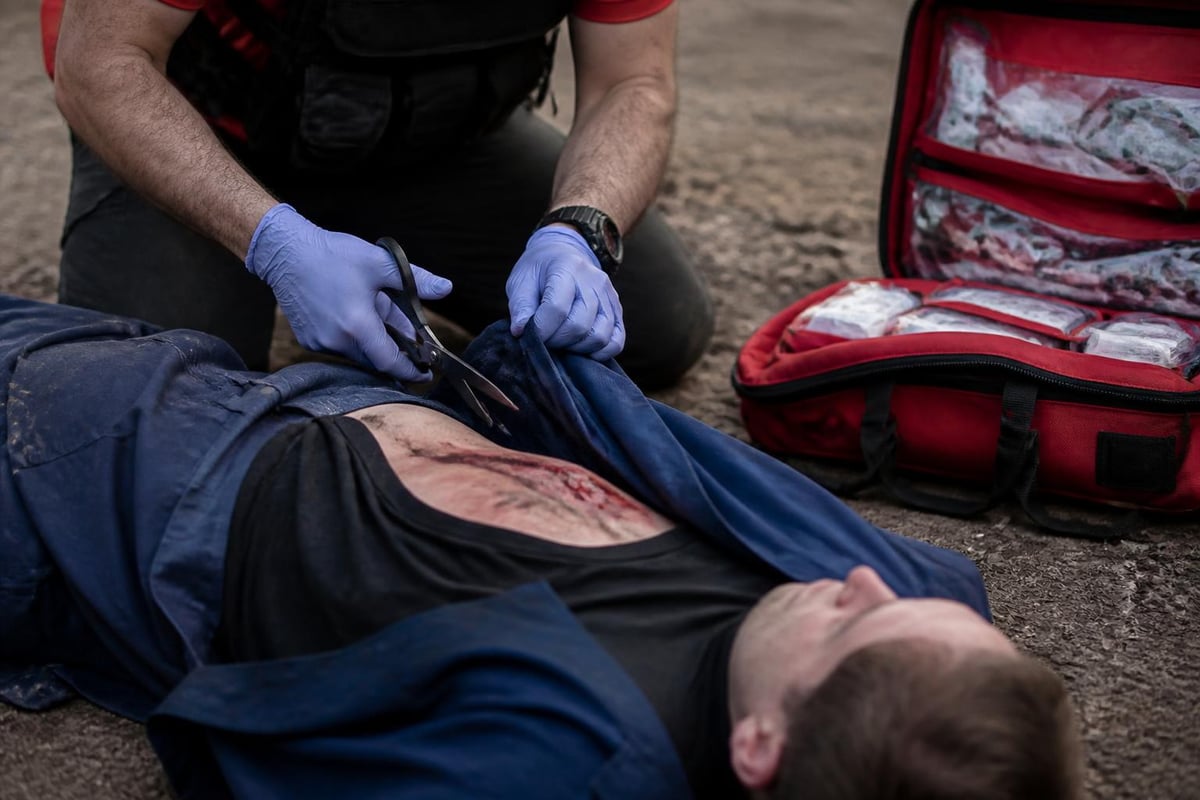
- Rapid clothing removal to expose injury sites for assessment and treatment
- Seat belt and safety harness cutting during vehicle extrication
- Bandage and dressing preparation by cutting materials to appropriate sizes
- Medical packaging opening to access sterile supplies quickly
- Improvised splinting by cutting padding materials and securing straps
Time-Critical Interventions
Research on stopping major bleeding shows that the first few minutes following severe trauma determine survival outcomes. First aid kit scissors enable responders to quickly visualize wounds hidden beneath clothing, assess bleeding severity, and apply appropriate hemorrhage control measures. Fumbling with inadequate cutting tools during these critical moments can result in preventable deaths from exsanguination.
The ability to cut through heavy winter coats, work boots, or protective gear becomes paramount in industrial accidents, wilderness emergencies, and tactical situations. Scenarios involving hypothermia require exposing the patient's core while minimizing heat loss, demanding both speed and precision that only proper medical scissors provide.
Selection Criteria for Professional and Personal Use
Choosing appropriate first aid kit scissors requires evaluating several factors based on your specific operational requirements and skill level. The various types of scissors for first aid kits each offer distinct advantages depending on context.
Professional Medical Applications
Healthcare providers, paramedics, and emergency medical technicians require scissors meeting rigorous performance standards. Professional-grade instruments must withstand repeated sterilization cycles, maintain sharp edges through hundreds of uses, and perform reliably in contaminated environments.
Professional selection priorities:
- Autoclavable construction for infection control compliance
- Corrosion-resistant materials for longevity
- Ergonomic handles compatible with multiple glove types
- Blade length appropriate for typical patient presentations
- Manufacturer reputation and warranty coverage
The exploration of scissors used in first aid kits emphasizes that professional responders often carry multiple scissor types to address varying scenarios efficiently. A paramedic's response bag might include both trauma shears for clothing removal and bandage scissors for wound care.
Consumer and Workplace Considerations
Individuals assembling commercial first aid kits for offices, vehicles, or homes should prioritize ease of use and versatility. While professional-grade trauma shears offer superior performance, they represent overkill for minor injuries requiring only bandage trimming or tape cutting.
| User Type | Recommended Scissor | Key Features | Typical Cost Range |
|---|---|---|---|
| Paramedics/EMTs | Professional Trauma Shears | 7.5" blade, autoclavable, serrated edge | $15-$30 |
| Workplace Safety Officers | Heavy-Duty Utility Scissors | 6" blade, comfortable grip, moderate cutting power | $8-$18 |
| Home First Aid | General Purpose Medical Scissors | 5.5" blade, blunt tip, easy handling | $5-$12 |
| Outdoor Enthusiasts | Compact Trauma Shears | 5-6" blade, lightweight, corrosion-resistant | $10-$20 |
Environmental and Activity-Specific Needs
Different environments impose unique demands on emergency equipment. Marine applications require scissors with exceptional corrosion resistance to withstand saltwater exposure. Those assembling a camping emergency kit need lightweight, compact options that don't sacrifice cutting capability when treating trail injuries far from definitive care.
Industrial settings with chemical exposure risks benefit from scissors that resist degradation from solvents, oils, and harsh cleaning agents. The selection of first aid scissors and cutters available today includes specialized options for virtually every operational context.
Maintenance and Replacement Guidelines
Even the highest-quality first aid kit scissors require proper maintenance to ensure reliable performance when emergencies strike. Establishing routine inspection and care protocols prevents equipment failures during critical moments.
Cleaning and Sterilization Protocols
After each use involving patient contact, medical scissors must undergo thorough cleaning and appropriate sterilization. The process varies based on exposure level and intended reuse context.
Standard maintenance procedures:
- Rinse scissors immediately after use to prevent biological material from drying on blades
- Clean with enzymatic cleaner to break down proteins and organic matter
- Scrub mechanical areas including the pivot point and blade serrations
- Rinse thoroughly with sterile water
- Sterilize using autoclave, chemical sterilant, or high-level disinfectant as appropriate
- Dry completely before storage to prevent corrosion
- Apply medical-grade lubricant to pivot points quarterly
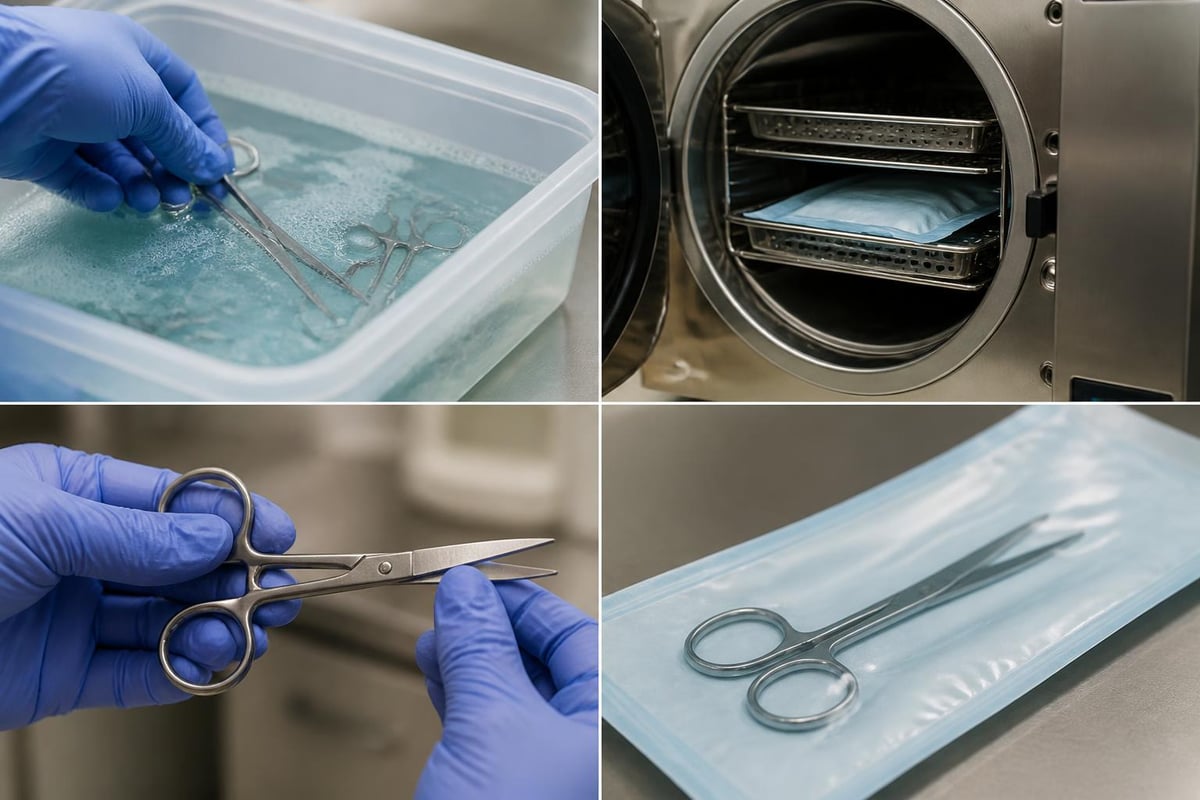
Healthcare facilities following infection control standards typically autoclave reusable scissors at 250-270°F for 15-30 minutes. Personal first aid kits may use chemical disinfection with products like glutaraldehyde or ortho-phthalaldehyde for high-level disinfection when autoclave access isn't available.
Inspection and Replacement Indicators
Regular inspection identifies scissors requiring sharpening or replacement before they fail during emergencies. Quality instruments can serve for years with proper care, but performance degradation eventually necessitates retirement.
Replace scissors when you observe:
- Blade edges that snag or tear rather than cutting cleanly
- Visible corrosion, pitting, or discoloration on cutting surfaces
- Loose or damaged pivot mechanisms causing blade misalignment
- Handle cracks that could harbor bacteria or cause injury
- Inability to cut through standard materials (denim, leather) in single passes
Professional organizations recommend replacing trauma shears annually in high-volume EMS operations, while personal kits may maintain effective scissors for 3-5 years with minimal use. The investment in quality instruments pays dividends through extended service life and superior performance.
Integration with Comprehensive Emergency Preparedness
First aid kit scissors represent one component within a broader emergency response capability. Their effectiveness multiplies when combined with appropriate training, complementary supplies, and systematic preparedness planning. Understanding how scissors fit into the larger emergency response framework ensures optimal outcomes during actual incidents.
Complementary Supplies and Equipment
Scissors work in concert with other medical supplies to enable effective patient care. A small first aid box containing scissors but lacking appropriate dressings, hemostatic agents, or protective equipment leaves responders unable to complete interventions.
Essential supplies that complement medical scissors:
- Sterile adhesive bandages in various sizes for wound coverage
- Hemostatic dressings and tourniquets for severe bleeding control
- Medical tape for securing dressings after cutting to size
- Trauma dressings that scissors can quickly expose and apply
- Nitrile gloves protecting responders while handling scissors
The synergy between tools and supplies creates capability greater than individual components. Scissors expose wounds, hemostatic agents control bleeding, and dressings protect injured tissue-each step requires the preceding one for success.
Training and Skill Development
Owning quality first aid kit scissors without understanding proper usage techniques severely limits their benefit. Training transforms tools into capabilities by teaching when, where, and how to apply them effectively under stress.
Critical skills for scissor use include:
- Safe clothing removal techniques that protect underlying tissue
- Recognition of when to cut versus carefully remove garments
- Proper hand positioning to maintain control during cutting
- Identification of embedded objects requiring preservation during exposure
- Contamination avoidance when opening sterile packages
Professional responders undergo extensive scenario-based training that includes scissor use as a fundamental skill. Civilians benefit from basic first aid courses covering these techniques, even if less comprehensive than professional programs. The muscle memory developed through practice ensures smooth execution when actual emergencies eliminate time for deliberation.
Regulatory Considerations and Standards Compliance
Organizations providing medical care or maintaining workplace first aid capabilities must ensure their supplies meet applicable regulatory requirements. First aid kit scissors fall under various standards depending on context and jurisdiction.
Workplace Safety Regulations
OSHA regulations in the United States mandate that employers provide appropriate first aid supplies based on workplace hazards. While specific scissor requirements aren't detailed, general provisions require tools suitable for anticipated injuries. High-risk environments with potential for severe trauma necessitate robust trauma shears, while office settings may satisfy requirements with basic medical scissors.
State and local regulations may impose additional requirements beyond federal minimums. Employers bear responsibility for conducting hazard assessments that inform first aid kit contents, including scissor selection appropriate for their specific operational risks.
Medical Device Classifications
The FDA classifies medical scissors as Class I devices, subjecting them to general controls but not requiring premarket approval. Manufacturers must register with the FDA and follow Good Manufacturing Practices (GMP), but the regulatory burden remains relatively light compared to higher-risk devices.
This classification scheme ensures basic safety and effectiveness without imposing barriers that might limit availability of these essential tools. Consumers benefit from regulatory oversight while maintaining access to diverse product options across price points and feature sets.
Quality first aid kit scissors represent fundamental tools that enable effective emergency response across diverse scenarios. From professional paramedics conducting patient extrication to families addressing household injuries, these specialized instruments provide the cutting capability, safety features, and reliability that critical situations demand. Whether you're building comprehensive medical response capabilities or assembling basic preparedness supplies, prioritizing proper scissor selection, maintenance, and training ensures you're ready when seconds count. Medical Gear Outfitters brings paramedic expertise to equipment selection, offering professional-grade trauma shears and complete first aid solutions backed by the knowledge to use them effectively-because being prepared means having both the right tools and the understanding to deploy them confidently during emergencies.

