First Aid Kit How Much: Complete 2026 Cost Guide
Understanding the investment required for proper emergency preparedness starts with a fundamental question: first aid kit how much should you reasonably expect to spend? The answer varies significantly based on your specific needs, the environment you're protecting, and the level of medical response capabilities you require. Whether you're equipping a household, workplace, vehicle, or preparing for tactical scenarios, the cost spectrum ranges from basic $15 kits to comprehensive systems exceeding $500. This guide breaks down pricing structures, quality considerations, and value assessments to help you make informed decisions about your emergency preparedness budget.
Understanding First Aid Kit Pricing Structures
The question of first aid kit how much to invest depends heavily on the intended application and required contents. Pre-assembled kits offer convenience but vary dramatically in quality and comprehensiveness.
Basic Home First Aid Kits
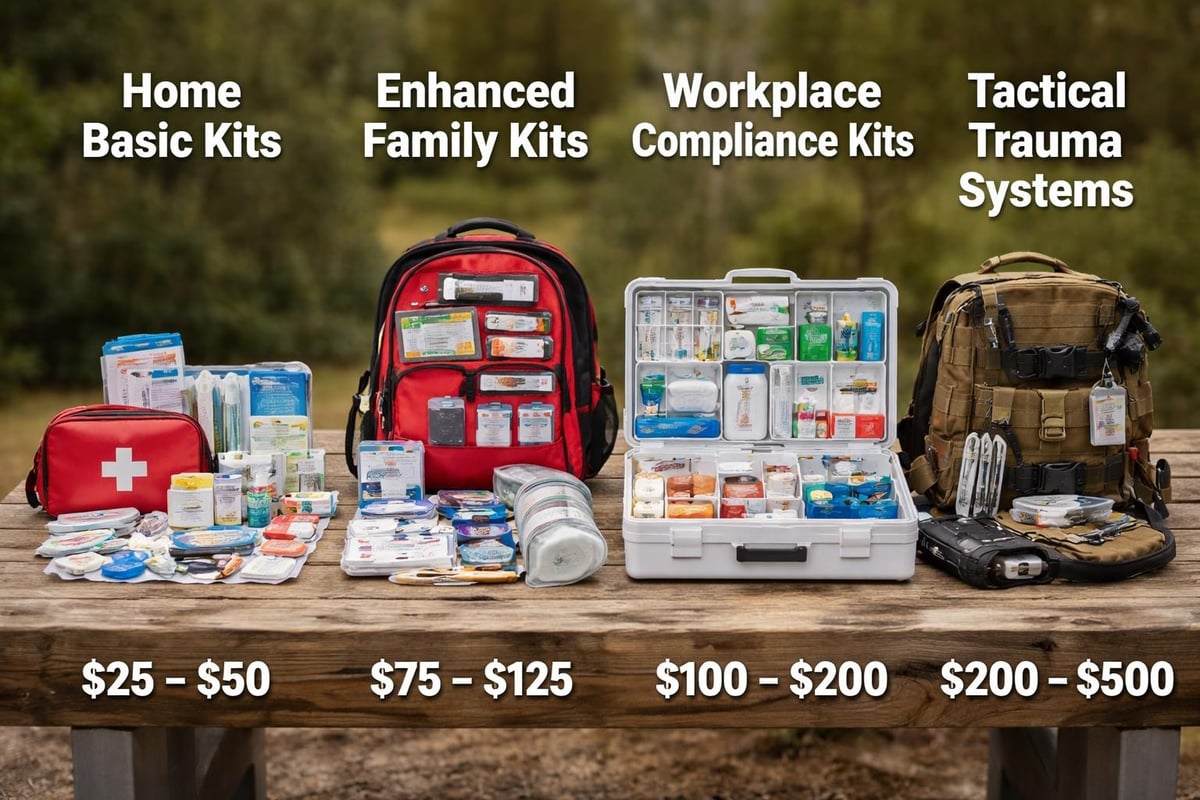
Entry-level household kits typically range from $15 to $45 and address common minor injuries. These kits usually contain adhesive bandages, gauze pads, medical tape, antiseptic wipes, and basic over-the-counter medications.
Standard contents include:
- Assorted adhesive bandages (various sizes)
- Sterile gauze pads and rolls
- Medical adhesive tape
- Antiseptic wipes and ointments
- Disposable gloves
- Scissors and tweezers
- Pain relievers and antihistamines
According to CostHelper Health's analysis of first aid kit costs, basic pre-assembled kits suitable for home use average $20-$30, while more comprehensive family kits range from $40-$75. The price differential reflects both quantity and quality of included supplies.
Workplace and Compliance Kits
Workplace environments require adherence to regulatory standards, which directly impacts pricing. OSHA-compliant kits designed for businesses range from $35 to $150 depending on workforce size and industry hazards.
| Workplace Size | Typical Cost Range | Minimum Contents |
|---|---|---|
| 1-25 employees | $35-$60 | Basic wound care, CPR barrier |
| 26-50 employees | $60-$95 | Enhanced supplies, eye wash |
| 51-100 employees | $95-$150 | Multiple trauma supplies, burns |
| Industrial/High-risk | $150-$300 | Specialized items, refill system |
The Health and Safety Executive's guidance on workplace first aid kits emphasizes that contents should reflect actual workplace risks identified through needs assessment. This principle applies equally to American workplace standards, where industry-specific hazards dictate necessary supplies.
Tactical and Trauma Kit Investment
When considering first aid kit how much for tactical or trauma response, expect significantly higher investment reflecting advanced medical interventions.
Individual First Aid Kits (IFAKs)
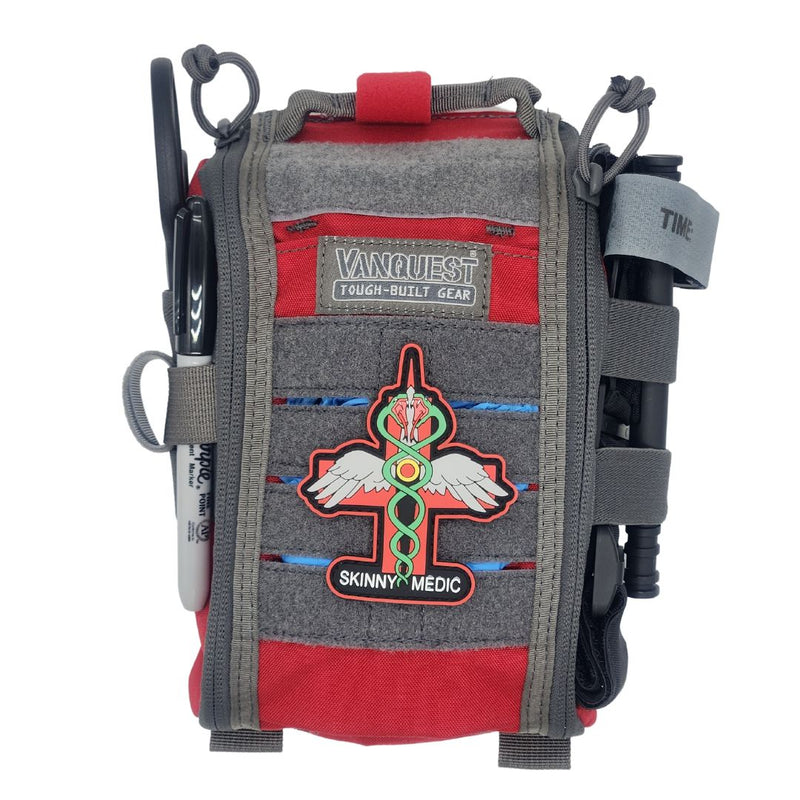
Purpose-built IFAKs designed for law enforcement, military, or serious outdoor enthusiasts range from $75 to $250. These kits focus on life-threatening trauma management rather than minor injuries.
Critical IFAK components:
- Combat Application Tourniquet (CAT) or SOFTT-W
- Hemostatic gauze (QuikClot or Celox)
- Chest seals for penetrating injuries
- Pressure bandages (Israeli or emergency trauma dressings)
- Nasopharyngeal airway
- Trauma shears
- Nitrile gloves
Understanding the contents of IFAK systems helps justify the higher price point, as individual components like tourniquets ($30-$35) and hemostatic agents ($15-$45) represent substantial portions of total cost.
Professional Response Kits
Comprehensive trauma kits for first responders, security professionals, or serious preppers range from $200 to $600 or more. These systems include multiple intervention tools and redundant supplies.
Premium features include:
- Multiple tourniquets and pressure dressings
- Advanced airway management tools
- Decompression needles for tension pneumothorax
- Bulk trauma gauze and hemostatic agents
- Specialized medical equipment
- Durable, organized carrying systems
The complete trauma kit collections available through specialized suppliers demonstrate how professional-grade systems justify their cost through comprehensive capability and quality construction.
Factors Affecting First Aid Kit Pricing
Several variables influence first aid kit how much you'll ultimately spend beyond the basic kit category.
Component Quality and Brand Recognition
Generic supplies cost significantly less than name-brand equivalents, but quality differences matter in emergency situations. Trusted manufacturers invest in research, testing, and quality control that justifies premium pricing.
Price comparison examples:
- Generic tourniquet: $8-$15 (questionable effectiveness)
- CAT Gen 7 tourniquet: $28-$35 (proven performance)
- Basic gauze roll: $0.50-$2
- Combat gauze with hemostatic agent: $35-$45
Medical professionals recognize that selecting between tourniquet options based solely on price can compromise effectiveness when seconds matter. The question isn't just first aid kit how much, but how much is reliable performance worth?
Packaging and Organization Systems
The carrier or case itself represents 15-40% of total kit cost but significantly impacts usability during emergencies.
| Container Type | Price Range | Best Application |
|---|---|---|
| Plastic box | $5-$15 | Static home storage |
| Soft zippered pouch | $10-$25 | Vehicle, basic portability |
| MOLLE-compatible bag | $25-$60 | Tactical, attachment flexibility |
| Hard case (waterproof) | $30-$75 | Outdoor, harsh environments |
| Medical backpack | $50-$150 | Comprehensive response systems |
The American Red Cross recommendations for first aid kit contents emphasize accessibility and organization, which quality packaging directly supports.
Building Custom Kits Versus Pre-Assembled Options
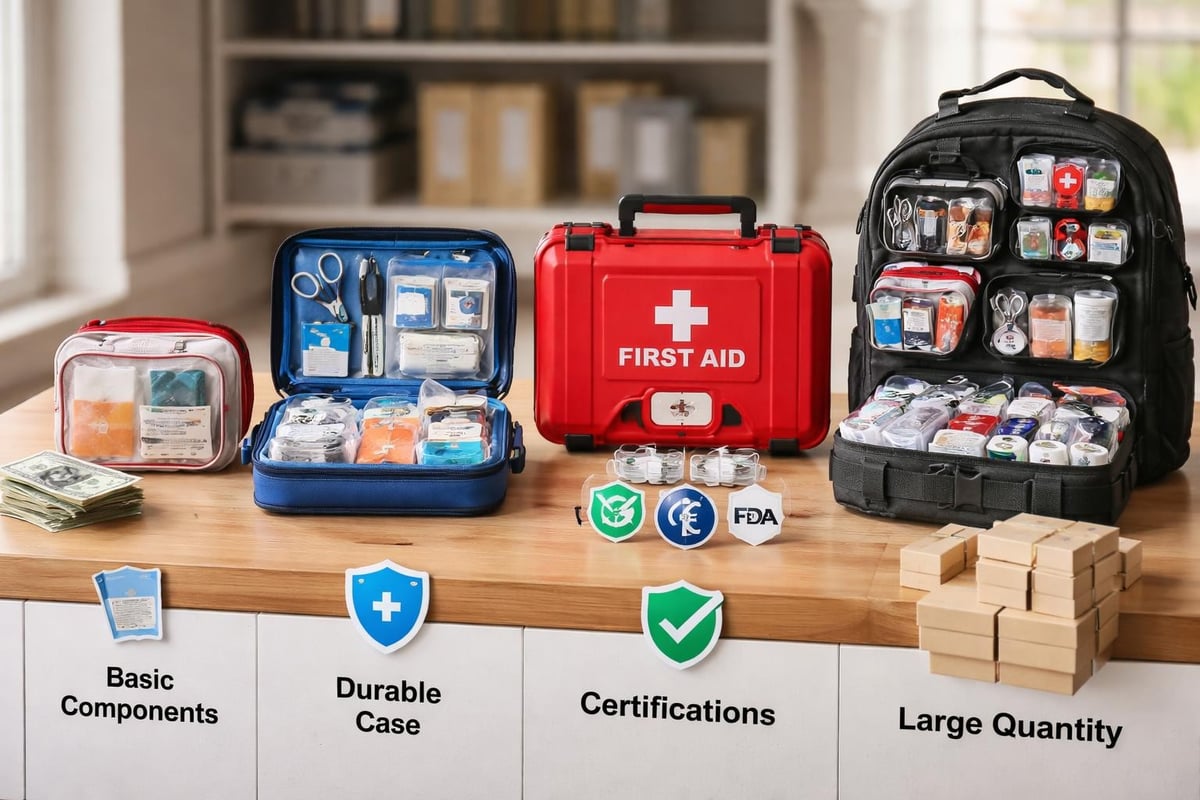
The first aid kit how much question changes dramatically when comparing custom-built versus ready-made solutions.
Cost Analysis of Custom Assembly
Building your own kit provides control over every component but requires research and individual purchasing. Initial cost may appear lower, but without bulk purchasing power, individual items often cost more.
Custom kit considerations:
- Research investment: Hours spent identifying quality products
- Individual item markup: Retail pricing versus wholesale
- Shipping costs: Multiple suppliers increase freight charges
- Missing components: Easy to overlook critical items
- Time value: Opportunity cost of assembly process
However, customization allows prioritizing specific needs. Someone requiring specialized items like sting and bite treatment supplies can allocate budget accordingly while reducing spend on unnecessary items.
Pre-Assembled Kit Value Proposition
Manufacturer-assembled kits benefit from bulk purchasing and expertise in supply selection. Reputable suppliers leverage professional knowledge to include appropriate items for stated purposes.
Pre-assembled advantages:
- Immediate readiness upon delivery
- Professionally selected component combinations
- Quality assurance and compatibility
- Often includes carrying case/organization
- Compliance with relevant standards
- Warranty and support options
Exploring complete first aid and emergency kits reveals how thoughtfully designed systems provide better value than component cost suggests. The expertise embedded in kit design justifies premium pricing for many users.
Specialized Application Cost Considerations
Different use cases dramatically affect first aid kit how much budgeting requires.
Vehicle Emergency Kits
Automotive first aid kits range from $20 to $100, with price reflecting both medical supplies and vehicle-specific items like emergency tools, reflective triangles, and roadside assistance supplies.
Dedicated vehicle kits should address:
- Common road accident injuries
- Extended wait times for professional help
- Temperature extremes affecting supplies
- Space constraints in vehicles
- Visibility and accessibility during stress
Outdoor and Wilderness Kits
Backcountry and remote outdoor kits range from $40 to $200, prioritizing lightweight, compact supplies addressing wilderness-specific risks like hypothermia, severe bleeding from falls, and extended evacuation times.
Wilderness-specific additions include:
- Compact emergency blankets
- Water purification
- Extended wound care supplies
- Blister and friction management
- Insect sting treatments
- Lightweight splinting materials
Understanding how to properly equip first aid systems for specific environments prevents both overspending on unnecessary items and dangerous gaps in coverage.
Institutional and Multi-Unit Requirements
Organizations needing multiple kits benefit from bulk purchasing but face higher total investment. Schools, offices, and facilities requiring wall-mounted stations throughout buildings may spend $500-$2,000 implementing comprehensive coverage.
Volume purchasing considerations:
- Per-unit cost reduction (typically 10-25% for 5+ units)
- Standardization across locations
- Simplified inventory management
- Coordinated expiration tracking
- Vendor relationship benefits
Maintenance and Ongoing Costs
Initial purchase represents only part of true first aid kit how much calculation over time.
Expiration and Replacement Schedules
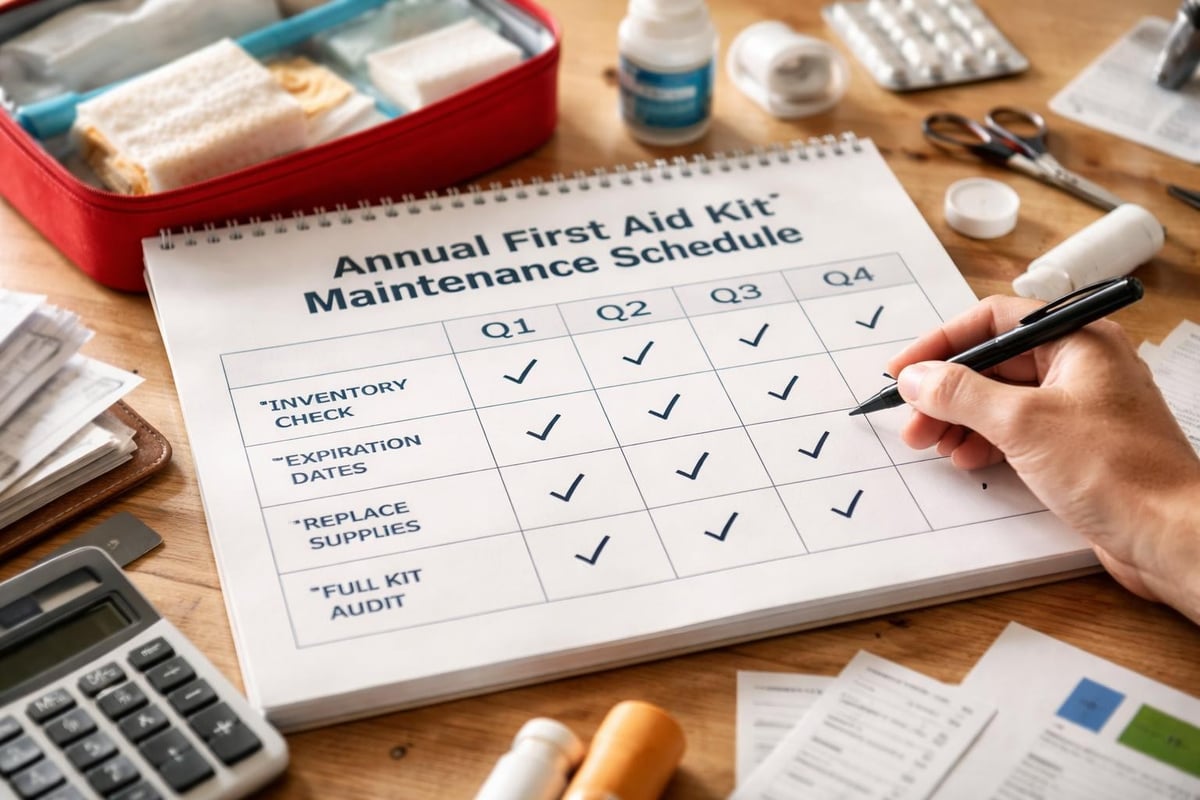
Medical supplies have limited shelf life, requiring periodic replacement. Annual maintenance costs typically run 20-30% of original kit value.
| Supply Category | Typical Lifespan | Replacement Cost Factor |
|---|---|---|
| Adhesive bandages | 3-5 years | Low (5-10% of kit) |
| Sterile gauze/dressings | 3-5 years | Medium (15-20% of kit) |
| Antiseptics/ointments | 2-3 years | Low (5-10% of kit) |
| Medications | 1-2 years | Medium (10-15% of kit) |
| Hemostatic agents | 3-5 years | High (25-35% of kit) |
| Tourniquets | 5+ years | Low (varies by use) |
MedlinePlus guidelines on first aid supplies recommend regular inventory checks to identify expired items before emergencies occur. This proactive approach prevents discovering unusable supplies during critical moments.
Training and Education Investment
Supplies without knowledge provide limited value. Effective emergency response requires training investment beyond physical kit costs.
Training cost ranges:
- Online basic first aid: $20-$50
- In-person CPR/First Aid certification: $75-$150
- Wilderness First Responder: $400-$800
- Tactical Combat Casualty Care: $300-$600
- Ongoing recertification: $50-$100 annually
Organizations serious about preparedness recognize that understanding comprehensive first aid kit contents through proper training multiplies the value of physical supplies.
Budget Optimization Strategies
Smart approaches to first aid kit how much spending maximize preparedness within financial constraints.
Tiered Implementation Approach
Rather than attempting comprehensive coverage immediately, build capability progressively:
- Foundation phase ($30-$50): Basic home kit for common injuries
- Enhancement phase ($75-$150): Add vehicle kit and upgrade home supplies
- Specialization phase ($150-$300): Implement trauma capabilities or activity-specific kits
- Proficiency phase ($300+): Advanced systems and redundancy
This staged approach spreads investment over time while maintaining appropriate coverage at each level.
Quality Versus Quantity Balance
Prioritize critical, high-quality items over comprehensive but inferior supplies. A single reliable tourniquet provides more value than three questionable ones.
Priority investment hierarchy:
- Life-saving trauma interventions (highest quality)
- Wound management basics (good quality)
- Comfort and minor injury supplies (value-conscious)
- Convenience items (budget-friendly)
Professional guidance from industry-standard medical kits helps identify which components justify premium investment versus acceptable economy options.
Refill and Component Programs
Many suppliers offer individual component sales and refill programs, reducing long-term costs compared to complete kit replacement.
Refill program advantages:
- Replace only used or expired items
- Maintain familiar organization systems
- Reduce waste and environmental impact
- Lower per-incident cost
- Encourage appropriate kit usage
Value Assessment Framework
Determining appropriate first aid kit how much investment requires evaluating value beyond simple price comparison.
Cost Per Potential Use Analysis
Consider frequency and severity of likely scenarios:
Low-risk office environment:
- Injuries: Primarily minor cuts, headaches
- Frequency: Monthly minor incidents
- Appropriate investment: $50-$100
- Cost per year of coverage: $15-$25
High-risk industrial workplace:
- Injuries: Potential serious trauma
- Frequency: Weekly minor, quarterly serious
- Appropriate investment: $200-$400
- Cost per year of coverage: $50-$100
Outdoor adventure enthusiast:
- Injuries: Variable, potentially severe
- Frequency: Per-trip exposure
- Appropriate investment: $100-$250
- Cost per trip: $5-$15 (over 20 trips)
Insurance and Liability Considerations
Workplace and organizational kits involve liability and insurance implications that affect true value calculation.
Adequate first aid capability can:
- Reduce workers' compensation claims severity
- Demonstrate due diligence in safety programs
- Lower insurance premium rates
- Minimize business interruption from injuries
- Protect against negligence allegations
These factors often justify higher investment in quality workplace systems than pure supply cost suggests. Resources like Kansas State University's laboratory first aid requirements illustrate how institutions approach compliance-driven purchasing decisions.
Regional and Accessibility Factors
Geographic location and purchasing access influence first aid kit how much actual expenditure.
Urban Versus Rural Considerations
Rural areas with extended emergency response times justify higher investment in self-sufficiency capabilities, while urban locations might prioritize basic stabilization until professional help arrives quickly.
Rural premium requirements:
- Enhanced trauma management capability
- Extended supply quantities
- Communication equipment
- Environmental protection (temperature, moisture)
- Additional 15-30% investment recommended
Online Versus Retail Purchasing
Distribution channel affects both selection and pricing:
| Purchase Channel | Price Range | Selection | Expertise Available |
|---|---|---|---|
| Big-box retail | Higher markup | Limited | Minimal |
| Pharmacy chains | Moderate | Basic focus | Some guidance |
| Outdoor retailers | Variable | Activity-specific | Knowledgeable staff |
| Online specialists | Competitive | Comprehensive | Detailed resources |
| Direct manufacturer | Best value | Brand-specific | Technical support |
Specialty suppliers focusing on complete emergency response kits typically offer superior product knowledge and application guidance compared to general retailers.
2026 Market Trends and Pricing Outlook
Current market conditions and trends affect first aid kit how much budgeting for this year.
Supply Chain Normalization
Following post-pandemic disruptions, supply chains have stabilized, reducing the premium pricing of 2023-2024. Quality kits are now 10-15% more accessible than peak shortage periods.
Growing Preparedness Awareness
Increased public emphasis on emergency readiness has expanded the market, creating competition that benefits consumers through better value propositions and innovation.
Technology Integration
Smart kits with inventory tracking, expiration alerts, and instructional apps are emerging at premium price points ($150-$400), though traditional systems remain the value standard for most users.
Emerging features include:
- QR codes linking to video instructions
- Smartphone apps for inventory management
- Temperature monitoring for sensitive supplies
- Integration with emergency communication systems
Understanding first aid kit how much to invest requires balancing immediate budget constraints against the invaluable protection comprehensive preparedness provides. Whether you need a basic household kit for minor injuries or a sophisticated trauma system for high-risk environments, the right investment level reflects your specific exposure, regulatory requirements, and commitment to emergency readiness. When you're ready to make an informed purchasing decision backed by paramedic expertise and quality assurance, Medical Gear Outfitters offers professionally curated first aid solutions designed to perform when seconds count, along with the knowledge resources to use them effectively.