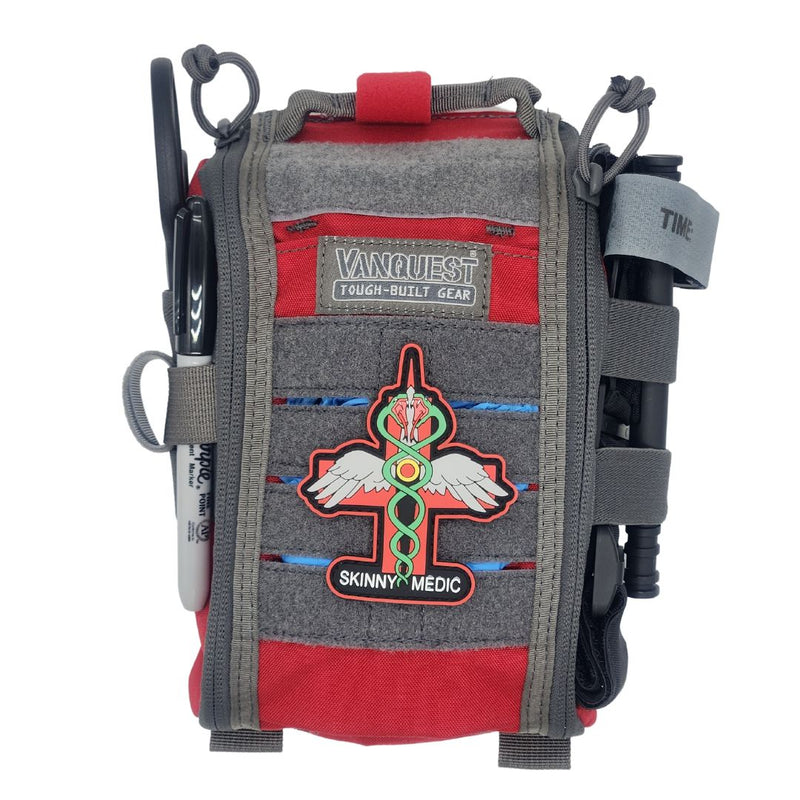
FA Kits: Essential Guide to First Aid Kit Selection
First aid kits, commonly referred to as FA kits in emergency response circles, represent the frontline defense against medical emergencies across countless settings. Whether you're a workplace safety coordinator, outdoor enthusiast, or concerned parent, understanding what makes an effective FA kit can mean the difference between managing an emergency successfully and facing unnecessary complications. These compact collections of medical supplies serve as critical tools that bridge the gap between injury occurrence and professional medical intervention. With proper selection, maintenance, and knowledge of contents, FA kits empower ordinary individuals to become effective first responders in moments of crisis.
Understanding FA Kits and Their Critical Role
FA kits serve as portable emergency medical stations designed to address common injuries and stabilize serious conditions until professional help arrives. The term "FA kit" has become standard terminology among medical professionals, military personnel, and emergency responders who understand the vital importance of immediate medical intervention.
The Evolution of Modern FA Kits
Traditional first aid supplies have transformed dramatically over recent decades. Early FA kits contained little more than bandages and antiseptic solutions. Today's comprehensive kits incorporate advanced wound management products, trauma supplies, and specialized tools that enable bystanders to perform lifesaving interventions. This evolution reflects our growing understanding of emergency medicine and the critical "golden hour" following traumatic injury.
The comprehensive overview of first aid kits demonstrates how these essential tools have adapted to meet diverse environmental and situational needs. Modern FA kits now address specific scenarios ranging from wilderness emergencies to industrial accidents, each optimized for its intended environment.
Core Components Every FA Kit Must Include
Building or selecting an effective FA kit requires understanding which supplies deliver maximum utility across various emergency scenarios. Not all FA kits are created equal, and identifying essential versus optional components helps ensure your investment provides genuine protection.
Wound Care Fundamentals
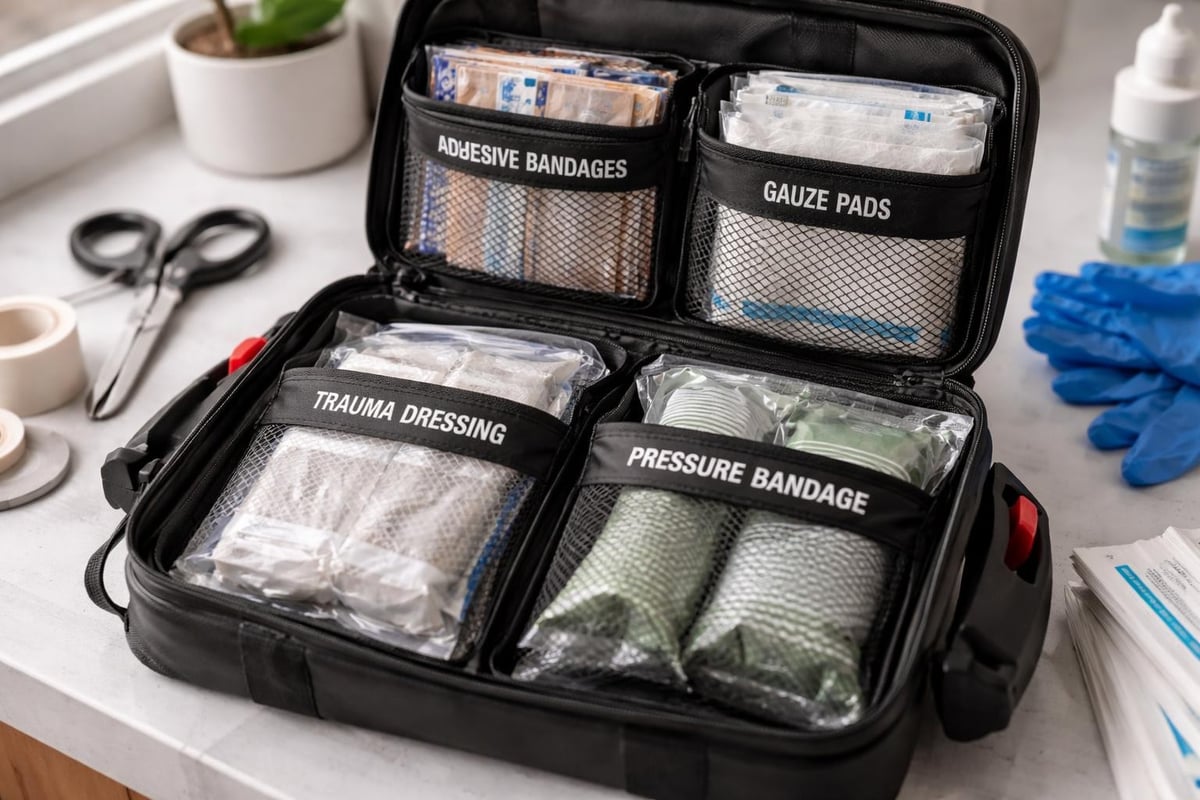
Bandages and dressings form the foundation of any FA kit:
- Adhesive bandages in multiple sizes for minor cuts and abrasions
- Sterile gauze pads (2x2, 3x3, and 4x4 inch) for wound coverage
- Roller gauze for securing dressings and creating pressure bandages
- Elastic bandages for sprains, strains, and compression applications
- Trauma dressings for severe bleeding control
Medical professionals recommend including triangular bandages as versatile tools that function as slings, tourniquets, or large dressings depending on the emergency. Their multipurpose nature makes them invaluable when FA kit space is limited.
Medications and Topical Treatments
| Medication Type | Purpose | Typical Quantities |
|---|---|---|
| Pain relievers (acetaminophen, ibuprofen) | Manage pain and inflammation | 20-30 tablets |
| Antihistamines | Allergic reactions | 10-20 tablets |
| Antacids | Stomach upset | 10-15 tablets |
| Anti-diarrheal | Gastrointestinal issues | 6-12 tablets |
| Aspirin | Cardiac events | 4-6 tablets |
Topical treatments expand FA kit capabilities significantly. Antibiotic ointments prevent infection in minor wounds, while hydrocortisone cream addresses skin irritations and allergic reactions. Insect bite treatments prove particularly valuable for outdoor FA kits where exposure to stinging insects creates common medical concerns.
Understanding proper medication storage and expiration monitoring ensures your FA kit maintains effectiveness over time. Temperature extremes degrade many medications, requiring periodic replacement even when supplies remain unused.
Trauma Management Tools
Professional-grade FA kits incorporate trauma supplies that enable management of serious injuries. These components distinguish basic kits from comprehensive emergency response solutions:
- Tourniquets for life-threatening extremity hemorrhage control
- Hemostatic agents such as gauze impregnated with clotting compounds
- Chest seals for penetrating thoracic injuries
- Nasopharyngeal airways for airway management
- Splinting materials for fracture stabilization
Learning when to apply tourniquets and recognizing serious bleeding transforms FA kits from passive supply collections into active lifesaving tools. Knowledge and training amplify the effectiveness of even basic FA kit contents.
Selecting FA Kits for Specific Environments
Different settings demand different FA kit configurations. Matching kit contents to probable scenarios ensures preparedness without unnecessary bulk or expense.
Workplace FA Kits
Employment settings carry unique regulatory requirements that shape FA kit selection. The ANSI/ISEA Z308 standards establish minimum requirements for workplace first aid supplies, creating baselines that ensure adequate emergency response capabilities.
Workplace FA kits should scale based on employee count and workplace hazards:
- Small businesses (25 employees or fewer): Class A kit with basic supplies
- Medium facilities (26-100 employees): Class B kit with expanded quantities
- Large operations (100+ employees): Multiple Class B kits strategically positioned
- High-risk industries: Specialized trauma supplies beyond standard requirements
The Department of Homeland Security guidelines on trauma-type first aid kits provide valuable frameworks for workplaces facing elevated injury risks. Industrial environments, construction sites, and facilities handling hazardous materials benefit from enhanced FA kit configurations that address probable injury patterns.
Home and Family FA Kits
Residential FA kits balance comprehensive coverage with practical storage and accessibility. Family kits must address the full age spectrum from infants through elderly household members, each demographic presenting distinct medical needs.
Consider these factors when building home FA kits:
- Medication allergies and chronic conditions requiring specialized supplies
- Children's dosing for over-the-counter medications
- Pet emergency supplies for households with animals
- Natural disaster preparation beyond typical first aid needs
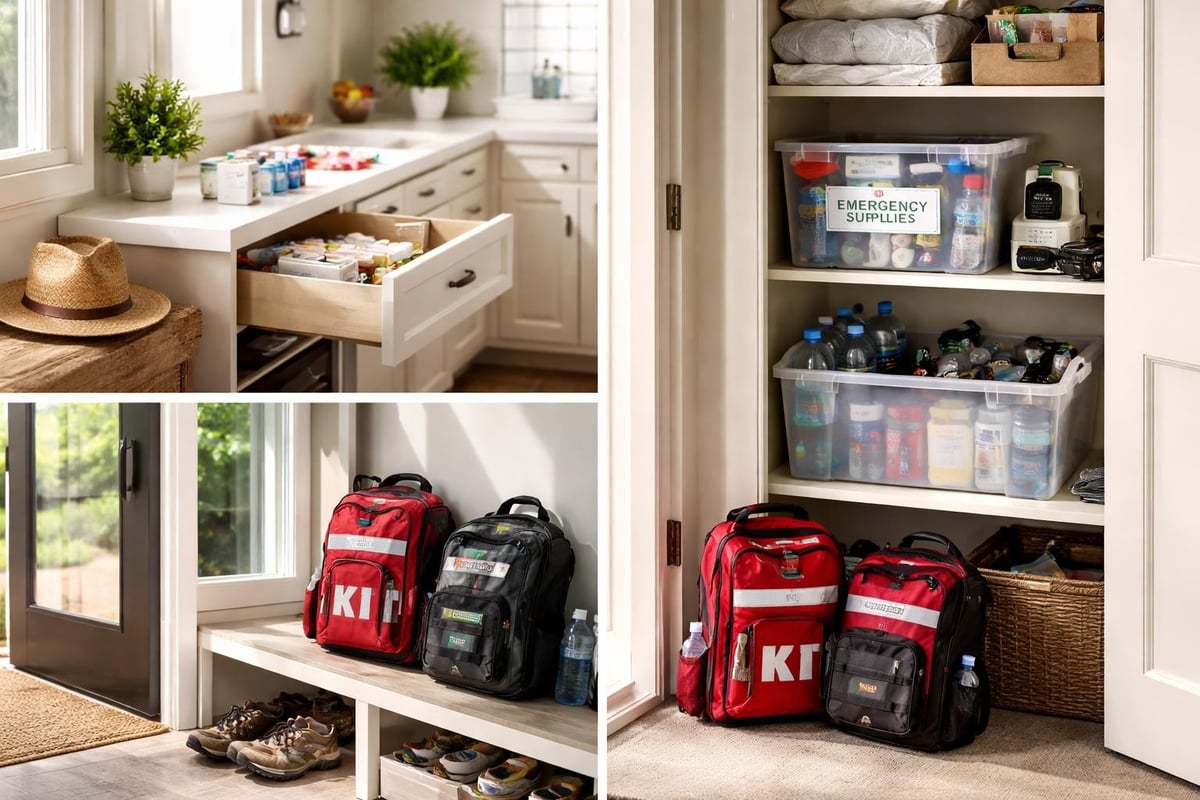
Home FA kits benefit from integration with broader emergency preparedness planning. Combining medical supplies with emergency food, water, and communication equipment creates comprehensive household resilience.
Portable and Tactical FA Kits
Mobile FA kits serve outdoor enthusiasts, travelers, and tactical professionals who face medical emergencies far from conventional medical infrastructure. These specialized kits prioritize weight, durability, and environmental protection while maintaining capability.
Key considerations for portable FA kits include:
- Weather-resistant containers protecting contents from moisture and temperature extremes
- Compact, lightweight packaging enabling extended carry without fatigue
- Multi-use items reducing redundancy and conserving space
- Quick-access organization facilitating rapid retrieval under stress
Specialized products like T3 tactical trauma bandages and burn dressings address high-consequence injuries in remote settings. The guide to portable medical kits explores optimization strategies for mobile emergency response.
Building Custom FA Kits Versus Pre-Assembled Options
The decision between purchasing complete FA kits or assembling custom configurations involves tradeoffs between convenience, cost, and customization.
Advantages of Pre-Assembled FA Kits
| Benefit | Description | Best For |
|---|---|---|
| Immediate readiness | Arrives fully stocked and organized | Time-constrained buyers |
| Regulatory compliance | Meets ANSI/OSHA standards | Workplace requirements |
| Cost efficiency | Bulk purchasing reduces per-item costs | Budget-conscious purchasers |
| Proven configurations | Tested supply combinations | First-time kit buyers |
Professional reviews of pre-built first aid kits reveal that reputable manufacturers design products addressing common emergency scenarios effectively. These kits eliminate guesswork while ensuring nothing critical gets overlooked during assembly.
Benefits of Custom FA Kit Assembly
Custom-built FA kits allow precise matching between supplies and anticipated needs. Medical professionals, experienced first responders, and individuals with specific requirements often prefer building tailored configurations.
Custom assembly excels when:
- Unique medical conditions demand specialized supplies
- Environmental factors create unusual risk profiles
- Budget constraints require strategic prioritization
- Existing partial supplies need completion
- Integration with existing emergency systems is necessary
The complete kits collection at Medical Gear Outfitters provides foundations that users can supplement with additional specialized items, blending the convenience of pre-assembled solutions with customization flexibility.
Maintaining FA Kit Readiness Through Regular Management
Even the most comprehensive FA kit becomes ineffective when supplies expire, deplete, or deteriorate. Systematic maintenance ensures readiness when emergencies strike.
Inspection and Inventory Protocols
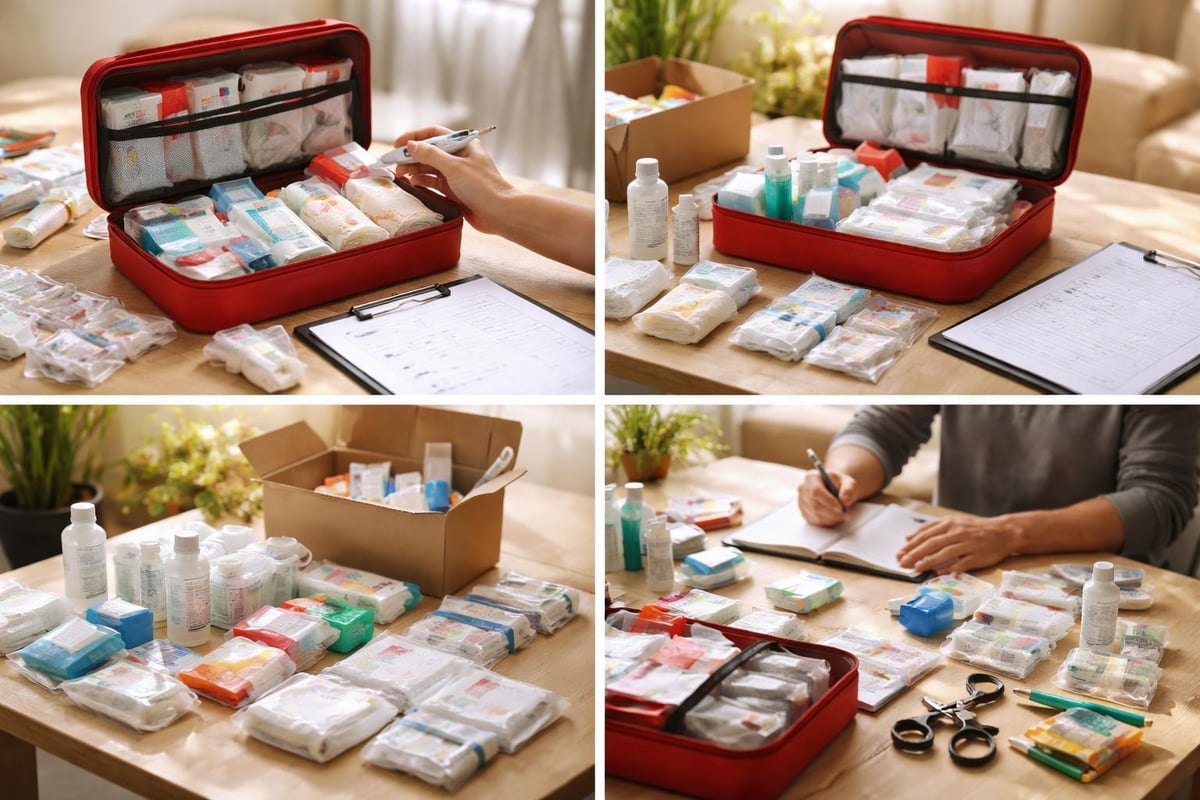
Establish quarterly inspection routines that verify:
- Medication expiration dates and potency indicators
- Sterile packaging integrity on bandages and dressings
- Battery functionality in electronic devices
- Container seal and water resistance
- Supply depletion from previous use
Documentation systems tracking inspection dates, supply usage, and replacement schedules prevent oversight. Simple logbooks or digital tracking applications maintain accountability, particularly important in workplace settings with regulatory compliance obligations.
Strategic Resupply Planning
Professional first aid resupply strategies prevent gaps in FA kit readiness. Rather than waiting for complete depletion, implement rolling replacement that maintains consistent capability.
Consider these resupply approaches:
- Immediate replacement after any supply use restores full capability
- Scheduled bulk ordering every six months refreshes time-sensitive items
- Subscription services automate delivery of commonly depleted supplies
- Backup stock rotation maintains fresh supplies through systematic cycling
Temperature-controlled storage extends medication and sterile supply lifespan. FA kits exposed to vehicle interiors or outdoor storage sheds face accelerated degradation requiring more frequent replacement.
Training: Maximizing FA Kit Effectiveness
Sophisticated FA kit contents provide minimal value without knowledge enabling proper application. Training transforms passive equipment into active lifesaving capability.
Essential Skills Every FA Kit User Needs
Core competencies include:
- CPR and basic life support procedures
- Bleeding control including direct pressure and tourniquet application
- Wound cleaning and bandaging techniques
- Recognizing medical emergencies requiring professional intervention
- Shock prevention and management
- Basic airway management
Certification programs through the American Red Cross, American Heart Association, and specialized tactical medical courses provide structured learning paths. Hands-on practice with actual FA kit contents builds confidence and competence that pure theoretical knowledge cannot achieve.
Scenario-Based Practice and Drills
Regular drills using FA kit supplies (or dedicated training versions) develop muscle memory and decision-making skills under stress. Realistic scenarios matching probable emergencies in your environment maximize training value.
Workplace safety programs should incorporate FA kit familiarization into broader emergency preparedness training. Employees knowing kit locations, contents, and application procedures create redundant response capability rather than relying on single designated first aid providers.
Regulatory Compliance and Professional Standards
Organizations maintaining FA kits face various regulatory frameworks depending on their industry, size, and jurisdiction. Understanding applicable requirements prevents violations while ensuring adequate emergency response capability.
OSHA and ANSI Requirements
The Occupational Safety and Health Administration establishes baseline requirements for workplace first aid supplies. While OSHA regulations remain somewhat general, they reference ANSI standards for specific guidance. The healthcare facilities perspective on first aid kits explores building managers' responsibilities and recent standard updates.
ANSI/ISEA Z308.1-2021 classifies workplace FA kits into two types:
- Type II (Minimal): 89 total items suitable for small facilities
- Type III (General): 141 total items for larger workplaces
- Type IV (Comprehensive): 236+ items for high-risk environments
Professional settings require adherence to compliance standards that consider employee population and identified workplace hazards. Regular audits verify continued compliance as regulations evolve and workplace conditions change.
Documentation and Record Keeping
Maintaining detailed records of FA kit maintenance, training, and incident response serves multiple purposes. Documentation demonstrates regulatory compliance during inspections while providing data for continuous improvement of emergency response systems.
Critical records include:
- Kit inspection logs with dates and inspector identification
- Supply replacement history tracking usage patterns
- Training completion certificates for designated first aid providers
- Incident reports documenting FA kit deployment and outcomes
- Regulatory compliance audits and corrective action plans
This documentation proves particularly valuable following workplace injuries when investigators review emergency response adequacy. Thorough records demonstrate organizational commitment to employee safety and proper emergency preparedness.
Advanced FA Kit Considerations for Medical Professionals
Healthcare providers, paramedics, and tactical medics require FA kits exceeding civilian standards. These professional-grade configurations incorporate advanced medical equipment and pharmaceuticals enabling definitive care in austere environments.
Professional Medical Equipment Integration
Advanced FA kits may include:
- Airway management equipment beyond basic oral airways
- Intravenous access supplies and fluid resuscitation capability
- Advanced hemorrhage control including junctional tourniquets
- Medication administration equipment and emergency pharmaceuticals
- Diagnostic tools such as stethoscopes and blood pressure cuffs
Professional FA kits blur the line between first aid and advanced life support. Medical professionals operating under appropriate protocols and licensure can provide interventions that stabilize critical patients during extended transport times or delayed evacuation scenarios.
Specialized Clinical Applications
Certain medical specialties require FA kits tailored to unique patient populations or procedures. Dental offices maintain supplies addressing oral hemorrhage and avulsed teeth. Veterinary clinics stock species-appropriate medications and equipment. Sports medicine professionals carry supplies managing athletic injuries and environmental emergencies.
The clinical kits guide explores specialized configurations supporting professional medical practice. These kits extend beyond emergency response into procedural support and specialized treatment capabilities.
Emerging Technologies and Future FA Kit Developments
Innovation continues advancing FA kit capabilities through new materials, integrated technologies, and evidence-based content optimization. Understanding emerging trends helps predict how FA kits will evolve over coming years.
Smart FA Kits and Digital Integration
Technology integration promises to enhance FA kit utility through several mechanisms. Digital inventory management systems track supply usage and expiration automatically, triggering alerts and reorder notifications. Mobile applications provide just-in-time training and decision support, guiding users through emergency procedures step-by-step.
Some manufacturers now incorporate RFID tags enabling automated inventory tracking. Scanning technology verifies kit completeness and flags expired items without manual inspection. While these systems add cost, they prevent the oversight and neglect that compromise traditional FA kit readiness.
Evidence-Based Content Optimization
Medical research continuously refines understanding of optimal first aid interventions. Recent evidence regarding tourniquet application, hemorrhage control, and basic life support drives changes in FA kit recommendations. Organizations maintaining current kits must track evolving medical guidelines and adjust contents accordingly.
Research initiatives like the FirstAidQA dataset development support artificial intelligence applications in emergency response, potentially enabling future FA kit integration with decision-support systems. These technologies could guide untrained bystanders through complex medical interventions using equipment already present in their FA kits.
Selecting, maintaining, and effectively using FA kits represents a fundamental aspect of emergency preparedness across all environments. From basic home kits addressing minor injuries to comprehensive professional configurations enabling advanced interventions, the right FA kit combined with proper training creates genuine lifesaving capability. Whether you're equipping a workplace, preparing your family, or building a tactical medical kit for field operations, Medical Gear Outfitters provides paramedic-selected supplies and expert guidance ensuring your FA kits deliver maximum protection when emergencies strike.