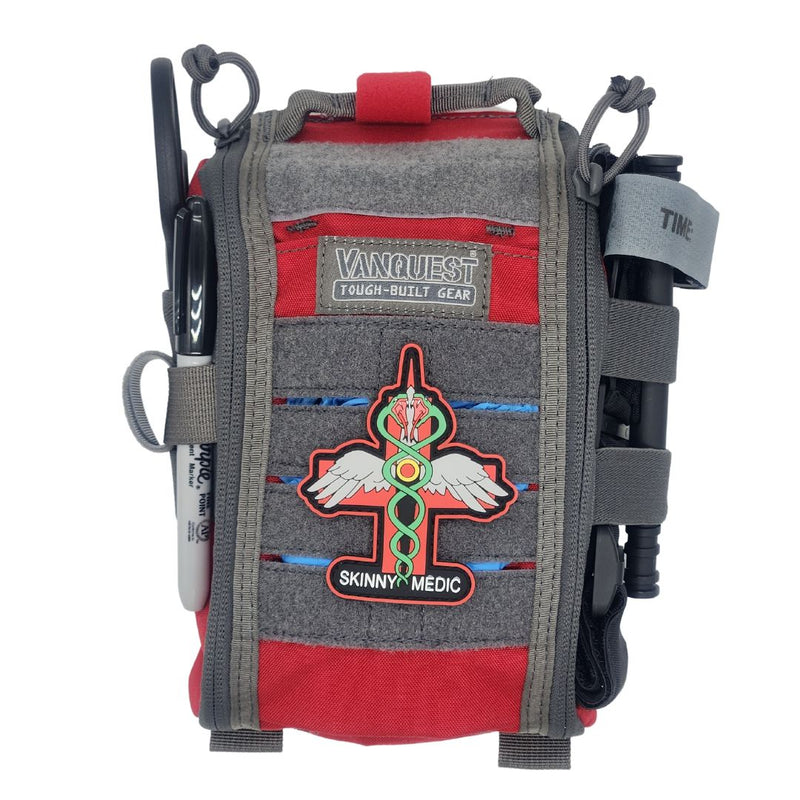
Emergency Thermal Blanket: Essential First Aid Guide
When seconds matter in an emergency situation, having the right equipment can mean the difference between life and death. Among the most versatile and essential items in any first aid arsenal is the emergency thermal blanket, a lightweight tool that has saved countless lives since its development for NASA's space program. Whether you're a medical professional responding to trauma, an outdoor enthusiast preparing for wilderness adventures, or simply building a comprehensive emergency preparedness kit, understanding how to properly utilize this critical piece of equipment is fundamental to effective emergency response.
Understanding the Science Behind Emergency Thermal Blankets
The emergency thermal blanket operates on a remarkably simple yet effective principle: reflecting radiant body heat back to the person wrapped in it. These blankets, also known as space blankets or Mylar blankets, consist of a thin sheet of plastic coated with a metallic reflecting agent, typically aluminum. This construction allows the blanket to reflect up to 90% of a person's body heat back toward them, creating a crucial barrier against heat loss.
The physics behind this technology involves radiant heat transfer, one of three primary methods through which the body loses warmth. According to research on thermal properties and emergency applications, the metallized surface intercepts infrared radiation emitted by the body and redirects it inward. This process becomes particularly vital when treating shock victims or individuals exposed to harsh environmental conditions.
Key Physical Properties
Understanding the specifications helps medical professionals and first responders select appropriate thermal blankets for different scenarios:
| Property | Specification | Benefit |
|---|---|---|
| Weight | 1.5-3 ounces | Highly portable for field use |
| Thickness | 12 microns | Compact storage in medical kits |
| Heat Reflection | 80-90% | Maximum warmth retention |
| Durability | Tear-resistant varieties available | Reusable in multiple scenarios |
The compact nature of these blankets makes them ideal components of any portable medical kit, where space and weight constraints demand efficient equipment choices.
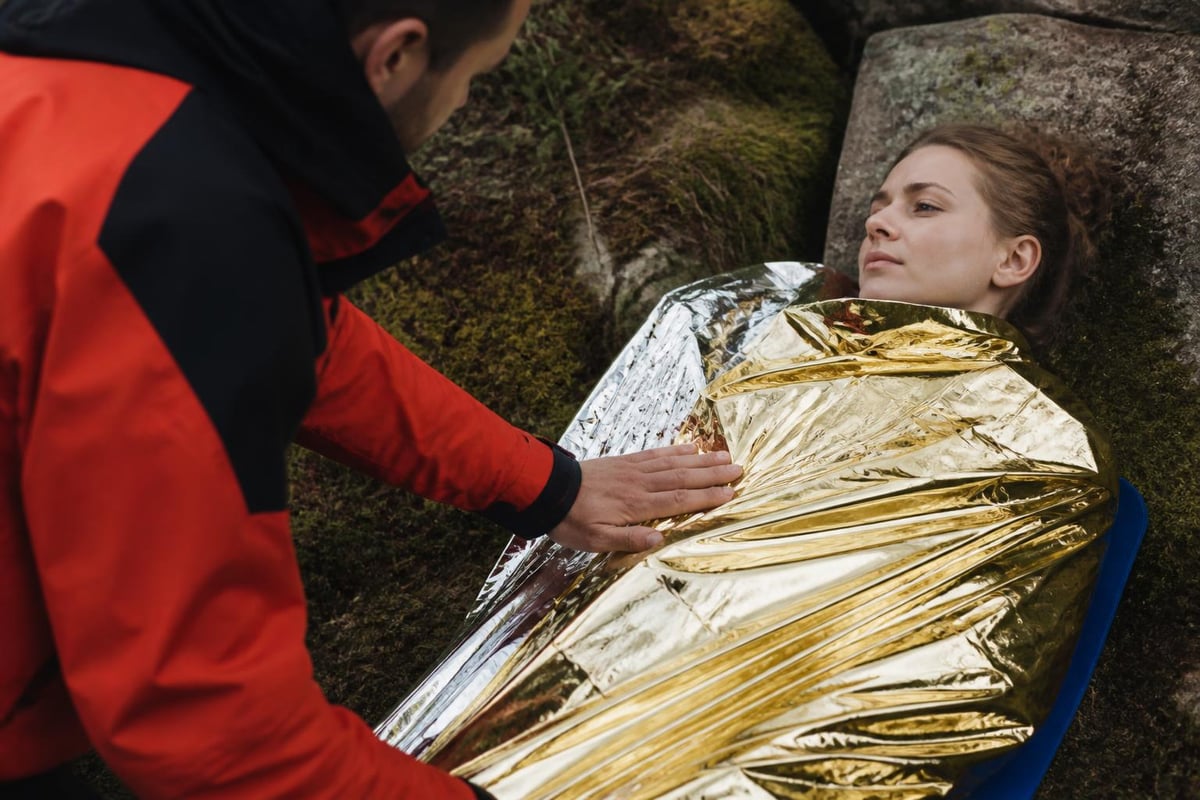
Critical Applications in Emergency Medicine
Emergency thermal blankets serve multiple functions beyond their primary role in preventing hypothermia. Medical professionals and first responders have identified numerous applications that make this tool indispensable in emergency situations.
Trauma and Shock Management
When the body experiences significant trauma, it often enters a state of shock characterized by inadequate blood flow to vital organs. One hallmark of shock is the inability to maintain core body temperature. Wrapping a trauma patient in an emergency thermal blanket helps preserve precious body heat while other life-saving interventions take place.
Primary uses in trauma care:
- Maintaining core temperature during extended extrication procedures
- Preventing hypothermia in patients with significant blood loss
- Protecting burn victims from environmental exposure
- Creating sterile barriers during field treatment
The multifunctional applications of rescue blankets extend well beyond simple warmth provision, making them essential in alpine and wilderness emergency scenarios.
Wilderness and Outdoor Emergency Response
For outdoor enthusiasts and wilderness medical responders, the emergency thermal blanket represents a critical survival tool. Weather conditions can deteriorate rapidly, and exposure to wind, rain, or cold can quickly lead to life-threatening hypothermia.
When building a camping emergency kit, the thermal blanket should occupy a prominent position due to its versatility. Beyond warmth retention, these blankets can function as emergency shelters, ground covers to prevent heat loss from below, or even signaling devices due to their reflective properties.
- Hypothermia Prevention: Wrap around the torso and extremities, ensuring the reflective side faces inward
- Emergency Shelter Construction: Use as a roof or wall material in improvised shelters
- Ground Insulation: Place beneath sleeping bags or patients to prevent conductive heat loss
- Water Collection: Shape to funnel rainwater or condensation
- Signal Mirror: Use the reflective surface to attract attention of rescue personnel
Proper Deployment Techniques for Maximum Effectiveness
Simply possessing an emergency thermal blanket provides little benefit without understanding proper deployment techniques. Medical professionals and first responders must know how to maximize the blanket's effectiveness in various emergency scenarios.
Correct Application Methods
The orientation of the emergency thermal blanket significantly impacts its performance. The metallized, shiny side should face toward the body to reflect heat inward. However, practical usage considerations reveal that external factors like wind and moisture can reduce effectiveness if not properly addressed.
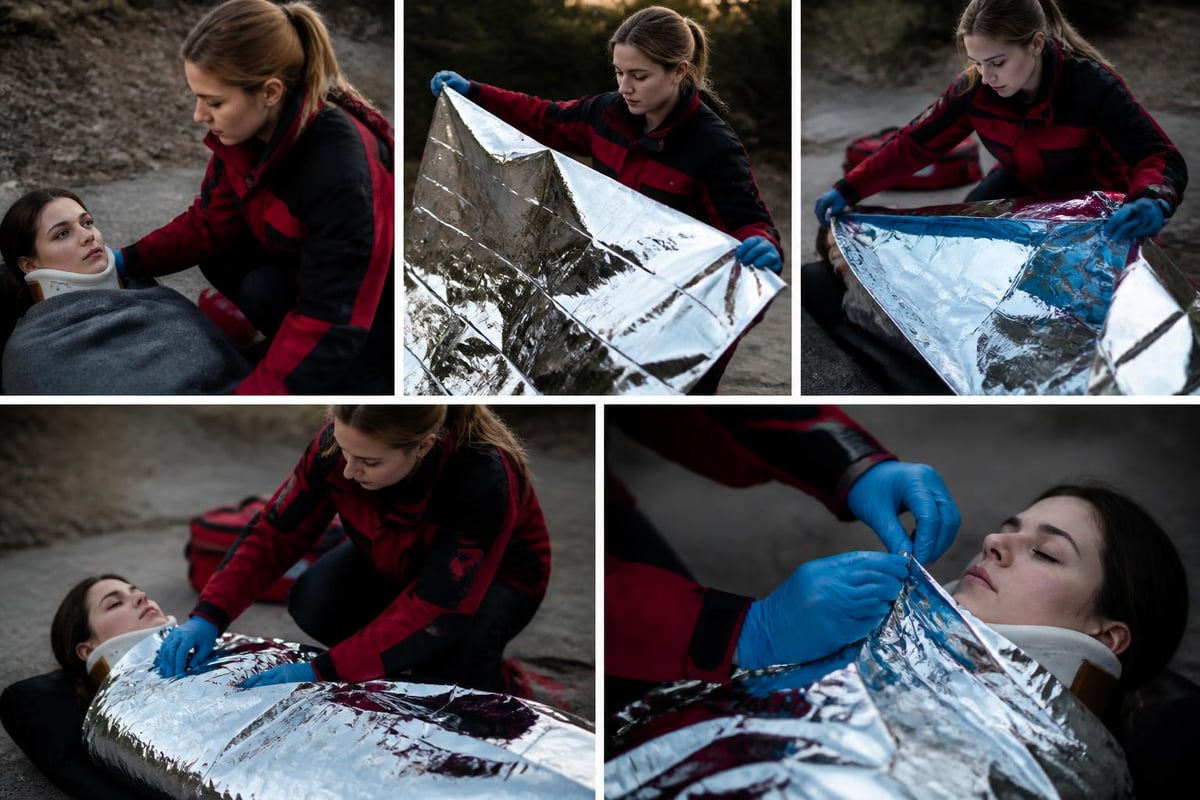
Step-by-step deployment protocol:
- Remove the blanket from its packaging carefully to avoid tearing
- Identify which side is metallized (typically the shinier surface)
- Shake out the blanket to unfold it completely
- Position the patient centrally on the blanket if possible
- Wrap the reflective side toward the patient's body
- Secure edges to prevent heat escape and wind penetration
- Leave the face exposed to prevent breathing difficulties
- Monitor the patient continuously for signs of overheating or distress
Common Mistakes to Avoid
Even experienced responders can make errors that reduce the emergency thermal blanket's effectiveness. Understanding these pitfalls ensures optimal patient outcomes.
- Insufficient Coverage: Leaving gaps allows significant heat loss, particularly at the neck, wrists, and ankles
- Reversed Orientation: Placing the reflective side outward directs body heat away from the patient
- Excessive Compression: Crushing the blanket reduces its insulating air pocket
- Solo Use in Wind: Without additional wind protection, convective heat loss continues unabated
- Neglecting Ground Insulation: Heat loss through conduction to cold ground can be substantial
Integration with Comprehensive Emergency Response Systems
The emergency thermal blanket functions most effectively when integrated into a broader emergency response protocol. Medical professionals understand that thermal management represents just one component of comprehensive patient care, particularly in multi-casualty incidents or extended field operations.
Building Complete Emergency Kits
When assembling first aid kit supplies, the emergency thermal blanket should complement other thermal management tools and trauma care equipment. A well-rounded emergency kit addresses multiple scenarios and patient needs simultaneously.
| Kit Component | Primary Function | Thermal Blanket Synergy |
|---|---|---|
| Trauma dressings | Hemorrhage control | Prevents shock-related hypothermia |
| CPR masks | Airway management | Maintains warmth during resuscitation |
| Tourniquets | Extremity bleeding control | Reduces shock risk requiring thermal support |
| Burn dressings | Thermal injury treatment | Protects from environmental exposure |
Professional responders often carry multiple emergency thermal blankets to address different scenarios. The diverse applications documented in alpine emergencies demonstrate how these versatile tools adapt to changing field conditions.
Environmental Considerations and Limitations
Understanding when the emergency thermal blanket excels and when it requires supplementation ensures appropriate application. These blankets work best in dry conditions where radiant heat loss represents the primary concern.
Environmental effectiveness ratings:
- Dry, cold conditions: Excellent performance with 80-90% heat retention
- Wet environments: Moderate effectiveness; requires additional moisture barrier
- High wind scenarios: Limited benefit without windbreak or shelter
- Extreme cold: Beneficial but requires layering with insulating materials
- Hot climates: Can provide shade and reduce solar heat gain when used correctly
Research examining effectiveness in wilderness survival situations confirms that while emergency thermal blankets provide measurable benefits, they perform optimally when combined with proper sheltering and additional insulation layers.
Specialized Variations and Advanced Options
The basic emergency thermal blanket has evolved significantly since its initial development. Modern variations address specific needs and overcome limitations of traditional designs, offering enhanced performance for particular applications.
Material and Design Innovations
Manufacturers have introduced several improvements to the standard metallized sheet design:
- Reinforced Blankets: Thicker materials with enhanced tear resistance for repeated use
- Bivvy Bags: Blankets shaped into sleeping bag configurations with sealed seams
- Two-Layer Systems: Combination of reflective and insulating materials for improved warmth
- Color-Coded Options: Different colors for various medical triage categories
- Oversized Versions: Larger dimensions to accommodate multiple patients or equipment
These variations allow responders to select the most appropriate emergency thermal blanket for specific mission profiles and environmental conditions. When choosing supplies for emergency first aid applications, considering these specialized options enhances preparedness.
Professional-Grade Selection Criteria
Medical professionals and emergency responders should evaluate several factors when selecting emergency thermal blankets for their kits:
- Durability requirements based on expected use frequency and conditions
- Size specifications matching typical patient populations and scenarios
- Packaging design enabling rapid deployment under stress
- Quantity needs for mass casualty incident preparedness
- Budget constraints balanced against quality and reliability
Training and Skill Development
Possessing equipment without the knowledge to use it effectively provides limited benefit in emergency situations. Comprehensive training on emergency thermal blanket deployment should form part of any first responder's skill set.
Essential Training Components
Effective training programs address both theoretical knowledge and practical application:
Knowledge-based learning:
- Understanding heat loss mechanisms and hypothermia progression
- Recognizing signs and symptoms requiring thermal intervention
- Identifying environmental factors affecting blanket performance
- Learning contraindications and potential complications
Hands-on skill development:
- Practicing rapid deployment under time constraints
- Executing proper wrapping techniques on training mannequins
- Adapting application methods for different patient positions
- Integrating thermal management with other medical interventions
Organizations providing best medical kit options often include guidance on proper equipment usage, ensuring users understand not just what they have, but how to deploy it effectively when seconds count.
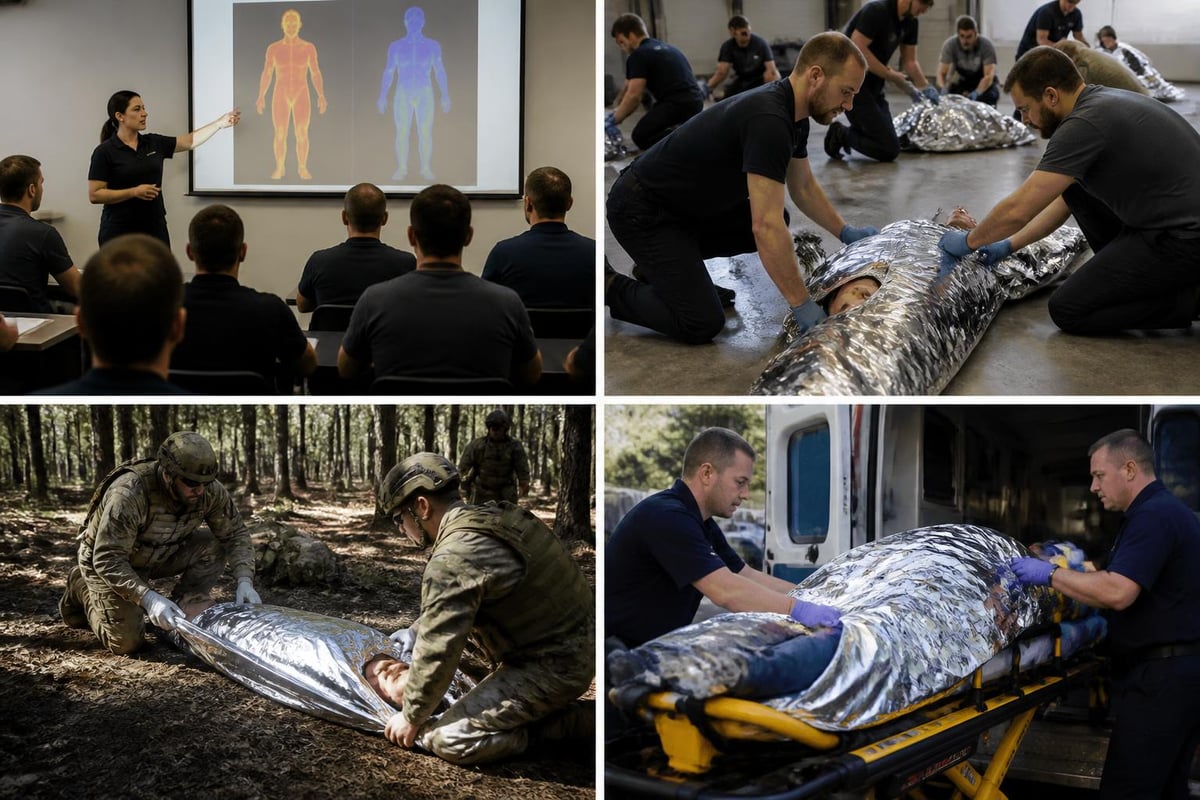
Scenario-Based Practice Applications
Real-world preparedness requires practicing emergency thermal blanket deployment across various realistic scenarios:
- Cold-water immersion rescue: Rapid removal and wrapping to prevent post-rescue collapse
- Extended wilderness evacuation: Combining blanket use with improvised shelter construction
- Multi-casualty triage: Prioritizing thermal support across multiple patients
- Vehicle accident response: Protecting patients during extrication procedures
- Natural disaster response: Managing limited resources across large-scale incidents
Maintenance, Storage, and Replacement Protocols
Like all emergency equipment, emergency thermal blankets require proper maintenance and timely replacement to ensure reliability when needed. Establishing clear protocols prevents equipment failure during critical moments.
Storage Best Practices
Proper storage extends blanket life and ensures rapid accessibility:
- Store in cool, dry locations away from direct sunlight
- Keep in original packaging until needed to prevent contamination
- Avoid compression under heavy equipment that might damage material
- Position in easily accessible kit compartments for rapid deployment
- Label with inspection dates and replacement schedules
Regular inspection of complete emergency kits should include checking thermal blankets for tears, degraded metallization, or packaging damage.
Replacement Indicators
Emergency thermal blankets should be replaced when:
- Metallized coating shows significant wear or peeling
- Material exhibits tears, holes, or weak points
- Packaging integrity is compromised
- Blanket has been used in field conditions (if single-use type)
- Storage time exceeds manufacturer recommendations (typically 5-7 years)
Integration with Modern Emergency Medical Services
Contemporary emergency medical services increasingly recognize the emergency thermal blanket as standard equipment across various response levels. From basic first aid providers to advanced paramedic teams, thermal management capabilities form a fundamental component of patient care protocols.
Protocol Development and Standards
Medical directors and training coordinators incorporate emergency thermal blanket use into standing operating procedures:
| Response Level | Blanket Application Standard | Training Requirement |
|---|---|---|
| Basic First Aid | Shock and exposure prevention | Initial certification |
| Wilderness First Responder | Environmental emergency management | Advanced scenarios |
| Emergency Medical Technician | Trauma protocol integration | Ongoing competency |
| Paramedic | Multi-system patient stabilization | Continuing education |
These standardized approaches ensure consistent, effective thermal management across the emergency response continuum. Organizations maintaining health kits for medical professionals benefit from understanding these evolving standards.
Documentation and Quality Assurance
Professional emergency response requires documentation of equipment deployment and patient outcomes. Recording emergency thermal blanket usage helps organizations:
- Track equipment consumption and replacement needs
- Evaluate effectiveness across different scenarios
- Identify training gaps or deployment errors
- Demonstrate compliance with medical protocols
- Support continuous improvement initiatives
Quality assurance programs reviewing emergency thermal blanket deployment can identify opportunities for enhanced training, improved equipment selection, or refined protocols that ultimately improve patient outcomes.
Public Education and Community Preparedness
Beyond professional medical response, educating the general public about emergency thermal blankets enhances community resilience. When more individuals understand basic thermal management principles, survival rates improve in mass casualty events and natural disasters.
Home and Vehicle Emergency Kits
Families and individuals should include emergency thermal blankets in home and vehicle emergency supplies. The compact size and low cost make these blankets accessible to virtually everyone, regardless of budget or storage constraints.
Recommended quantities for household preparedness:
- Minimum one blanket per family member
- Additional blankets for vehicles (one per passenger capacity)
- Extras stored in recreational equipment (boats, RVs, camping gear)
- Workplace emergency supplies for commuters
Building a comprehensive first aid kit for emergency situations ensures households can respond effectively to various medical emergencies while awaiting professional help.
Educational Outreach Opportunities
Community education programs can effectively teach emergency thermal blanket deployment:
- Local community emergency response team (CERT) training
- Scout troop and youth organization skill development
- Workplace safety programs and emergency drills
- Senior center presentations on cold-weather safety
- School health education curriculum integration
These educational initiatives build a more prepared population capable of providing initial care during the critical minutes before professional responders arrive.
Understanding the emergency thermal blanket's capabilities, limitations, and proper deployment techniques empowers both medical professionals and everyday citizens to respond effectively when emergencies strike. This versatile, affordable tool deserves a prominent place in every emergency kit, from professional trauma bags to family preparedness supplies. Whether you're equipping a professional response team or building personal emergency readiness, Medical Gear Outfitters provides the high-quality emergency supplies and expert guidance needed to ensure you're prepared to act as a first responder when it matters most.