CPR Mask Kit: Essential Protection for First Responders
When an emergency strikes and someone stops breathing, the moments that follow determine survival. Performing cardiopulmonary resuscitation requires direct contact with the patient, which exposes rescuers to potential health risks. A cpr mask kit serves as the essential barrier protection that enables first responders and trained bystanders to provide life-saving ventilation while minimizing exposure to bodily fluids and infectious diseases. Whether you're a medical professional, workplace safety officer, or concerned citizen who wants to be prepared, understanding what makes an effective cpr mask kit can mean the difference between hesitating and acting decisively when someone's life hangs in the balance.
Core Components of an Effective CPR Mask Kit
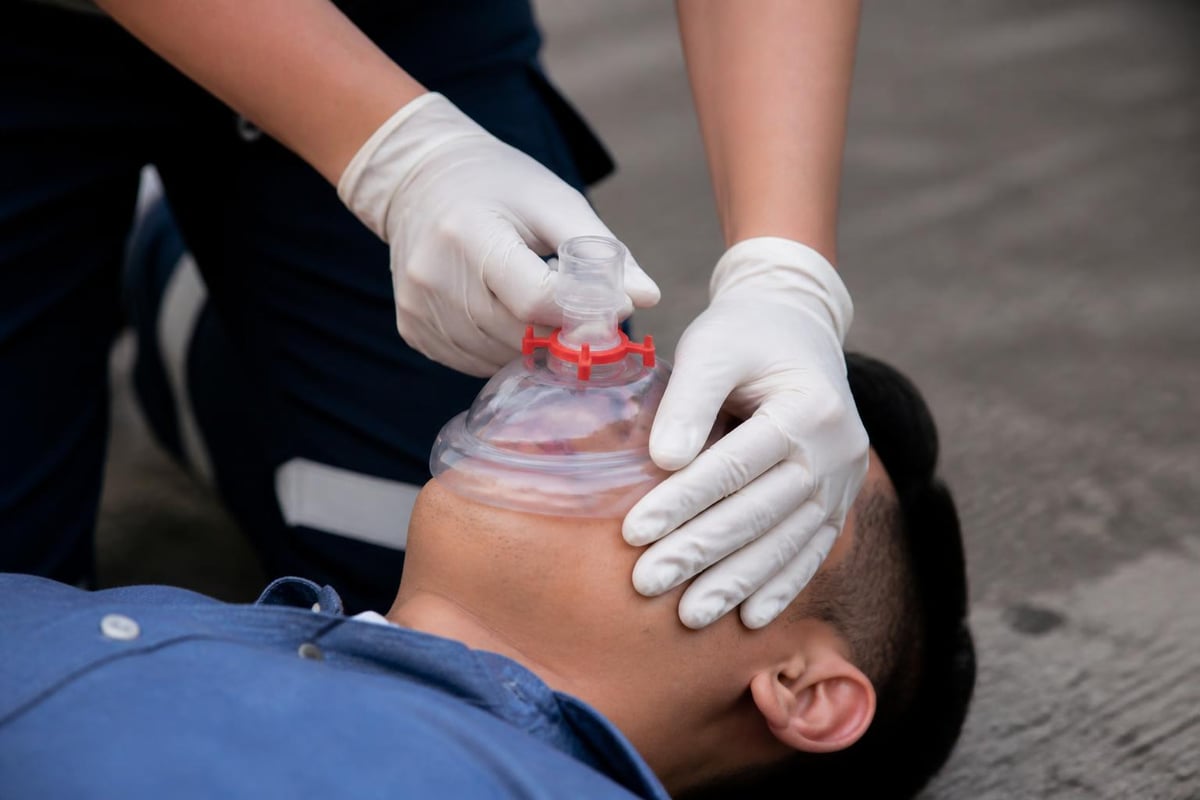
A properly equipped cpr mask kit contains several critical elements designed to work together during rescue breathing. The mask itself forms the foundation, featuring a transparent dome that allows the rescuer to observe the patient's mouth and nose for vomiting or other complications during ventilation.
One-Way Valve Technology
The most crucial component in any cpr mask kit is the one-way valve mechanism. This valve permits air to flow from the rescuer to the patient while preventing backflow of exhaled air, vomit, blood, or other substances. According to the American Heart Association's First Aid Guidelines, this barrier protection significantly reduces disease transmission risks during rescue breathing.
Key features of effective one-way valves include:
- Filter membranes that block bacteria and viruses
- Clear housing for visual monitoring
- Replaceable components for kit longevity
- Universal compatibility with different mask sizes
- Low resistance to airflow for efficient ventilation
Protective Storage Solutions
The carrying case distinguishes a complete kit from a standalone mask. Hard cases with belt clips offer maximum protection for the mask and valve assembly while ensuring immediate accessibility. Soft cases provide compact portability, fitting easily into glove compartments, first aid kits, or personal bags.
Types and Specifications for Different Applications
CPR mask kits come in various configurations designed for specific users and environments. Understanding these differences helps you select the right equipment for your needs.
| Kit Type | Primary Users | Key Features | Ideal Settings |
|---|---|---|---|
| Professional Grade | EMTs, Paramedics, Healthcare Workers | Head strap, oxygen port, adult/child masks | Ambulances, hospitals, clinics |
| Personal Carry | Trained civilians, coaches, security personnel | Compact case, single-size mask, keychain option | Vehicles, workplaces, gyms |
| Training Kits | CPR instructors, corporate trainers | Multiple masks, demonstration models, replaceable valves | Training facilities, schools |
| Multi-Victim Response | Emergency teams, disaster response | Multiple masks, various sizes, bulk packaging | Mass casualty events, public venues |
Professional-Grade Features
Healthcare providers and emergency medical services require cpr mask kits with enhanced capabilities. These typically include integrated head straps that maintain mask seal without requiring the rescuer's hands, freeing them to perform chest compressions or manage other aspects of care. Oxygen ports enable supplemental oxygen delivery during ventilation, dramatically improving patient outcomes.
The American Red Cross instructor kit buying guide emphasizes that training programs should use equipment that mirrors real-world applications, ensuring students develop proper technique with the tools they'll actually use.
Compact Personal Protection
For individuals seeking everyday carry protection, streamlined cpr mask kits offer essential functionality without bulk. These simplified versions maintain critical one-way valve protection while fitting in spaces as small as a keychain pouch. Research published on PubMed regarding CPR instruction protocols highlights how even basic barrier devices significantly increase bystander willingness to perform rescue breathing.
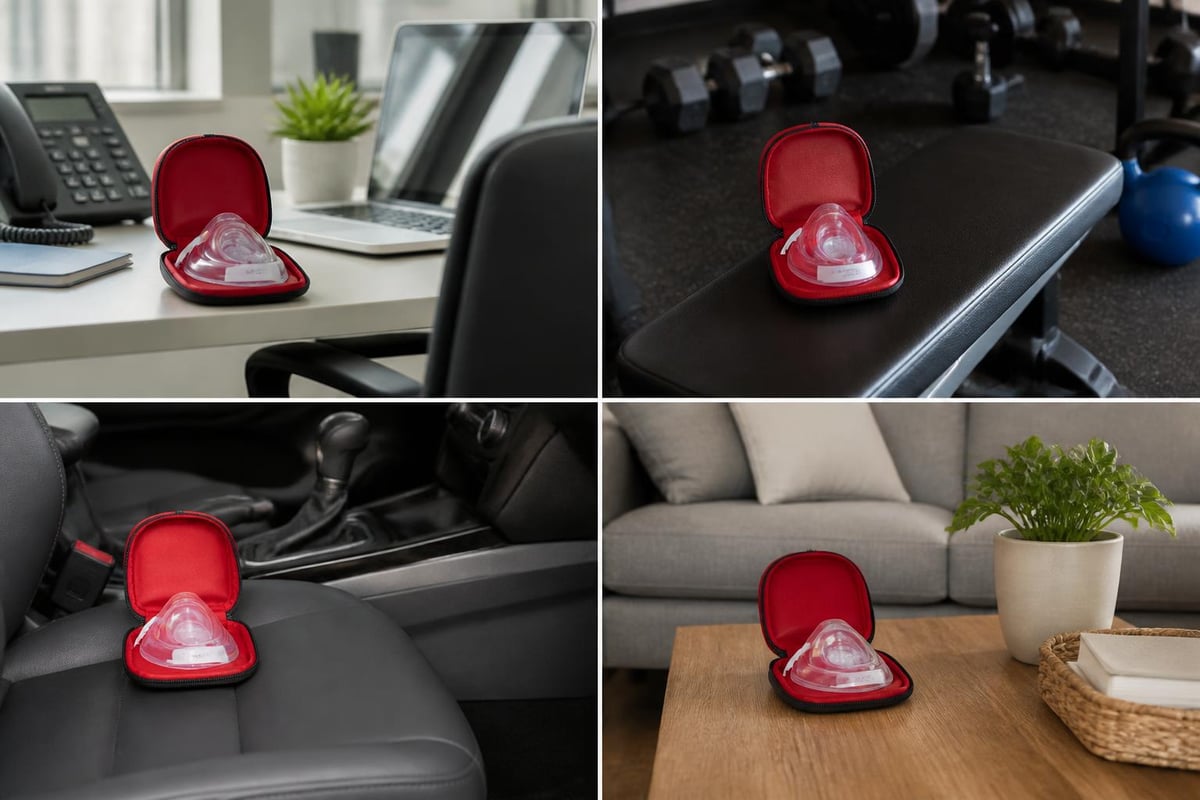
Many first responders recommend keeping a personal cpr mask kit in multiple locations:
- Vehicle glove compartment or center console
- Home first aid station or medicine cabinet
- Workplace desk drawer or emergency supplies
- Gym bag or athletic equipment
- Travel luggage or camping emergency kit
Proper Use and Deployment Techniques
Owning a cpr mask kit provides little benefit without understanding correct application. The mask must create an effective seal while positioning the patient's airway for optimal ventilation.
Positioning the Patient
Before deploying your cpr mask kit, ensure the patient lies on a firm, flat surface. Tilt the head back slightly and lift the chin to open the airway, unless spinal injury is suspected. Position yourself at the patient's head, allowing clear access for mask placement and ventilation.
Step-by-step mask application:
- Remove the mask from the protective case
- Attach the one-way valve if stored separately
- Position the narrow end over the bridge of the patient's nose
- Place the wide end below the lower lip
- Create a seal by pressing down around the mask edges
- Maintain head-tilt, chin-lift position throughout ventilation
Ventilation Timing and Technique
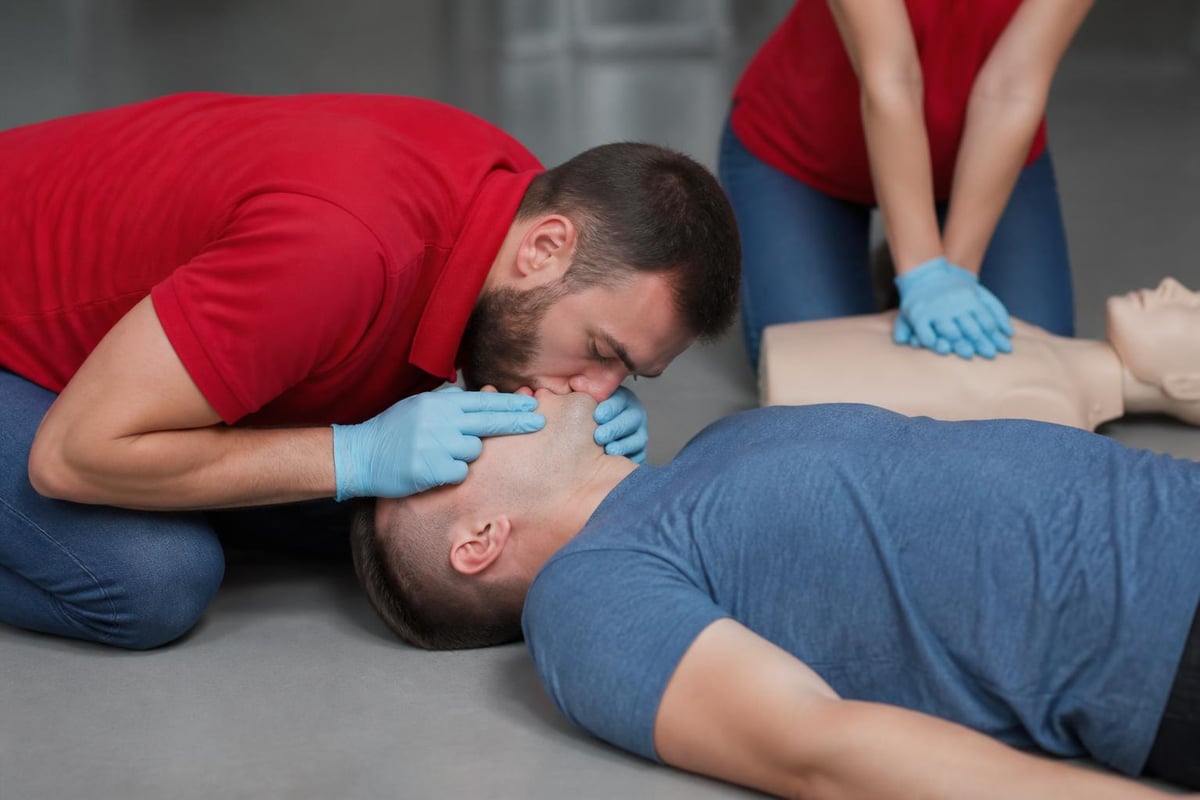
Effective rescue breathing requires proper coordination with chest compressions. Current guidelines recommend a 30:2 ratio-thirty chest compressions followed by two rescue breaths. When using your cpr mask kit, each breath should last approximately one second and produce visible chest rise.
Watch for common errors that compromise ventilation effectiveness. Excessive force causes air to enter the stomach rather than lungs, potentially triggering vomiting. Insufficient seal allows air to escape around the mask edges. Maintaining proper technique requires practice, which is why protective equipment training forms such a critical component of CPR certification courses.
Maintenance and Replacement Considerations
A cpr mask kit requires regular inspection and maintenance to ensure readiness when seconds count. Environmental factors, storage conditions, and component degradation all affect reliability.
Inspection Schedule
Establish a quarterly review process for all emergency equipment, including cpr mask kits. Check the mask for cracks, discoloration, or material degradation. Inspect the one-way valve for proper function by attempting to blow back through the patient side-air should not pass through. Verify that storage cases remain intact with functioning closures.
Critical inspection points:
- Mask transparency and flexibility
- Valve seal integrity and filter condition
- Case closure mechanisms
- Expiration dates on replaceable components
- Cleanliness and sanitization
The American Red Cross replacement CPR mask options demonstrate that major safety organizations recognize the need for periodic component replacement, even without visible damage.
Sanitization After Use
Any cpr mask kit used in an actual emergency requires immediate decontamination or disposal. Single-use masks should never be reused. Reusable masks demand thorough cleaning with appropriate disinfectants following manufacturer protocols. Many first responders maintain multiple kits, ensuring backup equipment remains available while used items undergo decontamination.
Documentation of maintenance activities protects both rescuers and organizations. Record inspection dates, component replacements, and any anomalies discovered. This documentation proves particularly important for commercial first aid compliance where regulatory standards require equipment verification.
Selection Criteria for Different Environments
Choosing the right cpr mask kit depends on your specific context, training level, and anticipated emergency scenarios. A single-person household requires different equipment than a manufacturing facility or athletic complex.
| Environment | Recommended Features | Quantity Needed | Special Considerations |
|---|---|---|---|
| Personal/Home | Compact case, single adult mask, keychain option | 1-2 kits | Easy accessibility, minimal training required |
| Workplace/Office | Hard case with belt clip, adult masks, wall mount option | 1 per 50 employees | ADA compliance, regular training sessions |
| Athletic Facilities | Multiple sizes, oxygen port capability, rapid access | 2-4 kits per venue | Both adult and pediatric sizes, locker room and field placement |
| Educational Institutions | Child and adult sizes, training models, bulk replacement valves | Based on enrollment | Age-appropriate sizes, nurse office and satellite locations |
Workplace Safety Requirements
Organizations bear legal and ethical responsibilities to provide emergency equipment appropriate to their workforce size and hazard profile. OSHA regulations and industry-specific standards often mandate specific first aid supplies, though cpr mask kits may exceed minimum requirements. Forward-thinking companies recognize that equipping employees with proper protective equipment encourages intervention during medical emergencies.
When evaluating equipment for company first aid programs, consider training integration. Select cpr mask kits that match the equipment used during employee CPR certification courses, ensuring familiarity during high-stress situations.
Public Access and Community Settings
Churches, community centers, and public venues serve diverse populations with varying needs. Maintaining cpr mask kits in multiple sizes accommodates both adults and children. Clear signage indicating equipment locations enables rapid access by trained individuals during emergencies.
Training Integration and Skill Development
A cpr mask kit only saves lives when someone knows how to use it properly. Equipment ownership must accompany appropriate training and regular skill practice.
Certification Course Recommendations
Multiple organizations offer CPR certification programs that incorporate barrier device training. The American Red Cross, American Heart Association, and various private training companies provide courses ranging from basic adult CPR to comprehensive professional rescuer certification. Seek programs that include hands-on practice with actual cpr mask kits rather than just theoretical instruction.
Training program elements to prioritize:
- Hands-on practice with barrier devices
- Scenario-based learning with realistic stress factors
- Multiple practice opportunities during single sessions
- Constructive feedback on technique
- Certification requiring demonstrated competency
Recertification every two years maintains skill retention. Many first responders find their technique deteriorates without regular practice, even with valid certification. Consider quarterly refresher practice sessions using your actual cpr mask kit to maintain muscle memory and confidence.
Family and Team Preparedness
Individual certification provides limited value if others in your household or workplace lack training. Encouraging group certification creates a network of capable responders. When multiple people understand how to use the cpr mask kit properly, the likelihood of effective intervention during emergencies increases substantially.
For those comparing different rescue breathing equipment, understanding the difference between bag valve masks and CPR masks helps clarify which tools suit different responder skill levels and emergency contexts.
Legal and Ethical Considerations
Deploying a cpr mask kit during an emergency involves legal protections and ethical responsibilities that every potential rescuer should understand.
Good Samaritan Protection
All 50 states provide legal protection for individuals who render emergency assistance in good faith. These Good Samaritan laws shield rescuers from liability when providing reasonable care within their training level. Using a cpr mask kit during CPR generally demonstrates reasonable care, as it follows accepted medical practices and protects both patient and rescuer.
However, protection requires staying within your competency boundaries. Attempting advanced interventions without proper training may exceed Good Samaritan coverage. Stick to techniques learned during certification courses and use equipment as trained.
Duty to Act Situations
Certain professions and roles create legal duty to act during medical emergencies. Healthcare providers, lifeguards, coaches, and some security personnel must respond when emergencies occur within their work context. For these individuals, maintaining a readily accessible cpr mask kit isn't just prudent-it may be legally required.
Organizations should consult legal counsel when establishing emergency response policies. Clear protocols defining equipment requirements, response expectations, and training mandates protect both employers and employees. Reviewing resources about health kits and emergency preparedness helps organizations develop comprehensive safety programs.
Cost Analysis and Value Proposition
Investment in cpr mask kits varies widely based on features, quality, and intended use. Understanding the cost-benefit relationship helps justify equipment purchases.
Price Ranges and Features
Basic personal cpr mask kits retail between fifteen and thirty dollars, providing essential one-way valve protection in compact packaging. Mid-range options incorporating hard cases, head straps, or enhanced filtration systems typically cost thirty-five to sixty dollars. Professional-grade kits with oxygen ports, multiple mask sizes, and premium materials may exceed one hundred dollars.
Consider total cost of ownership beyond initial purchase. Replacement valves, filters, and masks add ongoing expenses. The American Red Cross CPR mask options illustrate the range of available products at different price points, helping buyers match features to needs and budgets.
Budget allocation guidelines:
- Personal/home use: $20-40 per kit
- Small business (1-2 kits): $40-60 per kit
- Large organization (multiple kits): $30-50 per kit with bulk discounts
- Professional medical use: $60-120 per kit
- Training programs: $25-45 per kit for student practice models
Return on Investment
Quantifying the value of life-saving equipment challenges traditional ROI calculations. A single successful resuscitation justifies any reasonable equipment investment. Beyond the immeasurable value of saving a life, organizations benefit from reduced liability, improved safety culture, and enhanced reputation.
Insurance carriers may offer premium reductions for companies demonstrating robust emergency preparedness. Workers' compensation costs may decrease when workplace safety programs include comprehensive first aid equipment. Document these tangible benefits when building business cases for cpr mask kit procurement.
Integration With Comprehensive Emergency Kits
A cpr mask kit functions most effectively as part of broader emergency preparedness systems. Standalone equipment provides limited capability compared to integrated response packages.
Building Layered Protection
Consider the cascade of supplies needed during typical medical emergencies. Nitrile gloves provide initial barrier protection before even approaching a patient. The cpr mask kit enables safe rescue breathing. Gauze, bandages, and trauma supplies address bleeding and injuries. Each component plays a specific role in comprehensive emergency response.
Organize equipment logically within carrying systems. Place your cpr mask kit in an accessible pocket or compartment separate from other supplies. During high-stress emergencies, fumbling through disorganized bags wastes precious seconds. Some first responders use color-coded pouches or labeled compartments to accelerate equipment location.
Vehicle and Mobile Preparedness
Automobiles present unique challenges and opportunities for emergency preparedness. Extreme temperatures can degrade medical supplies, so store cpr mask kits in climate-controlled areas when possible. Avoid direct sunlight exposure, which accelerates material breakdown.
Consider carrying capacity constraints in motorcycles, bicycles, or compact vehicles. Keychain cpr mask kits provide minimal barrier protection that fits any transport method. Balance portability against functionality based on your typical activities and travel patterns.
For outdoor enthusiasts, integrating cpr mask kits with camping emergency equipment ensures readiness during wilderness activities where professional medical help may be hours away.
Special Population Considerations
Different patient demographics require adapted equipment and techniques beyond standard adult cpr mask kits.
Pediatric Applications
Children and infants need appropriately sized masks to create effective seals. Adult masks allow air to escape around smaller facial features, reducing ventilation effectiveness. Dedicated pediatric cpr mask kits include smaller masks designed for various age ranges.
Ventilation volumes differ significantly between adults and children. Infant rescue breaths require only enough air to produce visible chest rise-typically small puffs rather than full breaths. Training specifically addressing pediatric CPR ensures appropriate technique when using child-sized equipment.
Parents, teachers, coaches, and childcare providers should prioritize obtaining pediatric-specific equipment. The relatively small additional cost provides critical capability during the emergencies that matter most to those working with children.
Elderly and Special Needs Populations
Older adults may have dentures, facial irregularities from previous injuries, or other factors affecting mask seal. Maintaining flexibility in technique and using appropriate pressure ensures effective ventilation without causing injury.
Facilities serving special needs populations should assess specific requirements. Individuals with facial differences may need custom solutions beyond standard cpr mask kits. Consultation with medical professionals helps identify appropriate equipment for unique situations.
Selecting and maintaining the right cpr mask kit empowers you to respond confidently during cardiac emergencies while protecting yourself from exposure risks. Whether you need personal protection, workplace compliance, or professional-grade equipment, the investment in quality barrier devices demonstrates commitment to safety and preparedness. Medical Gear Outfitters brings paramedic expertise to help you choose the right emergency response supplies for your specific needs, ensuring you're equipped with reliable gear when seconds count.

