Astroplast First Aid Kit: Complete Guide for 2026
When emergencies strike in the workplace, having immediate access to quality first aid supplies can mean the difference between a minor incident and a serious injury. The astroplast first aid kit has become a trusted name in workplace safety, particularly within construction and industrial settings where injuries occur more frequently. These specialized kits are designed to meet the rigorous demands of professional environments while remaining compact and accessible. Understanding what makes these kits effective and how to properly maintain them ensures your team stays protected when seconds count.
Understanding Astroplast First Aid Kits
The astroplast first aid kit represents a specific approach to workplace emergency preparedness. These kits are manufactured to comply with health and safety regulations while providing practical, easy-to-access medical supplies. Unlike generic first aid kits designed for home use, astroplast kits are engineered with workplace hazards in mind.
Professional-grade first aid kits serve multiple purposes:
- Meeting regulatory compliance requirements for workplace safety
- Providing immediate treatment capabilities for common injuries
- Reducing injury severity through rapid intervention
- Supporting employee confidence and morale regarding safety
The construction industry particularly benefits from specialized kits. According to St John Ambulance's guidance on the Astroplast Builders First Aid Kit, these kits contain essential items specifically tailored for the unique risks builders face daily. The compact design allows workers to keep supplies nearby without sacrificing job site mobility.
Key Components of Quality First Aid Kits
A comprehensive astroplast first aid kit contains carefully selected items that address the most common workplace injuries. The American Red Cross outlines necessary components that should be present in any effective first aid kit, whether for home or professional use.

Standard astroplast first aid kit contents include:
- Adhesive bandages in various sizes
- Sterile gauze pads and rolls
- Adhesive tape (multiple widths)
- Antiseptic wipes and solutions
- Disposable gloves (nitrile recommended)
- Scissors and tweezers
- Emergency blanket
- Eye wash solution
- Burn gel or dressings
- Instruction manual
These supplies address cuts, abrasions, burns, splinters, and minor eye injuries-the most frequent workplace accidents. Understanding first aid kit necessities helps ensure nothing critical is missing when an emergency occurs.
Selecting the Right Kit for Your Environment
Not all first aid kits suit every workplace equally. The astroplast first aid kit comes in different configurations to match specific industry needs and team sizes. Selecting the appropriate kit requires assessing your workplace risks, employee count, and distance from emergency medical services.
Workplace Risk Assessment
Begin by identifying potential hazards specific to your environment. Construction sites face different risks than office buildings or manufacturing facilities. Sharp tools, heavy machinery, chemical exposure, heights, and electrical hazards each demand specific first aid supplies.
| Environment Type | Primary Risks | Recommended Kit Features |
|---|---|---|
| Construction | Cuts, falls, eye injuries | Heavy-duty wound care, eye wash, trauma supplies |
| Manufacturing | Burns, chemical exposure, crushing injuries | Burn treatment, chemical neutralizers, splinting materials |
| Office | Minor cuts, headaches, sprains | Basic bandages, cold packs, pain relief guidance |
| Warehouse | Back injuries, forklift accidents, repetitive strain | Elastic bandages, ice packs, bleeding control |
Consider proximity to professional medical care. Remote job sites require more comprehensive supplies than urban workplaces minutes from hospitals. The astroplast first aid kit offers scalable options from basic kits to extensive emergency response packages.
Compliance and Regulatory Standards
Workplace first aid kits must meet specific regulatory requirements. The Occupational Safety and Health Administration (OSHA) mandates that employers provide medical and first aid personnel and supplies proportional to workplace hazards. While OSHA doesn't specify exact kit contents, they reference the American National Standards Institute (ANSI) recommendations as guidance.
ANSI Z308.1-2021 establishes minimum requirements for workplace first aid kits and supplies. An astroplast first aid kit designed to ANSI standards ensures compliance while providing credible protection. Regular audits verify that your kits meet current standards, as regulations evolve with new safety research.
Maintenance and Inspection Protocols
Purchasing a quality astroplast first aid kit represents just the first step in workplace safety preparedness. Without proper maintenance, even the best-stocked kit becomes ineffective. Establishing routine inspection schedules and restocking procedures ensures supplies remain viable when needed most.

Monthly inspection should verify:
- All items remain within expiration dates
- Quantities match original inventory or minimum requirements
- Packaging remains sealed and undamaged
- Temperature-sensitive items stored properly
- Instructions remain legible and accessible
Temperature extremes damage many first aid supplies. Adhesives lose effectiveness, medications degrade, and sterile packaging fails when exposed to heat or freezing conditions. Store your astroplast first aid kit in climate-controlled areas whenever possible, avoiding direct sunlight, vehicle trunks during summer, or unheated spaces during winter.
Restocking Best Practices
After any first aid kit use, immediate restocking prevents shortages during subsequent emergencies. Designate a specific team member responsible for kit maintenance and establish relationships with reliable suppliers for quick replenishment.
- Document every item used during incidents
- Order replacements within 24 hours
- Verify new supplies before adding to kit
- Update inventory logs with restocking dates
- Rotate stock to ensure oldest items are used first
Consider maintaining a separate stock of common supplies like adhesive bandages and gauze. This backup inventory enables immediate temporary restocking while orders process. Understanding proper kit organization helps maximize space while keeping critical supplies readily accessible.
Training and Effective First Aid Response
The most comprehensive astroplast first aid kit provides limited value without trained personnel who can use it effectively. Investment in quality supplies must accompany investment in quality training. The American Heart Association provides evidence-based first aid guidelines that form the foundation for workplace training programs.
Employee Training Requirements
Basic first aid training empowers employees to respond confidently during emergencies. Courses covering CPR, wound care, burn treatment, and choking response create a safer workplace culture where multiple team members can provide assistance.
Recommended training intervals include:
- Initial comprehensive first aid certification for designated responders
- Annual refresher courses for all employees
- Quarterly hands-on practice sessions
- Immediate training for new hires during onboarding
- Specialized training for industry-specific hazards
Hands-on practice with actual supplies from your astroplast first aid kit increases response effectiveness. Familiarity with item locations, packaging types, and application techniques reduces response time during high-stress situations.
Documentation and Incident Reporting
Every first aid kit use should be documented thoroughly. Proper incident reporting serves multiple purposes: tracking workplace safety trends, identifying hazard patterns, supporting workers' compensation claims, and demonstrating compliance with safety regulations.
| Documentation Element | Purpose | Retention Period |
|---|---|---|
| Incident date and time | Timeline establishment | 5+ years |
| Injured party information | Identity verification | Per legal requirements |
| Injury description | Pattern analysis | 5+ years |
| Supplies used | Restocking trigger | 1 year minimum |
| Witnesses present | Claim support | Per legal requirements |
| Follow-up care provided | Continuity tracking | Per legal requirements |
This documentation also helps justify first aid supply budgets by demonstrating actual usage patterns and needs.
Specialized Kits for Specific Industries
While standard astroplast first aid kits serve many environments well, certain industries benefit from specialized configurations. Construction, manufacturing, food service, and outdoor recreation each present unique hazards requiring tailored medical responses.
Construction and Trades
Construction sites consistently rank among the most hazardous work environments. Falls, cuts, eye injuries, and crushing accidents demand robust first aid capabilities. A construction-focused astroplast first aid kit emphasizes heavy-duty wound care and trauma response.
Beyond standard supplies, construction kits should include additional eye wash solution, larger quantities of gauze and bandages, and specialized items like hemostatic gauze for controlling severe bleeding. The physical demands and injury risks in construction require more extensive bleeding control capabilities than typical office environments.

Manufacturing Facilities
Manufacturing environments present risks from machinery, chemicals, repetitive motion, and thermal hazards. An effective astroplast first aid kit for manufacturing includes burn treatment supplies, chemical exposure protocols, and supplies addressing crush injuries.
Manufacturing-specific additions include:
- Multiple sizes of burn dressings and burn gel packets
- Eye wash stations in addition to portable solutions
- Chemical neutralization information specific to site materials
- Elastic bandages for strain and sprain support
- Larger quantities of nitrile gloves for chemical protection
Machine-related injuries often involve greater tissue damage than simple cuts, requiring more advanced wound management capabilities. Understanding the contents of an IFAK (Individual First Aid Kit) provides insights into trauma-focused supply selection.
Integration with Comprehensive Safety Programs
An astroplast first aid kit functions most effectively as part of a broader workplace safety initiative. Standalone first aid supplies without supporting policies, training, and emergency protocols provide incomplete protection.
Emergency Response Planning
Comprehensive emergency response plans establish clear protocols before incidents occur. These plans should identify first aid kit locations, designate trained responders, outline communication procedures, and define escalation pathways for serious injuries requiring professional medical intervention.
- Map all first aid kit locations throughout facilities
- Post clear signage directing personnel to nearest kits
- Establish communication systems for emergency alerts
- Define criteria for when to call emergency services
- Create evacuation routes for serious injury transport
Regular drills test these protocols and reveal gaps requiring attention. Practice scenarios build muscle memory, ensuring smooth execution during actual emergencies when stress levels peak.
Safety Culture Development
Organizations with strong safety cultures experience fewer incidents and faster, more effective responses when injuries occur. Leadership commitment to safety, employee engagement in hazard identification, and consistent policy enforcement create environments where the astroplast first aid kit serves as a backup rather than a frequent necessity.
Cultural indicators of strong safety programs:
- Management participates in safety training alongside employees
- Near-miss reporting receives recognition, not punishment
- Safety concerns trigger immediate investigation and response
- Budget prioritizes preventive measures and quality supplies
- Regular safety meetings address current concerns
This proactive approach reduces reliance on reactive first aid measures, though maintaining quality kits remains essential for inevitable incidents.
Cost Considerations and Budget Planning
Investing in quality first aid supplies represents a fraction of potential costs from workplace injuries. Lost productivity, workers' compensation claims, regulatory fines, and reputational damage far exceed the expense of proper safety equipment. An astroplast first aid kit provides exceptional value when considering comprehensive cost analysis.
Direct and Indirect Costs
Direct costs include the kit purchase price, restocking supplies, and training expenses. These visible expenditures appear in safety budgets and receive appropriate scrutiny. However, indirect costs from inadequate first aid preparedness often dwarf direct investments.
| Cost Category | Adequate Supplies | Inadequate Supplies |
|---|---|---|
| Initial kit investment | $50-$500 | $0-$50 |
| Annual restocking | $100-$300 | $20-$50 |
| Training programs | $500-$2,000 | $0-$200 |
| Average injury downtime | 2-4 hours | 8-24 hours |
| Workers' comp claims | Lower severity | Higher severity |
| Legal liability exposure | Minimized | Elevated |
Proper first aid response reduces injury severity, minimizing lost work time and medical treatment costs. A well-stocked astroplast first aid kit used by trained personnel often prevents minor injuries from escalating into serious medical situations requiring emergency room visits or extended recovery periods.
Return on Investment
Safety investments demonstrate ROI through reduced incident rates, lower insurance premiums, improved employee morale, and enhanced productivity. Organizations with comprehensive safety programs, including quality first aid capabilities, typically see measurable financial benefits within 12-18 months.
Insurance carriers often offer premium reductions for companies demonstrating robust safety protocols. Documentation of first aid kit maintenance, regular inspections, and employee training strengthens these negotiations. The modest investment in an astroplast first aid kit contributes to substantial long-term savings.
Mobile and Remote Workforce Considerations
Modern work arrangements increasingly involve mobile teams, remote job sites, and distributed personnel. Traditional fixed-location first aid kits don't adequately serve these populations. Portable, individual, and vehicle-based first aid solutions extend protection beyond traditional workplace boundaries.
Vehicle-Based Kits
Service technicians, delivery drivers, field sales representatives, and construction crews working at multiple sites daily require first aid access regardless of location. Vehicle-mounted astroplast first aid kits ensure supplies travel with personnel to wherever work occurs.
Vehicle kit considerations include:
- Compact size for storage in toolboxes, door panels, or consoles
- Temperature-resistant packaging for extreme conditions
- Moisture-proof containers preventing damage from humidity
- Secured mounting preventing shifting during transport
- Visible markings for quick location during emergencies
Regular vehicle kit inspections prove especially critical since temperature fluctuations accelerate supply degradation. Monthly checks verify that extreme heat or cold hasn't compromised adhesives, medications, or sterile packaging integrity.
Individual First Aid Kits
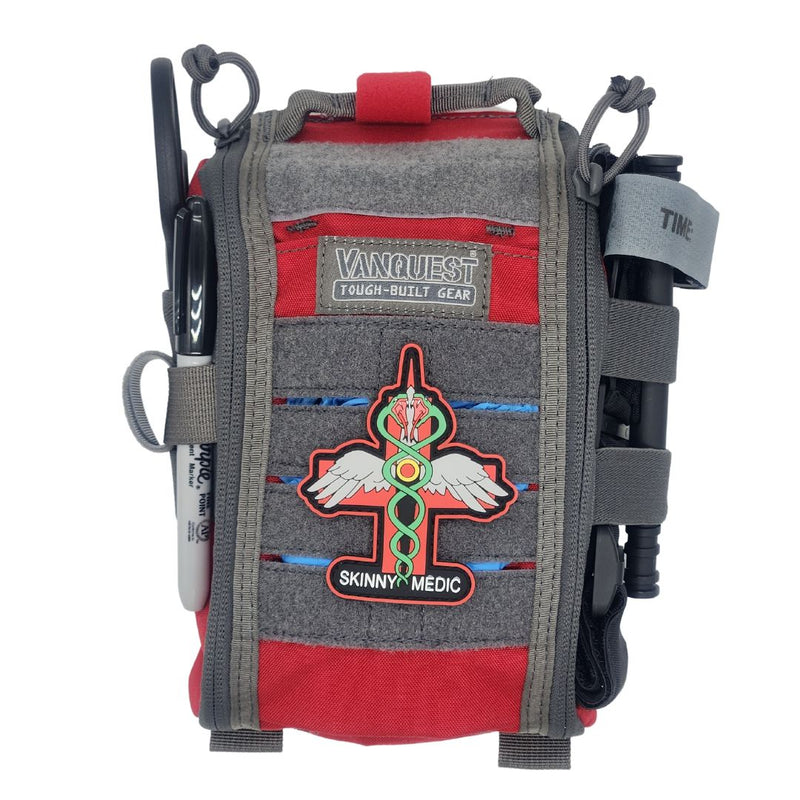
Remote workers or those operating in isolated areas benefit from personal first aid kits. These compact versions of the standard astroplast first aid kit contain essential supplies for self-treatment during the critical minutes before additional help arrives.
Individual kits prioritize severe bleeding control, basic wound care, and cardiac emergency response. Items like tourniquets, compressed gauze, and chest seals address life-threatening injuries that demand immediate intervention. Understanding medicine kit organization helps personnel maintain personal supplies effectively.
Selecting and maintaining an astroplast first aid kit requires thoughtful consideration of workplace hazards, regulatory requirements, and employee training needs. Quality first aid supplies combined with comprehensive emergency response protocols create safer work environments where injuries receive immediate, effective treatment. Whether you need compact kits for mobile teams or comprehensive trauma supplies for high-risk environments, Medical Gear Outfitters offers paramedic-selected first aid equipment and the expertise to ensure you're prepared when emergencies strike.