Wholesale First Aid Kits: Buyer's Guide for 2026
Businesses, educational institutions, construction companies, and healthcare facilities share a common need: reliable emergency supplies that protect their people while meeting regulatory requirements. Sourcing wholesale first aid kits represents a strategic decision that impacts both safety outcomes and operational budgets. Whether you're equipping a fleet of vehicles, stocking multiple office locations, or preparing for industrial environments, understanding the wholesale market helps you make informed purchasing decisions that balance quality, compliance, and cost-effectiveness. The first aid kit market continues to evolve with new regulations, improved products, and changing workplace safety standards that influence how organizations approach bulk procurement.
Understanding the Wholesale First Aid Kit Market
The global first aid kit market demonstrates substantial growth potential, with comprehensive market analysis indicating expansion through 2036 driven by workplace safety regulations and increased health awareness. This growth creates opportunities for buyers seeking volume discounts and suppliers expanding their wholesale operations.
Market segmentation reveals distinct categories that influence purchasing decisions:
- Portable kits designed for individual carry and vehicle storage
- Industrial kits meeting specific workplace hazard requirements
- Sports and recreation kits addressing athletic injury scenarios
- Institutional kits scaled for schools, offices, and public facilities
- Specialized trauma kits containing advanced hemorrhage control supplies
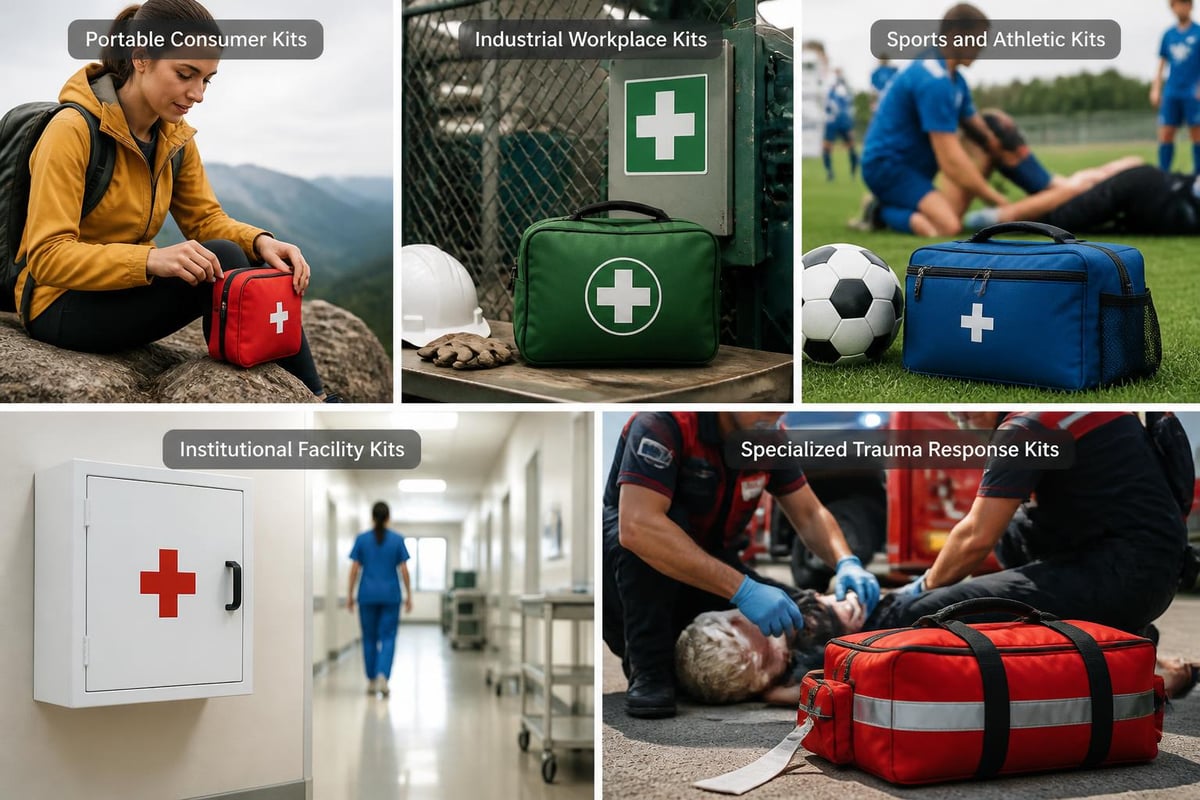
Understanding these segments helps buyers identify which categories align with their organizational needs. A construction company requires different supplies than a corporate office, and wholesale purchasing allows customization at scale.
Regional Market Dynamics
The United States first aid kit market shows particularly strong revenue projections, reflecting stringent workplace safety requirements and growing emergency preparedness awareness. Regional variations affect wholesale pricing, shipping logistics, and regulatory compliance requirements.
Buyers benefit from understanding geographic market trends because they influence:
| Market Factor | Impact on Wholesale Purchasing |
|---|---|
| Regional regulations | Compliance requirements vary by state and municipality |
| Shipping costs | Geographic proximity to suppliers affects total cost |
| Local demand | Regional competition influences pricing structures |
| Climate considerations | Environmental factors determine product durability needs |
Compliance Standards and Regulatory Requirements
Wholesale first aid kits must meet established safety standards to satisfy legal requirements and ensure product effectiveness. The ANSI Z308.1-2015 standard provides comprehensive specifications for workplace first aid kits, defining minimum quantities of supplies based on the number of workers served.
Regulatory compliance operates at multiple levels. State-level regulations like those in Massachusetts mandate specific ANSI standards for licensed providers, creating baseline requirements that influence wholesale purchasing decisions. Organizations operating across multiple states must navigate varying requirements while maintaining consistent safety standards.
Key Compliance Considerations
When evaluating wholesale first aid kits, verify these critical compliance factors:
- ANSI Z308.1 certification confirming the kit meets recognized industry standards
- FDA registration for medical devices and supplies included in the kit
- Expiration date management ensuring products remain viable throughout their shelf life
- Documentation requirements including contents lists and instruction guides
- Workplace-specific regulations addressing industry hazards and OSHA requirements
Understanding essential medical kit components helps organizations assess whether wholesale options contain necessary supplies beyond minimum compliance standards.
Bulk Purchasing Strategies for Organizations
Wholesale first aid kits offer significant cost advantages compared to retail purchasing, but maximizing value requires strategic planning. Volume discounts typically begin at order quantities of 25-50 units, with deeper discounts available at higher volumes.
Successful bulk purchasing strategies incorporate these approaches:
Budget Optimization
Calculate total cost of ownership rather than focusing solely on unit price. This calculation includes shipping costs, storage requirements, replacement schedules, and administrative overhead associated with managing supplies.
Inventory Management
Establish rotation systems that prevent supply expiration and waste. Larger organizations benefit from centralized purchasing with decentralized distribution, allowing standardized kits across multiple locations while maintaining efficient inventory turnover.
Customization Options
Many wholesale suppliers offer customization services that add organization-specific supplies or branding. Customization transforms generic kits into tailored solutions that address unique hazards or operational requirements.

Supplier Evaluation Criteria
Selecting the right wholesale partner impacts long-term satisfaction and safety outcomes. Evaluate potential suppliers using these criteria:
| Evaluation Factor | Questions to Ask |
|---|---|
| Product quality | Are supplies from reputable manufacturers? Do samples meet expectations? |
| Pricing structure | What volume thresholds trigger discounts? Are there hidden fees? |
| Compliance support | Does the supplier provide certification documentation? |
| Customization capability | Can kits be modified for specific needs? What are minimum order quantities? |
| Delivery reliability | What are typical lead times? Is expedited shipping available? |
| Customer service | How responsive is the supplier to questions and issues? |
Industry-Specific Wholesale Applications
Different industries require tailored approaches to wholesale first aid kit procurement. Understanding sector-specific needs ensures purchased supplies address actual risks rather than generic scenarios.
Construction and Manufacturing
Industrial environments present elevated risks including cuts, burns, chemical exposure, and crush injuries. Wholesale first aid kits for these sectors should emphasize trauma response capabilities including hemorrhage control, eye wash stations, and burn treatments. The first aid kit market research highlights industrial applications as a significant segment with specific supply requirements.
Transportation and Fleet Management
Vehicle-based operations require compact, durable kits that withstand temperature variations and movement. Fleet managers purchasing wholesale benefit from standardized kits across all vehicles, simplifying training and ensuring consistent response capabilities regardless of which vehicle responds to an incident.
Educational Institutions
Schools and universities balance comprehensive coverage with accessibility for various age groups. Wholesale purchasing allows institutions to place appropriately sized kits in classrooms, gymnasiums, laboratories, and administrative areas while maintaining budget efficiency.
Corporate and Office Environments
Office settings typically experience lower injury rates but higher population density. Wholesale first aid kits for corporate buyers emphasize common medical issues like headaches, minor cuts, and sudden illness while scaling quantities to serve larger employee populations.
Specialized Kit Categories
Beyond standard first aid supplies, wholesale buyers increasingly seek specialized configurations:
- Bleeding control kits containing tourniquets and hemostatic agents for life-threatening hemorrhage
- AED packages combining automated external defibrillators with first aid supplies
- Pandemic preparedness kits addressing infectious disease response needs
- Outdoor recreation kits designed for camps, parks, and wilderness programs
- Sports medicine kits tailored to athletic injuries and field treatment
Organizations operating in multiple environments benefit from purchasing diverse kit types through a single wholesale relationship, streamlining procurement while addressing varied needs.
Product Selection and Kit Configuration
Wholesale first aid kits range from basic consumer-grade packages to advanced trauma systems. Making informed selections requires understanding what distinguishes quality products from inadequate options.
Supply Quality Assessment
Not all bandages, medications, and medical devices perform equally. Quality wholesale kits contain:
- Name-brand components from established medical supply manufacturers rather than generic substitutes
- Appropriate packaging that protects supplies from environmental damage and contamination
- Clear labeling enabling quick identification during stressful emergency situations
- Adequate quantities based on the number of people served and response time to professional medical care
- Diverse supply types addressing multiple injury scenarios rather than excessive quantities of limited items
Understanding what belongs in a basic first aid box provides a foundation for evaluating whether wholesale options meet minimum standards before adding specialized supplies.
Container and Portability Considerations
The container housing first aid supplies significantly impacts usability and longevity. Wholesale buyers should evaluate:
| Container Feature | Importance for Different Applications |
|---|---|
| Weather resistance | Critical for outdoor and vehicle kits; moderate for climate-controlled facilities |
| Visibility | High-contrast colors and clear labeling reduce response time |
| Accessibility | Latches, zippers, and closures must operate reliably under stress |
| Organization | Internal compartments and pockets improve supply management |
| Durability | Material quality determines replacement frequency |
Organizations seeking specialized first aid kit bags can work with wholesale suppliers to specify container requirements that match their operational environment.
Training and Implementation Strategies
Purchasing wholesale first aid kits represents only the first step in an effective emergency response program. Implementation success depends on proper training, strategic placement, and ongoing maintenance.
Training Program Development
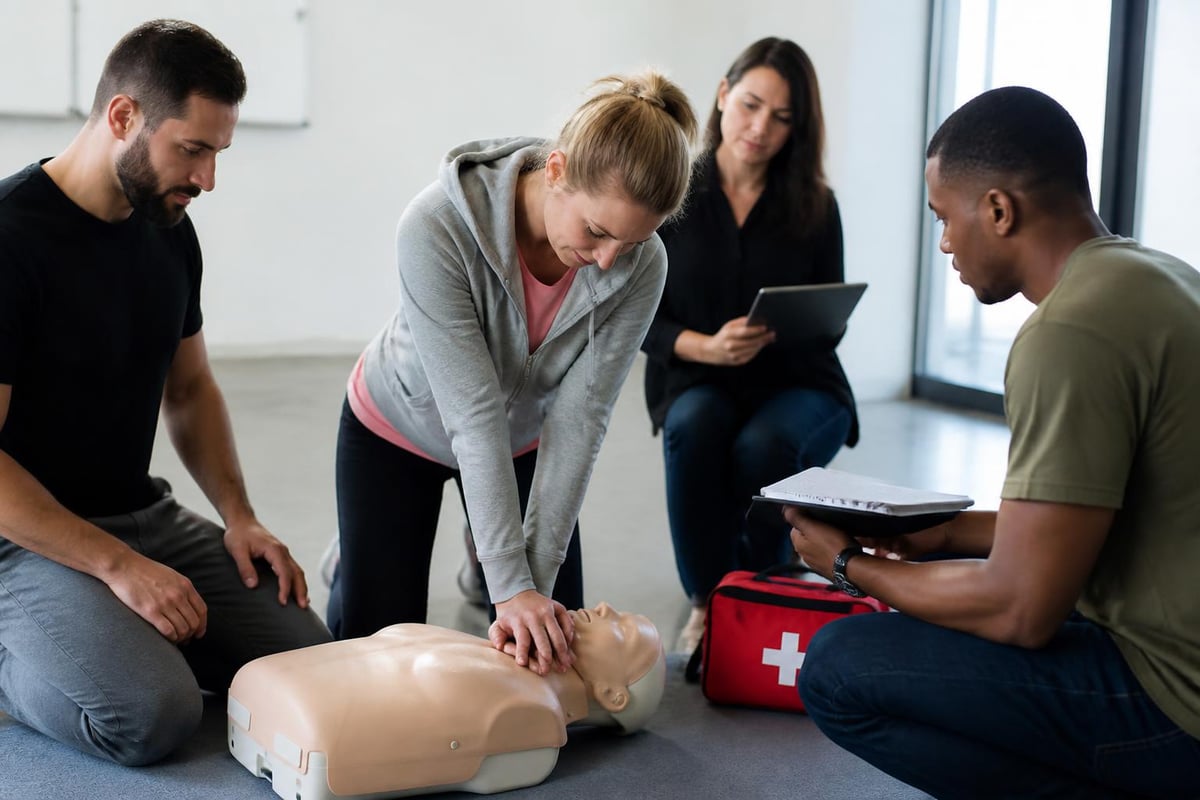
Supplies provide no value if personnel don't know how to use them effectively. Comprehensive training programs address:
- Basic first aid principles applicable across common emergency scenarios
- Kit-specific supplies explaining when and how to use specialized items
- Legal considerations including Good Samaritan laws and duty to respond obligations
- Hands-on practice with actual supplies from the kits being deployed
- Refresher courses maintaining skills and updating knowledge as protocols evolve
Organizations benefit from selecting wholesale suppliers who provide training resources or can recommend qualified instructors. Some paramedic-operated companies offer integrated training programs specifically designed around the kits they supply.
Strategic Placement and Access
Even excellent supplies fail if inaccessible during emergencies. Strategic placement considers:
Visibility and Signage
First aid kit locations require clear marking with standardized symbols and signage. Employees, visitors, and emergency responders should quickly identify kit locations without prior knowledge of facility layouts.
Accessibility Standards
Placement height, obstacle-free access, and universal design principles ensure kits serve diverse populations including individuals with mobility limitations. Wholesale purchasing often includes mounting hardware or stands that facilitate proper installation.
Coverage Distribution
Calculate appropriate kit spacing based on facility size, population distribution, and response time requirements. Large facilities benefit from multiple smaller kits rather than single centralized locations, reducing the time required to access supplies.
Maintenance and Replacement Protocols
Wholesale first aid kits require ongoing management to maintain readiness and compliance. Systematic maintenance prevents supply expiration, damage, and depletion that compromise emergency response capabilities.
Inspection Schedules
Establish regular inspection intervals based on kit usage frequency and environmental exposure:
- Monthly quick checks verifying kits remain properly stocked and undamaged
- Quarterly detailed inventories confirming supplies match contents lists and identifying upcoming expirations
- Annual comprehensive reviews assessing whether kit configurations still match organizational needs
- Post-incident restocking immediately replacing used supplies to maintain readiness
Assign specific personnel responsibility for each kit location rather than diffusing accountability across entire teams.
Supply Rotation and Expiration Management
Medical supplies degrade over time even without use. Effective rotation systems minimize waste while ensuring viable products during emergencies. Track expiration dates for medications, ointments, and sterile supplies, prioritizing replacement before expiration rather than discovering expired products during emergencies.
Wholesale relationships often facilitate efficient restocking through standing orders or subscription services that automatically ship replacement supplies on predetermined schedules. These arrangements reduce administrative burden while maintaining consistent preparedness levels.
Cost Analysis and Budget Planning
Understanding the true economics of wholesale first aid kits requires analysis beyond simple unit pricing. Comprehensive cost assessment reveals the total investment required for effective emergency preparedness.
Direct Costs
Calculate these immediate expenses when budgeting for wholesale purchases:
- Kit purchase price including volume discounts
- Shipping and handling fees
- Customization charges for organization-specific configurations
- Storage equipment including cabinets, mounts, or stands
- Initial supply of replacement consumables
Ongoing Expenses
Factor recurring costs into long-term budget planning:
| Expense Category | Frequency | Budget Impact |
|---|---|---|
| Supply replacement | Quarterly to annually | Moderate - varies with usage |
| Expiration rotation | Annual | Low to moderate |
| Training programs | Annual or biennial | Moderate - includes time and materials |
| Inspection labor | Monthly | Low - typically existing staff |
| Kit replacement | Every 3-5 years | Moderate - container and infrastructure |
Organizations purchasing wholesale first aid kits achieve cost efficiency through reduced per-unit pricing, but this advantage requires balancing against storage costs and the capital required for larger upfront purchases.
Return on Investment Considerations
While first aid kits represent a cost center rather than revenue generator, they provide measurable value through:
Risk Mitigation
Adequate first aid capabilities reduce injury severity, potentially decreasing workers' compensation costs, insurance premiums, and liability exposure. Quick access to appropriate supplies often makes the difference between minor incidents and serious complications.
Regulatory Compliance
Avoiding citations, fines, and legal complications associated with inadequate safety provisions protects organizations from financial and reputational damage that far exceeds first aid supply costs.
Employee Confidence
Visible commitment to safety through well-stocked, properly maintained first aid kits contributes to workplace culture and employee satisfaction. This intangible benefit influences recruitment, retention, and overall organizational effectiveness.
Vendor Relationships and Long-Term Partnerships
Successful wholesale purchasing extends beyond transactional relationships to strategic partnerships that evolve with organizational needs. Selecting suppliers based on long-term value rather than lowest initial price creates advantages that compound over time.
Partnership Benefits
Established relationships with wholesale first aid kit suppliers provide:
- Priority service during supply shortages or urgent restocking needs
- Product updates informing buyers about new supplies, improved formulations, or regulatory changes
- Customization evolution allowing kit configurations to adapt as organizational needs change
- Pricing stability protecting against market fluctuations through negotiated contracts
- Expert consultation accessing supplier knowledge about emerging trends and best practices
Organizations benefit from consolidating emergency supply purchasing through fewer vendors rather than fragmenting orders across multiple suppliers. Concentration increases purchasing power while simplifying administrative management.
Evaluating New Products and Innovations
The first aid supply industry continuously evolves with improved products and innovative solutions. Wholesale suppliers serving as trusted partners help organizations evaluate whether new offerings justify adoption or represent unnecessary expenses.
Current innovation trends include:
- Advanced hemostatic agents providing faster bleeding control with easier application
- Improved tourniquet designs offering enhanced effectiveness and user feedback
- Compact trauma supplies enabling comprehensive capabilities in smaller packages
- Smart packaging with integrated expiration tracking and digital inventory management
- Evidence-based supply configurations reflecting current medical best practices
Suppliers operating as true partners provide objective guidance rather than simply pushing premium products, helping buyers distinguish between valuable improvements and marketing hype.
Customization Options for Specialized Needs
While standard wholesale first aid kits address common requirements, many organizations benefit from customization that addresses unique hazards or operational characteristics. Understanding available customization options helps buyers create optimal configurations.
Supply Additions
Supplement baseline kits with specialized items including:
- Industry-specific treatments for chemical exposure, burns, or environmental hazards
- Medications addressing common workplace issues like allergies or headaches
- Enhanced trauma supplies for high-risk environments
- Specialized tools including splints, emergency blankets, or extraction devices
- Documentation supplies for incident reporting and regulatory compliance
Organizations can reference resources about first aid content recommendations when determining which additions provide value for their specific context.
Branding and Identification
Custom labeling, colors, or organizational logos help distinguish kit ownership in shared facilities while reinforcing safety culture visibility. Some wholesale suppliers offer:
- Custom exterior printing identifying the organization and kit location
- Color-coded systems differentiating kit types or facility areas
- Interior labeling matching organizational terminology and protocols
- Multi-language instructions serving diverse workforces
- Digital integration including QR codes linking to training resources or inventory management systems
Packaging Configuration
Beyond supply contents, wholesale buyers can often specify packaging characteristics:
- Container size and format matching available storage space
- Mounting systems integrating with facility infrastructure
- Modular designs allowing expansion or reconfiguration
- Portable versus fixed installation options
- Weather-resistant versus indoor specifications
Working with suppliers who understand these nuances ensures wholesale purchases integrate seamlessly into existing facilities and operations rather than forcing adaptation around generic solutions.
Wholesale first aid kits represent a critical investment in organizational safety that requires balancing compliance requirements, cost considerations, and operational needs. Success comes from understanding market dynamics, establishing strategic supplier relationships, and implementing comprehensive programs that extend beyond simple product purchases. When you're ready to equip your organization with quality emergency supplies backed by paramedic expertise, Medical Gear Outfitters provides both the products and knowledge necessary to build effective first responder capabilities throughout your team.

