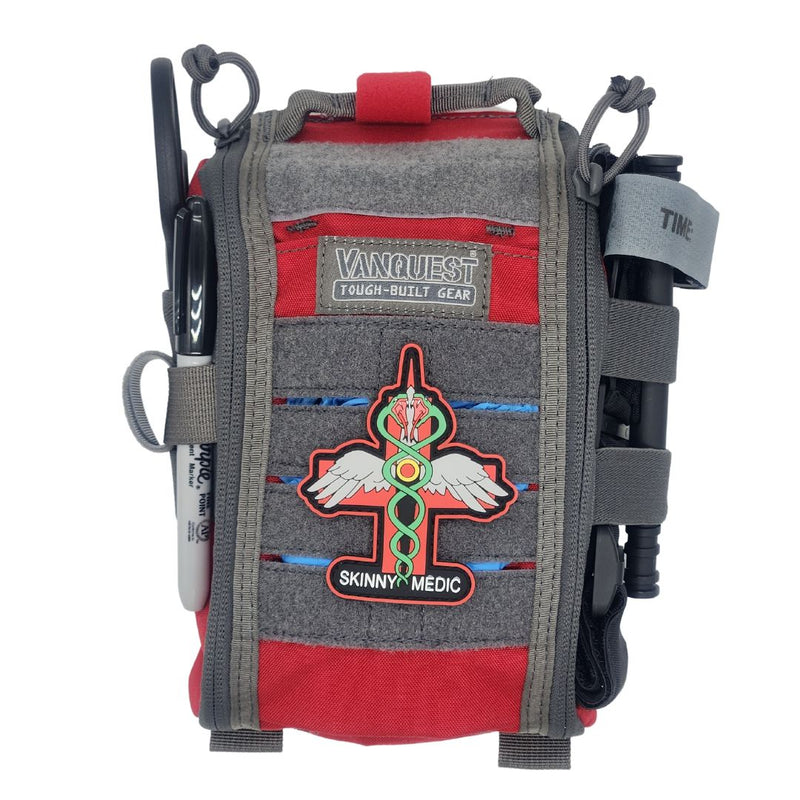
Survival First Aid Kit: Complete Guide to Emergency Prep
When disaster strikes or you find yourself in a remote location, having a well-equipped survival first aid kit can mean the difference between a manageable situation and a life-threatening emergency. Whether you're preparing for natural disasters, planning wilderness adventures, or simply ensuring your family's safety during unexpected events, understanding what belongs in a comprehensive emergency medical kit is essential. A properly assembled survival first aid kit goes beyond basic bandages and antiseptic, incorporating trauma care supplies, life-saving medications, and specialized equipment designed to address serious medical emergencies when professional help is hours or even days away.
Core Components of a Comprehensive Survival First Aid Kit
Building an effective survival first aid kit requires careful consideration of both common injuries and life-threatening emergencies. The foundation starts with wound care essentials that address everything from minor cuts to severe lacerations requiring immediate intervention.
Wound Management Essentials
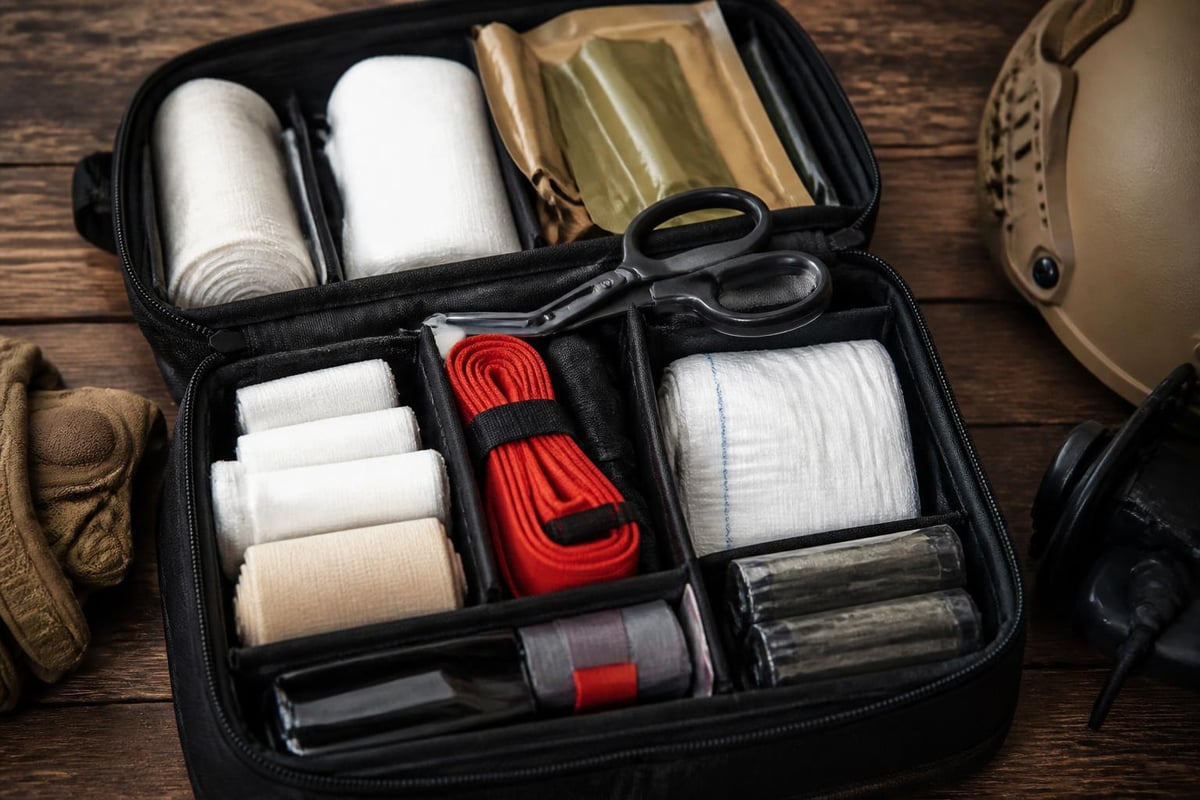
Hemostatic agents represent one of the most critical advances in pre-hospital trauma care. Products like QuikClot Combat Gauze contain clotting agents that rapidly control severe bleeding when direct pressure alone isn't sufficient. These specialized dressings can be the difference between life and death in cases of arterial bleeding or wounds in areas where tourniquets cannot be applied.
Standard wound care supplies should include:
- Sterile gauze pads in multiple sizes (2x2, 4x4 inches)
- Compressed gauze for packing deep wounds
- Adhesive bandages in assorted sizes
- Medical tape (cloth and waterproof varieties)
- Non-adherent dressings for burns and abrasions
- Butterfly closures or steri-strips for wound closure
Trauma dressings serve a dual purpose in emergency situations. Israeli bandages and similar compression dressings provide both wound coverage and the pressure necessary to control significant bleeding. Their built-in pressure applicators make them especially valuable when treating yourself or working with limited assistance.
Life-Saving Trauma Equipment
Beyond basic wound care, a true survival first aid kit must include equipment designed to address life-threatening injuries. Understanding how to stop a major bleed becomes exponentially more important in survival scenarios where evacuation may be delayed.
Tourniquets rank among the most important tools in any emergency medical kit. The Gen 7 Combat Application Tourniquet represents the gold standard for extremity hemorrhage control. Proven in combat and civilian trauma settings, quality tourniquets are compact, reliable, and can be self-applied even with limited mobility or severe injury.
| Equipment Type | Primary Use | Storage Considerations |
|---|---|---|
| Combat tourniquet | Extremity arterial bleeding | Keep readily accessible, not buried in kit |
| Chest seals | Penetrating chest trauma | Store flat to prevent damage to adhesive |
| Nasopharyngeal airway | Airway management | Protect from crushing, include lubricant |
| Emergency blanket | Hypothermia prevention | Compact fold, replace if opened |
Chest seals address penetrating thoracic injuries, a scenario that can rapidly become fatal without proper treatment. Vented chest seals like the HyFin Chest Seal Twin Pack allow air to escape while preventing further air entry, managing tension pneumothorax until advanced medical care becomes available.
Medications and Pharmaceutical Supplies
A survival first aid kit's pharmaceutical component requires thoughtful selection based on likely medical needs and environmental factors. While basic pain relievers and antihistamines cover common ailments, survival scenarios demand a broader medication arsenal.
Pain Management and Inflammation Control
Non-prescription analgesics form the foundation of pain management in emergency situations:
- Ibuprofen (200-400mg tablets) for pain and inflammation
- Acetaminophen (325-500mg tablets) for pain and fever
- Aspirin (81mg and 325mg) for cardiac events and pain
- Topical analgesics for localized pain relief
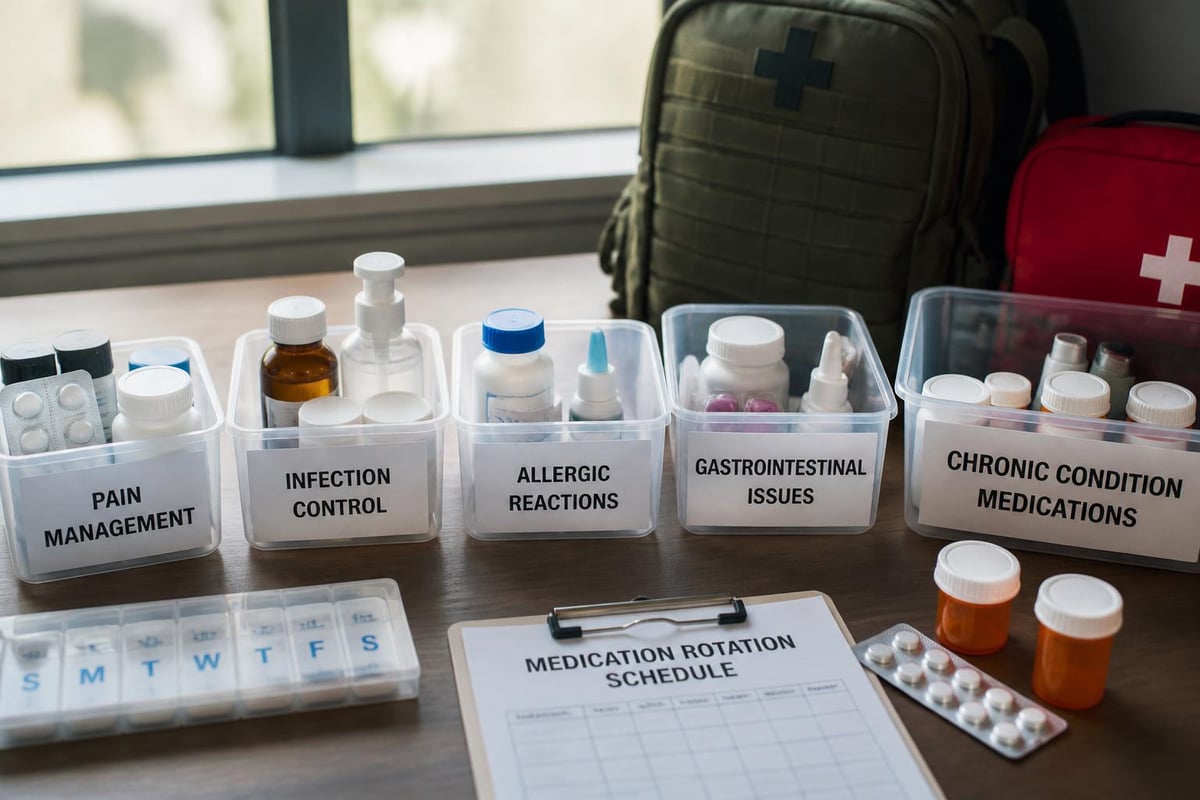
Store medications in waterproof containers with clearly marked expiration dates. Rotate stock annually to ensure potency, particularly in extreme temperature environments where pharmaceutical degradation accelerates.
Prescription medications deserve special consideration for those with chronic conditions. Individuals dependent on daily medications should maintain a 72-hour minimum supply in their survival first aid kit, with longer reserves for extended expeditions. Consult with healthcare providers about emergency prescriptions specifically designated for survival kits.
Infection Prevention and Treatment
Preventing infection becomes paramount when medical facilities are inaccessible. Antibiotic ointments like triple antibiotic cream should be applied liberally to any break in skin integrity. For those trained in their use and with appropriate prescriptions, oral antibiotics can prevent minor infections from becoming life-threatening conditions.
Antiseptic solutions serve multiple purposes beyond wound cleaning:
- Povidone-iodine for broad-spectrum antimicrobial action
- Alcohol prep pads for equipment sterilization
- Benzalkonium chloride wipes as an alcohol alternative
- Hydrogen peroxide for wound irrigation (use with caution)
Medical Tools and Diagnostic Equipment
The tools included in your survival first aid kit extend your capability to assess and treat injuries effectively. Professional-grade equipment designed for field use offers durability and reliability that consumer-grade alternatives cannot match.
Essential Medical Instruments
Trauma shears top the list of indispensable tools. These specialized scissors cut through clothing, seatbelts, and other materials quickly to expose injuries for assessment and treatment. Quality trauma shears feature angled tips that prevent accidental patient injury during clothing removal.
A well-equipped survival first aid kit includes:
- Trauma shears with safety tips
- Fine-point tweezers for splinter removal
- Irrigation syringe for wound cleaning
- Digital thermometer for fever assessment
- Penlight for pupil assessment and examination
- Hemostats or forceps for multiple applications
Airway management tools address one of the most critical emergency interventions. Nasopharyngeal airways provide a simple method to maintain airway patency in unconscious or semi-conscious patients. Combined with proper positioning techniques taught in first aid guidelines, these tools can prevent respiratory compromise.
Diagnostic and Assessment Tools
Modern survival medicine benefits from compact diagnostic equipment that provides objective patient data. Digital thermometers, compact blood pressure cuffs, and pulse oximeters deliver vital information that guides treatment decisions in the field.
| Tool | Purpose | Skill Level Required |
|---|---|---|
| Blood pressure cuff | Assess circulatory status | Intermediate |
| Pulse oximeter | Measure oxygen saturation | Basic |
| Stethoscope | Lung/heart assessment | Advanced |
| Blood glucose meter | Monitor diabetic emergencies | Basic-Intermediate |
Organization and Container Selection
How you organize and store your survival first aid kit significantly impacts its effectiveness during high-stress emergencies. The best supplies become useless if you cannot locate them quickly when seconds matter.
Container Considerations
Durability and protection form the primary selection criteria for survival first aid kit containers. Unlike small first aid boxes designed for minor household injuries, survival kits need ruggedized cases that withstand environmental extremes, physical abuse, and moisture exposure.
Consider these container options:
- Hard-shell waterproof cases for vehicle storage
- Soft MOLLE-compatible pouches for backpack integration
- Dry bags for marine environments
- Vacuum-sealed packages for space-critical applications
The American Red Cross provides detailed guidance in their survival kit buying guide, emphasizing the importance of accessibility and environmental protection in container selection.
Internal Organization Strategies
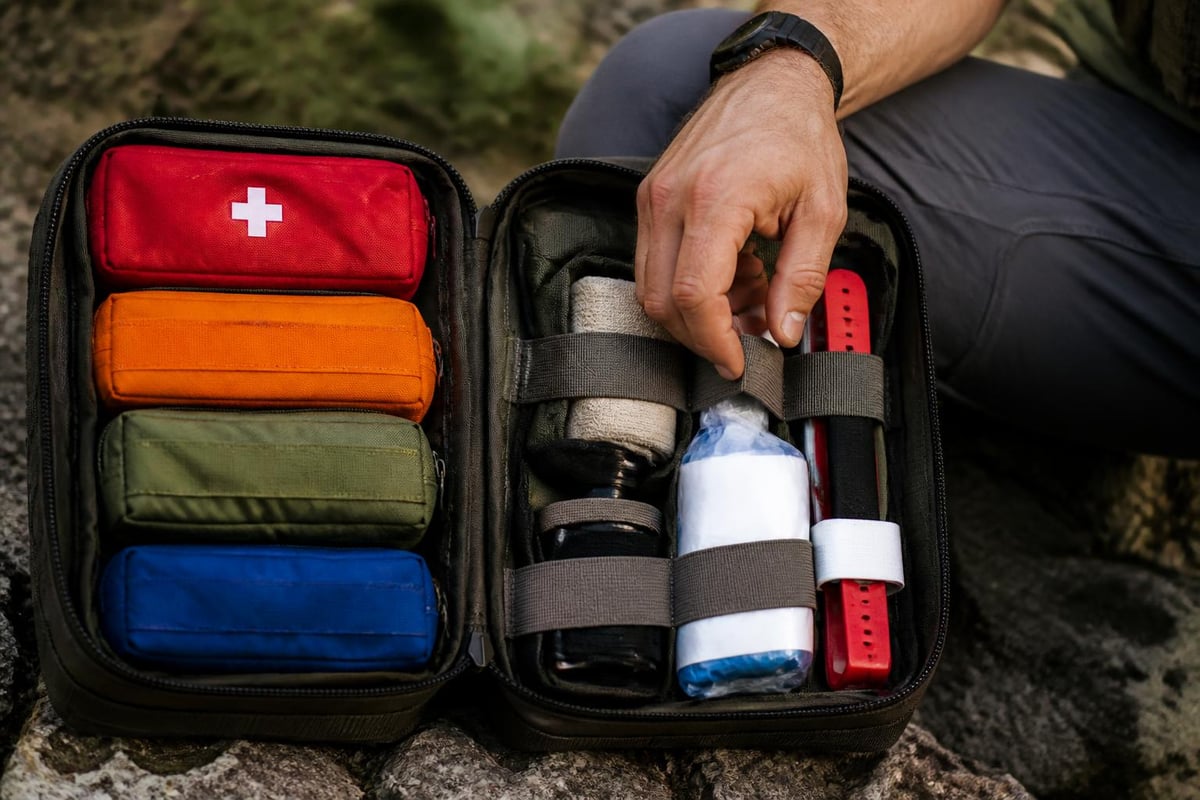
Color-coded compartments enable rapid supply location under stress. Designate specific colors for different emergency categories: red for hemorrhage control, blue for airway management, green for wound care, and yellow for medications. This system allows multiple responders to work simultaneously without confusion.
Clear labeling proves essential, especially for supplies that appear similar. Use waterproof labels or label makers to identify contents, expiration dates, and usage instructions. For those unfamiliar with medical terminology, include simple pictorial guides.
Specialized Kits for Different Environments
Environmental factors dramatically influence what belongs in your survival first aid kit. A kit optimized for desert hiking differs substantially from one designed for maritime emergencies or winter mountaineering.
Wilderness and Remote Location Kits
Wilderness environments present unique medical challenges that standard first aid kits fail to address. Extended evacuation times mean providers must manage injuries and illnesses for hours or days rather than minutes. Understanding the minimum guidelines for wilderness first aid helps ensure your kit meets these expanded requirements.
Environmental injury supplies become critical in remote settings:
- Blister treatment and prevention (moleskin, tincture of benzoin)
- Splinting materials for fracture stabilization
- Hypothermia prevention (emergency blankets, heat packs)
- Hyperthermia management (electrolyte solutions, cooling aids)
- Altitude illness medications (with appropriate training)
- Extended-duration water purification
Scouting America emphasizes the importance of properly maintained first aid kits for outdoor activities, noting that environmental exposure degrades supplies faster than controlled storage.
Tactical and High-Threat Environment Kits
Tactical survival first aid kits prioritize rapid hemorrhage control and trauma management. These specialized kits focus on the leading causes of preventable death in violent encounters: massive hemorrhage, airway compromise, and tension pneumothorax.
The concept of an Individual First Aid Kit (IFAK) has evolved from military applications to civilian preparedness. Understanding the contents of IFAK configurations helps civilians adapt these proven systems for personal emergency preparedness.
Training and Knowledge Integration
Equipment alone cannot save lives. The most comprehensive survival first aid kit provides minimal benefit without the knowledge and training to use its contents effectively. Professional medical training transforms a collection of supplies into a life-saving system.
Essential Skills and Certification
Formal training programs offer structured education in emergency medical care. Courses range from basic first aid and CPR to Wilderness First Responder certification and tactical combat casualty care. Each level builds competency in assessment, treatment, and decision-making under pressure.
Priority training areas include:
- Hemorrhage control techniques and tourniquet application
- Wound packing and pressure dressing application
- Airway management and rescue breathing
- Recognition and treatment of shock
- Spinal injury management and patient movement
- Environmental injury recognition and treatment
The American Red Cross details the anatomy of a first aid kit while emphasizing that knowing how to use each component matters more than simply possessing the supplies.
Practice and Skill Maintenance
Regular training exercises maintain proficiency and identify gaps in your kit or knowledge. Conduct quarterly drills that simulate realistic emergencies: treating a severe laceration on yourself, managing an unconscious patient, or addressing multiple casualties with limited supplies.
Consider these practice scenarios:
- Self-aid tourniquet application (both arms)
- Wound packing with hemostatic gauze
- Chest seal application in various positions
- One-handed medical tasks (simulating injury)
- Night operations with limited light
Document each training session, noting supplies consumed and skills requiring additional practice. Use these insights to refresh perishable items and identify training needs before real emergencies occur.
Maintenance and Inspection Protocols
A survival first aid kit requires ongoing maintenance to ensure readiness when needed. Environmental exposure, temperature fluctuations, and time degrade supplies, compromising their effectiveness during actual emergencies.
Regular Inspection Schedule
Quarterly inspections represent the minimum acceptable maintenance frequency for survival kits. More frequent checks benefit kits exposed to extreme temperatures, moisture, or vibration. Each inspection should verify:
- Expiration dates on medications and sterile supplies
- Package integrity on sealed items
- Battery function in electronic devices
- Replacement of used or missing items
- Updated emergency contact information
Industry standards, such as those outlined for Class A and Class B first aid kits, provide frameworks for inspection protocols even though these focus on workplace rather than survival applications.
Supply Rotation and Replacement
First-in-first-out rotation prevents supply expiration and waste. When adding new supplies, place them behind older stock with earlier expiration dates. Mark inspection dates clearly on both the container exterior and an internal inventory log.
| Supply Category | Typical Lifespan | Replacement Triggers |
|---|---|---|
| Adhesive bandages | 3-5 years | Loss of adhesion, discoloration |
| Sterile gauze | 5 years | Package compromise, moisture exposure |
| Medications (OTC) | 2-3 years | Expiration date, discoloration, odor |
| Antiseptic wipes | 2 years | Dried out, package damage |
| Chest seals | 3-5 years | Adhesive degradation, package damage |
Understanding first aid kit necessities helps prioritize which expired items require immediate replacement versus those that maintain efficacy beyond printed dates.
Integration with Broader Emergency Preparedness
Your survival first aid kit functions as one component within a comprehensive emergency preparedness system. Effective integration with other survival equipment maximizes your capability to manage extended emergencies.
Complementary Emergency Equipment
Communication devices enable you to request help, even when self-treatment proves successful. Satellite messengers, personal locator beacons, or two-way radios extend your reach beyond immediate first aid capabilities. Include backup power sources and protection from environmental damage.
Essential complementary items include:
- Emergency shelter (tarp, bivy, or tent)
- Water purification and storage
- High-calorie emergency food
- Fire-starting equipment (multiple methods)
- Navigation tools (map, compass, GPS)
- Illumination (headlamp, flashlight, chemical lights)
- Multi-tool or knife
- Emergency signaling devices
The broader concept of survival kits encompasses these diverse elements, with medical supplies forming just one critical component of comprehensive emergency preparedness.
Documentation and Information
Medical information cards within your survival first aid kit provide critical data to rescuers or medical professionals. Include allergies, chronic conditions, current medications, blood type, and emergency contacts. Laminated cards resist water and wear better than paper documents.
Consider adding:
- Quick reference guides for common procedures
- Dosage charts for medications
- Phone numbers for poison control and emergency services
- Personal medical history summary
- Insurance and identification photocopies
Some preparedness experts include USB drives with complete medical records, though these require powered devices to access. Physical printed materials remain accessible in all conditions.
Customization for Personal and Family Needs
While standardized survival first aid kits provide excellent starting points, customization based on individual medical needs, skills, and likely scenarios optimizes emergency preparedness.
Addressing Chronic Conditions
Diabetes management requires specialized supplies beyond standard first aid components. Include extra insulin (with cooling packs), glucose tablets or gel, ketone test strips, and additional blood glucose monitoring supplies. Account for both hyperglycemic and hypoglycemic emergencies with appropriate treatments.
Those with known severe allergies should carry multiple epinephrine auto-injectors in their survival first aid kit, stored according to temperature recommendations and checked regularly for expiration. Oral antihistamines complement but never replace epinephrine for anaphylaxis.
Age-Specific Considerations
Pediatric modifications account for different medication dosages, smaller equipment sizes, and age-specific medical concerns. Include pediatric-appropriate pain relievers, smaller bandages and dressings, age-appropriate airway adjuncts, and comfort items that reduce anxiety during treatment.
Elderly individuals may require additional chronic disease medications, extra mobility aids, or specialized equipment like compression stockings. Larger print on instructions and labels accommodates visual limitations common with aging.
Skill-Based Customization
Advanced providers with appropriate training and credentials may include prescription medications, advanced airway equipment, or other items requiring specialized knowledge. However, liability and legal considerations demand careful evaluation before carrying such supplies.
Beginners should focus on items they can competently use rather than assembling comprehensive kits containing equipment beyond their training level. Start with basic first aid box contents and expand as skills develop through formal training programs.
Building and maintaining a comprehensive survival first aid kit represents an investment in preparedness that can preserve life when emergencies strike far from professional medical care. The combination of carefully selected supplies, proper organization, ongoing maintenance, and regular training creates a system capable of managing medical crises until advanced help becomes available. Whether you're outfitting a vehicle emergency kit, preparing for wilderness adventures, or ensuring family readiness for natural disasters, Medical Gear Outfitters provides the professional-grade equipment and paramedic expertise necessary to build survival first aid kits that perform when lives depend on them.