St John First Aid Kit: Essential Guide for 2026
When selecting emergency medical supplies, the reputation and standards behind a st john first aid kit have set benchmarks for quality and reliability across industries worldwide. St John Ambulance, with its centuries-long heritage in emergency care and training, has developed first aid kit specifications that balance comprehensive coverage with practical usability. Understanding what distinguishes these kits from standard offerings helps organizations, medical professionals, and individuals make informed decisions about emergency preparedness. The rigorous attention to content selection, organization, and compliance reflects the expertise of an organization that has trained millions in lifesaving skills and responded to countless emergencies throughout history.
Historical Foundation and Modern Standards
St John Ambulance originated in the 11th century as a religious order providing care to pilgrims and the sick. This organization evolved into a global first aid authority, establishing training programs and equipment standards that continue shaping emergency response protocols today. The modern st john first aid kit represents this accumulated knowledge, incorporating lessons learned from battlefield medicine, industrial accidents, and community emergencies.

Evidence-Based Content Selection
The contents of a st john first aid kit reflect clinical research and practical field experience. Rather than arbitrary inclusion of supplies, each component serves a specific purpose within established first aid protocols. St John Ambulance maintains advisory boards comprising emergency physicians, paramedics, occupational health specialists, and safety professionals who regularly review and update recommended contents.
Key considerations for content selection include:
- Frequency of specific injury types in various settings
- Shelf stability and expiration management
- Ease of use for trained and untrained responders
- Space efficiency and portability requirements
- Regulatory compliance across multiple jurisdictions
The St John Ambulance UK provides comprehensive guidance on tailoring first aid kits to different environments, recognizing that workplace hazards differ significantly from home or vehicle scenarios. This customization approach ensures responders have appropriate supplies without carrying unnecessary weight or bulk.
Regulatory Compliance and Workplace Requirements
Organizations selecting a st john first aid kit often do so to meet specific regulatory obligations. Various jurisdictions mandate minimum first aid supply requirements based on employee count, workplace hazards, and distance from emergency medical services. St John Ambulance has aligned its product offerings with standards from organizations including the Occupational Safety and Health Administration (OSHA), American National Standards Institute (ANSI), and equivalent bodies internationally.
ANSI and OSHA Standards
The relationship between st john first aid kit specifications and regulatory requirements creates assurance for safety managers and compliance officers. Weber State University's Environmental Health and Safety department discusses how ANSI Z308.1-2021 establishes minimum performance requirements for workplace first aid kits, including specific quantities of bandages, dressings, and trauma supplies.
| Regulatory Body | Primary Focus | Key Requirements |
|---|---|---|
| OSHA | Workplace safety | Accessible first aid supplies for all employees |
| ANSI Z308.1 | Performance standards | Minimum quantities per item category |
| ISO 13485 | Medical device quality | Manufacturing and quality control processes |
| State regulations | Local compliance | Varies by jurisdiction and industry |
Understanding these frameworks helps organizations select appropriate kits while avoiding over-procurement or gaps in coverage. Commercial first aid kit selection involves balancing regulatory minimums with practical needs based on actual workplace hazards and injury patterns.
Core Components and Supply Categories
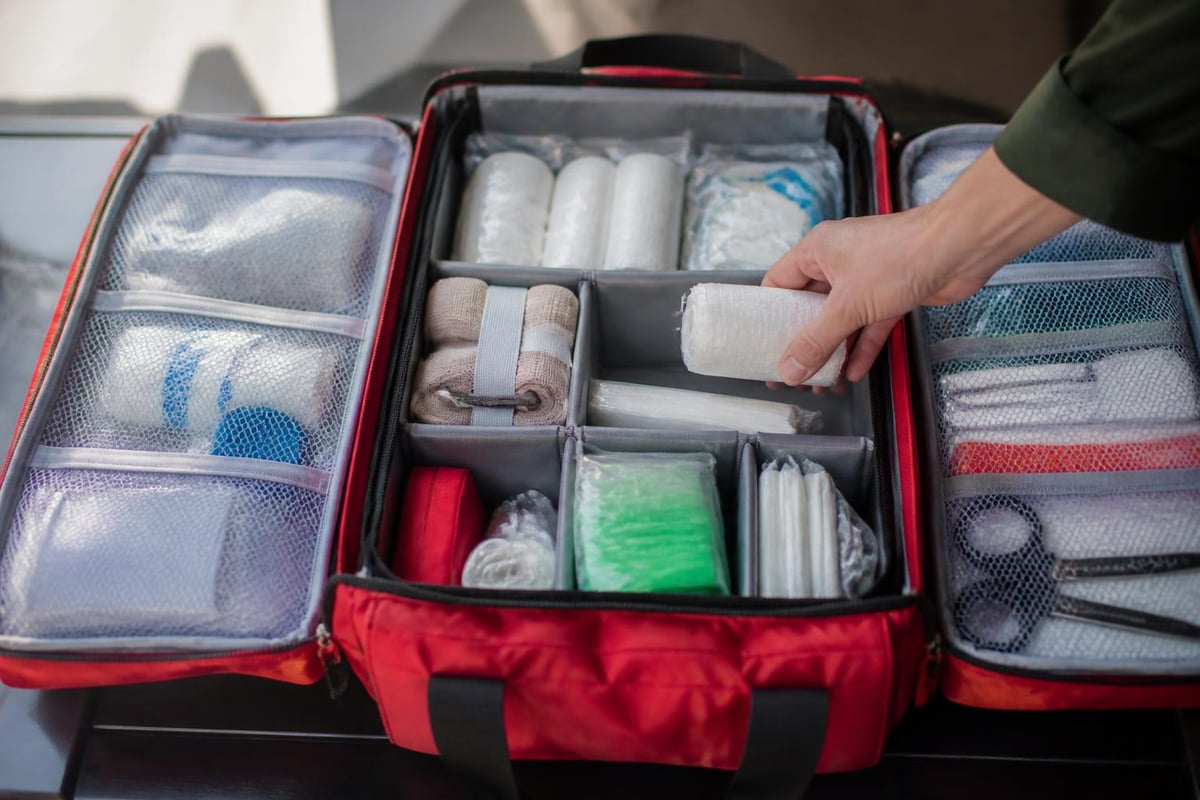
A comprehensive st john first aid kit organizes supplies into functional categories that align with emergency response priorities. This systematic approach enables quick location of needed items during high-stress situations when seconds matter. Professional kits typically include wound care materials, bleeding control supplies, protective equipment, diagnostic tools, and emergency reference materials.
Wound Management Supplies
The foundation of most first aid responses involves addressing wounds of varying severity. St john first aid kit specifications emphasize quality bandages, dressings, and closure materials appropriate for different injury mechanisms.
Essential wound care components:
- Sterile gauze pads in multiple sizes (2x2, 3x3, 4x4 inches)
- Adhesive bandages ranging from small fingertip to large patch sizes
- Conforming roller bandages for securing dressings
- Trauma pads for larger wounds or absorbing significant blood loss
- Medical tape varieties including cloth, paper, and transparent options
- Antiseptic wipes and solutions for wound cleaning
The quality distinction in a st john first aid kit becomes apparent in material selection. Superior gauze maintains integrity when saturated, adhesive bandages remain secure during movement, and medical tapes accommodate various skin sensitivities. These details reflect the difference between equipment that performs under actual emergency conditions versus supplies that merely occupy kit space.
Bleeding Control and Trauma Response
While basic wound care addresses minor injuries, comprehensive kits must also prepare responders for severe bleeding situations. The inclusion of advanced trauma supplies in professional-grade st john first aid kit configurations acknowledges that workplace accidents, vehicle collisions, and other emergencies can produce life-threatening hemorrhage requiring immediate intervention.
Trauma supplies extend beyond simple bandages to include compression dressings, hemostatic agents, and in some configurations, tourniquets for extremity hemorrhage control. Understanding how to stop major bleeding effectively separates trained first responders from well-intentioned but unprepared individuals.
Organizations should evaluate whether their st john first aid kit includes trauma capabilities proportionate to identified risks. Construction sites, manufacturing facilities, and remote work locations face different hazard profiles than office environments, requiring adjusted supply specifications.
Personal Protective Equipment Integration
Modern first aid response requires protecting both the patient and the responder from cross-contamination and infectious disease transmission. St John Ambulance recognized this necessity decades ago, establishing PPE as non-negotiable components in comprehensive first aid kits well before recent global health events heightened awareness.
Barrier Protection Essentials
Every st john first aid kit should contain multiple pairs of nitrile or vinyl gloves in various sizes, face shields or pocket masks for rescue breathing, and eye protection for scenarios involving blood or body fluid exposure. MedlinePlus provides detailed guidance on assembling home first aid kits with appropriate protective equipment alongside traditional medical supplies.
The quality of protective equipment directly impacts responder confidence and compliance with safety protocols. Thin, easily torn gloves discourage use or fail during critical moments, while properly manufactured nitrile gloves provide reliable barriers against bloodborne pathogens without compromising dexterity.
PPE considerations for first aid kits:
- Multiple glove sizes accommodate different hand dimensions
- Latex-free options prevent allergic reactions
- Face shields with one-way valves enable CPR without direct contact
- Eye protection prevents splash contamination during wound irrigation
- Disposable gowns or aprons for major trauma scenarios
Specialized Configurations for Different Environments
The versatility of st john first aid kit offerings includes specialized configurations optimized for specific settings. Vehicle kits prioritize portability and weather resistance, workplace kits scale to employee populations and hazard assessments, and wilderness or expedition kits incorporate extended-duration supplies and environmental protection capabilities.
Workplace and Industrial Applications
Industrial environments present unique challenges requiring robust, comprehensive first aid solutions. A st john first aid kit designed for manufacturing, construction, or warehouse settings includes supplies for chemical exposures, burns, eye injuries, and traumatic wounds from machinery or tools. The University of Florida's Environmental Health and Safety department outlines specialized first aid kit requirements for laboratory settings where chemical and biological hazards necessitate additional supplies beyond standard configurations.
Cabinet-mounted wall stations provide organized, accessible storage for larger workplace kits, while portable trauma bags enable responders to bring supplies directly to injured workers in expansive facilities. The st john first aid kit approach emphasizes both centralized comprehensive supplies and distributed quick-response capabilities.
| Setting | Primary Hazards | Specialized Supplies |
|---|---|---|
| Construction | Lacerations, falls, crushing injuries | Trauma dressings, splinting materials, eye wash |
| Manufacturing | Machine injuries, burns, chemical exposure | Burn dressings, chemical neutralizers, tourniquets |
| Office | Minor cuts, headaches, sprains | Basic wound care, cold packs, pain relievers |
| Vehicle | Collision trauma, road debris injuries | Compact trauma supplies, visibility equipment |
Mobile and Vehicle Kits
Vehicle-based st john first aid kit configurations balance comprehensive coverage with space constraints and environmental challenges. Temperature extremes, vibration, and limited storage require durable containers and carefully selected supplies that maintain effectiveness across broad temperature ranges.
Compact organization becomes critical in vehicle applications where the kit must share space with tools, spare tires, and emergency equipment. Portable medical kit design principles emphasize modular pouches, clear labeling, and moisture-resistant packaging that withstand automotive environments while remaining immediately accessible during roadside emergencies.
Maintenance, Inspection, and Supply Rotation
Purchasing a st john first aid kit represents only the initial step in emergency preparedness. Ongoing maintenance ensures supplies remain usable when needed, with regular inspections identifying depleted items, expired medications, and damaged components requiring replacement.
Establishing Inspection Protocols
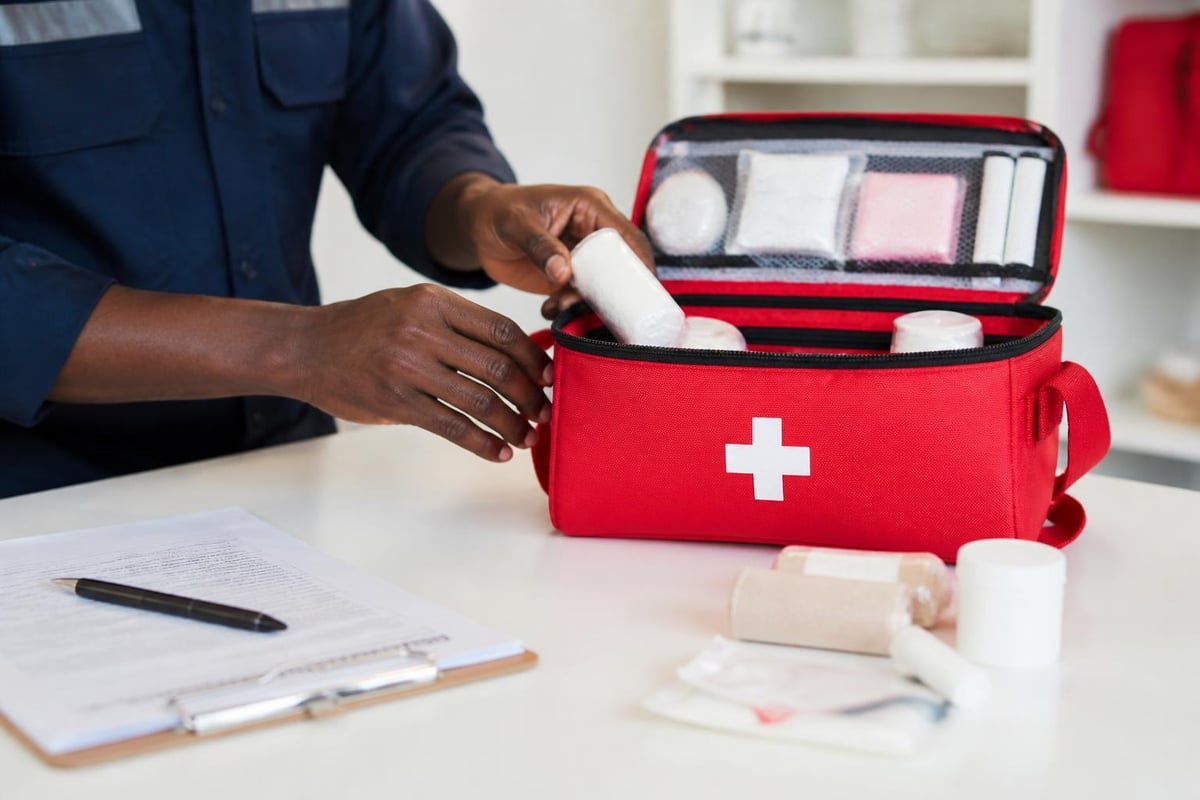
Professional organizations implement scheduled first aid kit inspections, typically monthly or quarterly depending on usage patterns and regulatory requirements. These inspections verify:
- All listed components remain present in specified quantities
- Sterile packaging maintains integrity without tears or moisture damage
- Medications and ointments remain within expiration dates
- Equipment like scissors, tweezers, and thermometers function properly
- Instruction cards and reference materials remain legible and current
Documentation of inspections demonstrates due diligence for workplace safety compliance and provides evidence of proper emergency preparedness maintenance. Many organizations assign specific individuals as first aid kit custodians responsible for maintaining these critical resources.
Supply Expiration and Replacement
Medical supplies deteriorate over time through various mechanisms. Adhesives lose bonding strength, medications degrade, and sterile packaging may compromise. A quality st john first aid kit includes clearly marked expiration dates and lot numbers enabling efficient rotation.
Implementing a first-in-first-out (FIFO) system for supply replacement prevents waste while ensuring the oldest items receive priority use during training or non-emergency applications. Understanding med kit essentials includes recognizing that different supplies have vastly different shelf lives, from gauze remaining usable for years to certain medications requiring annual replacement.
Training Integration and Effective Use
The most comprehensive st john first aid kit provides limited value if responders lack knowledge and confidence to deploy its contents effectively. St John Ambulance built its reputation equally on training excellence and equipment quality, recognizing these elements form inseparable components of emergency preparedness.
Hands-On Familiarization
Organizations should conduct regular training sessions where employees physically interact with first aid kit contents, practicing bandaging techniques, learning proper glove donning and doffing, and understanding when specific supplies prove most effective. This hands-on familiarity reduces hesitation during actual emergencies when stress and urgency challenge decision-making.
Mock scenarios using expired supplies or training-specific materials allow responders to gain confidence without depleting emergency stocks. Video resources can supplement in-person training, though research into AI applications in first aid scenarios suggests that interactive, practical training produces superior outcomes compared to passive information consumption.
Effective training components:
- Location and organization of supplies within kits
- Proper use techniques for bandages, tourniquets, and other equipment
- Recognition of situations requiring emergency medical services activation
- Scene safety assessment before providing care
- Documentation and reporting procedures following first aid incidents
Quality Indicators and Manufacturer Selection
Not all products marketed as st john first aid kit equivalents meet the same standards. Discerning buyers evaluate multiple quality indicators when selecting emergency medical supplies, recognizing that substandard equipment may fail during critical moments.
Manufacturing Standards and Certifications
Reputable first aid supply manufacturers maintain certifications demonstrating adherence to medical device quality management systems. ISO 13485 certification indicates implementation of design controls, supplier management, and manufacturing processes appropriate for medical products. These systems reduce variability and ensure consistent product quality across production runs.
The paramedic-owned perspective at Medical Gear Outfitters brings field experience to product selection, emphasizing supplies that perform reliably under actual emergency conditions rather than merely meeting minimum specifications. This practical knowledge distinguishes between equipment that looks appropriate and supplies proven effective through real-world application.
Component Quality Assessment
Individual supply quality varies significantly between manufacturers. Examining specific components reveals these differences:
| Component | Quality Indicators | Common Compromises |
|---|---|---|
| Adhesive bandages | Strong adhesion, flexible fabric, breathable material | Weak adhesive, rigid backing, non-breathable |
| Gauze pads | High absorbency, maintain structure when wet | Low thread count, disintegrate when saturated |
| Medical tape | Consistent adhesion, gentle removal | Excessive adhesive residue, skin irritation |
| Gloves | Proper sizing, tactile sensitivity, tear resistance | One-size-fits-all, thick material, easy tearing |
Advanced Considerations for Comprehensive Preparedness
Organizations committed to exceptional emergency response capabilities extend beyond minimum st john first aid kit specifications to incorporate additional supplies addressing identified risks and anticipated scenarios. This customization reflects mature safety programs that analyze actual injury data and implement targeted interventions.
Environmental and Activity-Specific Additions
Outdoor organizations, adventure tourism operators, and remote work sites benefit from environmental adaptations to standard first aid configurations. Camping emergency kit considerations include extended-duration supplies, water purification capabilities, and insect/wildlife injury treatments rarely needed in conventional workplace settings.
Similarly, organizations operating in extreme temperature environments ensure their st john first aid kit includes emergency thermal blankets for hypothermia prevention and heat-related illness supplies for high-temperature exposures. These additions demonstrate proactive risk assessment and commitment to comprehensive preparedness.
Integration with Emergency Action Plans
First aid supplies represent one component within broader emergency preparedness frameworks. Effective organizations integrate their st john first aid kit inventory with emergency action plans, communication protocols, and coordination with local emergency medical services. This systems approach ensures supplies, training, and response procedures align to maximize effectiveness during actual emergencies.
Regular drills testing emergency response capabilities identify gaps in equipment, training, or procedures before actual incidents expose these deficiencies. Post-drill reviews and continuous improvement processes maintain preparedness as organizations evolve and hazards change.
Cost Considerations and Value Assessment
Budget constraints influence first aid kit selection decisions across organizations of all sizes. However, focusing exclusively on initial purchase price overlooks total cost of ownership including maintenance, replacement, and most critically, the potential costs of inadequate emergency response capabilities.
Initial Investment Versus Long-Term Value
A properly specified st john first aid kit represents higher initial cost compared to minimal compliance kits or generic offerings. This investment purchases:
- Superior component quality with extended service life
- Comprehensive coverage reducing need for multiple specialized kits
- Organized systems enabling rapid supply location
- Established brand reputation and proven performance
- Alignment with recognized standards simplifying compliance documentation
Organizations should evaluate first aid supplies within risk management frameworks recognizing that inadequate emergency response capabilities may result in severe injuries progressing to permanent disabilities, lost productivity, regulatory penalties, and legal liability far exceeding equipment costs.
Bulk Purchasing and Supply Standardization
Companies with multiple locations or large employee populations achieve economies through standardized st john first aid kit specifications and bulk purchasing arrangements. Standardization simplifies training, as responders learn one equipment configuration applicable across all sites. Bulk procurement reduces per-unit costs while ensuring consistent quality.
Standardization benefits include:
- Simplified responder training across multiple locations
- Efficient inventory management and supply rotation
- Reduced administrative burden for compliance documentation
- Enhanced buying power through volume discounts
- Consistent emergency response capabilities company-wide
Selecting and maintaining appropriate first aid supplies requires balancing regulatory compliance, practical usability, and comprehensive emergency response capabilities informed by evidence-based standards. The st john first aid kit approach established by centuries of emergency care experience provides proven frameworks for organizations and individuals committed to preparedness excellence. Whether you're outfitting a workplace, vehicle, or home environment, Medical Gear Outfitters combines paramedic expertise with quality products to ensure you're prepared when emergencies demand immediate, effective response.

