9 Essential Simple First Aid Kit Contents for 2026 Safety
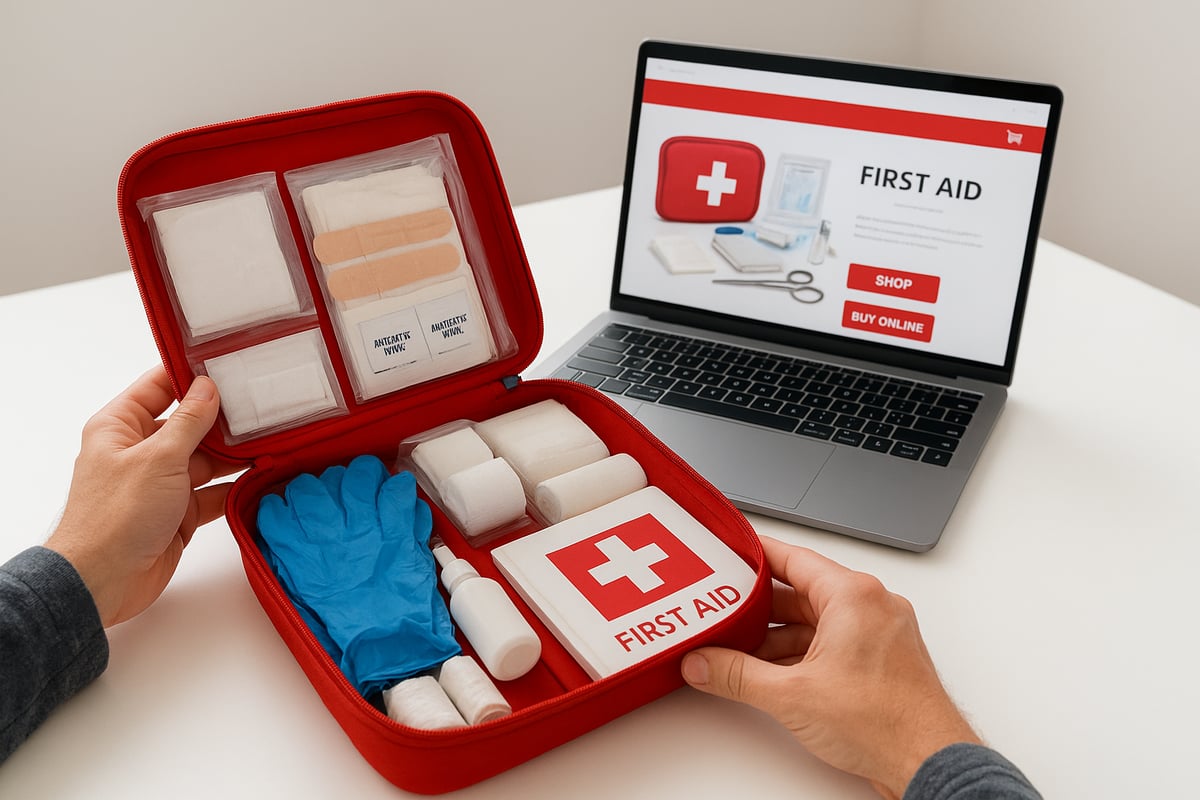
In 2026, staying prepared for unexpected emergencies is more important than ever. With changing safety standards and unpredictable events, having a reliable first aid kit is a necessity at home, work, or when traveling. Choosing the right simple first aid kit contents ensures you can respond quickly and effectively to common injuries or medical situations. This article reveals the nine essential items every kit should have, each selected for maximum versatility, proven effectiveness, and ease of use. Backed by expert advice and current trends, these recommendations will help you take action and build a kit that protects you and your loved ones.
Why a Well-Stocked First Aid Kit Matters in 2026
The world in 2026 faces an ever-growing number of unpredictable emergencies, from severe weather events to everyday household accidents. As these incidents become more frequent and complex, having the right simple first aid kit contents is no longer optional—it is essential for every home, workplace, and vehicle.
Recent years have seen significant shifts in first aid guidelines, with organizations emphasizing up-to-date safety standards and adaptability. In response, the recommended simple first aid kit contents have evolved, focusing on both versatility and effectiveness for a wide range of situations. This ensures you are prepared, whether at home, on a road trip, or during outdoor activities.
Consider these common scenarios where a well-stocked kit can make all the difference:
- Treating cuts, scrapes, or burns in the kitchen before professional help arrives
- Assisting with minor injuries during family outings or sports events
- Providing immediate care during workplace incidents or accidents on the road
According to the American Red Cross First Aid Kit Recommendations, 59% of injuries that occur before emergency responders arrive could be managed with basic supplies. This statistic highlights the critical importance of having the right simple first aid kit contents within reach.
The post-pandemic era has also brought a renewed focus on self-reliance and personal preparedness. More individuals and families are taking responsibility for their safety, recognizing that immediate access to first aid can prevent complications and even save lives. Real-life stories abound, such as parents using kits to treat playground injuries or travelers managing minor wounds while hiking.
Accessibility is another key factor. Experts recommend keeping simple first aid kit contents in multiple locations:
- In the car for travel emergencies
- At home for everyday accidents
- In the office for workplace incidents
- In backpacks for outdoor adventures
This approach ensures you are always ready, no matter where an emergency strikes. Placement is just as important as the supplies themselves—quick access can significantly impact outcomes.
When deciding between assembling your own kit or purchasing a pre-assembled one, consider the following comparison:
| Feature | DIY Kit | Pre-Assembled Kit |
|---|---|---|
| Customization | High | Moderate |
| Cost | Variable | Fixed |
| Time Investment | Significant | Minimal |
| Compliance/Standards | Must research | Often meets guidelines |
| Quality Control | User-dependent | Manufacturer-controlled |
While both approaches can provide essential simple first aid kit contents, pre-assembled kits often align with current standards and require less effort to maintain. However, customizing a DIY kit allows you to address specific needs, such as allergies or chronic conditions.
Looking ahead, the need for up-to-date, accessible, and effective simple first aid kit contents will only grow. By prioritizing preparedness, you ensure rapid response during emergencies and peace of mind for yourself and those around you.
9 Essential Simple First Aid Kit Contents for 2026 Safety
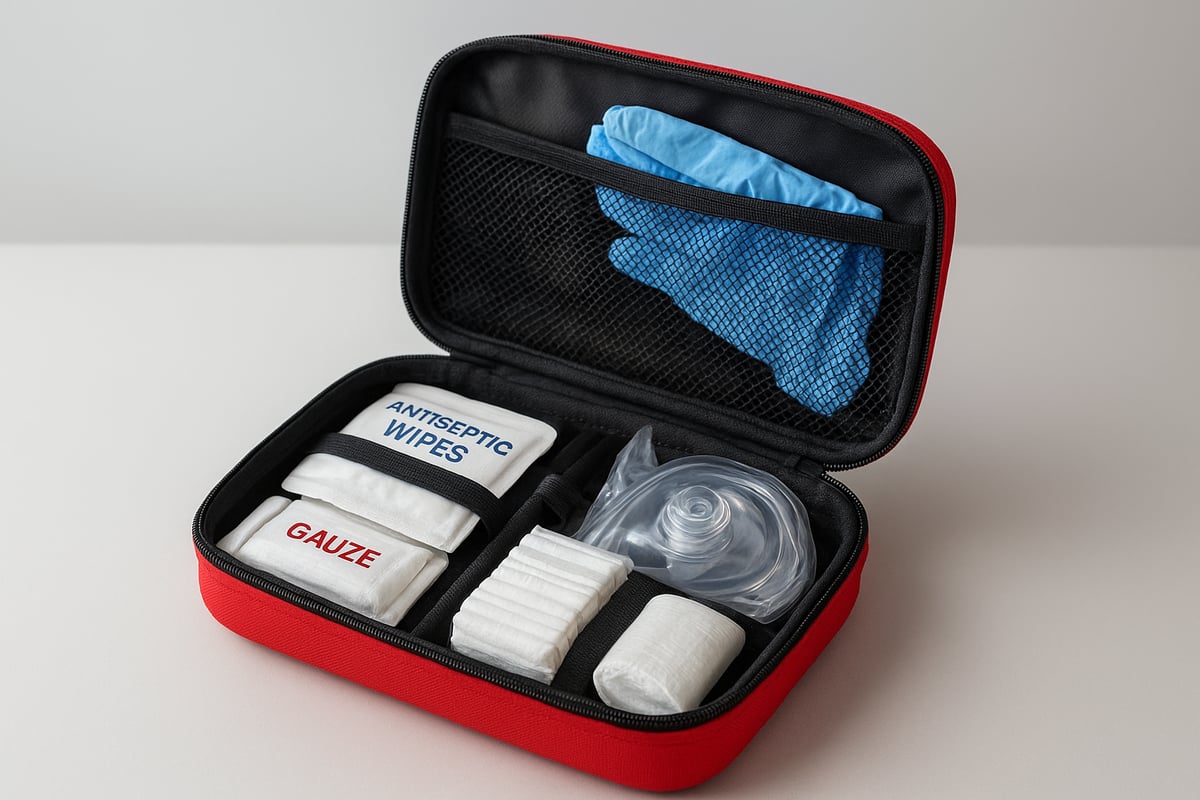
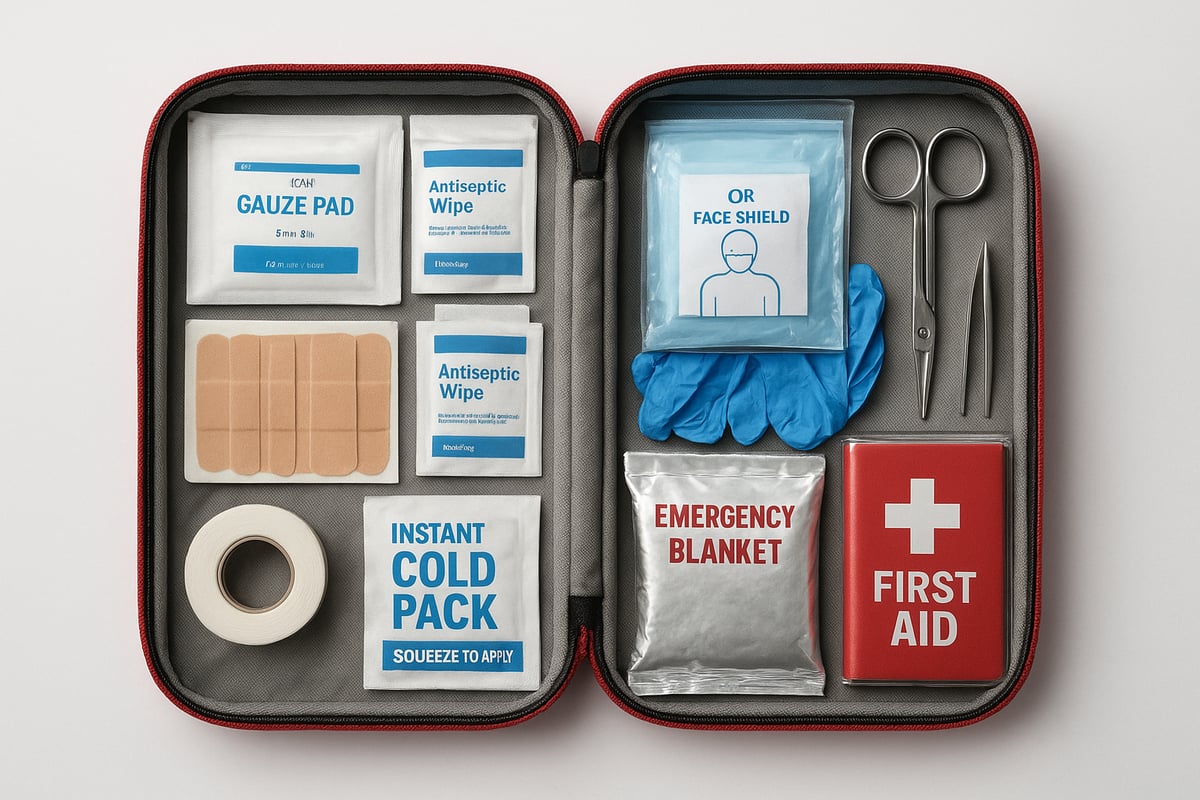
A well-prepared first aid kit is more than a collection of random supplies. In 2026, evolving medical guidelines and new threats make it critical to rethink what goes into your kit. The right simple first aid kit contents can mean the difference between a minor mishap and a major emergency. Here, we break down the nine essentials, chosen for versatility, ease of use, and expert backing, so you can assemble a kit that truly safeguards you and your loved ones.
1. [Adhesive Bandages (Assorted Sizes)]
Adhesive bandages are the backbone of simple first aid kit contents. Available in various sizes and materials, they protect minor cuts, scrapes, and blisters from dirt and bacteria. Versatile options like waterproof, flexible fabric, and hypoallergenic bandages ensure coverage for all skin types and wound locations.
Assorted sizes allow you to treat everything from a paper cut to a scraped knee. This flexibility is why minor wounds account for 70% of home first aid kit use. By properly covering an injury, you reduce the risk of infection and promote faster healing.
Tips for keeping bandages sterile include storing them in sealed, dry compartments and checking expiration dates. Always replace a bandage if it becomes wet or dirty. Application is simple: clean the wound, dry the area, apply the bandage, and change it daily or as needed.
For families, carrying multiple sizes is essential, as children and adults may need different types. Remember, the effectiveness of your simple first aid kit contents depends on regular checks and replenishment.
2. [Sterile Gauze Pads and Medical Tape]
Every effective kit relies on sterile gauze pads and medical tape for handling larger wounds. These simple first aid kit contents are critical for stopping bleeding and shielding injuries from contamination. Gauze pads are highly absorbent, while non-stick pads are ideal for burns or delicate wounds.
Medical tape secures dressings in place without restricting movement or causing skin irritation. It is wise to include several pad sizes to accommodate various wound types. The American Heart Association recommends gauze pads for effective wound care, highlighting their importance.
Dressing a wound involves cleaning the area, applying the gauze, and securing it with tape. To avoid contamination, always use clean hands or gloves and avoid touching the pad’s surface. Replace dressings regularly to monitor healing and prevent infection.
Versatile, lightweight, and easy to use, these simple first aid kit contents should be checked for sterility and replaced if packaging is damaged or expired.
3. [Antiseptic Wipes or Solution]
Antiseptic wipes or solutions are indispensable simple first aid kit contents. Their primary role is to clean wounds, dramatically reducing the risk of infection. Options include alcohol wipes, benzalkonium chloride, and iodine-based solutions, each with specific benefits. Alcohol wipes are quick-drying, while benzalkonium chloride is gentler on sensitive skin.
Prompt antiseptic use decreases infection rates by up to 20%, according to CDC data. The correct technique involves wiping from the center of the wound outward, using a fresh wipe for each pass to avoid spreading germs.
Always verify expiration dates, as outdated antiseptics lose effectiveness. Store them in a cool, dry compartment within your kit. Remember, these simple first aid kit contents are only effective when applied promptly and correctly, so review instructions as needed.
4. [Tweezers and Safety Scissors]
Tweezers and safety scissors are essential tools in simple first aid kit contents. Tweezers allow you to remove splinters, debris, or ticks safely, which is vital for wound care and infection prevention. Stainless steel tweezers are durable and easy to sterilize, while disposable options offer convenience.
Blunt-tip safety scissors are designed to cut tape, clothing, or bandages without causing accidental injury. This is particularly useful in emergencies where speed and safety are paramount.
In fact, 10% of first aid interventions involve removing foreign objects. After each use, clean tools with antiseptic or boiling water to maintain hygiene. Store them in a protective sleeve or compartment to prevent damage and contamination.
Regularly inspect these simple first aid kit contents for rust or wear. Replace if they show signs of damage, ensuring your kit remains reliable and ready for action.
5. [Disposable Gloves (Nitrile or Latex-Free)]
Disposable gloves are a non-negotiable part of simple first aid kit contents. They protect both the responder and the injured person from bodily fluids and cross-contamination. Nitrile gloves are preferred due to their strength, durability, and latex-free composition, making them suitable for those with allergies.
Using gloves reduces the risk of transmitting bloodborne pathogens. For example, during bleeding emergencies, donning gloves before contact is essential. Gloves should be stored in their original packaging, away from heat and direct sunlight to prevent tearing or degradation.
Proper removal techniques—peeling gloves inside out without touching the outer surface—further limit contamination. Dispose of used gloves in a sealed bag or biohazard container if available.
Keep a few pairs in your kit and check regularly for wear or expiration. These simple first aid kit contents are vital for safe and effective emergency response.
6. [CPR Face Shield or Mask]
A CPR face shield or mask is a crucial addition to simple first aid kit contents, ensuring safe and hygienic rescue breaths during cardiopulmonary resuscitation. The most effective models feature a one-way valve that prevents backflow of air or fluids, protecting both rescuer and victim.
Compact and lightweight, they fit neatly into any kit, making them suitable for use in homes, workplaces, or public spaces. The American Red Cross recommends barrier devices in all kits, citing improved safety and confidence during emergencies.
To use, position the mask over the victim’s mouth and nose, ensure a tight seal, and deliver breaths as instructed. Practice with your mask periodically, so you are prepared when seconds count.
Choose between single-use or reusable models, but always check that your simple first aid kit contents include a barrier device for CPR.
7. [Instant Cold Pack]
Instant cold packs are invaluable simple first aid kit contents, providing immediate relief for sprains, bruises, or swelling. These packs activate chemically when squeezed, producing cold therapy on demand. They are especially useful for athletes, outdoor enthusiasts, and families with active children.
Data shows that 80% of athletic trainers use instant cold packs for acute injuries. To treat a sprain, activate the pack, wrap it in a cloth, and apply to the injury site for 15-20 minutes. This reduces pain and inflammation, helping prevent further damage.
Store cold packs in a cool, dry place, and avoid puncturing the packaging. For children, always use a protective layer between the pack and skin to prevent frostbite.
Replacing used or expired packs ensures your simple first aid kit contents remain effective for any emergency.
8. [Emergency Blanket (Mylar Blanket)]
An emergency (Mylar) blanket is a lightweight addition to simple first aid kit contents that can save lives. These reflective blankets retain up to 90% of body heat, making them invaluable for shock, exposure, or cold environments.
Compact and easy to fold, they fit into backpacks, glove compartments, or small drawers. In roadside emergencies, wrapping a person in a Mylar blanket can prevent hypothermia until help arrives.
Beyond warmth, emergency blankets can serve as makeshift shelters, ground covers, or signaling devices. Always refold and repack after use to maintain compactness.
Regularly check that your simple first aid kit contents include an intact, packaged blanket, especially if you travel or spend time outdoors.
9. [First Aid Manual or Quick Reference Guide]
No kit is complete without a current first aid manual or quick reference guide. These simple first aid kit contents provide step-by-step instructions for handling emergencies such as choking, allergic reactions, or severe bleeding. Up-to-date manuals offer visuals and protocols reflecting the latest 2026 guidelines.
Including a guide improves correct response rates by 40%, according to recent data. Printed manuals are reliable when digital devices fail, but digital guides can be easily updated.
Annual review and replacement of your manual are best practices. For more on organizing and selecting effective simple first aid kit contents, see How to pack a first aid kit.
A well-chosen manual empowers anyone, regardless of experience, to act confidently in a crisis.
How to Customize Your First Aid Kit for Specific Needs
Creating a reliable emergency kit means more than gathering universal supplies. To truly maximize safety, you need to adapt your simple first aid kit contents to your unique lifestyle, family members, and daily environments. Personalization ensures everyone’s needs are met, whether you’re at home, on the road, or exploring the outdoors.
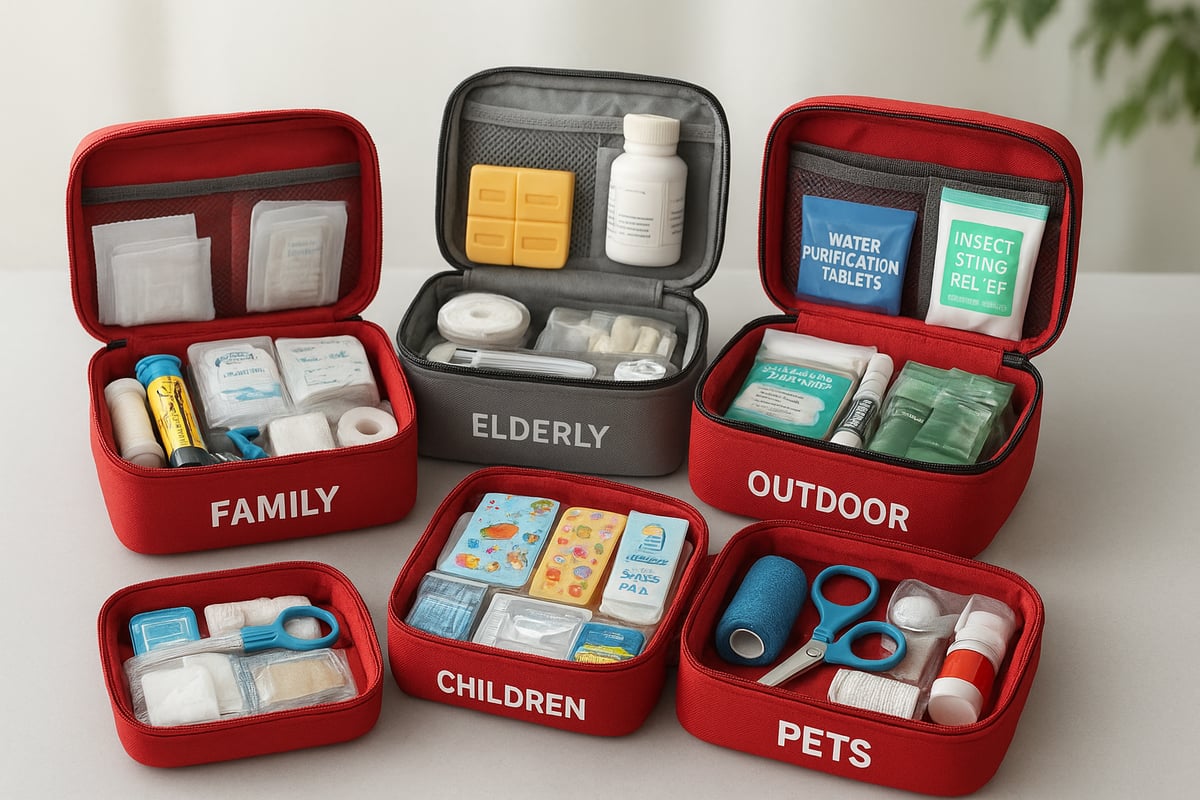
Customizing for Families, Children, Elderly, and Pets
Your simple first aid kit contents should reflect the specific needs of those in your household. For families with children, include kid-friendly adhesive bandages, liquid pain relievers, and dosing syringes. The elderly may require extra medications, pill organizers, and larger print instructions. If you have pets, pack veterinary-approved antiseptics, tick removers, and pet-safe bandages.
Personal medications are essential for every customized kit. Add allergy treatments, inhalers, or EpiPens for anyone with severe allergies. Remember, each person’s health profile is unique, so update your contents as needs change. About 30% of users report adding personal or family-specific items, highlighting the importance of this step.
Special Environments and Workplaces
Think about where you’ll use your kit. Outdoor adventurers benefit from specialized simple first aid kit contents such as insect sting relief, water purification tablets, and snake bite kits. For tips on preparing for the wilderness, see these essential camping first aid kit tips.
Workplace kits must meet specific legal standards. Review the OSHA First Aid Kit Requirements to ensure your kit is compliant, especially in high-risk environments. Customizing for your environment ensures your kit is always ready for the most likely scenarios.
Smart Storage and Ongoing Maintenance
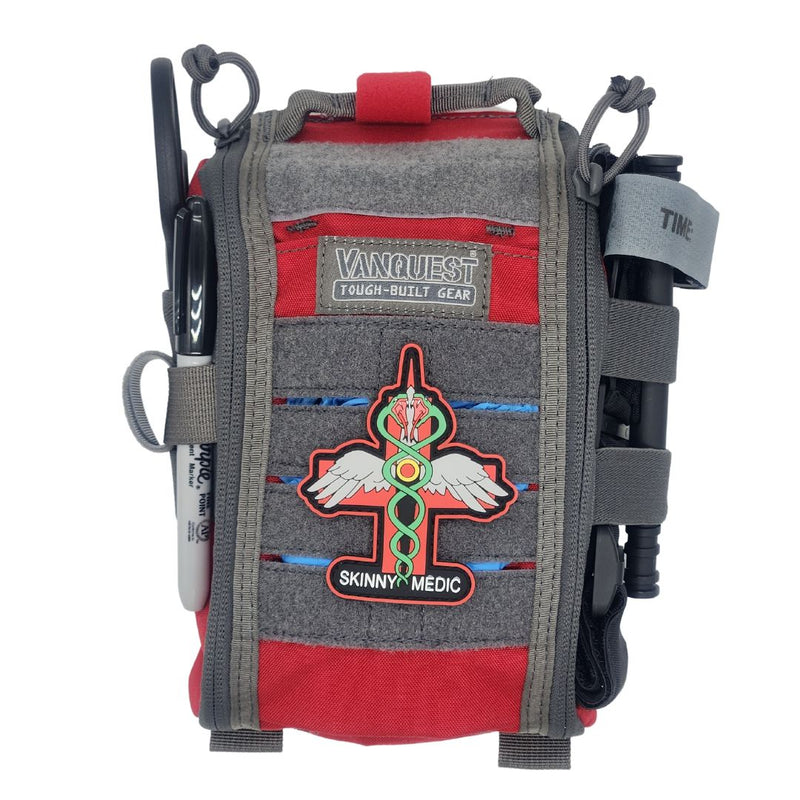
Well-organized storage keeps your simple first aid kit contents accessible and effective. Use compact pouches, waterproof containers, or labeled cases for easy identification. For families, color-coded compartments can speed up response time in an emergency.
Regular maintenance is crucial. Check your kit every few months for expired medications, depleted supplies, or damaged packaging. Replace any used or outdated items immediately to keep your kit fully stocked and ready. Labeling and scheduled checks make ongoing management simple and stress-free.
Where to Buy Reliable First Aid Kit Supplies in 2026
Finding trustworthy sources for your simple first aid kit contents is essential to ensure safety and effectiveness. In 2026, pharmacies, outdoor retailers, and reputable online platforms remain the top choices for high-quality supplies.
When selecting a supplier, always check for product certifications, expiration dates, and customer reviews. Reliable retailers typically provide detailed information about simple first aid kit contents, including material safety and usage instructions. This transparency helps you avoid counterfeit or expired items that could compromise your preparedness.
Online shopping continues to grow in popularity, with 60% of consumers now purchasing first aid supplies online for convenience. Comparing prices between online and in-store options can help you find the best value. However, always verify the authenticity of products and choose platforms with strong return policies.
For those seeking guidance on kit essentials, resources like Simple prepper first aid kit essentials offer expert advice on what to include. Additionally, reviewing First Aid Kit Guidelines by University of Texas ensures your kit meets current safety standards.
Before finalizing your purchase, confirm the retailer's reputation and check that all simple first aid kit contents are up-to-date and properly packaged. This careful approach ensures your kit will be ready to serve you and your loved ones in any emergency.