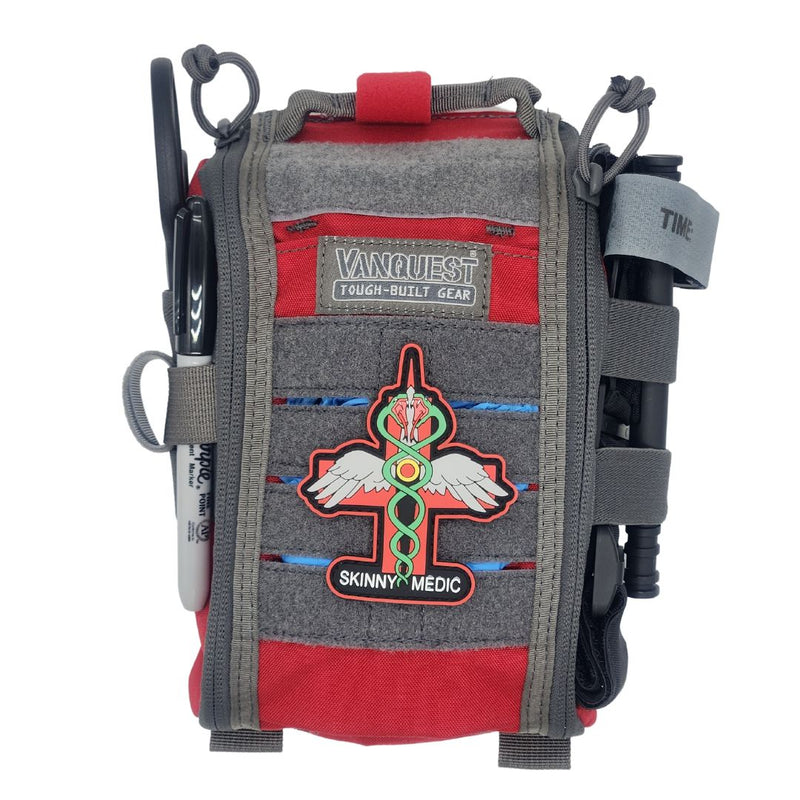
Green First Aid Kit: Sustainable Emergency Preparedness
Emergency preparedness meets environmental responsibility in the modern green first aid kit. As both medical professionals and everyday citizens prioritize sustainability, the first aid industry has responded with innovative solutions that maintain medical efficacy while dramatically reducing environmental impact. These eco-conscious emergency supplies incorporate biodegradable materials, minimize plastic packaging, and utilize renewable resources without compromising the critical function of providing immediate medical care when seconds count.
Understanding the Green First Aid Kit Movement
The shift toward sustainable medical supplies represents more than a trend; it reflects a fundamental rethinking of how emergency preparedness intersects with environmental stewardship. A green first aid kit prioritizes materials sourced from renewable resources like bamboo fiber, organic cotton, and recycled metals while maintaining compliance with health and safety standards.
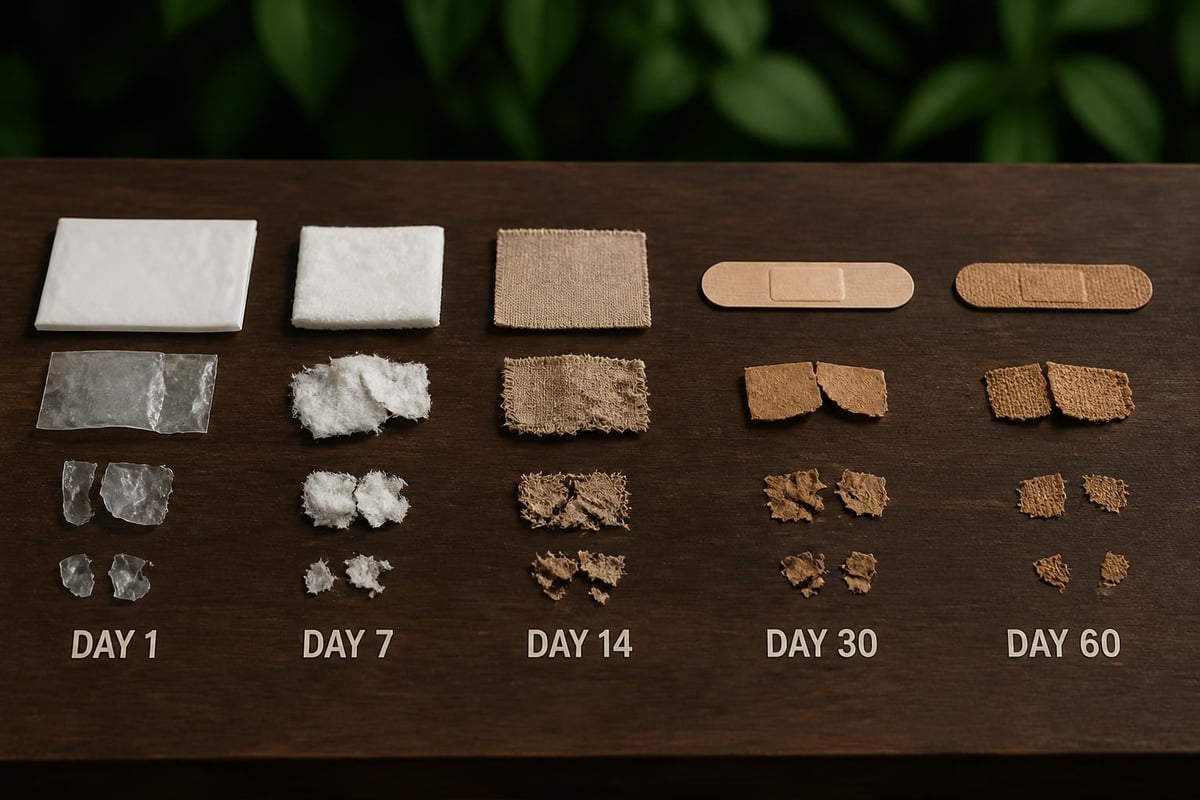
Traditional first aid supplies have long relied on petroleum-based plastics, synthetic adhesives, and non-biodegradable packaging. The average conventional kit contains materials that persist in landfills for hundreds of years. Modern green alternatives address this problem by incorporating compostable bandages, recyclable containers, and plant-based adhesives that break down naturally without releasing harmful chemicals.
Material Innovation in Sustainable Medical Supplies
Bamboo-based products have emerged as the cornerstone of eco-friendly wound care. This rapidly renewable resource grows without pesticides, requires minimal water, and produces fibers suitable for medical applications. Products like the Grove Collaborative Eco First-Aid Kit demonstrate how bamboo fiber bandages provide hypoallergenic protection while maintaining biodegradability.
Organic cotton serves as another sustainable alternative, particularly in gauze and compress applications. Unlike conventionally grown cotton, organic varieties avoid synthetic fertilizers and harmful pesticides. When combined with natural rubber latex alternatives derived from non-allergenic sources, these materials create wound care solutions appropriate for sensitive skin.
Packaging Reduction and Waste Minimization
The packaging revolution distinguishes progressive green first aid kit manufacturers from conventional suppliers. The Steroplast Eco-Friendly First Aid Kit exemplifies this approach, achieving 94% reduction in plastic packaging while maintaining HSE compliance for workplace safety standards.
Consider these packaging innovations transforming the industry:
- Reusable metal tins replacing single-use plastic cases
- Cardboard boxes made from recycled post-consumer materials
- Compostable inner wrapping instead of plastic film
- Refillable containers designed for long-term use
- Minimal labeling using soy-based inks on recycled paper
This approach aligns with understanding first aid kit necessities while incorporating environmental considerations into supply selection.
Essential Components of an Eco-Friendly Emergency Kit
Building or selecting a green first aid kit requires balancing sustainability with comprehensive medical preparedness. The foundational elements mirror traditional kits while substituting environmentally responsible alternatives wherever possible.
Wound Care Fundamentals
Bandages and dressings form the core of any emergency supply collection. Sustainable options now include hypoallergenic, PFAS-free bamboo bandages available through sources like EarthHero's PATCH First Aid Kit. These products provide several advantages:
| Feature | Traditional Bandages | Eco-Friendly Alternatives |
|---|---|---|
| Base Material | Plastic/Vinyl | Bamboo Fiber/Organic Cotton |
| Adhesive | Synthetic Polymers | Natural Rubber/Plant-Based |
| Decomposition Time | 500+ years | 1-5 years |
| Hypoallergenic | Sometimes | Usually Yes |
| Chemical Treatments | Common | Minimal/None |
The PATCH Eco First-Aid Kit demonstrates how sustainable wound care extends beyond basic adhesive strips to include larger dressings, gauze pads, and specialized wound coverings-all manufactured from compostable materials.
Instruments and Tools
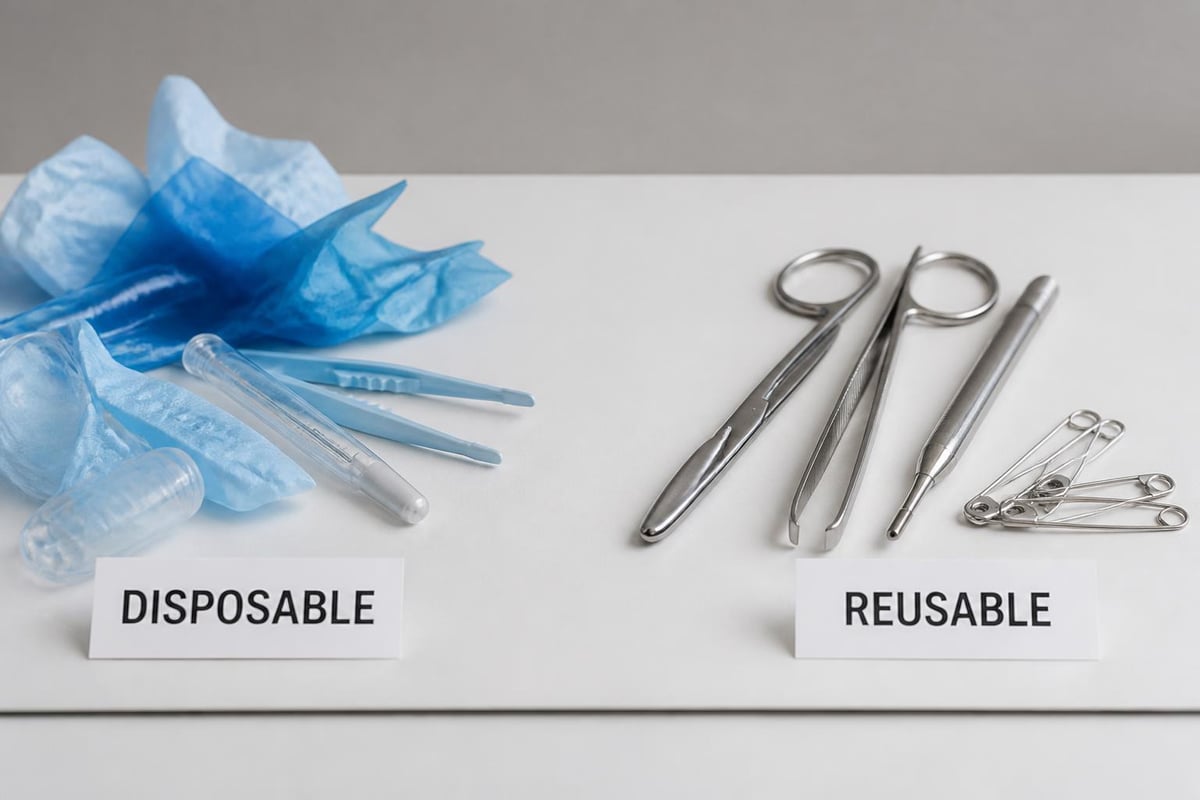
Medical instruments present unique sustainability challenges. Stainless steel scissors, tweezers, and safety pins offer inherent eco-friendliness through durability and recyclability. Quality stainless steel instruments last decades with proper care, eliminating repeated replacement cycles that burden landfills.
Thermometers require special consideration. Digital models containing batteries and electronic components create disposal concerns, while traditional glass thermometers risk mercury contamination. Modern green alternatives include gallium-based glass thermometers and digital models designed for battery replacement rather than complete unit disposal.
Medications and Treatments
Pharmaceutical products pose particular sustainability challenges due to regulatory requirements and sterility concerns. However, green first aid kit designers address these through thoughtful packaging choices:
- Tablets in recyclable glass bottles instead of plastic
- Ointments in aluminum tubes rather than plastic squeeze bottles
- Antiseptic wipes using biodegradable fabric and plant-based formulations
- Pain relievers packaged in minimal, recyclable materials
Understanding first aid content helps identify which medications genuinely serve emergency purposes versus items better stored separately in household medicine cabinets.
Compliance and Professional Standards
A critical concern for workplace environments, medical professionals, and serious preparedness enthusiasts involves whether green first aid kits meet regulatory requirements. The answer increasingly is yes, as manufacturers design sustainable products that comply with established safety standards.
Meeting HSE and OSHA Requirements
The Steroplast Eco-Friendly First Aid Kit available through FirstAid4Less demonstrates full compliance with Health and Safety Executive guidelines while maintaining eco-conscious design. This proves sustainability and regulatory adherence need not conflict.
Workplace safety requirements demand specific quantities and types of supplies based on employee headcount and workplace hazards. Green alternatives now exist for virtually every required component:
- Sterile dressings in recyclable packaging
- Eye wash solutions in refillable containers
- Triangular bandages from organic cotton
- Safety pins from recycled stainless steel
- Guidance leaflets on recycled paper or digital formats
Medical Efficacy Without Compromise
Paramedics and emergency medical professionals rightfully prioritize treatment effectiveness above all other considerations. Green first aid kit components must perform identically to conventional supplies during critical moments.
Extensive testing confirms bamboo fiber bandages provide equivalent adhesion, absorption, and protection compared to synthetic alternatives. The hypoallergenic properties actually offer advantages for patients with latex sensitivities or skin conditions. When properly stored, these products maintain sterility and effectiveness throughout their shelf life.
For professionals requiring trauma response capabilities, certain critical supplies like tourniquets and hemostatic gauze currently lack fully sustainable alternatives that meet tactical medical standards. In these cases, prioritizing life-saving effectiveness over environmental impact remains the appropriate choice while supporting ongoing research into eco-friendly options.
Selecting the Right Green First Aid Kit for Your Needs
Different environments and user groups require tailored approaches to sustainable emergency preparedness. A comprehensive selection process considers usage context, user expertise, and specific hazard exposures.
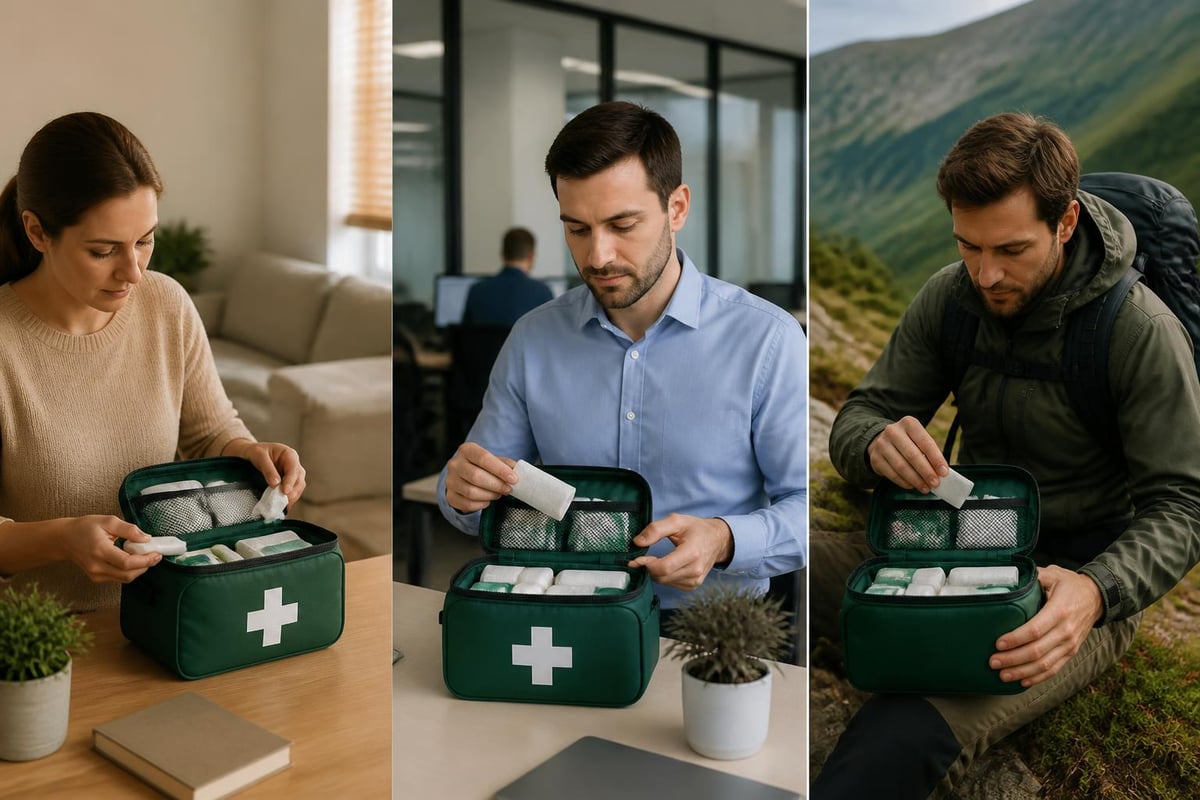
Home and Family Applications
Households benefit from comprehensive green first aid kits addressing common injuries: minor cuts, burns, sprains, and seasonal ailments. The PATCH Refillable First Aid Kit from GoGoRefill exemplifies home-appropriate design with its reusable tin and refillable components.
Family-focused kits should include:
- Variety of bandage sizes for children and adults
- Burn gel in recyclable containers
- Splinting materials from sustainable sources
- Child-safe medication options
- Instructional materials for common emergencies
Consider the EcoFreax PATCH Eco-Friendly First Aid Kit containing 77 pieces, which provides household-appropriate breadth while maintaining sustainable design principles.
Workplace and Commercial Settings
Commercial environments face dual pressures of regulatory compliance and corporate sustainability commitments. Green first aid kits serve both objectives when properly specified. Facilities should evaluate employee headcount, specific workplace hazards, and regulatory requirements before selection.
Manufacturing environments require enhanced eye protection and burn treatment supplies. Office settings emphasize basic wound care and comfort items. Food service operations need supplies resistant to contamination while meeting health department standards. Each context permits sustainable substitutions aligned with specific risks.
The EcoCentric Steroplast Eco-Friendly First Aid Kit demonstrates workplace-appropriate sustainable design, featuring reduced plastic packaging without compromising contents required for safety compliance.
Outdoor and Adventure Preparedness
Outdoor enthusiasts face unique considerations balancing pack weight, weather resistance, and environmental ethics. Sustainable outdoor first aid kits prioritize compact design, weather-resistant packaging, and materials appropriate for wilderness disposal if necessary.
Key outdoor considerations include:
| Factor | Conventional Approach | Green Alternative |
|---|---|---|
| Water Resistance | Plastic dry bags | Waxed canvas/Recycled nylon |
| Weight | Mixed materials | Lightweight bamboo products |
| Disposal Options | Carry out plastics | Compostable components |
| Durability | Synthetic materials | Reinforced natural fibers |
| Temperature Range | Chemical cold packs | Reusable gel packs |
Outdoor kits should align with Leave No Trace principles, minimizing environmental impact even during emergency use. Products like the Ivy & Fields Eco First Aid Kit provide trail-appropriate solutions in compact formats.
Maintenance and Lifecycle Management
Long-term sustainability extends beyond initial product selection to encompass proper maintenance, timely replacement, and responsible disposal practices. A truly green approach considers the complete lifecycle of emergency supplies.
Regular Inspection and Rotation
Eco-friendly first aid components generally have similar shelf lives to conventional alternatives, though some natural products may have shorter expiration periods. Implement quarterly inspection schedules to verify:
- Adhesive integrity on bandages
- Seal integrity on sterile items
- Expiration dates on medications
- Moisture damage to paper products
- Physical condition of reusable containers
This systematic approach mirrors med kit essentials maintenance while accounting for sustainable material properties. Document inspection dates and replace items approaching expiration to maintain readiness.
Sustainable Refill Programs
The refillable design philosophy represents perhaps the most significant sustainability advancement in first aid supplies. Rather than discarding entire kits when components expire, purchase individual replacement items in minimal packaging.
Progressive manufacturers offer refill programs specifically designed for their reusable containers. This approach dramatically reduces waste while maintaining medical readiness. Track usage patterns to identify frequently depleted items, then purchase refills in appropriate quantities.
Responsible Disposal Practices
Eventually, even durable components require disposal. Maximize sustainability through proper end-of-life handling:
- Compostable items (bamboo bandages, organic cotton): Add to home composting systems or commercial composting facilities where accepted
- Recyclable containers (metal tins, cardboard boxes): Process through municipal recycling programs
- Expired medications: Follow pharmacy take-back programs rather than landfill disposal
- Electronic components: Utilize e-waste recycling for digital thermometers and similar items
- Reusable instruments: Donate functional tools to schools, community organizations, or international aid groups
Understanding proper disposal methods completes the sustainability cycle, ensuring green first aid kits minimize environmental impact from acquisition through ultimate disposal.
Building Custom Sustainable Emergency Supplies
Pre-assembled green first aid kits offer convenience, but creating custom collections permits precise tailoring to specific needs while maximizing sustainability. This approach particularly benefits those with unique requirements or strong environmental commitments.
Sourcing Individual Components
Building from individual components requires more research but offers greater control over sustainability standards. Prioritize suppliers committed to environmental responsibility across their entire product lines.
Start with reusable containers appropriate to your application. Consider first aid kit bags made from recycled materials or organic fabrics. Metal tins, wooden boxes, and waxed canvas pouches provide durable, sustainable housing options.
Source individual supplies focusing on minimal packaging, certified organic materials, and documented sustainability practices. Many specialty retailers now offer bulk purchasing options for items like bamboo bandages, reducing per-unit packaging waste.
Balancing Sustainability with Preparedness
Custom kit building permits incorporating conventional items where sustainable alternatives don't yet exist or don't meet performance requirements. This pragmatic approach recognizes that effective emergency response takes precedence over absolute environmental purity.
For instance, high-performance hemostatic gauze currently lacks fully biodegradable equivalents meeting trauma care standards. Including such items in otherwise sustainable kits represents responsible preparedness rather than environmental compromise.
Similarly, certain specialized items like chest seals employ materials chosen primarily for medical performance. Balance these necessities with sustainable choices in categories offering viable green alternatives.
Documentation and Training
Include reference materials covering both emergency response procedures and proper supply usage. Digital resources accessed via smartphone reduce paper consumption while providing comprehensive guidance. Alternatively, select printed materials on recycled paper using vegetable-based inks.
Training family members, employees, or team members in proper first aid techniques ensures supplies achieve their intended purpose. The most sustainable first aid kit is one used effectively to prevent injury escalation, reducing overall medical resource consumption.
Cost Considerations and Value Analysis
Budget concerns legitimately influence first aid kit selection. Understanding the true cost of green first aid kits requires examining total lifecycle expenses rather than simply comparing initial purchase prices.
Initial Investment vs. Long-Term Value
Sustainable first aid supplies often carry higher upfront costs than conventional alternatives. A basic green first aid kit might cost 20-40% more than comparable traditional versions. However, this premium diminishes when considering long-term factors:
Durability advantages mean reusable containers and quality instruments outlast disposable alternatives, spreading costs across many years. A well-made metal tin outlasts dozens of plastic cases that crack, tear, or degrade.
Refill economics favor sustainable designs. Purchasing replacement bandages costs less than buying entirely new kits. Over five to ten years, the refillable approach typically costs 30-50% less than repeated conventional kit purchases.
Health benefits from hypoallergenic materials reduce secondary complications. Avoiding allergic reactions to latex or synthetic adhesives prevents additional medical expenses and lost productivity.
Organizational Sustainability Goals
For businesses and institutions, green first aid kits contribute to broader environmental, social, and governance (ESG) objectives. These contributions carry value beyond direct cost calculations:
- Enhanced corporate reputation among environmentally conscious customers
- Improved employee satisfaction from demonstrated environmental commitment
- Reduced waste disposal costs through minimized packaging
- Compliance advantages where regulations favor sustainable procurement
- Documentation support for sustainability reporting requirements
Organizations tracking carbon footprints, waste generation, or sustainable purchasing percentages find measurable benefits from green first aid kit adoption supporting broader institutional goals.
Accessibility and Market Availability
The expanding sustainable medical supply market increases accessibility and competitive pricing. Multiple manufacturers now offer green first aid kits at various price points, allowing budget-appropriate selections without sacrificing sustainability principles.
Compare options from different suppliers, evaluating not just price but also:
- Component quality and medical effectiveness
- Packaging sustainability and waste reduction
- Manufacturer environmental commitments
- Refill availability and pricing
- Compliance with relevant safety standards
This comprehensive evaluation identifies options delivering optimal value within budget constraints while supporting environmental objectives.
Future Developments in Sustainable Emergency Supplies
The green first aid kit market continues evolving rapidly as material science advances and consumer demand drives innovation. Understanding emerging trends helps inform current purchasing decisions and long-term planning.
Material Science Innovations
Research into biodegradable polymers promises new generations of medical supplies combining disposability with environmental responsibility. Scientists are developing plant-based materials matching or exceeding synthetic performance in strength, flexibility, and sterility maintenance.
Mycelium-based packaging materials grown from mushroom roots offer completely compostable alternatives to foam padding and protective cases. These materials provide cushioning and protection while breaking down rapidly in composting conditions.
Algae-derived adhesives show promise for medical applications, potentially replacing petroleum-based products in bandages and tapes. These renewable alternatives could dramatically reduce the carbon footprint of wound care supplies.
Circular Economy Integration
Progressive manufacturers increasingly adopt circular economy principles, designing products for complete lifecycle management. This approach creates closed-loop systems where materials continuously recycle rather than ending as waste.
Future green first aid kits may include take-back programs where manufacturers collect expired supplies for material recovery and reprocessing. Metal containers could be refurbished and resold. Textile components might be processed into new medical supplies or repurposed for non-medical applications.
Some companies experiment with modular designs allowing component-level replacement rather than discarding entire assemblies. This granular approach minimizes waste while maintaining functionality.
Technology Integration
Digital tools increasingly support sustainable first aid practices. Smartphone applications track expiration dates, provide usage instructions, and facilitate reordering specifically depleted items rather than purchasing complete kits.
Augmented reality features may soon guide users through emergency procedures while simultaneously documenting supply usage for efficient replacement. These systems optimize inventory management while reducing waste from over-purchasing or premature replacement.
Adopting a green first aid kit represents a practical step toward environmental responsibility without compromising emergency preparedness. By selecting sustainable materials, minimizing packaging waste, and implementing proper lifecycle management, individuals and organizations reduce environmental impact while maintaining medical readiness. Whether you're equipping a home, workplace, or outdoor adventure, Medical Gear Outfitters provides the expertise and high-quality supplies necessary to build effective emergency response capabilities grounded in both medical excellence and environmental stewardship.