First Aid Kit Individual: Essential Guide for 2026
Personal emergency preparedness has never been more critical, and having a properly stocked first aid kit individual can mean the difference between life and death in critical situations. Whether you're a military professional, outdoor enthusiast, or simply someone committed to being prepared, understanding what makes an effective individual first aid kit and how to use it properly is essential. This comprehensive guide explores everything you need to know about selecting, assembling, and maintaining your personal emergency medical supplies in 2026.
Understanding the First Aid Kit Individual Concept
A first aid kit individual, commonly known as an IFAK (Individual First Aid Kit), represents a personalized approach to emergency medical preparedness. Unlike general household or workplace kits designed for multiple users, an individual kit is specifically tailored to be carried by one person and used either for self-aid or buddy-aid in emergency situations.
The concept originated in military applications where soldiers needed immediate access to life-saving equipment. Today, this philosophy has expanded beyond combat environments to include law enforcement, emergency responders, outdoor adventurers, and everyday citizens who recognize the value of being prepared. The key distinction lies in portability, accessibility, and contents specifically designed for traumatic injuries that require immediate intervention.
Core Purpose and Applications
Individual first aid kits serve multiple critical functions across various scenarios. They provide immediate access to bleeding control supplies, airway management tools, and wound care materials when seconds count. The compact design ensures these items remain within arm's reach during emergencies, whether you're hiking remote trails, responding to workplace incidents, or facing unexpected medical crises.
Medical professionals emphasize that the first aid kit individual should focus on addressing the leading preventable causes of death in trauma situations. These include massive hemorrhaging, airway obstruction, and tension pneumothorax. By prioritizing equipment that addresses these specific threats, individuals maximize their ability to provide effective emergency care before professional medical help arrives.
Essential Components for Your Personal Kit
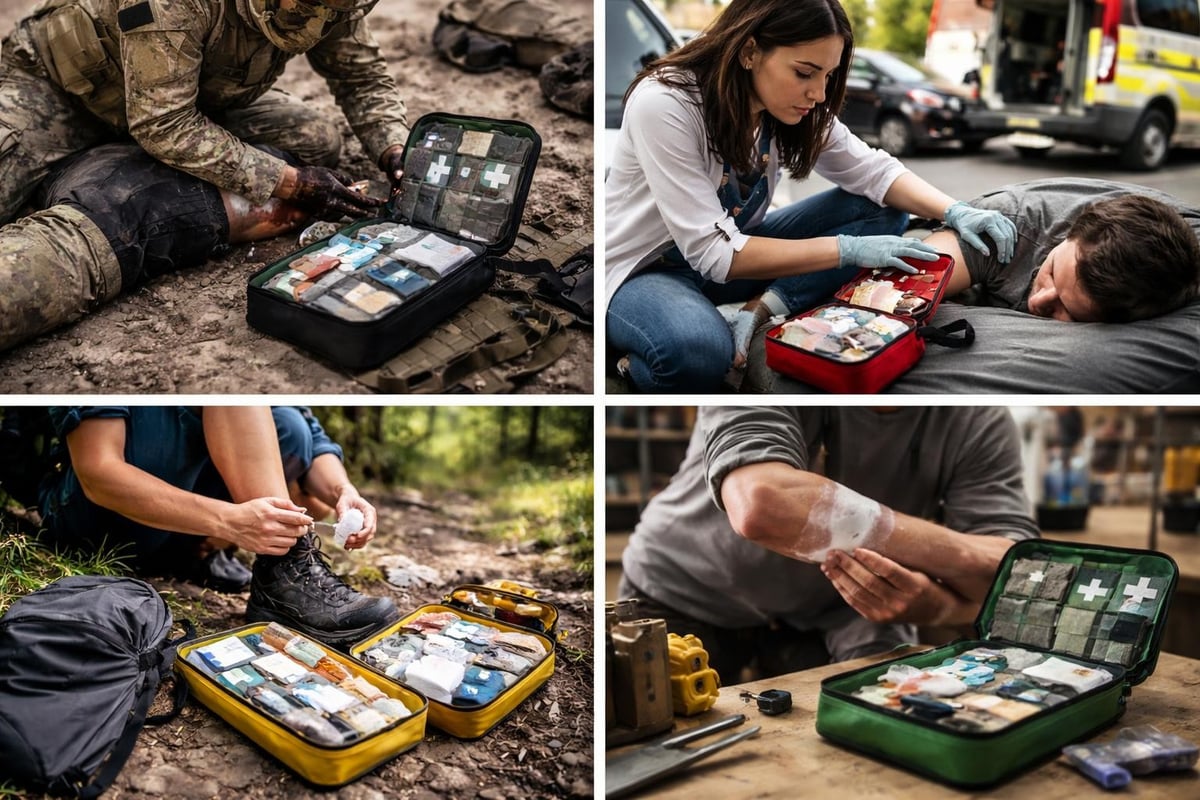
Building an effective first aid kit individual requires careful consideration of both basic and advanced medical supplies. Understanding the contents of an IFAK helps ensure you have the right tools when emergencies strike.
Hemorrhage Control Equipment
Bleeding control represents the most critical component of any individual kit. Uncontrolled hemorrhaging causes more preventable deaths in trauma situations than any other factor, making these supplies non-negotiable.
Essential bleeding control items include:
- Combat Application Tourniquet (CAT) or SOFTT-W tourniquet
- Hemostatic gauze (QuikClot Combat Gauze or equivalent)
- Compressed gauze for wound packing
- Pressure dressings (Israeli bandage or OLAES modular bandage)
- Chest seals for penetrating thoracic injuries
The STOP THE BLEED® initiative has significantly influenced modern individual kit design, emphasizing the importance of having proper bleeding control equipment immediately accessible. A quality tourniquet should always be positioned for rapid access, as arterial bleeding can result in death within minutes if not controlled immediately.
Airway Management Tools
Maintaining a clear airway ranks second only to hemorrhage control in trauma care priorities. Your first aid kit individual should include supplies to address airway compromise from various causes.
| Airway Tool | Primary Use | Skill Level Required |
|---|---|---|
| Nasopharyngeal Airway (NPA) | Unconscious patients with gag reflex | Basic |
| Chest Decompression Needle | Tension pneumothorax | Advanced |
| Compact suction device | Clearing blood/debris from airway | Intermediate |
Including chest seals addresses open chest wounds that can rapidly progress to life-threatening tension pneumothorax. Vented chest seals allow air to escape while preventing atmospheric air from entering the thoracic cavity, making them superior to improvised occlusive dressings.
Wound Care and Protection Supplies
Beyond immediate life threats, your individual kit should address wound management and infection prevention. These items help stabilize injuries until definitive medical care becomes available.
Sterile gauze pads in various sizes provide versatile wound coverage and absorption capabilities. Adhesive bandages handle minor cuts and abrasions, while medical tape secures dressings and improvised splints. Nitrile gloves protect both the rescuer and patient from cross-contamination, representing essential personal protective equipment in any medical intervention.
Military Standards and Civilian Applications
The evolution of the first aid kit individual draws heavily from military IFAK standards based on Tactical Combat Casualty Care (TCCC) guidelines. These battle-tested protocols have proven their effectiveness in the most demanding environments imaginable, making them excellent templates for civilian applications.
Military IFAKs prioritize equipment addressing the three leading causes of preventable death on the battlefield: extremity hemorrhage, tension pneumothorax, and airway obstruction. This same framework applies equally well to civilian trauma situations, whether from vehicle accidents, industrial incidents, or outdoor emergencies.
Adapting Military Concepts for Everyday Use
Civilian first aid kit individual configurations can learn from military standards while adapting to different threat profiles and legal considerations. Where military kits might include advanced interventions like surgical airways, civilian versions typically focus on techniques requiring less specialized training.
Key adaptations include:
- Emphasizing bleeding control equipment accessible to trained civilians
- Including medications for pain management and allergic reactions where legally appropriate
- Adding supplies for environmental injuries like burns, hypothermia, or heat-related illness
- Incorporating communication tools for summoning professional help
The basic first aid kit serves as a foundation, while individual needs and training levels determine additional components. Someone with advanced medical training might include airway adjuncts and decompression needles, while those with basic first aid certification focus on direct pressure, tourniquets, and wound management.
Proper Packing and Organization Strategies
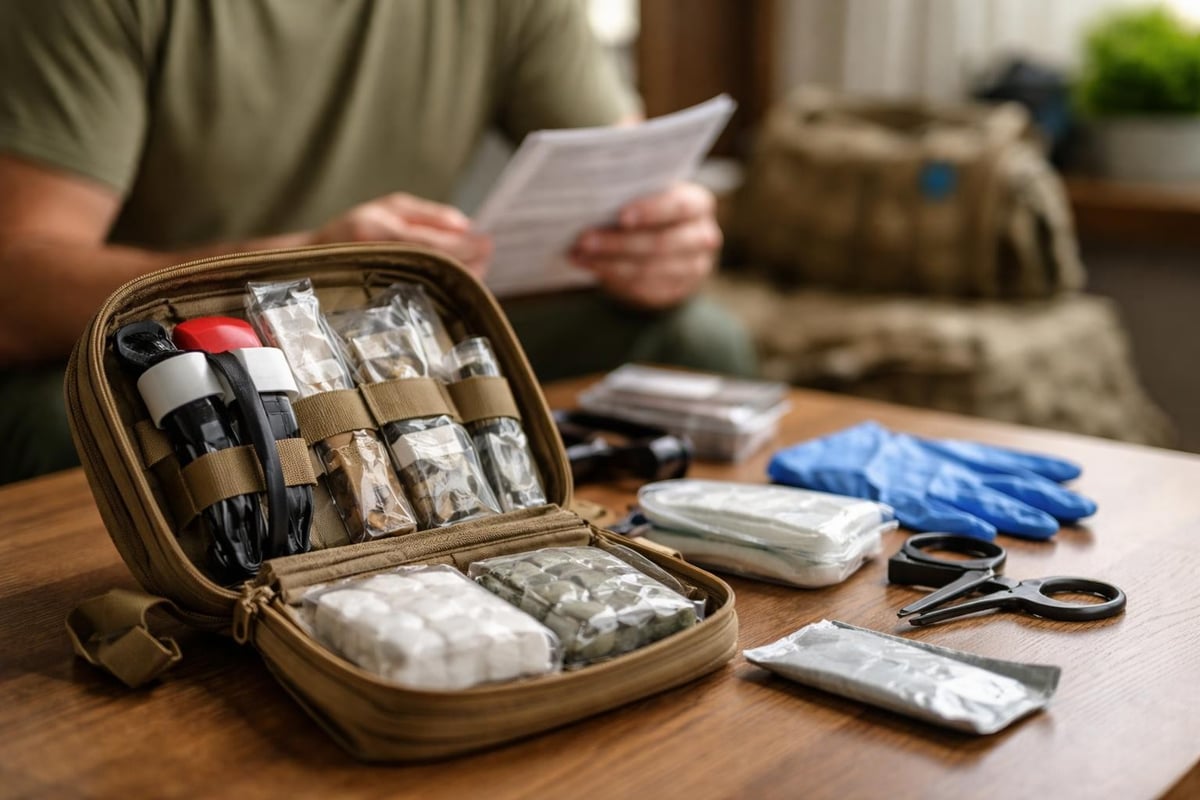
How you organize your first aid kit individual directly impacts its effectiveness during high-stress emergencies. Poor organization wastes precious seconds when every moment counts, potentially compromising outcomes.
Accessibility Hierarchy
Arrange supplies based on urgency and frequency of use. Tourniquets should be immediately accessible without opening pouches or containers. Many experienced practitioners keep tourniquets staged on their person separately from the main kit, ensuring zero delay in application during arterial hemorrhage emergencies.
The next priority level includes hemostatic gauze, pressure dressings, and chest seals-items needed for critical interventions but requiring slightly more assessment before application. These should occupy primary compartments with minimal access barriers.
| Priority Level | Items | Access Time Goal |
|---|---|---|
| Immediate | Tourniquet | Under 5 seconds |
| Critical | Hemostatic gauze, pressure dressing, chest seals | 10-15 seconds |
| Important | Compressed gauze, airway tools, gloves | 20-30 seconds |
| Supplemental | Bandages, tape, medications | 30-60 seconds |
Basic wound care supplies, medications, and supplemental items can occupy secondary compartments. While important, these items typically address less immediately life-threatening situations, allowing for slightly longer retrieval times.
Packaging and Protection Considerations
Individual kit containers must balance protection, portability, and accessibility. Hard cases offer superior protection for contents but add weight and bulk. Soft pouches reduce weight and conform to body contours better but provide less protection against crushing or water intrusion.
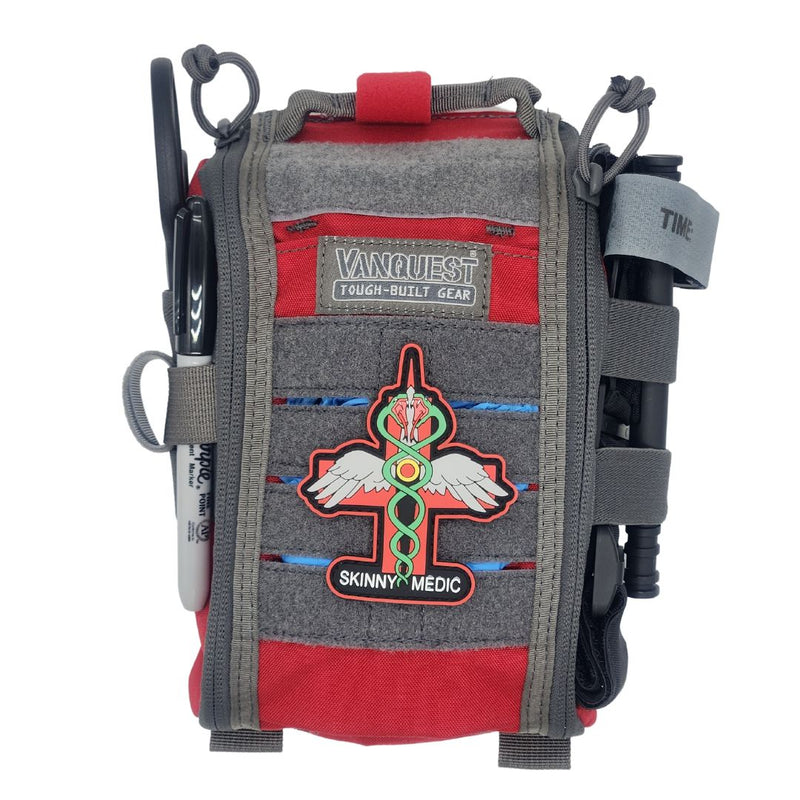
Many professionals prefer purpose-built medical pouches that attach to belts, bags, or tactical gear using MOLLE webbing. This system keeps the first aid kit individual separate from other equipment while maintaining immediate accessibility. The pouch color can aid identification-bright colors for civilian applications where visibility helps, subdued colors for tactical environments.
Vacuum-sealed packaging reduces bulk for compressed gauze and keeps sterile items protected until needed. However, consider partially opening vacuum seals on items you might need in darkness or under stress, as fighting with packaging during emergencies wastes critical time and mental resources.
Training and Skill Development
Owning a first aid kit individual means nothing without the knowledge and skills to use its contents effectively. Equipment doesn't save lives-properly trained people using appropriate equipment save lives.
Foundational Training Requirements
At minimum, anyone carrying an individual first aid kit should complete basic bleeding control training through programs like STOP THE BLEED®. This free community program teaches tourniquet application, wound packing with hemostatic gauze, and direct pressure techniques. Many hospitals, fire departments, and emergency management agencies offer these courses regularly throughout the year.
Building on this foundation, wilderness first aid courses address environmental emergencies and prolonged care scenarios where professional help may be hours or days away. These programs teach improvisation skills, assessment techniques, and decision-making frameworks applicable far beyond outdoor settings.
Progressive training pathway:
- Basic First Aid and CPR certification
- STOP THE BLEED® hemorrhage control training
- Wilderness First Aid or equivalent
- Advanced courses based on specific needs and interests
- Regular skills maintenance and scenario practice
Advanced medical professionals might pursue Tactical Combat Casualty Care courses, Tactical Emergency Casualty Care training, or similar programs that address complex trauma management. However, training should always match your legal scope of practice and realistic intervention scenarios you might face.
Practice and Skill Maintenance
Skills degrade without regular practice. Medical research shows significant performance decline in critical procedures when providers don't practice regularly, with some studies indicating up to 50% skill degradation within six months of initial training.
Schedule quarterly practice sessions using training aids or expired medical supplies. Practice tourniquet application on yourself and others until it becomes automatic. Run through scenarios mentally, visualizing where your supplies are located and the steps required to access and apply them under stress.
Consider joining community emergency response teams or volunteering with organizations that provide regular training and real-world experience. This exposure maintains skills while contributing to community resilience and emergency preparedness.
Maintenance and Inspection Protocols
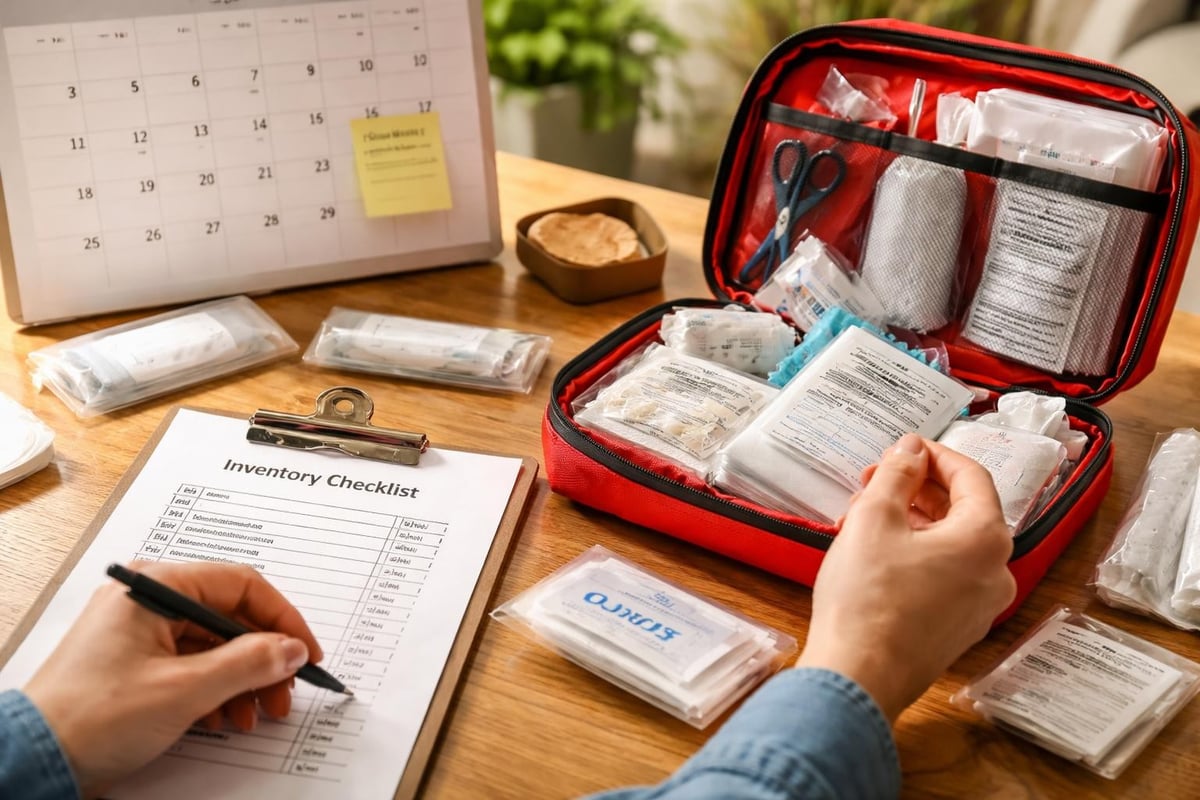
A first aid kit individual requires regular maintenance to ensure reliability when needed. Neglected kits often contain expired medications, damaged supplies, or missing components discovered only during emergencies.
Regular Inspection Schedule
Establish a quarterly inspection routine examining every item in your kit. Check expiration dates on medications, hemostatic agents, and chest seals. While many supplies remain functional beyond printed dates, hemostatic gauze and certain medications lose effectiveness over time, potentially compromising emergency interventions.
Inspect packaging integrity for all sterile items. Torn, punctured, or wet packaging compromises sterility, turning medical supplies into contamination sources. Replace any items with compromised packaging immediately, regardless of expiration dates.
Verify that all expected items remain present and properly stored. It's surprisingly common for supplies to migrate from individual kits during other activities or training sessions. Use a printed checklist matching your standard kit configuration to verify completeness during each inspection.
Environmental Considerations
Store your first aid kit individual in environments that protect contents from extreme temperatures, moisture, and physical damage. Vehicle storage presents particular challenges, as interior temperatures can exceed 150°F during summer months, degrading medications and adhesives.
If vehicle storage is necessary, use insulated containers or store kits in climate-controlled areas like passenger compartments rather than trunks. Consider seasonal rotation, moving kits indoors during extreme weather periods.
After any use, immediately inspect and resupply the kit. The worst time to discover missing supplies is during the next emergency. Keep backup supplies available for quick restocking, or establish relationships with suppliers offering rapid replenishment services.
Customization Based on Specific Needs
While core components remain consistent, the ideal first aid kit individual varies based on individual circumstances, activities, and risk profiles. Customization ensures your kit addresses the most likely scenarios you'll encounter.
Activity-Specific Modifications
Outdoor enthusiasts need supplies addressing environmental emergencies beyond typical trauma. Consider adding treatment for burns, hypothermia, hyperthermia, snake bites, and insect stings when appropriate. Specialized sting and bite treatment supplies address common wilderness medical issues rarely encountered in urban settings.
Urban environments present different challenges, with penetrating trauma and mass casualty incidents representing higher probability threats. Urban-focused kits might include additional tourniquets, multiple chest seals, and bleeding control supplies sufficient for multiple patients.
Medical History and Personal Needs
Individuals with specific medical conditions should customize kits accordingly. Those with severe allergies require epinephrine auto-injectors positioned for immediate access. Diabetics might include glucose tablets or emergency insulin supplies. Anyone taking anticoagulants faces higher bleeding risks, potentially warranting additional hemostatic agents.
Consider family members and frequent companions when building your kit. If you regularly adventure with children, include pediatric-sized equipment and supplies addressing common childhood emergencies. Traveling with elderly individuals might warrant cardiac medications or supplies for chronic condition management.
Integration with Broader Emergency Preparedness
Your first aid kit individual represents one component of comprehensive emergency preparedness. Effective integration with communication plans, evacuation strategies, and broader medical supplies enhances overall readiness.
Layered Medical Supply Systems
Think of medical preparedness in layers, with your individual kit representing immediate personal capability. This supplements, rather than replaces, more comprehensive supplies stored in vehicles, homes, or workplaces.
Recommended supply layers:
- Level 1: First aid kit individual carried on person
- Level 2: Enhanced vehicle or day pack kit with expanded supplies
- Level 3: Home medical cache with prescription medications and chronic care supplies
- Level 4: Community resources and professional medical facilities
This layered approach ensures appropriate resources regardless of scenario or location. The individual kit handles immediate emergencies and buys time to access more comprehensive supplies or professional care.
Communication and Coordination
The best medical supplies prove useless if help cannot be summoned or coordinated. Ensure your emergency plans include reliable communication methods, from cell phones and satellite messengers to personal locator beacons in remote areas.
Document medical information including allergies, current medications, and relevant conditions in your kit. During emergencies, this information helps both you and professional responders provide appropriate care. Consider using standardized medical information cards or digital health records accessible to emergency personnel.
Legal and Regulatory Considerations
Understanding legal frameworks surrounding first aid kit individual ownership and use helps ensure compliance while maximizing preparedness capabilities. Regulations vary significantly between jurisdictions and applications.
Workplace Requirements
ANSI Standard Z308.1 establishes minimum requirements for workplace first aid kits, though these specifications differ substantially from individual trauma-focused kits. Employers maintain responsibility for workplace kit compliance, while individual employees may carry personal kits supplementing employer-provided resources.
Some industries, particularly construction, manufacturing, and law enforcement, recognize or even encourage personal medical kit carry by trained personnel. Discuss organizational policies before bringing individual kits into work environments, ensuring alignment with safety protocols and liability considerations.
Scope of Practice Limitations
Using medical equipment carries legal implications regarding scope of practice and good Samaritan protections. Most jurisdictions provide legal protection for laypersons rendering emergency aid in good faith, but protections vary based on training level, specific interventions performed, and circumstances surrounding the emergency.
Training certifications generally establish your scope of practice-the procedures you're legally and ethically permitted to perform. Operating beyond your training invites liability and may cause patient harm. Focus on equipment you're trained to use properly rather than accumulating advanced supplies requiring specialized expertise.
Building Your First Individual Kit
Starting your first aid kit individual journey can feel overwhelming given the options and information available. A systematic approach ensures you build capability progressively without unnecessary expense or complexity.
Starting Simple
Begin with bleeding control fundamentals: one quality tourniquet, hemostatic gauze, pressure dressing, and nitrile gloves. This minimal kit addresses the single most preventable cause of trauma death and represents the highest-value investment possible in emergency preparedness.
From this foundation, add chest seals and compressed gauze, expanding capability to address thoracic injuries and general wound packing needs. Next, incorporate basic wound care supplies-sterile gauze pads, adhesive bandages, and medical tape-handling minor injuries that, while not life-threatening, benefit from prompt treatment.
Quality Over Quantity
Resist the temptation to accumulate every medical supply available. A compact kit containing high-quality, familiar items you've trained with extensively outperforms larger collections of unfamiliar equipment. Medical Gear Outfitters emphasizes the importance of industry standards and quality certifications when selecting supplies.
Invest in proven equipment from reputable manufacturers. Combat Application Tourniquets, for example, have documented thousands of lives saved in both military and civilian applications. While generic alternatives cost less, the proven reliability of established equipment justifies the investment when lives hang in the balance.
| Component Category | Budget Option | Premium Option | Key Difference |
|---|---|---|---|
| Tourniquet | Generic windlass TQ | CAT Gen 7 | Proven track record, extensive training resources |
| Hemostatic Gauze | Celox Gauze | QuikClot Combat Gauze | Military testing data, handling characteristics |
| Pressure Dressing | Generic compression bandage | Israeli Bandage | Ease of application, pressure bar design |
| Chest Seal | Basic occlusive dressing | HyFin Vent | One-way valve technology, dual seal design |
Advanced Considerations for Experienced Providers
Those with advanced medical training and experience can expand their first aid kit individual capabilities beyond basic trauma management, though doing so requires careful consideration of legal, ethical, and practical factors.
Enhanced Airway Management
Advanced providers might include nasopharyngeal airways sized appropriately for expected patients. These simple adjuncts maintain airway patency in unconscious patients with intact gag reflexes, requiring minimal training beyond proper sizing and insertion technique.
Decompression needles address tension pneumothorax, a rapidly fatal condition resulting from certain chest injuries. However, needle decompression requires significant training, proper patient assessment skills, and appropriate legal scope of practice. Many jurisdictions restrict this intervention to licensed medical professionals or specifically certified emergency responders.
Medication Considerations
Including medications in individual kits presents complex legal and practical considerations. Prescription medications generally require appropriate prescriptions, limiting options for laypersons. However, some providers obtain prescriptions for emergency medications they're trained to administer, from epinephrine for anaphylaxis to pain management medications for trauma patients.
Over-the-counter medications like aspirin, acetaminophen, and antihistamines address common minor complaints without prescription requirements. Consider packaging these in clearly labeled, waterproof containers with dosing information readily accessible during stressful situations.
Real-World Application Scenarios
Understanding how first aid kit individual components apply in realistic scenarios helps reinforce the connection between equipment and outcomes. These examples illustrate decision-making processes and intervention priorities during emergencies.
Scenario One: Severe Laceration During Outdoor Activity
A hiker suffers a deep laceration to the forearm from a fall onto sharp rocks. Bright red blood pulses from the wound, indicating arterial involvement. The nearest hospital is 45 minutes away by vehicle, plus 30 minutes hiking to reach the trailhead.
Intervention sequence:
- Apply direct pressure with gloved hands while assessing injury severity
- Determine tourniquet is necessary due to arterial bleeding not controlled by direct pressure
- Apply tourniquet 2-3 inches above the wound, tightening until bleeding stops
- Note time of tourniquet application
- Pack wound with hemostatic gauze after tourniquet controls bleeding
- Apply pressure dressing over packed wound
- Initiate evacuation while monitoring patient for shock
This scenario demonstrates why the first aid kit individual prioritizes bleeding control equipment. Without a tourniquet and hemostatic gauze, this patient faces potential death from hemorrhage before reaching definitive care.
Scenario Two: Motor Vehicle Collision Response
Witnessing a serious vehicle collision, you approach to render aid and find an unconscious driver with a penetrating chest wound from dashboard intrusion. Bubbling sounds indicate air movement through the chest wall.
Critical interventions:
- Ensure scene safety before approaching
- Call 911 immediately (or direct bystanders to call)
- Don gloves for infection control
- Apply chest seal over penetrating wound
- Position patient if possible to optimize breathing
- Monitor for signs of tension pneumothorax requiring seal removal
- Provide information to arriving EMS personnel
Access to chest seals in your individual kit enables appropriate treatment for this immediately life-threatening injury. Without proper occlusive dressing, the patient risks rapidly developing tension pneumothorax as air accumulates in the thoracic cavity.
Building and maintaining a proper first aid kit individual represents a critical investment in personal and community safety, providing the tools and confidence to intervene effectively during medical emergencies. Understanding core components, proper organization, required training, and maintenance protocols ensures your kit remains ready when needed most. Whether you're assembling your first individual kit or upgrading existing capabilities, Medical Gear Outfitters offers paramedic-selected equipment, expert guidance, and the training resources necessary to transform emergency preparedness from concept into confident capability.