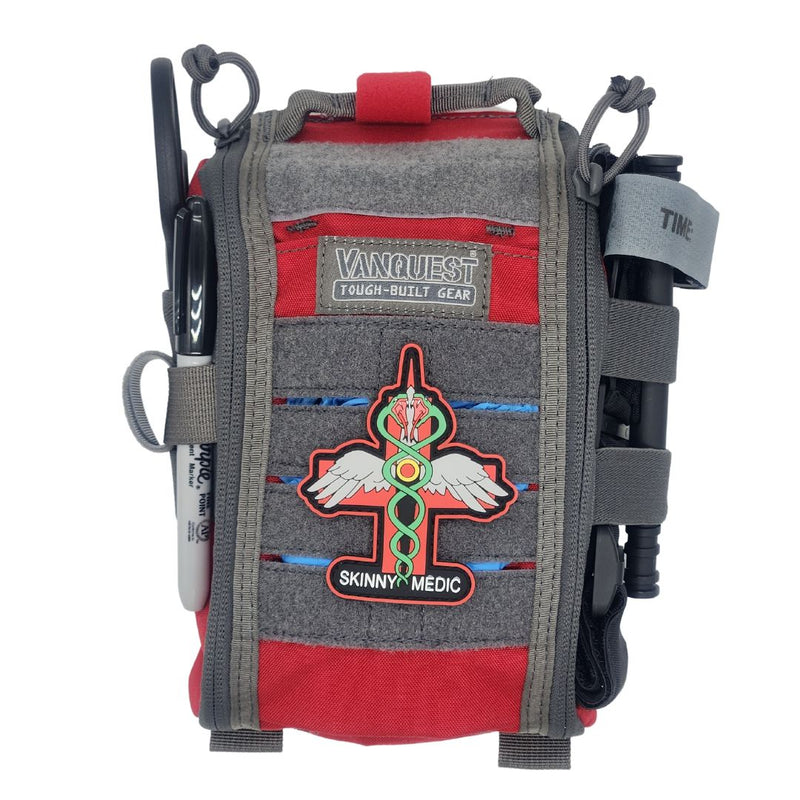
First Aid Kit in Vehicle: Essential Guide for 2026
Every year, millions of Americans experience vehicle-related incidents ranging from minor fender benders to serious accidents requiring immediate medical attention. Whether you're commuting to work, embarking on a cross-country road trip, or transporting your family, having a properly equipped first aid kit in vehicle storage can mean the difference between a minor inconvenience and a life-threatening situation. Beyond personal preparedness, certain commercial drivers face legal requirements for maintaining medical supplies, making it essential to understand both the practical and regulatory aspects of vehicle first aid readiness.
Why Every Vehicle Needs a First Aid Kit
Road emergencies don't announce themselves in advance. A first aid kit in vehicle storage provides immediate access to critical medical supplies when every second counts.
Medical response times vary dramatically depending on location. In urban areas, emergency medical services typically arrive within 8-10 minutes, while rural locations can experience delays of 30 minutes or longer. During this critical window, having the right supplies and knowledge can stabilize injuries, prevent complications, and potentially save lives.
Consider these common scenarios where a vehicle first aid kit proves invaluable:
- Motor vehicle accidents resulting in cuts, abrasions, or more serious trauma
- Heat-related illnesses during summer travel, particularly in children or elderly passengers
- Allergic reactions from insect stings or food consumed during trips
- Minor burns from hot engine components during roadside repairs
- Cardiac emergencies requiring CPR or automated external defibrillator use
The American Red Cross emphasizes vehicle preparedness by recommending specific supplies tailored to different vehicle types and travel patterns. Understanding first aid kit fundamentals establishes a foundation for selecting appropriate vehicle-specific supplies.
Legal Requirements for Commercial Vehicles
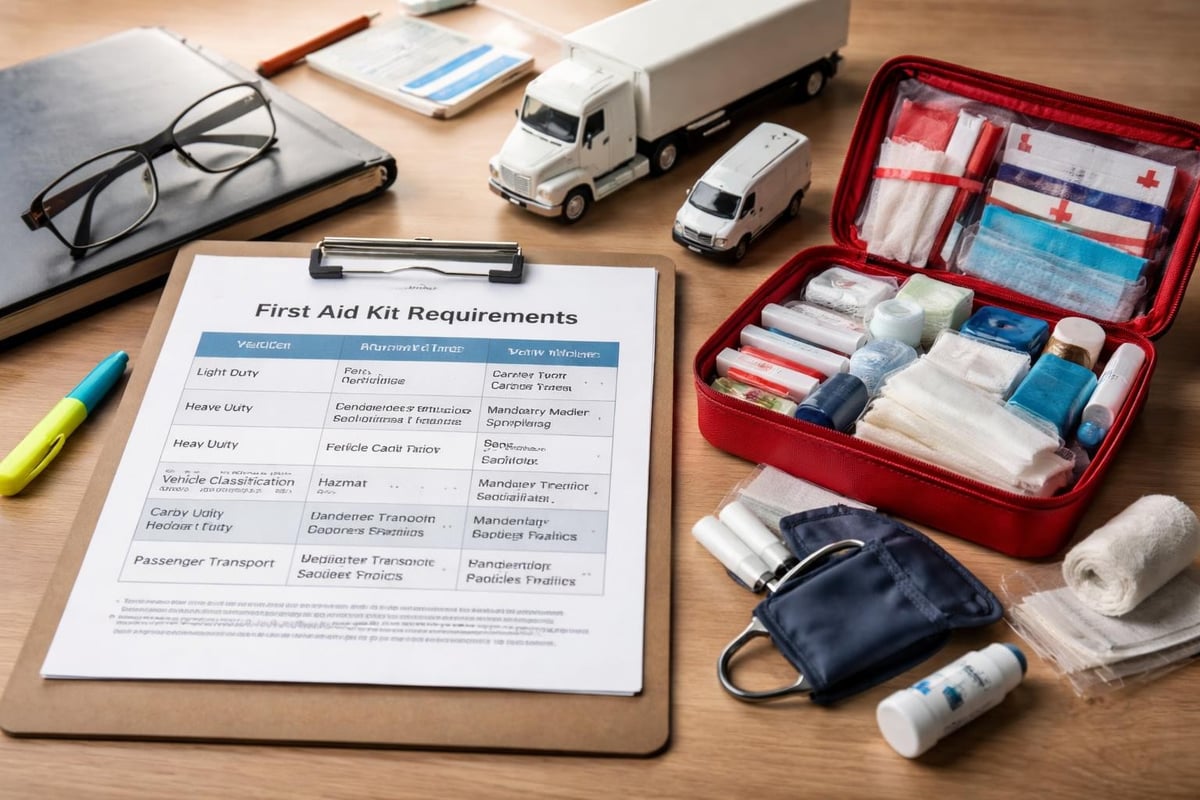
Commercial drivers must navigate a complex landscape of federal and state regulations regarding medical supplies. DOT first aid kit requirements for commercial vehicles vary based on vehicle classification, cargo type, and number of passengers.
Federal Motor Carrier Safety Administration Standards
The FMCSA establishes baseline requirements for interstate commercial vehicles. These regulations mandate that certain vehicle classes maintain approved first aid kits accessible to drivers at all times.
Key compliance considerations include:
- Kit contents must meet minimum federal standards for item quantities
- Supplies require inspection and replacement before expiration dates
- Documentation of kit maintenance must accompany vehicle logs
- Additional requirements apply to vehicles transporting hazardous materials
| Vehicle Type | First Aid Kit Required | Additional Requirements |
|---|---|---|
| Passenger vehicles (16+ passengers) | Yes | Accessible without tools |
| Hazmat carriers | Yes | Specialized burn treatment |
| General freight trucks | Recommended | State-specific variations |
| Personal vehicles | No federal requirement | State laws may vary |
Commercial drivers should verify their specific obligations with their carrier and state transportation authorities, as regulations continue to evolve throughout 2026.
Essential Components of a Vehicle First Aid Kit
Building an effective first aid kit in vehicle storage requires balancing comprehensive coverage with space constraints and environmental considerations. Unlike home kits, vehicle supplies must withstand temperature fluctuations, vibration, and limited storage space.
Core Medical Supplies
Wound care forms the foundation of any vehicle first aid kit. These supplies address the most common injuries encountered in roadside emergencies.
- Adhesive bandages in multiple sizes (minimum 40 assorted)
- Sterile gauze pads (4x4 inches, at least 10 count)
- Rolled gauze bandages for securing dressings
- Medical tape (hypoallergenic and cloth varieties)
- Antiseptic wipes for wound cleaning
- Antibiotic ointment packets
Triangular bandages serve multiple purposes, functioning as slings, pressure dressings, or securing splints. Their versatility makes them invaluable in vehicle kits where space is at a premium.
Trauma and Emergency Supplies
Serious accidents demand more advanced interventions. Professional-grade trauma supplies transform a basic kit into a comprehensive emergency response system.
Critical trauma items include:
- Tourniquets for life-threatening extremity bleeding
- Hemostatic gauze to accelerate clotting in severe wounds
- Chest seals for penetrating torso injuries
- Pressure bandages combining gauze and compression
- Emergency blankets for shock and hypothermia prevention
The FATPACK 7x10 Response Kit exemplifies compact trauma preparedness, fitting extensive supplies into a vehicle-friendly package. These response kits bridge the gap between basic first aid and professional medical intervention.
Medications and Treatment Supplies
Over-the-counter medications address common ailments that can occur during travel. Stock these in sealed, clearly labeled containers to prevent degradation.
| Medication Category | Specific Items | Primary Uses |
|---|---|---|
| Pain relievers | Acetaminophen, ibuprofen | Headaches, minor pain, fever |
| Antihistamines | Diphenhydramine | Allergic reactions, insect stings |
| Digestive aids | Antacids, anti-diarrheal | Stomach upset, motion sickness |
| Topical treatments | Hydrocortisone, burn gel | Rashes, minor burns, skin irritation |
Tools and Equipment
Medical supplies require proper tools for effective application. Include scissors designed to cut through clothing and seat belts, tweezers for splinter removal, and disposable gloves to maintain infection control.
Temperature-sensitive items present unique challenges in vehicles. Medications and certain supplies can degrade when exposed to extreme heat or freezing temperatures common in parked vehicles. Consider insulated storage compartments or remove temperature-sensitive items during seasonal extremes.
Specialized Kits for Different Vehicles and Situations
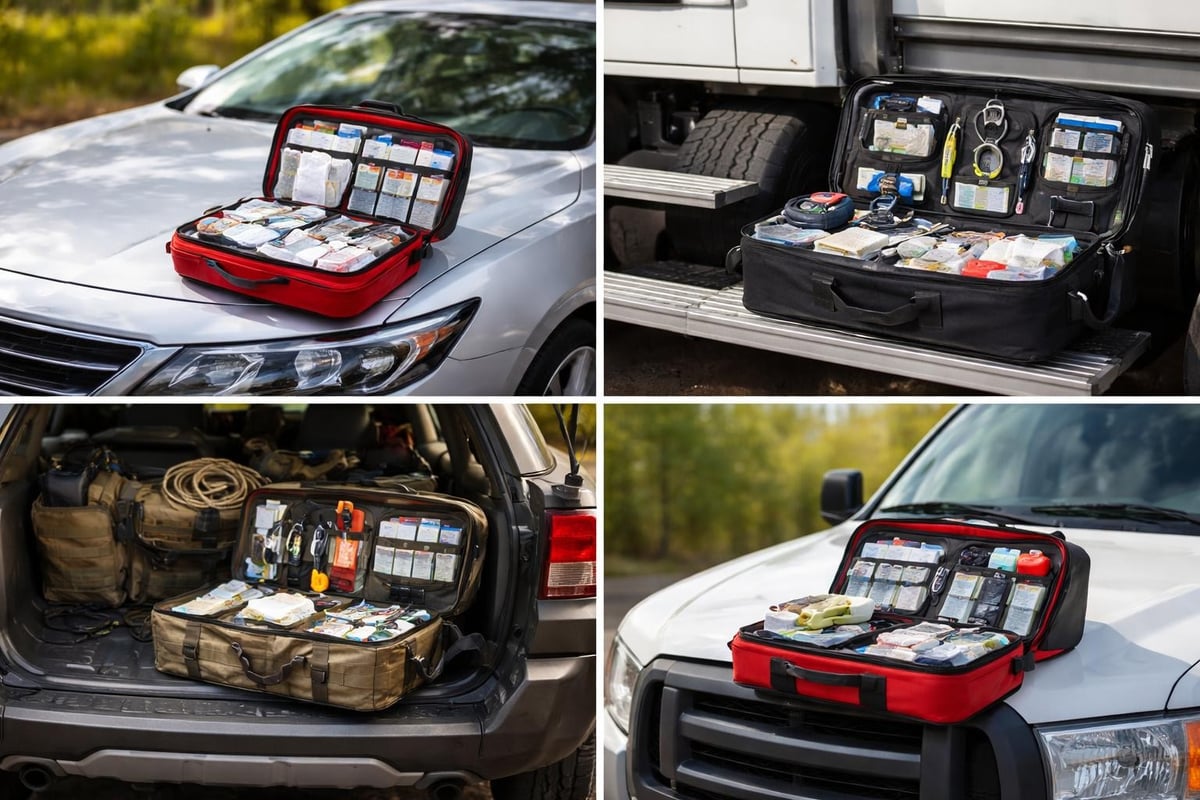
Vehicle type and intended use significantly influence first aid kit design. A compact sedan requires different considerations than an off-road vehicle or recreational vehicle.
Personal Passenger Vehicles
Most family vehicles benefit from comprehensive basic first aid coverage. Space constraints typically limit storage to under-seat compartments, glove boxes, or trunk areas.
Optimal placement strategies:
- Under the driver or passenger seat for quick access
- Secured in trunk organizers to prevent shifting during transit
- Door panel pouches for compact emergency supplies
- Center console storage for frequently needed items
Families with young children should supplement standard supplies with pediatric-specific items including child-sized bandages, fever reducers in appropriate dosages, and sting relief treatments for outdoor activities.
Off-Road and Adventure Vehicles
Enthusiasts venturing beyond paved roads face increased injury risks from rough terrain, remote locations, and extended distances from professional medical care. These vehicles require enhanced first aid capabilities.
Adventure vehicle considerations include:
- Waterproof storage containers protecting supplies from moisture and dust
- Expanded trauma supplies for serious injuries in remote areas
- Communication devices to coordinate emergency response
- Extended medication supplies for multi-day excursions
- Snake bite kits in appropriate geographic regions
Commercial Fleets and Delivery Vehicles
Fleet managers must standardize first aid supplies across multiple vehicles while ensuring driver compliance and proper maintenance. Professional trauma kits designed for commercial applications streamline this process.
Regular inventory schedules prevent supply depletion and ensure expiration dates don't lapse unnoticed. Many fleet operators implement quarterly inspection protocols, documenting kit contents and replacing used or expired items.
Assembling vs. Purchasing Pre-Made Kits
The decision between building a custom first aid kit in vehicle storage or purchasing a pre-assembled solution involves tradeoffs between cost, customization, and convenience.
Benefits of Custom Assembly
Creating a personalized kit allows precise matching to specific needs, medical conditions, and risk profiles. Individuals with allergies, chronic conditions, or specialized training can include targeted supplies unavailable in standard kits.
Customization advantages:
- Selection of professional-grade components rather than basic consumer products
- Elimination of unnecessary items that consume valuable space
- Addition of prescription medications or specialized equipment
- Cost optimization through bulk purchasing of frequently used items
Resources like basic first aid kit guides provide frameworks for custom assembly while ensuring comprehensive coverage.
Pre-Made Kit Advantages
Commercially prepared kits offer immediate deployment, regulatory compliance, and expert curation. Reputable manufacturers employ medical professionals to design balanced supply assortments meeting diverse emergency scenarios.
Quality pre-made kits eliminate decision paralysis for those unfamiliar with medical supplies. They arrive ready for immediate vehicle installation with organized compartments facilitating rapid item location during stressful situations.
| Consideration | Custom Assembly | Pre-Made Kits |
|---|---|---|
| Initial cost | Potentially lower | Higher upfront investment |
| Customization | Complete control | Limited modification |
| Time investment | Significant research and shopping | Immediate deployment |
| Compliance | Requires verification | Typically meets standards |
| Quality control | Dependent on buyer knowledge | Professional curation |
Maintaining and Updating Your Vehicle First Aid Kit
A first aid kit in vehicle storage requires regular maintenance to ensure reliability when emergencies strike. Environmental factors, supply expiration, and usage depletion all impact kit effectiveness.
Inspection Schedule
Establish a consistent review schedule aligned with other vehicle maintenance activities. Many owners inspect first aid supplies during oil changes or seasonal tire rotations, creating a sustainable habit.
Quarterly inspection checklist:
- Verify all medication expiration dates
- Replace used or missing supplies
- Check packaging integrity for sterile items
- Confirm adhesive products remain sticky
- Test battery-powered equipment like thermometers or flashlights
Temperature extremes common in vehicles accelerate medication degradation. Items exposed to summer heat or winter freezing may require replacement even before labeled expiration dates.
Restocking After Use
Post-emergency restocking should occur immediately after deploying supplies. Delaying replacement risks encountering a subsequent emergency with depleted resources.
Maintain inventory records documenting:
- Items used and quantities consumed
- Replacement dates and sources
- Expiration dates for new supplies
- Total kit value for insurance purposes
Medical Gear Outfitters bulk supplies enable cost-effective restocking of frequently used items without purchasing entirely new kits.
Training and Knowledge Requirements
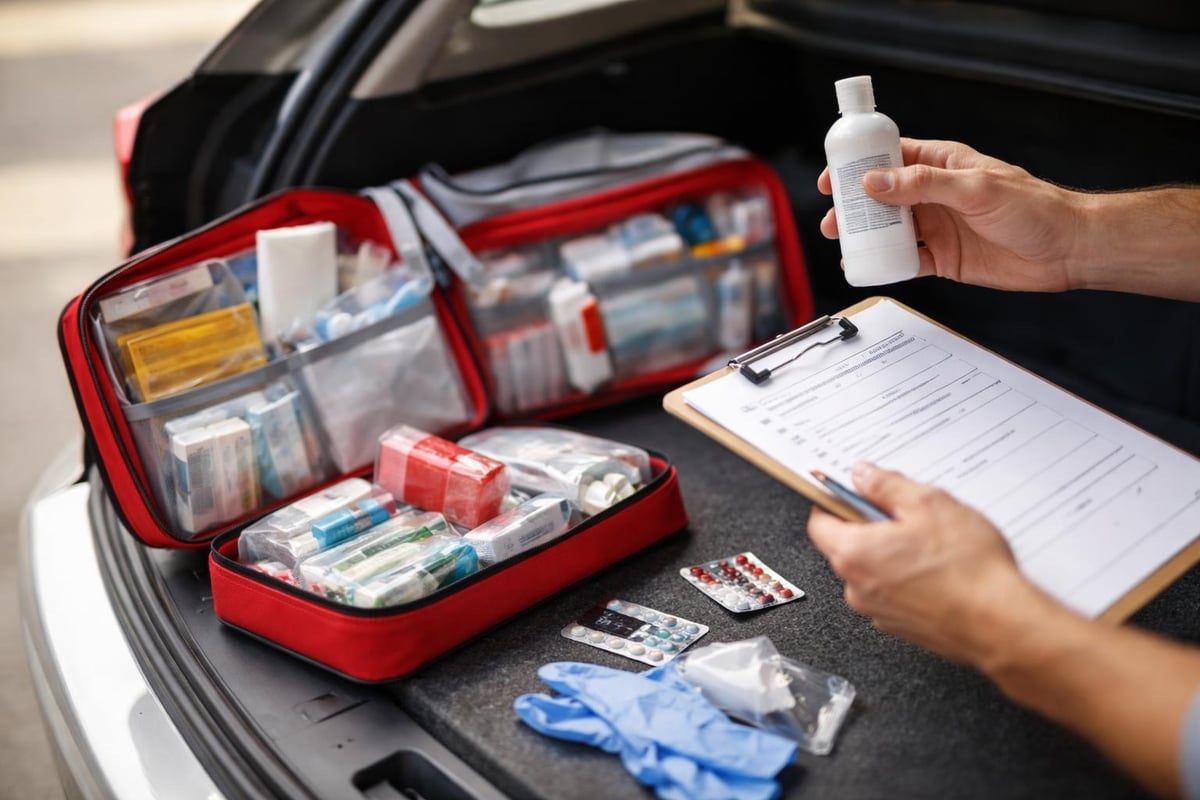
Equipment effectiveness depends entirely on user competency. The most comprehensive first aid kit in vehicle storage provides minimal benefit without proper training in emergency response techniques.
Essential Skills for Vehicle Emergencies
Basic first aid certification should be considered mandatory for anyone maintaining vehicle medical supplies. Organizations like the American Red Cross, American Heart Association, and local community colleges offer standardized training programs.
Critical competencies include:
- CPR and automated external defibrillator operation
- Bleeding control including tourniquet application
- Wound cleaning and dressing techniques
- Splinting for suspected fractures
- Recognition of shock, stroke, and heart attack symptoms
Certification courses typically require renewal every two years, ensuring skills remain current with evolving emergency medicine best practices.
Advanced Training for Remote Travel
Adventurers and professionals operating in remote environments benefit from wilderness first aid or wilderness first responder certification. These extended courses address prolonged care scenarios where professional medical assistance may be hours or days away.
Advanced training topics cover:
- Extended patient monitoring during evacuation delays
- Improvisation when standard supplies are unavailable
- Environmental emergency management (hypothermia, heat stroke, altitude sickness)
- Decision-making frameworks for evacuation versus on-site treatment
- Communication protocols with remote rescue services
Professional training complements quality equipment. Understanding IFAK contents and their applications ensures confident deployment during critical moments.
Integration with Broader Emergency Preparedness
A first aid kit in vehicle storage represents one component of comprehensive emergency readiness. Coordinating medical supplies with other safety equipment creates a robust response system for diverse scenarios.
Complementary Emergency Equipment
Medical emergencies often accompany mechanical failures, weather events, or navigational errors. A complete vehicle emergency system addresses multiple contingency categories.
Essential non-medical emergency supplies:
- Flashlight with extra batteries or hand-crank power
- Emergency flares or reflective warning triangles
- Multi-tool or basic hand tool set
- Jumper cables or portable battery jump starter
- Fire extinguisher rated for automotive fires
- Emergency contact information and insurance documentation
Winter travel demands additional provisions including blankets, non-perishable food, water, and cold-weather clothing. These items support survival during extended roadside waits in harsh conditions.
Communication and Location Technology
Modern technology enables rapid emergency service contact and precise location sharing. Ensure mobile devices remain charged through vehicle USB ports or dedicated power banks.
Communication preparedness includes:
- Emergency contact numbers programmed and accessible offline
- Vehicle location sharing capability for family members
- Offline map applications for areas without cellular coverage
- Emergency service apps providing CPR guidance and nearest hospital locations
Integration between medical supplies and communication technology accelerates professional response while enabling bystanders to provide initial care using remote medical guidance.
Special Considerations for Different Climates
Geographic location and seasonal travel patterns influence first aid kit in vehicle composition and storage. Extreme temperatures present unique challenges requiring proactive management.
Hot Climate Adaptations
Southern states and summer travel expose vehicle interiors to temperatures exceeding 150°F. This extreme heat degrades medications, melts adhesives, and compromises sterile packaging integrity.
Heat management strategies:
- Store temperature-sensitive items in insulated containers
- Remove medications during extended parking in direct sunlight
- Choose heat-stable product formulations when available
- Inspect and replace heat-damaged supplies more frequently
- Consider portable cooling solutions for critical medications
Cold Climate Requirements
Northern regions and winter conditions create risks of frostbite, hypothermia, and frozen medical supplies. Liquids freeze and become unusable, while cold temperatures make adhesive bandages difficult to apply.
Cold weather modifications include:
- Hand warmers to restore dexterity for medical procedures
- Additional emergency blankets and heat-retaining materials
- Insulated storage preventing medication freezing
- Ice melt or traction aids for safe patient movement
- Extended survival supplies for potential overnight exposure
Understanding comprehensive first aid content requirements helps adapt kits to specific environmental challenges while maintaining core capabilities.
Maintaining a well-equipped first aid kit in vehicle storage prepares you to respond confidently when emergencies occur, whether you're managing minor injuries or stabilizing serious trauma until professional help arrives. The combination of quality supplies, proper training, and regular maintenance creates a comprehensive safety system protecting you, your passengers, and other motorists. Medical Gear Outfitters provides paramedic-curated first aid kits and individual components specifically designed for vehicle applications, backed by the expertise to help you select and maintain supplies appropriate for your specific travel patterns and risk profile.