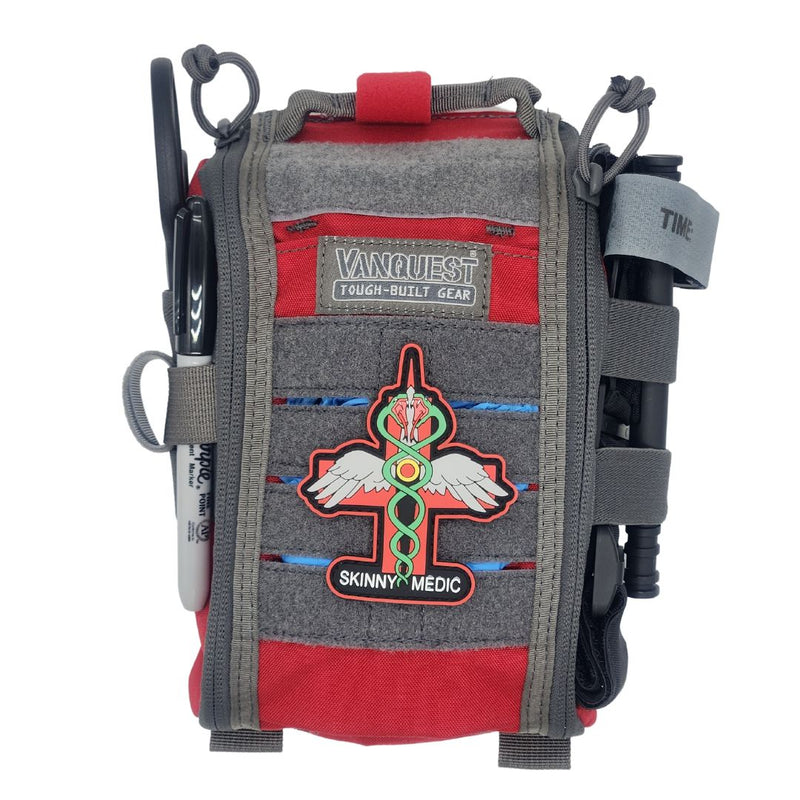
First Aid Kit Essential Items: Complete Guide 2026
When an emergency strikes, having the right supplies within reach can mean the difference between a minor inconvenience and a life-threatening situation. Whether you're assembling your first kit or upgrading an existing one, understanding which first aid kit essential items to include ensures you're prepared to respond effectively when seconds count. This comprehensive guide examines the critical components every well-stocked first aid kit should contain, backed by professional emergency medical experience and current safety standards.
Core Wound Care Supplies
Every effective first aid kit begins with comprehensive wound care capabilities. These supplies address the most common emergencies you'll encounter, from minor cuts to significant bleeding events.
Bandages and Dressings
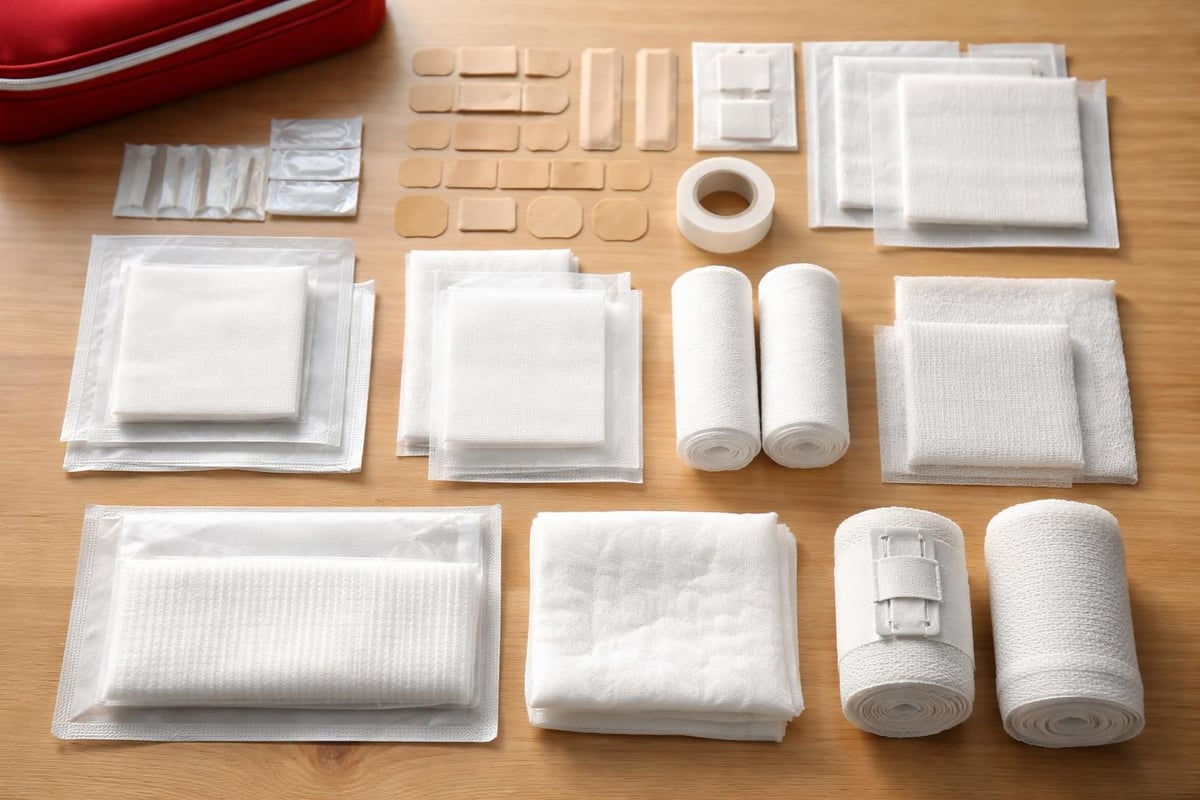
Adhesive bandages in various sizes form the foundation of basic wound care. Stock at least 25 assorted bandages ranging from small fingertip sizes to large knuckle or heel bandages. Beyond standard adhesive strips, include fabric bandages that conform better to joints and knuckle bandages designed for high-movement areas.
Sterile gauze pads represent another critical category among first aid kit essential items. Include multiple sizes:
- 2x2 inch pads for minor wounds
- 3x3 inch pads for moderate injuries
- 4x4 inch pads for larger wounds
Pair these with rolled gauze (both 2-inch and 4-inch widths) to secure dressings and wrap injuries. According to occupational safety guidelines, workplaces should maintain adequate quantities of sterile dressings to address multiple injuries simultaneously.
Advanced Bleeding Control
For serious bleeding situations, specialized equipment becomes essential. Trauma dressings, also known as Israeli bandages, provide pressure application and wound coverage in a single device. These versatile compression bandages can control severe bleeding until professional medical help arrives.
Combat gauze or hemostatic dressings impregnated with clotting agents represent advanced bleeding control options. While not necessary for every basic kit, these items prove invaluable in remote settings or high-risk environments where professional medical care may be delayed.
| Wound Care Item | Minimum Quantity | Primary Use |
|---|---|---|
| Adhesive Bandages (assorted) | 25 pieces | Minor cuts, scrapes |
| Sterile Gauze Pads (4x4) | 10 pads | Wound coverage, absorption |
| Rolled Gauze (3-inch) | 3 rolls | Securing dressings, wrapping |
| Trauma Dressing | 2 units | Severe bleeding control |
| Medical Tape | 1 roll | Securing bandages |
Medications and Topical Treatments
Pharmaceutical supplies address pain, inflammation, infection prevention, and allergic reactions. These first aid kit essential items require careful selection and regular rotation to ensure effectiveness.
Pain Relief and Anti-Inflammatory Medications
Stock both acetaminophen and ibuprofen to address different pain management needs. Acetaminophen works well for headaches and fever reduction, while ibuprofen addresses inflammation-related pain. Include both adult and children's formulations if your household includes minors. Package individual doses in blister packs or foil packets to extend shelf life and maintain sterility.
Aspirin serves dual purposes in first aid kits. Beyond pain relief, it plays a critical role in suspected cardiac events. The American Red Cross recommends including aspirin specifically for this life-saving application during heart attack scenarios.
Topical Antibiotics and Antiseptics
Triple antibiotic ointment prevents infection in minor wounds and should be applied after cleaning cuts and scrapes. These ointments combine three antibiotics to provide broad-spectrum protection against common bacteria.
Antiseptic wipes or solution clean wounds before dressing application. Alcohol prep pads, povidone-iodine wipes, or benzalkonium chloride towelettes each offer effective antiseptic action. Choose individually packaged options to maintain sterility until use.
Additional topical treatments include:
- Hydrocortisone cream for itching and minor skin irritations
- Burn gel or aloe vera for thermal injuries
- Calamine lotion for insect bites and plant-related rashes
- Antacid tablets for digestive discomfort
Tools and Equipment
Beyond consumable supplies, specific instruments enable effective emergency response. These durable items form the backbone of any comprehensive kit.
Cutting and Manipulation Tools
Trauma shears cut through clothing, seatbelts, or other materials to access injuries quickly. Unlike regular scissors, trauma shears feature blunt tips that prevent accidental injury to patients. One pair of quality shears belongs in every kit, regardless of size.
Tweezers remove splinters, debris, or stingers embedded in skin. Choose tweezers with pointed tips for precision work. Splinter removal becomes significantly easier with proper tools, preventing infection from embedded foreign objects left untreated.
Diagnostic and Protective Equipment
A digital thermometer monitors body temperature to detect fever or hypothermia. Disposable probe covers maintain hygiene between uses. Modern digital thermometers provide readings in seconds, making them practical even in stressful emergency situations.
Disposable gloves protect both the responder and the patient from cross-contamination. Nitrile gloves suit most users, including those with latex allergies. Stock multiple pairs in various sizes to accommodate different hand dimensions.
Additional equipment includes:
- CPR face shield or pocket mask for rescue breathing
- Emergency blanket for warmth and shock management
- Cold packs for reducing swelling and inflammation
- Flashlight with extra batteries for low-light situations
- Safety pins for securing slings or bandages
Specialized Emergency Items
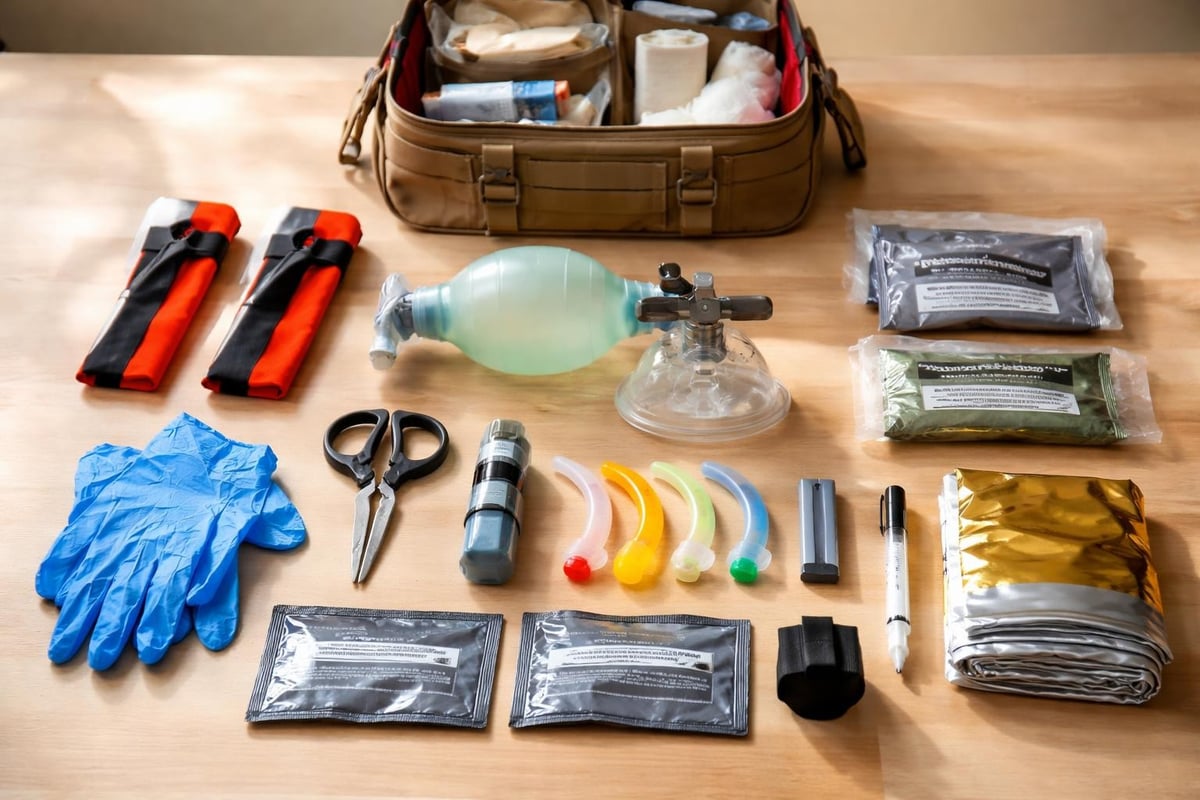
Certain situations demand specialized equipment beyond basic supplies. Understanding when to include these items depends on your specific risk profile and environment.
Tourniquets
Modern tourniquets save lives in severe extremity bleeding situations. The Committee on Tactical Combat Casualty Care (TCCC) recognizes specific models as effective for hemorrhage control. Understanding which tourniquet to include depends on training level and intended use scenarios.
Proper tourniquet application requires training, but having one available in high-risk situations provides critical capability. Commercial tourniquets feature windlass systems that apply adequate pressure to stop arterial bleeding, something improvised tourniquets often cannot achieve.
Airway Management
Basic airway management tools can maintain breathing in unconscious patients. Nasopharyngeal airways (NPAs) provide a simple airway adjunct that requires minimal training. These devices bypass upper airway obstructions and can be used even in patients with intact gag reflexes.
For those with advanced training, oropharyngeal airways (OPAs) offer additional options. However, these require careful patient assessment to prevent complications.
Chest Seals
Penetrating chest injuries require specialized treatment to prevent tension pneumothorax. Vented chest seals allow air to escape from the chest cavity while preventing air entry through the wound. These advanced items suit tactical kits, remote expedition supplies, or areas where penetrating trauma risk is elevated.
Personal Medications and Information
Generic supplies address common emergencies, but personalized additions make kits truly effective for specific individuals and families.
Prescription Medications
Include a three-day supply of essential prescription medications for family members. Rotate these supplies regularly to prevent expiration. Medications for chronic conditions like diabetes, hypertension, or asthma should not be overlooked when assembling comprehensive first aid kit essential items.
Store medications in original containers with clear labels. This prevents confusion during emergencies and provides dosing information to emergency responders if needed.
Allergy Medications and Epinephrine
Antihistamines like diphenhydramine treat allergic reactions ranging from mild to moderate severity. Include both tablet and liquid formulations for flexible dosing.
For individuals with known severe allergies, epinephrine auto-injectors (such as EpiPen) are non-negotiable additions. These devices deliver life-saving medication during anaphylactic reactions. Check expiration dates quarterly, as epinephrine degrades over time.
Medical Information Cards
Document important medical information for each family member:
- Blood type
- Known allergies
- Current medications
- Chronic medical conditions
- Emergency contact numbers
- Physician contact information
Laminated cards resist moisture and remain legible during emergencies. This information proves invaluable when family members cannot communicate directly with emergency responders.
Organization and Maintenance
The best supplies provide no benefit if they cannot be located quickly or have expired. Proper organization and regular maintenance ensure your kit remains effective.
Storage Solutions
Choose containers that protect contents from moisture, dust, and physical damage. Hard-sided cases offer superior protection but add weight. Soft-sided bags provide portability and flexibility for vehicle or backpack storage.
Divide supplies into logical categories using clear bags or pouches:
- Wound care supplies in one section
- Medications in another
- Tools and equipment separately
- Personal items grouped by individual
Building a well-organized first aid kit ensures critical items remain accessible when stress levels run high during actual emergencies.
Inventory Management
Create a detailed inventory list documenting all first aid kit essential items, quantities, and expiration dates. Attach this list inside the kit lid or store it in a plastic sleeve for easy reference.
Schedule quarterly inspections to:
- Verify all items remain in usable condition
- Replace expired medications and ointments
- Restock depleted supplies
- Update personal medical information
- Test batteries in electronic devices
Regular first aid resupply maintains kit readiness. After using any supplies, replace them immediately rather than waiting for scheduled maintenance.
Environment-Specific Considerations
Different settings demand tailored approaches to first aid kit assembly. Understanding these variations ensures appropriate preparedness for your specific circumstances.
Home First Aid Kits
Home kits can be larger and more comprehensive since portability is not a primary concern. Include additional comfort items like ice packs, heating pads, and a wider medication selection. Family first aid kits should accommodate all household members, including specific supplies for children or elderly family members.
Position home kits in central, accessible locations known to all family members. Kitchens and bathrooms offer logical placement, but avoid areas with extreme temperature fluctuations that could degrade medications.
Vehicle First Aid Kits
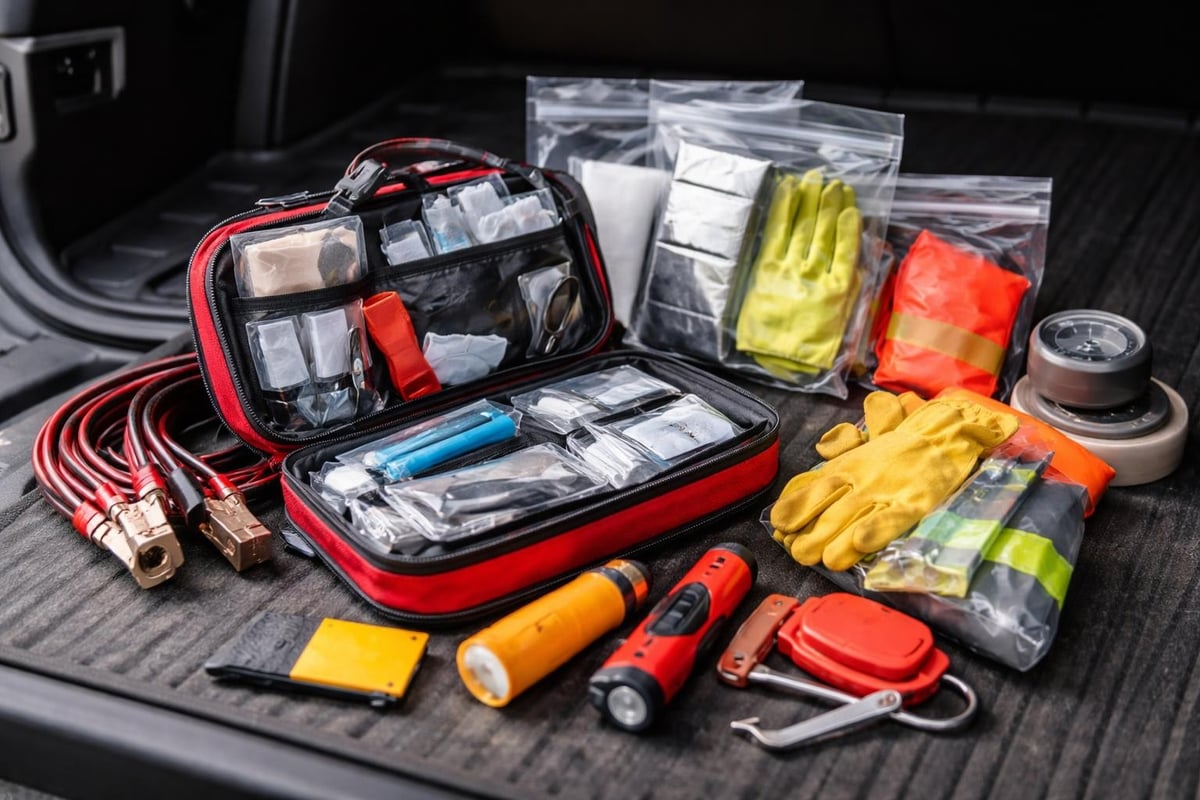
Car kits must withstand temperature extremes while remaining compact enough for trunk storage. Focus on trauma supplies relevant to vehicle accidents: larger dressings, trauma shears, and tourniquets for severe bleeding.
Temperature-sensitive medications may degrade in vehicle storage. Consider removing medications during extreme weather or rotating them more frequently than home kit supplies.
Workplace First Aid Kits
Commercial and industrial settings face specific regulatory requirements. Industrial safety standards outline minimum supply levels based on workforce size and injury risk levels. Workplaces with chemical exposure require additional specialized equipment like eyewash stations and burn treatments.
Designate trained first aid responders and clearly mark kit locations. Multiple smaller kits distributed throughout large facilities often provide better coverage than single comprehensive kits.
Outdoor and Recreation Kits
Hiking, camping, and outdoor adventure kits prioritize lightweight, compact supplies. Focus on items addressing wilderness-specific risks: blister treatment, insect bite relief, water purification tablets, and survival-oriented supplies.
Waterproof packaging protects supplies from moisture in outdoor environments. Dry bags or waterproof cases prevent contamination and extend supply life in challenging conditions.
Training and Knowledge
Supplies alone do not create effective emergency response capability. Proper training transforms first aid kit essential items into life-saving tools.
Basic First Aid Certification
Formal first aid training teaches proper technique for wound care, CPR, choking response, and medical emergency recognition. Organizations like the American Red Cross, American Heart Association, and National Safety Council offer standardized courses recognized nationwide.
Training builds confidence during emergencies, reducing panic and improving outcomes. Renew certifications every two years to maintain current knowledge and skills.
Equipment-Specific Training
Advanced items like tourniquets, chest seals, and airway devices require specific instruction beyond basic first aid. Seek specialized training when including these supplies in your kit. Improper use can cause harm rather than providing benefit.
Many tactical first aid courses address advanced trauma response techniques. These programs suit individuals in high-risk professions or those preparing for wilderness emergencies where professional help may be delayed.
Family Education
Ensure all capable family members understand:
- Kit location and contents
- When to use specific supplies
- How to contact emergency services
- Basic wound care and bandaging techniques
- Recognition of serious medical emergencies requiring professional help
Children as young as 10-12 can learn basic first aid concepts. Age-appropriate education empowers family members to assist during emergencies rather than becoming additional victims or obstacles.
Quality and Procurement Considerations
Not all first aid supplies offer equal quality or reliability. Making informed purchasing decisions ensures your investment provides maximum value and effectiveness.
Selecting Quality Supplies
Purchase supplies meeting recognized standards and certifications. Medical-grade products undergo rigorous testing and quality control unavailable in generic alternatives. While budget constraints exist, certain items warrant premium investment.
Critical items deserving quality focus include:
- Tourniquets (purchase only proven, tested models)
- Chest seals (verified designs with clinical validation)
- Hemostatic agents (established brands with track records)
- Trauma dressings (sterile, individually sealed packaging)
Generic items like adhesive bandages, gauze pads, and basic medications generally provide adequate performance at lower price points. Balance cost considerations with performance requirements based on each item's criticality.
Avoiding Counterfeit Products
Counterfeit medical supplies pose serious safety risks. Fake tourniquets, for example, fail during actual use, potentially causing preventable deaths. Purchase critical equipment from reputable suppliers with verified supply chains.
Warning signs of counterfeit products include:
- Prices significantly below market rates
- Unclear packaging or labeling
- Missing lot numbers or expiration dates
- Grammatical errors in documentation
- Absence of manufacturer contact information
Pre-Assembled Versus Custom Kits
Pre-assembled kits offer convenience and ensure you don't overlook essential items. However, they often include unnecessary supplies while omitting environment-specific needs. The Ready.gov emergency kit guidelines provide framework for evaluating pre-made options against your actual requirements.
Building custom kits allows precise tailoring to your situation, risk profile, and training level. This approach typically costs more initially but eliminates waste from unused generic items.
Consider a hybrid approach: start with a quality pre-assembled kit providing core first aid kit essential items, then supplement with specialized equipment matching your specific needs and environment.
| Approach | Advantages | Disadvantages | Best For |
|---|---|---|---|
| Pre-Assembled | Quick deployment, comprehensive basics, good value | Generic contents, may include unnecessary items | Beginners, general home use |
| Custom Built | Tailored to specific needs, professional-grade options | Higher cost, requires research, time-intensive | Advanced users, specialized applications |
| Hybrid | Balanced approach, customizable, cost-effective | Requires some knowledge, potential redundancy | Most users, evolving needs |
Building a comprehensive first aid kit with the right essential items prepares you to respond effectively during medical emergencies, potentially saving lives while waiting for professional help to arrive. The supplies you choose, combined with proper training and regular maintenance, create a reliable safety resource for your home, workplace, or vehicle. Whether you're assembling your first kit or upgrading existing supplies, Medical Gear Outfitters provides paramedic-selected equipment and the expertise to help you build the perfect emergency response capability for your specific needs.