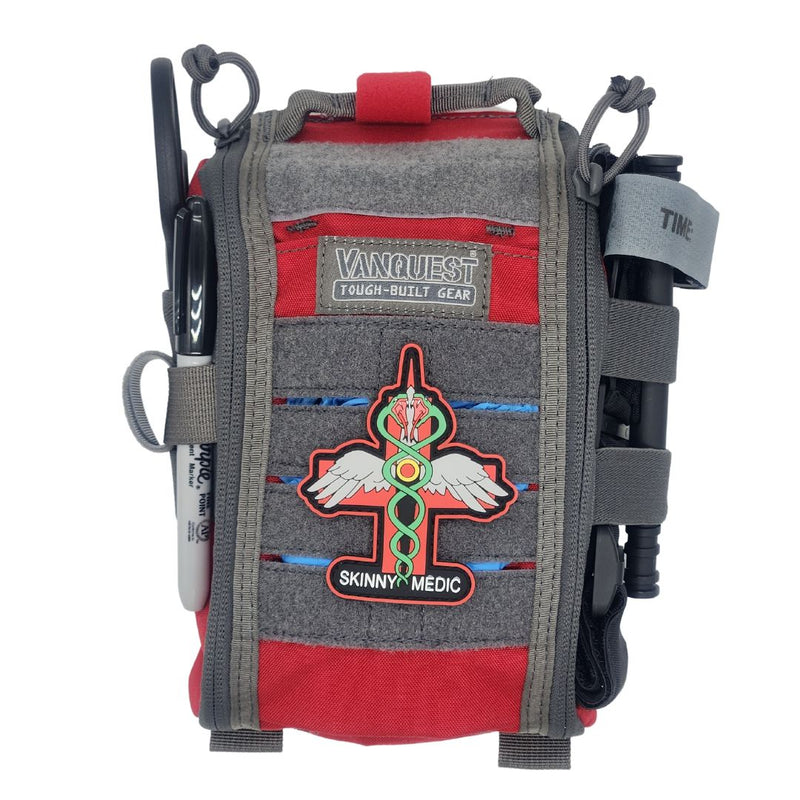
First Aid Box for Car: Essential Guide for 2026
Every driver faces potential medical emergencies on the road, from minor cuts during roadside repairs to serious accidents requiring immediate intervention. A properly stocked first aid box for car travel can mean the difference between a manageable situation and a medical crisis. Whether you're commuting daily, taking weekend road trips, or preparing for long-distance travel, having the right medical supplies within reach provides peace of mind and the ability to respond effectively when seconds count. This comprehensive guide explores what belongs in your vehicle's emergency medical kit and how to maintain it for maximum readiness.
Why Every Vehicle Needs a Dedicated First Aid Box
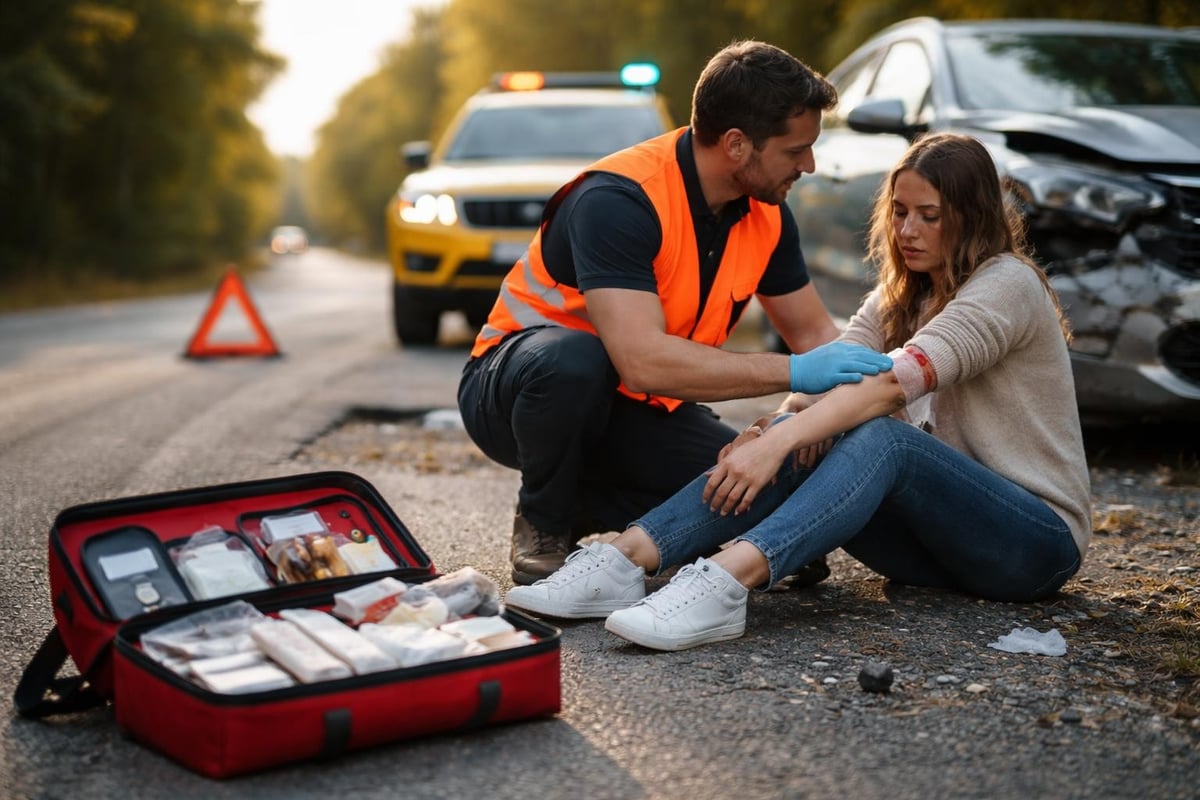
Road emergencies don't wait for convenient moments. Medical situations can develop rapidly in various scenarios, including traffic accidents, sudden illness while driving, or injuries sustained during vehicle maintenance. The American Red Cross emphasizes vehicle kit essentials that enable immediate response before professional medical help arrives.
Distance from medical facilities significantly impacts survival outcomes in serious emergencies. Rural areas may have emergency response times exceeding 30 minutes, making your first aid box for car situations a critical resource. Even in urban environments, traffic congestion can delay ambulance arrival, creating windows where bystander intervention saves lives.
Vehicle-specific injuries require specialized supplies. Automotive accidents often involve:
- Laceration injuries from broken glass
- Blunt force trauma requiring pressure bandaging
- Thermal burns from engine components
- Crush injuries needing immobilization
- Environmental exposure during extended waits
A well-designed first aid box for car emergencies addresses these specific risks while remaining compact enough for trunk or cabin storage.
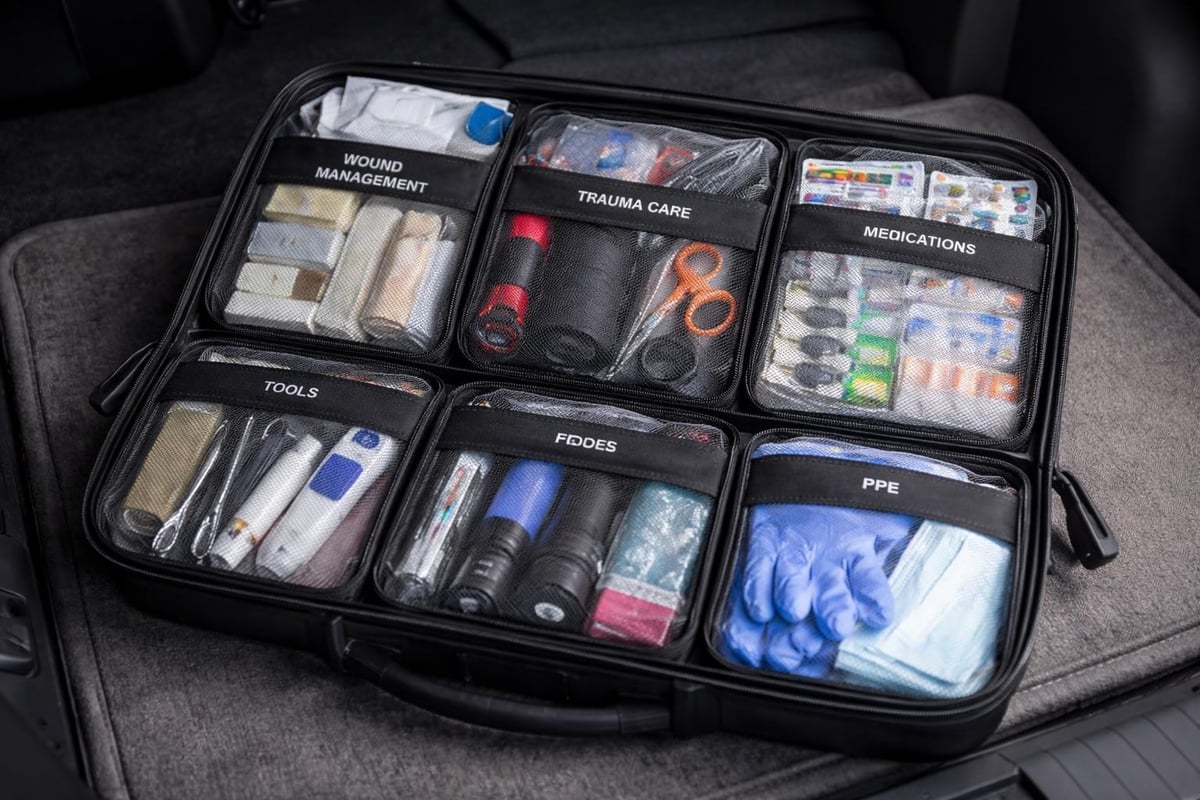
Core Components of an Effective First Aid Box for Car
Building a comprehensive automotive medical kit requires strategic selection of supplies that address both common minor injuries and potentially life-threatening emergencies. Your first aid box for car storage should balance comprehensiveness with space constraints.
Wound Care Fundamentals
Bandages and dressings form the foundation of any medical kit. Stock multiple sizes to handle various injury types:
| Item Type | Recommended Quantity | Primary Use |
|---|---|---|
| Adhesive bandages (assorted) | 20-30 pieces | Minor cuts, abrasions |
| Sterile gauze pads (4x4 inch) | 10-15 pads | Wound coverage, cleaning |
| Rolled gauze bandages | 3-4 rolls | Securing dressings, compression |
| Trauma pads (5x9 inch) | 2-4 pads | Large wounds, severe bleeding |
| Elastic bandages | 2 rolls | Sprains, securing splints |
Triangular bandages serve multiple purposes, including slings, pressure dressings, and improvised tourniquets. Their versatility makes them invaluable in automotive emergencies where injuries may require creative solutions.
Adhesive tape holds dressings securely during transport to medical facilities. Medical-grade tape withstands movement and perspiration better than standard adhesive products. Include both cloth and waterproof varieties for different conditions.
Critical Trauma Response Items
Serious automotive accidents demand supplies beyond basic wound care. Your first aid box for car trauma response should include equipment for controlling severe bleeding, which represents the leading cause of preventable death in accidents.
Understanding how to recognize serious bleeding helps determine when to deploy these critical supplies:
- Tourniquets: Commercial-grade tourniquets control arterial bleeding from extremities
- Hemostatic gauze: Clotting agents stop bleeding when direct pressure alone proves insufficient
- Chest seals: Address penetrating torso injuries that compromise breathing
- Pressure dressings: Provide targeted compression for severe wounds
These advanced supplies require proper training for effective use. Medical Gear Outfitters, operated by paramedic professionals, provides both the equipment and knowledge necessary for confident emergency response.
Medications and Topical Treatments
Pain relief medications address both injury discomfort and pre-existing conditions that may flare during travel. Include:
- Non-aspirin pain relievers (acetaminophen)
- Anti-inflammatory medications (ibuprofen)
- Aspirin (for cardiac emergencies)
- Antihistamines (for allergic reactions)
Topical treatments prevent infection and accelerate healing. Stock antibiotic ointment, antiseptic wipes, and hydrocortisone cream for various skin conditions. Burn dressings specifically designed for thermal injuries provide cooling relief and barrier protection.
Personal medications require special consideration in your first aid box for car applications. Maintain a 72-hour supply of critical prescriptions, properly labeled and temperature-controlled. This proves essential during extended roadside waits or evacuation scenarios.
Tools and Equipment for Medical Response
Beyond consumable supplies, effective emergency response requires specific tools that enable assessment and intervention. Your first aid box for car organization should include instruments that transform supplies into actionable treatment.
Examination and Assessment Tools
Medical-grade scissors with blunt tips safely cut clothing, seatbelts, and bandaging materials without risking additional injury. Trauma shears specifically designed for emergency use slice through tough materials while protecting underlying skin.
Disposable gloves provide essential barrier protection when treating others. Stock nitrile gloves rather than latex to avoid allergic reactions. Include multiple pairs to allow glove changes between patients or contaminated procedures.
Flashlights or headlamps enable nighttime assessment and treatment. LED technology provides bright, focused illumination while consuming minimal battery power. Consider models with red light modes that preserve night vision for continued driving if necessary.
| Tool Category | Essential Items | Storage Consideration |
|---|---|---|
| Cutting instruments | Trauma shears, safety scissors | Protected sheaths |
| Protective equipment | Nitrile gloves (multiple sizes), eye protection | Sealed packaging |
| Illumination | LED flashlight, extra batteries | Waterproof container |
| Communication | Emergency contact list, medical information cards | Laminated protection |
| Documentation | Pen, notepad for symptom tracking | Waterproof bag |
Specialized Emergency Equipment
CPR masks or shields enable safe rescue breathing while protecting responders from disease transmission. Compact keychain versions ensure constant availability, while full-face shields in your first aid box for car storage provide superior protection during extended resuscitation efforts.
Emergency blankets address shock and hypothermia, both common complications in accident scenarios. Mylar thermal blankets fold to pocket size while providing remarkable heat retention. Stock at least two per vehicle to accommodate multiple victims.
Splinting materials immobilize suspected fractures during transport. While SAM splints offer professional-grade stabilization, improvised solutions using rigid materials and triangular bandages prove effective when commercial products aren't available.
Organizing Your First Aid Box for Car Accessibility
Storage location and organization directly impact emergency response effectiveness. The most comprehensive first aid box for car situations proves useless if you can't quickly locate needed supplies during high-stress moments.
Strategic Placement Considerations
Trunk storage offers maximum space but requires exiting the vehicle to access supplies. This works well for comprehensive kits addressing serious accidents where the scene is already secured. Use rigid containers that won't shift during normal driving or compress under cargo weight.
Cabin storage provides immediate access without leaving your seatbelt or vehicle. Under-seat or glove compartment kits should contain supplies for minor injuries and initial stabilization of serious conditions until you can safely retrieve the main kit.
The Red Cross recommends organizing first aid kit contents by category and frequency of use. Implement color-coded pouches or clear compartments that allow visual inventory without unpacking:
- Red section: Trauma and bleeding control
- Blue section: Wound care and bandaging
- Green section: Medications and topical treatments
- Yellow section: Tools and equipment
Inventory Management and Rotation
Expiration dates affect medication potency and sterile packaging integrity. Establish a twice-yearly inspection schedule, ideally during spring and fall seasonal transitions. Replace expired items immediately rather than waiting for complete kit overhaul.
Temperature considerations impact medication stability and adhesive performance. Extreme vehicle cabin temperatures in summer and winter can degrade supplies. Consider insulated storage containers or removing temperature-sensitive items during extreme weather.
Maintain an inventory checklist inside your first aid box for car verification during inspections. Medical first aid kits from professional suppliers often include itemized content lists that simplify tracking and replacement.
Customizing Your Kit for Specific Needs
Standard first aid boxes provide general coverage, but personal circumstances and travel patterns may require specialized additions. Tailoring your first aid box for car situations to your specific risk profile enhances preparedness.
Family-Specific Modifications
Child passengers require appropriately dosed medications and specialized supplies. Include pediatric pain relievers, smaller bandage sizes, and comfort items that reduce stress during treatment. Understanding newborn and infant needs helps parents prepare for traveling with vulnerable passengers.
Elderly travelers may need additional prescription documentation, extra medication supplies, and items addressing age-related concerns. Consider glucose tablets for diabetic emergencies and aspirin for cardiac events, which increase in frequency with age.
Pet owners should add animal-specific supplies if regularly transporting animals. Veterinary gauze, saline solution, and muzzles protect both animals and humans during treatment of frightened, injured pets.
Activity-Based Enhancements
Off-road enthusiasts face increased trauma risk from rollovers and ejections. Enhance your first aid box for car adventures with additional trauma supplies including extra tourniquets, hemostatic agents, and specialized trauma dressings.
Long-distance travelers crossing remote areas should expand medication supplies beyond the standard 72-hour recommendation. Include water purification tablets, extended food rations, and enhanced environmental protection as medical emergencies may coincide with survival situations.
Professional drivers spending extensive time on the road benefit from comprehensive kits approaching professional EMS standards. Understanding IFAK contents provides insight into advanced trauma care suitable for commercial drivers.
Maintaining Readiness Through Training
The most complete first aid box for car emergencies provides limited benefit without knowledge of proper supply use. Equipment competence directly correlates with positive outcomes in medical crises.
Essential Skills for Vehicle Emergencies
Basic first aid certification through recognized organizations provides foundational knowledge applicable across emergency types. The American Red Cross offers comprehensive vehicle emergency preparedness courses covering both supply use and situational assessment.
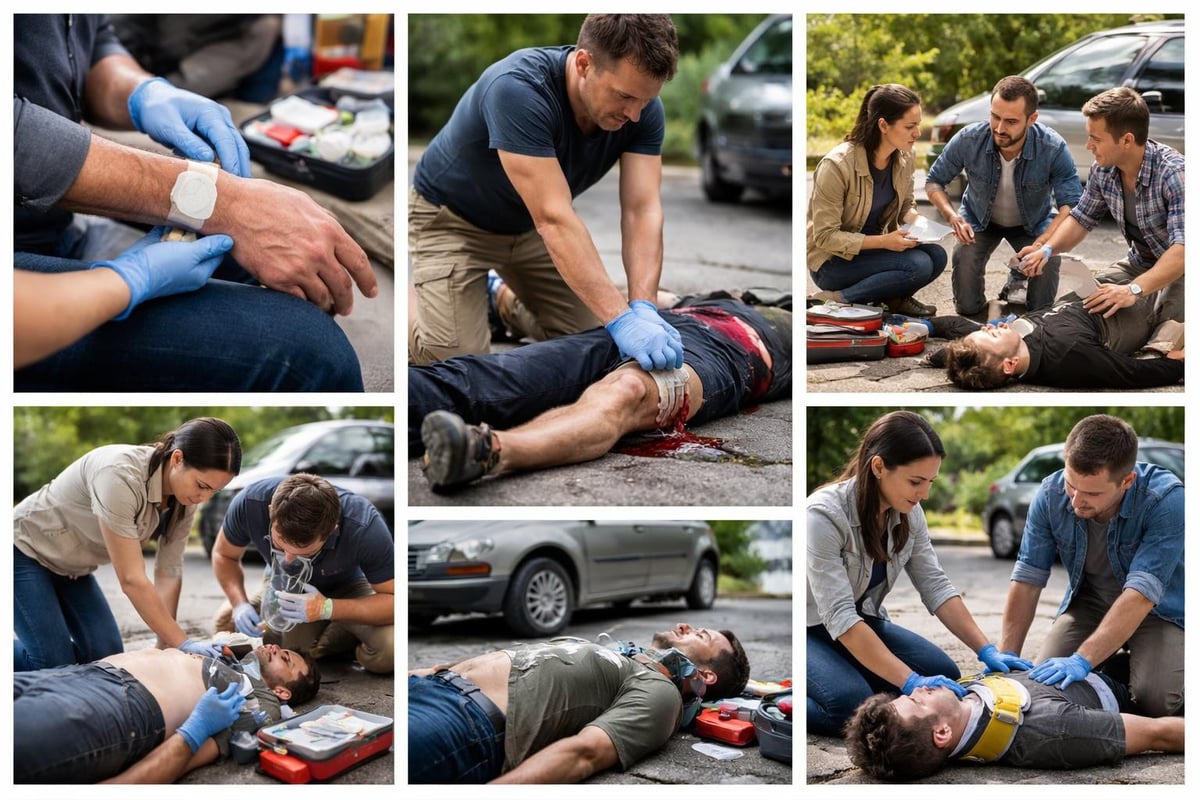
Specific competencies for automotive emergencies include:
- Scene safety assessment before approaching victims
- Bleeding control using direct pressure and tourniquets
- Shock recognition and management
- Spinal injury precautions during victim movement
- Basic airway management and rescue breathing
Hands-on practice with supplies from your first aid box for car storage builds muscle memory that functions under stress. Open packages, apply bandages, and practice tourniquet application during calm moments so techniques remain accessible during emergencies.
Scenario-Based Preparation
Mental rehearsal of likely emergencies improves response times and decision quality. Consider scenarios specific to your driving patterns:
- Single-vehicle accident on rural highway
- Multi-car collision with multiple victims
- Sudden illness while driving alone
- Passenger injury from airbag deployment
- Pedestrian accident requiring immediate response
Walk through each scenario mentally, identifying which supplies you'd deploy and in what sequence. This cognitive preparation activates during actual emergencies, providing structured response frameworks when panic threatens clear thinking.
Common Mistakes to Avoid
Even well-intentioned preparation can fail if certain pitfalls aren't recognized and addressed. Understanding frequent errors helps optimize your first aid box for car effectiveness.
Supply Selection Errors
Over-reliance on pre-made kits may leave critical gaps in coverage. Commercial kits often emphasize minor wound care while underrepresenting trauma supplies essential for serious automotive accidents. Supplement basic kits with additional bleeding control and immobilization equipment.
Insufficient quantity of high-use items causes supply exhaustion during multi-victim incidents. Stock trauma pads, gloves, and gauze in quantities supporting treatment of at least three patients with moderate injuries or one patient with severe trauma.
Neglecting personal medications represents a critical oversight. Your first aid box for car applications should include supplies for known medical conditions affecting regular vehicle occupants. Asthma inhalers, epinephrine auto-injectors, and glucose sources address predictable emergencies.
Maintenance Failures
Irregular inspection allows supplies to expire unnoticed. Establish calendar reminders for twice-yearly reviews, treating kit maintenance with the same importance as oil changes or tire rotations.
Borrowing supplies without replacement gradually depletes kits. If you use items for home emergencies or outdoor activities, immediately replace them to maintain vehicle kit integrity. Consider maintaining separate kits for different purposes rather than cross-utilizing supplies.
Ignoring environmental damage from temperature extremes or moisture exposure compromises supply effectiveness. Inspect packaging for deterioration, replace water-damaged items, and consider upgraded storage solutions if environmental protection proves inadequate.
Legal Considerations and Best Practices
While good Samaritan laws generally protect individuals providing reasonable emergency assistance, understanding legal parameters ensures confident response during stressful situations.
Liability Protection
Most states provide immunity for individuals rendering emergency medical assistance in good faith. These protections typically require that responders:
- Act within their training level
- Don't expect compensation for assistance
- Don't demonstrate gross negligence or intentional harm
Maintaining your first aid box for car emergencies according to professional standards and obtaining recognized training demonstrates reasonable care that satisfies good Samaritan legal requirements.
Documentation practices protect both victims and responders. When treating others, note treatments provided, times of intervention, and observed symptoms. This information assists arriving EMS personnel and provides legal records of reasonable care.
Professional vs. Lay Responder Standards
Lay responders aren't held to professional medical standards but must act reasonably within their knowledge level. Your first aid box for car situations should match your training, avoiding advanced interventions requiring professional certification unless you possess appropriate credentials.
Professional medical providers encountering off-duty emergencies may face different legal expectations. Duty to act provisions vary by state and profession, but professional responders generally receive liability protection consistent with their training level when acting voluntarily.
Integrating First Aid Boxes with Comprehensive Vehicle Safety
Medical supplies represent just one component of complete automotive emergency preparedness. Your first aid box for car safety works most effectively when integrated with broader vehicle emergency equipment.
Complementary Emergency Supplies
Vehicle-specific tools enable self-rescue and scene safety. Include:
- Reflective triangles or flares for traffic warning
- Fire extinguisher rated for automotive fires
- Seatbelt cutter and window breaker
- Jumper cables or portable battery starter
- Basic tool kit for minor repairs
Communication equipment ensures you can summon professional help even in areas with limited cell service. Portable phone chargers maintain communication device function, while paper maps provide navigation when electronic systems fail.
Environmental protection extends survival time during extended waits in extreme conditions. Beyond emergency blankets, consider water supplies, non-perishable food, and seasonal clothing appropriate for your climate.
| Emergency Category | Essential Items | Integration with First Aid |
|---|---|---|
| Scene safety | Flares, reflective vest, flashlight | Enables safe first aid delivery |
| Extrication | Seatbelt cutter, window punch | Accesses trapped patients |
| Communication | Charged phone, emergency contacts | Coordinates with EMS |
| Environmental | Water, blankets, seasonal gear | Prevents secondary medical issues |
Emergency Action Plans
Pre-planned responses reduce decision fatigue during actual emergencies. Establish protocols with regular passengers regarding:
- Who retrieves the first aid box for car emergencies
- How to contact emergency services
- What information to provide dispatchers
- When to move victims vs. maintain position
- How to direct arriving emergency responders
Practice these protocols periodically, particularly with new drivers or passengers who may need to assist during emergencies where you're incapacitated.
Beyond the Basics: Advanced Considerations
As competence and confidence grow, some individuals choose to enhance their first aid box for car situations with advanced supplies and training. Understanding progressive preparation helps determine appropriate next steps.
Advanced Medical Equipment
Airway management tools beyond basic CPR masks include nasopharyngeal airways that maintain breathing passages in unconscious patients. These require proper sizing and insertion training to avoid complications.
Advanced bleeding control incorporates hemostatic gauze with proven effectiveness in military and civilian trauma care. Portable medical kits designed for tactical applications often include these advanced supplies alongside training resources.
Diagnostic equipment such as blood pressure cuffs and pulse oximeters provides objective patient assessment data. While not essential for lay responders, these tools enhance monitoring capabilities during extended waits for professional help.
Specialty Training Opportunities
Wilderness First Aid courses address medical care in austere environments with delayed evacuation. These skills transfer well to remote highway emergencies where EMS response times extend beyond urban norms.
Stop the Bleed programs focus specifically on hemorrhage control, the leading cause of preventable trauma death. This targeted training enhances confidence using tourniquets and pressure dressings from your first aid box for car trauma response.
EMT or paramedic certification represents the ultimate preparation level, though requiring significant time investment. Some dedicated individuals pursue professional medical training specifically to enhance personal and community safety capabilities.
Building and maintaining a comprehensive first aid box for car travel prepares you to respond confidently when medical emergencies arise on the road. From basic wound care to life-saving trauma intervention, the right supplies positioned within easy reach can make critical differences in outcomes. Whether you're assembling your first automotive medical kit or upgrading existing supplies, Medical Gear Outfitters provides professional-grade equipment backed by paramedic expertise to ensure you're truly prepared when seconds count. Take action today to equip your vehicle with supplies that could save lives tomorrow.