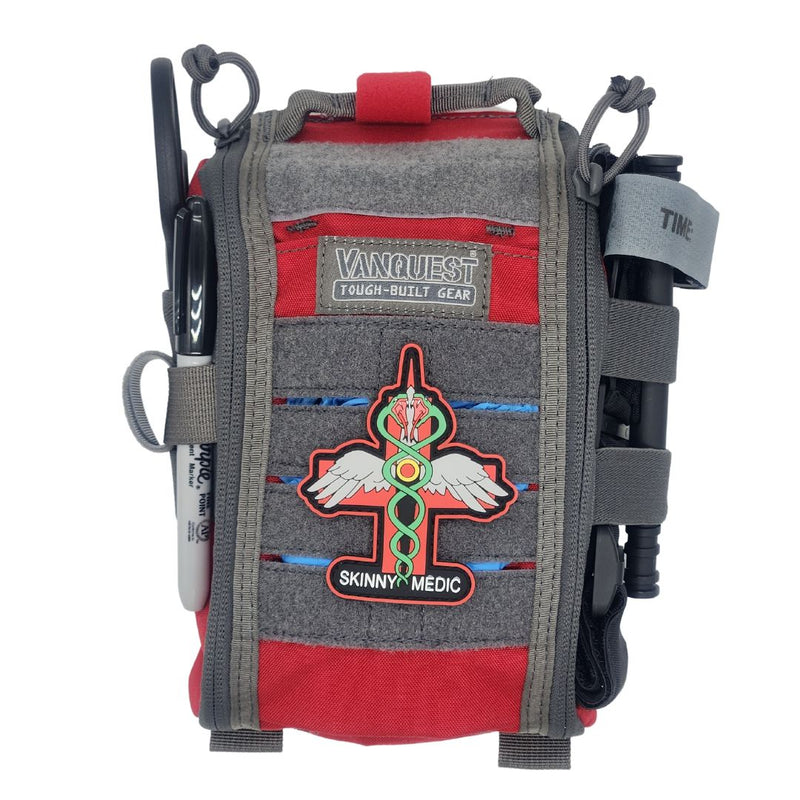
Crepe Bandages: Essential Guide for First Responders
Crepe bandages represent one of the most versatile and widely used compression dressings in emergency care and medical practice. These elastic cotton bandages provide controlled support for injured limbs, reduce swelling, and secure wound dressings in place. For first responders, medical professionals, and anyone building a comprehensive first aid kit, understanding the proper selection and application of crepe bandages is essential for delivering effective emergency care. Whether you're treating a sprained ankle on a hiking trail, managing a burn injury, or providing post-operative support, these adaptable bandages offer reliable compression and stability when minutes matter most.
What Makes Crepe Bandages Different from Standard Elastic Bandages
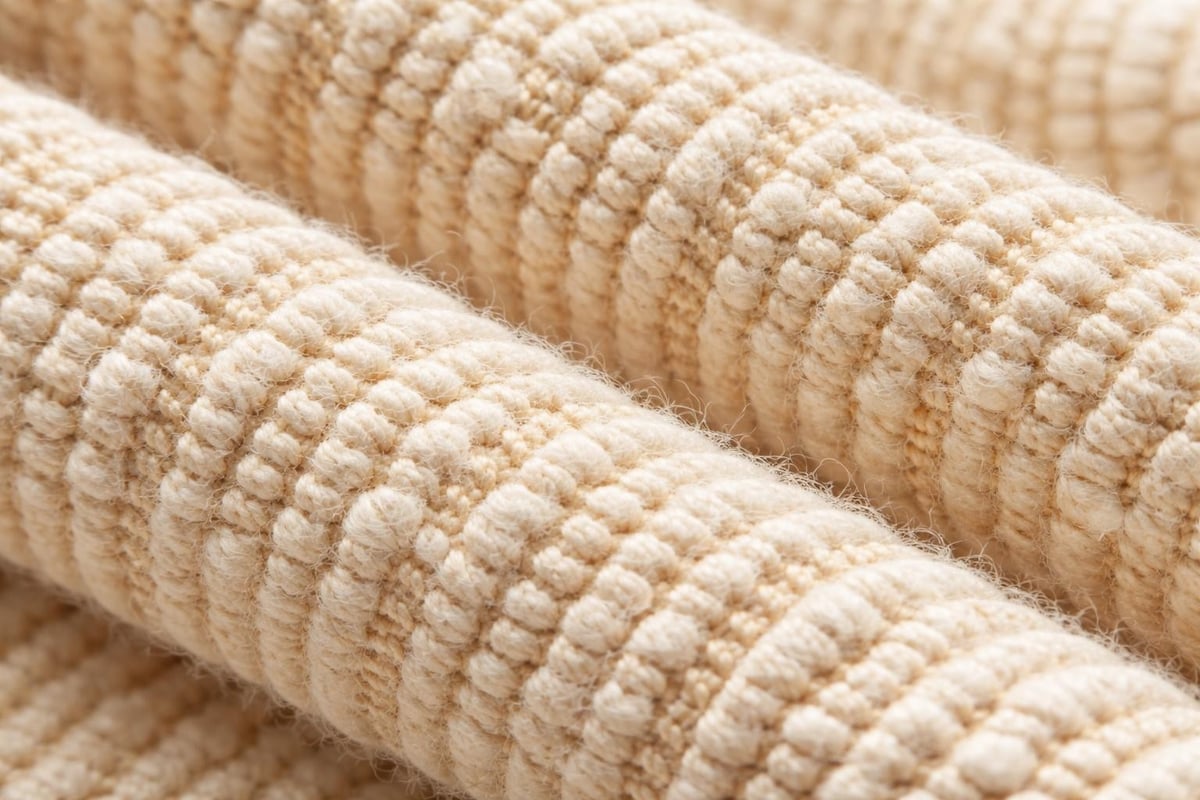
Crepe bandages are manufactured from a specific weaving technique that creates a unique textured surface with controlled elasticity. The distinctive crinkled or "crepe" pattern gives these bandages their name and provides several functional advantages over smooth elastic bandages.
The construction typically involves cotton, cotton-polyester blends, or specialized elastic fibers woven in a specific pattern. East African Standard specifications detail the technical requirements for these surgical dressings, including material composition, dimensional tolerances, and performance criteria that ensure consistent quality across manufacturers.
Material Composition and Performance Characteristics
Unlike purely synthetic elastic bandages, crepe bandages balance stretch with support. This design philosophy allows them to conform to body contours while maintaining therapeutic compression levels over extended periods.
Key material properties include:
- Cotton content ranging from 65% to 100%, providing breathability
- Elastic fibers (typically 5-35%) delivering controlled stretch
- Crinkled texture preventing slippage during activity
- Washable and reusable construction for economic efficiency
The historical development of bandage standards shows how crepe bandages evolved from simple cotton strips to sophisticated medical devices with specific performance benchmarks. Modern manufacturing ensures consistent elasticity, allowing healthcare providers to apply predictable compression levels.
Primary Medical Applications and Clinical Uses
Crepe bandages serve multiple functions in emergency and clinical settings. Their versatility makes them indispensable in comprehensive first aid kits, from basic home supplies to advanced tactical medical gear.
Sprains and Strains Management
Soft tissue injuries respond well to compression therapy. Crepe bandages provide the graduated pressure needed to control edema formation while allowing adequate circulation. When treating ankle sprains or wrist strains, these bandages deliver consistent support without the rigidity of splinting materials.
The compression reduces fluid accumulation in injured tissues, accelerating healing and reducing pain. For field applications, this makes crepe bandages an essential component of any camping first aid kit or outdoor emergency supply.
Securing Wound Dressings
Primary wound dressings require secure fixation to maintain proper position and prevent contamination. Crepe bandages excel at holding gauze pads, trauma dressings, or specialized wound covers in place without applying excessive pressure directly to the injury site.
This application is particularly valuable when treating burns or abrasions where direct adhesive contact could damage healing tissue. The finger crepe technique demonstrates an economical method for pressure bandaging in hand surgery and burn cases.
Immobilization Support
While crepe bandages don't replace rigid splints, they provide valuable supplementary support for suspected fractures or dislocations. Combined with proper splinting materials in your best medical kit, they help stabilize injured extremities during transport.
| Application Type | Compression Level | Typical Duration | Reusability |
|---|---|---|---|
| Sprain/Strain | Moderate to Firm | 24-72 hours | Yes, with washing |
| Dressing Securement | Light to Moderate | Until wound check | Single use preferred |
| Venous Support | Graduated | Multiple days | Yes, daily removal |
| Post-operative | Light | 7-14 days | Limited reuse |
Proper Application Techniques for Maximum Effectiveness
Correct wrapping technique determines whether a crepe bandage provides therapeutic benefit or creates complications. Improper application can restrict circulation, cause pressure sores, or fail to deliver adequate support.
The Figure-Eight Method for Joint Support
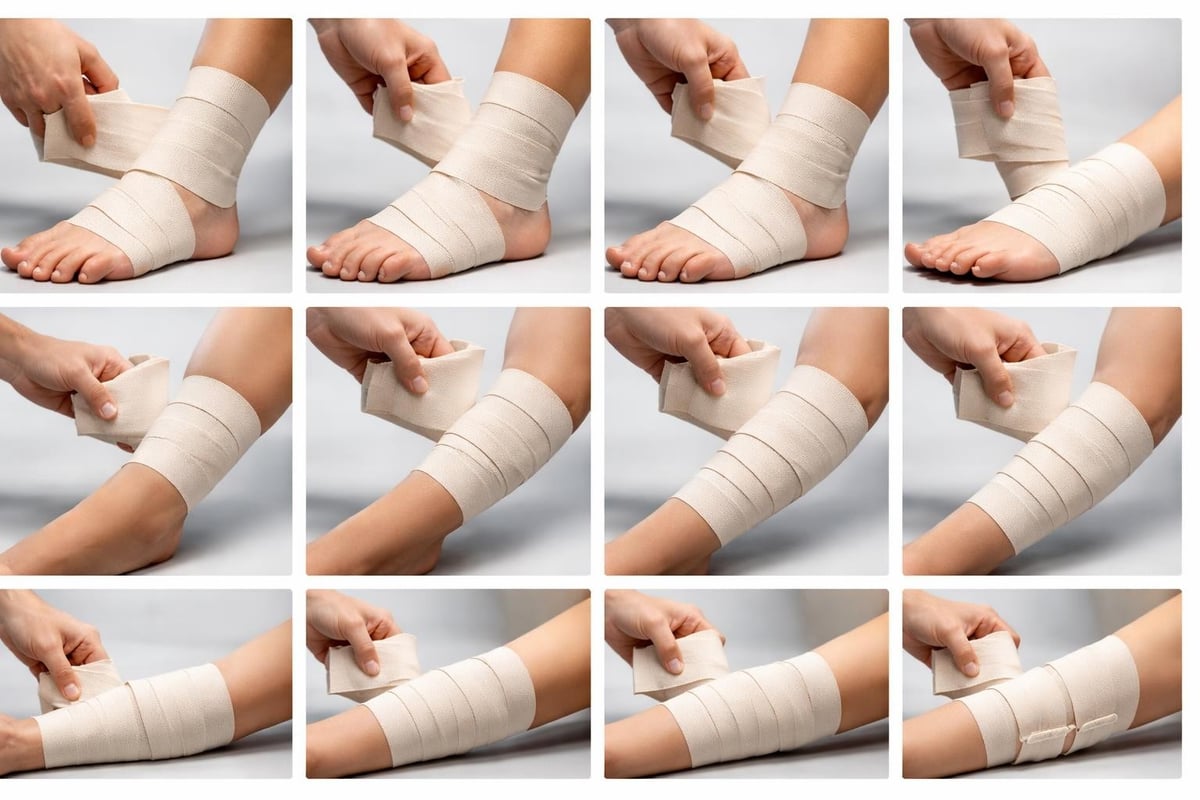
This technique provides optimal compression around joints while maintaining mobility. Start with two anchor wraps below the joint, then create diagonal crosses above and below the joint center, forming a figure-eight pattern.
Step-by-step application:
- Position the limb in a functional position
- Begin wrapping from distal to proximal (away from heart toward heart)
- Overlap each layer by 50% of the bandage width
- Maintain consistent tension throughout application
- Secure the end with clips or tape, never safety pins
- Check circulation immediately and at 15-minute intervals
The overlapping technique ensures even pressure distribution without creating pressure points. For complex injuries requiring multiple bandage types, understanding how to wrap a finger wound provides foundational skills applicable to larger extremities.
Spiral Wrapping for Cylindrical Body Parts
Arms, legs, and fingers benefit from spiral wrapping that follows the natural contours of the limb. This method works particularly well for securing dressings or providing mild compression support.
Begin at the narrowest point, typically the distal end of the extremity. Wind the bandage in ascending spirals with each turn overlapping the previous by approximately half the bandage width. Maintain light, even tension to avoid constricting blood flow.
Monitoring Circulation and Adjusting Compression
After applying any compression bandage, circulation monitoring becomes critical. Check for the five P's: Pain, Pallor, Pulselessness, Paresthesia (numbness/tingling), and Paralysis.
If any of these signs appear, remove the bandage immediately and reapply with reduced tension. Digital capillary refill should remain under two seconds, and the patient should retain full sensation in the wrapped extremity.
Sizing Guidelines and Selection Criteria
Crepe bandages come in standardized widths and lengths designed for specific body regions. Selecting the appropriate size ensures effective compression without waste or inadequate coverage.
Standard Dimensions and Body Region Matching
Common widths range from 5 centimeters (2 inches) to 15 centimeters (6 inches), with lengths typically between 4 and 6 meters when stretched.
Size selection guide:
- 5 cm (2 inches): Fingers, hands, wrists, feet
- 7.5 cm (3 inches): Forearms, lower legs, ankles
- 10 cm (4 inches): Elbows, upper arms, knees
- 15 cm (6 inches): Thighs, torso applications
Having multiple sizes available in your vehicle first aid kit ensures you can address injuries across different body regions. Medical professionals often stock at least three different widths to maintain treatment flexibility.
Stretch and Compression Classification
Not all crepe bandages offer identical elasticity. Manufacturers classify products by their stretch percentage and compression capabilities, typically falling into light, medium, or high compression categories.
Light compression bandages extend 40-70% beyond their resting length, suitable for securing dressings without restricting movement. Medium compression products stretch 70-140%, ideal for managing sprains and providing venous support. High compression bandages, extending beyond 140%, are reserved for specific medical applications like managing chronic venous insufficiency.
Clinical Evidence and Comparative Effectiveness
Research demonstrates that crepe bandages perform effectively in specific clinical scenarios while showing limitations in others. Understanding evidence-based applications helps first responders make informed treatment decisions.
Surgical and Procedural Applications
A comparative study on upper limb exsanguination found that crepe bandages serve as a safer alternative to traditional Esmarch bandages for bloodless surgical fields. The controlled compression reduces complication risks while achieving adequate blood displacement.
In emergency settings, this evidence supports using crepe bandages when controlling major bleeding requires temporary pressure application before definitive hemostatic interventions.
Wound Healing Applications
Research on venous ulcer management reveals nuanced findings. A randomized clinical trial comparing double-layered compression therapy to crepe bandages showed superior healing rates with specialized compression systems. However, crepe bandages remained effective for initial stabilization and situations where advanced compression therapy isn't available.
For first responders operating in austere environments, crepe bandages provide accessible compression therapy when optimal resources aren't immediately available. This makes them valuable additions to prepper first aid kits designed for extended emergency scenarios.
Integration with Other First Aid Supplies
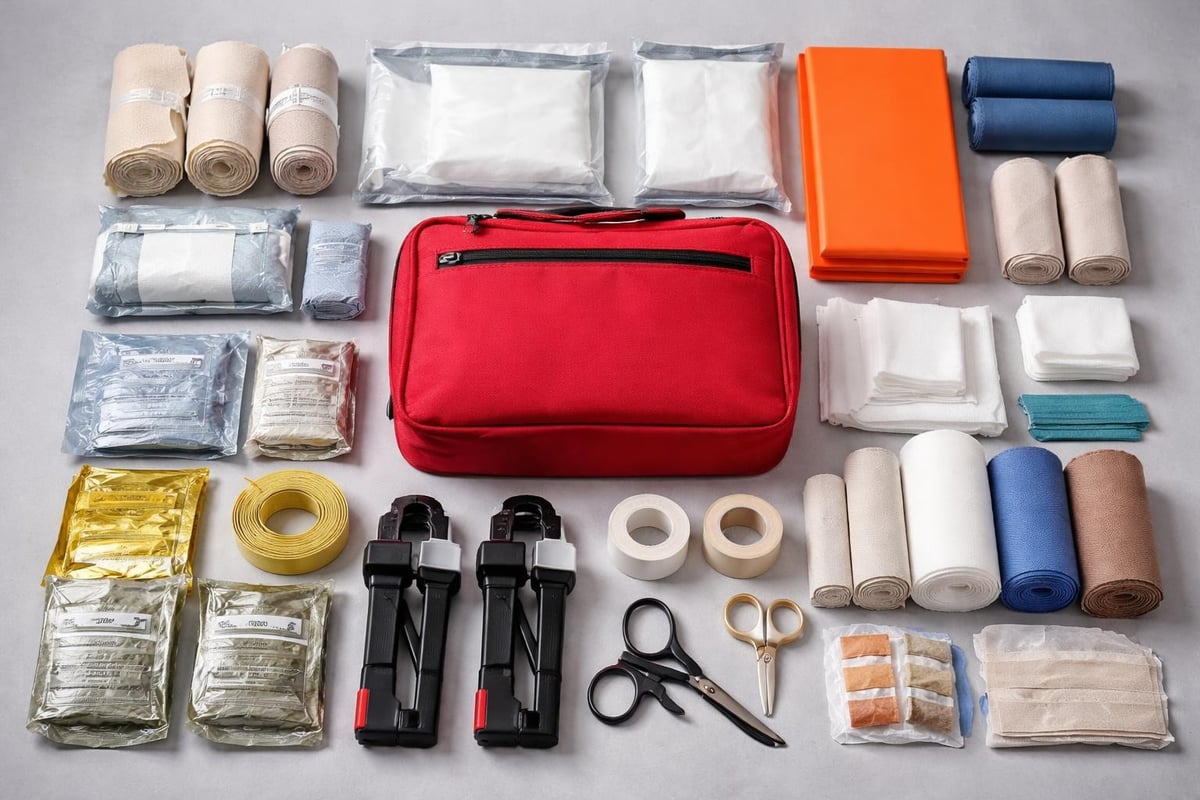
Crepe bandages work most effectively when combined with complementary first aid materials. Building a layered approach to injury management improves outcomes across various emergency scenarios.
Combining with Trauma Dressings
Serious bleeding injuries require hemostatic gauze or trauma dressings as primary interventions. Once bleeding is controlled, crepe bandages secure these dressings while maintaining appropriate pressure. Understanding the distinction between tourniquets and trauma dressings helps responders select the correct intervention sequence.
The crepe bandage serves as the secondary securing layer, never as the primary hemorrhage control device. This layered approach appears in professional trauma protocols and should be reflected in how you build a family first aid kit.
Pairing with Splinting Materials
When immobilizing suspected fractures, rigid splints provide structural support while crepe bandages secure the splint to the injured limb. This combination prevents movement without creating excessive pressure points that could compromise circulation.
Selecting appropriate splints for first aid kits requires considering how they'll interface with your compression bandages. SAM splints, rigid boards, and improvised splinting materials all benefit from proper crepe bandage securement.
Storage, Maintenance, and Shelf Life Considerations
Proper storage extends the functional life of crepe bandages and ensures they perform reliably when needed. Environmental factors and handling practices significantly impact bandage integrity.
Environmental Protection Requirements
Crepe bandages should be stored in cool, dry locations away from direct sunlight. Excessive heat degrades elastic fibers, reducing the bandage's ability to maintain consistent compression. Moisture promotes bacterial growth and weakens cotton fibers.
Individually wrapped bandages offer superior protection compared to bulk packaging. When building car medical kits that experience temperature extremes, sealed packaging prevents degradation from repeated heating and cooling cycles.
Reusability and Hygiene Standards
While crepe bandages can be washed and reused for training or non-contaminated applications, single-use protocols apply to wound contact situations. Bandages exposed to blood or body fluids should be disposed of according to biohazard protocols.
For reusable applications like sprain support, wash bandages in mild detergent, rinse thoroughly, and air dry completely before storage. Inspect for loss of elasticity, fraying edges, or persistent odors indicating replacement is necessary.
| Storage Condition | Impact on Bandage | Recommended Action |
|---|---|---|
| High Temperature (>85°F) | Elastic degradation | Climate-controlled storage |
| High Humidity (>60%) | Mold growth, fiber weakening | Sealed containers with desiccant |
| Direct Sunlight | UV damage to fibers | Opaque storage containers |
| Compression/Folding | Permanent creases | Roll storage method |
Common Application Errors and How to Avoid Them
Even experienced first responders make mistakes when applying crepe bandages under stress. Recognizing common errors helps develop better application habits and improves patient outcomes.
Over-Tightening and Circulation Compromise
The most frequent error involves applying excessive tension during wrapping. Providers often assume tighter means better, creating dangerous pressure that restricts arterial blood flow. This mistake particularly affects extremity injuries where swelling continues to develop after initial bandaging.
Warning signs of over-tightening include:
- Numbness or tingling distal to the bandage
- Color changes (pallor or cyanosis) in fingers or toes
- Increased pain after application
- Loss of distal pulse
- Cool skin temperature compared to opposite limb
If any warning signs appear, immediately loosen or remove the bandage. These psychological mistakes in emergency preparedness often stem from anxiety about "doing enough" during high-stress situations.
Incorrect Wrapping Direction
Starting wraps proximally (near the heart) and working distally (away from the heart) traps blood and exacerbates swelling. Always wrap from the furthest point toward the heart, promoting venous return and preventing fluid accumulation in the extremity.
Inadequate Overlap Creating Pressure Points
Gaps between bandage layers create uneven compression. The exposed skin between wraps experiences higher pressure at the bandage edges, potentially causing discomfort or skin breakdown during extended wear.
Maintain consistent 50% overlap throughout the application. This technique appears in professional training materials and should be practiced regularly to build muscle memory.
Specialized Variants and Modern Innovations
While traditional cotton crepe bandages remain widely used, specialized variants address specific clinical needs. Understanding these options helps responders select optimal materials for particular situations.
Cohesive and Self-Adhesive Crepe Bandages
Modern cohesive bandages adhere to themselves without requiring clips or tape for securing. The latex-free adhesive coating bonds only to the bandage material, not to skin or hair, improving comfort and ease of application.
These variants work exceptionally well in high-movement scenarios where traditional securing methods might fail. Athletic trainers and tactical medics often prefer cohesive options for field applications where simplicity and reliability are paramount.
High-Compression Therapeutic Bandages
Specialized crepe bandages designed for graduated compression therapy provide precise pressure levels for managing chronic venous conditions. These medical-grade products typically feature measurement guides printed on the bandage surface, helping providers achieve target compression levels.
While less common in basic first aid applications, understanding their existence helps responders recognize when standard crepe bandages might be insufficient for specific medical conditions requiring referral to advanced care.
Regulatory Standards and Quality Assurance
Medical-grade crepe bandages must meet specific regulatory requirements ensuring consistent performance and patient safety. These standards vary by region but share common quality benchmarks.
Manufacturing Standards and Compliance
International standards define acceptable elasticity ranges, breaking strength, washability, and dimensional stability. AdvaCare Pharma's overview highlights how quality manufacturers differentiate their products through adherence to ISO standards and regulatory compliance.
For organizations purchasing supplies in bulk, verifying manufacturer certification ensures products will perform as expected during critical interventions. This quality assurance becomes particularly important for medical professionals outfitting tactical teams where equipment failure isn't acceptable.
Performance Testing Requirements
Quality crepe bandages undergo testing for tensile strength, elasticity retention after washing, edge integrity, and dimensional consistency. These tests ensure the bandage will maintain therapeutic compression throughout its intended use period without premature failure.
Understanding these standards helps consumers distinguish between medical-grade products suitable for emergency care and lower-quality alternatives that might fail during critical applications.
Training and Skill Development Recommendations
Knowledge without practice creates dangerous confidence. Regular training with crepe bandages builds the muscle memory and judgment needed for effective emergency application.
Hands-On Practice Scenarios
Create realistic training scenarios incorporating time pressure, environmental challenges, and simulated patient stress. Practice wrapping techniques on training partners of different sizes, familiarizing yourself with how bandage tension feels across various body regions.
Document your training sessions, noting which techniques feel most natural and which require additional practice. This reflective approach accelerates skill development and identifies knowledge gaps before they matter in actual emergencies.
Integration with Comprehensive Response Training
Crepe bandage application should integrate with broader emergency response protocols. Understanding when compression bandaging complements or contradicts other interventions prevents treatment conflicts.
For example, knowing the difference between NPA and OPA airway devices seems unrelated to bandaging, but comprehensive responder training recognizes how multiple simultaneous interventions interact during complex medical emergencies.
Participating in Stop the Bleed training provides context for where compression bandages fit within the hemorrhage control cascade, from direct pressure through tourniquet application.
Crepe bandages remain indispensable tools for anyone serious about emergency preparedness and effective first aid response. Their versatility, reliability, and ease of use make them essential components of comprehensive medical kits for both professionals and prepared civilians. Whether you're building a basic home first aid kit or outfitting a complete tactical medical loadout, quality crepe bandages deserve a prominent place in your supplies. Medical Gear Outfitters provides paramedic-selected first aid equipment and the training resources you need to use these essential supplies confidently and effectively when emergencies demand immediate action.