
Snake Bite Kits: What You Need to Know in 2026
When outdoor adventures turn dangerous, having the right emergency supplies can mean the difference between life and death. For decades, snake bite kits have been marketed as essential wilderness safety equipment, promising to extract venom and save lives. However, modern medical research has fundamentally changed our understanding of these devices and their role in snakebite emergencies. As first responders and outdoor enthusiasts prepare for potential wildlife encounters, understanding the actual effectiveness of these kits becomes critical for making informed decisions about emergency preparedness.
The Evolution of Snake Bite Treatment
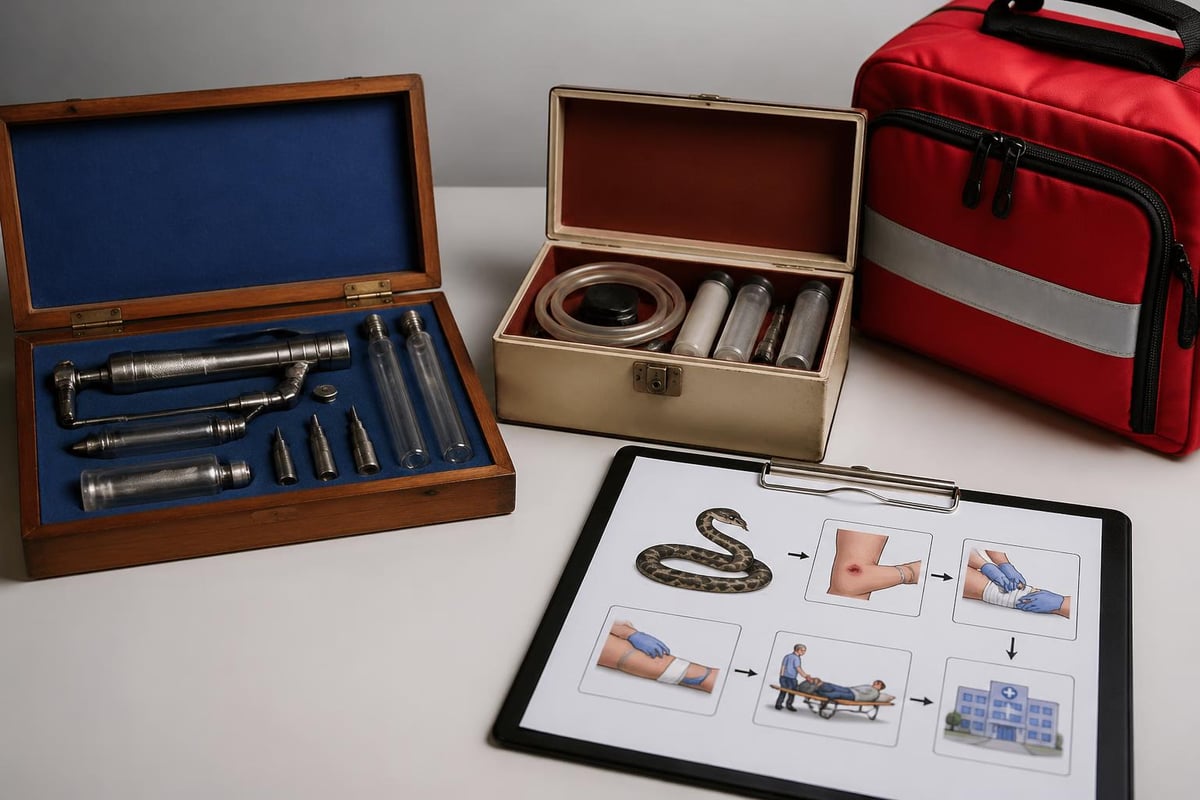
Snake bite kits emerged in the early 20th century when medical understanding of venom mechanics was limited. These early devices featured cutting implements, suction devices, and tourniquets based on the theory that mechanical venom extraction could prevent systemic poisoning.
The original snake bite kits contained razor blades or lancets designed to create incisions over fang marks. Users were instructed to cut the bite site and apply suction cups to draw out venom. This approach seemed logical at the time but failed to account for how rapidly venom spreads through tissue and enters the bloodstream.
Why Traditional Methods Failed
Medical research conducted throughout the 1980s and 1990s revealed critical flaws in traditional snake bite kits. Venom absorption occurs within minutes, spreading through lymphatic channels and blood vessels far faster than any mechanical extraction method could address.
Studies demonstrated that suction devices removed less than 0.04% of injected venom, even when applied immediately after a bite. The scientific analysis of snake bite kits shows that these minimal extraction rates provide no therapeutic benefit while creating additional tissue damage.
Furthermore, cutting the bite site increases infection risk, damages underlying structures, and can sever blood vessels or nerves. The combination of incision and suction often caused more harm than the bite itself, particularly with non-venomous snake encounters.
Components of Traditional Snake Bite Kits
Understanding what snake bite kits typically contain helps explain why medical professionals now advise against their use. Most commercial kits include several standard components that reflect outdated treatment philosophies.
Common Kit Contents
| Component | Intended Purpose | Actual Effectiveness |
|---|---|---|
| Suction device | Extract venom | Removes less than 0.04% of venom |
| Scalpel or blade | Create incision | Increases tissue damage and infection risk |
| Tourniquet | Restrict venom spread | May cause limb damage without stopping venom |
| Antiseptic wipes | Clean bite area | Minimal benefit; delays proper care |
| Elastic bandage | Compression | Useful only with pressure-immobilization technique |
The suction pump represents the most recognizable element of traditional snake bite kits. These devices create negative pressure over the bite site, theoretically drawing venom from puncture wounds. However, venom molecules bind rapidly to tissue proteins and enter circulation too quickly for surface extraction to provide meaningful benefit.
Tourniquets in these kits pose particular dangers. While designed to prevent venom spread, improper application can cause nerve damage, tissue necrosis, and limb loss. Modern tourniquet protocols emphasize their use only for severe hemorrhage control, not envenomation management.
Modern Kit Variations
Some contemporary snake bite kits have eliminated cutting implements while retaining suction devices and compression bandages. Manufacturers market these updated versions as safer alternatives to traditional kits.
Despite these modifications, the fundamental problem remains: mechanical venom extraction does not work effectively enough to justify the time, effort, and potential complications involved. The comprehensive analysis from Battlbox confirms that even modern iterations fail to demonstrate clinical effectiveness.
Current Medical Consensus on Snake Bite Kits
The medical community has reached overwhelming consensus regarding snake bite kits based on decades of research and clinical experience. Major health organizations worldwide now recommend against their use.
Professional Recommendations
Emergency medicine specialists emphasize immediate medical attention as the only effective snakebite treatment. Antivenom administration in controlled hospital settings represents the gold standard for managing venomous snake encounters.
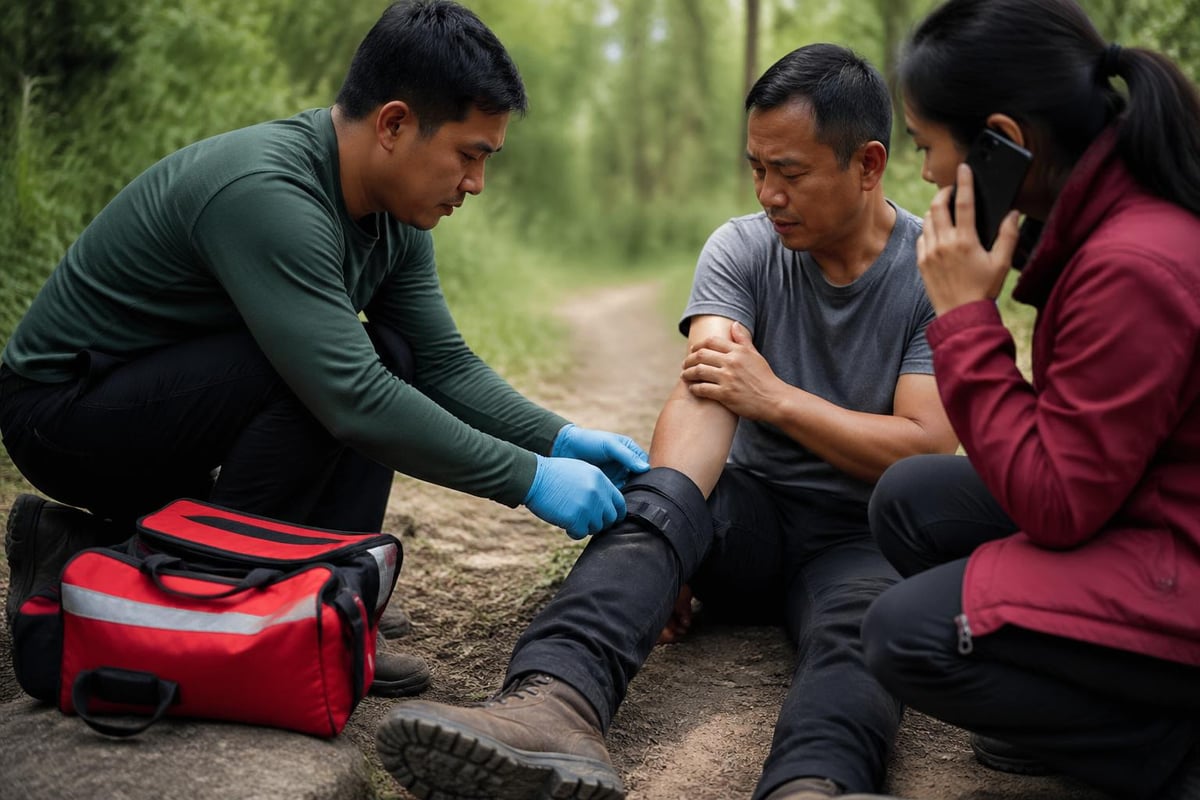
According to WebMD's snakebite treatment guidelines, proper first aid focuses on keeping victims calm, immobilizing the affected limb, and seeking emergency medical care immediately. No field intervention can substitute for professional medical treatment.
The Wilderness Medical Society published updated guidelines in 2014 explicitly stating that snake bite kits provide no benefit and should not be carried or used. This recommendation reflects systematic review of available evidence and expert panel consensus.
Evidence Against Suction Devices
Multiple controlled studies have tested suction device effectiveness under laboratory and clinical conditions. Research published in the Annals of Emergency Medicine demonstrated that suction extraction removed negligible venom quantities while causing significant tissue trauma.
One landmark study used radioactively labeled mock venom to track extraction efficiency. Results showed that even immediate application of maximum suction pressure removed less than 2% of injected material from the superficial tissue layer. Venom that had reached deeper tissues or entered circulation could not be extracted at all.
These findings align with physiological understanding of venom dispersion. Snake fangs inject venom deep into tissue, where it spreads rapidly through interstitial spaces and lymphatic vessels. Surface suction cannot access these anatomical compartments effectively.
Proper Snakebite First Aid Protocol
While snake bite kits have been debunked, understanding correct emergency response remains essential for wilderness safety. Proper first aid focuses on supportive care and rapid medical evacuation rather than field intervention.
Immediate Response Steps
- Move away from the snake to prevent additional bites while ensuring the snake is not accidentally stepped on or cornered
- Keep the victim calm and still since movement accelerates venom circulation through increased heart rate and muscle activity
- Remove jewelry and tight clothing from the affected limb before swelling begins, which typically occurs within 30 minutes
- Position the bitten extremity at or slightly below heart level to minimize venom spread without impairing circulation
- Call emergency services immediately and provide location information for rescue coordination
Note the bitten limb's appearance and any symptoms that develop. This information helps medical personnel assess envenomation severity and determine appropriate antivenom administration.
What NOT to Do
Avoiding harmful interventions proves as important as implementing correct procedures. These common mistakes can worsen outcomes significantly:
- Never cut the bite site or attempt to extract venom through incisions
- Never apply ice or extreme cold which can cause additional tissue damage without slowing venom spread
- Never use electrical shock which has no scientific basis and causes burns
- Never attempt to capture or kill the snake as this risks additional bites and delays proper care
- Never apply tight tourniquets except for catastrophic bleeding unrelated to envenomation
The assessment of serious bleeding differs fundamentally from envenomation management, requiring different intervention strategies.
Pressure-Immobilization Technique
For certain snake species, particularly those found in Australia and some Asian regions, the pressure-immobilization technique represents an evidence-based first aid intervention. This method uses elastic bandages to slow lymphatic flow without restricting arterial circulation.
Application involves wrapping the entire bitten limb with an elastic bandage at the same pressure used for a sprained ankle. A splint immobilizes the limb to minimize muscle movement. This technique has demonstrated effectiveness for elapid snakes (cobras, kraits, coral snakes) whose venom spreads primarily through lymphatic vessels.
However, pressure-immobilization should NOT be used for viper bites (rattlesnakes, copperheads, cottonmouths) common in North America, as increased local pressure may worsen tissue damage from cytotoxic venom.
Building Effective Wilderness Emergency Kits
Rather than including ineffective snake bite kits, wilderness first aid supplies should focus on proven emergency interventions for common outdoor injuries and medical emergencies.
Essential Components for Outdoor First Aid
A properly equipped portable medical kit addresses realistic wilderness scenarios including trauma, environmental exposure, and medical emergencies.
Critical supplies include:
- Sterile gauze pads and rolled bandages for wound management
- Elastic bandages for compression and joint support
- Adhesive bandages in multiple sizes
- Medical tape and wound closures
- Antiseptic solutions and antibiotic ointment
- Pain relievers and antihistamines
- Disposable gloves for infection control
- Emergency blanket for hypothermia prevention
- CPR barrier device
- Tweezers and scissors
For serious trauma scenarios, advanced trauma kits include hemostatic agents, chest seals, and tourniquets designed for life-threatening hemorrhage control.
Communication and Evacuation Planning
The most critical wilderness safety equipment may be communication devices that enable rapid rescue coordination. Personal locator beacons, satellite messengers, and mobile phones with emergency features allow victims to summon professional medical assistance even in remote areas.
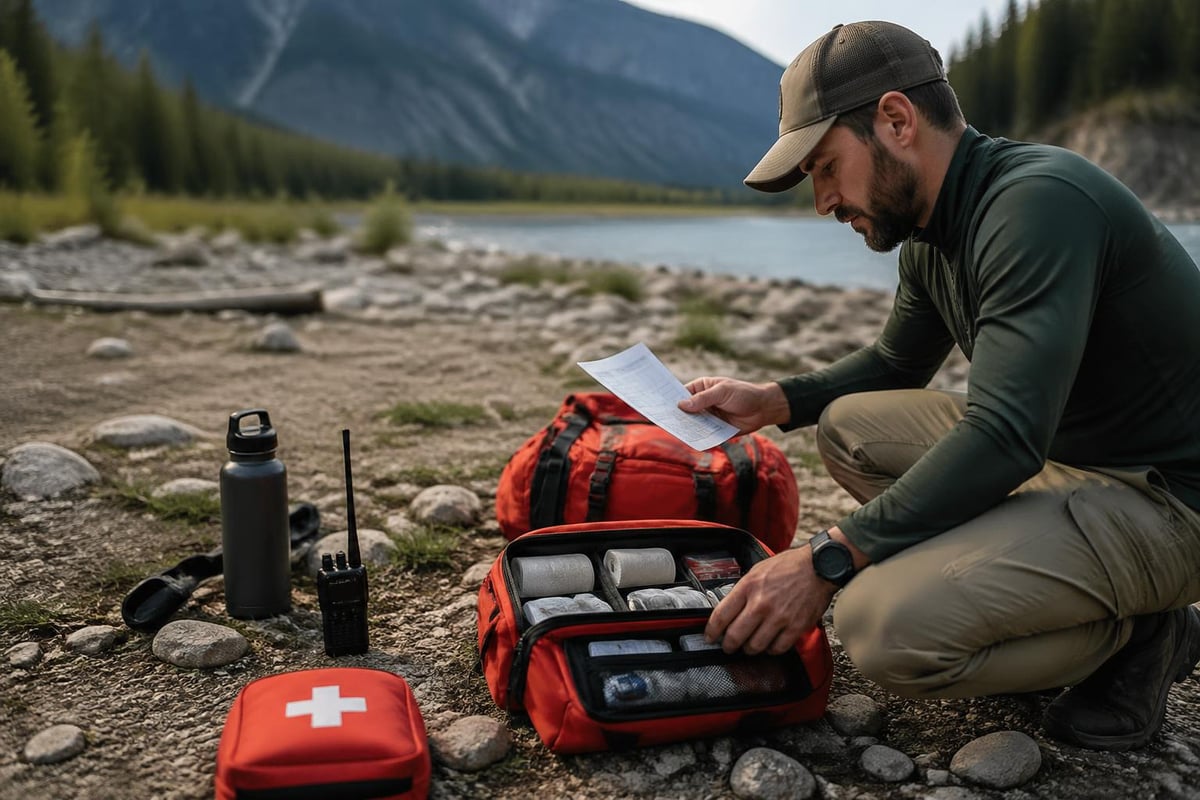
Map your wilderness routes and establish check-in protocols with responsible contacts who can initiate rescue operations if you fail to report as scheduled. Know the locations of the nearest medical facilities capable of treating snakebites with antivenom.
Training and Education for Snake Encounters
Equipment alone cannot ensure safety during wilderness emergencies. Proper training in first aid techniques, snake identification, and risk assessment proves essential for outdoor enthusiasts.
Wilderness First Aid Certification
Formal wilderness first aid courses teach decision-making protocols specific to remote environments where professional medical care may be hours or days away. These programs cover:
- Patient assessment and vital sign monitoring
- Wound management and infection prevention
- Fracture stabilization and splinting techniques
- Environmental emergencies including hypothermia and heat illness
- Evacuation decision-making and rescue coordination
- Improvisation techniques when supplies are limited
Certification programs typically require 16-24 hours of instruction combining classroom learning with hands-on practice scenarios. Annual recertification ensures knowledge remains current with evolving best practices.
Snake Awareness and Prevention
The best snakebite treatment is prevention through awareness and cautious behavior in snake habitat. Understanding snake ecology reduces encounter risk significantly.
Prevention strategies include:
- Wearing sturdy boots and long pants in known snake territory
- Watching where you step and place your hands during hiking or climbing
- Using trekking poles or sticks to probe vegetation before walking through it
- Avoiding rock crevices, log piles, and dense brush where snakes shelter
- Exercising extreme caution during dawn, dusk, and warm evenings when snakes are most active
- Keeping campsites clean and free of rodents that attract snakes
- Using flashlights when moving around camp after dark
Most snakebites occur when people accidentally step on snakes or attempt to handle them. Giving snakes space and avoiding interaction eliminates the majority of bite risk.
Regional Snake Identification
Knowing which venomous species inhabit your activity area helps emergency responders select appropriate antivenom if a bite occurs. While snake identification should never delay emergency care, accurate description assists medical personnel.
In North America, venomous snakes include rattlesnakes, copperheads, cottonmouths, and coral snakes. Each genus produces distinct venom requiring specific antivenom formulations. However, attempting to capture or kill snakes for identification purposes causes many secondary bites and should never be attempted.
Professional Perspective on Emergency Preparedness
As a paramedic-owned company, Medical Gear Outfitters emphasizes evidence-based emergency preparedness over marketing hype. The snake bite kit controversy illustrates why professional medical expertise should guide supply selection.
Quality Over Quantity in First Aid Supplies
Effective emergency response depends on appropriate, high-quality supplies rather than accumulating ineffective devices. Complete first aid kits should prioritize proven interventions for common injuries while remaining compact enough for realistic wilderness carry.
Consider the weight and volume of every item against its potential utility. Snake bite kits represent wasted space and weight that could be allocated to supplies with demonstrated effectiveness like sterile dressings, medications, or additional water purification capacity.
Integrating Medical Knowledge with Equipment
Understanding when and how to use emergency equipment proves as important as possessing it. Medical kit essentials should align with user training and competency levels.
Basic first aid kits suit recreational hikers with standard first aid certification, while wilderness guides and expedition leaders benefit from advanced trauma supplies matched to their enhanced training. Carrying equipment beyond your skill level provides false security without improving outcomes.
Staying Current with Medical Evidence
Medical science continues evolving as new research challenges established practices. The rejection of snake bite kits demonstrates how evidence-based medicine updates recommendations based on rigorous scientific investigation.
Consulting reliable sources like ScienceInsights' examination of snake bite kit effectiveness helps distinguish between marketing claims and medical reality. Professional medical organizations, peer-reviewed journals, and experienced emergency medicine practitioners provide trustworthy guidance.
Regulatory and Liability Considerations
Organizations providing first aid supplies or training must consider regulatory requirements and liability implications when making equipment recommendations.
Workplace and Institutional Settings
OSHA regulations and state laws govern first aid requirements for workplace environments. While these standards mandate basic supplies, they do not require snake bite kits and may actually discourage their inclusion based on current medical evidence.
Institutional policies should reflect current best practices to minimize liability exposure. Providing outdated or ineffective equipment could create legal vulnerability if injured parties claim inadequate emergency preparedness.
Product Liability Issues
Manufacturers of snake bite kits face increasing scrutiny as medical evidence demonstrates their ineffectiveness. Some companies have discontinued these products or modified marketing claims to avoid liability.
Purchasers should evaluate whether suppliers stand behind their products with evidence-based claims rather than anecdotal testimonials. Reputable emergency first aid suppliers prioritize customer safety over profit margins.
Cost-Benefit Analysis of Snake Bite Kits
Financial considerations factor into emergency preparedness decisions, particularly for organizations equipping multiple personnel or locations.
Direct Costs
Snake bite kits typically cost between $15 and $50 depending on components and brand. While seemingly modest, these expenses multiply across teams, facilities, or expeditions.
More importantly, money spent on ineffective equipment represents opportunity cost. Those same funds could purchase proven supplies like hemostatic dressings, chest seals, or quality bandaging materials with demonstrated clinical benefit.
Hidden Costs of Ineffective Equipment
Beyond purchase price, snake bite kits impose indirect costs through false confidence and delayed appropriate care. Users who believe they possess effective snakebite treatment may delay evacuation or waste critical time attempting ineffective interventions.
Training time spent on discredited techniques could instead focus on evidence-based protocols that genuinely improve outcomes. Educational resources should emphasize proper first aid rather than perpetuating outdated practices.
Understanding the limitations of snake bite kits represents essential knowledge for anyone venturing into wilderness environments where snakes may be encountered. While these devices were once considered standard safety equipment, decades of medical research have conclusively demonstrated their ineffectiveness and potential to cause harm. Medical Gear Outfitters provides evidence-based first aid and emergency response supplies backed by paramedic expertise, ensuring you're prepared with equipment that actually works when emergencies occur. Focus your preparedness efforts on proven interventions, proper training, and rapid access to professional medical care to maximize safety during outdoor adventures.

