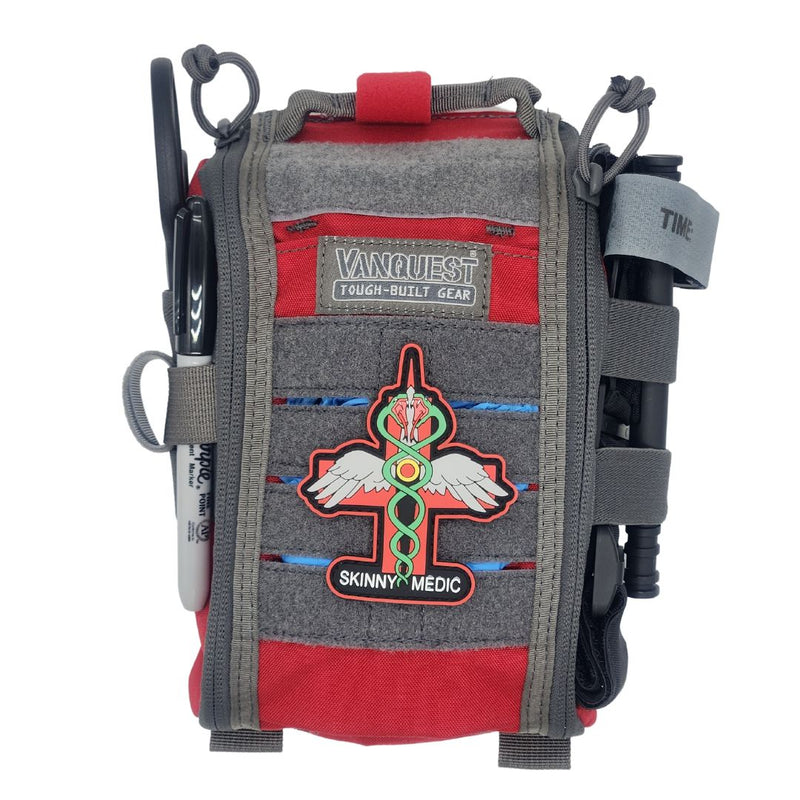
Road Trip First Aid Kit: Essential Supplies Guide 2026
Whether you're planning a cross-country adventure or a weekend getaway, preparing a comprehensive road trip first aid kit is essential for protecting your passengers and responding to unexpected medical emergencies. Statistics show that minor injuries and medical issues occur frequently during travel, yet many drivers remain unprepared. A properly stocked road trip first aid kit can make the difference between a minor inconvenience and a serious situation, giving you the tools and confidence to handle everything from small cuts to more significant trauma until professional medical help arrives.
Understanding Road Trip Medical Needs
Road trips present unique medical challenges that differ from home emergencies. Extended time in vehicles, exposure to varying climates, unfamiliar terrain, and limited access to medical facilities create situations where having proper supplies becomes critical.
Common road trip medical scenarios include:
- Motion sickness affecting passengers, especially children
- Minor cuts and scrapes from roadside activities
- Burns from campfires or hot vehicle surfaces
- Insect bites and stings in unfamiliar regions
- Dehydration and heat-related illnesses
- Allergic reactions to new foods or environmental factors
- Sprains and strains from hiking or outdoor activities
The American Red Cross provides comprehensive guidance on travel first aid kit essentials that serves as an excellent foundation for building your automotive medical supplies. However, understanding your specific route, planned activities, and passenger needs allows you to customize your kit beyond basic recommendations.
Assessing Your Specific Requirements
Every road trip first aid kit should be tailored to your journey. Consider the number of passengers, ages of travelers, known medical conditions, duration of travel, and remoteness of your destination. A family with young children traveling through desert regions requires different supplies than solo travelers exploring coastal areas.
Document any prescription medications, chronic conditions, or allergies for each passenger. This information proves invaluable during emergencies when stress can cloud memory and critical details matter most.
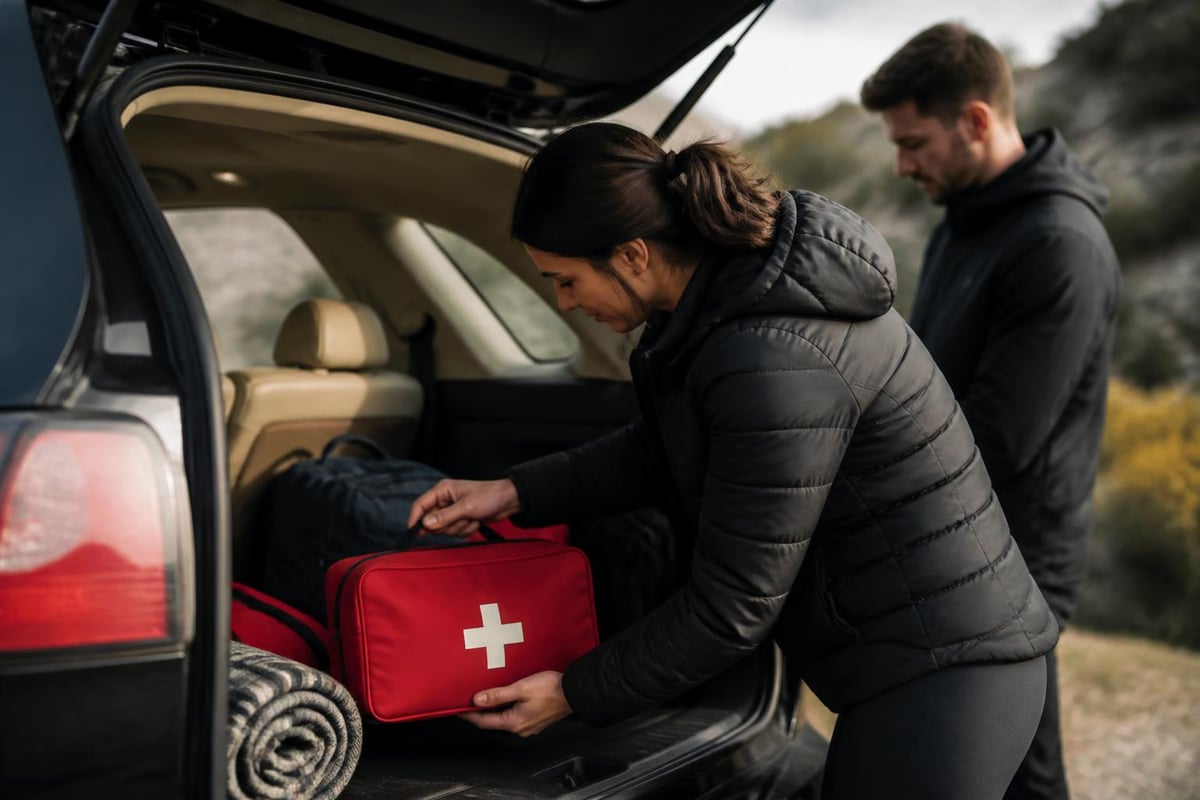
Core Medical Supplies for Vehicle Safety
Building a road trip first aid kit starts with foundational medical supplies that address the most common injuries and illnesses. These items form the backbone of your emergency preparedness and should be included regardless of your destination.
Wound Care Essentials
Proper wound management prevents infections and promotes healing. Your kit should include various bandage sizes to accommodate different injury types.
| Supply Category | Specific Items | Quantity Recommended |
|---|---|---|
| Adhesive Bandages | Assorted sizes (small, medium, large) | 20-30 pieces |
| Gauze Pads | 2x2 and 4x4 inch sterile pads | 10-15 each size |
| Medical Tape | 1-inch cloth or paper tape | 2 rolls |
| Gauze Rolls | Conforming gauze for wrapping | 3-4 rolls |
| Butterfly Closures | Wound closure strips | 1 package |
Understanding basic first aid box requirements helps ensure you don't overlook critical components. Quality matters significantly in wound care supplies. Medical-grade materials maintain sterility and provide superior protection compared to dollar-store alternatives.
Trauma and Bleeding Control
Serious injuries can occur during vehicle accidents or outdoor activities. Including trauma supplies in your road trip first aid kit prepares you for worst-case scenarios.
Critical trauma items include:
- Tourniquets for severe limb bleeding
- Hemostatic gauze for controlling hemorrhage
- Chest seals for penetrating injuries
- Emergency trauma dressings
- Compression bandages
Learning how to stop a major bleed and avoid common errors ensures these supplies become lifesaving tools rather than useless weight. Professional training transforms your kit from a collection of items into an effective emergency response system.
Medications and Pharmaceutical Supplies
A well-rounded road trip first aid kit includes both over-the-counter medications and prescription items tailored to your passengers' needs. Medications address common travel ailments and provide relief until professional medical care becomes available.
Over-the-Counter Medications
Stock your kit with medications addressing the most frequent travel-related complaints. Check expiration dates before each trip and replace outdated items promptly.
Essential OTC medications:
- Pain relievers (acetaminophen, ibuprofen, aspirin)
- Antihistamines for allergic reactions
- Anti-diarrheal medication
- Antacids for digestive issues
- Motion sickness medication
- Hydrocortisone cream for skin irritation
- Antibiotic ointment for wound care
- Eye drops for irritation
The vehicle kit essentials recommended by the Red Cross emphasize the importance of maintaining fresh medications that haven't been exposed to extreme temperatures. Store pharmaceuticals in a climate-controlled container within your vehicle rather than the trunk where temperature fluctuations occur.
Prescription Medications and Documentation
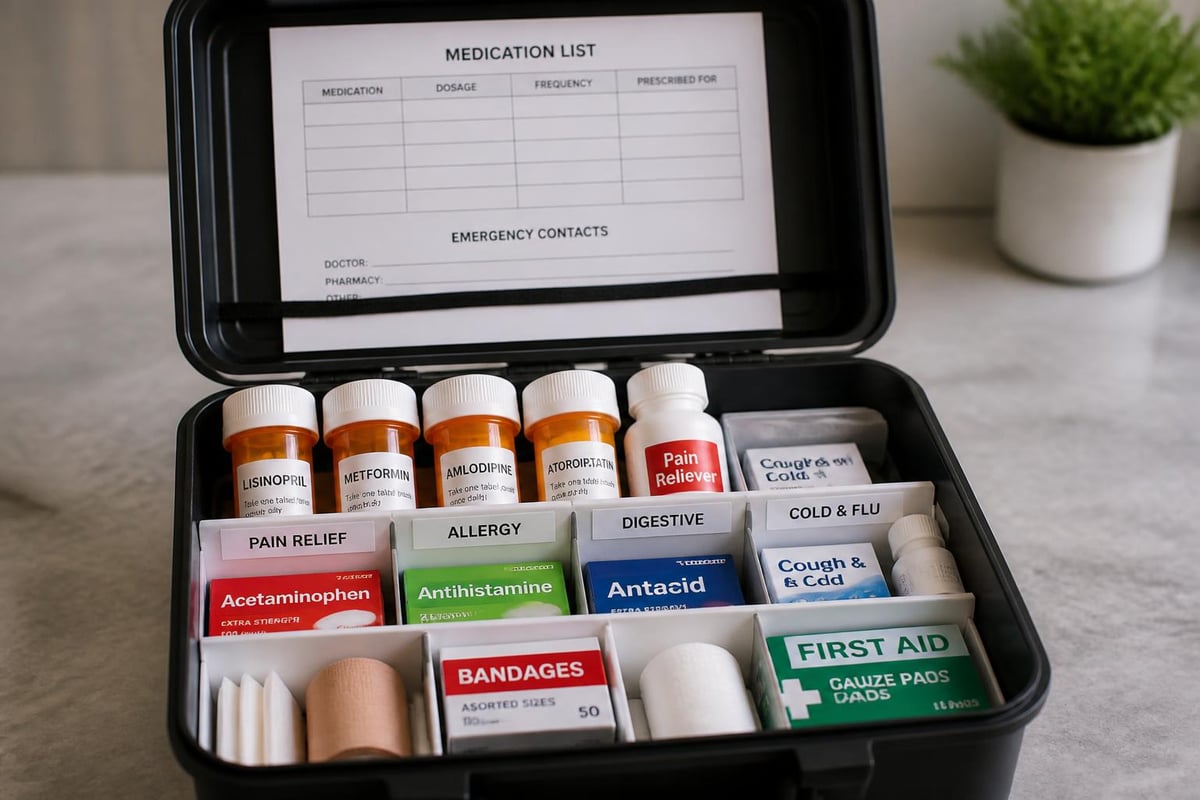
Passengers requiring prescription medications should carry sufficient quantities for the entire trip plus three additional days. Medication lists documenting drug names, dosages, prescribing physicians, and pharmacy contact information prove invaluable during emergencies.
Keep prescriptions in original containers with clearly labeled instructions. This practice avoids confusion during stressful situations and assists emergency responders who may need to know what medications patients have taken.
Tools and Equipment for Emergency Response
Medical supplies alone don't constitute a complete road trip first aid kit. Specialized tools enable you to assess situations, access injuries, and provide effective treatment.
Diagnostic and Assessment Tools
Understanding a patient's condition guides appropriate treatment decisions. Basic diagnostic tools help evaluate injury severity and monitor vital signs.
- Digital thermometer for fever assessment
- Blood pressure cuff for monitoring circulation
- Pulse oximeter for oxygen saturation
- Penlight for pupil response checks
- Medical-grade scissors for cutting clothing or bandages
Protection and Safety Equipment
Personal protective equipment protects both rescuers and patients from cross-contamination and disease transmission. Never compromise on PPE quality or availability.
Include these protective items:
- Nitrile gloves in multiple sizes
- CPR face shield or pocket mask
- Safety glasses or goggles
- Hand sanitizer and antiseptic wipes
- Biohazard disposal bags
Quality first aid kit bags organize supplies efficiently while protecting contents from damage and contamination. Proper organization reduces response time during emergencies when seconds matter.
Specialized Supplies for Different Environments
Road trips traverse diverse environments, each presenting unique medical challenges. Adapting your road trip first aid kit to anticipated conditions ensures comprehensive preparedness.
Desert and Hot Climate Additions
High temperatures and intense sun exposure create specific health risks requiring targeted supplies. Heat exhaustion, dehydration, and severe sunburn demand immediate attention.
| Environmental Risk | Required Supplies | Usage Notes |
|---|---|---|
| Heat Exhaustion | Electrolyte packets, cooling towels | Rehydrate gradually, cool body temperature |
| Sunburn | Aloe vera gel, lidocaine spray | Apply liberally, monitor for blistering |
| Dehydration | Extra water, oral rehydration salts | Prevent with regular fluid intake |
| Dust/Sand Irritation | Eye wash, saline solution | Flush eyes thoroughly, don't rub |
Mountain and Cold Weather Preparations
Altitude sickness, hypothermia, and frostbite require different medical approaches than heat-related emergencies. Cold weather travel demands supplies that maintain body temperature and address altitude effects.
Include emergency blankets, chemical hand warmers, and medications for altitude sickness. Understanding portable medical kit configurations helps balance comprehensive coverage with weight constraints during mountain adventures.
Wilderness and Remote Area Essentials
Traveling through areas with limited medical access requires expanded capabilities. Your road trip first aid kit should include supplies for managing injuries over extended periods before professional help arrives.
Consider adding splinting materials, extended wound care supplies, and additional trauma items. Remote travel also necessitates enhanced communication tools like satellite phones or personal locator beacons to summon assistance when needed.
Organization and Maintenance Strategies
The most comprehensive road trip first aid kit becomes useless if supplies can't be located quickly or have expired. Systematic organization and regular maintenance ensure readiness when emergencies strike.
Container Selection and Layout
Choose a container that's waterproof, durable, and appropriately sized for your supplies. Clear compartments or labeled pouches enable quick identification of needed items during high-stress situations.
Organization best practices:
- Group items by category (wound care, medications, tools)
- Place frequently used items in easily accessible locations
- Use clear bags or containers for visibility
- Label everything clearly with contents and expiration dates
- Include a comprehensive inventory list
- Store instruction guides with relevant supplies
Understanding first aid kit necessities provides a foundation for building organized, functional kits that support effective emergency response.
Regular Inspection and Restocking
Schedule quarterly inspections of your road trip first aid kit to verify supply levels and check expiration dates. Replace used items immediately after each trip while details remain fresh in your memory.
Create a restocking checklist organized by supply category. This systematic approach prevents overlooking critical items during replacement cycles. Document expiration dates when adding new supplies to streamline future inspections.
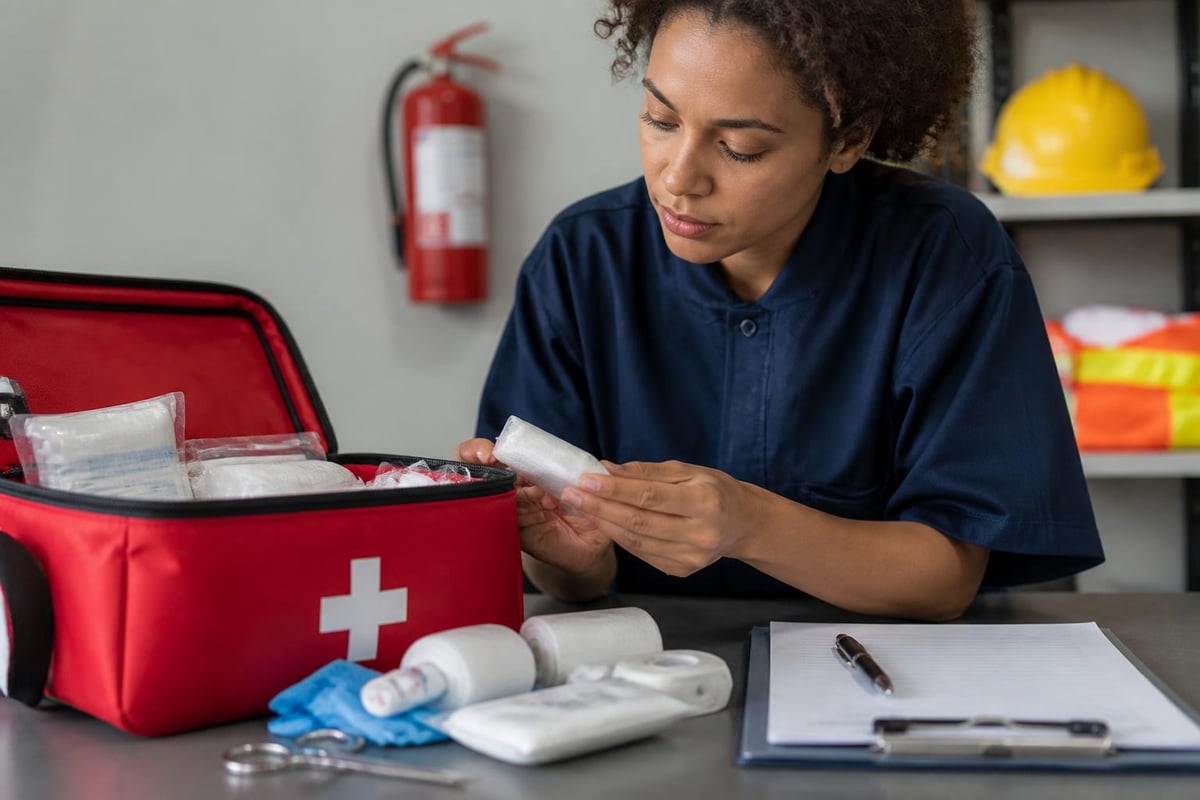
Training and Skill Development
Possessing a well-stocked road trip first aid kit without the knowledge to use it effectively creates false security. Proper training transforms supplies into lifesaving tools and builds confidence for emergency situations.
Essential First Aid Skills
Enroll in certified first aid and CPR courses through recognized organizations. These programs teach fundamental skills including wound management, bleeding control, fracture stabilization, and cardiopulmonary resuscitation.
Priority training areas include:
- Basic life support and CPR techniques
- Wound cleaning and bandaging procedures
- Bleeding control methods from minor to severe
- Recognizing signs of shock and appropriate treatment
- Splinting techniques for suspected fractures
- Managing allergic reactions and anaphylaxis
Scenario-Based Practice
Knowledge requires reinforcement through regular practice. Conduct quarterly drills simulating common road trip emergencies to maintain proficiency and identify weaknesses in your preparedness.
Practice scenarios in various conditions including darkness, inclement weather, and stressful environments. This realistic training reveals gaps in your system and builds muscle memory for critical procedures.
Legal and Regulatory Considerations
Understanding legal aspects of emergency medical response protects Good Samaritans who assist injured persons. Laws vary by state and country, making research essential before traveling.
Good Samaritan Laws
Most jurisdictions provide legal protection for individuals providing reasonable assistance during emergencies. These laws generally protect rescuers from liability when acting in good faith without expectation of compensation.
However, protection typically requires staying within your training level and avoiding reckless actions. Document your training certifications and maintain them current to support your qualification for Good Samaritan protection.
Border Crossing Requirements
International travel introduces additional considerations regarding medical supplies. Some medications legal in the United States face restrictions in other countries. Research destination regulations and carry documentation for all prescription medications.
Certain medical equipment may require explanation at border crossings. Including printed documentation explaining your road trip first aid kit contents and their intended use facilitates smoother customs processing.
Integration with Broader Vehicle Emergency Preparedness
A comprehensive road trip first aid kit represents one component of complete vehicle emergency readiness. Coordinating medical supplies with other safety equipment creates robust preparedness for various emergencies.
Vehicle Emergency Equipment
Beyond medical supplies, vehicles should carry tools addressing mechanical failures and environmental hazards. This broader emergency kit complements your first aid supplies by addressing different emergency categories.
Additional vehicle emergency items:
- Jumper cables or portable battery charger
- Tire repair kit and pressure gauge
- Flashlight with extra batteries
- Emergency flares or reflective triangles
- Multi-tool or basic hand tools
- Fire extinguisher rated for automotive use
- Emergency blankets and warm clothing
The National Safety Council's road trip safety checklist provides comprehensive guidance for vehicle emergency preparation beyond medical supplies.
Communication and Navigation Backup
Modern travelers rely heavily on smartphones for communication and navigation. Equipment failures during emergencies compound problems significantly. Include backup communication methods and paper maps for areas with limited cell coverage.
Portable chargers, car charging cables, and solar charging panels ensure communication devices remain functional. Physical maps provide navigation when electronic systems fail, particularly important in remote areas where GPS signals weaken.
Pediatric Considerations for Family Travel
Families traveling with children require specialized additions to their road trip first aid kit. Pediatric medical needs differ significantly from adult requirements, demanding age-appropriate supplies and medications.
Child-Specific Medical Supplies
Children's smaller body sizes require different medication dosages and specialized equipment. Standard adult supplies often prove inadequate or inappropriate for pediatric emergencies.
| Age Group | Specific Supplies | Dosage Considerations |
|---|---|---|
| Infants (0-1 year) | Infant pain reliever, thermometer, bulb syringe | Weight-based dosing critical |
| Toddlers (1-3 years) | Child fever medication, pediatric electrolytes | Consult pediatrician for dosages |
| Young Children (4-8) | Child-appropriate bandages, medication cup | Transitioning to adult dosing |
| Older Children (9+) | Standard supplies, age-appropriate medications | Approaching adult dosing |
Entertainment and Comfort Items
While not strictly medical, items that calm distressed children facilitate treatment and reduce stress. Small toys, favorite books, or electronic devices distract children during medical procedures and prevent anxiety escalation.
Include comfort items like favorite blankets or stuffed animals. Familiar objects provide emotional security during frightening situations, making children more cooperative with necessary medical interventions.
Regional Health Concerns and Preventive Measures
Different geographic regions present specific health risks requiring targeted preparation. Researching destination-specific health concerns allows proactive protection through appropriate supplies and preventive measures.
Insect-Borne Disease Prevention
Areas with mosquitoes, ticks, or other disease-carrying insects demand protective measures beyond basic first aid. Include insect repellent, permethrin-treated clothing, and tick removal tools in regions where Lyme disease, West Nile virus, or other insect-borne illnesses occur.
Understanding proper tick removal techniques prevents disease transmission. Carry fine-tipped tweezers and know the correct removal process to avoid leaving tick parts embedded in skin.
Water and Food Safety
Regions with questionable water quality or unfamiliar cuisine increase gastrointestinal illness risk. Pack water purification tablets, anti-diarrheal medications, and oral rehydration solutions when traveling to areas with water safety concerns.
Research destination food safety standards and common traveler illnesses. This knowledge guides appropriate preventive measures and supply selection for your road trip first aid kit.
Advanced Trauma Capabilities
Serious accidents require immediate intervention before emergency services arrive. Including advanced trauma supplies in your road trip first aid kit, combined with proper training, enables effective response to critical injuries.
Hemorrhage Control Equipment
Uncontrolled bleeding represents the leading cause of preventable trauma deaths. Commercial-grade tourniquets and hemostatic gauze provide capabilities that basic bandages cannot match.
Quality matters critically in trauma equipment. Cheap alternatives fail under stress, potentially costing lives. Invest in proven equipment from reputable manufacturers and verify products meet current tactical combat casualty care standards.
Respiratory Emergency Supplies
Chest injuries and airway obstructions threaten life within minutes. Chest seals address penetrating thoracic trauma while nasopharyngeal airways maintain breathing passages in unconscious patients.
Training in respiratory emergency management must accompany these supplies. Understanding when and how to use advanced airway equipment prevents causing additional harm through improper application.
Building and maintaining a comprehensive road trip first aid kit represents a critical investment in safety that every traveler should prioritize. The supplies, organization strategies, and training discussed here provide the foundation for effective emergency response during automotive travel. Medical Gear Outfitters offers professionally-curated first aid kits and individual supplies designed by a paramedic who understands real-world emergency response requirements, ensuring you have the right equipment and knowledge to protect your passengers when every second counts.