Non Adherent Gauze Pads: Essential Wound Care Guide
When treating wounds in emergency situations or during routine care, the dressing you choose makes a significant difference in patient comfort and healing outcomes. Non adherent gauze pads represent one of the most important advances in wound care technology, designed specifically to protect healing tissue while preventing the trauma and pain associated with traditional gauze removal. These specialized dressings combine the absorbency and protective qualities of conventional gauze with a unique coating that prevents fibers from sticking to delicate wound surfaces. For first responders, healthcare professionals, and anyone responsible for maintaining well-stocked first aid supplies, understanding the proper selection and application of these pads is essential for delivering effective wound management.
Understanding Non Adherent Gauze Technology
Non adherent gauze pads feature a specialized coating or treatment that creates a protective barrier between the gauze material and the wound bed. This coating, typically made from petroleum-based compounds, silicone, or other synthetic materials, prevents the gauze fibers from bonding with drying blood, serum, or newly forming tissue.
The fundamental design addresses a critical problem with traditional gauze dressings. When standard gauze contacts a wound, its fibers become embedded in the developing scab and new tissue. Removing such dressings tears away healing cells, causes significant pain, and may reopen the wound entirely.
Key Structural Components
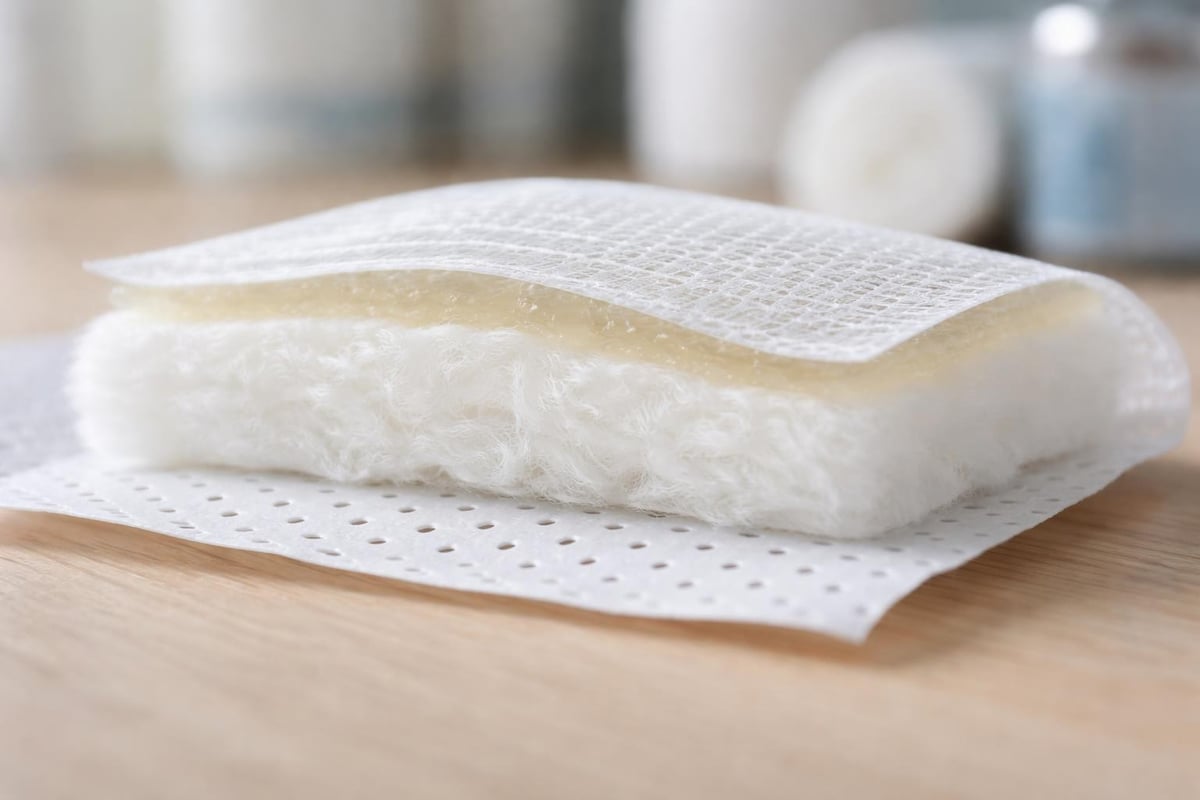
The construction of non adherent gauze pads involves multiple layers working together:
- Primary contact layer: The coated surface that touches the wound, preventing adherence
- Absorbent core: Cotton or synthetic fibers that wick away drainage and exudate
- Backing layer: May include additional protective materials depending on the specific product design
- Perforations: Small holes throughout the pad allowing wound drainage to pass through while maintaining the non-stick surface
This multilayered approach provides the essential wound care protection needed across various injury types.
Clinical Applications and Use Cases
Non adherent gauze pads serve multiple purposes across different medical settings and emergency scenarios. Their versatility makes them valuable components in any comprehensive first aid kit.
Burns and Thermal Injuries
Burn wounds present unique challenges because damaged skin is extremely fragile and sensitive. The application of non adherent gauze pads on second-degree burns prevents additional trauma during dressing changes while protecting against infection. These pads allow for examination of the wound without disturbing the healing process.
Surgical Incisions and Laceration Repair
Post-operative wound care benefits tremendously from non adherent dressings. Whether managing surgical incisions or freshly sutured lacerations, these pads provide the necessary protection without interfering with the closure. The detailed specifications of medical-grade options ensure appropriate coverage for various incision sizes.
Abrasions and Road Rash
Road rash and friction burns create large surface areas of damaged tissue that weep significantly during the initial healing phase. Non adherent gauze pads manage this drainage effectively while preventing the devastating pain of removing stuck bandages from such sensitive injuries.
Selection Criteria for Different Wound Types
Choosing the appropriate non adherent gauze pads requires assessment of several wound characteristics and treatment goals.
| Wound Characteristic | Recommended Pad Feature | Rationale |
|---|---|---|
| Heavy drainage | Highly absorbent core with perforations | Prevents pooling and maceration |
| Minimal drainage | Lightweight, thin profile | Avoids bulk while maintaining protection |
| Large surface area | Jumbo-sized pads or multiple overlapping pads | Ensures complete coverage |
| Irregular shape | Flexible, conformable material | Adapts to body contours |
| Infection risk | Antimicrobial-impregnated options | Provides additional bacterial protection |
When building out trauma kits or restocking medical supplies, include various sizes to address different scenarios. Standard dimensions range from 2x3 inches for small wounds to 8x10 inches for extensive injuries.
Sterility Requirements
Always prioritize sterile packaging for open wounds. Sterile non-adherent gauze pads prevent introducing bacteria during application, which is particularly critical in field medicine and emergency response situations where environmental contamination risks run high.
Proper Application Techniques
Correct application of non adherent gauze pads maximizes their effectiveness and ensures patient comfort throughout the healing process.
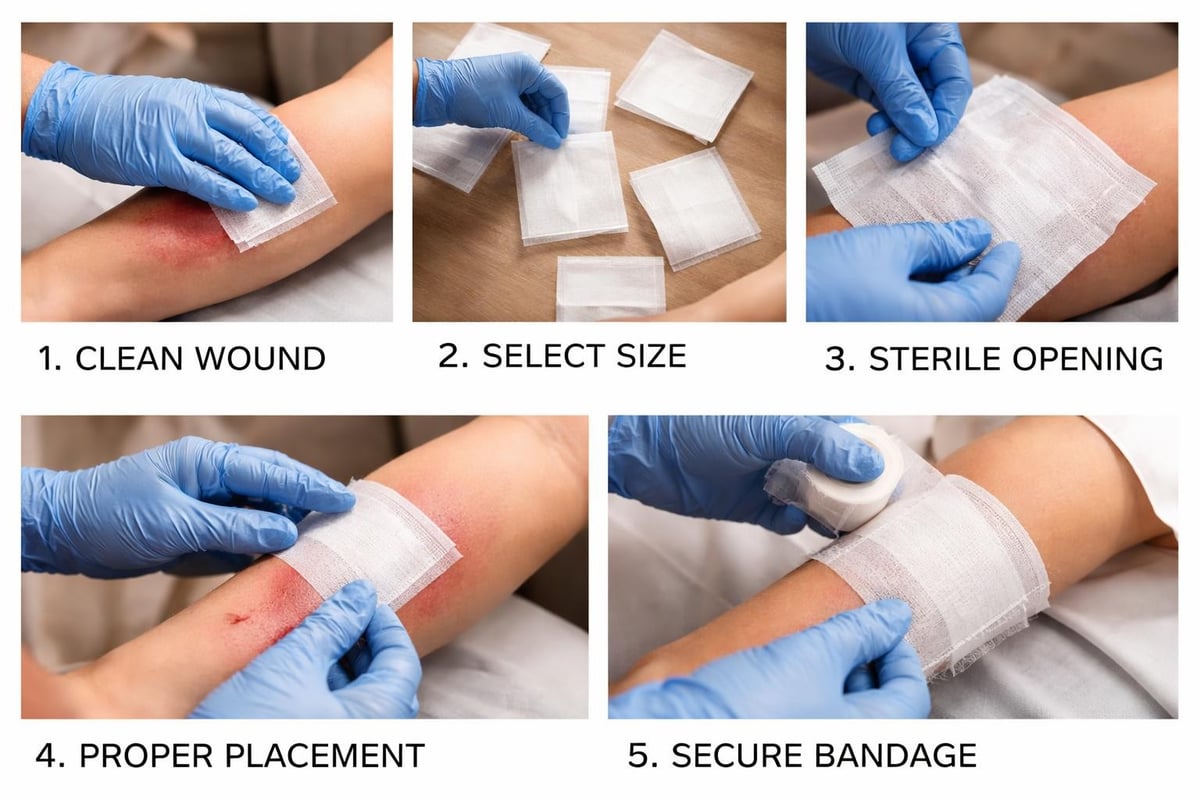
Step-by-Step Application Protocol
- Clean and assess the wound thoroughly using appropriate antiseptic solutions and sterile technique
- Select an appropriately sized pad that extends at least one-half inch beyond all wound edges
- Open sterile packaging carefully without touching the contact surface
- Place the coated side directly against the wound ensuring complete coverage
- Secure with secondary dressing such as rolled gauze, elastic bandages, or medical tape
- Document application details including pad size, wound dimensions, and drainage characteristics
The non-stick surface should always face the wound. Most manufacturers print instructions or indicators on the packaging to prevent confusion during high-stress situations.
Common Application Errors
Even experienced providers occasionally make mistakes when applying these dressings. Avoid these frequent errors:
- Cutting or trimming the pad, which may compromise the non-adherent coating
- Applying excessive pressure that forces coating materials into the wound
- Using expired products where coating integrity may have degraded
- Combining with incompatible topical medications that break down the non-adherent layer
Removal and Dressing Change Procedures
While non adherent gauze pads minimize trauma during removal, proper technique still matters for patient comfort and wound protection.
Safe Removal Guidelines
The primary advantage of these specialized pads becomes evident during dressing changes. Unlike traditional gauze that requires soaking or painful peeling, non adherent varieties lift away cleanly in most cases.
Begin removal at one corner, gently lifting the pad away from the wound surface. If any resistance occurs, moisten the area with sterile saline solution rather than forcing separation. This technique protects fragile new tissue and prevents bleeding.
Frequency of dressing changes depends on several factors:
- Drainage volume and characteristics
- Wound type and healing stage
- Manufacturer recommendations for specific products
- Clinical signs of infection or complications
- Patient comfort and pad saturation level
For heavily draining wounds, changes may be necessary every 12-24 hours. Minimally exudative wounds may allow dressing changes every 2-3 days, though regular inspection remains critical.
Integration with Comprehensive Wound Care Systems
Non adherent gauze pads function as one component within a complete wound management strategy. Their effectiveness increases when combined with complementary supplies and proper protocols.
Primary and Secondary Dressing Combinations
The non adherent pad serves as the primary dressing in direct contact with the wound. Secondary dressings provide additional absorption, compression, or protection. Common secondary options include:
- Rolled gauze for securing and adding bulk absorbency
- Elastic bandages providing gentle compression
- Adhesive wraps creating waterproof barriers
- Foam dressings for extra cushioning over bony prominences
This layered approach, available through comprehensive dressings and gauze collections, addresses multiple wound care needs simultaneously.
Compatibility with Topical Treatments
Many wound care protocols incorporate topical medications, antimicrobial ointments, or specialized gels. Non adherent gauze pads work effectively with most topical treatments, though petroleum-based pads may be incompatible with certain oil-based medications.
Always verify compatibility before combining products. When using antibiotic ointments or healing gels, apply a thin layer to the wound before placing the non adherent pad. The coating on the pad prevents medication from being absorbed into the gauze rather than remaining on the wound surface.
Cost-Effectiveness and Supply Management
Medical supply budgets require careful consideration of both upfront costs and long-term value. Non adherent gauze pads typically cost more per unit than traditional gauze, but their benefits often justify the expense.
Value Analysis
| Factor | Traditional Gauze | Non Adherent Gauze Pads |
|---|---|---|
| Per-unit cost | Lower | Higher |
| Pain during changes | Significant | Minimal |
| Wound trauma risk | High | Very low |
| Healing time impact | May slow healing | Promotes faster healing |
| Patient compliance | Often poor | Generally good |
| Secondary complications | More frequent | Less frequent |
The reduced trauma, decreased pain, and improved healing outcomes translate to fewer complications and better overall results. For home medicine kits and professional medical bags, this makes non adherent options a worthwhile investment.
Strategic Stockpiling
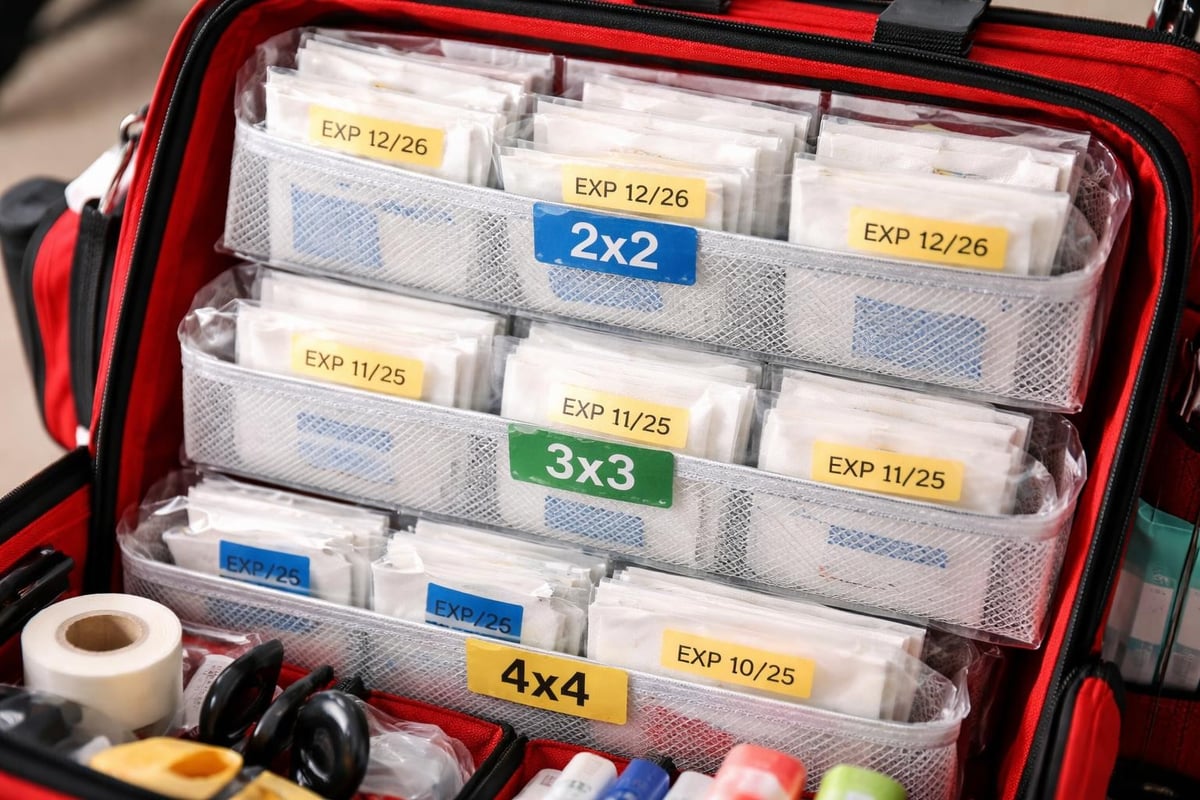
When building emergency supplies or professional medical kits, stock multiple sizes of non adherent gauze pads. A practical inventory includes:
- Small pads (2x3 inches): 12-24 units
- Medium pads (3x4 inches): 12-18 units
- Large pads (4x4 inches): 6-12 units
- Jumbo pads (8x10 inches): 3-6 units
Rotate stock based on expiration dates, typically ranging from 3-5 years depending on the manufacturer. Store in cool, dry environments away from direct sunlight to preserve coating integrity.
Special Considerations for Field Medicine
Emergency responders and tactical medics face unique challenges when providing wound care outside controlled clinical environments. Non adherent gauze pads offer specific advantages in these demanding situations.
Environmental Factors
Field conditions present contamination risks, temperature extremes, and limited resources. The protective qualities of non adherent pads become even more valuable when definitive care may be delayed. These dressings maintain their effectiveness across wide temperature ranges and continue protecting wounds during extended evacuation periods.
For motorcycle trauma kits and other mobile emergency supplies, individually wrapped sterile pads survive the vibration and environmental exposure that compromise bulk-packaged materials.
Weight and Space Efficiency
Tactical and wilderness medicine require maximum capability in minimum space. Non adherent gauze pads provide superior wound care without excessive bulk. Their compact profile allows carrying adequate supplies without overwhelming portable medical kits.
Training and Protocol Development
Proper utilization of non adherent gauze pads requires training beyond simple product familiarity. Medical professionals, first responders, and prepared citizens all benefit from understanding appropriate application contexts and techniques.
Educational Components
Comprehensive training programs should address:
- Wound assessment skills to determine appropriate dressing selection
- Sterile technique maintenance in various environments
- Recognition of complications requiring dressing changes or advanced care
- Documentation practices for tracking wound healing progress
- Resource management during extended care scenarios
Organizations stocking complete first aid kits should include training sessions demonstrating proper use of all components, with particular emphasis on wound care supplies that require technique precision.
Protocol Standardization
Developing written protocols ensures consistent, effective wound care across different providers and situations. Standard operating procedures should specify when non adherent gauze pads represent the preferred option versus alternative dressings like hydrocolloids, foam dressings, or traditional gauze.
Product Quality Variations and Sourcing
Not all non adherent gauze pads perform equally. Quality variations stem from coating materials, manufacturing processes, and base gauze construction.
Quality Indicators
Premium products demonstrate several key characteristics:
- Uniform coating distribution without gaps or inconsistencies
- Adequate perforation sizing balancing drainage with structural integrity
- Strong but flexible backing that conforms without bunching
- Reliable sterile packaging maintaining integrity during storage and transport
- Clear lot numbering and expiration dating for inventory management
Medical providers report better outcomes with established medical brands compared to generic alternatives, particularly regarding coating durability and adhesion prevention. The specific features of professional-grade options justify their higher cost through superior performance.
Sourcing Reliability
Supply chain stability matters significantly for organizations depending on these critical supplies. Partner with distributors offering consistent product availability, proper storage conditions, and verified authenticity. Counterfeit medical supplies increasingly infiltrate markets, making source verification essential.
Regulatory Standards and Compliance
Medical devices including non adherent gauze pads fall under FDA regulation in the United States. Understanding these standards helps ensure product quality and legal compliance.
Classification and Requirements
Non adherent gauze pads typically classify as Class I medical devices, requiring manufacturer registration and adherence to quality system regulations. Sterile versions may carry additional requirements ensuring proper sterilization validation and maintenance.
When procuring supplies for professional use, verify products meet applicable FDA standards. Documentation should include:
- FDA registration numbers
- Lot-specific sterilization certificates for sterile products
- Material safety data sheets identifying coating components
- Performance testing results demonstrating non-adherent properties
Pediatric and Geriatric Considerations
Different patient populations present unique challenges in wound care that influence non adherent gauze pad selection and use.
Children and Infants
Pediatric patients benefit enormously from pain reduction during dressing changes. Young children cannot understand why painful procedures are necessary, making the gentler removal of non adherent pads particularly valuable.
Size selection matters more for pediatric applications. Smaller wounds require correspondingly sized pads to avoid excessive bulk and potential displacement. The variety available through comprehensive suppliers ensures appropriate options for all age groups.
Elderly Patients
Aging skin presents special fragility that makes non adherent dressings nearly essential rather than simply preferred. Thin, delicate skin tears easily and heals slowly, creating higher risks from traditional gauze removal trauma.
Elderly patients often manage chronic wounds requiring long-term dressing protocols. The reduced pain and tissue damage from non adherent options improves compliance and outcomes in this challenging population.
Future Developments in Non Adherent Technology
Wound care technology continues advancing, with several promising developments enhancing non adherent gauze pad capabilities.
Antimicrobial Innovations
Next-generation products incorporate antimicrobial agents directly into coating materials. Silver-impregnated and honey-based non adherent pads show promise for reducing infection rates without compromising the non-stick properties essential to these dressings.
Smart Monitoring Integration
Emerging technologies embed sensors within wound dressings to monitor healing parameters such as moisture levels, temperature changes, and pH shifts. While currently expensive, these innovations may eventually integrate into non adherent gauze pads, providing real-time wound status updates.
Biodegradable Materials
Environmental concerns drive research into biodegradable alternatives to petroleum-based coatings. Plant-derived polymers and natural waxes show potential for creating sustainable non adherent surfaces without performance compromise.
Selecting and properly applying non adherent gauze pads represents a fundamental skill in effective wound management, whether you're responding to emergencies in the field or providing routine care at home. These specialized dressings dramatically reduce patient discomfort while promoting optimal healing conditions through their unique non-stick properties. At Medical Gear Outfitters, our paramedic-owned company understands the critical importance of quality wound care supplies in emergency situations. We stock professional-grade non adherent gauze pads alongside comprehensive training resources to ensure you're prepared to deliver effective care when it matters most.