Building My Med Bag: Essential Supplies & Setup Guide
Building my med bag requires careful planning, thoughtful organization, and a deep understanding of potential emergency scenarios. Whether you're a first responder, outdoor enthusiast, workplace safety officer, or simply someone committed to preparedness, the contents and layout of your medical kit can mean the difference between an effective response and a critical delay. This comprehensive guide explores the essential components, organizational strategies, and maintenance practices that transform a simple bag into a reliable life-saving resource ready for deployment at a moment's notice.
Understanding the Foundation of My Med Bag
The concept behind my med bag extends far beyond simply purchasing supplies and stuffing them into a container. It represents a personalized emergency response system tailored to specific scenarios, skill levels, and environments. Professional responders and prepared civilians alike recognize that effective medical intervention depends on having the right equipment immediately accessible.
When developing my med bag, the first consideration involves assessing potential risks and likely emergency scenarios. An urban environment presents different challenges than wilderness settings, just as workplace injuries differ from sports-related trauma. This risk assessment drives every subsequent decision about contents and organization.
Primary Categories of Medical Supplies
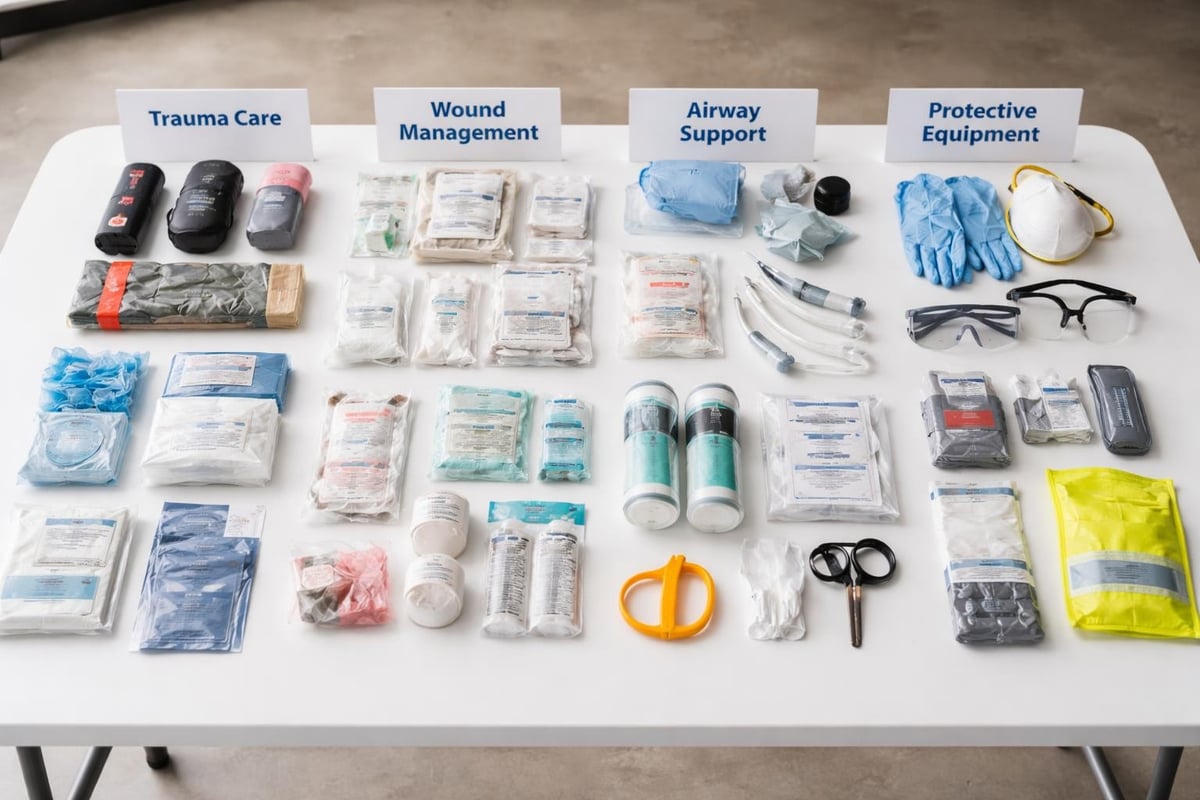
My med bag should contain supplies organized into distinct functional categories:
- Trauma management - tourniquets, hemostatic agents, pressure dressings, chest seals
- Basic wound care - adhesive bandages, gauze pads, medical tape, antiseptic wipes
- Airway and breathing support - rescue masks, airways, occlusive dressings
- Environmental protection - gloves, eye protection, biohazard bags
- Patient assessment tools - shears, flashlight, emergency blanket
The American Red Cross outlines recommended first aid kit contents that provide an excellent baseline for basic medical supplies, though most serious preparedness enthusiasts expand significantly beyond these fundamentals.
Selecting Core Components for My Med Bag
Building my med bag begins with selecting high-quality core components that address the most statistically common and immediately life-threatening emergencies. These foundational items deserve the majority of your budget and attention, as they directly impact survival outcomes in critical situations.
Hemorrhage Control Essentials
Severe bleeding represents the leading cause of preventable death in trauma situations. My med bag must prioritize tourniquets and hemostatic equipment capable of controlling major hemorrhage within minutes.
Combat Application Tourniquet (CAT) or similar approved devices should occupy an immediately accessible external pocket. Modern tourniquets feature one-handed application capabilities and proven track records in both military and civilian settings. Every person carrying my med bag should understand proper application techniques, including placement location and adequate tightening.
Hemostatic gauze such as QuikClot or Celox provides crucial options for controlling bleeding in junctional areas where tourniquets cannot be applied. These advanced dressings and gauze products contain agents that promote rapid clotting, buying precious time during hemorrhage control.
Pressure dressings complete the bleeding control triad. Israeli bandages and similar elastic pressure dressings allow responders to maintain constant direct pressure while freeing hands for other interventions.
| Hemorrhage Control Item | Primary Use | Typical Quantity |
|---|---|---|
| Tourniquet | Extremity arterial bleeding | 2-4 units |
| Hemostatic gauze | Junctional/wound packing | 2-3 packs |
| Pressure dressing | Venous/controlled bleeding | 3-4 units |
| Standard gauze | General wound care | 10+ packs |
Airway and Breathing Management
Respiratory emergencies demand immediate intervention. My med bag should include supplies for maintaining airway patency and supporting breathing efforts, matched to the carrier's training level and certification.
Basic airway and breathing equipment includes pocket masks or barrier devices for rescue breathing. These compact tools provide critical protection while enabling effective ventilation support. More advanced practitioners might carry nasopharyngeal airways, though proper training remains essential for safe deployment.
Chest seals address penetrating thoracic trauma by preventing air entry into the pleural space. Both vented and non-vented designs serve important roles, with vented seals offering advantages for tension pneumothorax prevention. My med bag should contain at least two chest seals to address potential through-and-through injuries.
Organizational Systems for Rapid Access
The best medical supplies provide zero value when they remain buried beneath layers of equipment during critical moments. Organization transforms my med bag from a collection of items into a functional emergency response system. Color-coding, compartmentalization, and consistent placement create muscle memory that speeds response times.
Compartment Strategy
External pockets should house the most time-critical equipment. Tourniquets, shears, and gloves belong in immediately accessible locations that don't require opening the main compartment. Many responders use the "three-second rule" - if you can't access critical equipment within three seconds, it's not positioned correctly in my med bag.
Internal organization typically follows either anatomical regions or injury severity:
- Immediate life threats - hemorrhage control, airway management, chest trauma
- Delayed priorities - fracture management, wound care, burns
- Supportive supplies - documentation, communication, comfort items
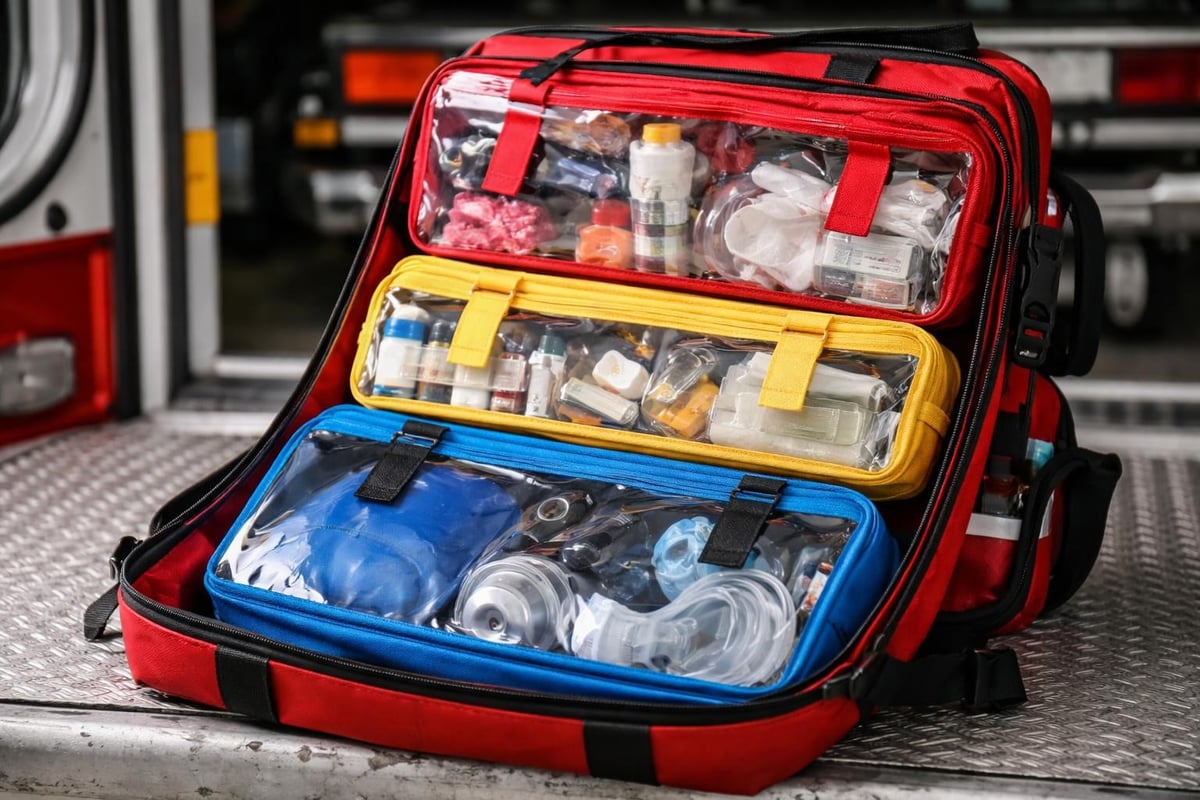
Clear plastic pouches or zippered organizers maintain supply separation while allowing visual inventory checks. This transparency proves invaluable during high-stress situations when fine motor skills deteriorate and cognitive function narrows.
Color Coding and Labeling
My med bag benefits tremendously from consistent color schemes that communicate supply categories at a glance. Red pouches might contain hemorrhage control, blue for airway management, yellow for basic wound care. This system allows multiple responders to locate needed supplies quickly, even when unfamiliar with a specific bag's layout.
Labels should feature large, clear text with both category names and specific contents. Waterproof labeling prevents deterioration from environmental exposure or blood contamination. Consider laminated cards listing contents and basic protocols for complex items.
Tailoring My Med Bag to Specific Environments
Generic medical kits rarely serve specific situations optimally. My med bag should reflect the environments, activities, and risks most likely encountered. A workplace first aid kit differs substantially from wilderness medical supplies or tactical trauma kits.
Workplace Applications
The OSHA guidelines for workplace first aid kits establish minimum standards, though many organizations exceed these requirements. My med bag for workplace settings should address common occupational injuries like lacerations, burns, musculoskeletal trauma, and chemical exposures.
Additional workplace-specific supplies include:
- Eye wash solutions or irrigation devices
- Burn treatment supplies including specialized dressings
- Splinting materials for fractures and sprains
- Chemical-specific antidotes when applicable
Documentation becomes particularly important in workplace settings. Incident report forms, consent documentation, and treatment logs belong in my med bag to ensure proper recording and liability protection.
Outdoor and Wilderness Considerations
Remote environments present unique challenges requiring expanded capabilities in my med bag. Distance from definitive medical care necessitates more comprehensive supplies and extended treatment capabilities. Consider these wilderness-specific additions:
Environmental protection - hypothermia prevention supplies, sunscreen, insect repellent, water purification
Extended care items - additional wound care supplies, splinting materials, medications for multi-day support
Communication equipment - satellite communicators, emergency beacons, location markers
Specialized trauma gear - traction splints, advanced airway devices for trained users
The American Heart Association's first aid guidelines offer updated recommendations that incorporate evidence-based practices applicable across various environments.
Essential Training and Skill Development
Equipment alone doesn't save lives - knowledge and practiced skills transform my med bag into an effective emergency response capability. Every item requires understanding of indications, contraindications, and proper application techniques. Regular training maintains proficiency and builds confidence for high-stress deployments.
Recommended Training Progressions
Basic First Aid and CPR form the foundation for anyone maintaining my med bag. These courses cover fundamental life-saving interventions and establish decision-making frameworks for emergency situations.
Stop the Bleed courses specifically address hemorrhage control using tourniquets and wound packing techniques. This focused training dramatically increases survival rates for traumatic bleeding emergencies.
Wilderness First Aid or Wilderness First Responder certifications prepare individuals for extended care scenarios without immediate EMS access. These programs teach improvisation, patient assessment, and decision-making for remote environments.
Tactical Combat Casualty Care (TCCC) or Tactical Emergency Casualty Care (TECC) programs address high-threat environments and mass casualty situations. These advanced courses suit first responders, security professionals, and those operating in elevated-risk settings.
| Training Level | Typical Duration | Key Skills Covered |
|---|---|---|
| Basic First Aid/CPR | 4-8 hours | Bleeding control, CPR, choking, basic wounds |
| Stop the Bleed | 1-2 hours | Tourniquet application, wound packing |
| Wilderness First Aid | 16-24 hours | Extended patient care, environmental injuries |
| TECC/TCCC | 16-40 hours | Tactical medicine, mass casualties, threat environments |
Maintenance and Practice Protocols
My med bag requires regular attention to maintain readiness. Establish a quarterly inspection schedule checking expiration dates, equipment condition, and supply quantities. Many professionals recommend monthly hands-on practice sessions where they physically access and manipulate each item, building the muscle memory critical during actual emergencies.
Expired medications, damaged packaging, or depleted supplies demand immediate replacement. Maintaining a first aid resupply system ensures continuous readiness without supply gaps that might prove catastrophic during emergencies.
Advanced Components for Enhanced Capabilities
As skills develop and budgets allow, my med bag can expand beyond basic life-saving equipment to include advanced interventions. These additions should align with training, certification levels, and realistic deployment scenarios.
Airway Management Upgrades
Basic pocket masks serve essential roles, but advanced practitioners might include supraglottic airways, oral airways, or suction devices. These tools require proper training but significantly expand respiratory support capabilities when standard techniques prove insufficient.
Medication Considerations
My med bag contents must comply with legal requirements regarding medication storage and administration. Over-the-counter pain relievers, antihistamines for allergic reactions, and glucose for diabetic emergencies represent common additions. However, prescription medications require appropriate authorization and should only be included by certified providers operating within their scope of practice.
Many organizations specifically prohibit oral medications in workplace kits to prevent allergic reactions or inappropriate administration. Always verify organizational policies and legal requirements before including pharmaceuticals in my med bag.
Specialized Trauma Equipment
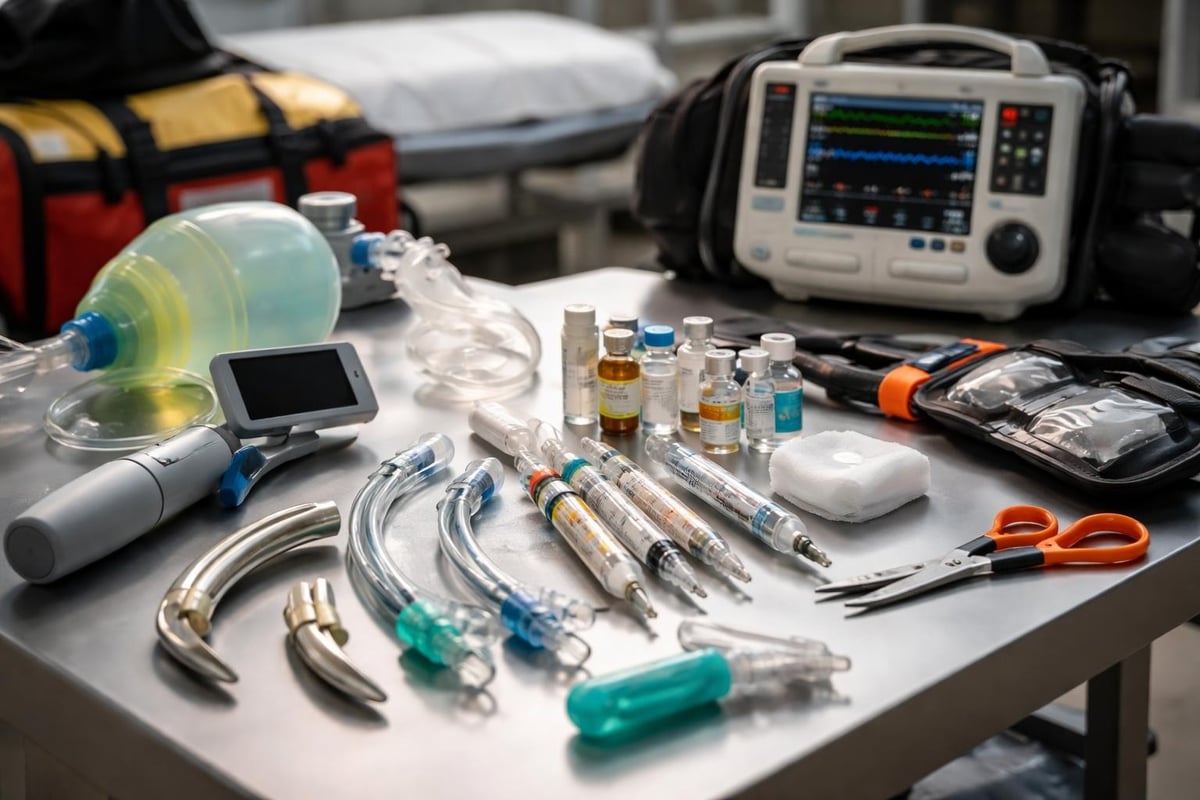
Certain high-risk environments justify specialized equipment in my med bag:
- Decompression needles for tension pneumothorax (requires specific training and certification)
- Specialized hemostatic devices for specific wound types
- Advanced splinting systems for complex fractures
- Intravenous access equipment for certified personnel
- Monitoring devices such as pulse oximeters or blood pressure cuffs
These advanced components typically appear in professional first responder kits rather than civilian preparedness bags, though trained individuals may justify their inclusion based on specific scenarios and certification levels.
Building Multiple Medical Kits for Different Scenarios
Most prepared individuals maintain several medical kits rather than attempting to create one universal solution. My med bag represents a modular concept where different scenarios demand different configurations. Consider developing a tiered system:
Primary response kit - Comprehensive trauma kit for serious emergencies
Vehicle kit - Compact supplies for roadside emergencies and daily carry
Home kit - Family-focused first aid addressing common household injuries
Activity-specific kits - Tailored supplies for hiking, shooting sports, boating, or other activities
This approach prevents over-packing while ensuring appropriate supplies remain accessible across various situations. It also allows budget-conscious building over time rather than requiring massive initial investment.
The bag itself deserves careful consideration. Quality medical bags feature durable construction, weather-resistant materials, and thoughtful organizational systems. MOLLE compatibility allows external attachment of additional pouches, while padded shoulder straps improve carrying comfort during extended deployment.
Regulatory Compliance and Standards
My med bag should meet or exceed relevant regulatory standards depending on its intended use. Workplace kits must comply with OSHA requirements and ANSI/ISEA Z308.1 standards, which specify minimum contents and quantities. The Stanford Environmental Health & Safety guidelines provide excellent examples of institutional compliance standards.
Different classifications exist for workplace first aid kits:
Class A kits contain supplies for common injuries in low-hazard environments
Class B kits include more comprehensive supplies for higher-hazard workplaces or remote locations
Understanding these classifications helps ensure my med bag contains appropriate supplies for its intended deployment context. Many professional settings require documented kit inspections, usage logs, and regular audits to maintain compliance and readiness.
Cost Considerations and Budget Building
Creating comprehensive medical kits involves significant investment, but strategic planning makes quality supplies accessible across budget ranges. My med bag development can occur incrementally, prioritizing the most critical life-saving equipment first.
Budget Prioritization Strategy
- Hemorrhage control - tourniquets and hemostatic gauze (highest priority)
- Protective equipment - gloves, barriers, eye protection
- Basic wound care - gauze, bandages, tape, antiseptic
- Airway support - pocket masks, basic airways
- Advanced interventions - chest seals, specialized equipment
This progression ensures immediate access to the most statistically important interventions while allowing gradual capability expansion. Quality matters tremendously for critical items like tourniquets, where proven performance under stress justifies premium pricing.
Bulk purchasing options reduce per-unit costs when building multiple kits or supplying organizations. Many professionals maintain personal kits alongside organizational supplies, creating opportunities for combined purchasing that maximizes value.
Integration with Communication and Support Systems
My med bag represents just one component of comprehensive emergency preparedness. Effective response requires integration with communication systems, emergency plans, and support resources. Include emergency contact information, facility maps for workplace kits, and communication devices appropriate to the environment.
Satellite communicators or personal locator beacons belong in wilderness-focused kits, while workplace kits should reference internal emergency numbers and procedures. Documentation supplies enable recording vital information during multi-casualty incidents or when transferring patient care to arriving EMS personnel.
Consider including quick reference cards or laminated protocols for complex procedures. These cognitive aids prove invaluable during high-stress situations when even well-trained responders may struggle with detailed recall under pressure.
Quality Versus Budget Equipment Decisions
The medical supply market offers products across wide quality and price ranges. My med bag should emphasize proven performance over cost savings for critical life-saving equipment. However, certain supplies like basic bandages and gauze pads offer little performance variation between economy and premium options.
Invest heavily in:
- Tourniquets from proven manufacturers
- Hemostatic agents with clinical validation
- Chest seals with established track records
- Quality trauma shears and cutting tools
Consider economy options for:
- Basic adhesive bandages
- Standard gauze pads without hemostatic properties
- Medical tape and basic supplies
- Disposable gloves (while maintaining appropriate standards)
Reviews from medical professionals, field performance data, and industry certifications guide equipment selection. Avoid equipment that appears suspiciously inexpensive, as counterfeit medical supplies pose serious safety risks.
Building and maintaining my med bag represents an ongoing commitment to preparedness that evolves with experience, training, and changing needs. The most effective medical kits balance comprehensive capabilities with practical accessibility, ensuring critical supplies remain immediately available when seconds matter. Whether you're assembling your first basic kit or upgrading to advanced trauma supplies, Medical Gear Outfitters provides paramedic-selected equipment and expert guidance to help you build medical kits that truly deliver when emergencies demand immediate, effective response.

