
Gauze First Aid Kit: Essential Guide for 2026
When responding to injuries and medical emergencies, having the right supplies at your fingertips can mean the difference between effective treatment and complications. A well-stocked gauze first aid kit represents one of the most fundamental components of emergency preparedness, whether you're a medical professional, outdoor enthusiast, or simply a prepared individual. Understanding which gauze products to include, how to organize them, and when to use each type ensures you're ready to handle wounds ranging from minor scrapes to significant bleeding emergencies. This comprehensive guide explores everything you need to know about assembling and maintaining a gauze first aid kit that meets both regulatory standards and real-world emergency response needs.
Understanding Gauze Types and Their Applications
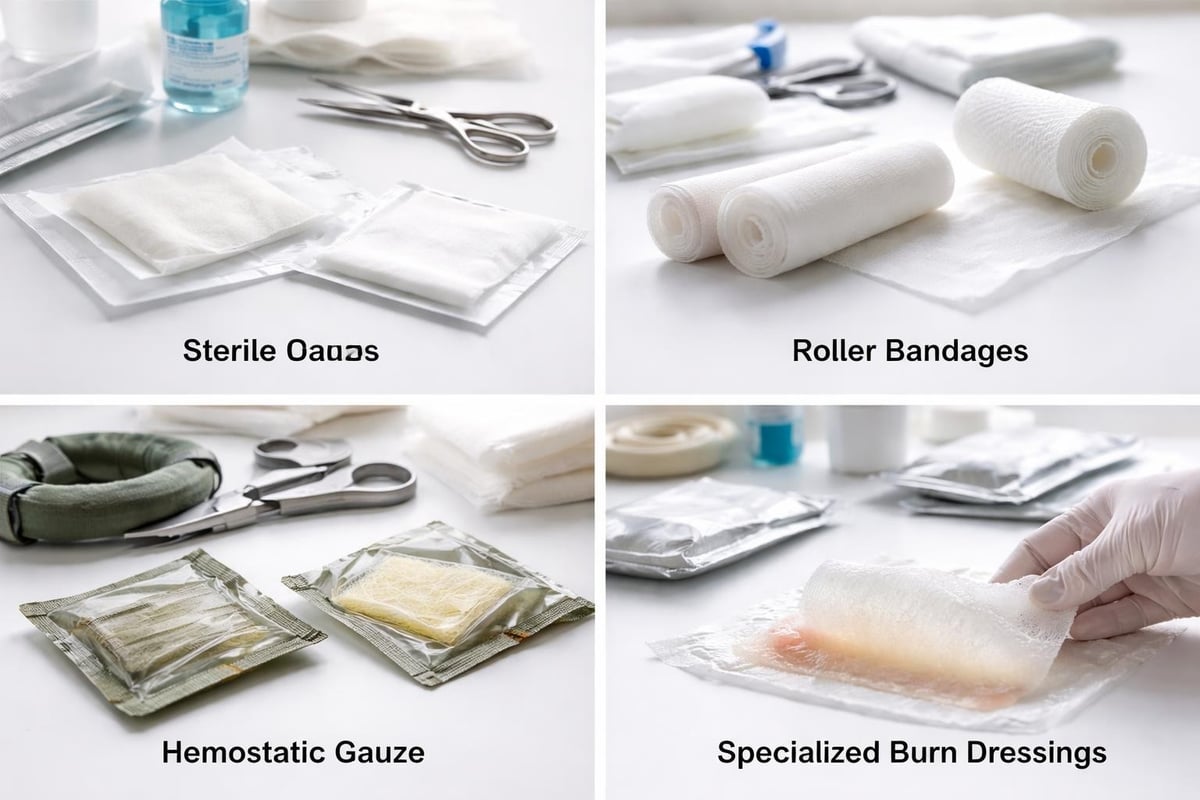
The foundation of any gauze first aid kit begins with knowing the different types of gauze materials available and their specific uses. Sterile gauze pads come in various sizes, typically ranging from 2x2 inches to 4x4 inches, and serve as the primary contact layer for most wound types. These square pads excel at absorbing blood and exudate while providing a clean barrier against contamination.
Roller gauze bandages offer versatility that individual pads cannot match. Available in widths from one to six inches, these continuous bandages secure dressings in place, apply pressure to control bleeding, and adapt to irregular body contours. The stretch versions, known as conforming gauze, particularly excel at wrapping joints and areas requiring flexibility.
Specialized Gauze Products
Beyond basic pads and rolls, specialized gauze products address specific emergency scenarios:
- Hemostatic gauze impregnated with clotting agents for severe hemorrhage control
- Petrolatum-impregnated gauze for burns and wounds requiring non-adherent coverage
- Abdominal pads (ABD pads) measuring 5x9 inches or larger for extensive wounds
- Compressed gauze offering maximum material in minimal storage space
Understanding these distinctions helps you build a gauze first aid kit that addresses diverse emergency scenarios. Medical professionals and first responders typically select products based on anticipated injury patterns in their operational environment.
Building a Compliant Gauze First Aid Kit
Regulatory standards provide valuable frameworks for assembling effective first aid supplies. The OSHA standards for first aid kit contents specify minimum requirements for workplace environments, while ANSI standards offer tiered recommendations based on the number of people served. These guidelines ensure your gauze first aid kit meets professional expectations.
| Kit Size | Sterile Pads (2x2") | Gauze Pads (4x4") | Roller Bandages | Trauma Dressings |
|---|---|---|---|---|
| Personal (1-5) | 10 pads | 6 pads | 2 rolls (2") | 1 dressing |
| Small Group (6-25) | 20 pads | 12 pads | 4 rolls (3") | 2 dressings |
| Large Group (26-50) | 40 pads | 24 pads | 6 rolls (4") | 4 dressings |
Customizing for Specific Environments
Your environment and activities should inform gauze selection beyond baseline requirements. A camping first aid kit emphasizes compact, lightweight options with waterproof packaging. Industrial settings benefit from larger quantities of trauma dressings and hemostatic agents.
Workplace considerations include the nature of potential injuries. Manufacturing environments with cutting tools require more gauze pads and roller bandages. Chemical facilities need specialized materials for burns. Construction sites benefit from comprehensive trauma kits with multiple sizes of compress dressings.
The Minnesota Department of Labor and Industry's fact sheet provides detailed recommendations that align with workplace safety requirements. These standards serve as excellent baselines even for non-industrial applications.
Proper Storage and Organization Strategies
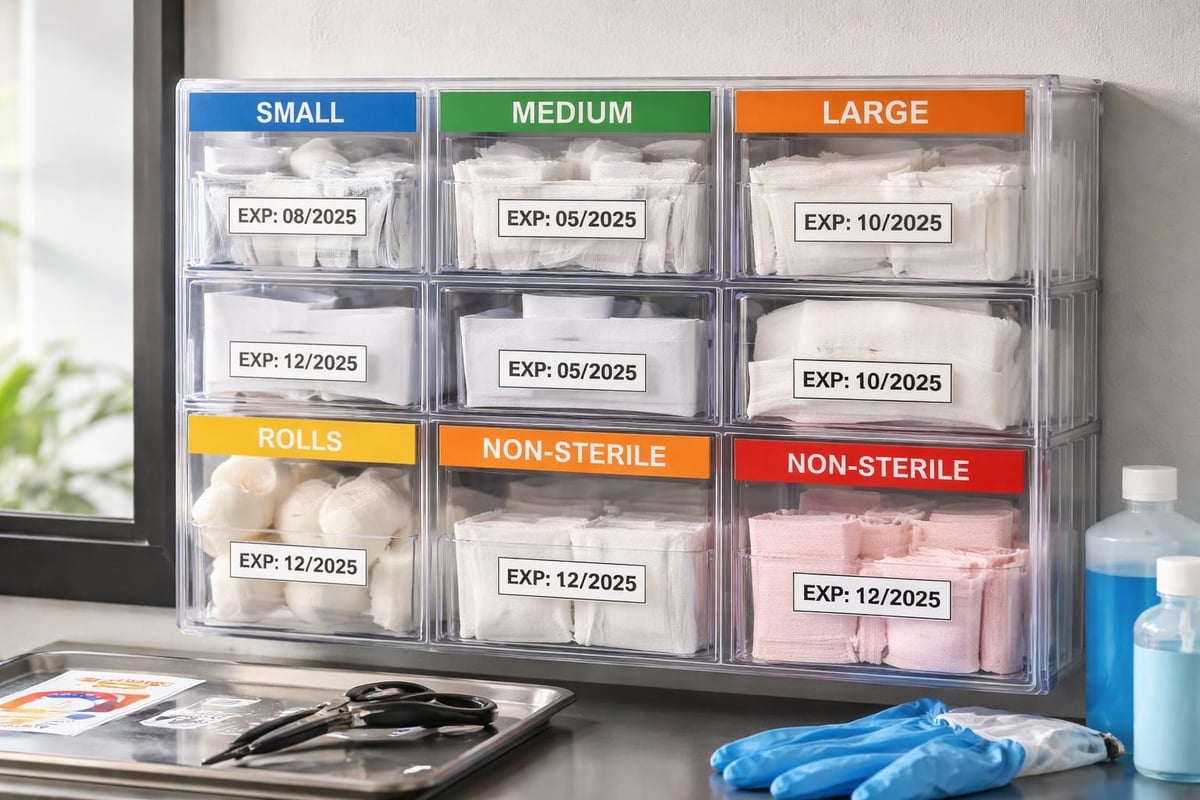
Effective organization transforms a collection of gauze products into a functional emergency response tool. Categorization by size and type allows rapid selection during high-stress situations. Clear labeling with expiration dates ensures supplies remain sterile and effective when needed most.
Storage Environment Considerations
Gauze products require specific environmental conditions to maintain sterility and functionality:
- Temperature range between 60-80°F prevents material degradation
- Humidity below 60% prevents moisture infiltration
- Protection from direct sunlight preserves package integrity
- Sealed containers guard against dust and contamination
Many responders organize their gauze first aid kit using clear zippered pouches or modular compartments. This approach provides visibility while maintaining organization during transport. The Ann Arbor first aid kit checklist emphasizes systematic organization for quick access.
Color-coding systems help differentiate gauze types at a glance. Green pouches might contain sterile pads, blue for roller bandages, and red for hemostatic materials. This visual system reduces decision-making time during emergencies.
Quantity Calculations Based on Usage Scenarios
Determining appropriate quantities requires analyzing potential injury scenarios and response capabilities. A personal gauze first aid kit for day hikes needs different quantities than a first responder kit serving multiple casualties.
Assessment Framework
Calculate quantities using this three-factor approach:
- Number of potential patients you might treat simultaneously
- Distance from advanced medical care affecting resupply timing
- Activity risk level determining injury probability and severity
For moderate bleeding control, expect to use 2-4 gauze pads per wound initially, with additional pads as saturation occurs. Roller bandages secure these pads, typically requiring one roll per extremity or two rolls for trunk injuries. The Rockbridge County first aid supplies guide provides practical quantity recommendations based on household size.
Trauma scenarios require significantly more supplies. A single severe hemorrhage might consume an entire package of combat gauze plus multiple trauma dressings. This reality drives the inclusion of hemostatic agents in comprehensive kits.
Integration with Other First Aid Components
While gauze forms the backbone of wound management, a complete first aid kit requires complementary supplies. Adhesive tape secures gauze dressings, while trauma shears enable quick access to injuries through clothing. Gloves protect both responder and patient from cross-contamination.
The relationship between gauze and other wound care products creates a treatment ecosystem:
- Antiseptic wipes clean wounds before gauze application
- Bandages provide secondary securing for gauze dressings
- Tourniquets control massive hemorrhage before gauze packing
- Chest seals address penetrating torso injuries alongside gauze
Understanding how to wrap a finger wound properly demonstrates the synergy between gauze pads, roller bandages, and tape. Each component serves a distinct purpose in the treatment sequence.
Pressure Dressing Techniques
Combining gauze with pressure application creates effective hemorrhage control. Stack multiple gauze pads over the wound site, then apply a roller bandage with firm, even tension. Pressure bandages specifically designed for this purpose include elastic wraps with securing clips.
The technique varies based on anatomical location. Extremities allow circumferential wrapping, while trunk injuries require modified approaches. Practice these skills before emergencies arise, as fumbling with unfamiliar supplies wastes critical time.
Maintenance Schedules and Supply Rotation
A gauze first aid kit requires regular inspection and maintenance to ensure readiness. Expiration dates on sterile products typically range from three to five years, but environmental exposure can shorten this timeline. Inspect packages for tears, moisture intrusion, or discoloration monthly.
| Inspection Frequency | Tasks | Items to Check |
|---|---|---|
| Monthly | Visual inspection | Package integrity, organization |
| Quarterly | Inventory count | Quantity verification, expiration dates |
| Annually | Complete audit | Replacement planning, kit redesign |
| After Use | Immediate resupply | Consumed items, contaminated supplies |
The University of Louisiana Monroe's household kit guidelines emphasize the importance of scheduled maintenance. Treat expiration dates seriously, as compromised sterility negates the primary purpose of medical-grade gauze.
Rotation systems similar to food storage prevent waste. Place newly purchased supplies at the back of storage, moving older items forward for use in training or non-critical applications before expiration. This first-in-first-out approach maximizes supply utilization.
Training and Skill Development
Possessing a well-stocked gauze first aid kit means little without knowledge and practiced skills. Understanding when to use a simple adhesive bandage versus packing a wound with hemostatic gauze prevents both under-treatment and supply waste.
Essential Competencies
Master these fundamental gauze application techniques:
- Direct pressure application for initial bleeding control
- Wound packing for deep or irregularly shaped injuries
- Pressure dressing construction combining pads and roller bandages
- Splinting support using gauze to cushion and stabilize fractures
Formal training through organizations offering first aid certification builds these competencies systematically. Hands-on practice with actual supplies from your gauze first aid kit develops muscle memory and confidence. The hunter education first aid guidance provides scenario-based learning approaches applicable across settings.
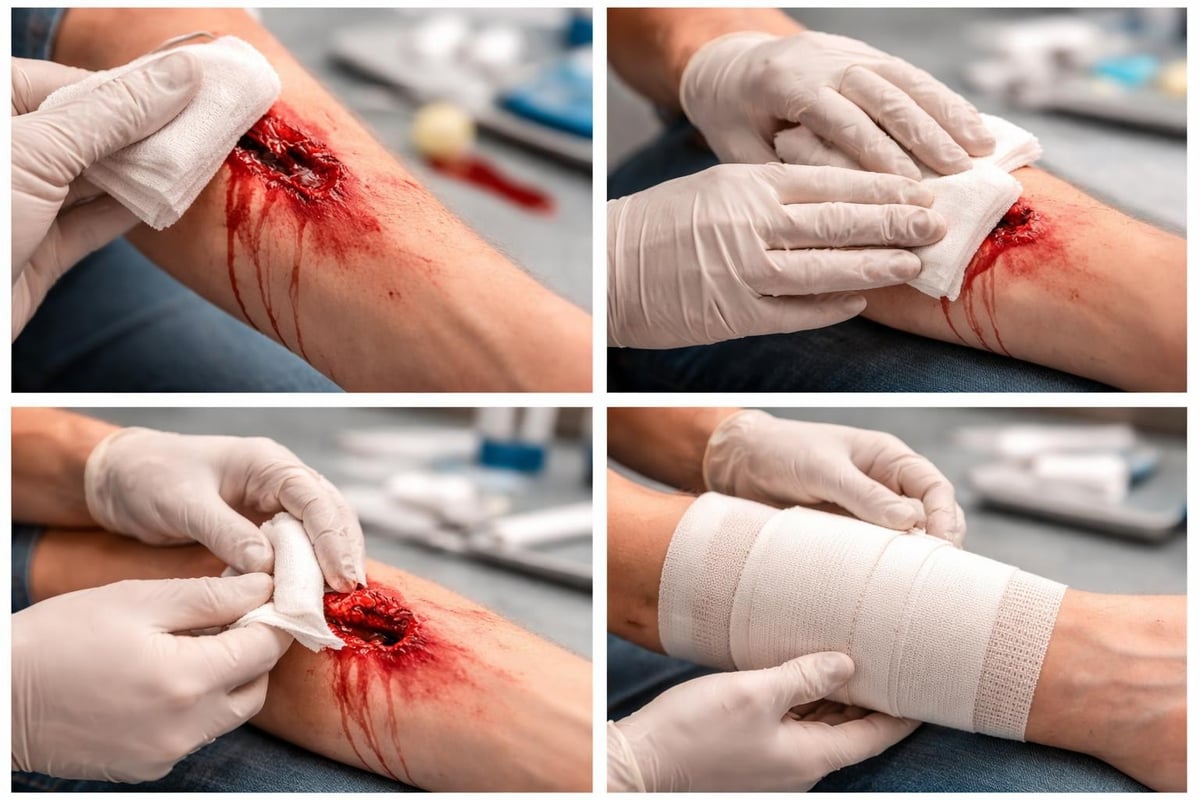
Scenario training exposes you to realistic injury presentations before real emergencies occur. Practice controlling simulated bleeding, managing contaminated wounds, and adapting techniques to available supplies. This preparation proves invaluable when facing actual medical crises.
Special Considerations for Different Settings
Each environment presents unique challenges for gauze first aid kit design and deployment. Wilderness settings require lightweight, compact options that withstand temperature extremes and moisture exposure. Vacuum-sealed packaging reduces bulk while maintaining sterility.
Vehicle-based kits accommodate larger quantities and bulkier items like trauma dressings. The stability of vehicle storage eliminates concerns about pack weight, allowing comprehensive supply selection. Home care kits benefit from clearly marked storage locations that family members can access quickly.
Workplace and Industrial Applications
Industrial environments often require OSHA-compliant kits with specific gauze quantities and types. The OSHA first aid requirements mandate regular inspections and documentation. Designated first aid personnel receive training in gauze application techniques relevant to workplace injury patterns.
High-risk industries including construction, manufacturing, and emergency services benefit from enhanced gauze first aid kit configurations. These often include:
- Multiple sizes of trauma dressings for large surface injuries
- Hemostatic gauze for rapid hemorrhage control
- Israeli-style pressure bandages combining pads and applicators
- Sterile eye pads for ocular injuries
Professional responders maintain complete kits with redundant supplies, ensuring capability even when treating multiple patients. This redundancy proves critical in mass casualty incidents.
Quality Standards and Product Selection
Not all gauze products meet medical-grade standards. USP-compliant gauze follows United States Pharmacopeia specifications for composition, absorbency, and sterility. This designation ensures predictable performance during emergency treatment.
Compare products based on these criteria:
- Material composition: cotton, rayon, or blended fibers
- Weave density: affects absorbency and conformability
- Package integrity: foil versus paper packaging
- Sterility assurance: gamma irradiation or ethylene oxide sterilization
The Clinical Gate comprehensive guide details quality indicators for gauze selection. Professional-grade products cost more but offer superior performance when treating serious injuries. Budget options may suffice for minor wound care but prove inadequate for trauma scenarios.
Manufacturer reputation matters significantly in emergency medical supplies. Established brands invest in quality control, regulatory compliance, and product testing. These companies also provide detailed product specifications and usage instructions.
Cost-Effective Acquisition Strategies
Building a comprehensive gauze first aid kit need not strain your budget. Bulk purchasing from medical supply distributors offers significant per-unit savings compared to retail pharmacy prices. Bulk items allow you to stock multiple kits or maintain robust resupply reserves.
| Purchase Strategy | Advantages | Best For |
|---|---|---|
| Individual retail | Immediate availability | Single kit assembly |
| Bulk wholesale | Cost savings | Multiple kits, organizations |
| Subscription services | Automated resupply | Ongoing maintenance |
| Grant funding | No direct cost | Nonprofits, community groups |
Government surplus auctions sometimes include medical supplies approaching expiration. While requiring careful inspection, these sources provide professional-grade products at fraction costs. Verify sterility and packaging integrity before adding surplus items to your gauze first aid kit.
Subscription programs from suppliers like Medical Gear Outfitters automate resupply timing, ensuring fresh stock arrives before current supplies expire. This approach eliminates manual tracking while often providing subscriber discounts.
Advanced Gauze Applications
Beyond basic wound coverage, gauze serves multiple advanced medical functions. Wound packing for deep penetrating injuries requires systematic technique: insert gauze into the wound cavity using a sweeping motion, filling from the bottom to the surface. This technique, crucial for controlling junctional hemorrhages, demands proper training.
Hemostatic Gauze Deployment
Modern hemostatic agents incorporated into gauze revolutionized battlefield medicine and now benefit civilian emergency response. These products contain materials like kaolin or chitosan that accelerate natural clotting mechanisms. Proper use requires direct application to the bleeding source with sustained pressure for three to five minutes.
The WorkSafe GEAR comprehensive guide emphasizes the importance of understanding advanced gauze applications. Hemostatic products belong in trauma kits rather than basic first aid kits, reflecting their specialized nature and cost.
Improvised applications demonstrate gauze versatility. Use rolled gauze as temporary padding for splints, create slings from triangular bandage configurations, or fashion protective eye shields for penetrating injuries. This adaptability makes gauze products essential components across emergency scenarios.
Documentation and Record Keeping
Professional medical responders document gauze usage during patient care. This documentation serves legal, quality improvement, and billing purposes. Even civilian first aid providers benefit from recording supply consumption to inform resupply decisions and identify usage patterns.
Track these data points:
- Date and time of gauze product use
- Injury type and severity
- Specific products and quantities consumed
- Treatment effectiveness
- Patient outcome when known
Analysis of usage records reveals whether your gauze first aid kit configuration matches actual needs. Consistent over-consumption of specific items signals need for quantity adjustment. Expired supplies that never get used indicate excessive stocking or improper product selection.
Regulatory compliance in workplace settings requires maintaining first aid kit inspection logs. These documents prove due diligence in safety programs and guide continuous improvement efforts. Digital tracking systems simplify this process while providing analytics capabilities.
Integration with Emergency Response Systems
Your gauze first aid kit functions as the first line of medical response, but integration with broader emergency systems enhances overall preparedness. Understanding when to transition from self-aid to professional medical care prevents delays in definitive treatment.
Gauze applications provide temporary hemorrhage control and wound protection during patient transport. The supplies you use should stabilize injuries without interfering with subsequent hospital care. Avoid permanent dressings or techniques that complicate medical assessment.
Communication protocols inform responding EMS personnel about treatments provided. Brief them on gauze packing depth, hemostatic agent use, and estimated blood loss. This information shapes their treatment priorities and hospital notification.
Pre-hospital care coordination requires understanding your gauze first aid kit's capabilities and limitations. Know when available supplies prove insufficient for injury severity, triggering immediate 911 activation rather than prolonged on-scene treatment attempts.
Assembling and maintaining an effective gauze first aid kit represents a fundamental aspect of emergency preparedness that every responsible individual and organization should prioritize. The combination of appropriate product selection, proper training, and systematic maintenance ensures you're equipped to manage injuries effectively when seconds count. Whether you're building a personal kit for outdoor adventures, equipping a workplace to meet safety regulations, or preparing your family for home emergencies, the principles outlined in this guide provide the framework for comprehensive wound care capability. Medical Gear Outfitters brings paramedic-level expertise and carefully curated supplies to help you build first aid kits that meet both regulatory standards and real-world emergency demands, backed by the knowledge and training resources necessary to use these critical supplies with confidence.

