First Aid Kit with Items: Essential Supplies Guide
Having a well-stocked first aid kit with items tailored to your specific needs can mean the difference between a minor inconvenience and a life-threatening emergency. Whether you're assembling supplies for your home, workplace, vehicle, or outdoor adventures, understanding what belongs in your kit and why each component matters is essential. This comprehensive guide explores the critical items every first aid kit should contain, backed by industry standards and professional expertise from emergency response specialists.
Understanding First Aid Kit Standards and Requirements
Professional organizations have established clear guidelines for what constitutes a properly equipped first aid kit with items that meet safety standards. The ANSI/ISEA Z308.1-2015 standards for workplace first aid kits specify different classes of kits based on workplace size and potential hazards. Class A kits serve smaller workplaces with minimal hazards, while Class B kits address larger facilities or environments with greater risks.
Key standard requirements include:
- Minimum quantities of each supply type
- Specific packaging and labeling requirements
- Expiration date monitoring protocols
- Regular inspection schedules
The OSHA workplace first aid kit recommendations outline minimally acceptable supplies, emphasizing that larger work areas require additional kits strategically positioned throughout the facility. These standards provide a foundation, but customization based on specific risks and environments remains crucial.
Adapting Standards to Your Situation
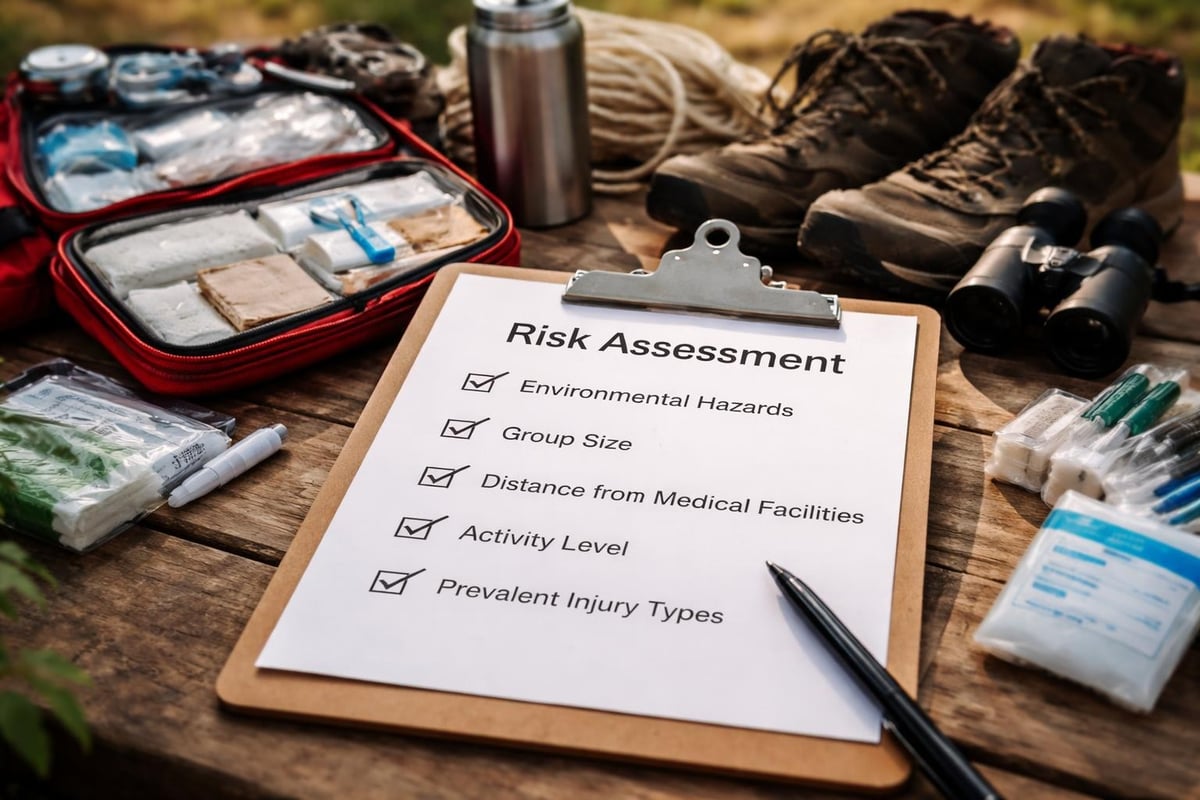
While standards provide excellent baselines, creating an effective first aid kit with items suited to your particular circumstances requires thoughtful assessment. Consider factors such as the number of people the kit will serve, distance from professional medical care, environmental hazards, and the most likely types of injuries or medical emergencies you might encounter.
Core Categories of First Aid Supplies
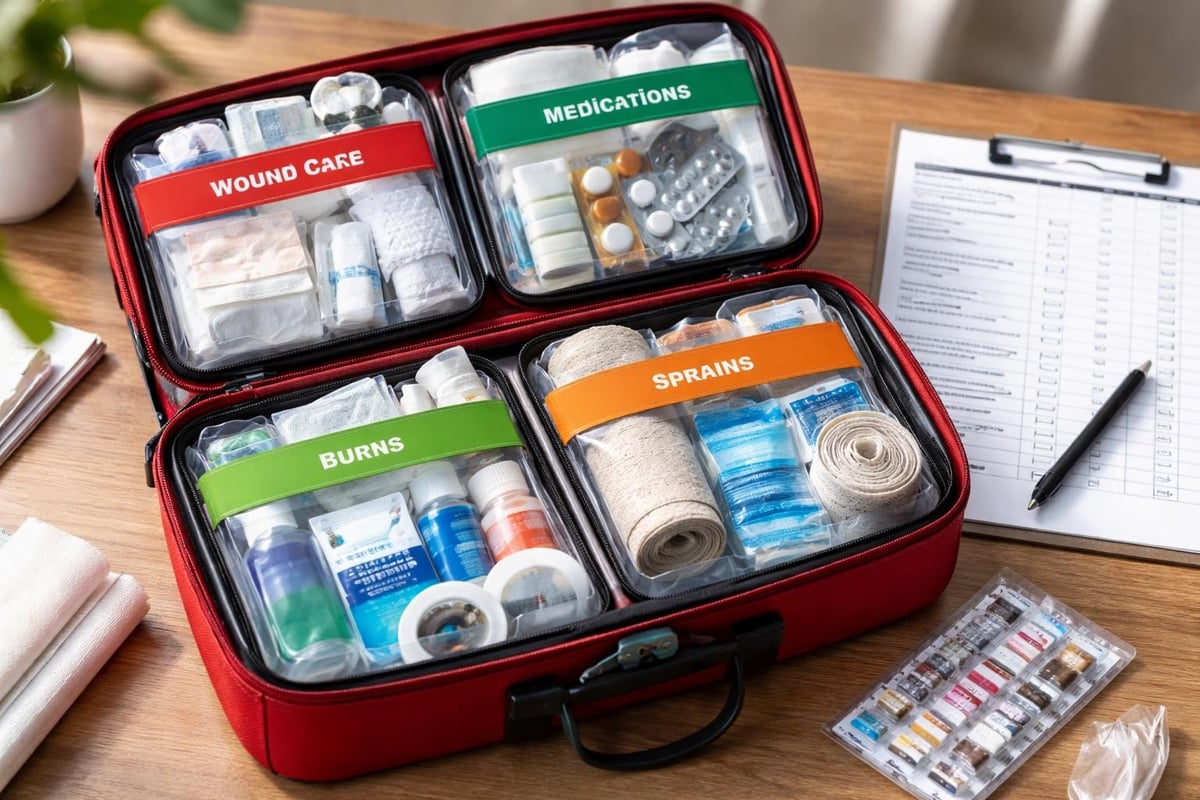
A comprehensive first aid kit with items organized into clear categories makes emergency response faster and more effective. Each category addresses specific medical needs, and understanding these groupings helps you both stock your kit appropriately and locate supplies quickly under pressure.
Wound Care Essentials
Managing wounds effectively prevents infection and promotes healing. This category forms the foundation of most first aid responses.
| Item Type | Purpose | Recommended Quantity |
|---|---|---|
| Adhesive bandages (various sizes) | Minor cuts and abrasions | 25-50 pieces |
| Sterile gauze pads (2x2, 4x4) | Wound coverage and absorption | 10-20 pads |
| Non-stick dressing pads | Burns and delicate wounds | 5-10 pads |
| Roller gauze bandages | Securing dressings, wrapping | 3-5 rolls |
| Medical tape | Securing dressings | 2-3 rolls |
Triple antibiotic ointment prevents infection in minor wounds and should be included in appropriate quantities. Antiseptic wipes or solutions for cleaning wounds before dressing are equally essential.
Bleeding Control Equipment
Severe bleeding requires immediate intervention. Your first aid kit with items designed for hemorrhage control can save lives in critical situations.
Critical bleeding control supplies include:
- Trauma dressings for pressure application
- Hemostatic gauze to promote rapid clotting
- Elastic bandages for compression
- Tourniquets for life-threatening extremity bleeding
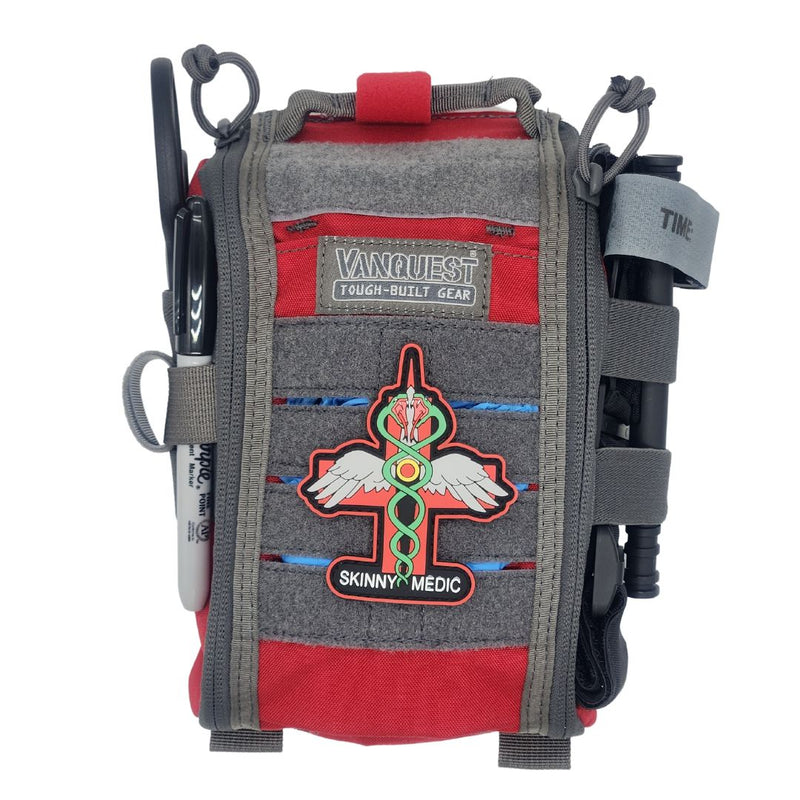
For those seeking comprehensive bleeding control capabilities, exploring options like trauma kits specifically designed for hemorrhage management ensures you have the advanced supplies needed for serious injuries.
Medications and Treatments
Over-the-counter medications address common medical issues and provide symptom relief while awaiting professional care.
- Pain relievers: Acetaminophen, ibuprofen, aspirin
- Antihistamines: Allergic reaction management
- Anti-diarrheal medication: Gastrointestinal issues
- Hydrocortisone cream: Skin irritations and rashes
- Burn gel or cream: Thermal injury treatment
Always check expiration dates on medications and replace them as part of your regular first aid resupply schedule. Temperature-sensitive medications may require special storage considerations.
Specialized Equipment and Tools
Beyond basic supplies, certain tools and equipment enhance your ability to respond effectively to emergencies. A complete first aid kit with items from this category transforms a basic collection into a professional-grade response system.
Emergency Assessment and Treatment Tools
Proper assessment guides treatment decisions. These tools help you gather critical information about a patient's condition.
| Tool | Function | Priority Level |
|---|---|---|
| Disposable gloves | Infection control, personal protection | Essential |
| CPR face shield | Safe rescue breathing | High |
| Thermometer | Temperature assessment | Medium |
| Tweezers | Splinter and debris removal | Medium |
| Scissors (trauma shears) | Cutting clothing, tape, bandages | High |
| Flashlight | Examination in low light | Medium |
Medical-grade trauma shears cut through clothing and seat belts efficiently, making them invaluable during emergency response. Unlike regular scissors, they feature a blunt tip that prevents accidental injury to patients.
Protective Barriers and Safety Equipment
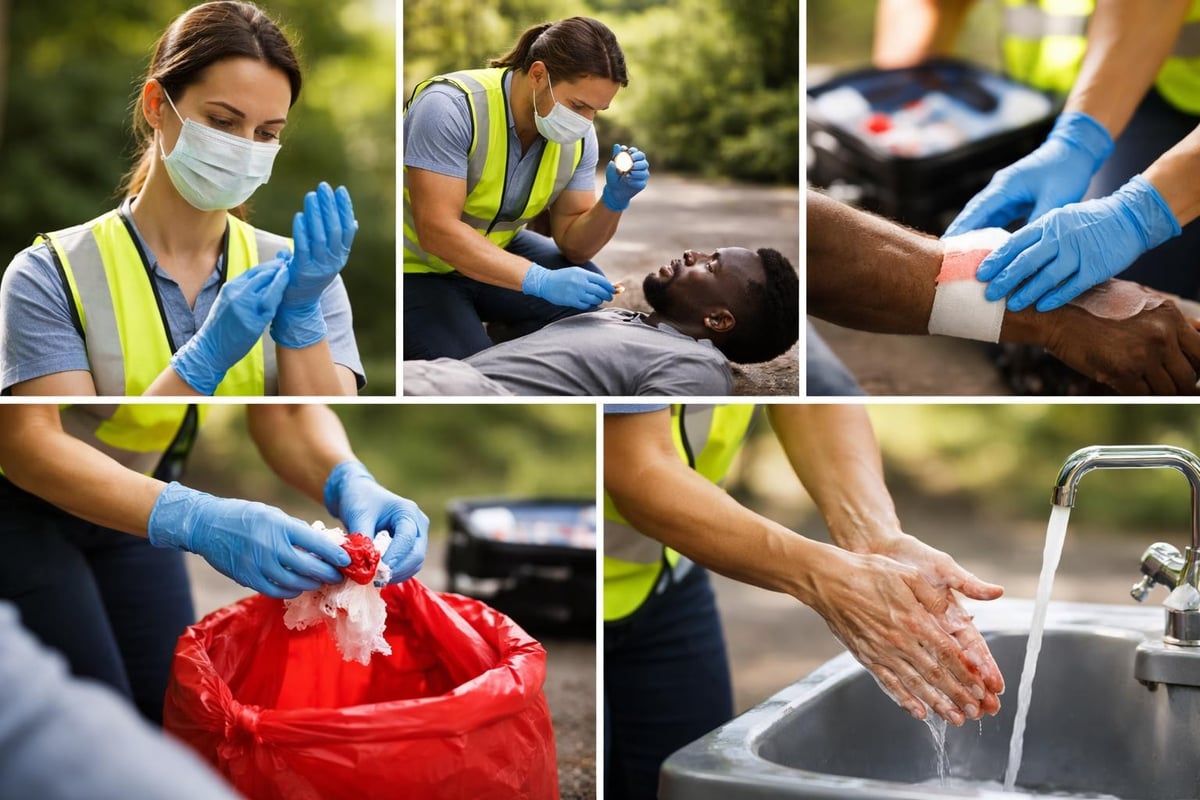
Personal protective equipment (PPE) protects both the responder and the patient from cross-contamination and infection. The American Red Cross emphasizes the importance of including multiple pairs of disposable gloves in various sizes within your first aid kit with items selected for comprehensive protection.
Essential protective items:
- Nitrile or latex gloves (multiple sizes)
- Eye protection or face shields
- Breathing barriers for CPR
- Biohazard waste bags
- Hand sanitizer
Specialized Kits for Specific Environments
Different environments and activities demand specialized first aid kit with items tailored to unique risks and challenges. Understanding these variations helps you prepare appropriately for your specific circumstances.
Home and Family First Aid Kits
Home kits balance comprehensive coverage with accessibility for family members of varying ages and medical knowledge. Family first aid kits should include child-specific supplies like pediatric pain relievers and smaller bandages, along with items addressing common household injuries such as burns, cuts, and sprains.
Consider including emergency contact information, family medical histories, and copies of prescription medications. These additions prove invaluable when multiple caregivers might need to respond to emergencies or when communicating with emergency medical services.
Workplace First Aid Solutions
Professional environments require compliance with regulatory standards while addressing industry-specific hazards. Manufacturing facilities need supplies for treating cuts, burns, and chemical exposures, while office environments focus more on minor injuries and sudden illness management.
HSI's workplace first aid guidance recommends customizing kits based on thorough workplace hazard assessments. This approach ensures your first aid kit with items specifically chosen for your environment provides optimal protection for employees.
Tactical and Outdoor Adventure Kits
Remote locations and high-risk activities demand self-sufficiency and advanced medical capabilities. These kits emphasize trauma care, extended care scenarios, and environmental challenges.
- Waterproof containers: Protection from elements
- Extended wound care supplies: Multi-day scenarios
- Survival blankets: Hypothermia prevention
- Water purification: Extended emergencies
- Signaling devices: Emergency communication
Weight and portability become critical considerations for hiking, climbing, or tactical operations. Compact, lightweight alternatives to traditional supplies help maintain mobility without sacrificing capability.
Maintaining and Organizing Your Kit
Even the most comprehensive first aid kit with items carefully selected for your needs becomes ineffective without proper maintenance and organization. Establishing systematic protocols ensures your kit remains ready when emergencies arise.
Regular Inspection Protocols
Monthly checks should verify:
- All items remain within expiration dates
- Packaging integrity is maintained
- Supplies haven't been depleted
- Storage conditions remain appropriate
- Documentation is current and accessible
Create a simple checklist specific to your kit's contents. This systematic approach prevents oversight and ensures nothing critical goes unnoticed. Many organizations designate a specific individual responsible for kit maintenance, creating clear accountability.
Resupply and Replacement Strategies
After using supplies from your kit, immediate replacement prevents gradual depletion that leaves you unprepared for the next emergency. Establishing relationships with reliable suppliers streamlines the resupply process and ensures you can quickly restore your kit to full readiness.
Consider purchasing replacement supplies in bulk when possible. This approach reduces costs and guarantees you have backup supplies available. Store these reserves separately from your primary kit, clearly labeled and organized for easy access during restocking.
Storage and Accessibility Considerations
Your first aid kit with items properly stored and easily accessible serves its purpose effectively. Poor storage compromises supplies and creates delays during emergencies.
| Storage Factor | Best Practice | Common Mistake to Avoid |
|---|---|---|
| Temperature | Cool, dry location (50-77°F) | Garages, car trunks long-term |
| Light exposure | Dark or opaque containers | Clear containers in sunlight |
| Accessibility | Eye-level, clearly marked | Hidden in cabinets |
| Security | Accessible but child-safe | Completely locked away |
Clearly label your kit with "FIRST AID" in large, visible letters. Consider multiple languages if appropriate for your environment. Include an inventory list visible on or in the kit, allowing quick verification of contents.
Advanced Considerations for Comprehensive Preparedness
Building upon basic first aid capabilities, advanced planning addresses complex scenarios and specialized needs. These considerations transform a standard first aid kit with items meeting minimum requirements into a comprehensive emergency response system.
Integrating Training with Supplies
Supplies alone don't create effective emergency response. Proper training ensures you can use every item in your kit confidently and correctly. First aid training courses teach both the technical skills for using supplies and the critical thinking needed during emergencies.
Regular training refreshers maintain competency and confidence. Skills degrade without practice, and emergency medicine protocols evolve as new research emerges. Annual recertification ensures your knowledge matches your equipment capabilities.
Customization Based on Medical Conditions
Individuals with chronic conditions or known allergies require specialized additions to standard first aid kits. Including condition-specific supplies transforms your kit from general-purpose to personally optimized.
Condition-specific additions might include:
- EpiPens for severe allergies
- Glucose tablets for diabetes
- Asthma inhalers
- Prescription medication duplicates
- Specialized medical equipment
Document any special medical needs clearly within the kit. This information helps both designated first aiders and emergency responders provide appropriate care quickly.
Multi-Kit Strategy for Complete Coverage
Comprehensive preparedness often requires multiple first aid kits with items distributed strategically across different locations and scenarios. This redundancy ensures you're never caught without critical supplies.
Consider maintaining separate kits for:
- Primary home location: Comprehensive, fully stocked
- Vehicles: Compact but complete for roadside emergencies
- Workplace: Compliant with regulations, accessible
- Recreation/hobbies: Activity-specific, portable
- Travel: TSA-compliant, internationally appropriate
Each kit should match its intended purpose and environment. Your vehicle kit might emphasize trauma care for accident scenarios, while your home kit provides broader medical coverage. Understanding the connection between emergency preparedness and hospital readiness helps you think systematically about medical readiness across all aspects of life.
Building Your Ideal Kit Configuration
Creating the optimal first aid kit with items precisely matched to your requirements involves thoughtful assessment and strategic selection. This process balances standardized recommendations with personal circumstances.
Assessment Framework
Begin by analyzing your specific risk profile. Consider demographics of those the kit will serve, including age ranges, pre-existing conditions, and activity levels. Environmental factors like climate, terrain, and proximity to medical facilities significantly influence appropriate supplies.
Real First Aid emphasizes conducting thorough needs analyses that consider environment, activity type, and group size. This systematic approach prevents both over-purchasing unnecessary items and dangerous gaps in coverage.
Selection and Sourcing
Quality matters significantly in medical supplies. Substandard materials may fail during critical moments, while inferior medications might prove ineffective or even harmful. Research manufacturers, verify certifications, and prioritize medical-grade supplies over consumer alternatives when possible.
Working with specialized suppliers ensures access to professional-grade equipment and expert guidance. Medical Gear Outfitters provides paramedic-selected supplies specifically chosen for reliability and effectiveness in emergency scenarios.
Budget Optimization Strategies
Building a comprehensive first aid kit with items covering all potential scenarios can seem expensive initially. However, strategic approaches make quality preparedness accessible across various budget levels.
Cost-effective strategies include:
- Prioritizing essential items first, adding specialized supplies gradually
- Purchasing multi-use items that serve multiple purposes
- Buying in bulk when appropriate for frequently replaced supplies
- Choosing quality containers that protect supplies long-term
- Building kits incrementally rather than all at once
Remember that your first aid kit represents insurance against emergencies. The cost of adequate preparedness pales compared to the potential consequences of inadequate supplies during critical situations.
Building and maintaining a comprehensive first aid kit with items selected for your specific needs represents one of the most important steps in emergency preparedness. Whether you're protecting your family at home, ensuring workplace safety, or preparing for outdoor adventures, the right supplies combined with proper training create genuine life-saving capability. Medical Gear Outfitters brings paramedic expertise to help you select, stock, and maintain first aid kits that truly meet your requirements, ensuring you're prepared to act as a first responder when it matters most.