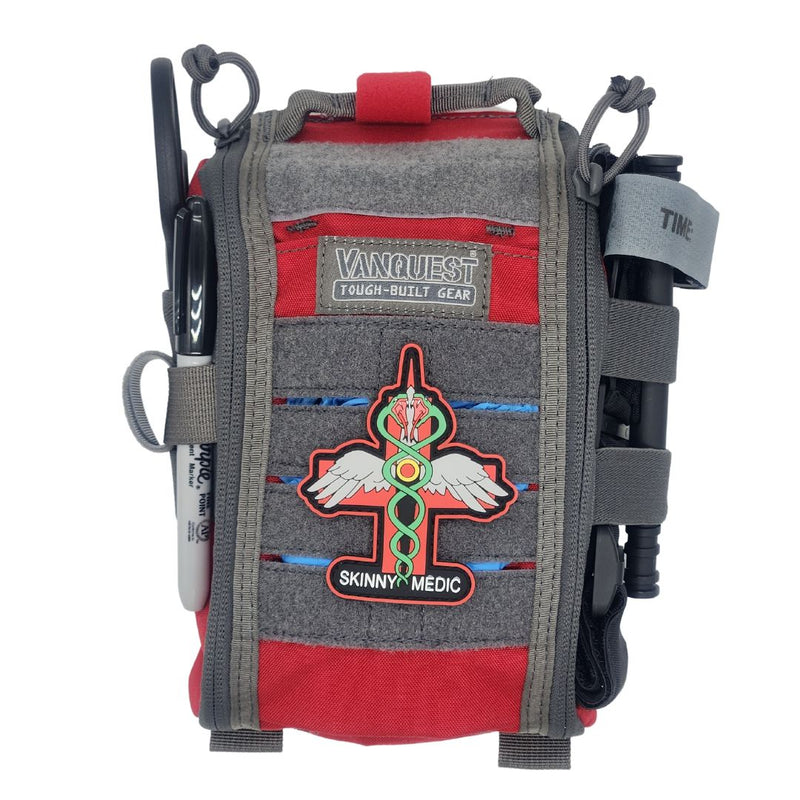
Camping Emergency Kit Essentials for Outdoor Safety
Every outdoor adventure carries inherent risks, from minor scrapes and insect bites to serious injuries requiring immediate medical intervention. A well-prepared camping emergency kit serves as your primary defense against wilderness hazards, providing the tools and supplies necessary to manage medical emergencies, navigate unexpected weather conditions, and ensure survival until professional help arrives. Whether you're embarking on a weekend camping trip or extended backcountry expedition, assembling a comprehensive emergency kit tailored to your specific needs can mean the difference between a minor inconvenience and a life-threatening situation.
Core Medical Supplies for Your Camping Emergency Kit
The foundation of any effective camping emergency kit begins with medical supplies designed to address the most common wilderness injuries. Understanding how to stock these supplies properly ensures you're prepared for everything from minor cuts to serious trauma situations.
Wound Care and Bleeding Control
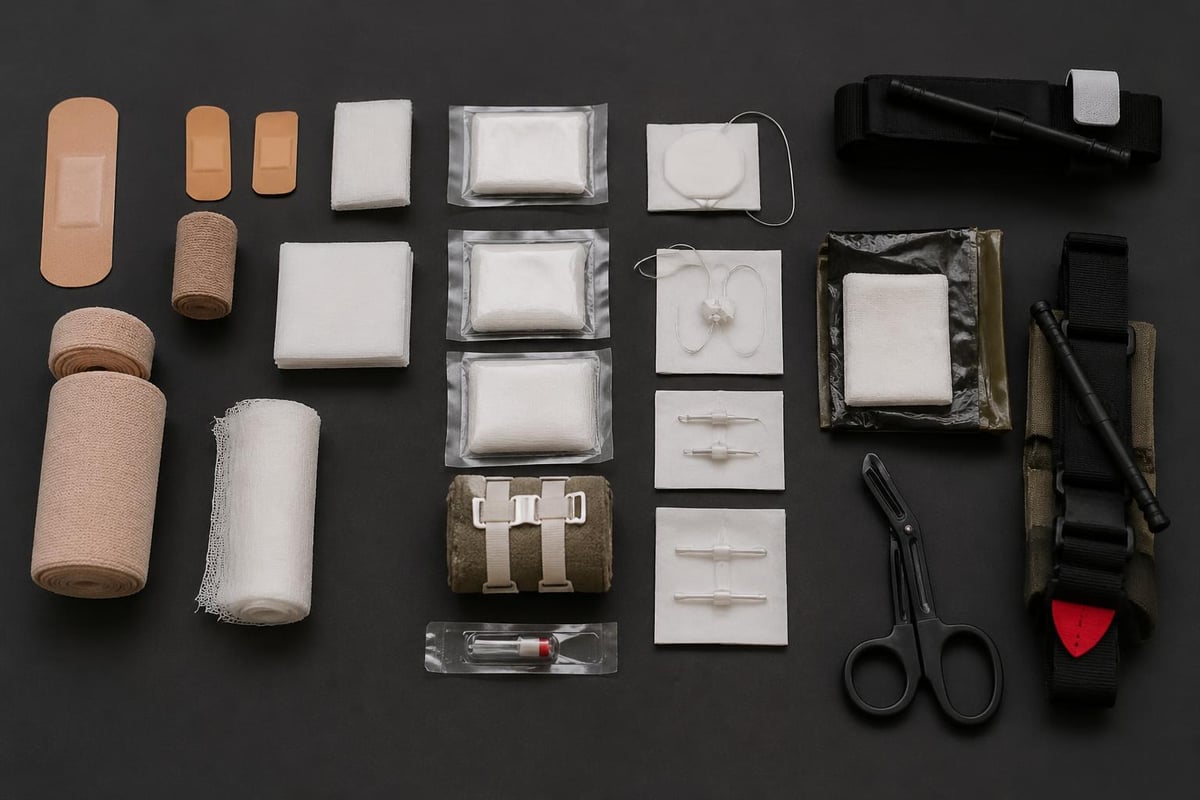
Wilderness environments present numerous opportunities for lacerations, punctures, and abrasions. Your medical supplies should include multiple sizes of sterile gauze pads, adhesive bandages, and specialized wound closure options. Butterfly wound closures provide an excellent non-invasive method for closing small to medium lacerations when sutures aren't available.
Essential wound care items include:
- Sterile gauze pads (various sizes: 2x2, 4x4)
- Adhesive bandages in multiple sizes
- Medical tape (both cloth and waterproof varieties)
- Antiseptic wipes and solutions
- Antibiotic ointment packets
- Hemostatic gauze for severe bleeding control
Triangular bandages serve multiple purposes in wilderness first aid, functioning as slings, pressure dressings, or improvised tourniquets. The versatility of these supplies makes them indispensable for any camping emergency kit.
Understanding when bleeding becomes serious can help you determine the appropriate level of intervention required. Severe arterial bleeding demands immediate action with direct pressure and potentially advanced bleeding control measures.
Trauma and Advanced Medical Equipment
Beyond basic first aid, your camping emergency kit should include trauma supplies capable of managing serious injuries. Tactical trauma treatment supplies provide professional-grade capabilities for controlling severe bleeding and stabilizing injuries.
Consider including these advanced medical items:
- Pressure dressings for significant bleeding
- SAM splints for fracture stabilization
- Chest seals for penetrating trauma
- Emergency tourniquets for life-threatening extremity hemorrhage
- Irrigation syringes for wound cleaning
The knowledge to use these supplies properly is just as important as having them available. Understanding tourniquet application and removal can prevent improper use that might cause additional harm.
Environmental Protection and Burn Treatment
Camping exposes you to environmental hazards ranging from extreme temperatures to campfire accidents. Your emergency preparedness system must address these specific wilderness risks.
Burn Management Supplies
Campfire cooking, portable stoves, and accidental contact with hot surfaces create burn risks during every camping trip. Specialized burn dressings provide cooling relief and create a sterile barrier against infection. Unlike traditional treatments, modern burn dressings are designed specifically for field use where immediate water access may be limited.
| Burn Type | Treatment Priority | Required Supplies |
|---|---|---|
| First-degree | Cooling, pain relief | Burn gel, non-adherent dressing |
| Second-degree | Sterile coverage, moisture retention | Hydrogel dressing, gauze, tape |
| Third-degree | Immediate evacuation prep | Dry sterile dressing, emergency blanket |
Insect Bites and Allergic Reactions
Wilderness environments host numerous insects capable of delivering painful or dangerous bites and stings. Insect bite treatment supplies provide immediate relief while preventing secondary complications from scratching and infection.
Your camping emergency kit should include:
- Antihistamine medications (oral and topical)
- Epinephrine auto-injectors for known severe allergies
- Hydrocortisone cream for inflammation
- Sting relief pads
- Tweezers for tick and splinter removal
Allergic reactions can escalate quickly in remote locations where emergency medical services aren't readily accessible. Carrying appropriate medications and knowing how to recognize anaphylaxis symptoms protects against potentially fatal complications.
Survival Tools and Emergency Equipment
Medical supplies alone don't constitute a complete camping emergency kit. Essential survival tools enable you to signal for help, create shelter, purify water, and maintain core body temperature during unexpected situations.
Navigation and Communication Devices
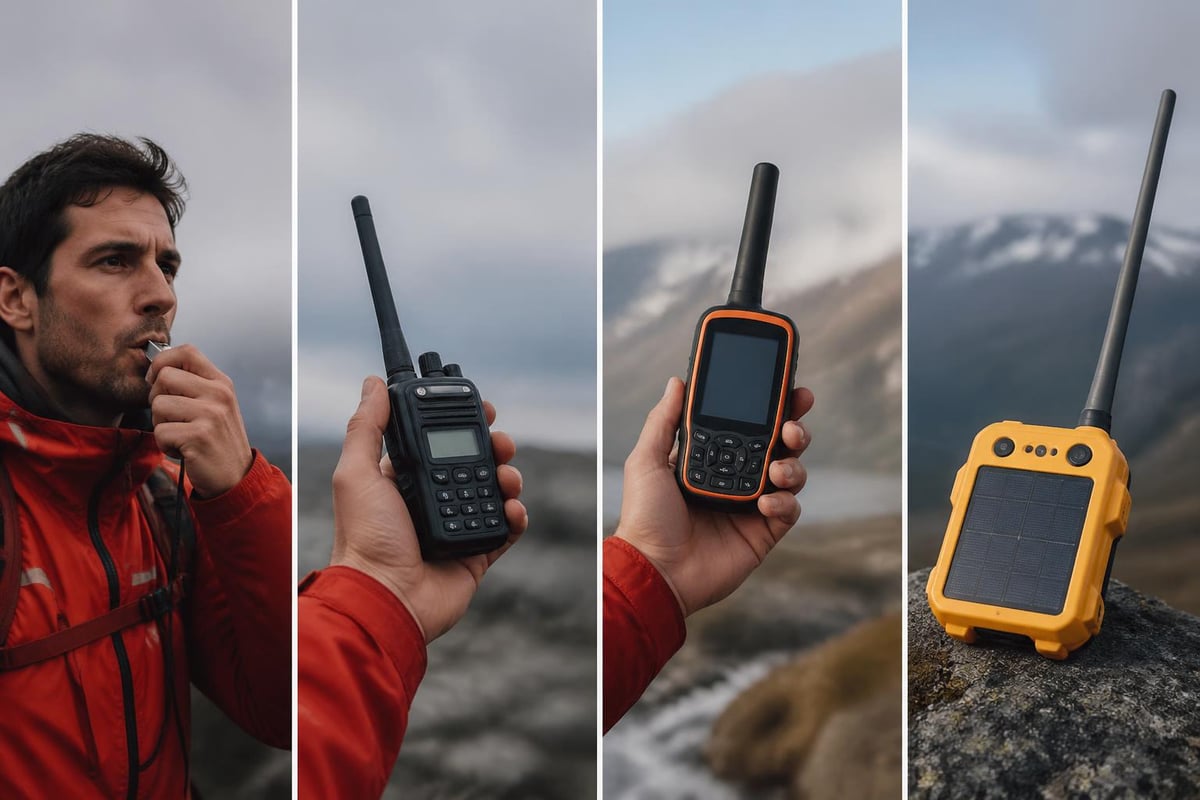
Getting lost or disoriented represents one of the most common camping emergencies. Your kit should include multiple navigation and communication methods:
- Compass and topographic maps of your camping area
- GPS device with extra batteries
- Emergency whistle (audible up to 1 mile)
- Signal mirror for aerial rescue operations
- Satellite communicator or personal locator beacon for remote areas
Traditional cell phones often lack service in wilderness areas, making alternative communication methods essential. The American Red Cross emphasizes preparedness with redundant systems for emergency situations.
Fire Starting and Shelter Materials
Hypothermia poses a serious threat in wilderness environments, particularly when clothing becomes wet or temperatures drop unexpectedly. Your camping emergency kit must include reliable fire-starting tools and emergency shelter options.
Fire-starting essentials include:
- Waterproof matches in sealed container
- Ferro rod with striker
- Lighter (stored in waterproof bag)
- Fire starter cubes or tinder
- Dry kindling in waterproof packaging
Emergency blankets reflect body heat and provide wind protection, while compact emergency bivvy sacks offer full-body shelter. KOA's emergency kit recommendations highlight the importance of redundant warmth systems.
Water, Food, and Nutrition Supplies
Dehydration and inadequate nutrition compromise your body's ability to manage stress and heal from injuries. Emergency food and water supplies ensure you maintain strength during unexpected situations.
Water Purification Systems
Access to clean drinking water becomes critical during extended emergency situations. Your camping emergency kit should include multiple water purification methods:
| Purification Method | Advantages | Limitations |
|---|---|---|
| Chemical tablets | Lightweight, long shelf life | Requires wait time, affects taste |
| Filter pump | Immediate results, no chemicals | Heavier, can freeze or clog |
| UV purifier | Fast, no chemicals | Requires batteries, doesn't remove sediment |
| Boiling | Reliable, no equipment failure | Requires fuel, time-consuming |
Carrying at least 24 hours of emergency water supply (1 gallon per person) provides a buffer while you locate and purify additional sources. Mountain Equipment Company's emergency checklist emphasizes adequate water storage as a fundamental preparedness element.
Emergency Food Provisions
High-calorie, nutrient-dense foods sustain energy levels during emergencies when normal meal preparation isn't possible. Select options with extended shelf lives that don't require refrigeration or extensive preparation.
Recommended emergency foods include:
- Energy bars and protein bars
- Trail mix with nuts and dried fruit
- Dehydrated meals requiring only hot water
- Peanut butter packets
- Electrolyte replacement powders
Rotate these supplies regularly to maintain freshness, replacing items before expiration dates. A camping emergency kit serves no purpose if its contents have degraded beyond usability.
Medication and Personal Health Items
Individual health needs vary significantly, requiring customization of your camping emergency kit to address specific medical conditions and prescription requirements.
Over-the-Counter Medications
Stock a diverse selection of non-prescription medications addressing common camping ailments:
- Pain relievers (acetaminophen, ibuprofen, aspirin)
- Anti-diarrheal medication
- Antacid tablets
- Motion sickness medication
- Antihistamines for allergic reactions
- Hydrocortisone cream for skin irritation
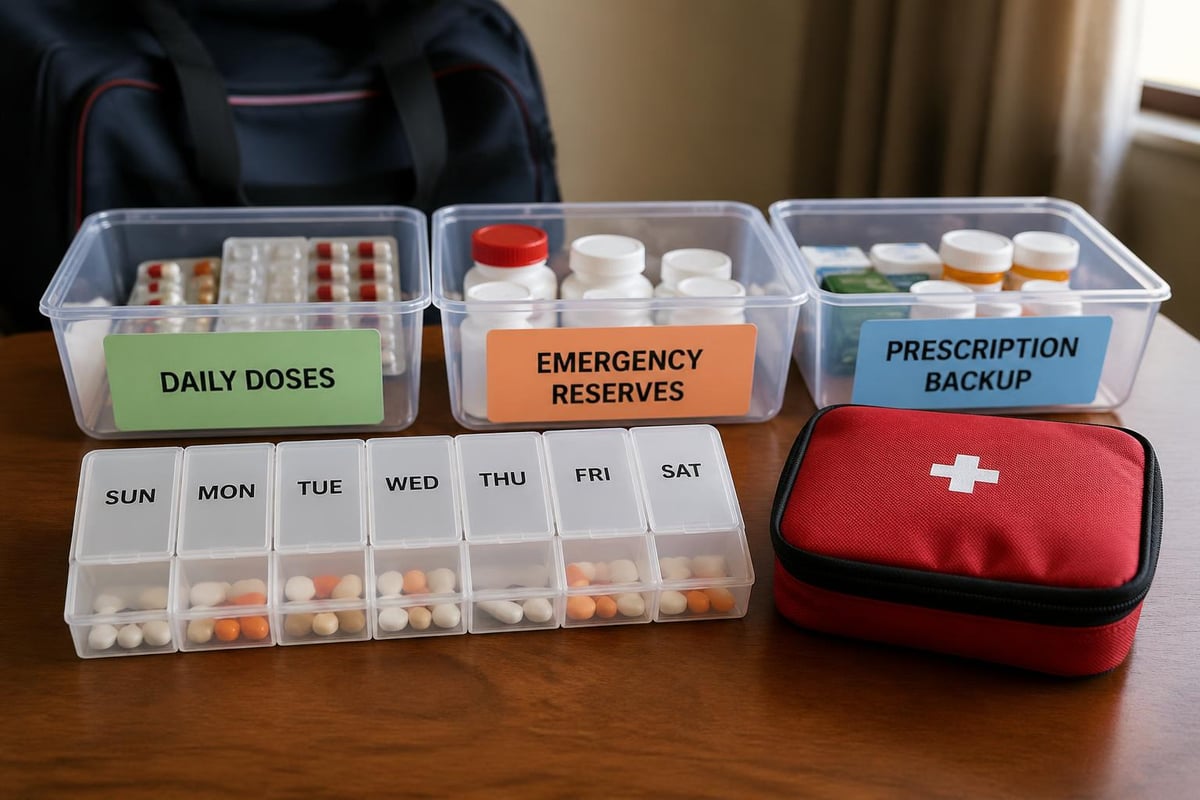
Package medications in waterproof containers with clear labeling including expiration dates. Consider individual dose packaging to prevent contamination of entire supplies.
Prescription Medications and Personal Items
Individuals requiring prescription medications must carry adequate supplies for their entire trip plus additional days for unexpected delays. Keep medications in original containers with pharmacy labels to facilitate identification by emergency responders if necessary.
Personal health items should include:
- Prescription medications (plus 3-day buffer)
- Glasses or contact lenses with backup pair
- EpiPens for known severe allergies
- Glucose tablets for diabetic emergencies
- Inhaler for asthma management
Building a comprehensive first aid kit requires understanding both universal needs and individual health requirements. Generic kits serve as starting points, but personalization ensures true preparedness.
Kit Organization and Maintenance Protocols
Even the most comprehensive camping emergency kit fails if supplies are disorganized, expired, or inaccessible during critical moments. Systematic organization and regular maintenance ensure your kit performs when needed.
Strategic Packing Methods
Organize supplies by category and frequency of use. Place commonly needed items like adhesive bandages and pain relievers in easily accessible outer pockets, while specialized trauma supplies can reside in interior compartments.
Effective organization strategies:
- Color-coded stuff sacks for different supply categories
- Clear waterproof bags for visibility of contents
- Laminated inventory checklist attached to kit
- Duplicate critical items in multiple locations
- Compression for efficient space utilization
Portable medical kit design emphasizes accessibility and protection of contents. Hard-sided cases offer superior protection for fragile items, while soft packs provide flexibility and lighter weight.
Regular Inspection and Replacement Schedules
Establish quarterly inspection routines examining each item for:
- Expiration dates on medications and sterile supplies
- Package integrity and moisture damage
- Battery functionality in electronic devices
- Completeness of inventory against checklist
Replace expired items immediately rather than waiting for complete kit overhaul. Consider automated refill and restocking services that deliver replacement supplies on regular schedules.
Specialized Considerations for Different Camping Styles
Camping activities vary from drive-up campground stays to remote backcountry expeditions. Your camping emergency kit should reflect the specific risks and accessibility limitations of your chosen camping style.
Car Camping and RV Emergency Kits
Vehicle-based camping allows larger, more comprehensive emergency kits without weight restrictions. RV emergency preparedness can include bulkier items like:
- Full-sized first aid kit with extensive supplies
- Larger water containers (5-gallon jugs)
- Comprehensive tool sets
- Jumper cables and roadside emergency equipment
- Extended food supplies
Space availability enables redundancy in critical systems. Car campers can carry backup sleeping bags, additional fire-starting methods, and duplicate communication devices.
Backpacking and Minimalist Approaches
Weight-conscious backpackers must balance comprehensive preparedness against carrying capacity. Every ounce matters during multi-day hiking trips.
Ultralight camping emergency kit priorities:
| Item Category | Standard Weight | Ultralight Alternative |
|---|---|---|
| First aid supplies | 16 oz complete kit | 8 oz curated essentials |
| Emergency shelter | 12 oz bivvy | 3 oz emergency blanket |
| Water purification | 10 oz pump filter | 1 oz chemical tablets |
| Fire starting | 6 oz multiple methods | 2 oz ferro rod + tinder |
Select multi-purpose items that serve several functions, reducing overall kit weight. Bandage materials like triangular bandages offer exceptional versatility for backpacking applications.
Training and Skills Development
Physical supplies represent only half of emergency preparedness. Knowledge and practiced skills enable effective use of your camping emergency kit during high-stress situations.
Essential Wilderness First Aid Training
Formal training programs teach systematic patient assessment, injury recognition, and appropriate interventions for wilderness environments. Wilderness first aid courses typically cover:
- Patient survey and vital sign assessment
- Wound cleaning and closure techniques
- Fracture splinting and spinal immobilization
- Environmental illness recognition and treatment
- Improvisation with limited resources
Certification courses ranging from 16-hour Wilderness First Aid to 80-hour Wilderness First Responder provide progressively advanced capabilities. Regular refresher training maintains skill proficiency and updates knowledge with current best practices.
Practice Scenarios and Kit Familiarization
Familiarity with your camping emergency kit contents prevents fumbling during actual emergencies. Conduct regular practice scenarios simulating common camping injuries:
- Laceration management: Practice wound cleaning, closure application, and bandaging techniques
- Burn treatment: Rehearse burn assessment and appropriate dressing application
- Fracture stabilization: Execute splinting procedures on various body parts
- Anaphylaxis response: Time your response from recognition to epinephrine administration
- Hypothermia treatment: Practice proper rewarming protocols
Mental rehearsal and physical practice build muscle memory that functions even under stress. Understanding professional emergency response standards helps ensure your training aligns with current medical protocols.
Legal and Ethical Considerations
Providing emergency medical care in wilderness settings involves legal responsibilities and ethical obligations. Understanding Good Samaritan laws and scope of practice limitations protects both caregivers and patients.
Most jurisdictions provide legal protection for individuals providing reasonable emergency assistance in good faith. However, care must remain within your training level. Attempting advanced medical procedures without proper certification creates liability exposure and potential harm to patients.
Ethical principles for wilderness first aid:
- Obtain consent before providing care when possible
- Respect patient privacy and dignity
- Provide care within your training scope
- Document interventions and patient condition
- Activate professional rescue when situations exceed capabilities
Your camping emergency kit should include documentation materials for recording patient information, interventions provided, and timeline of events. This information proves invaluable when transferring care to professional emergency medical services.
Assembling a comprehensive camping emergency kit requires thoughtful consideration of potential wilderness hazards, individual health needs, and specific camping activities. Regular maintenance, proper organization, and ongoing skills training transform supplies into effective emergency response capability. Whether you're a weekend camper or backcountry enthusiast, Medical Gear Outfitters provides professional-grade emergency supplies backed by paramedic expertise, ensuring your camping adventures remain safe and enjoyable. Explore their extensive selection of trauma kits, first aid supplies, and specialized equipment designed specifically for wilderness emergencies.