
Essential Guide to Choosing the Right Bandage Kit 2026
Imagine a kitchen accident or a scraped knee while hiking—quick, effective wound care can make all the difference. In both everyday mishaps and unexpected emergencies, having the right supplies is critical.
This essential guide will help you confidently select the best bandage kit for 2026, whether you are at home, at work, or on the move. Choosing a reliable bandage kit ensures that you can treat minor injuries swiftly and safely, reducing risks and promoting faster healing.
We will break down the types of bandage kits, must-have components, selection tips, compliance standards, top recommendations, and maintenance strategies. Stay prepared, make informed choices, and turn everyday readiness into real peace of mind.
Understanding Bandage Kits: Types and Uses
Proper wound care begins with having the right tools at hand, and a bandage kit is at the heart of every effective first aid solution. Whether you are at home, in the workplace, or traveling, understanding what makes a bandage kit unique ensures you are prepared for everyday cuts, scrapes, and emergencies.
What Is a Bandage Kit?
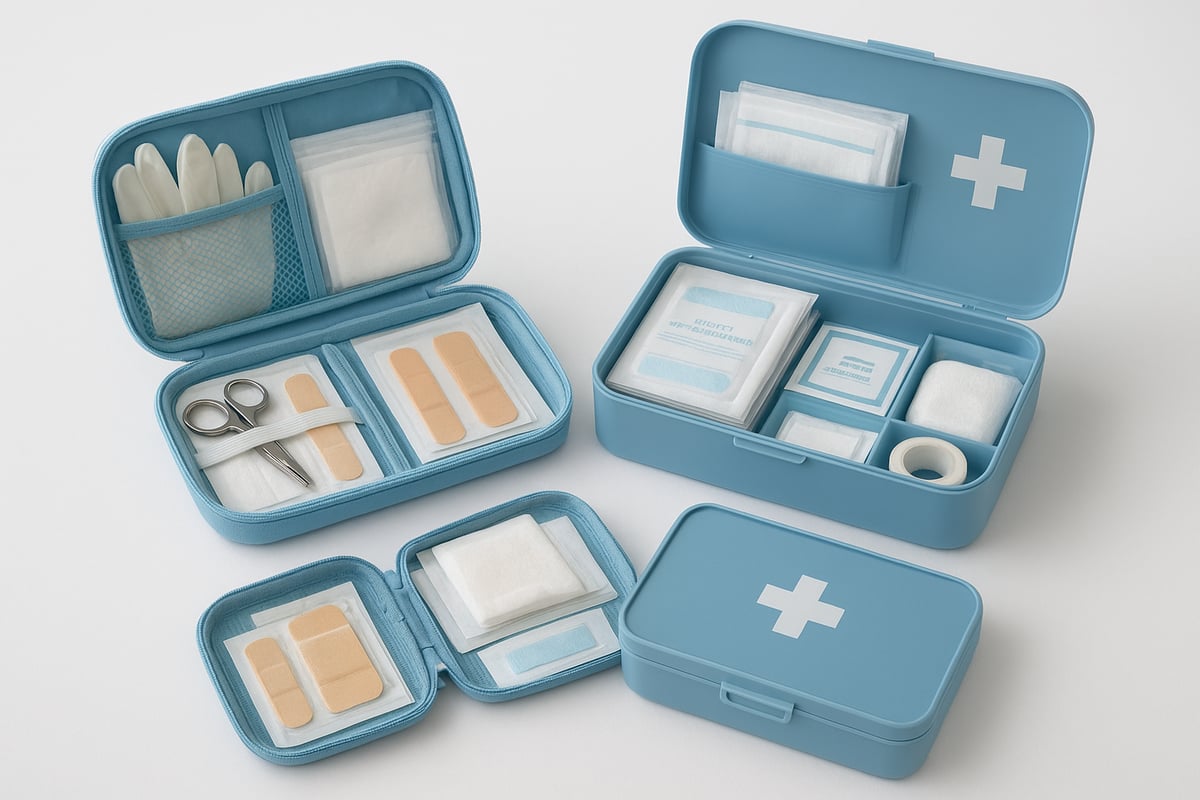
A bandage kit is a specialized collection of wound care supplies designed to treat minor injuries quickly and safely. Unlike general first aid kits, which may include medications, splints, or CPR masks, a bandage kit focuses on essentials for cuts, scrapes, and wound protection.
These kits typically include adhesive strips, gauze pads, and wound closure materials, making them vital for immediate care. Bandage kits are essential in homes, offices, schools, and vehicles. According to industry data, over 60% of minor injuries are managed at home with a basic bandage kit, highlighting its everyday importance.
Types of Bandage Kits Available
Bandage kits come in a wide variety to suit different settings and needs. Assorted kits provide multiple shapes and sizes, while specialty options offer waterproof, fabric, latex-free, or antibacterial bandages. Pediatric kits feature fun shapes and designs to comfort children, such as those from Welly or BioSwiss.
All-purpose emergency kits are ideal for comprehensive coverage, while compact travel kits fit easily in bags or cars. For workplaces, commercial bandage kits must meet ANSI or OSHA regulations. To explore specific options or to buy a first aid box online, review product guides to find the right fit for your needs.
Key Uses and Scenarios
A bandage kit is indispensable across a range of scenarios. In the home, it addresses kitchen cuts or playground scrapes. Schools and childcare facilities rely on these kits for quick care of everyday mishaps. Outdoor enthusiasts use them for hiking, camping, or sports injuries, while workplaces need them to comply with safety standards and respond to industrial accidents.
In emergencies, a well-stocked bandage kit supports disaster preparedness, enabling swift action before professional help arrives. No matter the setting, having a reliable bandage kit means you are ready to manage wounds and prevent complications.
Bandage Kit Trends for 2026
The bandage kit market is evolving rapidly to meet changing consumer needs. Demand for latex-free and hypoallergenic options is rising, driven by increased awareness of allergies. Eco-friendly and biodegradable bandages are gaining traction with environmentally conscious buyers.
Smart technology is making its way into the bandage kit, with features like QR codes linking to wound care instructions. Customizable kits tailored for home, office, or vehicles are more popular than ever. Market trends show that consumers prefer all-in-one solutions, making the modern bandage kit a must-have for safety and convenience.
Essential Components of a Quality Bandage Kit
A quality bandage kit is more than just a collection of bandages. The right kit combines essential wound care materials, smart packaging, and thoughtful features to handle a wide range of injuries. Whether you are at home, at work, or outdoors, the right bandage kit can make a significant difference in first aid outcomes.
Types of Bandages and Their Functions
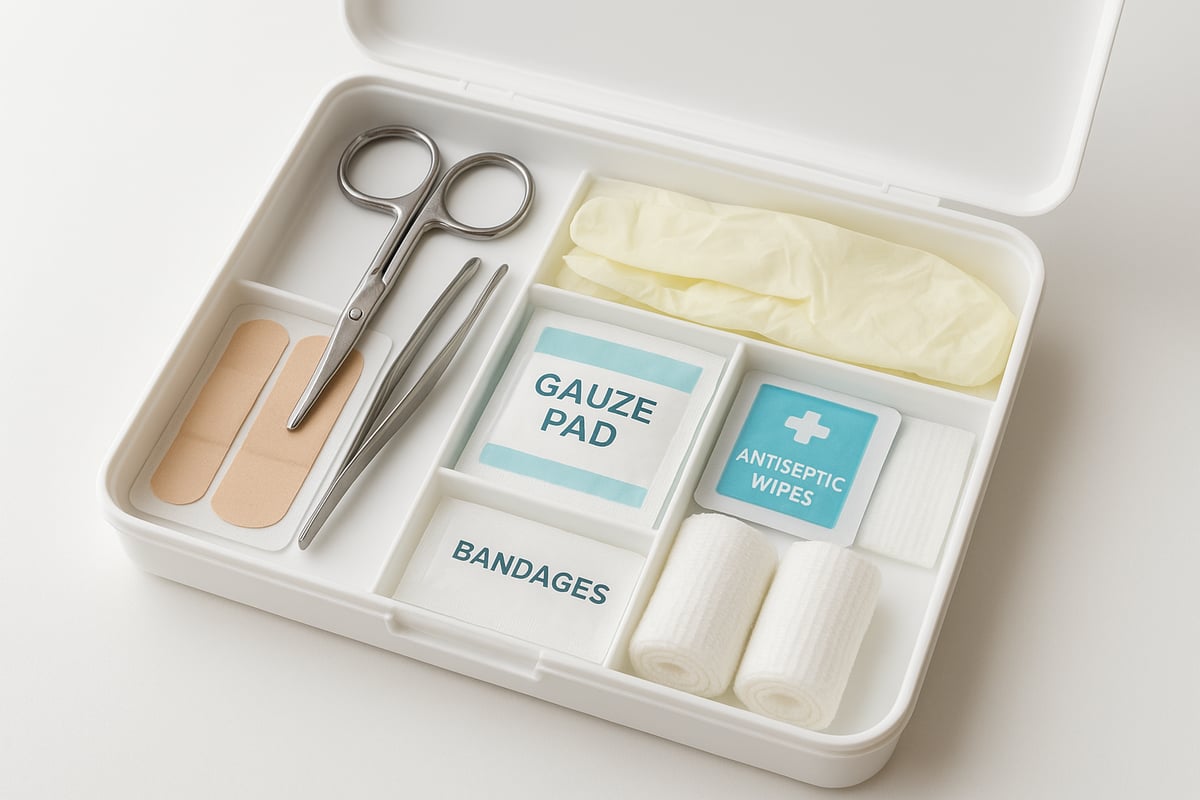
Every bandage kit should include a range of bandages designed for specific injuries. Standard adhesive strips are essential for small cuts and scrapes. Fabric bandages offer flexibility and breathability, while plastic bandages provide a waterproof barrier, making each suitable for different scenarios.
Specialty shapes like knuckle, fingertip, spot, and butterfly closures help cover hard-to-bandage areas. Larger wound dressings and sterile gauze pads are crucial for managing bigger injuries. Leading brands such as Johnson & Johnson and Equate offer kits with these varied options, ensuring a bandage kit covers everyday and emergency needs.
Supportive Materials and Accessories
A comprehensive bandage kit contains more than just bandages. Medical tape secures dressings, while wound closure strips are used for deeper cuts. Sterile gauze rolls and pads help control bleeding and protect wounds.
Essential accessories include antiseptic wipes for cleaning, ointments for infection prevention, and tools like scissors and tweezers for precise care. Gloves ensure hygiene, and advanced kits may add burn dressings or eye pads for specialized situations. These materials enhance the versatility of a bandage kit and ensure you are prepared for a wide range of first aid scenarios.
Packaging and Portability
The packaging of a bandage kit plays a critical role in its usability. Hard cases offer maximum protection and are ideal for workplaces or vehicles. Soft pouches are lightweight and fit easily into backpacks or luggage, making them perfect for travel.
Refillable boxes allow for ongoing use and easy restocking. Waterproof and dustproof containers protect contents from environmental hazards. Kits with organized compartments and clear labeling make it easy to locate supplies quickly, which is vital during emergencies. Consider the size and weight of your bandage kit to ensure it matches your lifestyle and intended use.
Safety, Sterility, and Expiry
Safety and sterility are non-negotiable in any bandage kit. Sterile packaging prevents infection and ensures wound care materials are safe to use. Expiration dates are critical, as expired items may lose effectiveness or sterility.
Always look for latex-free labeling to avoid allergic reactions, especially if your bandage kit will be used in group settings. Regulatory standards such as ANSI and OSHA help guarantee sterility and safety, especially for workplace kits. Regularly check your kit to ensure all items are within their shelf life and properly sealed.
Value-Added Features
Modern bandage kits go beyond the basics by offering value-added features. Many include first aid instruction manuals or QR codes for instant wound care guidance. Kid-friendly designs, such as fun shapes and bright colors, help make first aid less intimidating for children.
Antibacterial or antimicrobial bandages add an extra layer of protection. Resealable packaging maintains hygiene and extends usability. For those interested in personalizing their bandage kit, consider reading about building your own first aid kit to understand how to tailor contents to your specific needs. Brands like Welly offer glow-in-the-dark badges for children, combining safety and engagement in a single bandage kit.
How to Choose the Right Bandage Kit: Step-by-Step Guide
Selecting the right bandage kit is a crucial step in first aid preparedness. With so many options available, it can be challenging to know which features matter most for your unique situation. This step-by-step guide breaks down the process, ensuring you make an informed and confident choice.
Step 1: Assess Your Needs and Environment
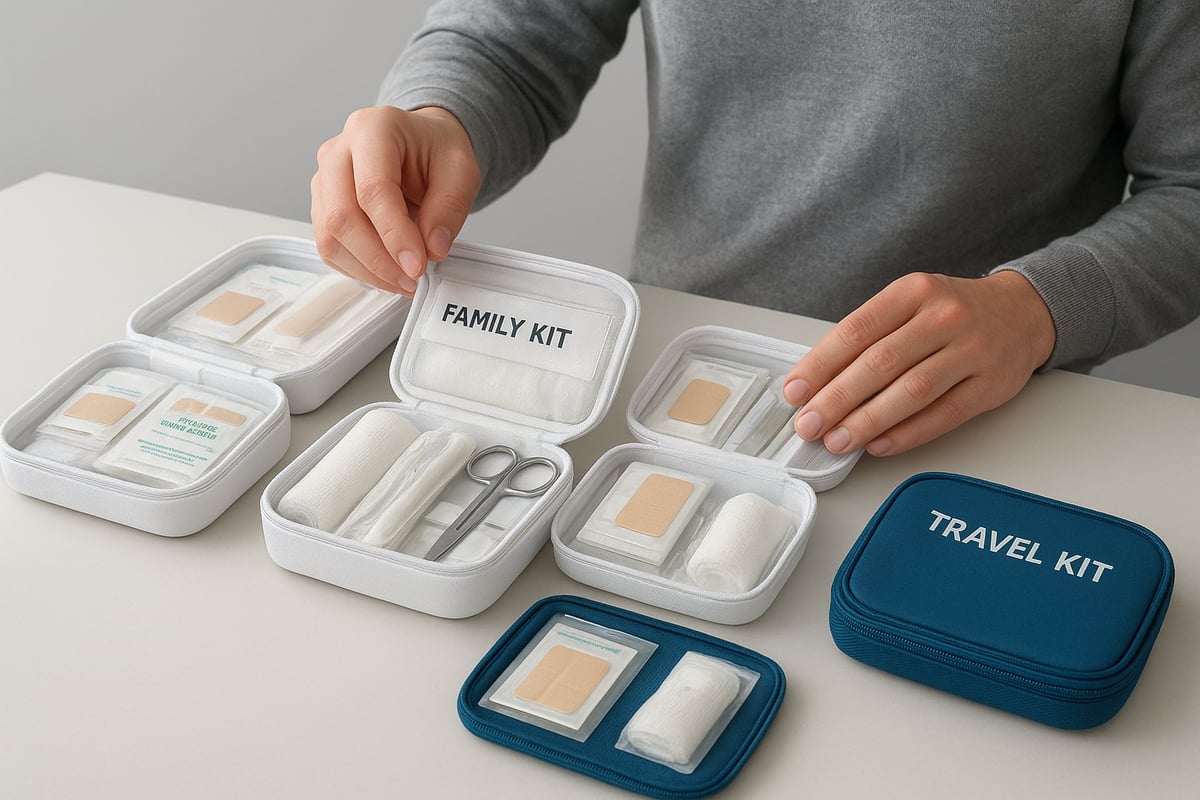
Begin by evaluating your environment and daily activities. Are you preparing for household mishaps, workplace incidents, or outdoor adventures? Consider how many people your bandage kit must serve and whether there are children, elderly, or individuals with special medical requirements.
For example, a family with young kids may need a larger kit with child-friendly bandages, while a solo traveler might prefer a compact option. If you are seeking a comprehensive solution for multiple users, explore a Large first aid kit for families to ensure no one is left unprotected.
Step 2: Understand Kit Contents and Quality
Next, review the contents of each bandage kit. Look for a variety of bandage types and sizes, as well as essential accessories like medical tape, gauze, antiseptic wipes, and gloves. Quality matters—strong fabric, reliable adhesive, and sterile packaging are key indicators of a dependable kit.
Check customer ratings and reviews for real-world feedback. Top-rated kits often include detailed inventories, making it easier to compare options side by side. Remember, a well-stocked bandage kit can make all the difference when every second counts.
Step 3: Verify Compliance and Safety Standards
Compliance with recognized safety standards is essential, especially in workplaces. Confirm if your bandage kit meets ANSI/OSHA requirements, which ensure a minimum standard for contents and safety. Look for certifications such as FDA approval, latex-free, and hypoallergenic labels to protect those with allergies.
Review the kit’s packaging for compliance information. For businesses, selecting an ANSI 2021-compliant bandage kit provides peace of mind and legal protection. Personal kits should also prioritize safety, particularly in shared or public environments.
Step 4: Consider Portability and Storage
Think about where and how you will store your bandage kit. Compact kits are ideal for travel, cars, or everyday carry, while larger, wall-mountable versions suit homes or offices. Examine the durability of the container—waterproof and crushproof features are valuable for outdoor or rugged use.
Organizational features like labeled compartments and easy-open cases make supplies more accessible in emergencies. A portable bandage kit ensures that you are always ready, wherever life takes you.
Step 5: Compare Pricing, Brands, and Value
Cost is an important factor, but value goes beyond price alone. Evaluate the cost per piece and overall selection in each bandage kit. Trusted brands like Johnson & Johnson, Equate, and First Aid Only are known for quality and reliability.
Balance affordability with the features you need. Customer reviews and bestseller lists can provide insight into real-world performance and satisfaction. Investing in a well-reviewed bandage kit saves money and worry in the long run.
Step 6: Personalization and Refills
Personalize your bandage kit by choosing options with refillable or customizable compartments. This allows you to add specialty items like burn pads, extra gloves, or wound closure strips as needed. Check for compatible refill packs to keep your kit current.
Customizable kits are especially useful for those with unique needs, such as athletes, travelers, or pet owners. A refillable bandage kit ensures long-term readiness and adaptability for any situation.
Bandage Kit Compliance and Safety: What You Need to Know
Proper compliance and safety are essential when selecting a bandage kit, whether for home, work, or public use. Understanding current standards, safety practices, and allergy considerations helps ensure your bandage kit is ready for any situation.
Regulatory Standards for Bandage Kits
Bandage kit compliance starts with understanding key regulations. The ANSI/ISEA Z308.1-2021 standard outlines the minimum required contents and classifications for workplace kits, while OSHA offers further guidance for legal protection. These regulations differ for personal and workplace kits, so always check the intended environment.
Here is a summary table of major standards:
| Standard | Applies To | Key Requirements |
|---|---|---|
| ANSI/ISEA Z308.1-2021 | Workplaces | Minimum contents, labeling |
| OSHA 1910.151 | Workplaces | Accessible, adequate supply |
| FDA Approval | Commercial kits | Sterility, safety |
For a full breakdown of the latest workplace requirements, review the ANSI/ISEA Z308.1-2021 First Aid Kit Standards. Selecting an ANSI-compliant bandage kit helps protect your organization and ensures you are prepared for inspections.
Ensuring Kit Safety and Effectiveness
The safety and effectiveness of a bandage kit depend on several factors. Always verify that packaging is sealed and sterile before use. Expiration dates matter — expired bandages can lose sterility and adhesive strength, compromising wound care. Choose kits with tamper-evident seals for added security.
Routine inspection is crucial. Check your bandage kit every few months, replacing any used or outdated items. This habit guarantees you always have a reliable kit ready for emergencies.
Addressing Allergies and Sensitivities
Allergy awareness is vital for any bandage kit. Latex allergies affect about 1–6% of the population, making latex-free and hypoallergenic options important for safety. Always read labels for latex content and store sensitive supplies separately.
Pediatric and workplace kits often highlight latex-free status. Brands like BioSwiss offer latex-free bandage kit options, reducing risk for users with sensitivities. Safe storage and clear labeling help everyone quickly identify the right supplies.
Workplace and Institutional Requirements
In workplaces, schools, and public institutions, a bandage kit must meet minimum content standards and be easily accessible. ANSI-compliant kits are often required, and regular documentation and inspections are necessary for compliance.
Special environments, such as childcare or sports facilities, may need extra items like burn dressings or eye pads. Organizations benefit from bulk purchasing and refillable solutions to keep every bandage kit fully stocked and up to date.
Top Bandage Kit Recommendations for 2026
Selecting the right bandage kit can make all the difference when responding to injuries at home, on the road, or in the workplace. In 2026, the best options combine versatility, quality, and compliance to ensure everyone is prepared. Below, we highlight top picks for every scenario, so you can confidently choose the ideal bandage kit for your needs.
Best Overall Bandage Kit
When it comes to all-around protection, the Johnson & Johnson All-Purpose Compact Kit stands out as the best overall bandage kit for 2026. This kit features 160 pieces, covering everything from minor cuts to larger scrapes, making it a reliable choice for most households and everyday situations.
With a wide assortment of adhesive strips, gauze pads, antiseptic wipes, and basic tools, this bandage kit is praised for its trusted brand reputation and impressive 4.8 out of 5-star customer rating. Its portable design ensures you can keep it in your home, car, or office for quick access during emergencies. For comprehensive coverage and peace of mind, this is the bandage kit to beat.
Best for Families and Households
Families require a bandage kit that can address injuries for every age group and activity level. The Equate All-Purpose First Aid Kit meets this need with its generous 250-piece count and inclusion of antibacterial bandages, burn dressings, and child-friendly designs.
This bandage kit features easy-to-follow instructions, making it approachable for parents and caregivers. Its variety ensures you have the right supplies for everything from playground scrapes to kitchen mishaps. The clear organization and resealable packaging help keep supplies hygienic and ready for use. For multi-generational households, this bandage kit offers unmatched value and practicality.
Best for Travel and On-the-Go
Travelers and commuters need a portable, TSA-friendly bandage kit that fits easily in a bag or glove compartment. The BAND-AID Brand Travel Ready Kit, with 80 pieces, excels in this category. Its compact, waterproof case keeps supplies clean and accessible, whether you are hiking, camping, or simply on the move.
This bandage kit includes a variety of adhesive bandages, antiseptic wipes, and small dressings, making it ideal for quick fixes away from home. Its lightweight design ensures it never weighs you down. For those who prioritize mobility and convenience, this bandage kit is the perfect travel companion.
Best for Workplaces and Compliance
Work environments demand a bandage kit that meets strict safety standards and regulatory requirements. The First Aid Only Emergency Kit, with 260 pieces, is ANSI/OSHA compliant and built for high-traffic settings. This bandage kit features refillable compartments, clear labeling, and a robust assortment of wound care essentials.
For organizations, following OSHA First Aid Kit Requirements ensures legal protection and employee safety. This bandage kit simplifies compliance with easy restocking and bulk purchasing options. It is the go-to solution for offices, warehouses, and public facilities, providing both peace of mind and regulatory assurance.
Best for Kids and Sensitive Skin
Children and individuals with sensitive skin need a gentle, hypoallergenic bandage kit that makes first aid less intimidating. The Welly Glow-in-the-Dark Bravery Badges and BioSwiss fun-shaped kits lead this category, offering latex-free, kid-friendly designs.
Each bandage kit in this segment includes soft adhesives, pediatric-sized strips, and engaging visuals to encourage use. Parents appreciate the combination of safety and creativity, ensuring that first aid is both effective and comforting. For sensitive users, this bandage kit delivers reliable care in a playful, approachable package.
Maintenance, Refills, and Long-Term Kit Care
Proper maintenance of your bandage kit is essential for ensuring readiness in any situation. Routine checks, smart storage, timely refills, and ongoing training all contribute to keeping your kit effective and reliable.
Regular Inspection and Replacement
Inspecting your bandage kit every three months helps ensure all components are present and in usable condition. Check for missing, used, or expired items. Remove anything damaged or past its expiration date.
Create an inventory checklist to track supplies. Many modern kits include QR code reminders or app integration, like the SmartCompliance app, to help you stay organized and up-to-date.
A well-maintained bandage kit is always ready for emergencies. Regular inspection prevents surprises when you need supplies most.
How to Store Your Bandage Kit Properly
Storing your bandage kit correctly preserves its quality and extends shelf life. Keep the kit in a cool, dry place, away from direct sunlight or heat sources. Moisture and extreme temperatures can compromise sterility and adhesive strength.
For quick access, place the kit in a visible and clearly labeled location. Wall-mount options are ideal for homes and offices, while portable cases suit cars and travel. Proper storage ensures your bandage kit is easy to find when seconds count.
Refilling and Customizing Your Kit
Refilling your bandage kit is straightforward. Purchase refills from brand websites, pharmacies, or bulk suppliers. Add specialty items based on your activities or needs, such as burn pads, trauma shears, or extra gloves.
For those seeking advanced wound care, consider including tourniquets or other lifesaving tools. You can learn more about tourniquet essentials for first aid kits to upgrade your kit's capabilities.
Customizing your bandage kit ensures it meets your family, workplace, or travel needs. Regular refills keep your kit comprehensive and ready.
Training and First Aid Readiness
Owning a bandage kit is only the first step. Basic first aid training empowers users to act confidently during emergencies. Access instruction manuals, online guides, or scan included QR codes for quick reference.
Encourage family members or coworkers to participate in readiness drills. According to the Red Cross, 70% of people feel more prepared after first aid training. When everyone knows how to use the bandage kit, you maximize safety and response effectiveness.
Expert-Curated Bandage Kits and Advanced Solutions
Expert-curated bandage kit options are redefining first aid preparedness for everyone, from families to professionals. By leveraging real-world expertise, these kits offer advanced solutions that go beyond standard supplies. Whether you need trauma care or specialized wound management, choosing an expert-selected bandage kit can make a meaningful difference in critical moments.
Paramedic-Selected Kits for Enhanced Preparedness
A paramedic-selected bandage kit is designed with practical experience in mind. These kits prioritize quick access to trauma supplies, bleeding control options, and advanced wound dressings.
Typical features include:
- High-absorbency gauze
- Durable tourniquets
- Specialized burn dressings
- Instruction guides for laypersons
By choosing a bandage kit curated by first responders, you gain peace of mind knowing that every item is chosen for real-world emergencies. These kits often come with training resources to help users respond confidently, making them ideal for both homes and professional environments.
Medical Gear Outfitters: Your Trusted Source for Bandage Kits and First Aid Supplies
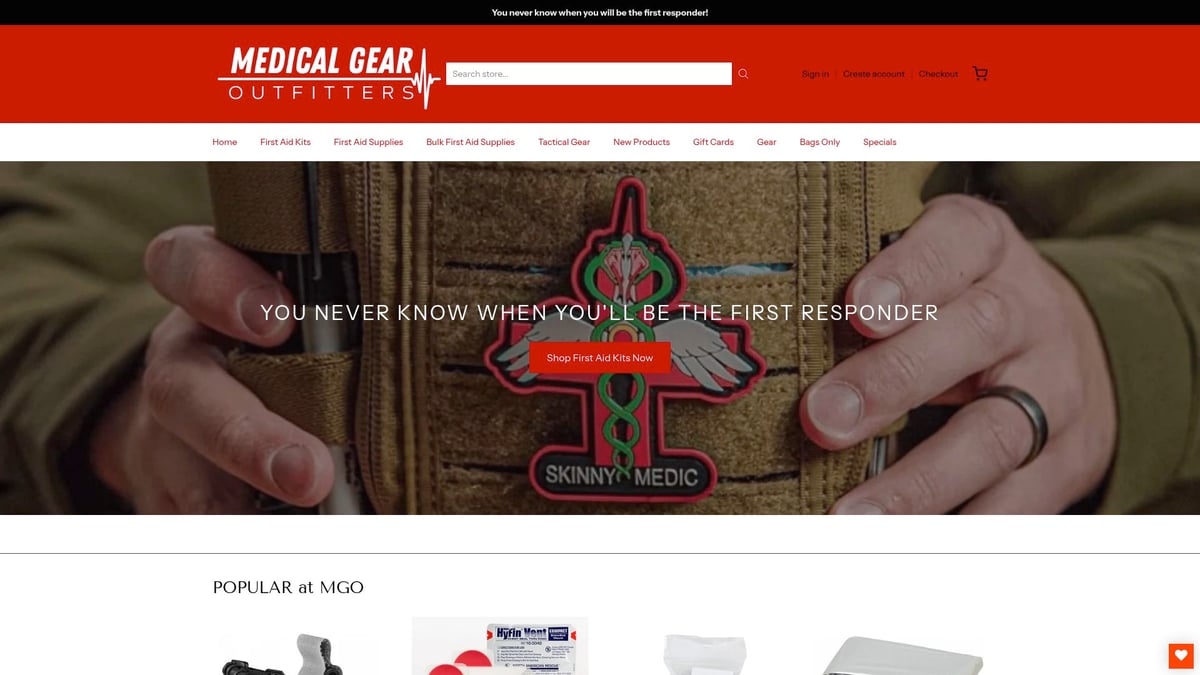
Medical Gear Outfitters stands out as a trusted provider of bandage kit solutions. Owned and operated by a paramedic, the company emphasizes practical, high-quality selections.
Their catalog includes:
- Basic bandage kits for everyday use
- Advanced trauma kits for critical incidents
- Tactical first aid supplies for professionals
- Refill packs and bulk orders
Educational resources are a core part of their mission. Customers benefit from instructional blogs, compliance guides, and a YouTube channel offering expert tips. Medical Gear Outfitters supports families, workplaces, and emergency teams, empowering everyone to act as a first responder.
Bulk and Custom Solutions for Organizations
Organizations require bandage kit options that address unique needs and large groups. Bulk purchasing is cost-effective for schools, businesses, sports teams, and public spaces. Customizable kits allow for specialized supplies, such as patient movement tools or industrial-grade dressings.
Key advantages:
- Refillable, modular designs for sustained readiness
- Clear labeling and compartmentalization for easy use
- Options for latex-free and hypoallergenic components
A well-chosen organizational bandage kit ensures compliance with safety standards while offering flexibility for different environments. Customization allows you to tailor contents to workplace hazards or specific activities.
Integrating Bandage Kits into Emergency Preparedness Plans
A bandage kit is an essential component in any comprehensive emergency plan. When combined with trauma kits, burn care supplies, and airway management tools, it helps create a robust response system for disasters or mass casualty events.
Consider these scenarios:
- Natural disasters requiring rapid wound care
- Workplace accidents involving multiple injuries
- Family emergencies at home or on the road
Accessibility and regular training are crucial. Ensure your bandage kit is easy to locate and that all users are familiar with its contents. This proactive approach transforms bystanders into effective first responders, improving outcomes in critical situations.

