Best Trauma Kit: Essential Guide for Emergency Response
When life-threatening emergencies strike, having the best trauma kit can mean the difference between life and death. Whether you're a medical professional, outdoor enthusiast, security personnel, or concerned citizen, understanding what makes an effective trauma kit is essential for proper emergency preparedness. Unlike standard first aid kits designed for minor injuries, trauma kits are specifically engineered to address severe, life-threatening conditions such as massive hemorrhage, compromised airways, and penetrating chest wounds. This comprehensive guide examines the critical components, selection criteria, and practical considerations that define the best trauma kit for various emergency scenarios.
Understanding Trauma Kit Fundamentals
A trauma kit serves a fundamentally different purpose than conventional first aid supplies. These specialized assemblies focus on the immediate management of catastrophic injuries that can result in death within minutes if left untreated.
The concept of trauma-focused emergency care has evolved significantly over the past two decades, driven largely by military experience in combat zones and civilian active shooter incidents. The Department of Homeland Security has established clear guidelines for trauma kit components, emphasizing items that address the leading preventable causes of death in trauma situations.
Core Purpose and Applications
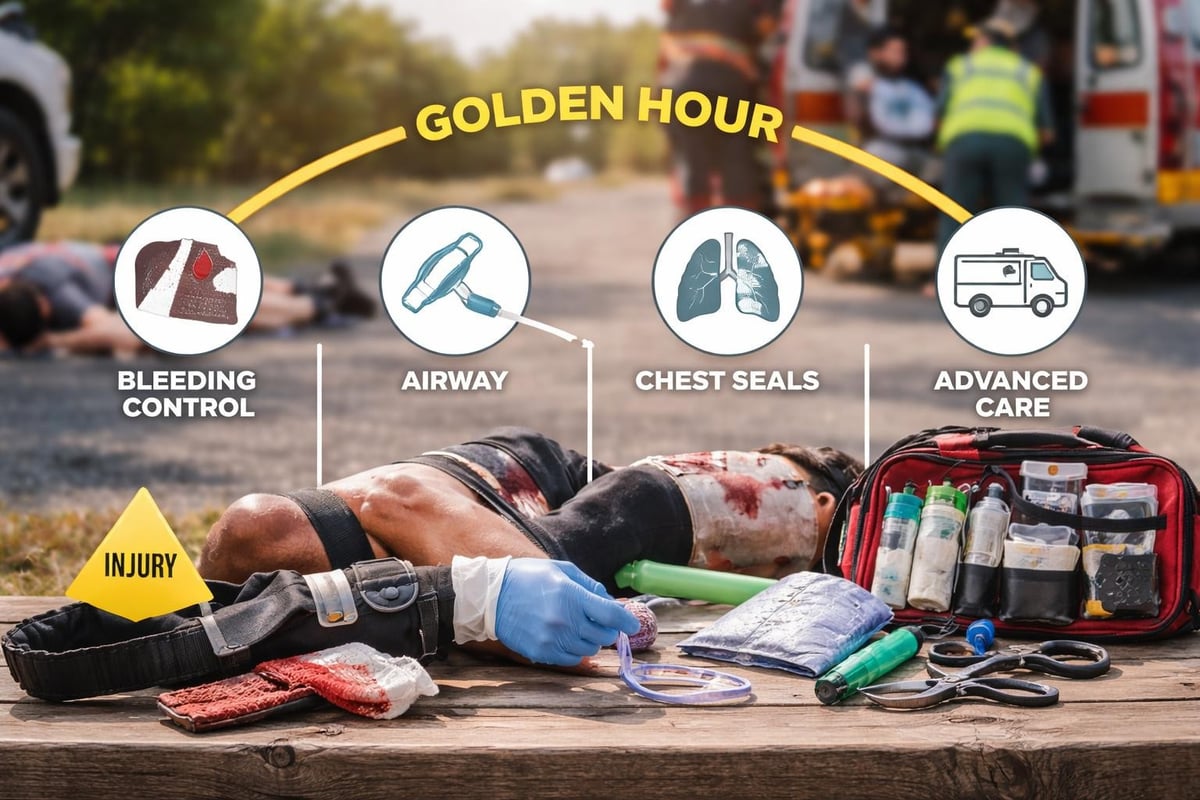
Trauma kits are designed to bridge the critical gap between injury occurrence and advanced medical care arrival. This window, often called the "golden hour," represents the timeframe when immediate interventions have the greatest impact on survival outcomes.
Medical professionals use these kits in pre-hospital settings, while trained civilians deploy them in workplace emergencies, outdoor adventures, and community response situations. Understanding your specific use case directly influences which configuration represents the best trauma kit for your needs.
Essential Components Every Trauma Kit Must Include
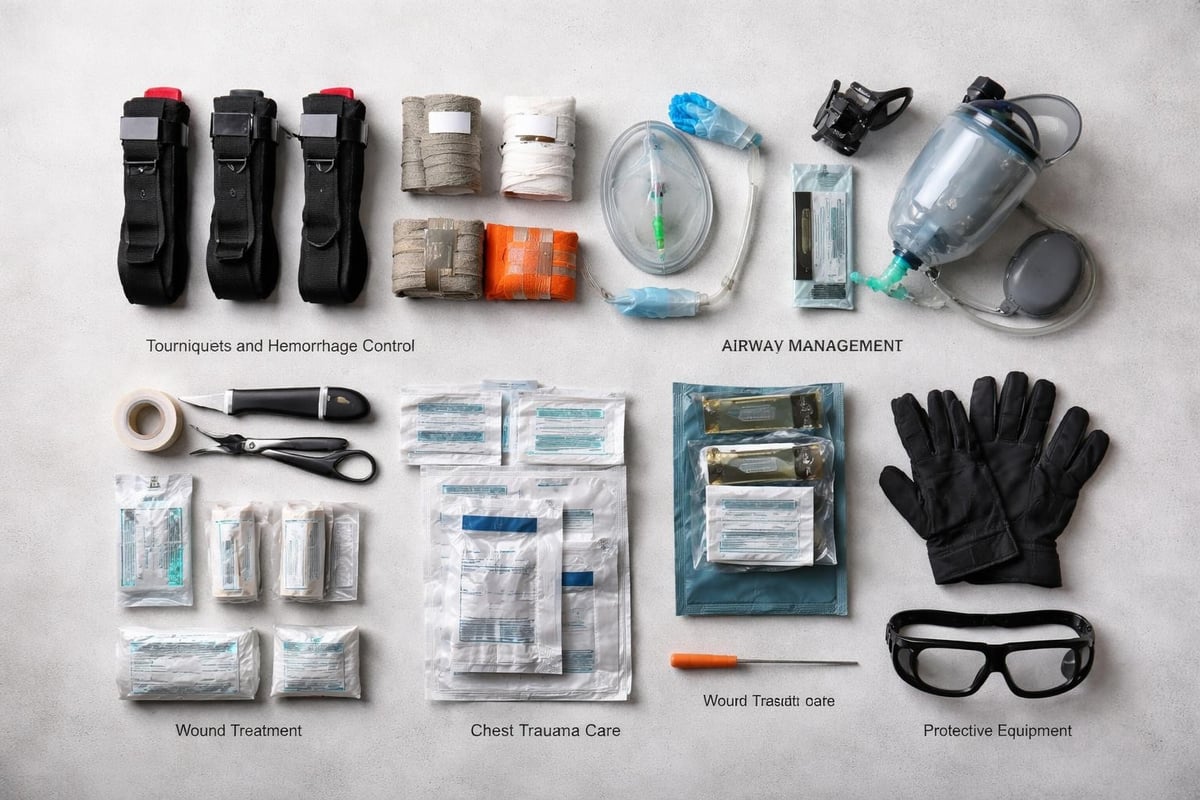
The best trauma kit contains specific items proven to address life-threatening emergencies. Critical components include hemorrhage control tools, airway management devices, and personal protective equipment, each serving distinct functions in emergency response.
Hemorrhage Control Equipment
Uncontrolled bleeding represents the most common preventable cause of death in trauma situations. Your kit must include multiple solutions for different bleeding scenarios.
Tourniquets stand as the single most important hemorrhage control device. Quality options include:
- CAT (Combat Application Tourniquet) Gen 7
- SOFTT-W (Special Operations Forces Tactical Tourniquet-Wide)
- SAM XT Extremity Tourniquet
- SWAT-T (Stretch-Wrap-And-Tuck Tourniquet)
Each tourniquet design offers specific advantages. The CAT Gen 7 features a single-routing buckle system that prevents slack, while the SOFTT-W provides a wider strap for reduced pressure point pain during extended application.
Hemostatic agents accelerate clotting in wounds where tourniquets cannot be applied, such as junctional areas (groin, armpit, neck). Modern hemostatic dressings contain kaolin or chitosan-based compounds that promote rapid coagulation without generating heat.
| Hemostatic Agent | Active Ingredient | Application Time | Shelf Life |
|---|---|---|---|
| QuikClot Combat Gauze | Kaolin | 3 minutes | 5 years |
| Celox Gauze | Chitosan | 3-5 minutes | 5 years |
| ChitoGauze | Chitosan | 3 minutes | 4 years |
Pressure dressings provide sustained compression over wounds while allowing responders to address other injuries. The Israeli Emergency Bandage and similar designs incorporate pressure bars and securing mechanisms for effective one-handed application.
For those building comprehensive portable medical kits, including multiple sizes of pressure dressings ensures readiness for various wound sizes.
Airway Management Tools
Maintaining an open airway ranks second only to hemorrhage control in trauma care priorities. Compromised airways can result from facial trauma, swelling, or unconsciousness.
Nasopharyngeal airways (NPAs) provide a simple, effective solution for maintaining airway patency in semi-conscious patients. These flexible tubes bypass upper airway obstructions and are better tolerated than oral airways in patients with intact gag reflexes.
Key considerations for NPAs:
- Multiple sizes (typically 28Fr and 32Fr for adults)
- Lubrication packets for easier insertion
- Clear sizing guidelines based on patient anatomy
- Compatibility with oxygen delivery systems
Chest Trauma Management
Penetrating chest injuries create life-threatening conditions requiring immediate intervention. Chest seals prevent air from entering the pleural space through open wounds, which can lead to tension pneumothorax and cardiovascular collapse.
Modern vented chest seals incorporate one-way valves that allow air to escape while preventing atmospheric air from entering the chest cavity. Quality chest seals feature strong adhesive that bonds to blood-covered skin and flexible materials that conform to curved chest surfaces.
Personal Protective Equipment
Medical gloves serve as the foundation of personal protection, preventing disease transmission through blood and body fluid contact. The best trauma kit includes multiple pairs of nitrile gloves, as these offer superior puncture resistance compared to latex and eliminate allergy concerns.
Additional protective items include:
- Face shields or pocket masks for rescue breathing
- Eye protection for high-pressure bleeding scenarios
- Biohazard disposal bags for contaminated materials
- Antiseptic wipes for hand decontamination
Selecting the Best Trauma Kit for Your Specific Needs
Not all trauma kits serve identical purposes. The optimal configuration depends on your training level, likely scenarios, and environmental considerations.
Individual vs. Group Kits
Individual kits prioritize portability and single-casualty care. These compact assemblies typically weigh between one and three pounds and fit in cargo pockets, motorcycle bags, or vehicle glove compartments.
Motorcycle-specific trauma kits address the unique injury patterns associated with motorcycle accidents, emphasizing extremity hemorrhage control and road rash management.
Group or multi-casualty kits contain sufficient supplies for treating multiple patients. These larger configurations suit workplace settings, outdoor group activities, and community response scenarios.
Environment-Specific Considerations
Outdoor enthusiasts require waterproof packaging and components resistant to temperature extremes. When comparing first aid kits for outdoor use, consider how well protective casings shield contents from moisture, dust, and impact.
Urban environments present different challenges, including potential for mass casualty incidents and quicker access to advanced medical care. Urban-focused kits may emphasize immediate hemorrhage control over extended care capabilities.
Training and Skill Level Alignment
The best trauma kit matches your competency level. Advanced components like decompression needles or advanced airway devices require specialized training and certification. Including equipment you cannot properly use wastes valuable space and may create false confidence.
Begin with fundamental hemorrhage control and airway management tools, then expand capabilities as you complete additional training. Many suppliers, including providers of comprehensive trauma kits, offer educational resources alongside equipment.
Critical Quality Factors and Standards
Quality variations significantly impact trauma kit effectiveness. Professional-grade components outperform budget alternatives when lives depend on performance.
Component Quality Indicators
Tourniquets demonstrate the clearest quality distinctions. Counterfeit and substandard tourniquets flood the market, often failing during application or breaking under tension. Authentic, tested tourniquets from established manufacturers include documentation verifying their approval for tactical and medical use.
Hemostatic agents vary in effectiveness based on concentration, carrier material, and manufacturing quality. Products approved by military medical services undergo rigorous testing and provide reliable performance data.
Packaging and Organization
Effective packaging protects contents while enabling rapid access during high-stress situations. The best trauma kit features:
- Color-coded organization for quick component identification
- Tear-away pouches for one-handed access
- Weather-resistant outer shells
- Compact footprint that fits in designated spaces
- Clear labeling visible in low-light conditions
Vacuum-sealed components maintain sterility while reducing bulk. However, vacuum packaging can complicate access during emergencies, so balance space efficiency against accessibility.
Expiration and Maintenance Protocols
Medical components carry expiration dates based on sterility guarantees and material stability. Regular inspection schedules ensure your kit remains fully operational.
| Component Type | Typical Shelf Life | Inspection Frequency | Replacement Triggers |
|---|---|---|---|
| Tourniquets | No expiration | Every 6 months | Visible wear, stiff materials |
| Hemostatic Gauze | 3-5 years | Annual | Approaching expiration |
| Chest Seals | 3-4 years | Annual | Package compromise, expiration |
| Pressure Dressings | 5 years | Annual | Elastic degradation, expiration |
| Gloves | 3-5 years | Annual | Discoloration, brittleness |
Building vs. Buying Pre-Assembled Kits
Responders face the decision between purchasing complete kits or assembling custom configurations. Each approach offers distinct advantages.
Pre-Assembled Kit Benefits
Commercial trauma kits provide immediate readiness with professionally selected components. Reputable manufacturers base configurations on medical evidence and field testing, eliminating guesswork about necessary items.
Pre-assembled options often cost less than individually purchased components due to bulk pricing. World Pharma Today identifies seven critical items that should appear in any trauma kit, providing a useful benchmark for evaluating commercial offerings.
Quality pre-assembled kits include instruction cards summarizing proper use techniques, valuable resources during high-stress emergencies when memory recall becomes challenging.
Custom Assembly Advantages
Building custom kits allows precise tailoring to specific risks and scenarios. If you face particular hazards, such as industrial equipment injuries or remote wilderness emergencies, custom configurations address those exact needs.
Component familiarity increases through the research and selection process. Understanding why each item belongs in your kit and how it functions enhances overall emergency preparedness.
Custom assembly also enables quality control at the individual component level. Rather than accepting whatever tourniquet a commercial kit includes, you select specific models based on performance data and personal preference.
Advanced Components for Enhanced Capabilities
Beyond fundamental life-saving equipment, advanced components expand treatment capabilities for trained responders.
Decompression Needles
Tension pneumothorax, a progressive buildup of air in the pleural space, compresses the heart and major blood vessels. Needle decompression releases this pressure, but the procedure requires specific anatomical knowledge and training.
Only responders with appropriate medical credentials and training should carry decompression needles. Including them without proper training creates liability concerns and potential for patient harm.
Advanced Hemostatic Solutions
Beyond standard hemostatic gauze, specialized products address specific bleeding scenarios. Hemostatic sponges and foams expand to fill wound cavities, particularly effective for deep penetrating injuries.
Junctional tourniquets designed for groin and armpit applications require additional training but provide options for hemorrhage control in areas where traditional tourniquets cannot be applied.
Hypothermia Prevention
Trauma patients face significant hypothermia risk, as injury and blood loss compromise thermoregulation. Compact emergency blankets and heat-reflective wraps prevent dangerous temperature drops during extended care situations.
Storage and Accessibility Strategies
The best trauma kit remains worthless if inaccessible during emergencies. Strategic placement and carrying methods ensure immediate availability.
Vehicle Storage Solutions
Cars and trucks offer multiple trauma kit mounting locations. Center console storage provides quick access for drivers, while rear seat organizers suit family vehicles. Motorcycle riders utilize tank bags or hard case compartments.
Temperature extremes inside vehicles can degrade certain components. Avoid storing kits in direct sunlight or trunk areas that reach extreme temperatures. If vehicle storage is necessary, rotate temperature-sensitive items seasonally.
Workplace Deployment
Workplace trauma kits should be mounted at clearly marked, accessible locations known to all staff members. Unlike company first aid supplies for minor injuries, trauma kits require prominent placement that facilitates rapid response to serious emergencies.
Multiple smaller kits throughout large facilities provide better coverage than single centralized locations. Consider placing kits near high-risk areas such as machinery rooms, loading docks, or chemical storage.
Personal Carry Methods
For individual carry, belt-mounted pouches offer immediate access without requiring bag searches. Ankle kits provide concealed carry options for security professionals, while backpack configurations suit outdoor activities.
Weight distribution matters during extended carry. Distribute heavier items like packaged pressure dressings evenly within pouches to prevent shifting and discomfort.
Training and Competency Development
Equipment alone provides limited value without knowledge and skills. Comprehensive training transforms trauma kits from passive supplies into active life-saving systems.
Recommended Training Courses
Stop the Bleed courses teach fundamental hemorrhage control techniques in four-hour sessions available nationwide. These programs provide hands-on practice with tourniquets, wound packing, and pressure dressings.
Wilderness First Responder certification suits outdoor professionals and enthusiasts, covering trauma management in remote settings where evacuation may require hours or days. The curriculum addresses improvisation techniques when commercial equipment is unavailable or exhausted.
Tactical Combat Casualty Care (TCCC) and Tactical Emergency Casualty Care (TECC) represent advanced programs designed for security personnel and armed professionals. These courses address care under fire, tactical field care, and tactical evacuation scenarios.
Practice and Skills Maintenance
Skills degrade without regular practice. Monthly hands-on sessions with training tourniquets and expired supplies maintain muscle memory and procedural familiarity.
Scenario-based practice incorporating realistic stressors improves performance during actual emergencies. Low-light conditions, time pressure, and simulated panic create training environments that better prepare responders for real situations.
Cost Considerations and Budget Planning
Trauma kit investment ranges from under one hundred dollars for basic individual kits to several hundred for comprehensive multi-casualty configurations. Understanding cost drivers helps optimize budget allocation.
Component Cost Analysis
Tourniquets represent significant cost centers, with quality models ranging from twenty-five to forty dollars each. However, tourniquet reliability directly impacts survival outcomes, making this an inappropriate area for cost-cutting.
Hemostatic gauze similarly carries premium pricing, typically thirty to forty dollars per package. Generic alternatives often lack independent testing validation and may not perform equivalently during critical moments.
Pressure dressings and basic wound care supplies offer more budget flexibility. Multiple manufacturers produce effective pressure bandages at varying price points, and performance differences are less dramatic than with tourniquets or hemostatics.
Long-Term Value Assessment
Quality trauma kits represent multi-year investments when properly maintained. Dividing total cost across expected useful life reveals reasonable annual expenses.
For example, a three-hundred-dollar trauma kit with a five-year component replacement cycle costs sixty dollars annually. This modest annual investment provides continuous life-saving capability and peace of mind.
Regulatory Compliance and Legal Considerations
Certain trauma kit components face regulatory restrictions or carry legal implications for civilian possession and use.
Prescription Items
Some advanced components, particularly medications and certain medical devices, require prescriptions or professional licenses. Verify local regulations before purchasing restricted items.
Most hemorrhage control equipment, airway devices, and wound care supplies remain unrestricted for civilian purchase and possession. However, actual use may carry Good Samaritan law protections or liability considerations depending on jurisdiction.
Professional Standards
The American College of Surgeons provides guidance on trauma systems that inform best practices for equipment selection and deployment. While these standards primarily address institutional trauma care, they establish evidence-based benchmarks applicable to individual preparedness.
Healthcare professionals should ensure trauma kit contents align with their scope of practice and professional standards. Including equipment beyond authorized practice areas creates unnecessary liability exposure.
Selecting and maintaining the best trauma kit requires understanding fundamental emergency care priorities, honest assessment of your training level, and commitment to ongoing skill development. Whether you choose pre-assembled configurations or custom-built solutions, focus on proven components from reputable manufacturers and ensure your capabilities match your equipment. At Medical Gear Outfitters, our paramedic-owned company provides not only professional-grade trauma kits and components but also the expertise and training resources to use them effectively when seconds count.