The Essential Paramedic Supply Store Guide for 2026
In 2026, the demand for advanced, reliable paramedic supplies has never been higher. Are you prepared to make the right choices for your team and community?
As emergency medical services continue to evolve, paramedics must stay equipped with the latest, most effective tools. Selecting the right paramedic supply store is critical, as it can directly impact your readiness and the outcomes of critical situations.
This comprehensive guide will help you confidently navigate the process of choosing a paramedic supply store. We will cover essential product categories, must-have gear, practical shopping tips, the influence of new technology, and future trends in paramedic supplies.
The Core Categories of Paramedic Supplies in 2026
Staying prepared in 2026 means knowing the essential categories every paramedic supply store should cover. The right gear can make a critical difference in the field. Let us explore the five core supply areas you need to evaluate when choosing your provider.
First Aid Kits and Trauma Packs
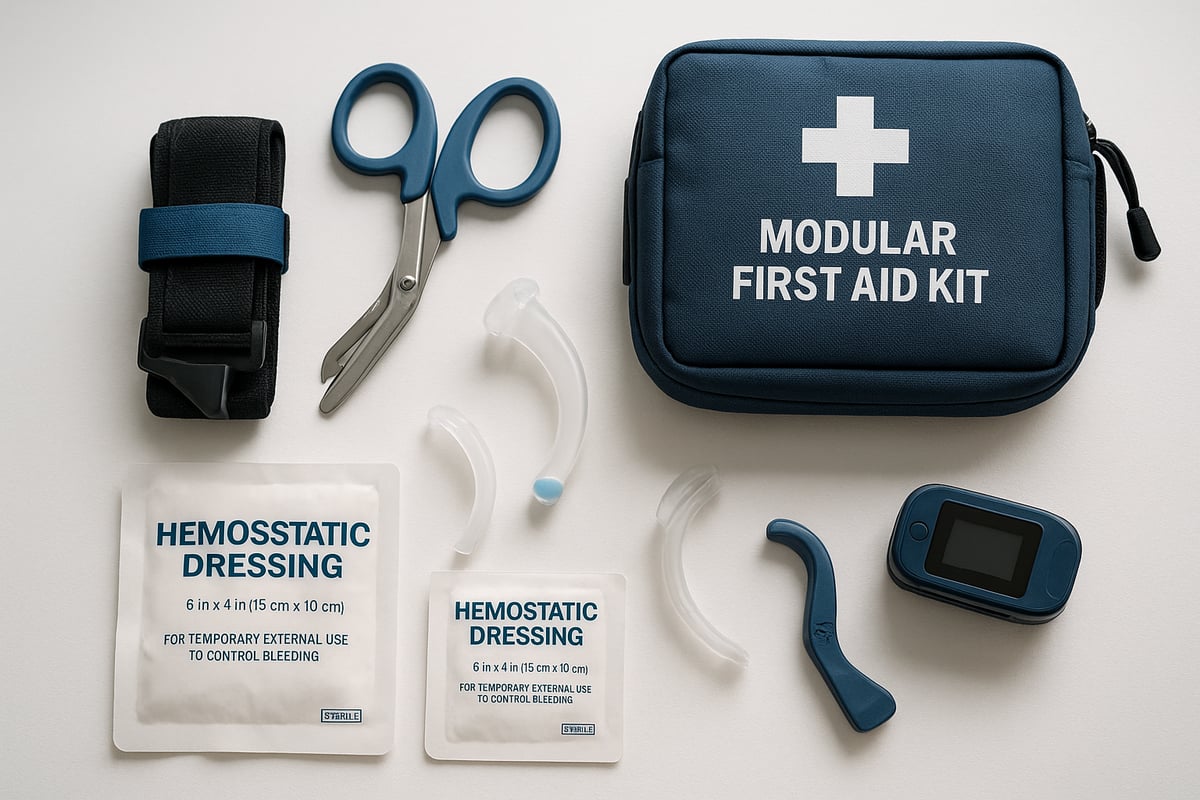
Modern first aid and trauma kits have evolved far beyond basic bandages. In 2026, paramedic supply store options range from simple workplace kits to advanced, modular trauma packs designed for rapid response. Key differences include the level of customization, the ability to swap out components, and specialized contents for tactical or mass casualty use.
Most agencies now demand modular kits, allowing responders to tailor supplies for specific calls or environments. Leading brands offer unique features, such as color-coded pouches and rapid-access compartments. For a detailed breakdown of what should be included, review this Essential first aid kit guide before making your selection.
Airway and Breathing Management Tools
Airway compromise is a top concern in prehospital care. Every paramedic supply store must stock nasopharyngeal airways (NPAs), oropharyngeal airways (OPAs), and advanced supraglottic devices. Recent innovations include compact oxygen delivery systems and disposable airway sets, which reduce contamination risks.
Video laryngoscopes are now used in the field by 67% of providers, enhancing visualization during intubation. The choice between disposable and reusable equipment depends on local protocols and infection control priorities. Select airway tools that are both reliable and simple to deploy.
Hemorrhage Control and Wound Care
Controlling bleeding quickly can save lives. Paramedic supply store inventories should feature tourniquets, hemostatic agents, pressure bandages, and chest seals. The latest advancements include rapid wound closure devices and improved hemostatic dressings that are credited with reducing prehospital deaths by 30%.
Training remains as vital as the gear itself. Compare brands based on field data and user feedback. Always ensure your team is proficient in using these products, as proper application is essential for effectiveness.
Patient Movement and Immobilization Devices
Efficient patient movement is a cornerstone of emergency response. Modern stretchers, splints, and evacuation chairs are now lighter, foldable, and more ergonomic. When assessing a paramedic supply store, look for options that offer both traditional and next-generation immobilization devices.
A side-by-side comparison of stretchers reveals that newer models often provide better adaptability for both urban and rural environments. Prioritize devices that support quick, safe transfers and minimize responder fatigue.
Diagnostic and Monitoring Equipment
Accurate field diagnosis is crucial for effective care. Paramedic supply store selections should include portable monitors, pulse oximeters, glucometers, and wearable tech. Integration with EMS data systems and telemedicine platforms is increasingly common.
For example, real-time ECG transmission to receiving hospitals is now standard in many regions. With 58% of agencies using wireless monitors, it is clear that reliable, user-friendly diagnostic tools are non-negotiable for field triage.
How to Evaluate a Paramedic Supply Store in 2026
Choosing the right paramedic supply store in 2026 is a critical decision for professionals and organizations. With evolving technology, stricter regulations, and a growing market, careful evaluation ensures you get reliable gear, swift service, and trusted support. Here is a step-by-step breakdown of what to look for when selecting your supplier.
Product Quality and Brand Reputation
The foundation of a dependable paramedic supply store is its commitment to quality and brand reputation. Leading stores only source products from certified, reputable manufacturers with FDA or CE approvals. Always verify product authenticity, as counterfeit supplies are on the rise. For instance, counterfeit tourniquets have been linked to failures in critical incidents, emphasizing the need for vigilance. According to the WHO, there was a 22 percent increase in counterfeit medical products in 2025. Before making a purchase, research how the store stays up to date with the latest Advancements in EMS Equipment for 2025 to ensure top-tier quality.
Range of Products and Stock Availability
A comprehensive paramedic supply store should offer a broad inventory with both essential and specialty items always in stock. This is vital for rapid resupply, especially during emergencies. Evaluate whether the store carries both civilian and tactical gear, as well as hard-to-find products like pediatric airway kits or advanced trauma dressings. A one-stop shop reduces logistical challenges and streamlines procurement for agencies of all sizes. Niche selections and specialty products indicate a store’s commitment to serving diverse EMS needs.
Pricing, Bulk Discounts, and Budget Considerations
When evaluating a paramedic supply store, compare pricing across several leading suppliers. Transparent pricing and the availability of bulk discounts can significantly impact your budget, especially for agencies with high-volume needs. Look for stores offering subscription models or organizational memberships, as these can provide additional savings. In 2025, 40 percent of EMS organizations utilized bulk buying programs to maximize value without compromising quality. Balancing affordability with reliability is essential for long-term operational readiness.
Customer Support and Educational Resources
Exceptional customer support should set a paramedic supply store apart. Access to expert guidance, such as live chat with certified paramedics, ensures you purchase the right equipment and use it correctly. Top suppliers provide extensive educational materials, including how-to guides, blogs, and video tutorials. These resources improve confidence and competence among buyers, reducing misuse and increasing the effectiveness of supplies. Value-added services like product training and troubleshooting support are signs of a customer-focused supplier.
Online Shopping Experience and Delivery Speed
In 2026, a seamless online shopping experience is expected from any paramedic supply store. Prioritize stores with intuitive websites, secure checkouts, and detailed order tracking. Fast, reliable shipping is crucial, especially for urgent resupply needs. Many stores now offer same-day delivery in urban areas, meeting the demands of modern EMS operations. According to Statista, 72 percent of buyers consider delivery speed a top priority, making this a key factor in your evaluation process.
Medical Gear Outfitters: A Trusted, Paramedic-Owned Supplier
Medical Gear Outfitters stands out as a leading paramedic supply store owned and operated by an active paramedic. The store offers an extensive range of first aid kits, trauma supplies, and tactical gear, all sourced from field-tested, reputable brands. Customers benefit from a wealth of educational resources, including blogs, videos, and comprehensive guides on kit assembly and emergency preparedness. Bulk purchasing options and organizational discounts support agencies and community groups. The online store’s user-friendly design and responsive service make it a top choice for professionals seeking quality, reliability, and ongoing education.
Must-Have Paramedic Gear: What to Prioritize in 2026
Choosing the right gear from a paramedic supply store is critical for effective emergency response. In 2026, the stakes are higher, and each piece of equipment plays a vital role in saving lives. Let’s break down the essential categories every professional should prioritize.
The Non-Negotiables: Life-Saving Essentials
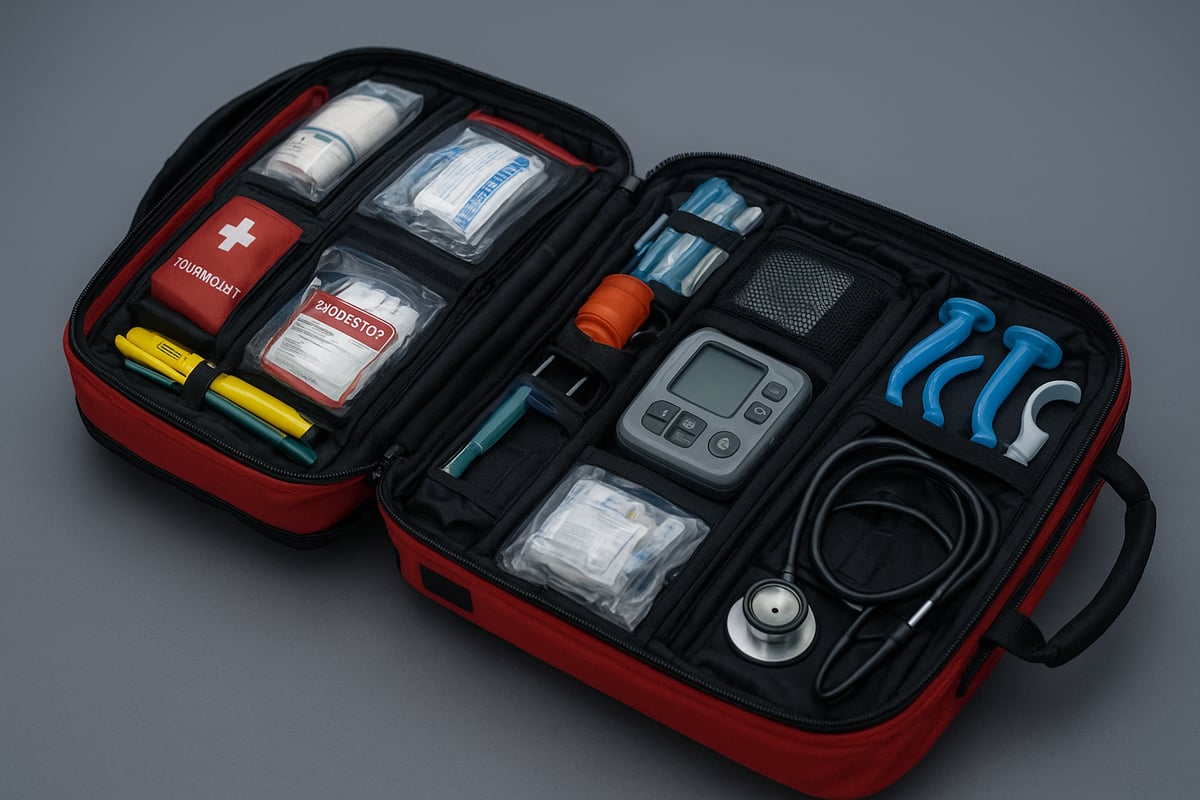
Every paramedic supply store should offer the backbone items for prehospital care. Tourniquets, hemostatic dressings, airway adjuncts, and trauma shears are non-negotiable in any kit. These tools have proven their value in mass casualty incidents, where rapid intervention is crucial. For instance, 90% of trauma kits now include advanced hemostatic agents, reflecting their life-saving capabilities.
When selecting gear, ensure your paramedic supply store provides high-quality options and reputable brands. For hemorrhage control, consider specialized tourniquet holders and accessories that keep equipment accessible during critical moments. Stocking up on these essentials means you are ready for any emergency.
Tech-Enhanced Tools for Field Efficiency
Modern paramedic supply store inventories now feature tech-enhanced tools that boost field efficiency. Portable diagnostic devices, smart monitors, and telemedicine kits allow you to gather and transmit critical data in real time. Handheld ultrasound devices, for example, help paramedics make rapid assessments on site.
The integration of technology bridges the gap between the field and hospital, streamlining communication and improving patient outcomes. When browsing a paramedic supply store, look for gear that supports telemedicine and data connectivity, ensuring you stay prepared for the demands of 2026’s EMS landscape.
Specialty Supplies for Tactical and Disaster Response
Tactical incidents and disaster scenarios require specialized equipment from your paramedic supply store. Items like plate carriers, chest seals, rapid extrication tools, and mass casualty triage tags are increasingly vital. Portable shelters and disaster response kits ensure readiness for large-scale emergencies.
Recent events have highlighted the need for paramedics to be equipped for diverse threats, from active shooter incidents to natural disasters. Select a paramedic supply store that offers both tactical and civilian options, so your team can adapt quickly to any environment or mission.
Personal Protective Equipment (PPE) and Infection Control
Personal protective equipment remains foundational for responder safety. In 2026, paramedic supply store shelves are stocked with gloves, masks, gowns, and eye protection that meet current infection control standards. Innovations in reusable and sustainable PPE are gaining traction, reflecting a shift toward eco-friendly practices.
Enhanced PPE protocols, especially post-pandemic, have become standard. Notably, 95% of agencies have updated their guidelines since 2020. Make sure your chosen paramedic supply store prioritizes high-quality, comfortable PPE to protect against evolving risks.
Ergonomic and Comfort-Focused Gear
Responders face long shifts and unpredictable environments, so ergonomic gear is a must. Modern paramedic supply store offerings include lightweight bags, adjustable vests, and hydration systems designed to reduce fatigue and minimize injury risk. Comfort-focused equipment supports peak performance, especially in high-stress situations.
Adoption rates for ergonomic gear continue to rise among EMS teams. When shopping at a paramedic supply store, prioritize items that promote efficiency and comfort, ensuring you can focus on patient care without distraction.
The Impact of Technology on Paramedic Supplies and Stores
Technology is transforming every aspect of the paramedic supply store in 2026. From smart inventory systems to miniaturized medical devices, innovation is reshaping how paramedics source, manage, and use critical supplies. Staying ahead means understanding these advancements and choosing a paramedic supply store that leverages modern tools for efficiency and reliability.
Smart Inventory Management and Automated Restocking
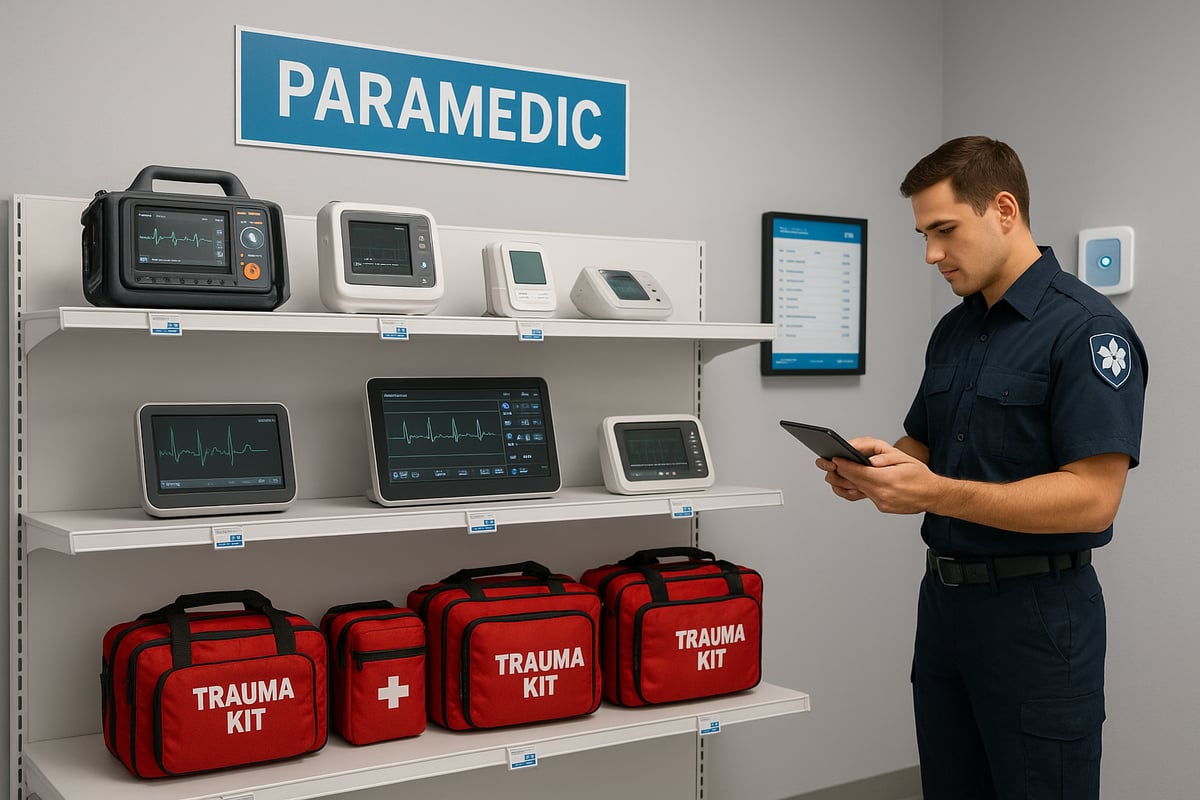
In 2026, the paramedic supply store relies on advanced inventory management systems. RFID tags, barcoding, and IoT sensors track supply levels in real time. This technology reduces stockouts and ensures critical items are always available.
Automated restocking solutions help agencies avoid expired products and streamline resupply. For example, some large EMS organizations now use systems that automatically reorder supplies as soon as inventory drops below preset thresholds.
According to Ambulance Equipment Market Insights 2026-2035, the adoption of these technologies is driving increased efficiency and reliability in the paramedic supply store sector. Selecting a store with automated inventory means agencies can focus more on patient care and less on logistics.
Integration with EMS Data Systems
Modern paramedic supply stores offer integration with EMS agency data systems. By linking inventory software with electronic patient care reporting (ePCR) platforms, stores can monitor usage trends and predict supply needs.
This integration allows for automatic reordering based on real call volumes. If an agency responds to more trauma cases, the system can trigger restocking of specific wound care supplies. This data-driven approach helps ensure the paramedic supply store meets the unique needs of each agency.
Efficient data integration leads to better preparedness, reduces manual paperwork, and supports compliance with regulatory requirements.
Telemedicine and Remote Consultation Kits
Telemedicine is a game changer for the paramedic supply store landscape. Many stores now offer remote consultation kits designed for prehospital use. These kits include mobile devices, cameras, and diagnostic tools that enable paramedics to transmit patient data to emergency physicians in real time.
About 50% of EMS providers now use telemedicine-enabled kits, allowing for faster, more informed decisions during emergencies. When a paramedic supply store offers these advanced solutions, responders gain access to expert guidance even in the field.
Telemedicine tools help bridge the gap between patient and hospital, improving outcomes and expanding the capabilities of every EMS team.
Advances in Medical Device Miniaturization
Medical device miniaturization is rapidly changing what a paramedic supply store can offer. Equipment like monitors, defibrillators, and diagnostic devices are now smaller and lighter, making them easier to carry and deploy.
Wearable ECG monitors and compact ultrasound devices are increasingly common. These advancements let paramedics perform complex assessments without bulky gear.
A paramedic supply store that prioritizes miniaturized, portable technology ensures responders are equipped for any scenario. This trend enhances mobility and readiness without compromising on capability.
E-Commerce Innovations in Paramedic Supply Stores
The online experience is central to the modern paramedic supply store. E-commerce platforms now offer personalized shopping using AI-driven chatbots and virtual kit builders. Buyers can visualize products in 3D, customize kits, and receive instant recommendations.
Fast, reliable shipping is standard, with many stores offering same-day delivery in urban centers. Secure checkout and detailed order tracking give customers peace of mind.
These innovations make shopping for lifesaving supplies faster, more intuitive, and tailored to each agency’s needs. Choosing a paramedic supply store with cutting-edge e-commerce capabilities is essential for staying prepared in 2026.
Future Trends and What to Expect from Paramedic Supply Stores
As we look to the future, several key trends are shaping the evolution of the paramedic supply store. These changes impact not only what products are available but also how paramedics, agencies, and communities access and use essential gear. Staying ahead of these shifts is vital to ensure readiness and resilience in 2026 and beyond. For an in-depth look at broader industry changes, see the Future of EMS: Changes Coming in 2026.
Sustainability and Eco-Friendly Supplies
Sustainability is quickly becoming a cornerstone of the modern paramedic supply store. More stores are offering biodegradable packaging, compostable wound dressings, and reusable PPE. This shift addresses growing environmental concerns within the healthcare sector. In 2025, 25 percent of supply stores introduced eco-friendly product lines, reflecting the rising demand for responsible sourcing. By choosing a paramedic supply store committed to sustainability, agencies and individuals demonstrate environmental stewardship while meeting operational needs. As eco-friendly innovations expand, expect these options to become standard across the industry, making it easier to align emergency preparedness with environmental values.
Customization and Modular Kits
Another significant trend is the move toward customization. The best paramedic supply store in 2026 offers modular kits that can be tailored to specific missions, regions, or organizational protocols. Online customization tools allow users to build kits from the ground up, choosing components that reflect unique scenarios. This flexibility ensures that responders are never burdened with unnecessary items, while critical gear is always available. Whether preparing for urban emergencies or specialized tactical operations, customization through a paramedic supply store enhances readiness and operational efficiency in every context.
Expanded Training and Educational Resources
Training is no longer an afterthought for the top paramedic supply store. Many now provide online courses, virtual simulations, and certification bundles alongside gear. Partnering with EMS educators, these stores help users maximize the effectiveness of their purchases. In 2025, 45 percent of buyers sought educational content with their products, showing the value placed on ongoing learning. Virtual reality and live webinars make advanced training accessible, regardless of location. With the right paramedic supply store, responders can stay current on best practices while equipping themselves for the field.
Globalization and Supply Chain Resilience
The pandemic highlighted vulnerabilities in global supply chains. Today’s paramedic supply store is responding by diversifying suppliers and sourcing from multiple continents. This approach mitigates the risk of shortages and delays, ensuring that essential products remain available during crises. Agencies now prioritize stores with transparent supply chain practices and contingency plans. By choosing a paramedic supply store with a resilient supply network, organizations can trust that their operational needs will be met, even in the face of global disruptions.
Regulatory Changes and Compliance
Regulatory requirements for EMS supplies are evolving rapidly. The modern paramedic supply store must stay current with FDA, CE, and local guidelines to ensure product safety and legal compliance. In 2025, 18 percent of products were reclassified under new rules, prompting stores to update labeling and tracking practices. When selecting a paramedic supply store, it’s essential to verify that all items meet the latest standards. Compliance not only guarantees safety but also protects agencies from legal and financial risk in the event of an audit or incident.
Community Preparedness and Public Access Kits
A growing emphasis on community preparedness is shaping the focus of the paramedic supply store. More stores are supplying public access kits for schools, businesses, and public spaces. Programs that place AEDs and trauma kits in accessible locations empower bystanders to act confidently in emergencies. By 2025, 55 percent of supply stores offered public access solutions, reflecting a broader commitment to public health and safety. Choosing a paramedic supply store with a community-focused approach helps bridge the gap between professional responders and everyday citizens, ultimately saving more lives.
Step-by-Step Guide: How to Choose the Right Paramedic Supply Store in 2026
Choosing the right paramedic supply store in 2026 can feel overwhelming, but a systematic approach will ensure you get the best fit for your needs. Follow these six steps to confidently navigate the process and secure reliable emergency gear for your team or organization.
Step 1: Identify Your Primary Needs and Environment
Start by evaluating the environments and emergencies most likely to occur in your area. Are you operating in an urban setting with frequent traffic accidents, or in rural regions where long transport times are common? Each scenario requires tailored supplies.
List your most common call types, such as trauma, cardiac, or respiratory emergencies. Factor in climate, terrain, and population density. This targeted assessment lets you build a supply list aligned with your operational realities. Remember, the foundation of a dependable paramedic supply store is its ability to meet your specific needs, not just generic requirements.
Step 2: Research and Shortlist Reputable Suppliers
Next, focus on finding trustworthy suppliers. Look for a paramedic supply store with strong industry reviews, verified certifications, and a proven history of reliability. Peer recommendations, especially from experienced EMS professionals, can be invaluable.
Check if the business is paramedic-owned or operated, as this often reflects deep field expertise. Confirm supplier credentials, including FDA or CE approvals for critical gear. A reputable paramedic supply store will always be transparent about sourcing and compliance, ensuring you never risk counterfeit or substandard products.
Step 3: Compare Product Offerings and Specialization
Examine each paramedic supply store’s inventory to ensure it carries the gear you require, from core essentials to specialty items. Do they offer both tactical and civilian medical equipment? Is their catalog current, reflecting the latest technology and industry standards?
A truly comprehensive paramedic supply store will provide modular kits, advanced diagnostics, and disaster response gear. For teams leveraging new technology, consider stores that stay ahead of trends, such as those informed by advancements in Real-Time Mobile Video Analytics for EMS, which are influencing modern field equipment selection.
Step 4: Evaluate Pricing, Shipping, and Customer Service
Assess the paramedic supply store’s pricing structure, transparency, and options for bulk discounts. Compare shipping policies, focusing on delivery speed and coverage—especially vital for urgent resupply. Responsive customer service can make a significant difference when time is critical.
Look for clear return and exchange policies, as well as guarantees on order fulfillment. A reliable paramedic supply store will offer seamless online purchasing, real-time order tracking, and multiple support channels to address your questions quickly.
Step 5: Review Educational Resources and After-Sales Support
Leading paramedic supply stores distinguish themselves by offering robust educational content and after-sales assistance. Seek out stores providing access to guides, training videos, or live webinars on product use and emergency preparedness.
Support does not end with the sale. Ongoing troubleshooting, product updates, and expert advice ensure you maximize the value of your gear. The best paramedic supply store empowers you to maintain readiness through continuous learning and support.
Step 6: Make a Test Purchase and Assess Experience
Before fully committing, place a small order with your chosen paramedic supply store. Evaluate product quality, delivery speed, and the overall shopping experience. Test the return or exchange process if needed.
This firsthand trial helps you confirm the store’s reliability and customer focus. A positive experience builds trust, setting the stage for a long-term supplier relationship that supports your mission and enhances your team’s performance.