NAR Rescue: Expert Guide to Tactical Medical Equipment
When lives hang in the balance during medical emergencies, having the right equipment and training can mean the difference between survival and tragedy. North American Rescue (NAR) has established itself as a leading manufacturer of tactical medical equipment and educational programs designed to prevent needless deaths in both civilian and military settings. The term nar rescue encompasses not just the company's extensive product line but also their comprehensive approach to emergency medical preparedness through innovative equipment design, realistic training programs, and evidence-based protocols. Understanding how nar rescue solutions integrate into emergency response systems helps medical professionals, first responders, and prepared citizens make informed decisions about their medical equipment investments.
Understanding NAR Rescue's Mission and Impact
North American Rescue founded its operations on a singular mission: decreasing preventable deaths through superior medical equipment and education. This focus has positioned nar rescue products as trusted tools in military, law enforcement, and civilian emergency response scenarios worldwide.
The company's approach combines three critical elements that set it apart in the tactical medical equipment industry. First, they develop products based on real-world combat and emergency medicine experience. Second, they maintain rigorous quality control standards that meet or exceed military specifications. Third, they provide comprehensive education and training programs that ensure users can deploy their equipment effectively under pressure.
Product Development Philosophy
NAR rescue equipment emerges from a philosophy grounded in practical field experience rather than theoretical design. Combat medics, paramedics, and emergency physicians contribute to product development, ensuring each piece of equipment addresses actual challenges encountered during patient care.
Key design priorities include:
- Rapid deployment in high-stress environments
- Durability under extreme conditions
- Intuitive operation requiring minimal training
- Compact packaging for easy transport
- Proven effectiveness through clinical evidence
This user-centered approach has resulted in products like the Combat Application Tourniquet (CAT), which has become the gold standard for hemorrhage control in tactical medicine. The nar rescue philosophy extends beyond individual products to complete trauma kits designed for specific operational contexts.
Essential NAR Rescue Equipment Categories
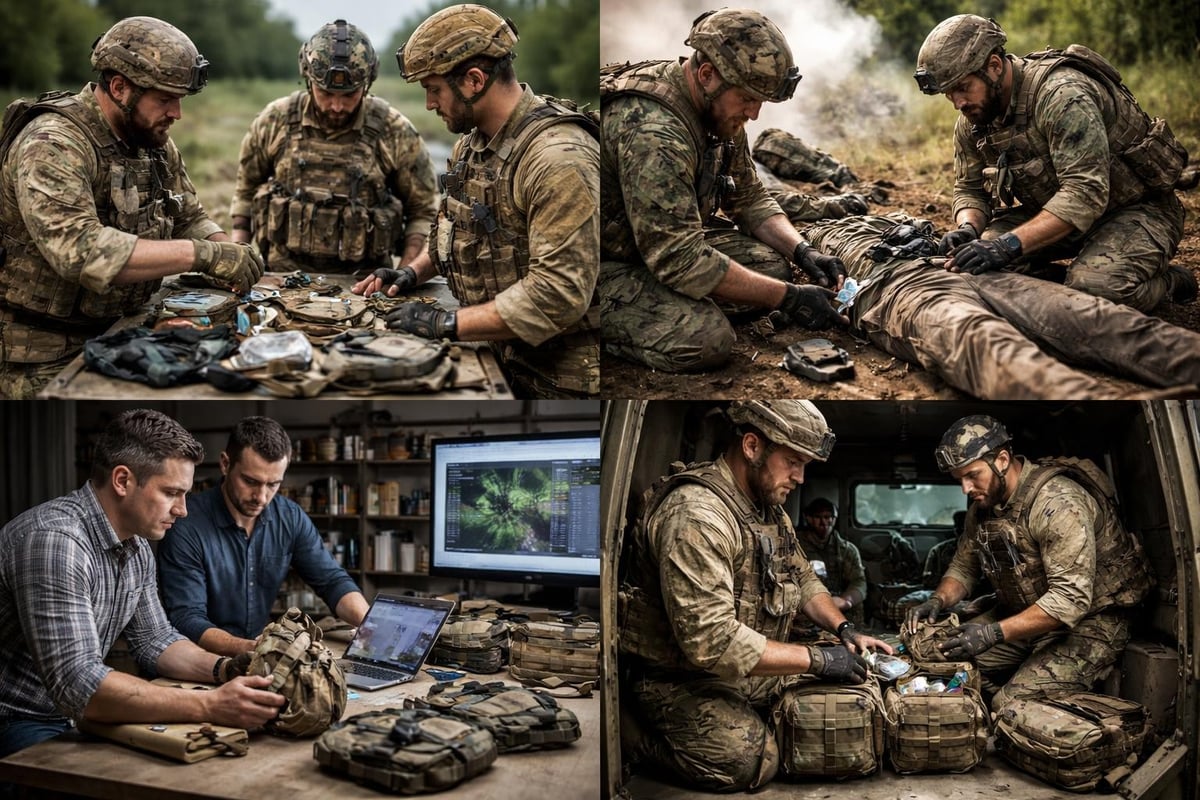
The nar rescue product line spans multiple categories, each addressing specific aspects of emergency medical care. Understanding these categories helps responders build comprehensive medical capabilities.
Hemorrhage Control Solutions
Uncontrolled bleeding remains the leading cause of preventable death in trauma situations. NAR rescue addresses this challenge through multiple product lines designed for different bleeding scenarios.
| Product Category | Primary Use | Key Features |
|---|---|---|
| Tourniquets | Extremity arterial bleeding | One-handed application, windlass system, time recording |
| Hemostatic Agents | Deep wound packing | Clotting acceleration, gauze delivery, compression compatibility |
| Pressure Dressings | Venous and moderate arterial bleeding | Elastic wrapping, focused pressure application, secure fastening |
| Chest Seals | Penetrating chest trauma | Occlusive barrier, one-way valve, adherence to wet surfaces |
The Combat Application Tourniquet represents one of the most significant advances in hemorrhage control over the past two decades. Its widespread adoption across military and civilian emergency services demonstrates the effectiveness of nar rescue innovations.
Airway Management Tools
Maintaining patent airways in trauma patients requires specialized equipment designed for field deployment. NAR rescue airway products prioritize simplicity and reliability in challenging environments.
Nasopharyngeal airways provide a basic but crucial intervention for unconscious patients without gag reflexes. These devices establish air passage even when positioning alone proves insufficient. For more advanced airway management, supraglottic airway devices offer alternatives to endotracheal intubation that require less training and provide rapid insertion.
Wound Management and Dressings
Beyond hemorrhage control, proper wound management prevents infection and promotes healing. The nar rescue approach to dressings and gauze emphasizes sterility, absorption capacity, and ease of application.
Wound management essentials include:
- Compressed gauze for deep wound packing
- Occlusive dressings for abdominal evisceration
- Burn dressings with cooling properties
- Adhesive bandages in various sizes
- Surgical tape for securing dressings
NAR Rescue Training and Certification Programs
Equipment alone cannot save lives without trained operators. The nar rescue commitment to education manifests through structured training programs that build competency progressively.
Tactical Combat Casualty Care Courses
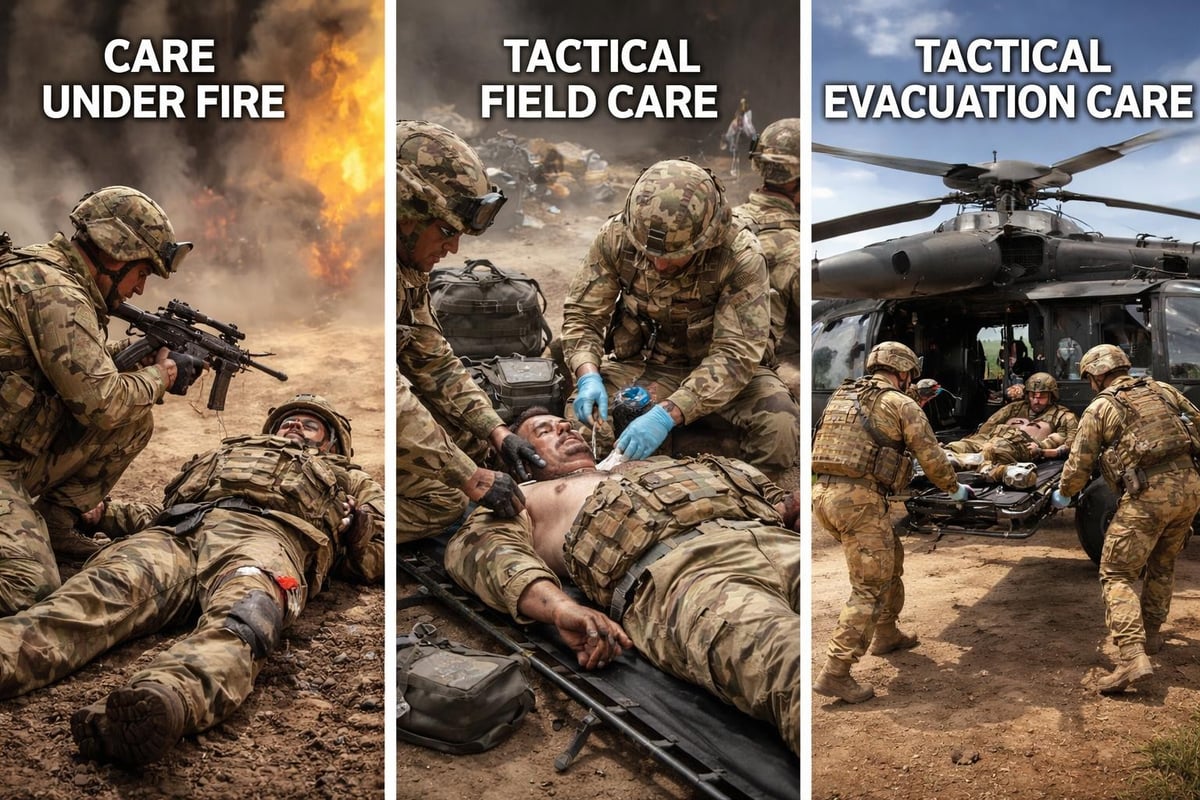
Tactical Combat Casualty Care (TCCC) represents the standard for military medical training, and NAR rescue has become a leading provider of TCCC instruction. These courses teach the systematic approach to treating casualties under fire, during tactical field care, and during evacuation.
The curriculum covers three phases of care, each with specific protocols and priorities. Care under fire focuses on suppressing threats and moving casualties to cover while applying tourniquets for life-threatening hemorrhage. Tactical field care allows more comprehensive assessment and treatment once the immediate threat subsides. Tactical evacuation care prepares patients for transport to definitive medical facilities.
Civilian Hemorrhage Control Programs
Recognizing that bleeding emergencies occur beyond military contexts, nar rescue has developed training programs for civilian responders. These courses adapt military-proven techniques for law enforcement, fire departments, schools, and workplace safety teams.
The Stop the Bleed campaign, supported by NAR rescue equipment and expertise, has trained millions of civilians in basic hemorrhage control. This public health initiative demonstrates how tactical medical innovations can save lives in mass casualty events, industrial accidents, and everyday emergencies.
Advanced Simulation Training
Modern medical education increasingly relies on realistic simulation to build skills without patient risk. NAR rescue provides simulation equipment that recreates authentic wound patterns, bleeding dynamics, and anatomical challenges.
Simulation advantages include:
- Repetitive practice without supply consumption
- Standardized scenarios for assessment
- Safe environment for learning from mistakes
- Team coordination development
- Stress inoculation before real emergencies
These training tools help bridge the gap between classroom instruction and field performance, ensuring nar rescue equipment users develop muscle memory and decision-making skills under pressure.
Implementing NAR Rescue Solutions in Different Contexts
The versatility of nar rescue products allows deployment across diverse operational environments, each with unique requirements and constraints.
Law Enforcement Applications
Police officers increasingly carry individual first aid kits (IFAKs) equipped with nar rescue products. These compact kits provide immediate hemorrhage control and airway management capabilities during the critical minutes before EMS arrival.
Modern law enforcement medical programs emphasize "officer rescue officer" concepts, where patrol officers provide initial medical intervention for injured colleagues or civilians. This approach has proven particularly valuable during active shooter incidents and vehicle accidents.
Industrial and Workplace Safety
High-risk industries like construction, manufacturing, and energy production benefit from nar rescue equipment positioned at job sites. The Squad Responder Kit provides comprehensive capabilities for treating multiple casualties during industrial accidents.
Workplace first aid programs traditionally focused on minor injuries like cuts and burns. However, the recognition that catastrophic bleeding can occur in industrial settings has prompted many companies to upgrade their medical readiness with tactical-grade hemorrhage control equipment.
Wilderness and Remote Medicine
Remote locations present unique challenges for medical care due to delayed evacuation times and limited resources. NAR rescue equipment designed for military use translates well to wilderness medicine contexts where providers must sustain patients for extended periods.
| Challenge | NAR Rescue Solution | Benefit |
|---|---|---|
| Prolonged evacuation | Hemostatic dressings | Extended clotting without reapplication |
| Limited resupply | Compressed gauze | Maximum capability in minimal space |
| Weather exposure | Hypothermia prevention | Emergency blankets and heat packs |
| Patient transport | Litter systems | Secure movement over rough terrain |
The NAR K-9 Litter demonstrates how nar rescue innovation extends beyond human patients to include working animals that often accompany wilderness operations and law enforcement activities.
Vehicle-Based Emergency Kits
Every vehicle represents a potential location for medical emergencies, whether from traffic accidents or medical events. Building an effective car medical kit with nar rescue components ensures motorists can provide immediate care before emergency services arrive.
Vehicle kits should balance comprehensiveness with space constraints. Priority items include tourniquets for extremity injuries, chest seals for penetrating trauma, compressed gauze for wound packing, and emergency blankets for shock prevention.
Quality Standards and Product Reliability
Medical equipment reliability cannot be compromised, particularly in life-threatening situations. The nar rescue commitment to quality manifests through rigorous testing and certification processes.
Military and Government Certifications
NAR rescue products frequently appear on approved military supply lists, requiring compliance with detailed military specifications. These standards address performance under extreme temperatures, after prolonged storage, and following physical stress like drops and vibrations.
Government contracts demand lot testing, sterility verification, and shelf-life validation. This oversight ensures that nar rescue equipment performs consistently whether stored in climate-controlled facilities or deployed to austere environments.
Industry Recognition and Adoption
Beyond official certifications, market adoption provides validation of product effectiveness. The widespread selection of nar rescue equipment by elite military units, federal law enforcement agencies, and leading emergency medical services demonstrates professional confidence in product performance.
Factors driving adoption include:
- Proven track record in combat and civilian emergencies
- Positive user feedback from field personnel
- Training program integration
- Evidence-based design improvements
- Responsive customer support
This recognition has positioned nar rescue as a preferred supplier for organizations building or upgrading their first responder kits and medical capabilities.
Building Comprehensive Medical Preparedness
Individual products represent building blocks, but comprehensive medical preparedness requires systematic planning. The nar rescue approach emphasizes layered capabilities that address multiple casualty scenarios.
Assessing Medical Threats
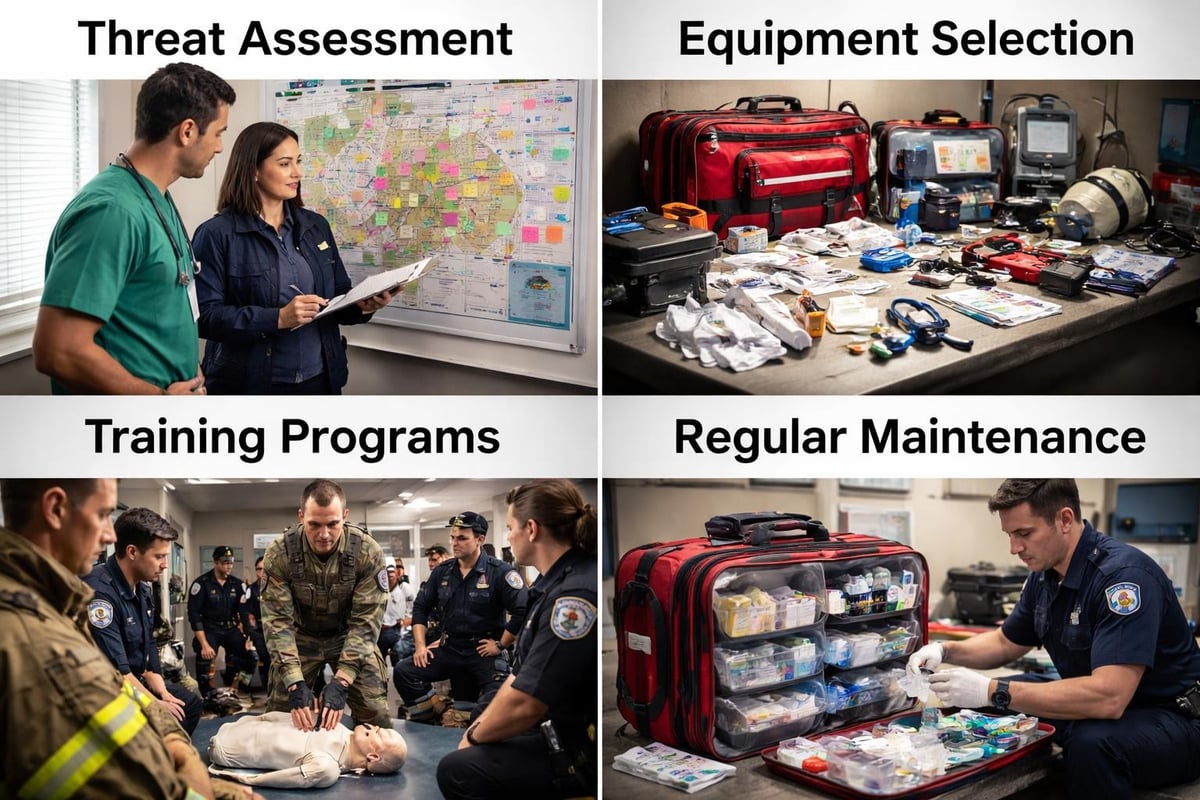
Effective preparedness begins with threat assessment. Different environments present varied medical risks that should drive equipment selection and training priorities.
Urban environments might prioritize penetrating trauma from violence, while rural settings might emphasize environmental injuries and prolonged care. Industrial facilities should consider machinery-related trauma, while schools focus on mass casualty response.
Selecting Appropriate Equipment Packages
Rather than purchasing individual components, many organizations benefit from pre-configured kits designed for specific applications. NAR rescue offers numerous kit configurations, from individual IFAKs to patrol vehicle kits to mass casualty response systems.
These packages ensure compatibility between components and include sufficient quantities for realistic scenarios. Organizations can supplement standard kits with additional supplies based on specific threat assessments and operational requirements.
Establishing Training Programs
Equipment without training creates false confidence and potential liability. Organizations implementing nar rescue solutions should simultaneously establish training programs that build user competency.
Initial training might include basic hemorrhage control for all personnel, with advanced courses for designated medical responders. Regular refresher training maintains skills and introduces new techniques or equipment. Training capabilities should align with equipment deployment to ensure seamless integration.
Maintenance and Replacement Protocols
Medical supplies require periodic inspection and replacement. Sterile items have expiration dates beyond which manufacturers cannot guarantee sterility. Mechanical devices like tourniquets need inspection for damage or wear.
Organizations should establish inventory management systems that track expiration dates, schedule inspections, and facilitate timely replacements. This systematic approach ensures that nar rescue equipment remains ready when emergencies occur.
Future Directions in Tactical Medicine
The field of tactical medicine continues evolving, with nar rescue at the forefront of innovation. Emerging technologies and changing threat environments drive ongoing product development and training refinement.
Technological Advances
Recent innovations include improved hemostatic agents with faster clotting times, pressure monitoring systems for wound dressings, and compact ultrasound devices for field diagnosis. These advances extend capabilities while maintaining the portability essential for tactical environments.
Wearable sensors that monitor vital signs and alert responders to deteriorating conditions represent another frontier. Integration of medical data with communication systems could enable remote physician guidance during field care.
Expanded Civilian Applications
The success of military tactical medicine has prompted broader civilian adoption. Public access bleeding control stations, similar to automated external defibrillators, position nar rescue equipment in public spaces for immediate bystander use during emergencies.
Schools, shopping centers, and transportation hubs increasingly recognize that immediate hemorrhage control by trained bystanders can save lives during mass casualty events. This shift represents a fundamental change in public health emergency preparedness.
Training Innovation
Virtual reality and augmented reality technologies offer new training possibilities. Simulated scenarios can recreate rare but critical situations, allowing responders to practice decision-making and technical skills in risk-free environments.
Adaptive training systems that adjust difficulty based on learner performance could optimize skill development. Integration of performance metrics provides objective assessment of competency and identifies areas requiring additional practice.
Resource Integration and Support Networks
No organization operates in isolation when building medical capabilities. The nar rescue ecosystem includes manufacturer support, peer networks, and industry resources that enhance implementation success.
Manufacturer Support Services
Beyond product sales, North American Rescue provides technical support, training resources, and implementation guidance. This assistance helps organizations navigate equipment selection, training development, and program maintenance.
Customer service teams with medical backgrounds can answer clinical questions and troubleshoot deployment challenges. This expertise proves particularly valuable for organizations new to tactical medicine or expanding existing programs.
Professional Networks
Connecting with other organizations implementing similar programs provides valuable insights and lessons learned. Professional associations for tactical medicine, emergency medical services, and occupational safety offer forums for sharing best practices.
These networks facilitate benchmarking, identify emerging trends, and provide peer support during program development. Participation in industry conferences and workshops keeps practitioners current with nar rescue innovations and evolving clinical guidelines.
Continuous Improvement Culture
Medical preparedness should not remain static. Regular program reviews identify gaps, assess effectiveness, and incorporate new knowledge. After-action reviews following actual emergency responses provide critical insights for program refinement.
Organizations should establish feedback mechanisms that capture user experiences and suggestions. This information drives equipment updates, training modifications, and protocol revisions that enhance overall medical readiness.
Understanding nar rescue equipment, training, and implementation strategies empowers organizations and individuals to build robust medical preparedness programs. From hemorrhage control basics to comprehensive tactical medical capabilities, the systematic approach ensures readiness when emergencies demand immediate intervention. Whether you're outfitting a law enforcement agency, building a prepper first aid kit, or establishing workplace safety programs, Medical Gear Outfitters provides the tactical-grade equipment and paramedic expertise needed to prepare for life-threatening emergencies. Our mission aligns with NAR rescue's commitment to preventing needless deaths through superior equipment and knowledge-driven preparedness.

