HSA First Aid Kit: Guide to Eligible Purchases in 2026
Health Savings Accounts (HSAs) offer a powerful way to save money on healthcare expenses, but many account holders don't realize the full scope of eligible purchases. An hsa first aid kit represents one of the smartest investments you can make with these tax-advantaged funds. Whether you're stocking supplies for your home, vehicle, or workplace, understanding how HSA eligibility applies to first aid products can help you build comprehensive emergency preparedness while maximizing your healthcare dollars. This guide explores the intersection of HSA benefits and first aid supplies, providing practical strategies for making informed purchasing decisions.
Understanding HSA Eligibility for First Aid Supplies
Health Savings Accounts function as triple-tax-advantaged savings vehicles designed specifically for qualified medical expenses. The funds you contribute are tax-deductible, grow tax-free, and can be withdrawn tax-free when used for eligible healthcare purchases.
First aid kits and their contents generally qualify as HSA-eligible expenses because they serve a medical purpose. The IRS publication on medical expenses provides comprehensive guidelines that help determine which products meet the criteria for reimbursement. The key factor centers on whether an item primarily serves a medical function rather than general health maintenance.
What Makes a First Aid Kit HSA Eligible
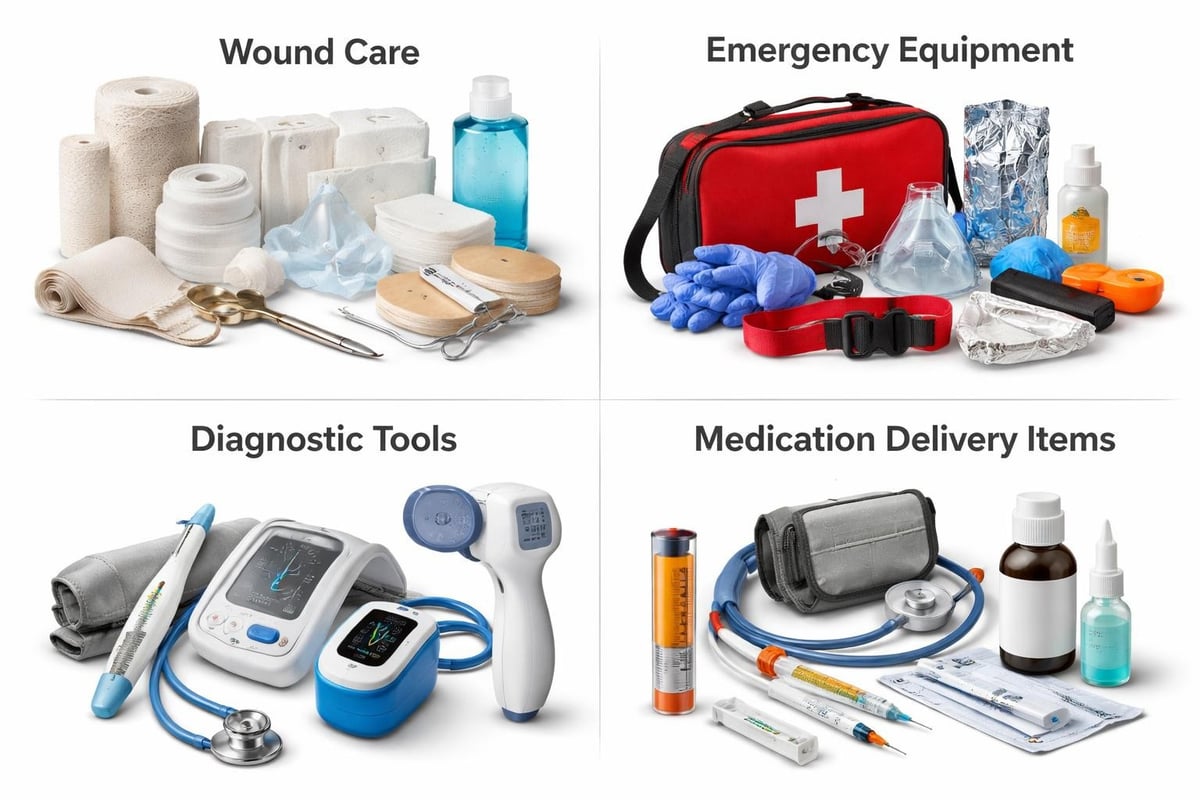
Not all first aid products automatically qualify for HSA reimbursement. The distinction depends on the item's primary purpose and medical necessity:
- Medical treatment items: Bandages, gauze, antiseptics, and wound care supplies
- Emergency response equipment: CPR masks, splints, and trauma dressings
- Diagnostic tools: Thermometers, blood pressure monitors, and pulse oximeters
- Medication delivery: Syringes, epinephrine auto-injectors, and insulin supplies
General wellness items like vitamins, supplements, or comfort products typically don't qualify unless prescribed by a physician for a specific medical condition. The hsa first aid kit you purchase should focus primarily on treating injuries and medical emergencies.
Essential Components of an HSA-Eligible First Aid Kit
Building a comprehensive hsa first aid kit requires understanding which components provide the most value for emergency situations. Professional-grade kits differ significantly from basic consumer versions in both quality and capability.
Core Medical Supplies
The foundation of any effective first aid kit includes wound management and bleeding control items. These supplies address the most common emergency scenarios:
- Sterile gauze pads in multiple sizes (2x2, 3x3, 4x4 inches)
- Adhesive bandages ranging from small strips to large patches
- Medical tape including both paper and cloth varieties
- Trauma dressings for severe bleeding control
- Elastic bandages for sprains, strains, and compression
Professional trauma kits often include advanced hemostatic agents and pressure dressings that exceed basic consumer kit capabilities. These specialized items can make critical differences in life-threatening situations.
Advanced Emergency Equipment
Beyond basic wound care, a well-equipped hsa first aid kit should include tools for managing more serious medical emergencies:
| Equipment Type | Primary Use | HSA Eligible |
|---|---|---|
| Tourniquet | Severe extremity bleeding | Yes |
| Chest seals | Penetrating chest wounds | Yes |
| Hemostatic gauze | Uncontrolled bleeding | Yes |
| Splinting materials | Fracture stabilization | Yes |
| Thermal blankets | Shock and hypothermia | Yes |
| Airways/CPR masks | Respiratory emergencies | Yes |
These advanced components transform a basic kit into a comprehensive emergency response system. Understanding first aid kit options helps determine which configuration best meets your specific needs and environment.
Maximizing Your HSA Benefits for First Aid Purchases
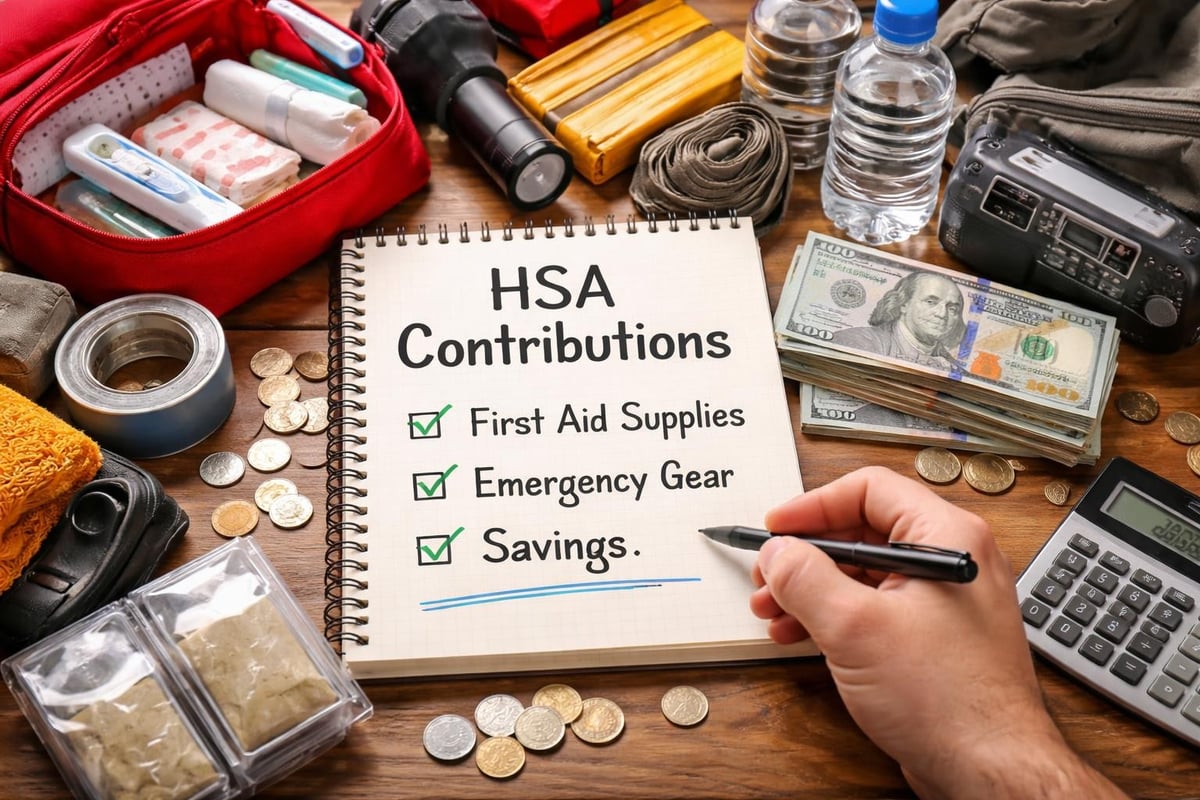
Strategic planning helps you get the most value from your HSA when purchasing emergency medical supplies. The account's tax advantages make it an ideal funding source for building comprehensive preparedness.
Documentation and Record Keeping
Maintaining proper documentation ensures smooth reimbursement and protects you during potential audits:
- Save all receipts showing item descriptions and purchase dates
- Keep product packaging that demonstrates medical purpose
- Document any prescriptions for specialized equipment
- Maintain a log of HSA expenditures with explanations
Many HSA administrators provide mobile apps that simplify receipt capture and expense tracking. Digital records offer convenient backup and organization compared to paper systems.
Timing Your Purchases
Year-end planning presents opportunities to maximize your HSA contributions before the annual deadline. If you've contributed the maximum amount and have remaining funds, investing in quality first aid supplies provides lasting value.
Unlike Flexible Spending Accounts (FSAs), HSAs don't have "use it or lose it" provisions. This flexibility allows you to build emergency preparedness gradually without rushing purchases to meet arbitrary deadlines. You can accumulate funds over multiple years to invest in higher-quality professional equipment.
Selecting the Right HSA First Aid Kit for Your Needs
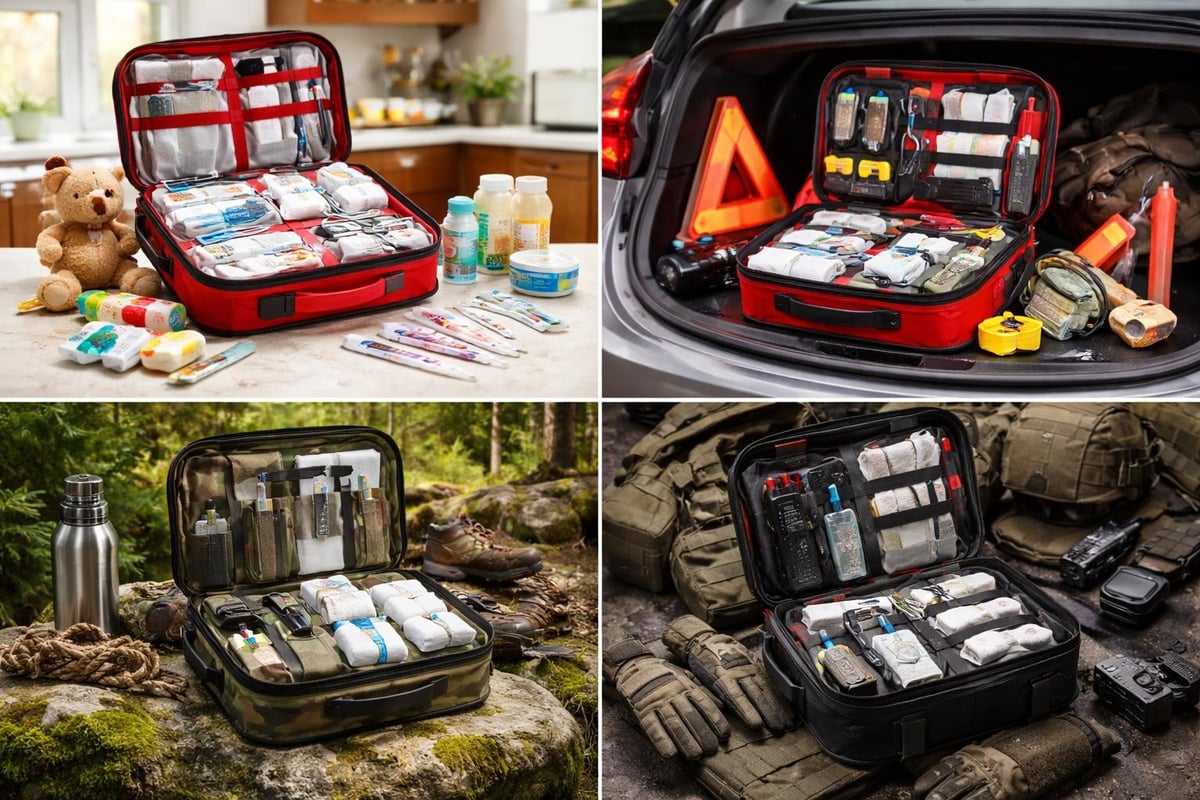
Different environments and risk profiles require tailored first aid solutions. The ideal hsa first aid kit for your home differs from what you need in your vehicle or workplace.
Home-Based First Aid Kits
Residential kits should accommodate family size and common household emergencies. Consider these factors:
- Family composition: Children require different supplies than adults
- Chronic conditions: Diabetes, allergies, or heart conditions need specific items
- Activity level: Active families face higher injury risks
- Storage location: Accessibility during emergencies
A comprehensive home first aid kit typically contains 100-200 pieces covering various scenarios. Larger families or those with specific medical needs may require more extensive supplies.
Vehicle and Mobile Kits
Automotive first aid kits face unique challenges including temperature extremes and space constraints:
- Compact design for storage in glove compartments or under seats
- Durable containers that withstand vibration and temperature fluctuations
- Road-specific supplies for common traffic accident injuries
- Visibility items like reflective triangles and flashlights
Automotive medical kits should include supplies for both minor injuries and serious trauma until professional help arrives. Consider the typical distance from emergency services in your daily routes.
Workplace and Organizational Requirements
Employers often face regulatory requirements for workplace first aid supplies. The specific contents depend on workforce size and industry hazards:
| Workplace Size | Minimum Recommended Contents | Additional Considerations |
|---|---|---|
| 1-25 people | Basic kit (50+ pieces) | One designated first aider |
| 26-100 people | Comprehensive kit (100+ pieces) | Multiple kit locations |
| 100+ people | Multiple comprehensive kits | Trained medical response team |
Risk assessment guidelines help organizations determine appropriate first aid provisions based on specific workplace hazards. Industrial environments require more extensive supplies than office settings.
Specialized HSA First Aid Kit Options
Beyond general-purpose kits, specialized configurations address specific activities and environments. These targeted solutions provide appropriate supplies for particular risk scenarios.
Outdoor and Wilderness Kits
Remote locations require self-sufficiency since professional medical care may be hours away. A wilderness hsa first aid kit should include:
- Extended wound care supplies for multi-day treatment
- Medications for pain, inflammation, and infection
- Specialized items like SAM splints and irrigation syringes
- Environmental protection against exposure and hypothermia
Camping first aid kits designed for backcountry use prioritize lightweight, multi-purpose items that address common wilderness injuries. Water purification and blister treatment become more important than in urban settings.
Tactical and Professional Response Kits
First responders, security personnel, and military members need equipment designed for high-threat environments:
- Hemorrhage control: Multiple tourniquets and hemostatic agents
- Penetrating trauma: Chest seals and decompression needles
- Airway management: Advanced airways and suction devices
- Rugged construction: MOLLE-compatible pouches and weather-resistant materials
Professional first responder kits meet the demanding requirements of tactical medicine where seconds matter and equipment reliability is critical.
Building Your Own Custom HSA First Aid Kit
Pre-assembled kits offer convenience, but building a custom hsa first aid kit allows you to tailor contents precisely to your needs. This approach often provides better quality and value.
Assessing Your Specific Needs
Begin with a thorough risk assessment of your environment and activities:
- What injuries occur most frequently in your setting?
- What medical conditions affect family members or team members?
- How far are you typically from professional medical care?
- What training do potential responders possess?
This analysis reveals which supplies deserve priority investment. A family with young children needs different items than an elderly couple or outdoor enthusiasts.
Sourcing Quality Components
Individual components and supplies purchased separately often exceed pre-packaged kit quality. Professional-grade items withstand repeated use and provide better performance during actual emergencies.
Consider these quality indicators:
- Sterility: Individually wrapped sterile items versus bulk packaging
- Expiration dates: Fresh products with maximum shelf life
- Material quality: Military-spec versus consumer-grade construction
- Brand reputation: Established medical suppliers versus generic products
Investing in quality pays dividends when equipment performs reliably during actual emergencies. The few dollars saved on inferior products rarely justify the risk of failure.
Organizing and Maintaining Your Kit
Proper organization ensures you can locate critical items quickly during high-stress situations:
- Use clear labeling on all compartments and pouches
- Group related items together (bleeding control, wound care, medications)
- Place most critical items in easily accessible locations
- Include instruction cards for complex equipment
- Mark expiration dates prominently
Regular maintenance schedules prevent discovering expired supplies during emergencies. Quarterly inspections allow you to rotate medications, replace used items, and update contents based on changing needs.
Common Questions About HSA First Aid Kit Purchases
Understanding the specific rules and limitations helps you make informed purchasing decisions while staying compliant with HSA regulations.
Reimbursement Procedures
Most HSA administrators allow direct payment using a debit card for eligible expenses. When purchasing your hsa first aid kit:
- Use your HSA debit card at checkout for immediate payment
- Pay with personal funds and submit reimbursement requests later
- Keep detailed receipts showing item-level descriptions
- Document medical necessity for any questioned items
Some retailers specifically mark HSA-eligible first aid products to simplify identification and purchase decisions. This designation removes uncertainty about qualification status.
Quantity Limitations and Restrictions
The IRS doesn't impose specific quantity limits on first aid supplies, but purchases should remain reasonable for personal medical use. Buying a single comprehensive kit or restocking used supplies clearly qualifies.
Large bulk purchases might trigger administrator questions requiring documentation of legitimate medical need. Businesses purchasing workplace kits should maintain records explaining organizational requirements.
Prescription Requirements
Most basic first aid supplies don't require prescriptions for HSA eligibility. However, certain items do need physician authorization:
- Prescription medications and antibiotics
- Specialized medical devices
- Custom orthopedic equipment
- Certain diagnostic tools
Over-the-counter medications became HSA-eligible without prescriptions starting in 2020, expanding access to common first aid pharmaceuticals like pain relievers and antihistamines.
Integrating First Aid Training with Equipment Investment
Equipment without knowledge provides limited value. The most comprehensive hsa first aid kit cannot compensate for lack of training in emergency response techniques.
Professional training programs teach critical skills:
- Wound assessment and treatment prioritization
- Bleeding control including tourniquet application
- Airway management and rescue breathing
- Shock recognition and treatment
- Patient assessment and vital sign monitoring
Many organizations offer courses specifically designed for civilians, ranging from basic first aid through advanced trauma care. These certifications ensure you can effectively use the supplies in your kit.
The investment in a quality hsa first aid kit makes most sense when paired with proper training. Medical Gear Outfitters emphasizes this connection between equipment and education, recognizing that prepared responders need both quality supplies and practical knowledge.
Ongoing Skill Maintenance
Skills deteriorate without practice. Even certified first responders benefit from regular refresher training:
- Annual recertification courses update techniques and guidelines
- Practice sessions maintain muscle memory for critical skills
- Scenario-based drills identify equipment gaps or organizational issues
- Peer review sessions share lessons learned from actual incidents
Consider scheduling quarterly practice sessions where you review kit contents, verify equipment functionality, and refresh basic techniques. These reviews also provide opportunities to update supplies based on lessons learned.
Advanced Considerations for HSA First Aid Kit Investment
Beyond basic eligibility and selection, several strategic factors influence long-term value from your hsa first aid kit investment.
Building Layered Preparedness
Redundancy increases resilience. Multiple kits in strategic locations ensure access during various scenarios:
- Primary home kit with comprehensive supplies
- Secondary vehicle kit for automotive emergencies
- Portable kit for outdoor activities and travel
- Workplace kit meeting organizational requirements
Each kit should contain core essentials while being optimized for its specific environment. This layered approach prevents single points of failure in your preparedness system.
Specialty Items Worth Considering
Certain advanced items provide capabilities beyond standard first aid kits:
| Item Category | Specific Products | Primary Value |
|---|---|---|
| Hemostatic agents | QuikClot, Celox | Severe bleeding control |
| Advanced airways | Nasopharyngeal airways | Airway management |
| Decompression needles | Chest decompression kits | Tension pneumothorax |
| Burn treatments | Specialized burn dressings | Thermal injury care |
These specialized supplies require proper training but significantly expand response capabilities. Advanced hemostatic products represent particularly valuable additions for managing life-threatening hemorrhage.
Long-Term Cost-Effectiveness
While quality hsa first aid kits require upfront investment, they provide lasting value through durability and reliability. Calculate true cost over the expected lifespan:
Initial investment in professional-grade equipment often costs 50-100% more than consumer alternatives. However, superior construction and performance justify premium pricing for serious preparedness.
Replacement costs decrease with quality items that withstand repeated inspections and occasional use without degradation. Cheap kits often require complete replacement after single incidents.
Peace of mind carries intangible value that transcends pure financial calculation. Knowing you possess proper equipment and skills to handle emergencies reduces anxiety and increases confidence.
Investing in a comprehensive hsa first aid kit represents a smart use of healthcare dollars that provides immediate and long-term value for emergency preparedness. By understanding eligibility requirements, selecting appropriate components, and maintaining your supplies properly, you create reliable resources for protecting yourself and others during medical emergencies. Medical Gear Outfitters combines paramedic expertise with quality products to help you build first aid capabilities that truly matter when seconds count, offering both the equipment and knowledge necessary to respond effectively in critical situations.

