
First Aid Kit Plastic Box Guide: Essential Tips for 2026
Imagine a situation where every second counts—would your first aid kit plastic box be ready, organized, and easy to access? Emergencies can strike when you least expect them, making preparation essential. This guide is designed to help you select, organize, and maintain a first aid kit plastic box that aligns with the latest 2026 safety standards.
Inside, you’ll discover why plastic boxes offer superior protection, what essential supplies to include, step-by-step organization tips, and how to keep your kit in peak condition. Whether you need a kit for your home, car, or workplace, you’ll find practical strategies for reliable preparedness.
Why Choose a Plastic Box for Your First Aid Kit?
Selecting the right container is the first step in building a truly reliable first aid kit plastic box. The choice you make directly affects how well your supplies are protected, how easily you can access them, and how long your kit will last.
Durability and Protection
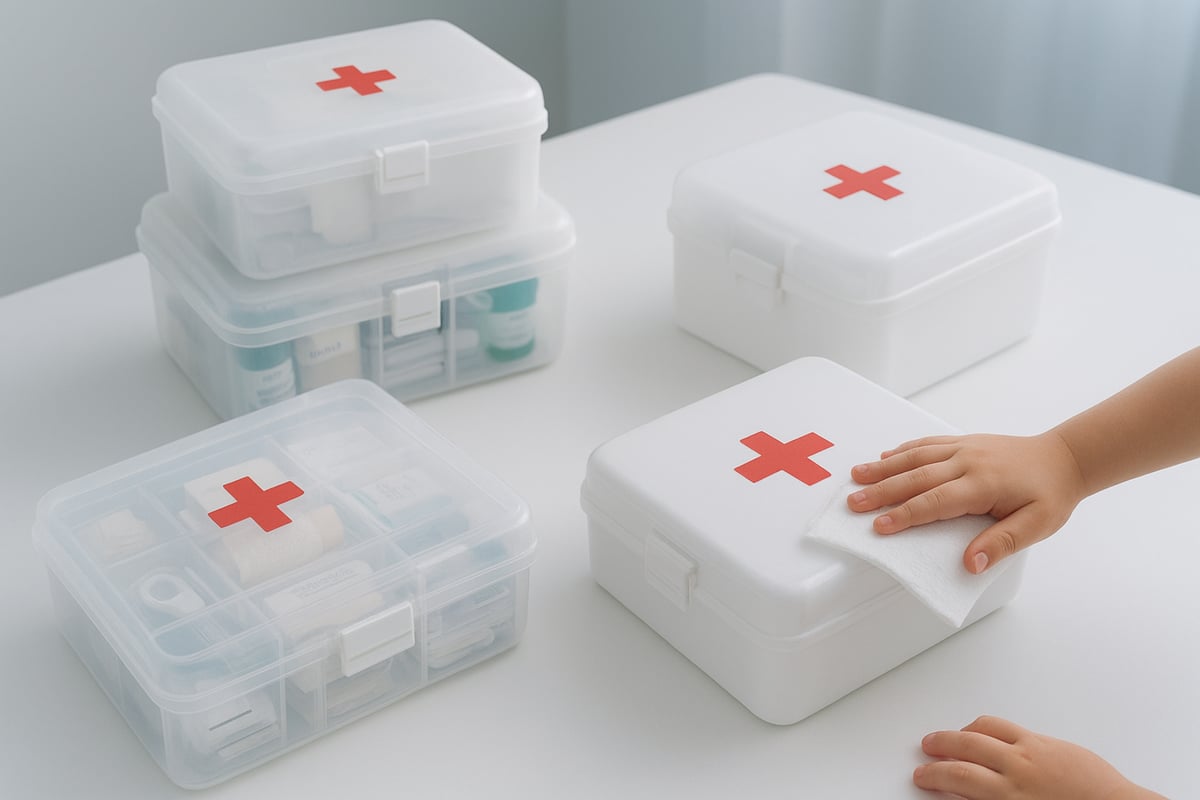
A first aid kit plastic box offers exceptional durability compared to fabric or metal alternatives. Modern plastics are engineered to be impact-resistant, shielding your medical supplies from drops, bumps, and rough handling. These boxes also provide superior water resistance and keep out dust, which is crucial for maintaining sterile conditions.
According to Red Cross data, plastic first aid kits last two to three times longer in harsh environments than their metal or fabric counterparts. The robust construction ensures your supplies remain intact and ready for use, even in unpredictable situations. For a direct comparison of material benefits, see this Advantages of Plastic First Aid Boxes guide.
Portability and Convenience
Portability is a core advantage of the first aid kit plastic box. Lightweight designs make it easy to move your kit between home, car, or outdoor settings. Many plastic boxes are compact and stackable, allowing you to store them efficiently without sacrificing accessibility.
In disaster relief scenarios, plastic first aid kits are preferred for their quick deployment and ease of transport. Their manageable size and weight mean you can keep essential medical supplies within arm’s reach, wherever you are.
Safety and Hygiene
Safety and hygiene are fundamental when it comes to any first aid kit plastic box. Unlike fabric cases, plastic boxes have non-porous surfaces that do not absorb moisture or contaminants. This feature makes them quick and easy to sanitize using common disinfectants.
Lockable lids add an extra layer of safety, preventing children or unauthorized individuals from accessing sensitive supplies. The CDC recommends hard-sided, sealable containers for storing medical items, highlighting the importance of a plastic box in maintaining hygiene and safety.
Transparency and Organization
Many first aid kit plastic box models are made from clear or translucent plastic. This transparency allows you to instantly see what’s inside, reducing the time needed to find essential items during an emergency. Built-in dividers and labeling features help keep your kit organized and clutter-free.
Transparent boxes have been shown to cut search time by up to 50 percent, which can make all the difference when seconds matter. Organized compartments ensure everything has its place, streamlining your response to injuries or illnesses.
Cost-Effectiveness and Sustainability
A first aid kit plastic box is not only durable but also cost-effective. Its robust construction means fewer replacements over time, saving money in the long run. Today’s plastic boxes often use recyclable materials, making them a more sustainable choice for 2026 and beyond.
Compared to fabric or metal cases, plastic options offer a lower average cost per year of use. The initial investment pays off with improved longevity and the added benefit of supporting eco-friendly initiatives.
Versatility for Different Environments
The versatility of a first aid kit plastic box makes it suitable for a wide range of settings. Whether you need a kit for your home, vehicle, office, or outdoor adventures, plastic boxes adapt easily to different environments. Schools and workplaces frequently use these boxes to meet compliance standards and ensure quick access during emergencies.
Their adaptability, combined with the other advantages discussed above, makes them the top choice for anyone serious about safety and preparedness.
Essential Supplies for Your 2026 First Aid Kit Plastic Box
Having the right supplies in your first aid kit plastic box can make a life-saving difference. In 2026, updated standards and new health concerns require a fresh approach to what you pack. Let’s explore the essential items every kit should include, with special attention to safety, adaptability, and compliance.
Updated Must-Have Medical Items
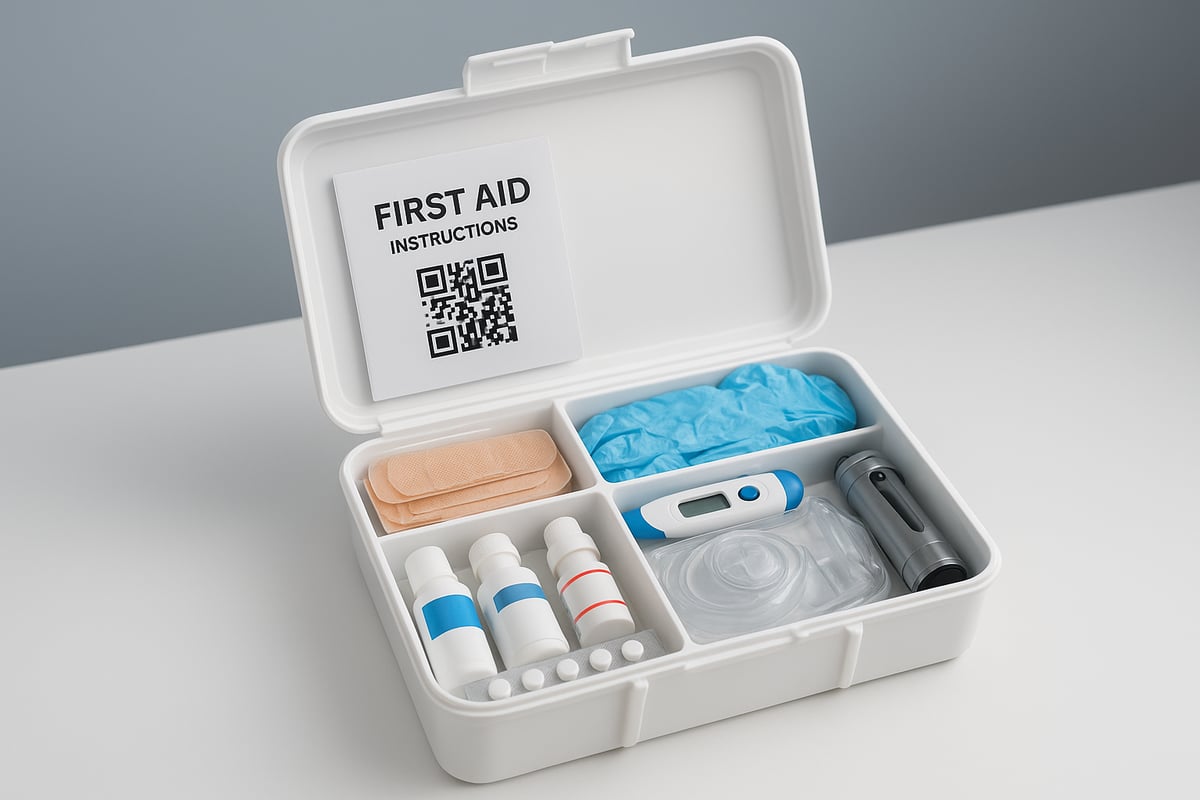
Every first aid kit plastic box for 2026 should contain core medical supplies that meet the latest safety guidelines. Start with a variety of adhesive bandages, sterile gauze pads, adhesive tape, antiseptic wipes, and antibiotic ointment. Include at least two pairs of nitrile gloves and a CPR face shield or mask.
New for 2026, pandemic preparedness is a priority. Add several surgical masks and travel-size hand sanitizers to your kit. The American Heart Association recommends upgraded CPR barriers for better protection. For a detailed, up-to-date list, consult Essential First Aid Kit Supplies for 2026 to ensure your first aid kit plastic box is fully compliant.
Medications and Topicals
Medications are a vital part of any first aid kit plastic box. Stock over-the-counter pain relievers such as acetaminophen or ibuprofen, as well as antihistamines for allergic reactions. Include burn ointment, hydrocortisone cream, and sting relief wipes.
Store pills and liquid medications in clearly labeled, waterproof containers to prevent spills and contamination. For 2026, allergy season forecasts suggest carrying extra antihistamines and topical creams. Always check expiration dates regularly, and keep a dosage instruction card in your first aid kit plastic box for reference.
Specialized Tools and Devices
A modern first aid kit plastic box is incomplete without essential tools. Include trauma shears for cutting bandages, tweezers for splinter or tick removal, and a digital thermometer for accurate temperature checks. Splints and elastic bandages help stabilize injuries.
In 2026, compact devices like portable pulse oximeters are recommended for monitoring oxygen levels during emergencies. Choose tools with plastic-safe or non-corrosive finishes to prevent damage to your first aid kit plastic box. Make sure each tool has its own compartment to avoid clutter.
Emergency and Survival Additions
Prepare your first aid kit plastic box for unexpected events by adding survival gear. A compact flashlight with extra batteries, a whistle for signaling, and a space blanket for warmth are all critical. Pack a waterproof notepad and pen for recording vital information during emergencies.
Multi-use tools, such as a mini multitool or safety pin set, fit neatly in most plastic box compartments. According to FEMA, items like emergency blankets and whistles are among the most-used supplies during disaster scenarios. Make sure your first aid kit plastic box is ready for both minor injuries and major incidents.
Personalization for Family or Group Needs
Tailor your first aid kit plastic box to the needs of everyone in your household or group. For families with children, include pediatric bandages and liquid pain relievers. Seniors may require extra prescription medications, pill organizers, or mobility aids.
If you have pets, add animal-safe antiseptics and bandages. For those with allergies or chronic conditions, pack epinephrine auto-injectors, inhalers, or blood glucose meters. Customizing your first aid kit plastic box ensures you are prepared for any scenario, from school trips to elderly care.
Documentation and Instructions
Clear instructions are essential for using your first aid kit plastic box effectively. Include an up-to-date first aid manual and a list of emergency contact numbers. For 2026, add QR codes linking to video tutorials and visual guides.
Keep laminated cards with step-by-step instructions for CPR, wound care, and medication dosages. According to recent insights, 72% of users are more likely to respond correctly when visual instructions are available. Place all documentation in a waterproof sleeve within your first aid kit plastic box for quick access.
Organizing and Packing Your First Aid Kit Plastic Box: Step-by-Step
A well-organized first aid kit plastic box can make the difference between calm and chaos during an emergency. Effective packing ensures you can find what you need, when you need it, without wasting precious moments. Let us walk through each step to set up your kit for maximum readiness and efficiency.
Step 1: Sort and Group Supplies
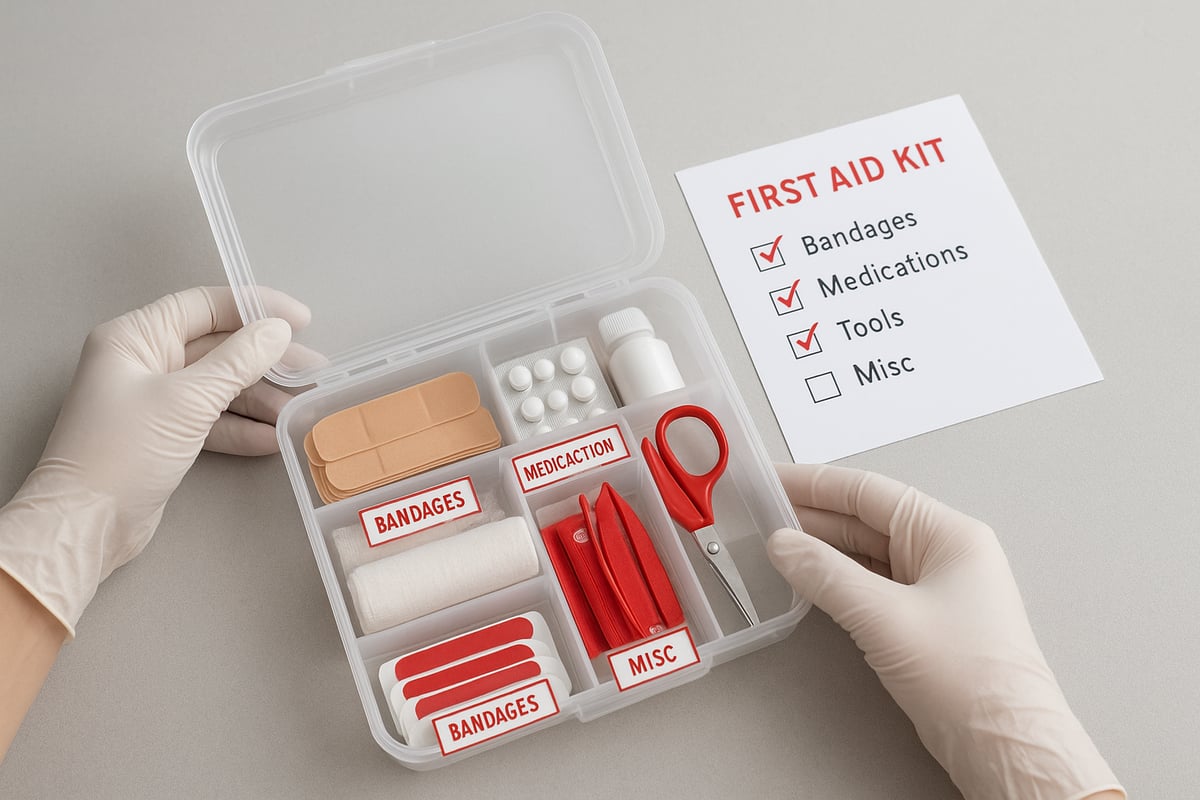
Begin by sorting all supplies before placing them in your first aid kit plastic box. Group similar items together, such as wound care products, medications, tools, and documentation. This method prevents confusion and speeds up access during stressful situations.
- Wound care: bandages, gauze, tape
- Medications: pain relievers, allergy tablets
- Tools: tweezers, scissors, thermometer
- Documentation: emergency cards, instructions
Color-coded pouches or dividers can help keep these groups separate and visible. For detailed strategies on storing and organizing bandages, refer to Organizing Bandages and Supplies. With a systematic approach, your first aid kit plastic box becomes intuitive to use.
Step 2: Use Compartments and Labels
Take advantage of built-in dividers or add modular organizers within your first aid kit plastic box. Assign each compartment to a specific category of supplies. Use waterproof labels to clearly mark each section, ensuring quick identification.
Labeling reduces response time by up to 40 percent according to industry studies. Consider using color codes for even faster recognition, such as red for wound care and blue for medications. Well-labeled compartments minimize search time and prevent mix-ups during emergencies.
Step 3: Prioritize Accessibility
Place the most frequently used items at the top or in front of your first aid kit plastic box. Supplies like gloves, bandages, and antiseptics should be instantly reachable. Less-used or bulkier items can be stored at the bottom or in less accessible sections.
- Top/front: gloves, adhesive bandages, antiseptic wipes
- Middle: medications, tools
- Bottom/back: splints, manuals, rarely used items
This arrangement follows paramedic recommendations for efficient emergency response. Prioritizing accessibility ensures you do not waste time searching for critical items.
Step 4: Secure and Seal
To protect your first aid kit plastic box contents, seal liquids and small items in zip bags. This step prevents leaks and cross-contamination. Always check that the lid locks or seals tightly, especially if the kit will be transported in a car or outdoors.
Waterproof seals are essential for flood-prone environments or travel. Keeping everything secure reduces the risk of supplies spilling or becoming damaged, ensuring your kit remains clean and ready to use.
Step 5: Review and Adjust Regularly
After every use, take time to review the organization of your first aid kit plastic box. Restock any items that were used and adjust the layout if your family, workplace, or activities change. Regular reviews help you adapt your kit to new needs, such as adding supplies for a new pet or updating medications for seasonal allergies.
Statistics show that 85 percent of users reorganize after real emergencies, improving future response. Make reviewing your kit a habit for ongoing safety and preparedness.
Maintenance and Restocking: Keeping Your Kit Ready for 2026
Keeping your first aid kit plastic box in optimal condition is crucial for readiness. Regular maintenance ensures supplies are fresh, organized, and effective when emergencies arise. A well-maintained kit brings peace of mind, knowing you are prepared for any situation.
Setting a Maintenance Schedule
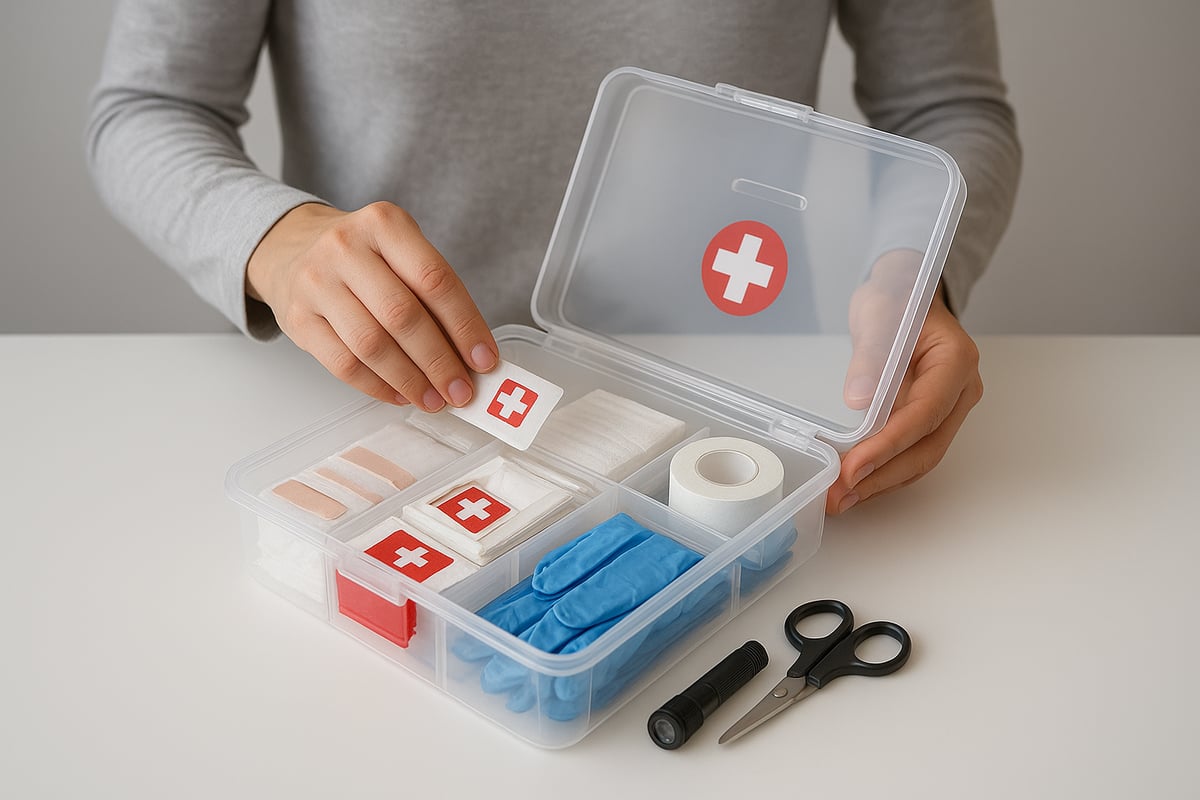
Establishing a maintenance routine for your first aid kit plastic box is essential. Schedule monthly or quarterly checks to inspect the condition of all contents and the box itself.
- Use digital reminders, such as calendar apps, to prompt regular inspections.
- Workplaces can incorporate kit checks into compliance checklists.
- Note maintenance dates on a log sheet inside the box.
A consistent schedule helps prevent overlooked issues and ensures your kit remains reliable year-round.
Checking Expiry Dates and Replacing Supplies
Expired or degraded supplies can compromise safety. Always check expiration dates on medications, ointments, and sterile items in your first aid kit plastic box.
- Replace opened or expired products promptly.
- Track expiration dates with a simple table inside the box:
| Item | Expiry Date | Replace By |
|---|---|---|
| Antiseptic Wipes | 05/2026 | 04/2026 |
| Pain Relievers | 08/2026 | 07/2026 |
One in three kits contains expired items, making this step vital for effective emergency care.
Cleaning and Sanitizing Your Plastic Box
A clean first aid kit plastic box prevents contamination and supports hygiene. Regularly wipe down all surfaces using disinfectants that are safe for medical supplies.
- Remove all contents before cleaning.
- Wash the box with mild soap and warm water.
- Disinfect using alcohol wipes or a diluted bleach solution.
- Dry completely before restocking.
Routine cleaning can reduce infection risk by 60 percent and extends the life of your kit.
Adapting to Seasonal and Activity Changes
Your first aid kit plastic box should evolve with your lifestyle and environment. Update contents based on travel plans, outdoor activities, or seasonal health risks.
- Add cold packs for summer or extra masks during flu outbreaks.
- Remove items no longer needed as family situations change.
- Review supplies before vacations or sports seasons.
Adapting your kit ensures it meets your current needs and complies with the latest recommendations.
Restocking After Use or Emergencies
After each use or emergency, promptly restock your first aid kit plastic box. Keep a restock checklist inside to track what needs replacement.
- Source quality supplies from reputable vendors.
- Replace used items immediately to maintain readiness.
- Consider bulk purchasing for cost savings.
Staying proactive with restocking means your kit is always ready for the unexpected.
Restock with Confidence: Medical Gear Outfitters
For reliable restocking, Medical Gear Outfitters offers expertly curated first aid kit supplies and bulk options. Their kits are sourced by a practicing paramedic, ensuring your first aid kit plastic box meets real-world standards.
Benefit from educational guides, video instructions, and responsive customer service for ongoing kit maintenance. Choose from customization options tailored to families, workplaces, or professionals, so your kit aligns with 2026 safety requirements.
First Aid Kit Plastic Box Recommendations for Home, Car, and Workplace
Selecting the right first aid kit plastic box for your environment can make all the difference in an emergency. Each setting—home, car, or workplace—has unique needs, but the right plastic box ensures supplies are accessible, protected, and organized. Below, you’ll find tailored recommendations to help you choose the best solution for every situation.
Home Kits: Family Safety Essentials
For families, a well-chosen first aid kit plastic box should be spacious, durable, and easy to access. Opt for boxes with multiple compartments, transparent lids, and secure locks to keep children safe. Wall-mounted models are ideal for central locations, while portable options work for multi-level homes.
Essential items include assorted bandages, antiseptics, pediatric medications, and supplies for seniors or pets. For a detailed guide on assembling your home kit, visit Building a Family First Aid Kit.
Quick Comparison Table:
| Feature | Wall-Mounted Box | Portable Box |
|---|---|---|
| Capacity | High | Medium |
| Accessibility | Fixed location | Mobile |
| Child Safety | Lockable | Lockable |
A first aid kit plastic box for home use should be reviewed seasonally to ensure it remains up to date and ready for any family emergency.
Car Kits: On-the-Go Preparedness
A car’s first aid kit plastic box must withstand temperature shifts and constant movement. Choose compact, rugged boxes that fit glove compartments or trunks, with tight seals to protect against dust and moisture.
Include trauma shears, reflective blankets, basic medications, and roadside emergency supplies. High-visibility colors and quick-release latches improve accessibility during stressful situations. For more tips, see Vehicle First Aid Kit Supplies.
Regularly check your first aid kit plastic box for expired items or damage, especially after long trips or seasonal changes.
Workplace Kits: Compliance and Accessibility
Workplaces require a first aid kit plastic box that meets OSHA and local standards. High-visibility, tamper-proof designs help ensure compliance and make it easy to locate in busy environments. Modular boxes allow for expansion as staff numbers grow.
Recommended items include burn dressings, eyewash, and splints in addition to standard supplies. For large offices or factories, select boxes with clear labeling and built-in mounting hardware. Keeping a checklist inside the first aid kit plastic box helps track restocking needs.
Regular training and audits will keep your workplace kit organized and effective.
Outdoor and Travel Kits: Adventure-Ready Solutions
For outdoor activities, select a first aid kit plastic box that is waterproof, crushproof, and lightweight. Boxes with attachment points can be secured to backpacks or gear. Ensure the kit contains insect bite treatments, blister pads, and a compact emergency blanket.
A well-organized first aid kit plastic box reduces injury complications when hiking, camping, or traveling. Look for clear dividers and labels to help you find items quickly while outdoors.
Remember to adapt your kit for each trip, reviewing contents based on your planned activities and group size.
Customizing for Special Needs and Environments
Special environments—like schools, sports teams, or remote job sites—require a customized first aid kit plastic box. Add extra supplies for group events, such as additional bandages, allergy treatments, or epinephrine auto-injectors.
For schools, consider boxes with tamper-evident seals and clear documentation. Sports teams benefit from cold packs and athletic tape, while remote sites may need satellite communication instructions stored in waterproof pouches.
By tailoring your first aid kit plastic box to your group’s needs, you ensure everyone is prepared for emergencies, big or small.
Common Mistakes and Pro Tips for First Aid Kit Plastic Boxes in 2026
Mistakes with your first aid kit plastic box can have real consequences during an emergency. Knowing what to avoid and how to optimize your kit will ensure it is ready when you need it most.
Overpacking or Underpacking
Including too many or too few items in your first aid kit plastic box can create problems. Overpacking leads to clutter and wasted space, while underpacking leaves you unprepared for emergencies.
- Focus on essential items to cover common injuries or illnesses
- Avoid duplicates unless needed for group size or specific risks
- Regularly review your kit contents to keep it balanced
For more tips on keeping your kit the right size, see the Small First Aid Kit Guide.
Ignoring Expiry and Damage
Expired medications or damaged supplies in your first aid kit plastic box can put safety at risk. Check expiration dates on all items, and inspect the box for cracks or broken seals.
- Set digital reminders for monthly or quarterly checks
- Replace expired or compromised items immediately
A well-maintained kit is a reliable kit.
Poor Organization and Labeling
Disorganization in your first aid kit plastic box can slow down response time during critical moments. Without clear labels or structure, you may waste valuable seconds searching for what you need.
- Use color-coded dividers or pouches for different supply types
- Label each section clearly, especially for tools or medications
Quick access can make all the difference in an emergency.
Not Adapting to Changing Needs
Failing to update your first aid kit plastic box for new family members, pets, or changing activities can leave gaps in your preparedness.
- Review kit contents seasonally or before major trips
- Add or remove items based on current health needs or planned activities
Personalization ensures your kit stays relevant.
Neglecting Training and Familiarization
Having a first aid kit plastic box is only part of the equation. Knowing how to use each item is equally important.
- Practice using supplies with your family or team
- Review instructions regularly to stay confident in emergencies
Training turns supplies into effective tools.
Relying on Low-Quality Boxes
A low-quality box may crack, leak, or fail when you need it most. Invest in a medical-grade first aid kit plastic box that is durable and tested for safety. For help choosing the right container, consult the Choosing the Right First Aid Box guide.
- Look for impact-resistant, sealable designs
- Confirm compliance with safety standards
Quality matters for long-term reliability.

