First Aid Kit for Holidays: Essential Supplies Guide
Holiday travel brings excitement and adventure, but it also introduces unique health risks that require preparation. Whether you're heading to a tropical beach, exploring mountain trails, or visiting family across the country, a well-stocked first aid kit for holidays ensures you can handle minor medical issues without disrupting your plans. The difference between a minor inconvenience and a trip-ending emergency often comes down to having the right supplies at the right time. As seasoned emergency responders know, preparation transforms potential crises into manageable situations that keep everyone safe and comfortable throughout their journey.
Understanding Holiday-Specific Medical Risks
Travel during holidays exposes you to different health challenges than everyday life. Climate changes, unfamiliar foods, increased physical activity, and disrupted sleep patterns all contribute to various ailments that require medical attention. According to Cigna's travel first aid guidance, the destination, trip duration, and available medical facilities should directly influence what you pack in your first aid kit for holidays.
Common Holiday Health Issues
Holiday travelers frequently encounter specific medical problems that a properly equipped kit addresses effectively. Understanding these challenges helps you pack appropriate supplies:
- Gastrointestinal distress from unfamiliar cuisine or contaminated water
- Minor injuries including cuts, scrapes, blisters, and sprains from increased activity
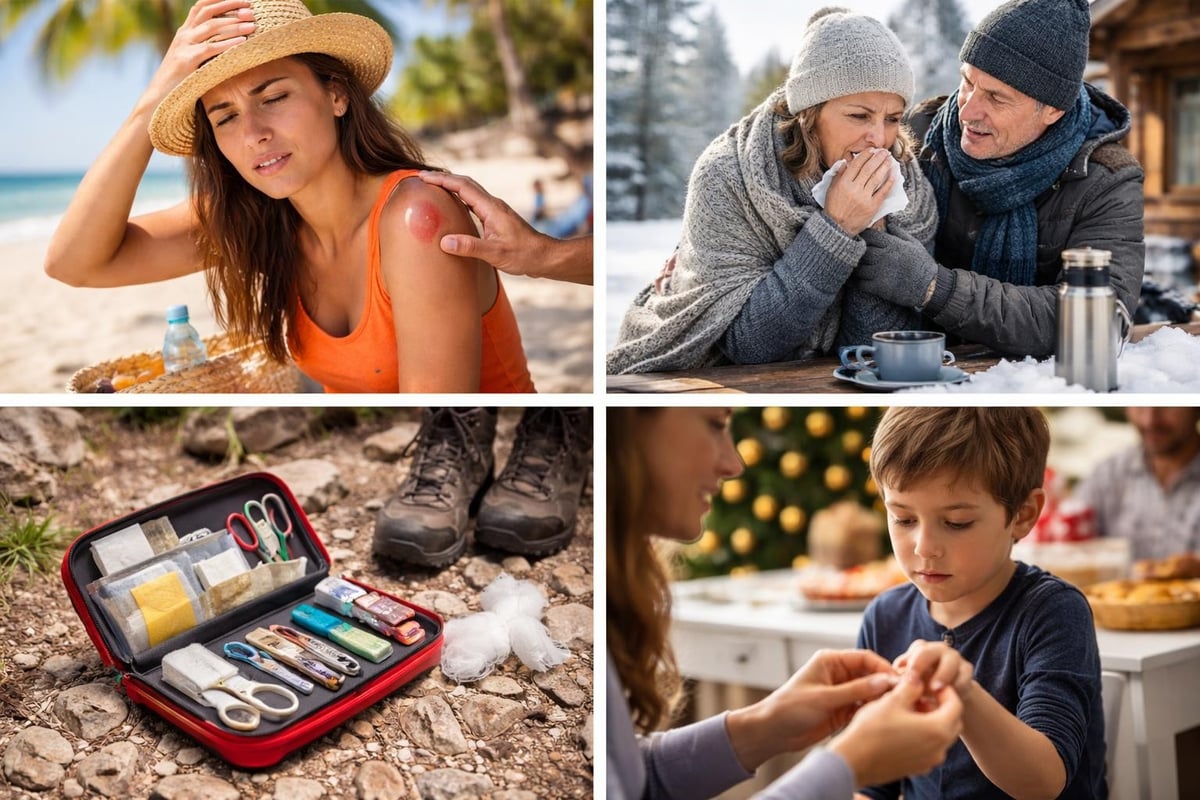
- Sunburn and heat-related illness during warm-weather destinations
- Respiratory infections from airplane travel and crowded holiday gatherings
- Allergic reactions to new foods, plants, or environmental allergens
- Motion sickness during extended travel periods
Temperature extremes present additional challenges. Winter holiday travelers face frostbite risks, dry skin, and cold-related injuries, while summer vacationers deal with dehydration, insect bites, and heat exhaustion. Your first aid kit for holidays must account for seasonal variations based on your destination climate.
Core Components Every Holiday Kit Requires
Building an effective first aid kit for holidays starts with essential supplies that address the most frequent medical situations. These foundational items form the backbone of your preparedness strategy, regardless of destination or travel duration.
Wound Care Essentials
Proper wound management prevents infections and complications that could derail your holiday plans. Stock your kit with multiple sizes of adhesive bandages, sterile gauze pads, medical tape, and antiseptic wipes. Include triangle bandages for securing dressings and supporting sprains. For those interested in advanced wound care techniques, proper supplies make all the difference in treatment outcomes.
Advanced trauma supplies deserve consideration for remote destinations or adventure travel. Hemostatic gauze controls severe bleeding when standard pressure fails. Elastic bandages provide compression for sprains and strains, while sterile saline solution flushes debris from wounds effectively.
Medication Arsenal
| Medication Category | Specific Items | Primary Uses |
|---|---|---|
| Pain Relief | Acetaminophen, Ibuprofen | Headaches, fever, minor pain |
| Digestive | Antacids, anti-diarrheal, laxatives | Stomach upset, constipation |
| Allergy | Antihistamines, hydrocortisone cream | Allergic reactions, rashes |
| Respiratory | Decongestants, cough suppressants | Cold symptoms, sinus issues |
| Topical | Antibiotic ointment, burn gel | Wound care, minor burns |
Columbia School of Nursing emphasizes that prescription medications should be packed in original containers with enough supply for the entire trip plus several extra days. Carry documentation for controlled substances when crossing international borders.
Destination-Specific Customization Strategies
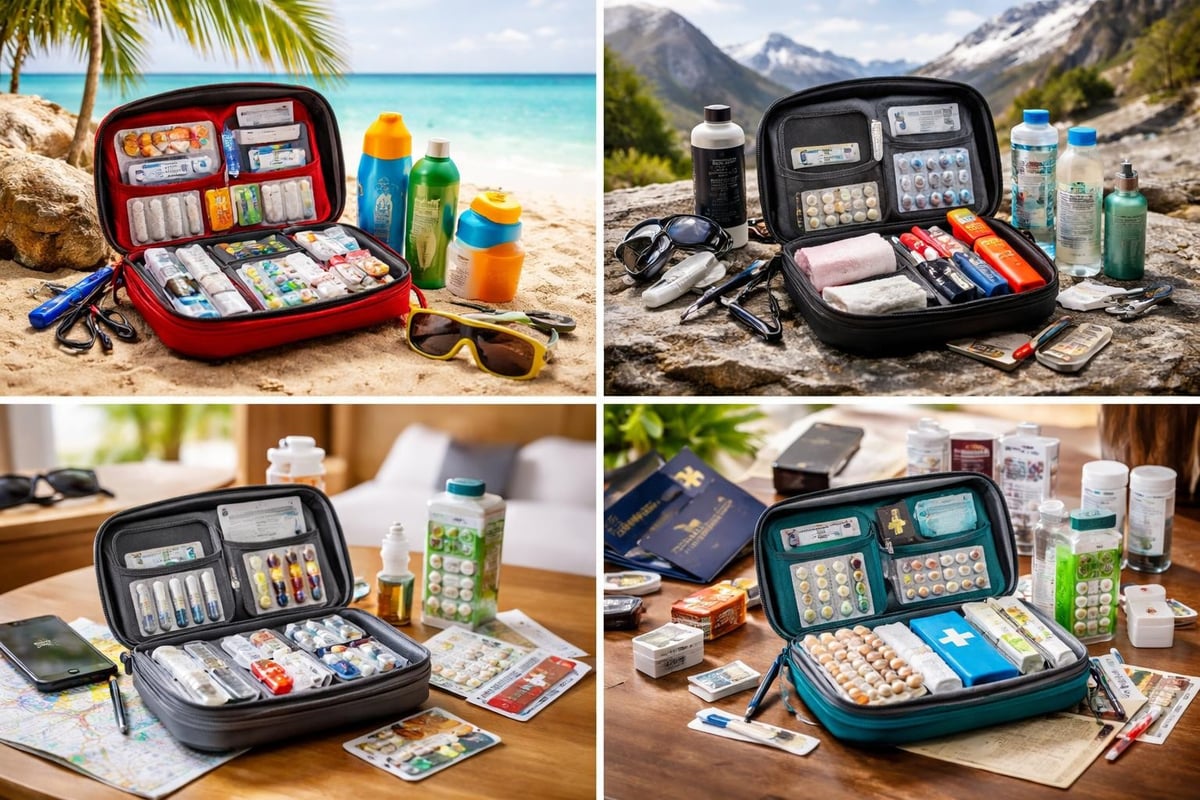
Generic first aid kits provide baseline protection, but optimizing your first aid kit for holidays requires tailoring supplies to your specific destination and planned activities. Environmental factors, available medical infrastructure, and activity level all influence what you should pack.
Beach and Coastal Destinations
Tropical and beach holidays introduce unique medical challenges requiring specialized supplies. Include reef-safe sunscreen with high SPF ratings, after-sun lotion containing aloe, and jellyfish sting treatment. Water shoes prevent cuts from sharp coral or shells, while waterproof bandages maintain protection during aquatic activities. Pack oral rehydration salts to combat dehydration from heat and sun exposure.
Marine environments also increase infection risks. Antiseptic solutions specifically designed for saltwater exposure help prevent complications from minor cuts and scrapes sustained in ocean environments.
Mountain and Wilderness Adventures
Remote outdoor activities demand more comprehensive medical preparation than urban travel. The American Red Cross camping first aid kit checklist provides excellent guidance for wilderness preparation, emphasizing supplies for extended periods without professional medical access.
Essential wilderness additions include:
- Blister prevention and treatment with moleskin and specialized blister bandages
- Altitude sickness medication for high-elevation destinations
- Tick removal tools and insect repellent containing DEET
- Emergency blanket for hypothermia prevention
- Splinting materials for fracture stabilization
- Snake bite kit for regions with venomous reptiles
Those planning extended backcountry trips should explore comprehensive camping first aid solutions that address multi-day wilderness scenarios.
International Travel Considerations
Crossing borders introduces regulatory and health considerations beyond domestic travel. Research destination-specific health risks including endemic diseases, required vaccinations, and water safety issues. Pack water purification tablets for areas with questionable water quality. Include insect repellent and antimalarial medication for tropical regions with mosquito-borne illness risks.
Language barriers complicate medical emergencies abroad. Create a medical information card in your destination's language listing allergies, chronic conditions, current medications, and emergency contacts. Digital translation apps help communicate symptoms when seeking local medical care.
Organizing and Packing Your Holiday Medical Kit
Effective organization transforms a collection of supplies into a functional emergency response system. Proper packing ensures quick access during stressful situations when seconds matter. Choose a water-resistant container with clear compartments that prevent supplies from shifting during transport.
Strategic Compartmentalization
Group supplies by purpose rather than size. Dedicate separate sections to wound care, medications, tools, and personal items. Use clear, labeled bags for medication categories so family members can locate needed items without sorting through the entire kit. This organization proves invaluable during night-time emergencies or high-stress situations.
Critical items deserve prime placement in easily accessible pockets:
- Adhesive bandages for minor cuts
- Pain relievers for headaches
- Anti-diarrheal medication
- Antihistamines for allergic reactions
- Digital thermometer
- Disposable gloves
Temperature-sensitive medications require special consideration. Insulin, epinephrine auto-injectors, and certain antibiotics deteriorate in extreme heat. Use insulated pouches or small coolers for these items during summer travel.
Size and Weight Considerations
Your first aid kit for holidays should balance comprehensiveness with portability. Air travelers face strict liquid restrictions requiring travel-sized containers for ointments and solutions. Checked baggage accommodates larger kits, while carry-on limitations demand compact alternatives. For extended trips, consider shipping supplies to your destination rather than transporting everything during travel.
| Trip Duration | Kit Size | Key Considerations |
|---|---|---|
| Weekend (2-3 days) | Compact pouch | Basics only, rely on local pharmacies |
| Week-long | Medium bag | Full range of common supplies |
| Extended (2+ weeks) | Large kit | Comprehensive supplies, resupply options |
| International | Variable | Destination medical infrastructure |
Training and Knowledge Components
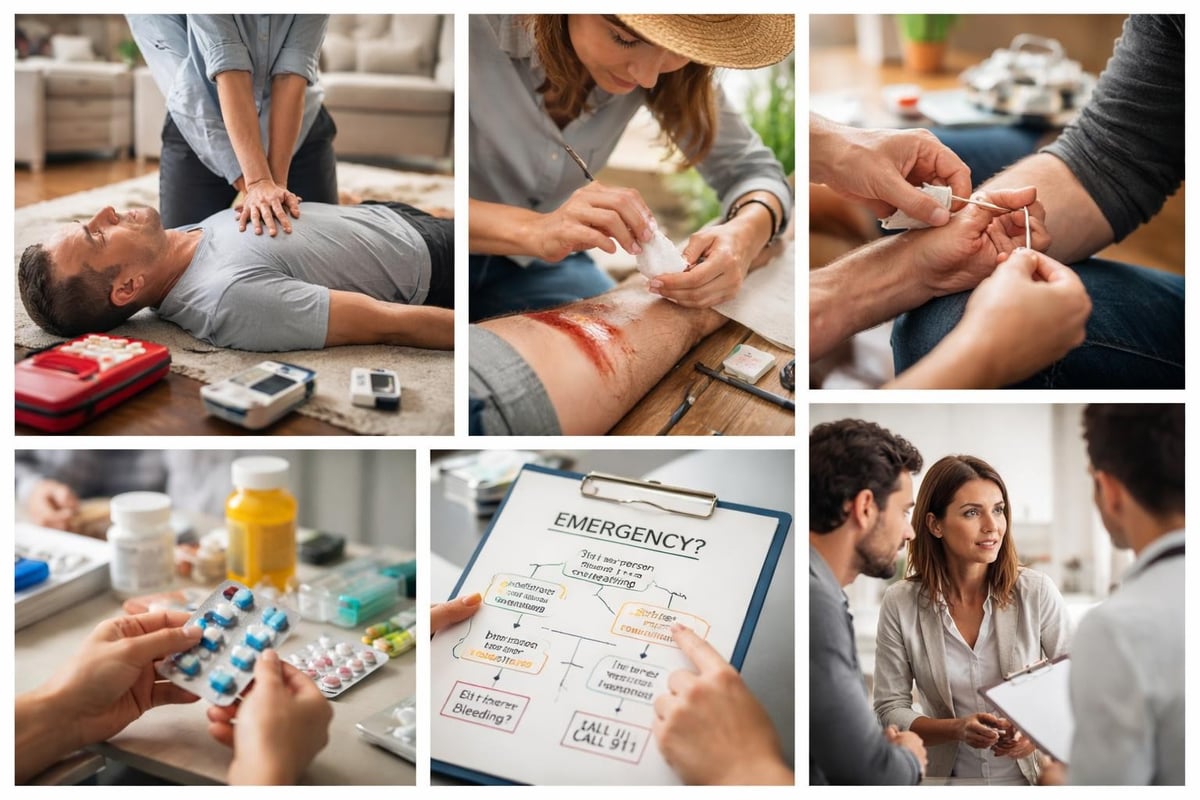
Physical supplies represent only half of effective emergency preparedness. Understanding how to use your first aid kit for holidays properly determines whether supplies save lives or gather dust. Basic first aid training transforms ordinary travelers into capable first responders during medical emergencies.
Essential Skills for Holiday Travelers
CPR and AED certification provides foundational life-saving skills applicable across countless emergency scenarios. Modern CPR courses typically require only a few hours and include hands-on practice with realistic mannequins. Certification through recognized organizations like the American Heart Association or Red Cross ensures current, evidence-based techniques.
Wound management training covers proper cleaning techniques, infection prevention, and when to seek professional care. Understanding the difference between wounds requiring simple bandaging versus those needing emergency room attention prevents dangerous delays in treatment. For those interested in building comprehensive medical skills, exploring resources on building vehicle first aid kits provides practical knowledge applicable to holiday scenarios.
Documentation and Emergency Information
Comprehensive medical documentation accelerates treatment during emergencies. Compile a medical information sheet for each family member including:
- Current medications with dosages
- Known allergies (medications, foods, environmental)
- Chronic medical conditions
- Recent surgeries or hospitalizations
- Emergency contact information
- Primary care physician details
- Health insurance policy numbers
Store digital copies in cloud storage and carry physical copies in your first aid kit for holidays. Include copies of prescription documentation for controlled medications to prevent customs issues during international travel.
Maintenance and Replacement Protocols
Even the most thoughtfully assembled first aid kit for holidays loses effectiveness without proper maintenance. Regular inspections ensure supplies remain functional and current when emergencies arise. Establish a review schedule checking kits before each trip and quarterly for stored kits.
Expiration Date Management
Medications and sterile supplies degrade over time, reducing effectiveness or becoming potentially harmful. Check expiration dates on all medications, ointments, and sealed sterile items every three months. Replace expired items immediately rather than waiting for your next trip. Create a simple spreadsheet tracking expiration dates if managing multiple kits for different purposes.
Rotating stock ensures fresh supplies. Use soon-to-expire medications in your home medicine cabinet before replacing kit contents. This practice prevents waste while maintaining optimal kit readiness. Subscribe to resupply services that automatically ship replacement items on regular schedules, eliminating the need to remember maintenance tasks.
Post-Trip Replenishment
After returning from holiday travel, immediately inventory your first aid kit for holidays and replace used items. Waiting until the next trip creates gaps in preparedness when unexpected emergencies occur. Replenishment presents an opportunity to evaluate kit effectiveness. Did certain supplies prove unnecessary? Were critical items missing? Adjust your standard packing list based on real-world experience.
Consider factors like climate exposure during trips. Adhesives degrade faster in humid environments, while extreme temperatures affect medication stability. Replace questionable items even if technically unexpired when quality concerns exist.
Budget-Friendly Assembly Approaches
Quality medical preparedness doesn't require unlimited budgets. Strategic purchasing and phased assembly make comprehensive first aid kits for holidays accessible at various price points. Start with essential items addressing the most common medical situations, then expand capabilities over time.
Purchasing Strategies That Maximize Value
Generic medications provide identical active ingredients to brand-name versions at significantly reduced costs. Compare active ingredients rather than brand names when selecting over-the-counter medications. Purchase larger quantities during sales, then divide supplies across multiple kits for home, vehicle, and travel use.
Bulk purchasing through medical supply companies offers substantial savings compared to retail pharmacy prices. Many online retailers provide quantity discounts on items like bandages, gauze, and medical tape. For comprehensive solutions, exploring subscription services provides regular resupply at reduced rates while ensuring kit currency.
| Item Category | Retail Cost | Bulk Purchase | Savings |
|---|---|---|---|
| Adhesive bandages (100 ct) | $8-10 | $4-5 | 50% |
| Gauze pads (25 ct) | $6-8 | $3-4 | 45% |
| Medical tape | $4-5 | $2-3 | 40% |
| Antiseptic wipes (50 ct) | $5-7 | $2-3 | 55% |
Phased Assembly Timeline
Building a comprehensive first aid kit for holidays over several months distributes costs while ensuring steady progress toward complete preparedness. Month one focuses on basic wound care supplies and common medications. Month two adds specialized items for your typical travel destinations. Month three incorporates advanced supplies and training materials.
This approach allows budget flexibility while maintaining functional emergency preparedness at each stage. Even basic kits address most common holiday medical situations, with each addition expanding capabilities for less frequent scenarios.
Regulatory Compliance and Travel Restrictions
Understanding transportation regulations prevents confiscation of medical supplies and travel delays. Security screening procedures, international customs requirements, and airline policies all impact what you can legally transport in your first aid kit for holidays.
Air Travel Regulations
TSA liquid restrictions limit carry-on containers to 3.4 ounces, affecting ointments, gels, and solutions. Pack larger quantities in checked baggage or purchase travel-sized versions for carry-on kits. Certain items like scissors and razor blades require specific dimensions to pass security screening. Choose trauma shears with blades under 4 inches or pack cutting tools in checked luggage.
Medication documentation prevents complications during security screening. Prescription medications should remain in original pharmacy containers with legible labels showing patient names and prescribing physicians. Carry doctor's letters for injectable medications, medical devices, or large quantities of any substance. According to Healthy Me PA's holiday first aid guidance, proper documentation streamlines security processes while ensuring you have necessary medical supplies throughout your journey.
International Border Crossing Considerations
Different countries maintain varying regulations regarding medication importation. Research destination laws before traveling, particularly for controlled substances or prescription medications. Some countries prohibit certain over-the-counter medications legal in the United States. Others require specific documentation or limit quantities travelers can import.
Declare all medications when completing customs forms. Failure to declare can result in serious legal consequences including confiscation, fines, or arrest. When in doubt, contact the destination country's embassy or consulate for clarification on specific medications or medical supplies.
Special Population Considerations
Different travelers require customized approaches to holiday medical preparedness. Children, elderly individuals, and those with chronic conditions need specialized supplies beyond standard first aid kit for holidays contents. Understanding these unique requirements ensures comprehensive family protection.
Pediatric-Specific Additions
Children require age-appropriate medications and specialized supplies. Include child-safe thermometer covers, pediatric pain relievers dosed by weight, and flavored oral rehydration solutions. Pack extra bandages featuring favorite characters to reduce anxiety around minor injuries. Bring copies of immunization records, particularly for international travel where proof of vaccination may be required.
Special considerations for infants include diaper rash cream, teething gel, and saline nose drops for congestion. Research destination facilities for purchasing formula, diapers, and baby food if these items prove impractical to transport in sufficient quantities.
Chronic Condition Management
Travelers managing diabetes, asthma, severe allergies, or heart conditions need comprehensive medication backup plans. Pack double the normal supply of prescription medications, divided between carry-on and checked luggage. This redundancy protects against lost baggage or unexpected trip extensions. Include blood glucose monitoring supplies, extra inhalers, or additional epinephrine auto-injectors based on specific conditions.
Medical alert bracelets communicate critical health information during emergencies when patients cannot speak for themselves. Ensure all family members with serious medical conditions wear clearly labeled identification at all times during travel.
Kit Evaluation and Real-World Testing
Theoretical preparedness differs significantly from practical effectiveness. Testing your first aid kit for holidays during low-stakes situations reveals gaps before genuine emergencies occur. Practice scenarios build familiarity with supply locations and proper usage techniques.
Conducting Practice Drills
Schedule family first aid practice sessions simulating common holiday medical scenarios. Practice wound cleaning and bandaging on minor scrapes. Review medication dosing for different age groups. Time how quickly you can locate specific supplies within your kit. These exercises identify organizational weaknesses and training gaps while building confidence in emergency response capabilities.
Scenario-based training proves more effective than simply reviewing supplies. Create realistic situations like treating a cooking burn, managing a twisted ankle, or responding to allergic reactions. This practical experience transforms abstract knowledge into muscle memory that functions during actual emergencies.
Feedback and Continuous Improvement
After each trip, conduct a brief review session discussing kit performance. What worked well? What supplies were missing? Did organization facilitate quick access? Document lessons learned and implement improvements before the next journey. This continuous refinement process creates increasingly effective emergency preparedness tailored to your specific travel patterns and family needs.
Consider keeping a small notebook in your kit documenting each use with date, situation, and supplies consumed. This log reveals usage patterns helping optimize future kit configurations. Frequent headache medication use might indicate the need for larger quantities, while untouched items might be eliminated to reduce weight.
Holiday travel brings joy and memorable experiences, but medical preparedness ensures minor health issues don't derail your plans. A well-designed first aid kit for holidays addresses common ailments while providing peace of mind throughout your journey. Whether you're assembling your first travel medical kit or upgrading existing supplies, having the right equipment and knowledge transforms potential emergencies into manageable situations. Medical Gear Outfitters combines paramedic expertise with comprehensive product selection, offering high-quality first aid supplies backed by professional knowledge to help you build the perfect holiday emergency kit for your family's specific needs.

