EMT Stores: Complete Guide to Medical Supply Retailers
Emergency Medical Technicians require specialized equipment that meets rigorous standards for performance, durability, and reliability in critical situations. EMT stores serve as essential suppliers for both professional first responders and civilians who want to be prepared for emergency situations. These specialized retailers stock everything from basic first aid supplies to advanced trauma equipment, creating a vital link between manufacturers and those who need life-saving gear. Understanding what emt stores offer, how they operate, and what to look for when selecting a supplier can make the difference between being adequately prepared and being caught without essential equipment during an emergency.
What EMT Stores Provide Beyond Basic Supplies
EMT stores differentiate themselves from general medical supply retailers through their specialized focus on emergency response equipment. These establishments curate products specifically designed for pre-hospital care, where durability, portability, and rapid deployment are critical factors. The inventory at professional emt stores includes diagnostic equipment, trauma supplies, patient transport gear, and protective equipment tailored to the unique challenges emergency responders face daily.
The knowledge base at quality emt stores often comes from real-world experience. Many successful retailers are operated by current or former emergency medical professionals who understand the practical demands of field medicine. This expertise translates into better product selection, more relevant advice, and a deeper understanding of what equipment performs reliably under pressure. When you shop at The EMS Superstore, you'll find this professional-grade approach to equipment curation and customer guidance.
Essential Product Categories
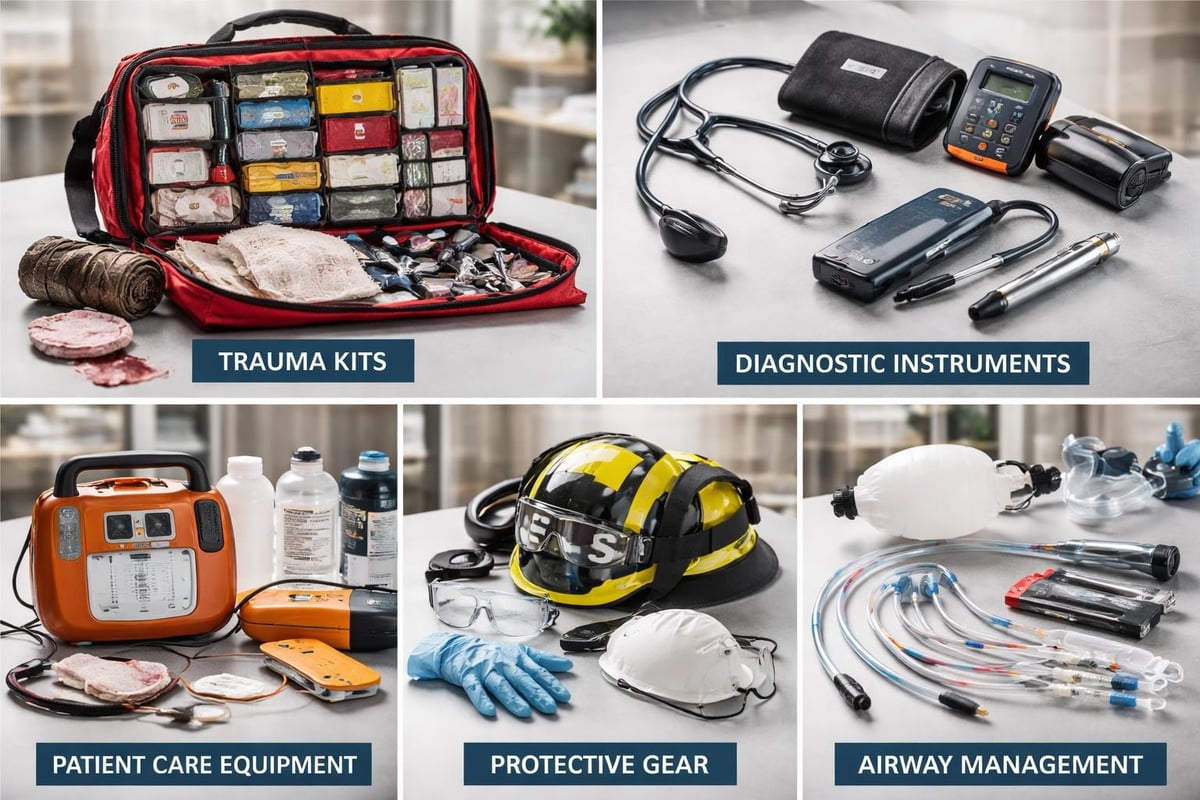
Professional emt stores organize their inventory into clearly defined categories that mirror emergency response priorities. This systematic approach helps both seasoned professionals and newcomers quickly locate what they need.
Trauma and Hemorrhage Control:
- Tourniquets designed for rapid application
- Hemostatic agents for severe bleeding
- Chest seals for penetrating injuries
- Pressure bandages and Israeli bandages
- Trauma shears and cutting tools
Airway and Breathing Equipment:
- Bag valve masks in various sizes
- Oxygen delivery systems
- Airway adjuncts and suction devices
- Pulse oximeters and respiratory monitoring
- Emergency cricothyrotomy kits
Diagnostic and Monitoring Tools:
- Stethoscopes built for noisy environments
- Blood pressure cuffs and sphygmomanometers
- Thermometers for rapid temperature assessment
- Glucometers and testing supplies
- Portable ECG devices
The complete kits section at Medical Gear Outfitters demonstrates how these individual components come together in pre-assembled packages designed for specific emergency scenarios.
Choosing the Right EMT Store for Your Needs
Not all emt stores operate with the same philosophy or serve the same customer base. Selecting the right supplier requires evaluating several critical factors that affect both product quality and overall value. Professional responders often have different priorities than civilian first responders, though both groups need reliable equipment that performs when lives are on the line.
Evaluating Product Quality and Standards
The best emt stores stock equipment that meets or exceeds industry standards established by organizations like the National Association of Emergency Medical Technicians and similar regulatory bodies. Products should comply with FDA regulations where applicable, and manufacturers should provide clear documentation about materials, testing procedures, and performance specifications.
| Quality Indicator | What to Look For | Why It Matters |
|---|---|---|
| Certification | FDA approval, ISO standards, NREMT compliance | Ensures products meet regulatory requirements |
| Manufacturer Reputation | Established brands with emergency services contracts | Indicates proven field performance |
| Warranty Coverage | Clear replacement or repair policies | Protects your investment in critical equipment |
| Expiration Dating | Clear labeling on sterile and time-sensitive items | Prevents use of compromised supplies |
| Testing Documentation | Published performance data and clinical studies | Validates manufacturer claims |
The diagnostic equipment available through ASA TECHMED exemplifies the precision and durability standards that separate professional-grade equipment from consumer alternatives.
Professional Knowledge and Customer Support
Superior emt stores employ staff who understand emergency medicine and can provide informed guidance on equipment selection. This expertise becomes particularly valuable when choosing between similar products or configuring custom kits for specific response scenarios. Staff should be able to explain the practical differences between products, recommend configurations based on your skill level and anticipated use cases, and provide ongoing support as your needs evolve.
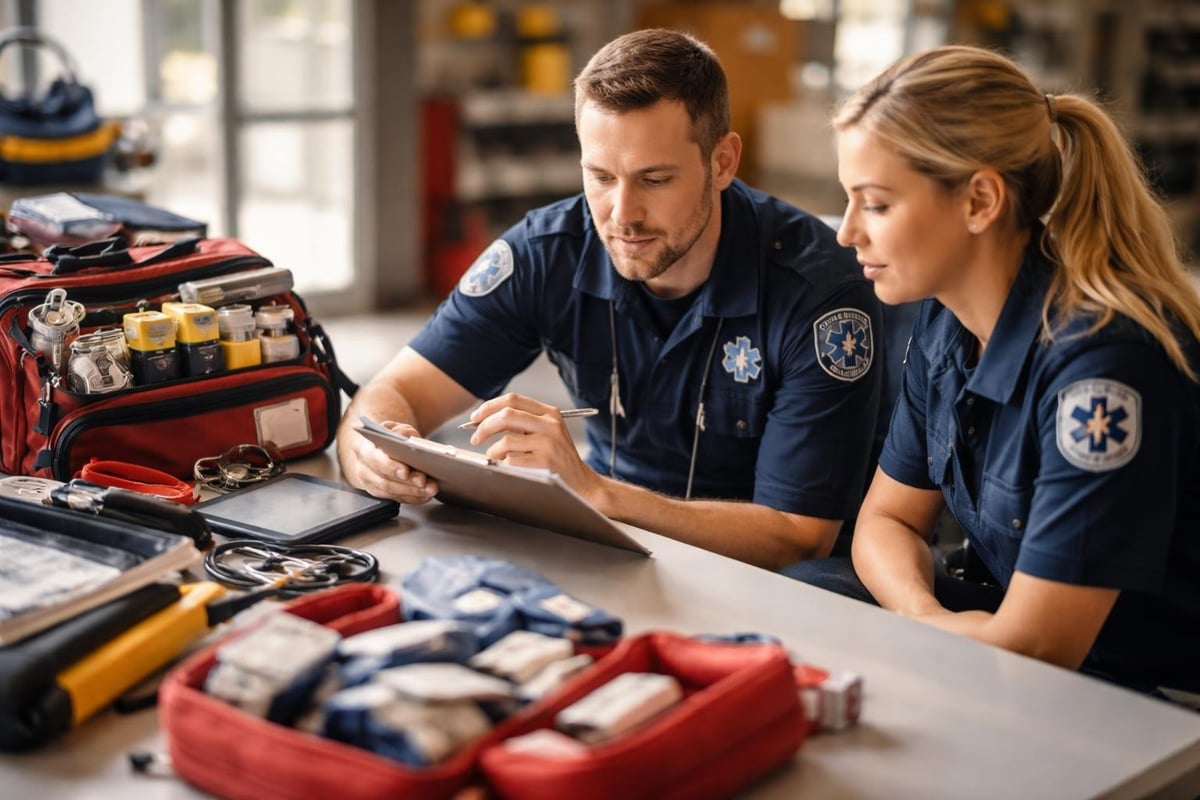
Many emt stores also provide training resources, either directly or through partnerships with certification organizations. The National Registry of Emergency Medical Technicians store connects equipment purchases with educational materials and certification resources, creating a comprehensive ecosystem for emergency responder development.
Building Your First Emergency Response Kit
First-time purchasers at emt stores often feel overwhelmed by the range of available products. Starting with a systematic approach ensures you acquire essential items first while building toward more comprehensive capabilities over time. Your initial purchases should focus on high-frequency, high-impact interventions that address the most common and serious emergencies.
Core Components Every Kit Needs
Begin with supplies that address severe bleeding, airway compromise, and cardiac emergencies. These three categories represent the most time-sensitive threats to life in pre-hospital settings. A well-stocked trauma kit should include multiple options for hemorrhage control, since bleeding injuries can occur in various locations and severity levels.
Priority One: Hemorrhage Control
- At least two combat application tourniquets
- Hemostatic gauze (minimum two packages)
- Pressure bandages in multiple sizes
- Chest seals for both entry and exit wounds
- Standard gauze rolls and pads
Priority Two: Airway Management
- Nasopharyngeal airways in varied sizes
- Pocket mask or bag valve mask
- Manual suction device
- Emergency airway kit
- Oxygen delivery system if trained
Priority Three: Patient Assessment
- Quality stethoscope
- Blood pressure cuff
- Penlight or diagnostic light
- Trauma shears
- Medical gloves (multiple sizes)
The first responder kits available from experienced suppliers like Medical Gear Outfitters provide these essentials in pre-configured packages that ensure compatibility and completeness.
Customizing for Specific Environments
Generic kits from emt stores serve as excellent starting points, but customization ensures your equipment matches your actual operating environment. Urban responders face different challenges than wilderness medics, while industrial settings present unique hazards that require specialized equipment. Consider factors like ambient temperature extremes, potential for extended transport times, availability of backup resources, and the specific injury patterns likely in your environment.
Advanced Equipment and Specialized Supplies
As your capabilities grow, emt stores offer increasingly sophisticated equipment that expands your intervention options. Advanced supplies require corresponding training and should only be added to your kit after achieving competency through formal education and practice. The progression from basic to advanced care mirrors the certification levels in emergency medical services, with each tier adding new intervention capabilities.
Diagnostic and Monitoring Devices
Modern emt stores stock an impressive array of monitoring equipment that brings hospital-level diagnostics to field settings. Portable ultrasound devices now allow visualization of internal injuries, while advanced cardiac monitors provide 12-lead ECG capabilities in compact packages. Blood analysis tools can assess glucose, lactate, and other critical values that inform treatment decisions.
When selecting advanced diagnostic equipment, consider factors beyond mere capability. Battery life becomes critical during extended operations, while durability determines whether devices survive the rough handling inherent in emergency response. All Hands Fire Equipment's EMS section showcases professional-grade monitoring devices built to withstand field conditions while delivering reliable performance.
Medication Administration Systems
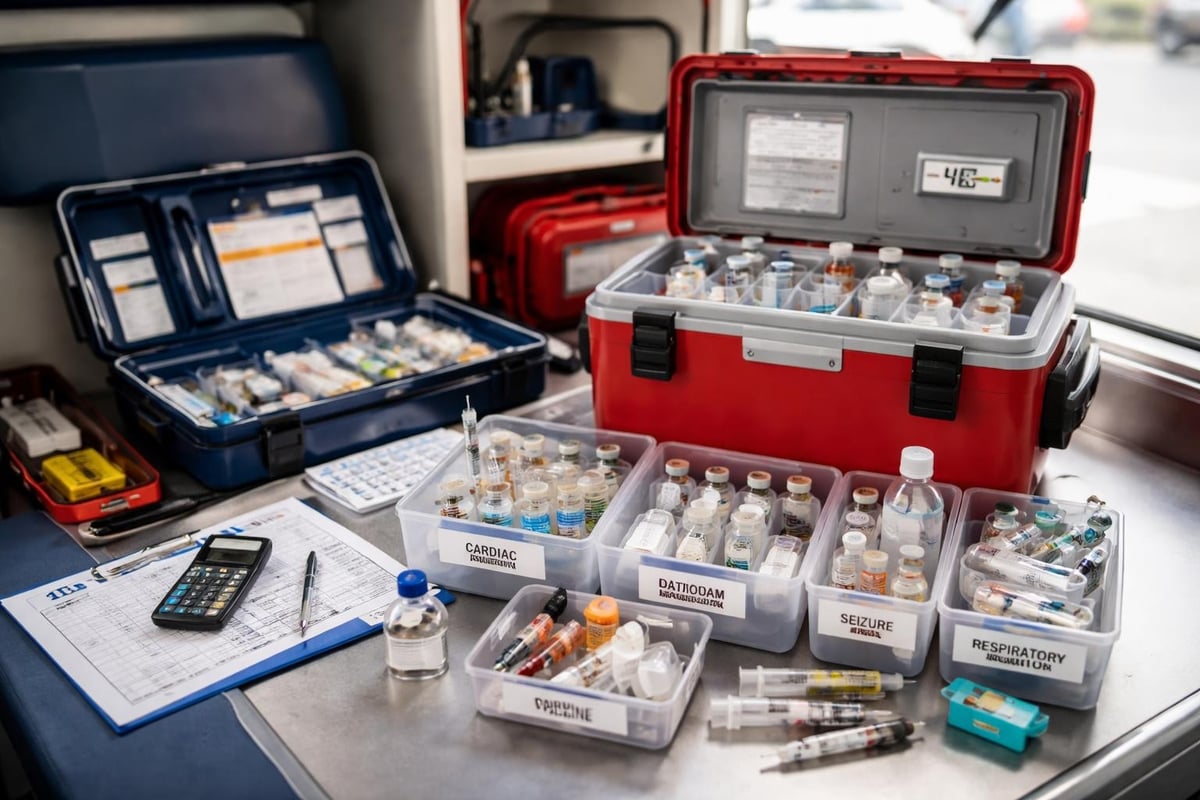
EMT stores serving paramedics and advanced providers stock sophisticated medication administration equipment including automated drug calculators, precision dosing systems, and temperature-controlled medication storage. These systems ensure accurate, safe delivery of time-sensitive interventions while maintaining pharmaceutical integrity in varying environmental conditions.
Budget Strategies for Equipment Acquisition
Quality emergency equipment represents a significant investment, but strategic purchasing through emt stores can maximize value while maintaining high standards. Professional responders often face budget constraints that require creative approaches to building comprehensive capabilities over time. Understanding pricing structures, bulk purchasing options, and equipment lifecycle management helps stretch limited resources further.
Comparing Retail and Wholesale Options
Individual purchases at retail pricing work well for occasional replacement needs but become inefficient for larger acquisitions. Many emt stores offer tiered pricing based on purchase volume or professional credentials, with significant discounts available to verified emergency services personnel and organizations. Government agencies and non-profit organizations may qualify for additional savings through established contract pricing.
| Purchase Strategy | Best For | Typical Savings | Considerations |
|---|---|---|---|
| Retail Individual | Personal kits, replacements | Standard pricing | Immediate availability |
| Professional Discount | Certified responders | 10-25% off retail | Verification required |
| Bulk Ordering | Organizations, departments | 20-40% off retail | Minimum quantities apply |
| Contract Pricing | Government agencies | 30-50% off retail | Competitive bidding process |
| Clearance/Closeout | Budget-conscious buyers | 40-70% off retail | Limited selection, check dates |
The bulk items section at Medical Gear Outfitters demonstrates how volume purchasing reduces per-unit costs while ensuring consistent supply availability.
Prioritizing Expenditures Based on Risk
Smart shoppers at emt stores allocate their budgets according to statistical likelihood and potential impact of various emergencies. Trauma supplies addressing hemorrhage deserve priority funding since severe bleeding represents the leading cause of preventable death in emergency situations. Conversely, equipment for rare conditions can be acquired gradually as resources permit.
Maintenance and Replacement Planning
Purchasing from emt stores represents only the beginning of equipment ownership. Proper maintenance, regular inspection, and timely replacement ensure your supplies remain ready when needed. Developing systematic approaches to inventory management prevents the dangerous situation of discovering expired or damaged equipment during an actual emergency.
Establishing Inspection Schedules
Create regular inspection routines that examine both individual items and complete kits. Monthly checks should verify that consumable items remain within their expiration dates, sealed packages maintain integrity, and mechanical devices function properly. Quarterly reviews provide opportunities for more thorough testing of complex equipment like monitors and suction devices, while annual assessments evaluate whether your overall kit configuration still matches your needs and capabilities.
Monthly Inspection Checklist:
- Verify all expiration dates on medications and sterile supplies
- Check seal integrity on packaged items
- Test battery-powered devices
- Confirm all items remain in assigned locations
- Replace any used or missing components
- Document inspection completion
Quarterly Deep Inspection:
- Function test all mechanical devices
- Clean and disinfect reusable equipment
- Verify calibration on diagnostic instruments
- Review and update kit contents based on new protocols
- Train or retrain on any unfamiliar equipment
The components section at specialized suppliers makes restocking individual items straightforward, allowing you to maintain kit integrity without replacing entire assemblies.
Tracking Expiration Dates and Lot Numbers
Professional emt stores provide detailed product information including manufacturing dates, lot numbers, and expiration timelines. Recording this information creates accountability and enables rapid response if manufacturers issue recalls or safety notices. Digital inventory systems simplify tracking, but even basic spreadsheets significantly improve oversight compared to no documentation.
Training Resources and Continuing Education
The most sophisticated equipment available from emt stores delivers no benefit without corresponding knowledge and skill. Responsible suppliers recognize this reality and often provide or facilitate access to training resources that help customers maximize their equipment investments. Education should be viewed as inseparable from equipment acquisition, with ongoing skill development paralleling expanding equipment capabilities.
Certification Levels and Equipment Privileges
Different emergency medical certification levels authorize different interventions, and emt stores help customers match their purchases to their scope of practice. Emergency Medical Responders work within more limited protocols than Emergency Medical Technicians, who in turn have fewer privileges than Advanced EMTs and Paramedics. Purchasing equipment beyond your certification level wastes resources and potentially creates legal liability if used inappropriately.
Quality training programs emphasize hands-on practice with the specific equipment you'll use in real emergencies. Darley's emergency medical supplies division offers equipment specifically designed for training environments, allowing realistic practice without consuming operational supplies.
Staying Current With Evolving Protocols
Emergency medicine constantly evolves as research reveals better treatment approaches and new technologies emerge. Relationships with knowledgeable emt stores help you stay informed about protocol changes that affect equipment needs. Suppliers who serve professional emergency services maintain awareness of these developments and can advise when your current equipment requires updates or replacement to align with current standards.
Online Versus Physical Store Shopping
The retail landscape for emt stores includes both traditional brick-and-mortar locations and online retailers, each offering distinct advantages. Physical stores enable hands-on evaluation of products before purchase, while online retailers often provide broader selection and more competitive pricing. Many successful suppliers now operate hybrid models that combine convenient online ordering with physical locations for customer interaction and equipment fitting.
Advantages of Online EMT Stores
Online emt stores excel at offering extensive inventory without the physical space limitations of traditional stores. Detailed product descriptions, high-resolution images, and customer reviews provide information that helps informed decision-making. Competitive pricing emerges from lower overhead costs, and 24/7 shopping convenience accommodates the irregular schedules common among emergency responders.
Digital platforms also facilitate comparison shopping across multiple suppliers simultaneously. Rather than visiting several physical locations, you can evaluate options from specialized retailers and compare specifications, pricing, and availability within minutes. This efficiency becomes particularly valuable when researching unfamiliar product categories or seeking specialized equipment.
Benefits of Physical Store Interactions
Despite online convenience, physical emt stores offer irreplaceable benefits for certain purchases. Trying on equipment like duty belts, load-bearing vests, or boots ensures proper fit before committing to purchase. Complex equipment benefits from in-person demonstrations that clarify operation and reveal features not obvious from written descriptions. Building relationships with knowledgeable staff creates ongoing resources for questions and advice that extend well beyond individual transactions.
Emerging Trends in Emergency Medical Equipment
Innovation continues reshaping what emt stores stock and what capabilities become available to field providers. Understanding emerging trends helps you anticipate future equipment needs and make purchasing decisions that maintain relevance as technology advances. The emergency medical equipment industry shows particularly rapid development in areas like telemedicine integration, automated treatment devices, and lightweight materials that reduce the physical burden of comprehensive equipment sets.
Technology Integration and Smart Devices
Modern equipment increasingly incorporates connectivity features that enable real-time data sharing with receiving hospitals, automated documentation, and decision support systems. Smart monitors can transmit vital signs directly to emergency departments, giving hospital teams critical information before patient arrival. Automated external defibrillators now provide CPR coaching and transmit event data for quality improvement review. These technological advances don't replace provider skill but augment human capabilities with data processing and communication functions.
Lightweight and Compact Solutions
Weight and volume constraints limit what emergency responders can carry, making equipment miniaturization particularly valuable. Recent innovations have produced tourniquet designs that pack smaller while maintaining effectiveness, hemostatic agents with improved performance in smaller quantities, and diagnostic devices that weigh ounces rather than pounds. These advances allow more comprehensive capabilities within existing carry capacity or reduce the physical burden of equivalent equipment sets.
Building Relationships With Reliable Suppliers
Long-term success in emergency preparedness depends partly on developing productive relationships with dependable emt stores. Rather than constantly seeking the absolute lowest price on every purchase, many experienced responders identify suppliers who consistently deliver value through product quality, knowledgeable support, and reliable service. These relationships create mutual benefits as suppliers better understand your needs and you gain trusted advisors for equipment decisions.
Evaluating Supplier Reliability
Assess potential suppliers across multiple dimensions beyond product pricing. Shipping speed and accuracy affect whether equipment arrives when needed, while return policies determine how easily you can correct ordering mistakes or address defective products. Customer service responsiveness becomes critical when you need quick answers about compatibility, operation, or availability. Suppliers who maintain consistent stock levels prevent frustrating situations where needed items suddenly become unavailable.
Key Supplier Evaluation Criteria:
- Product selection breadth and depth
- Pricing competitiveness and discount structures
- Shipping speed, costs, and reliability
- Return and exchange policies
- Customer service accessibility and knowledge
- Stock availability and backorder management
- Educational resources and training support
- Industry reputation and customer reviews
The paramedic-owned operation at Medical Gear Outfitters exemplifies how supplier backgrounds influence the shopping experience, with real-world emergency response experience informing product selection and customer guidance.
Specialized Equipment for Unique Situations
While most emt stores focus on general emergency response equipment, some situations demand specialized gear that addresses specific hazards or patient populations. Wilderness medicine requires equipment that functions in remote settings without infrastructure support, while tactical medicine addresses the unique challenges of providing care under hostile conditions. Pediatric emergencies need appropriately sized equipment since adult-sized devices often prove ineffective or dangerous for children.
Wilderness and Remote Area Equipment
Extended response times and resource scarcity characterize wilderness emergencies, requiring equipment selections that prioritize versatility, durability, and weight efficiency. Wilderness medicine kits emphasize supplies for wound management, environmental emergencies, and patient stabilization during prolonged evacuations. The camping first aid kit considerations discussed in specialized resources address these unique requirements.
Tactical and Hostile Environment Gear
Tactical EMTs face the additional challenge of delivering care while threats remain active. Equipment must allow rapid intervention under less-than-ideal conditions, often with the provider wearing body armor and operating in unconventional positions. Low-profile carry systems keep equipment accessible without impeding movement, while ballistic protection for medical supplies prevents damage from projectiles and fragmentation.
Selecting the right emt stores and building comprehensive emergency equipment capabilities requires balancing immediate needs against long-term goals while maintaining focus on proven quality and reliability. Whether you're a professional emergency responder or a civilian committed to emergency preparedness, the guidance and equipment available from knowledgeable suppliers forms the foundation of effective response capabilities. Medical Gear Outfitters combines paramedic expertise with comprehensive product selection to help you build the capabilities necessary to serve as an effective first responder when emergencies strike, offering both the equipment and knowledge required for successful emergency intervention.

