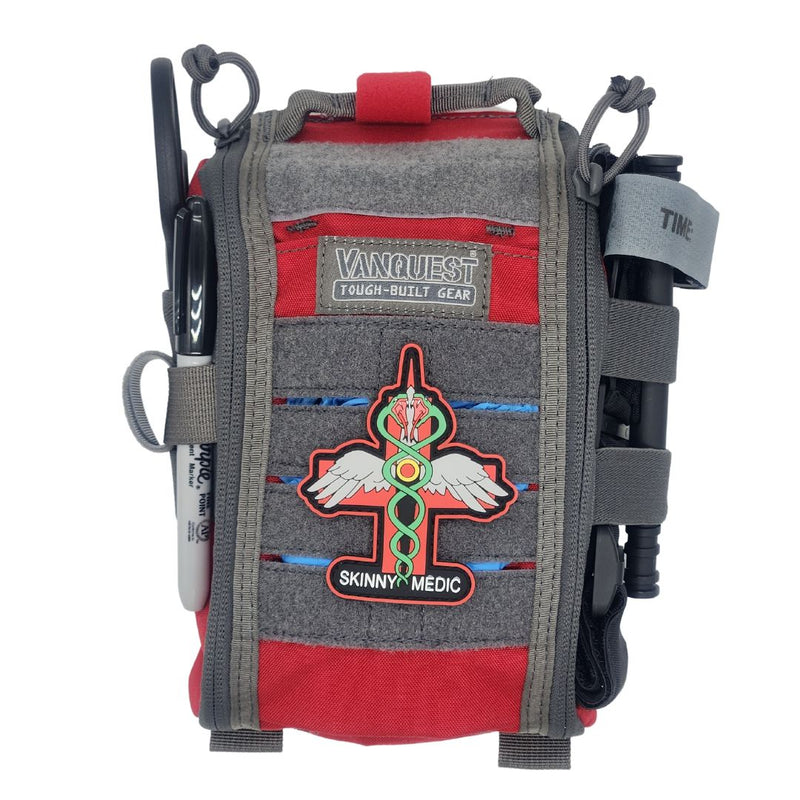
Emergency Bag for Hospital: Complete Packing Guide
Preparing an emergency bag for hospital visits represents one of the most critical yet frequently overlooked aspects of emergency readiness. Whether facing a planned procedure, managing a chronic condition, or responding to an unexpected medical crisis, having a well-stocked hospital emergency bag can significantly reduce stress and ensure you have everything necessary during a medical emergency. This comprehensive guide explores what to include, how to organize your supplies, and the expert insights gained from years of field experience to help you build the perfect emergency hospital kit.
Understanding the Essential Categories
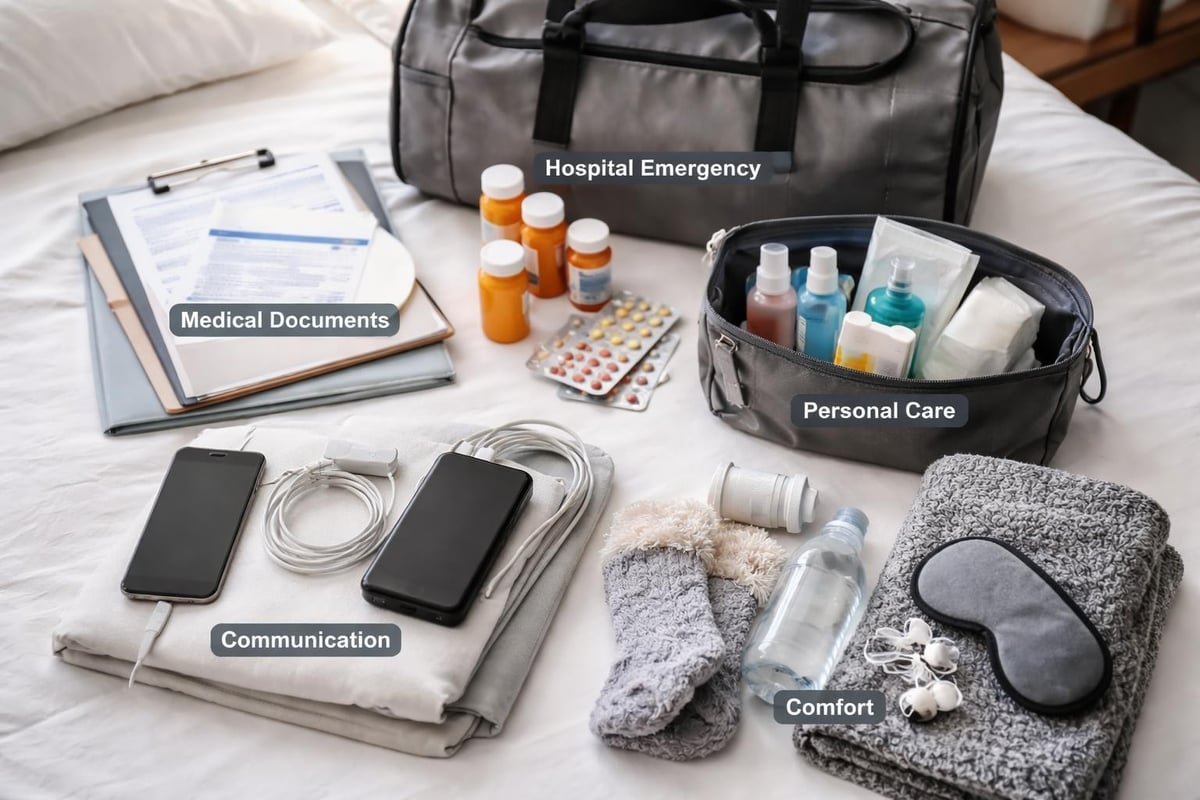
An effective emergency bag for hospital visits must address multiple needs simultaneously. Medical professionals recommend organizing supplies into distinct categories to ensure nothing gets forgotten during stressful moments.
Personal identification and medical documentation forms the foundation of any hospital emergency bag. These items allow medical staff to quickly access your health history and make informed treatment decisions.
Critical Medical Documents
Your emergency bag should contain copies of vital health records in waterproof sleeves or containers. Include current medication lists with dosages, known allergies, recent test results, and advance directives. Many families also benefit from carrying immunization records, especially for children or those with compromised immune systems.
Insurance cards, photo identification, and emergency contact information deserve prominent placement. The CDC's emergency supply kit checklist provides excellent guidance on documentation standards that hospitals nationwide recognize and accept.
Medical power of attorney documents and HIPAA authorization forms enable trusted family members to make decisions and access information on your behalf. Store these in clearly labeled folders within your emergency bag for hospital use.
Prescription Medications and Medical Supplies
Current Medications
Pack at least a three-day supply of all prescription medications in their original containers with labels intact. This practice allows hospital staff to verify medications quickly and avoid potentially dangerous drug interactions.
The following medication categories require special attention:
- Maintenance medications for chronic conditions (heart disease, diabetes, hypertension)
- Rescue medications for acute episodes (inhalers, EpiPens, nitroglycerin)
- Pain management prescriptions with clear dosage instructions
- Mental health medications that should not be interrupted
- Specialized treatments including insulin, anticoagulants, or seizure medications
Over-the-Counter Essentials
Include basic over-the-counter medications to address common symptoms while awaiting medical evaluation. Pain relievers, antihistamines, anti-nausea medication, and antacids provide comfort during extended waits. Medical Gear Outfitters offers complete kits that include many of these fundamentals in organized, grab-and-go packages.
| Supply Category | Essential Items | Quantity |
|---|---|---|
| Pain Relief | Acetaminophen, Ibuprofen | 20-30 doses each |
| Digestive | Antacids, Anti-diarrheal | 10-15 doses |
| Allergy | Antihistamines, Hydrocortisone cream | 1 package/tube |
| First Aid | Bandages, Gauze, Medical tape | Small kit |
Personal Care and Comfort Items
Hygiene Essentials
Hospital stays often extend beyond initial expectations. Pack travel-sized toiletries including toothbrush, toothpaste, deodorant, and face wipes. Women should include feminine hygiene products, while individuals with specific skin conditions need appropriate cleansers and moisturizers.
Hand sanitizer, tissues, and lip balm address immediate comfort needs. Consider the specialized medicine bag kit options designed specifically for extended medical facility stays.
Clothing and Personal Items
A change of comfortable, loose-fitting clothing makes hospital visits more bearable. Include:
- Clean underwear and socks
- Slip-on shoes or slippers with non-skid soles
- Lightweight robe or cardigan
- Pajamas or comfortable loungewear
Glasses, hearing aids, and other assistive devices belong in every emergency bag for hospital visits, along with charging cables and backup batteries for essential electronics.
Technology and Communication Tools
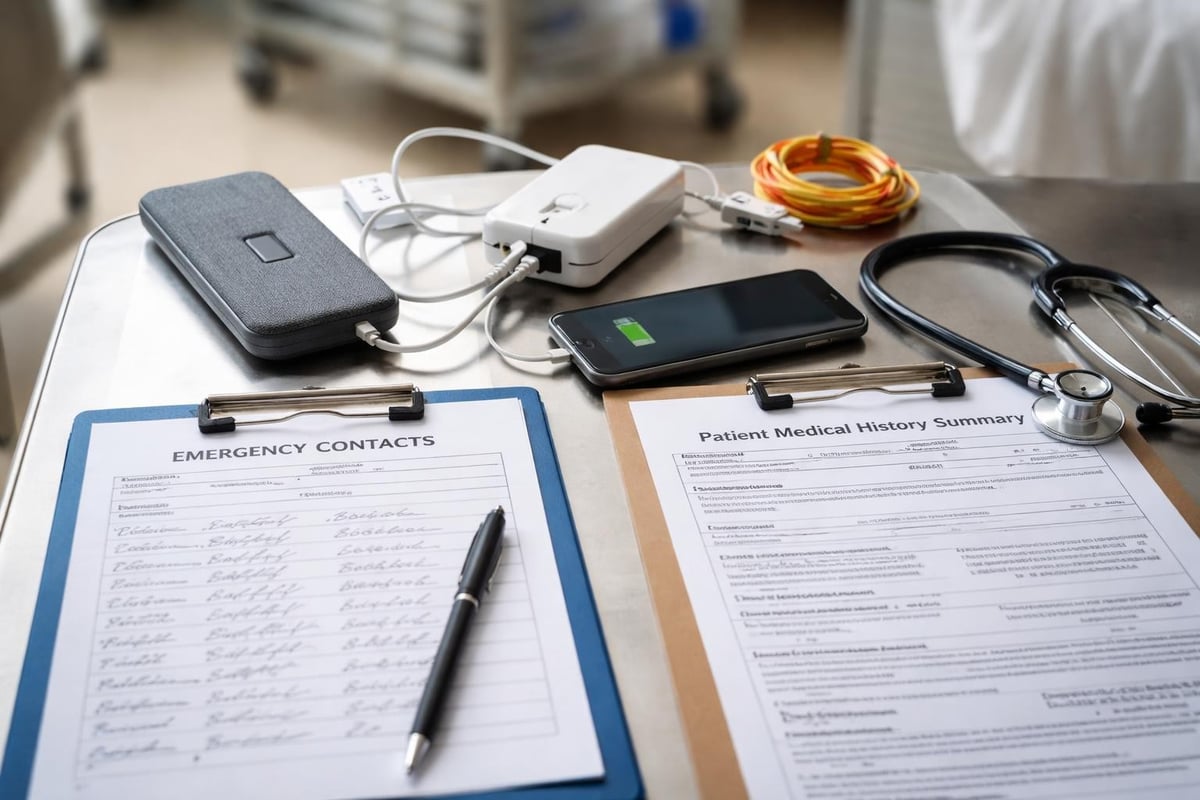
Modern hospital visits demand reliable communication capabilities. Your emergency bag should contain a fully charged cell phone with charger, portable battery pack, and important phone numbers written down in case electronic devices fail.
Contact lists should include:
- Primary care physician
- Specialists and their direct lines
- Family members and emergency contacts
- Insurance company helpline
- Pharmacy contact information
A small notebook and pen allows you to record medical instructions, track symptoms, and document questions for healthcare providers. These tools prove invaluable when stress impairs memory or multiple family members share caregiving responsibilities.
Special Considerations for Specific Populations
Pediatric Emergency Bags
Children require specialized supplies that address their unique physical and emotional needs. The CDC's emergency medical kit for children with special healthcare needs offers detailed guidance for families managing complex medical conditions.
Pack comfort items including favorite stuffed animals, books, or electronic entertainment. Snacks appropriate for dietary restrictions, extra diapers, formula, and bottles form essential components of pediatric emergency bags. Consider reviewing infant feeding emergency checklists for comprehensive preparation guidance.
Elderly and Chronic Condition Patients
Seniors managing multiple chronic conditions need particularly thorough emergency bags for hospital visits. Beyond standard supplies, include:
- Complete medication reconciliation forms listing all supplements and vitamins
- Mobility aids (cane, walker, wheelchair cushion)
- Dentures, denture adhesive, and cleaning supplies
- Blood glucose monitoring equipment for diabetics
- Blood pressure cuff for cardiac patients
Medical alert bracelet information should be duplicated in written form within the emergency bag to ensure clear communication with hospital staff.
Organizational Strategies and Maintenance
Choosing the Right Container
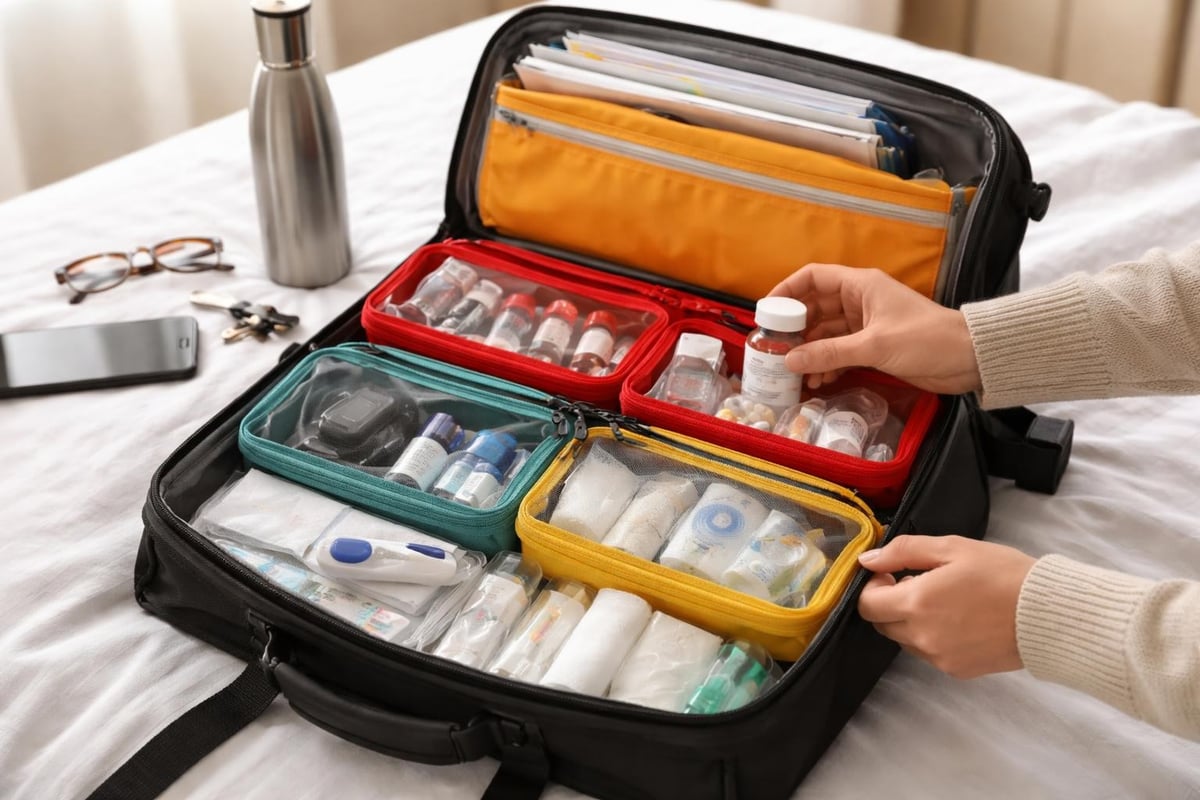
Select a durable, water-resistant bag with multiple compartments for organization. Clear plastic pouches allow quick visual inventory of contents without unpacking everything. The bags-only collection at Medical Gear Outfitters provides purpose-built options designed by emergency medical professionals who understand real-world demands.
Container features to prioritize:
- Sturdy handles and optional shoulder strap
- External identification pocket
- Wipeable, easy-to-clean material
- Bright color or reflective elements for visibility
- Compression straps to prevent contents from shifting
Regular Maintenance Schedule
An emergency bag for hospital use requires quarterly review to maintain effectiveness. Check expiration dates on all medications, replace depleted supplies, and update medical documentation to reflect current conditions and treatments.
Seasonal adjustments ensure appropriate clothing remains available. Winter emergency bags might include warm socks and layers, while summer versions emphasize cooling items and sun protection for potential outdoor waiting areas.
| Maintenance Task | Frequency | Notes |
|---|---|---|
| Check medication expiration dates | Monthly | Replace within 6 months of expiration |
| Update medical documents | Quarterly | After any diagnosis or treatment changes |
| Replace batteries | Every 6 months | Test electronics function |
| Review contact information | Quarterly | Update phone numbers, addresses |
| Rotate clothing seasonally | Twice yearly | Spring and fall transitions |
Financial and Legal Preparedness
Insurance and Payment Information
Multiple copies of insurance cards belong in your emergency bag for hospital visits, stored separately from originals in case of loss. Include secondary insurance information, Medicare or Medicaid cards, and any special program enrollment documentation.
Cash in small bills ($50-100) covers parking, vending machines, and minor purchases that might arise during extended hospital stays. A credit or debit card provides backup for larger unexpected expenses.
Legal Documents
Beyond medical directives, certain legal documents facilitate smoother hospital experiences. Living wills, do-not-resuscitate orders, and healthcare proxies require immediate access during medical emergencies. Consult with legal professionals about which documents apply to your specific situation and keep certified copies in waterproof containers.
Nutritional Considerations
Hospital cafeteria hours and dietary options may not align with your needs or restrictions. Pack non-perishable snacks that accommodate any allergies or medical dietary requirements:
- Protein bars or meal replacement shakes
- Unsalted nuts or seeds (if no allergy concerns)
- Dried fruit or shelf-stable fruit cups
- Crackers or pretzels
- Electrolyte drink mixes
Individuals with diabetes need fast-acting glucose sources for potential hypoglycemic episodes. Those with dietary restrictions should pack acceptable alternatives to standard hospital meal offerings.
Creating Location-Specific Emergency Bags
Home-Based Emergency Bags
Your primary emergency bag for hospital visits should remain easily accessible at home in a designated location all family members know. Entryway closets, bedroom nightstands, or garage storage provide quick grab-and-go access during emergencies.
For families managing chronic conditions requiring frequent hospital visits, maintaining a standardized home care kit alongside the hospital emergency bag ensures comprehensive preparation across multiple scenarios.
Vehicle Emergency Kits
Keep a secondary emergency bag in your vehicle with duplicate essential items. This redundancy proves valuable when emergencies occur away from home or when the primary bag remains inaccessible. Vehicle kits should emphasize stability in temperature extremes, avoiding medications or supplies that degrade in heat or cold.
Workplace Considerations
Individuals with serious medical conditions benefit from maintaining minimal emergency supplies at work. Coordinate with human resources about storage options for prescription medications and basic emergency documentation. Some employers provide secured storage specifically for employee medical supplies.
Integration with Broader Emergency Preparedness
Your emergency bag for hospital visits represents one component of comprehensive household emergency planning. The emergency supply list from SAMHSA demonstrates how medical preparedness integrates with broader disaster readiness strategies.
Consider how hospital emergency bags complement:
- Home evacuation kits for natural disasters
- Trauma kits for immediate life-threatening emergencies
- Vehicle emergency supplies for roadside incidents
- Workplace first aid resources
Training and Knowledge
Physical supplies prove most effective when paired with proper training. Understanding how to use hemostatic agents or apply pressure bandages transforms your emergency bag from passive supplies into active life-saving tools.
Medical Gear Outfitters provides not just equipment but the knowledge necessary to effectively deploy these resources during critical moments. Their paramedic-owned perspective ensures recommendations reflect real-world emergency response experience.
Advanced Supplies for Trained Individuals
Those with medical training or experience should consider enhanced supplies beyond basic emergency bags. First responder kits contain advanced interventions appropriate for individuals comfortable with more complex medical procedures.
Advanced additions might include:
- Blood pressure monitoring equipment
- Pulse oximeter for oxygen saturation readings
- Glucose monitoring devices
- Peak flow meters for respiratory conditions
- Specialized dressings for wound management
Only include advanced supplies you understand how to use properly. Untrained use of medical equipment can complicate treatment and confuse healthcare providers about pre-hospital interventions.
Documentation and Communication Protocols
Creating Medical Summaries
Prepare one-page medical summaries for each family member listing current diagnoses, medications, allergies, and recent procedures. Update these documents after any significant medical event and store copies in multiple locations including your emergency bag for hospital visits.
Essential summary components include:
- Full legal name and date of birth
- Primary care physician and specialists with contact information
- Current active diagnoses in order of severity
- Complete medication list with dosages and frequencies
- Known drug allergies and adverse reactions
- Immunization status and recent updates
- Surgical history with approximate dates
- Family medical history relevant to current conditions
Emergency Contact Protocols
Designate primary and backup emergency contacts who understand your medical situation and can make informed decisions. Provide these individuals with copies of relevant medical documentation and explicit instructions about your preferences for care.
Include contact information for your pharmacy, medical equipment suppliers, and any home health agencies involved in your care. These connections become crucial when coordinating discharge planning or continuing care after hospitalization.
Psychological Preparedness
Stress Management Tools
Hospital visits generate significant stress even under planned circumstances. Including simple stress-reduction items in your emergency bag for hospital visits improves the overall experience. Consider packing:
- Calming music playlists or audiobooks
- Stress balls or fidget tools
- Aromatherapy items (check hospital policies)
- Meditation or breathing exercise guides
- Photos of loved ones
Information Management
Anxiety often impairs our ability to process complex medical information. Prepare a list of questions you want answered during the hospital visit and designate someone to take notes during consultations with medical staff. This approach ensures important details aren't lost during stressful conversations.
Regular Review and Updates
Set calendar reminders for quarterly emergency bag reviews. Technology changes, medications adjust, and health conditions evolve. What worked last year may prove insufficient for current needs.
Involve all family members in review processes to ensure everyone understands the emergency bag's location, contents, and purpose. Children old enough to understand should know how to access and communicate information from the emergency bag during crisis situations.
Practice scenarios help identify gaps in preparation. Role-playing emergency situations reveals which supplies prove most accessible and which organizational strategies work under pressure. These exercises transform theoretical preparation into practical readiness.
Building and maintaining a comprehensive emergency bag for hospital visits requires initial investment of time and resources, but the peace of mind and practical benefits far outweigh these costs. Whether managing chronic conditions, preparing for planned procedures, or ensuring readiness for unexpected medical crises, proper preparation transforms chaotic emergencies into manageable situations. Medical Gear Outfitters combines paramedic expertise with high-quality emergency supplies to help you build effective hospital emergency bags tailored to your specific needs. Visit today to explore professional-grade components and complete kits designed by first responders who understand what truly matters during medical emergencies.