Common First Aid Kit Items: Essential Supplies Guide
Whether you're preparing for a minor household injury or a more serious emergency, understanding what belongs in a well-stocked first aid kit can make the difference between effective response and chaos. Every year, thousands of preventable complications occur simply because people lack the right supplies at the critical moment. As a paramedic-owned business, we've seen firsthand how having the right equipment readily available transforms emergency outcomes. This comprehensive guide explores the common first aid kit items that form the foundation of effective emergency preparedness, helping you build a kit that serves your specific needs.
Understanding First Aid Kit Categories
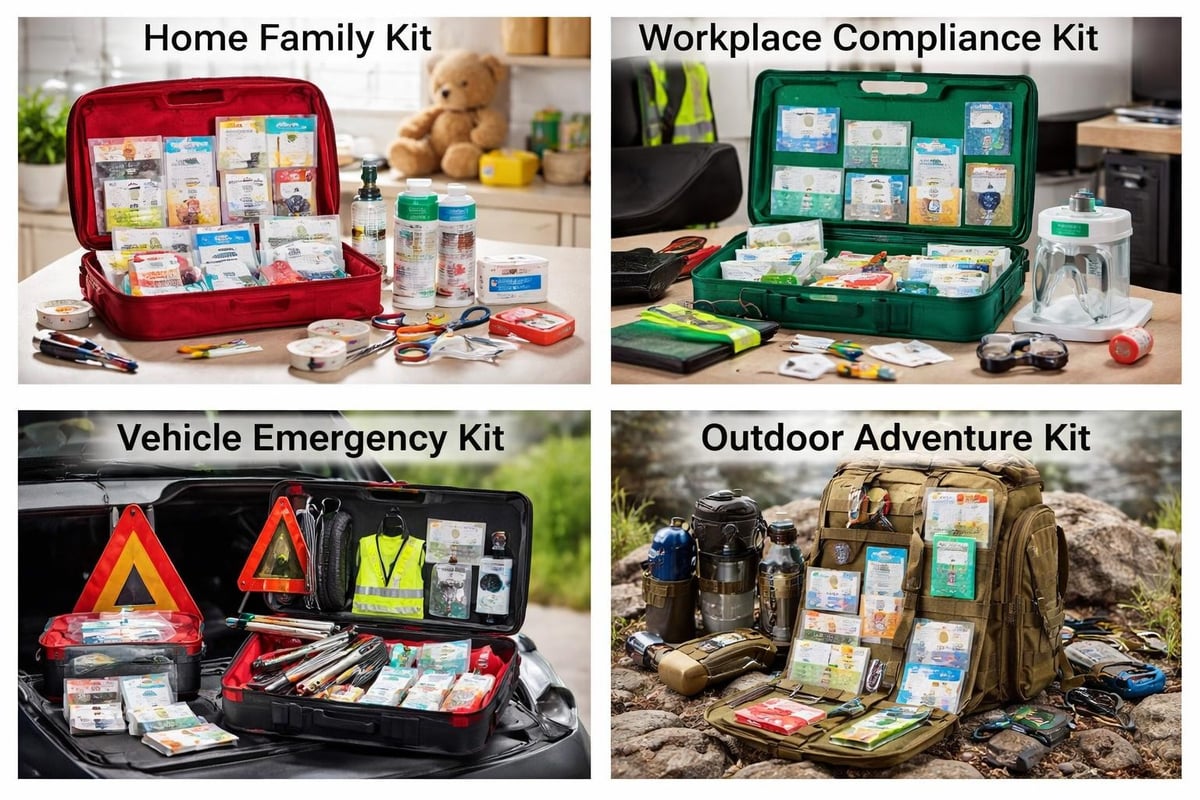
Not all first aid kits serve the same purpose. The common first aid kit items you need vary significantly based on where you'll use them and what risks you're preparing for.
Home First Aid Kits
Household kits typically address the most frequent injuries that occur in domestic settings. These include minor cuts, burns from cooking, sprains from activities around the house, and general illness management. The Mayo Clinic recommends maintaining a comprehensive home kit that's easily accessible to all family members. Your home kit should remain centrally located, preferably in a bathroom or kitchen where most injuries are treated.
When building a home kit, consider the specific needs of your household members. Families with young children require different supplies than households with elderly residents or individuals with chronic conditions.
Workplace and Vehicle Kits
Professional environments and vehicles demand different considerations. Workplace kits must comply with occupational safety standards, while vehicle kits need to withstand temperature fluctuations and remain compact enough for storage. Understanding how to build a vehicle first aid kit ensures you're prepared during travel emergencies.
Core Wound Care Supplies
Wound management represents the most common reason people reach for first aid supplies. Every kit needs a solid foundation of wound care items.
Essential bandages and dressings include:
- Adhesive bandages in multiple sizes (minimum 25 assorted)
- Sterile gauze pads in 2x2, 3x3, and 4x4-inch sizes
- Rolled gauze bandages for securing dressings
- Elastic bandages for sprains and compression
- Butterfly closures or adhesive wound strips
- Non-adherent dressings for burns and sensitive wounds
Advanced Wound Management
Beyond basic bandages, certain situations require more specialized wound care items. Hemostatic gauze helps control severe bleeding, while occlusive dressings address specialized wounds. For those interested in comprehensive bleeding control, learning about hemostatic agents like QuikClot and Celox provides valuable knowledge for serious emergencies.
Trauma dressings and Israeli bandages belong in kits where significant injuries might occur. These items bridge the gap between basic first aid and professional medical intervention.
| Wound Type | Appropriate Dressing | Application Priority |
|---|---|---|
| Minor cuts | Adhesive bandages | Low |
| Deep lacerations | Gauze pads + pressure | High |
| Burns | Non-adherent dressing | Medium-High |
| Abrasions | Non-stick pads | Low-Medium |
| Severe bleeding | Hemostatic gauze | Critical |
Medical Tools and Equipment
Common first aid kit items extend beyond consumable supplies to include essential tools that enable proper treatment and assessment.
Cutting and Measuring Instruments
Quality scissors prove indispensable in emergency situations. Trauma shears and bandage scissors serve different purposes, from cutting clothing away from injuries to precisely opening packaging. Tweezers remove splinters, ticks, and debris from wounds, while safety pins secure bandages and create makeshift slings.
A digital thermometer allows you to monitor fever and assess illness severity. This simple tool provides objective data about a person's condition, which becomes critical when deciding whether professional medical care is necessary.
Protective Equipment
Personal protective equipment protects both the caregiver and the patient. Disposable gloves form the foundation of infection control, preventing cross-contamination during treatment. Include multiple pairs in various sizes to accommodate different responders.
Additional protective items:
- CPR face shields or pocket masks
- Eye protection for splash hazards
- Hand sanitizer or antiseptic wipes
- Biohazard disposal bags
Medications and Topical Treatments
Over-the-counter medications address pain, inflammation, allergic reactions, and digestive issues that commonly occur alongside injuries or as standalone problems.
Pain Relief and Anti-Inflammatory Medications
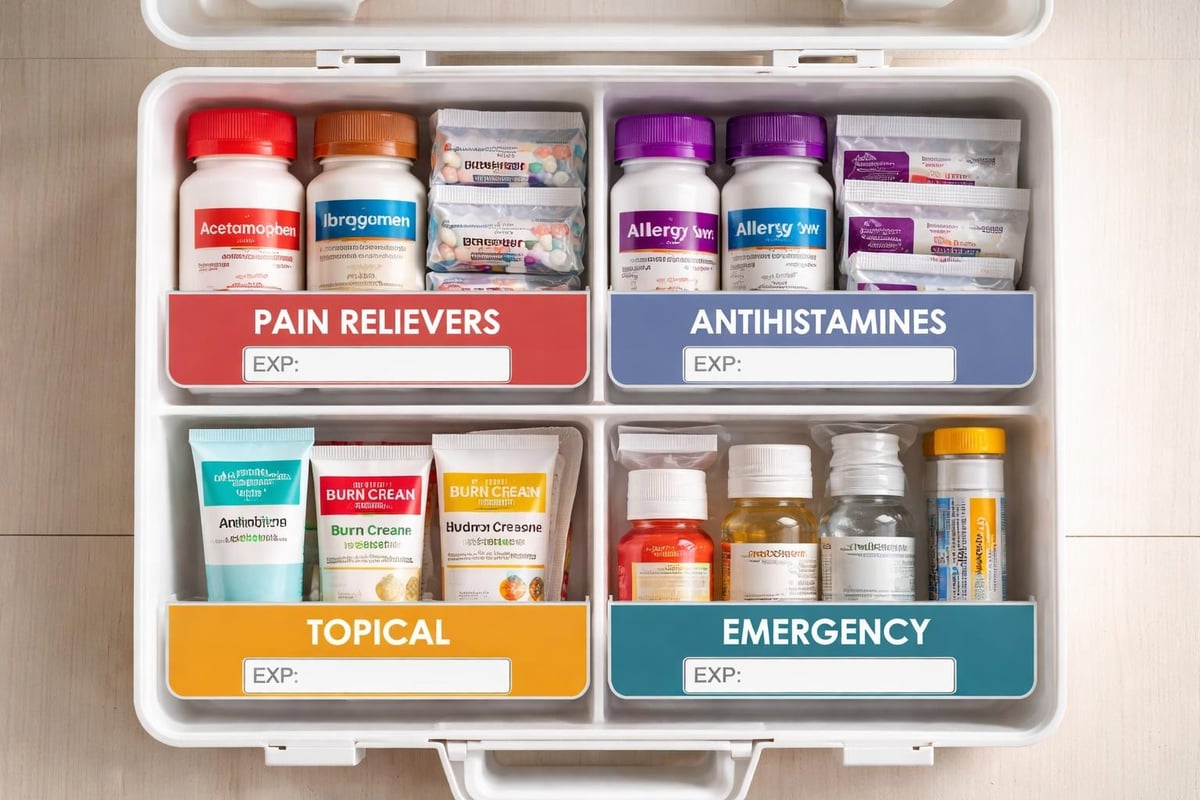
Stock both acetaminophen and ibuprofen to address different types of pain and provide options for individuals with medication sensitivities. These common first aid kit items treat headaches, reduce fever, and manage pain from injuries. Include adult and children's formulations if your kit serves mixed age groups.
Aspirin serves dual purposes: pain relief and cardiovascular emergency response. In suspected heart attack situations, aspirin can be life-saving when administered quickly. However, never give aspirin to children or teenagers without medical guidance.
Topical Treatments and Antiseptics
Preventing infection ranks among the top priorities in wound management. Antiseptic wipes, antibiotic ointment, and hydrogen peroxide clean wounds and create barriers against bacterial invasion. MedlinePlus provides guidance on proper wound cleaning techniques that maximize these products' effectiveness.
Hydrocortisone cream addresses minor skin irritations, insect bites, and allergic rashes. Calamine lotion soothes poison ivy, oak, and sumac exposure. Burn gel or aloe vera provides immediate relief for minor thermal injuries while promoting healing.
Emergency Response Supplies
While basic supplies handle everyday injuries, certain items prepare you for more serious medical emergencies that require immediate intervention before professional help arrives.
Bleeding Control Equipment
Tourniquets save lives in severe extremity bleeding situations. Modern combat medicine has proven that properly applied tourniquets prevent death from hemorrhage. Understanding what tourniquets are and how they work dispels common myths and builds confidence in using these devices.
Pressure dressings and trauma bandages provide controlled compression for wounds that don't require tourniquet application. These items belong in any comprehensive emergency kit, particularly those designed for outdoor activities or high-risk environments.
Bleeding control essentials ranked by severity:
- Combat Application Tourniquet (CAT) or SOFTT-W
- Hemostatic gauze (QuikClot or Celox)
- Pressure/Israeli bandages
- Standard gauze and tape
- Adhesive bandages for minor bleeding
Splinting and Immobilization
Suspected fractures and severe sprains require immobilization to prevent further injury and reduce pain during transport. SAM splints offer versatile, lightweight solutions that mold to various body parts. Triangular bandages create slings for arm injuries and can be fashioned into multiple configurations for different immobilization needs.
Cold packs reduce swelling and provide pain relief for sprains, strains, and minor burns. Instant cold packs activate without refrigeration, making them ideal for kits stored in vehicles or workplaces. Learning about the best splints for first aid kits helps you choose appropriate options for your specific needs.
Documentation and Information Resources
Often overlooked among common first aid kit items, documentation materials provide critical guidance during high-stress emergencies when memory fails.
Instruction Cards and Manuals
A comprehensive first aid manual offers step-by-step instructions for various emergency scenarios. Laminated quick-reference cards provide immediate guidance for CPR, choking response, and bleeding control without requiring you to flip through pages. The American Red Cross outlines essential reference materials that should accompany physical supplies.
Include emergency contact numbers for poison control, local emergency services, and family physicians. While most people know to call 911, having poison control (1-800-222-1222) readily available saves precious seconds during toxic exposure incidents.
Personal Medical Information
For family kits, maintain current lists of household members' allergies, chronic conditions, current medications, and relevant medical history. This information proves invaluable when emergency responders arrive or when seeking guidance from medical professionals by phone.
| Document Type | Purpose | Update Frequency |
|---|---|---|
| Emergency contacts | Quick access to help | Annually |
| Medication lists | Prevent drug interactions | When changed |
| Allergy information | Avoid dangerous exposures | When discovered |
| First aid manual | Treatment guidance | Replace if damaged |
| Inventory checklist | Track supplies | Quarterly |
Specialized Items for Specific Situations
Beyond universal supplies, certain environments and activities demand specialized common first aid kit items that address unique risks.
Outdoor and Wilderness Additions
Outdoor enthusiasts face different challenges than those preparing home kits. Snake bite kits, tick removal tools, and water purification tablets address wilderness-specific risks. Understanding how to build a camping first aid kit or backpacking first aid kit ensures outdoor adventures don't turn tragic due to preventable complications.
Blister treatment supplies including moleskin and Second Skin prevent minor discomfort from becoming debilitating injuries on multi-day treks. Sunscreen and insect repellent, while often considered toiletries, play vital preventive roles in outdoor first aid strategies.
Pediatric Considerations
Children require age-appropriate supplies that account for smaller body sizes and different physiological responses. First aid supplies for children include correctly dosed medications, smaller bandages, and items that address common childhood injuries like playground accidents.
Oral rehydration solutions combat dehydration from illness or heat exposure more effectively than water alone. Pediatric thermometers designed for infants provide accurate readings for the youngest family members.
Storage and Maintenance Considerations
Even the most comprehensive collection of common first aid kit items proves useless if supplies have expired, become disorganized, or can't be located during emergencies.
Container Selection and Organization
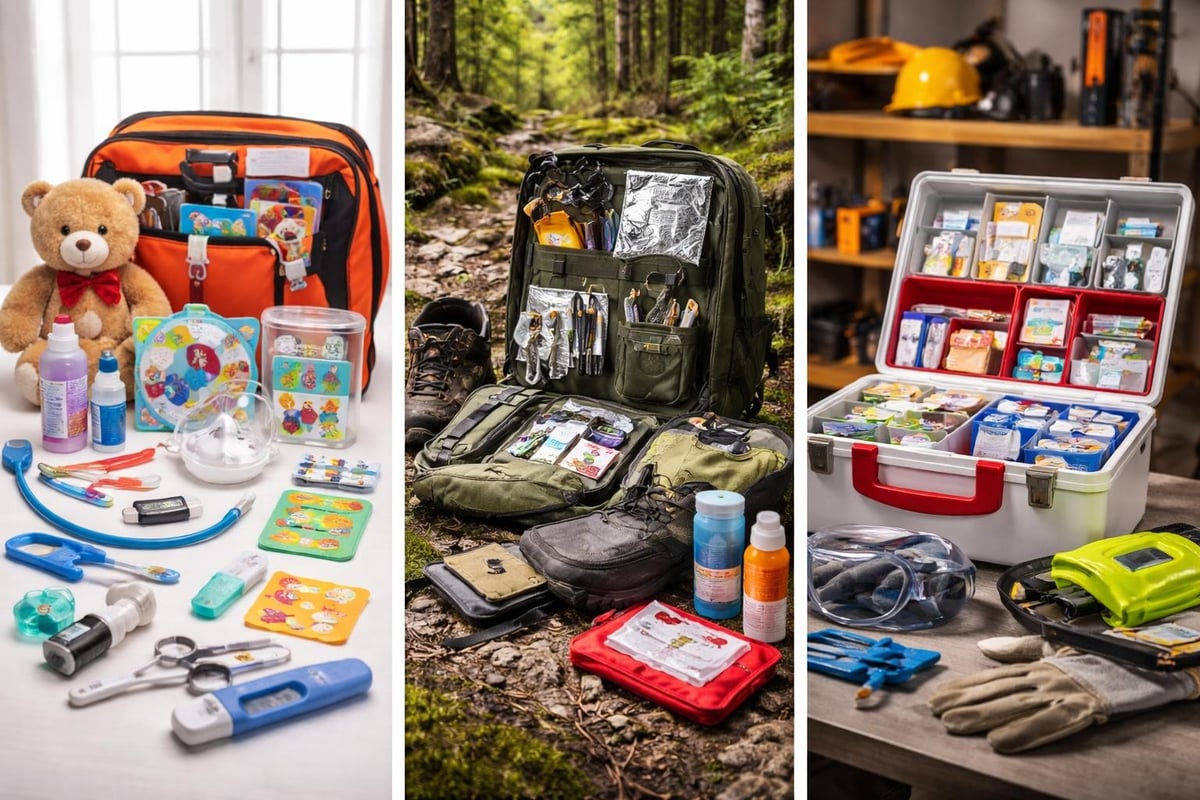
Choose containers that protect contents from moisture, dust, and temperature extremes while remaining easily portable. Clear compartments or labeled sections allow quick location of needed items without dumping the entire kit. Hard-sided cases offer superior protection, while soft bags provide easier storage in tight spaces.
Color-coding or category dividers separate supplies by function: wound care, medications, tools, and emergency equipment. This organization system reduces search time when seconds matter.
Organization best practices:
- Group similar items together in clear bags
- Label all compartments clearly
- Keep frequently used items accessible
- Store medications in cool, dry locations
- Maintain inventory checklist inside lid
Expiration Management and Replacement Schedules
Medications, ointments, and certain sterile supplies expire and lose effectiveness over time. Establish a quarterly review schedule to check expiration dates and replace outdated items. Mark your calendar for these reviews to ensure they actually happen rather than becoming forgotten intentions.
Adhesive products lose stickiness with age, while elastic bandages lose elasticity. Replace these items every two to three years even if technically unexpired. After using supplies, replenish them immediately rather than waiting for the next scheduled review.
Compliance and Standards
Professional and commercial first aid kits often must meet specific regulatory standards. Understanding these requirements ensures your workplace kit provides adequate coverage while meeting legal obligations.
Occupational Standards
OSHA requires employers to provide medical and first aid personnel and supplies adequate for the workplace environment. While specific requirements vary by industry and hazard level, maintaining a well-stocked kit demonstrates good faith compliance. HSI provides guidance on workplace first aid requirements and compliance considerations.
The ANSI/ISEA Z308.1-2021 standard provides detailed specifications for minimum first aid kit contents based on the number of people served. These standards classify kits into Class A (basic) and Class B (comprehensive) categories.
International Standards
Businesses operating internationally or supplying kits for overseas use should familiarize themselves with relevant standards. BS 8599 represents the British Standard for first aid kit contents, differing somewhat from American standards in specific items and quantities required.
Understanding these variations ensures kits meet local requirements regardless of where they're deployed. This knowledge proves particularly valuable for companies managing global operations or travelers preparing for international adventures.
Building Your Custom Kit
Rather than purchasing pre-made kits that may contain unnecessary items or lack critical supplies for your specific needs, consider building a customized kit. This approach ensures every item serves a purpose while eliminating wasted space and money.
Assessment and Planning
Begin by analyzing the most likely emergencies you'll face. Home environments typically see cuts from kitchen knives, burns from cooking, and falls requiring sprain treatment. Workplaces might involve specific occupational hazards requiring specialized supplies. For guidance on comprehensive kit building, explore resources on how to build a family first aid kit.
Consider the distance to professional medical care. Urban settings with hospitals minutes away require different preparation than rural areas where help might be an hour or more distant. This factor significantly influences the sophistication of supplies needed.
Planning factors to evaluate:
- Number of people the kit will serve
- Most likely injury scenarios
- Distance to professional medical care
- Skill level of potential responders
- Environmental conditions and storage location
- Budget constraints and priorities
Quality Over Quantity
Resist the temptation to fill your kit with cheap, low-quality supplies that fail when needed most. A smaller kit containing reliable, professional-grade items outperforms a large kit filled with dollar-store supplies. This principle particularly applies to critical items like tourniquets, where counterfeit products can fail catastrophically.
Investing in quality common first aid kit items from reputable manufacturers ensures supplies perform as expected during emergencies. Professional-grade equipment typically includes clearer instructions, better construction, and longer shelf life than budget alternatives.
Training and Knowledge
The most complete kit provides limited benefit without knowledge of how to use its contents effectively. Hands-on training transforms supplies from mysterious objects into life-saving tools you can deploy confidently.
Essential Skills to Acquire
First aid and CPR certification courses teach fundamental skills that maximize your kit's effectiveness. These courses typically cover wound management, bleeding control, fracture stabilization, and basic life support. Many employers cover certification costs, recognizing the value of trained responders in their workforce.
Beyond basic certification, consider advanced training in wilderness first aid for outdoor enthusiasts or tactical first aid for those interested in trauma response. Specialized training aligns your skills with the specific scenarios your kit addresses.
Regular Practice and Refreshers
Skills deteriorate without practice. Schedule regular refresher training every two years at minimum, and practice basic skills quarterly. This practice can be as simple as reviewing tourniquet application or practicing bandaging techniques with family members.
Reviewing your first aid manual during kit maintenance sessions reinforces knowledge and identifies gaps in understanding. This integrated approach to maintenance builds both material readiness and personal capability simultaneously.
Understanding common first aid kit items and maintaining well-stocked supplies positions you to respond effectively when emergencies strike. Whether you're building a kit for your family, workplace, or vehicle, selecting appropriate supplies and organizing them effectively makes the difference between confidence and chaos during critical moments. At Medical Gear Outfitters, our paramedic-owned business provides the professional-grade equipment and expert guidance you need to prepare properly. We're committed to ensuring you have both the right supplies and the knowledge to use them when someone's wellbeing depends on your response.

