
Calico Triangular Bandage: Essential First Aid Guide
The calico triangular bandage represents one of the most versatile and essential items in any comprehensive first aid kit. This simple yet effective piece of equipment has served medical professionals, first responders, and everyday citizens for generations. Made from durable cotton calico fabric, this triangular-shaped bandage can be folded, wrapped, and configured in numerous ways to address a wide range of emergency medical situations. Understanding how to properly use this fundamental first aid tool can make the difference between effective emergency care and potential complications when professional medical help is minutes or hours away.
Understanding the Calico Triangular Bandage
The calico triangular bandage is typically constructed from high-quality, unbleached cotton calico material that measures approximately 90-110 centimeters on each side. This specific sizing allows the bandage to accommodate various body parts and applications while remaining manageable for users of different skill levels.
The fabric choice matters significantly in emergency situations. Calico cotton offers several advantages over synthetic materials:
- Breathability that prevents moisture buildup and reduces infection risk
- Strength sufficient to support injured limbs without tearing
- Flexibility that conforms to body contours and irregular shapes
- Washability allowing for reuse after proper sterilization
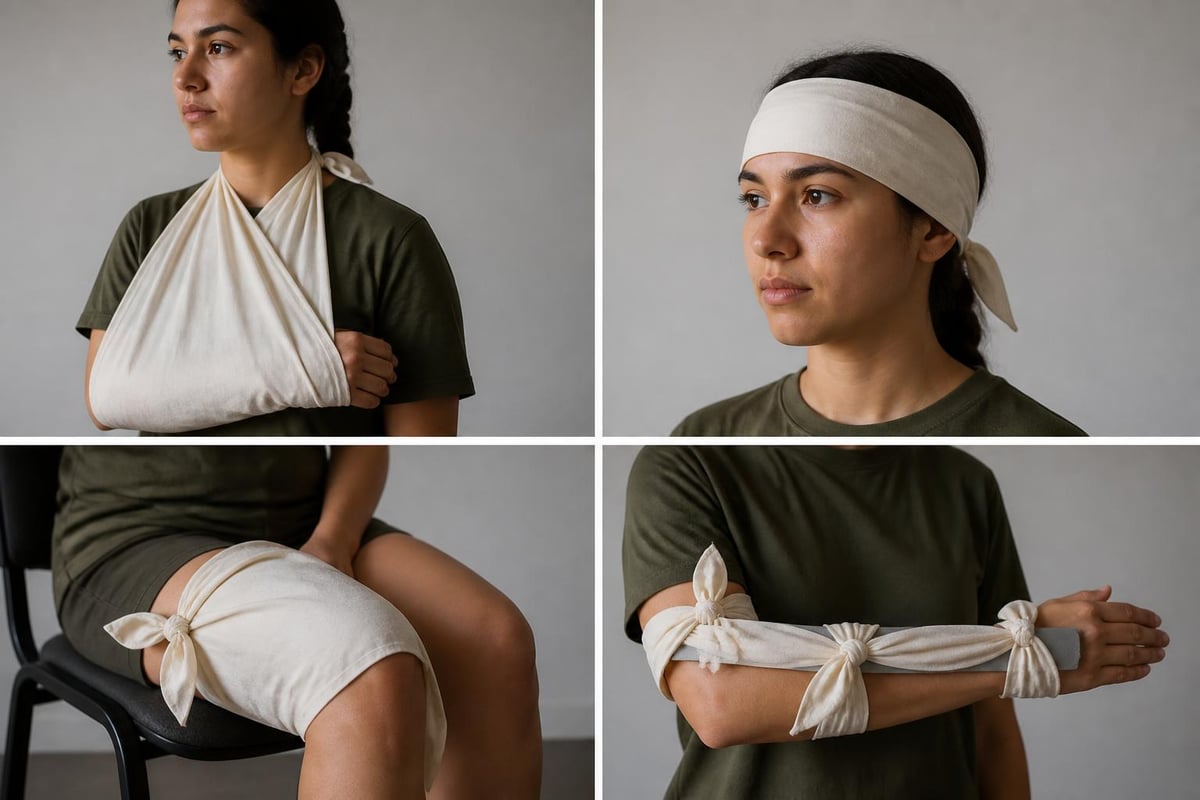
Most quality calico triangular bandages feature hemmed edges that prevent fraying during use and washing. St John Ambulance offers insights into the applications of their reusable calico triangular bandage, emphasizing how proper construction enhances durability and performance in emergency scenarios.
Material Specifications and Quality Indicators
When selecting a calico triangular bandage for your emergency supplies, understanding material specifications helps ensure you're equipped with reliable equipment. Professional-grade bandages typically use 100% cotton calico with a thread count sufficient to provide strength without excessive bulk.
| Feature | Standard Specification | Professional Grade |
|---|---|---|
| Material | Cotton Calico | 100% Cotton Calico |
| Dimensions | 90cm x 90cm x 127cm | 96cm x 96cm x 136cm |
| Edge Finish | Raw or Hemmed | Double Hemmed |
| Sterilization | Non-sterile | Available Sterile |
| Reusability | Single Use | Multiple Use |
The distinction between standard and professional-grade options matters particularly for those building comprehensive emergency response capabilities. While both versions perform essential functions, professional-grade bandages offer enhanced durability for training scenarios and reuse after proper laundering.
Primary Applications in Emergency Care
The calico triangular bandage serves numerous critical functions in emergency medical response. Its versatility makes it an indispensable component of any first aid kit, from basic home kits to advanced tactical medical gear.
Creating Arm Slings
One of the most common applications involves creating arm slings to support injured upper extremities. This technique provides immobilization for suspected fractures, dislocations, or soft tissue injuries affecting the shoulder, arm, elbow, or wrist.
The standard arm sling requires these steps:
- Position the triangular bandage with the point toward the injured side's elbow
- Place the arm at approximately 90 degrees across the chest
- Bring the lower point up and over the uninjured shoulder
- Tie both points together on the uninjured side of the neck
- Secure the elbow point with a twist or safety pin
This configuration distributes weight evenly while preventing unnecessary movement that could worsen injuries. For patients who may require extended immobilization before reaching medical facilities, proper sling application reduces pain and minimizes further tissue damage.
Immobilizing Joints and Limbs
Beyond simple slings, the calico triangular bandage excels at immobilizing various joints and limbs when combined with splints or used independently. The broad fold technique-where the bandage is folded lengthwise to create a wide band-provides excellent support for knees, ankles, and other joints.
When securing splints for suspected fractures, the triangular bandage offers several advantages:
- Conforms to irregular shapes better than rigid fasteners
- Adjustable tension prevents circulation compromise
- Multiple bandages can be used together for longer limbs
- Easy to remove for wound inspection or reassessment
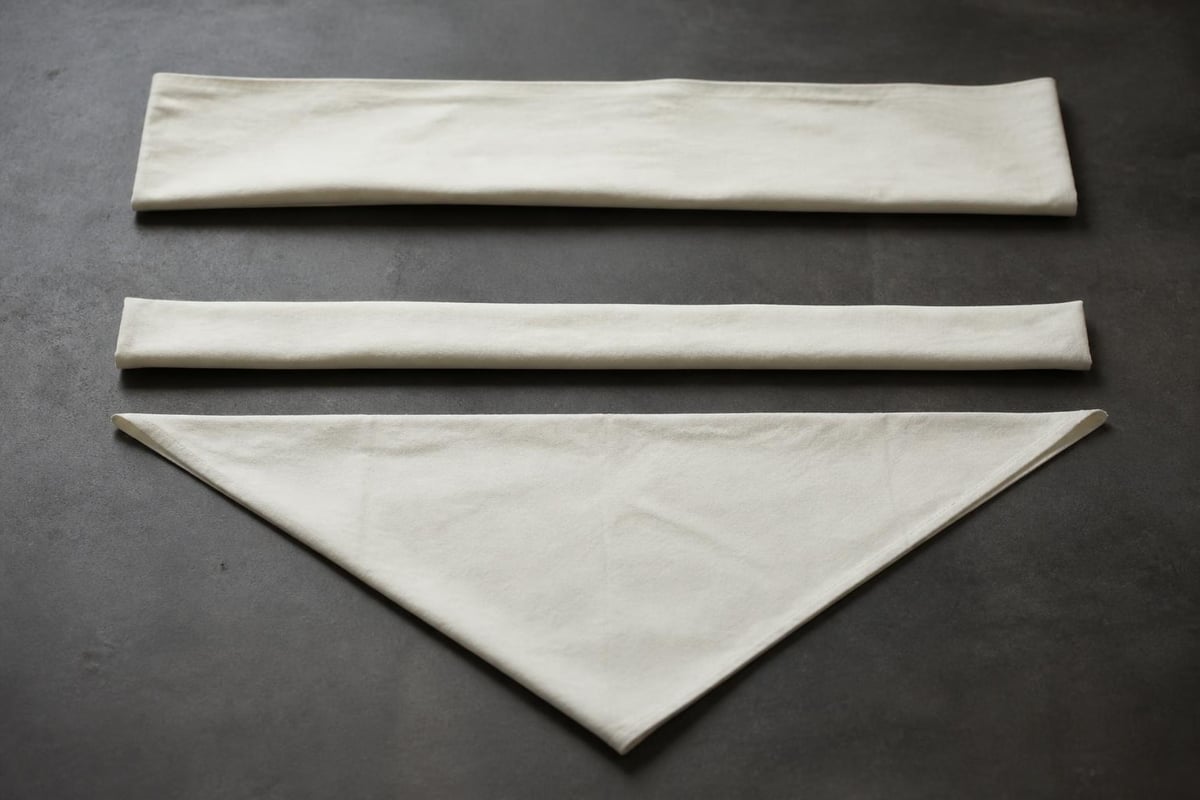
Resources detailing the HypaBand Triangular Bandage demonstrate how quality calico material maintains consistent support without cutting off circulation when properly applied.
Advanced Techniques and Specialized Uses
Experienced first responders and medical professionals utilize the calico triangular bandage for applications beyond basic sling creation. These advanced techniques require practice but significantly expand your emergency response capabilities.
Head and Scalp Dressings
Securing dressings on the head and scalp presents unique challenges due to hair, irregular contours, and the need for firm pressure without restricting blood flow. The calico triangular bandage addresses these challenges effectively when applied correctly.
For head wounds, place the base of the triangle across the forehead just above the eyebrows. Bring the point backward over the crown and down the back of the head. Take both ends around the head, cross them at the back, bring them forward, and tie them at the forehead. Fold the remaining point back and secure it to maintain pressure and position.
Hip and Shoulder Immobilization
Large joints like hips and shoulders require substantial fabric coverage for effective immobilization. The calico triangular bandage's generous dimensions make it suitable for these challenging applications where smaller bandages fail.
The figure-eight shoulder bandage technique uses two triangular bandages to secure an injured shoulder while allowing some mobility of the unaffected arm. This application proves particularly valuable when treating dislocations or separations before professional medical intervention.
Securing Large Dressings
When managing major bleeding, the calico triangular bandage can secure bulky trauma dressings in place without the need for adhesive tape that may fail when wet or on hairy surfaces. The bandage's breathable nature prevents moisture accumulation that could macerate wounds or promote bacterial growth.
Integration with Modern First Aid Kits
Modern first aid kits range from compact small first aid boxes to comprehensive trauma response packages. The calico triangular bandage deserves a place in kits of all sizes due to its minimal storage requirements and maximum versatility.
Essential Kit Components
When building a comprehensive emergency medical kit, consider how the calico triangular bandage complements other supplies:
| Supply Category | Items | Triangular Bandage Role |
|---|---|---|
| Wound Care | Gauze, dressings, tape | Secures large dressings |
| Fracture Management | SAM splints, rigid splints | Secures splints to limbs |
| Soft Tissue Injury | Ice packs, elastic wraps | Creates supportive slings |
| Hemorrhage Control | Tourniquets, hemostatic gauze | Maintains pressure dressings |
Understanding these relationships helps first responders make efficient use of limited supplies in resource-constrained environments. A single calico triangular bandage can often replace multiple specialized items when properly applied.
Quantity Considerations for Different Scenarios
The number of triangular bandages appropriate for your kit depends on anticipated needs and response scenarios. Home first aid kits typically require 2-3 bandages, while trauma kits designed for mass casualty incidents should contain significantly more.
Professional responders often carry 5-10 triangular bandages in their response gear, recognizing that a single patient with multiple injuries may require several bandages. The lightweight, compact nature of these bandages makes carrying extras practical without significantly increasing kit weight or volume.
Proper Application Techniques for Maximum Effectiveness
Effective use of a calico triangular bandage requires understanding both general principles and specific techniques. Improper application can compromise circulation, fail to provide adequate support, or cause additional patient discomfort.
Pre-Application Assessment
Before applying any bandage, assess the injury thoroughly:
- Check distal pulse, motor function, and sensation
- Note skin color and temperature below the injury
- Ask about pain level and location
- Identify any deformity or abnormal positioning
This baseline assessment allows you to monitor for complications after bandage application. If pulses disappear or sensation diminishes after securing a sling or immobilization, the bandage may be too tight and requires immediate adjustment.
Tension and Positioning Guidelines
Proper tension represents the most critical aspect of effective bandage application. Too loose, and the bandage fails to provide adequate support or security. Too tight, and you risk compromising circulation or causing nerve damage.
Follow these guidelines for optimal tension:
- The bandage should hold the limb or dressing firmly in place
- You should be able to slip two fingers beneath the bandage
- Knots should sit on uninjured tissue, never directly over wounds
- Re-check distal circulation every 15 minutes initially
Information from STW Industrial & Safety provides detailed instructions for creating slings and immobilizing injuries while maintaining appropriate tension throughout the application process.
Maintenance, Sterilization, and Reusability
One significant advantage of the calico triangular bandage over disposable alternatives is its reusability when properly maintained. This characteristic makes it economically sensible for training scenarios and reduces waste in professional medical settings.
Cleaning Protocols
After use in training or non-contaminated scenarios, calico triangular bandages should be laundered in hot water (minimum 160°F/71°C) with appropriate detergent. Hospital-grade disinfectant additives can be included for enhanced microbial reduction.
The cleaning process should include:
- Pre-soaking in cold water to remove blood or body fluids
- Hot water wash cycle with detergent
- Complete drying in high heat settings
- Visual inspection for tears, fraying, or permanent staining
- Proper folding and storage in clean, dry conditions
Bandages used on contaminated wounds or exposed to infectious materials should be disposed of according to biohazard protocols rather than cleaned for reuse.
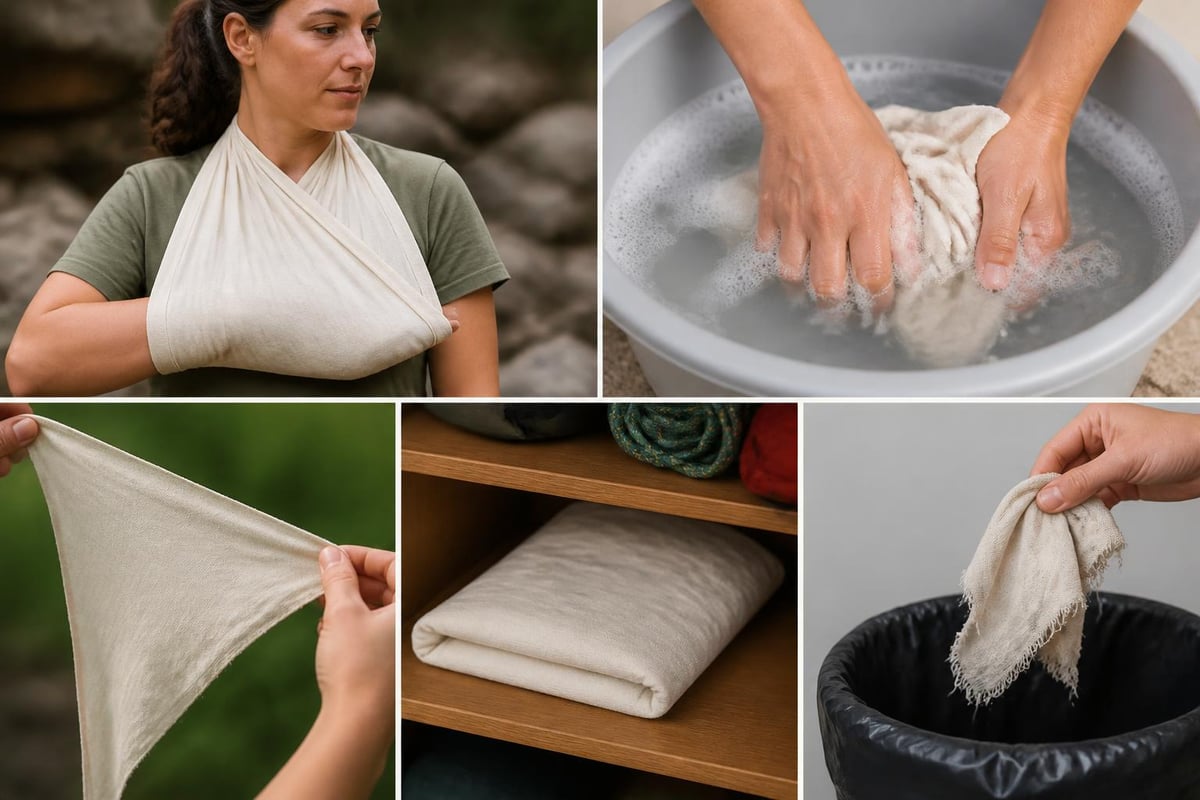
Storage Best Practices
Proper storage extends the useful life of calico triangular bandages and ensures they remain ready for immediate use. Store clean, dry bandages in sealed containers or bags that protect them from moisture, dust, and pests. Basic first aid kits should be inspected quarterly to verify bandage condition and replace any showing signs of deterioration.
Label storage containers with the date of last cleaning and inspection. This simple practice helps maintain quality control and ensures rotation of supplies in professional settings where multiple bandages may be stored together.
Training and Skill Development
Theoretical knowledge of calico triangular bandage applications means little without practical skill development. Regular training ensures competence when emergencies demand immediate, effective action.
Hands-On Practice Scenarios
Effective training programs incorporate realistic scenarios that require quick decision-making and proper technique application. Practice these common situations:
- Creating arm slings for suspected fractures
- Securing head dressings on moving patients
- Immobilizing lower extremity injuries
- Applying figure-eight shoulder bandages
- Using multiple bandages for complex injuries
Partner practice allows learners to experience both patient and rescuer perspectives, building empathy and understanding of how bandage tension and positioning affect patient comfort.
Building Muscle Memory
Mastery of triangular bandage techniques requires repetition until movements become automatic. Under stress, fine motor skills deteriorate, making practiced, automatic responses essential for effective emergency care.
Set regular practice schedules:
- Weekly practice for new learners (first 3 months)
- Monthly refresher sessions for established skills
- Quarterly comprehensive reviews of all techniques
- Annual formal assessment and certification renewal
This structured approach builds confidence and maintains proficiency across all skill levels, from civilian first aid providers to professional emergency responders.
Selection Criteria for Professional and Personal Use
Choosing the right calico triangular bandage for your specific needs requires evaluating several factors beyond basic dimensions and material composition. Different use cases demand different performance characteristics.
Individual vs. Multi-Casualty Scenarios
Personal first aid kits prioritize compact size and single-use reliability. These situations typically involve one or two bandages supporting basic injury management until professional help arrives. Quality matters, but cost-effectiveness allows for regular replacement.
Multi-casualty response kits require larger quantities and emphasize reusability. The hemmed calico triangular bandage offers enhanced durability for these demanding scenarios where equipment may be pressed into service multiple times before resupply.
Professional Standards and Certifications
Medical professionals, emergency responders, and organizations should select bandages meeting relevant regulatory standards. While triangular bandages aren't typically sterile items, they should comply with medical device regulations in their jurisdiction.
Look for suppliers who provide:
- Clear material composition documentation
- Manufacturing quality certifications
- Batch tracking for quality control
- Transparent supply chain information
These factors become particularly important for organizations maintaining large stockpiles or those subject to regulatory oversight of their medical supplies.
Common Mistakes and How to Avoid Them
Even experienced practitioners make errors when applying calico triangular bandages under stress or in challenging conditions. Recognizing common mistakes helps prevent complications and improve patient outcomes.
Circulation Compromise
The most dangerous error involves applying bandages too tightly, compromising blood flow to extremities. This mistake often occurs when trying to provide maximum support or when patients complain of pain that the rescuer attempts to address through increased immobilization.
Prevent this error by:
- Establishing baseline circulation before application
- Using the two-finger rule for tension testing
- Rechecking distal pulses at regular intervals
- Listening when patients report numbness or tingling
- Being willing to loosen and reapply as needed
Inadequate Support
Conversely, bandages applied too loosely fail to provide necessary support and may shift during patient movement. This commonly occurs when rescuers fear over-tightening or lack confidence in their technique.
Address inadequate support by ensuring the bandage maintains consistent contact with the limb or body part throughout its length. The secured limb should not shift position when the patient moves, though some slight bandage adjustment is normal.
Improper Knot Placement
Placing knots directly over injuries, bony prominences, or pressure points causes unnecessary patient discomfort and may worsen injuries. Knots should always be positioned on uninjured tissue where they can be easily accessed for adjustment or removal.
For arm slings, tie knots on the uninjured side of the neck, padded with soft tissue if possible. Never tie knots behind the neck where they're inaccessible and uncomfortable for patients lying supine.
Integration with Advanced Trauma Care
While the calico triangular bandage excels at basic first aid applications, it also plays valuable supporting roles in advanced trauma care protocols. Understanding these applications helps bridge the gap between basic first aid and professional emergency medical services.
Supporting Hemorrhage Control
When used in conjunction with hemostatic agents and pressure dressings, triangular bandages maintain sustained pressure over wound sites. Their large surface area distributes pressure evenly, reducing the risk of pressure necrosis while ensuring effective hemorrhage control.
The bandage can secure bulky trauma dressings in place on difficult anatomical locations where adhesive materials fail. This proves particularly valuable for wounds on the torso, groin, or head where conventional bandaging techniques struggle to maintain position.
Complement to Splinting Systems
Modern splinting systems like SAM splints and rigid board splints require secure fastening to effectively immobilize fractures. The calico triangular bandage provides this security without the drawbacks of adhesive tape or rigid straps.
Multiple bandages can be used along a splint's length, providing adjustable compression that accommodates swelling while maintaining fracture stability. This flexibility makes triangular bandages superior to many modern alternatives in austere environments where conditions change rapidly.
The calico triangular bandage remains an indispensable tool in emergency medical care, offering versatility and reliability that few modern alternatives can match. Whether you're building a comprehensive trauma response kit or simply ensuring your family is prepared for emergencies, understanding proper triangular bandage techniques provides capabilities that may prove lifesaving. As a paramedic-owned company, Medical Gear Outfitters combines professional-grade equipment with the expertise to help you build confidence in using these essential first aid tools effectively.

