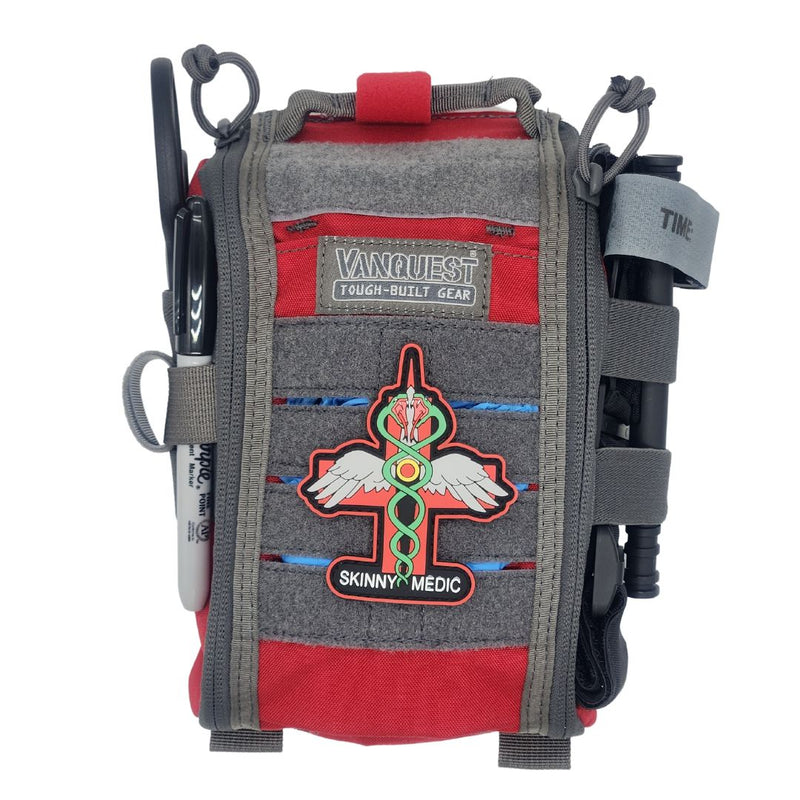
Backpacking Medical Kit: Build the Right Emergency Gear
When venturing into remote wilderness areas, the distance from professional medical care transforms minor injuries into serious emergencies. A properly equipped backpacking medical kit serves as your primary defense against medical situations that can derail a trip or threaten lives. Unlike urban first aid kits designed for quick access to emergency services, wilderness medical supplies must bridge the gap between injury and evacuation, sometimes for days. This comprehensive guide explores the critical components, organization strategies, and decision-making frameworks that separate adequate preparation from exceptional readiness on the trail.
Understanding Wilderness Medical Needs
Backcountry emergencies differ fundamentally from urban incidents. The American Red Cross hiking first aid kit checklist emphasizes that remote locations demand self-sufficiency and extended care capabilities. When professional responders are hours or days away, your backpacking medical kit becomes the entire emergency medical system.
Trail injuries follow predictable patterns based on environmental conditions and activity demands. Blisters, sprains, cuts, and abrasions account for the majority of wilderness medical issues. However, serious trauma including fractures, dislocations, severe bleeding, and environmental injuries require immediate intervention. Temperature-related emergencies, allergic reactions, and cardiac events present additional challenges in remote settings.
Risk Assessment and Trip Planning
Every wilderness journey requires individualized medical preparation. Consider these critical factors:
- Trip duration and remoteness - Multi-day expeditions require more comprehensive supplies
- Group size and medical training - Larger groups need proportionally more resources
- Terrain and activity level - Technical routes increase trauma risk
- Environmental conditions - Altitude, temperature extremes, and water exposure
- Pre-existing medical conditions - Personal medications and specific treatment needs
- Evacuation time estimates - Distance to definitive care influences supply quantities
Conducting thorough risk assessments before departure allows you to customize your backpacking medical kit appropriately. The Washington Trails Association's first aid kit guidance reinforces that personalization based on individual needs and trip characteristics dramatically improves preparedness.
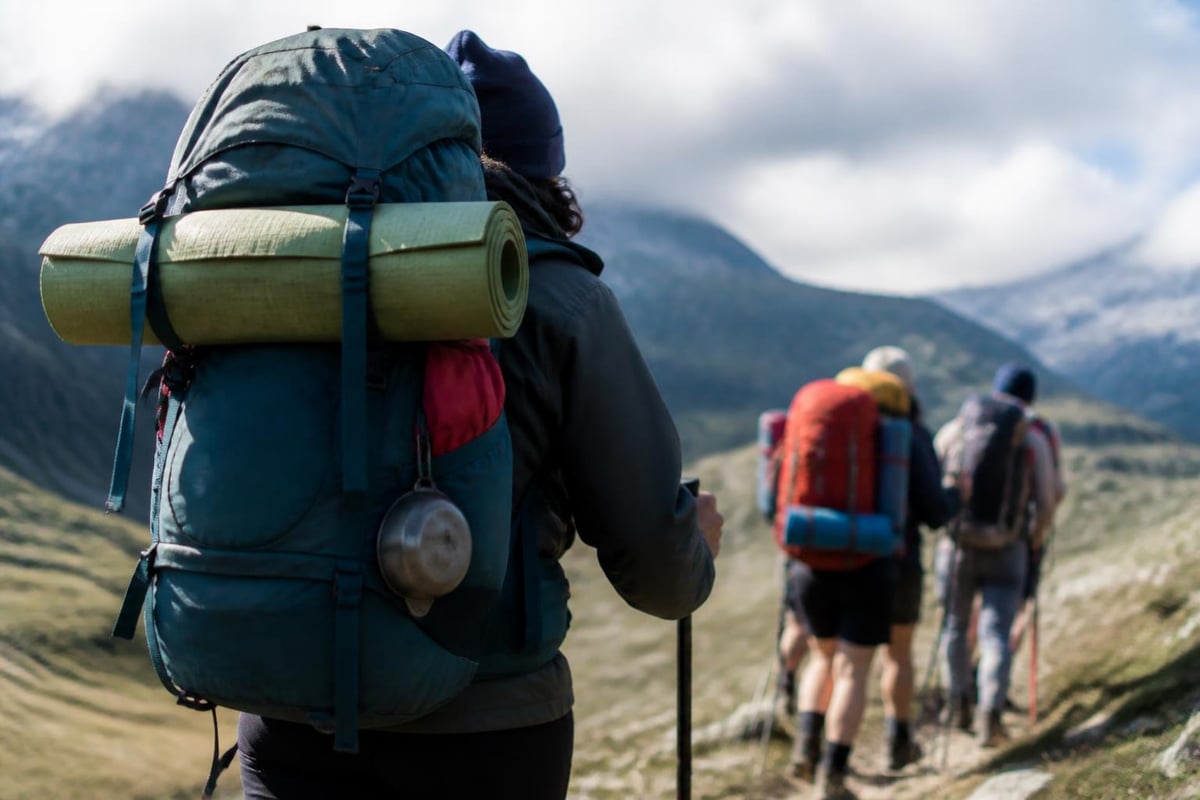
Essential Components for Every Kit
Building an effective backpacking medical kit requires balancing comprehensiveness with weight constraints. Start with these foundational categories that address the most common and serious wilderness medical situations.
Wound Care and Bleeding Control
Traumatic injuries demand immediate attention in backcountry settings. Modern portable medical kits incorporate evidence-based hemorrhage control alongside traditional wound management supplies.
Critical wound care items include:
- Adhesive bandages in multiple sizes for minor cuts and blisters
- Sterile gauze pads (4x4 and 2x2) for wound coverage
- Elastic bandages for compression and joint support
- Medical tape for securing dressings
- Antiseptic wipes or solution for wound cleaning
- Antibiotic ointment to prevent infection
- Hemostatic gauze for severe bleeding control
- Tourniquet for life-threatening extremity hemorrhage
Professional-grade tourniquets have proven essential for controlling major bleeding when direct pressure fails. Understanding how to stop a major bleed and avoid critical errors can mean the difference between a survivable injury and a fatality in remote locations.
Blister Prevention and Treatment
Foot care dominates backcountry medical concerns. Mammut's essential hiking first aid components specifically highlight blister management as critical for trip completion.
| Blister Stage | Treatment Supplies | Application Method |
|---|---|---|
| Hot spot (pre-blister) | Lubrication, friction-reducing tape | Apply at first sensation of heat or rubbing |
| Intact blister | Hydrocolloid dressing, donut padding | Protect without draining if possible |
| Drained blister | Antiseptic, non-adherent dressing, tape | Clean, dress, protect from further friction |
| Infected blister | Antibiotic ointment, daily dressing changes | Monitor for systemic infection signs |
Medications and Pharmacological Support
Carrying appropriate medications addresses pain, inflammation, allergic reactions, and gastrointestinal issues. Your backpacking medical kit should include:
- Pain relievers (ibuprofen, acetaminophen)
- Antihistamines for allergic reactions
- Anti-diarrheal medication
- Antacids for digestive discomfort
- Prescription medications specific to group members
- Epinephrine auto-injectors for severe allergies
- Aspirin for cardiac emergencies
Store medications in waterproof containers with clear labeling. Include dosage information and expiration dates. Personal prescription requirements necessitate individualized additions beyond these baseline recommendations.
Advanced Trauma and Emergency Equipment
Serious backcountry incidents require specialized equipment beyond basic first aid supplies. While weight-conscious hikers may debate necessity, certain items prove invaluable during critical emergencies.
Fracture and Immobilization Supplies
Bone and joint injuries in wilderness settings demand stabilization for safe evacuation. SAM splints provide versatile, lightweight immobilization for extremity fractures. Triangular bandages create slings and secure splints effectively. Athletic tape reinforces immobilization and provides additional joint support.
Improvisation skills extend limited supplies, but purpose-designed equipment delivers superior results. A comprehensive medical kit balances dedicated trauma gear with multipurpose items that serve various functions.
Environmental Protection Equipment
Temperature-related emergencies kill quickly in exposed environments. Pack these environmental protection items:
- Emergency blanket for hypothermia prevention and shock treatment
- Chemical heat packs for rewarming cold injuries
- Irrigation syringe for wound cleaning and cooling burns
- Sunscreen and lip protection to prevent UV damage
- Insect repellent to reduce vector-borne disease exposure
Emergency thermal blankets weigh minimal ounces but provide critical protection during unexpected weather deterioration or injury-induced immobility.
Tools and Instruments
Precision medical interventions require appropriate instruments. Include tweezers for splinter removal, scissors for cutting tape and clothing, safety pins for securing bandages, and a CPR face shield for rescue breathing. Nitrile gloves protect both rescuer and patient during wound care. A headlamp enables nighttime medical procedures when emergencies ignore daylight hours.
Organization and Accessibility Strategies
The best-equipped backpacking medical kit fails if critical supplies remain inaccessible during emergencies. Systematic organization accelerates treatment and reduces stress during high-pressure situations.
Categorization Systems
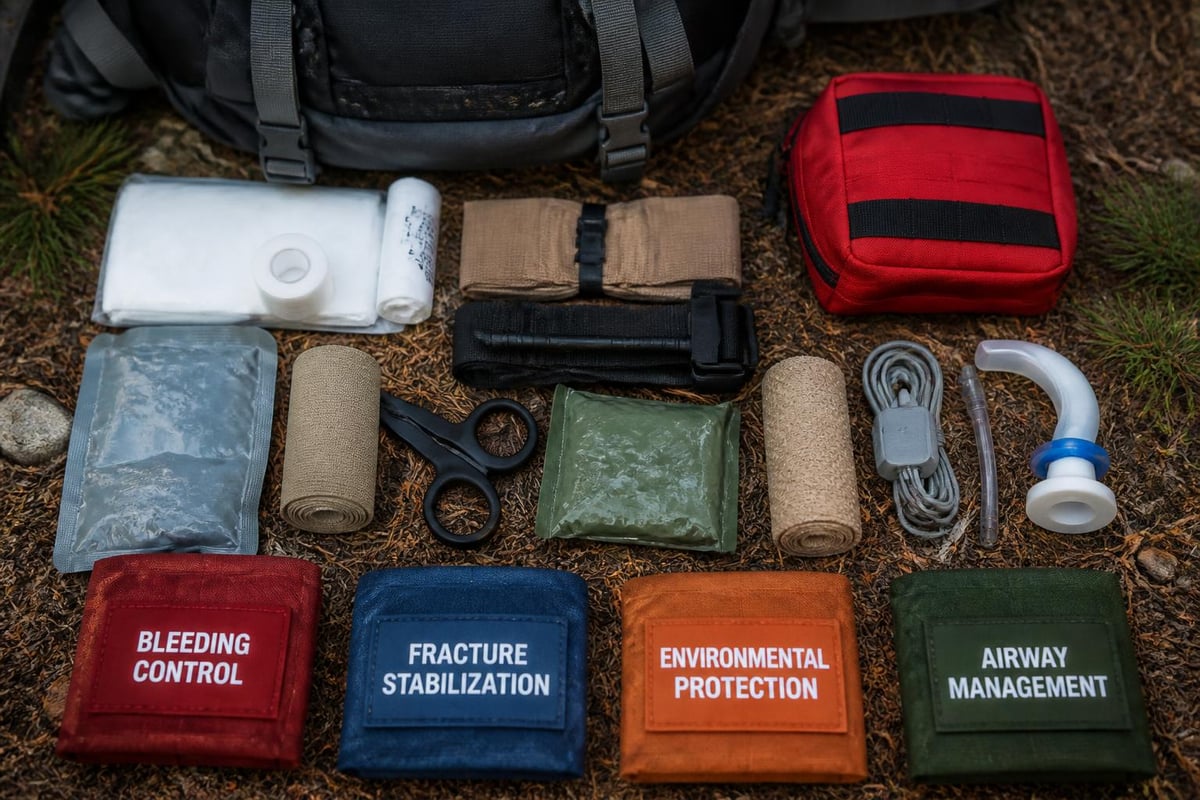
Divide supplies into logical treatment categories. Color-coded stuff sacks or clear zipper bags separate:
- Red category - Life-threatening bleeding control (tourniquets, hemostatic gauze)
- Yellow category - Wound care and minor trauma (bandages, dressings, tape)
- Blue category - Medications and pharmacological supplies
- Green category - Tools, instruments, and miscellaneous items
This color-coding system allows anyone in your group to locate needed supplies quickly, even without medical training. Label each section clearly with waterproof tags.
Container Selection and Placement
Choose waterproof containers that protect supplies from moisture while remaining easily accessible. Hard-shell cases prevent crushing but add weight. Soft pouches integrate better into pack organization but require careful placement away from water bottles and cooking fuel.
Position your backpacking medical kit where you can reach it without unpacking your entire load. Top lid pockets or external attachment points work well for frequently accessed items. Store the main kit in an easily identifiable location that all group members know.
Regular Maintenance Protocols
| Maintenance Task | Frequency | Action Items |
|---|---|---|
| Inventory check | Before each trip | Verify all items present, restock used supplies |
| Expiration review | Every 6 months | Replace expired medications and ointments |
| Weather sealing | Annually | Test waterproof containers, replace damaged bags |
| Skill refresher | Quarterly | Practice tourniquet application, wound dressing |
Expired medications lose potency and may produce harmful byproducts. Establish rotation systems that place newer items behind older stock, ensuring oldest items get used first.
Weight Management Without Compromising Safety
Ounce-counting backpackers face constant tension between preparedness and pack weight. Strategic decision-making optimizes your backpacking medical kit without sacrificing critical capabilities.
Multipurpose Item Selection
Choose supplies that serve multiple functions. Duct tape repairs gear and secures dressings. Tampons provide absorbent material for nosebleeds and deep puncture wounds. Bandanas create slings, tourniquets, or cold compresses. Safety pins close torn clothing and secure triangular bandages.
Repackage commercial products to eliminate excess packaging weight. Transfer ointments to smaller containers. Remove individual bandage wrappers and store in a clean zipper bag. Document medication names and dosages on lightweight labels rather than carrying full boxes.
Group Medical Kits Versus Personal Kits
Solo travelers carry complete systems, but groups can distribute weight strategically. Designate one comprehensive group kit supplemented by personal medication pouches. This approach prevents duplication while ensuring everyone can address minor issues independently.
The group kit should contain all major trauma supplies, with specialized trauma equipment accessible to trained members. Personal kits include frequently used items like blister treatment, pain relievers, and prescription medications.
Commercial Versus Custom-Built Kits
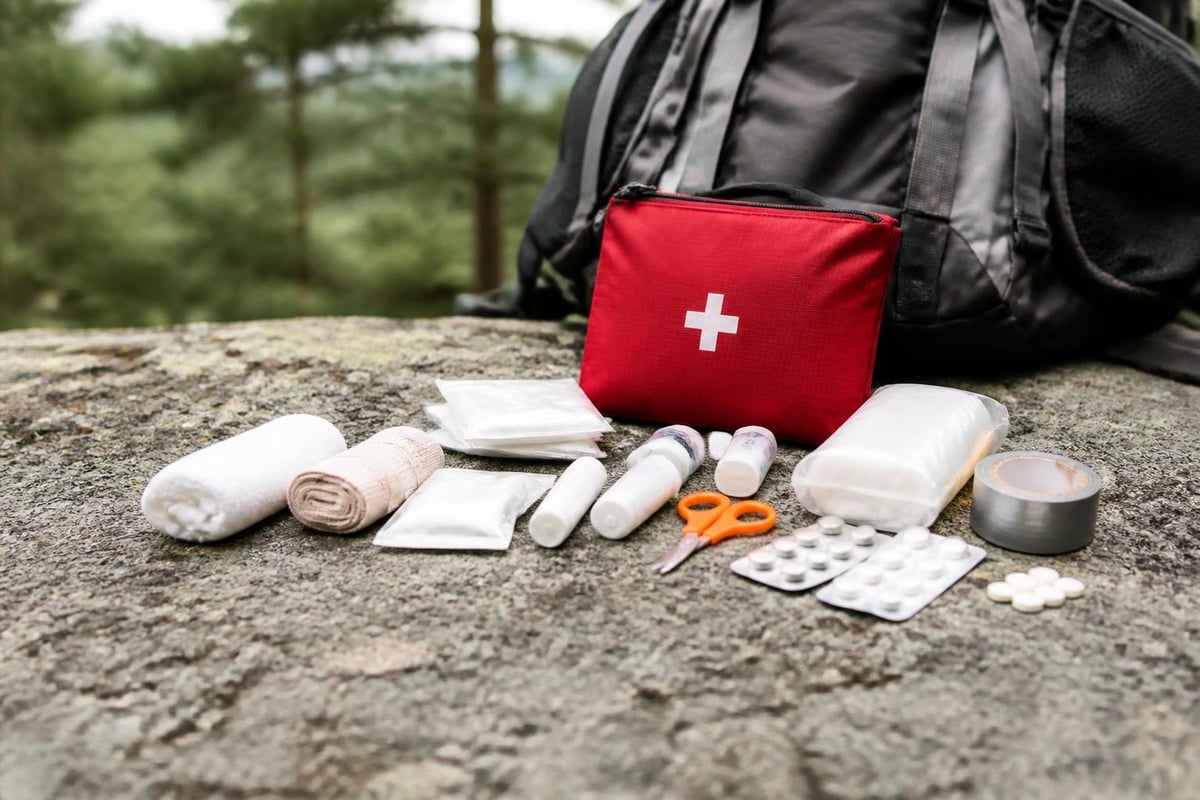
Pre-assembled kits offer convenience but often include unnecessary items while omitting trip-specific essentials. Building a personalized backpacking first aid kit allows precise customization to your needs, training level, and risk profile.
Commercial kits work as starting points. Evaluate contents against your requirements, supplement missing items, and remove irrelevant supplies. This hybrid approach balances convenience with personalization.
Training and Knowledge Application
Equipment without knowledge creates false confidence. Your backpacking medical kit reaches full potential only when paired with proper training and practiced skills.
Recommended Training Levels
Minimum competency includes CPR certification and basic first aid training. These foundational courses teach assessment protocols, wound care fundamentals, and emergency response principles. Completion takes 8-16 hours and remains valid for two years.
Wilderness-specific training addresses extended care scenarios and improvisation techniques. Wilderness First Aid (16-24 hours) or Wilderness First Responder (80+ hours) courses teach backcountry-relevant protocols. These programs emphasize minimum guidelines for wilderness first aid established through evidence-based research.
Advanced tactical medicine prepares for severe trauma in austere environments. Courses covering hemorrhage control, airway management, and shock treatment integrate seamlessly with comprehensive kit design.
Practice and Skill Maintenance
Schedule regular practice sessions with your group. Simulate common scenarios:
- Blister treatment during a short day hike
- Wound irrigation and dressing application
- Fracture splinting using available materials
- Tourniquet application under time pressure
- Hypothermia management with emergency blankets
Muscle memory developed through repetition enables calm, effective responses during actual emergencies when stress impairs decision-making.
Seasonal and Environmental Adaptations
Your backpacking medical kit requires modification based on seasonal conditions and geographical locations. Desert, alpine, coastal, and forest environments present distinct challenges demanding specific preparations.
Cold Weather Additions
Winter expeditions increase frostbite, hypothermia, and cold-induced injury risks. Add chemical warmers, extra emergency blankets, and petroleum jelly for exposed skin protection. Include blister prevention supplies specifically designed for moisture management in wet, cold conditions.
Hot Weather Considerations
Desert and tropical environments elevate heat illness and dehydration risks. Electrolyte replacement tablets, additional sunscreen, and cooling items like instant cold packs become essential. Increase hydration monitoring supplies and heat stroke treatment knowledge.
Altitude-Specific Supplies
High-elevation treks require medications addressing altitude sickness. Acetazolamide helps prevent acute mountain sickness in susceptible individuals. Dexamethasone treats severe altitude emergencies. Pulse oximeters monitor oxygen saturation during acclimatization.
Water Environment Precautions
Kayaking, rafting, or water crossings demand waterproof packaging for all medical supplies. Include hypothermia prevention equipment even during summer months. Near-drowning treatment protocols require specific training and equipment considerations.
Legal and Ethical Considerations
Providing medical care in wilderness settings raises important legal questions. Good Samaritan laws in most jurisdictions protect individuals providing reasonable emergency care, but understand your local regulations.
Document all treatments provided, including times, interventions, and patient responses. This information proves valuable during evacuation handoffs to professional responders. Obtain consent before treatment when patients can communicate. Implied consent applies during life-threatening emergencies when patients cannot respond.
Recognize your training limitations. Never attempt procedures beyond your competency level. Knowing when to request evacuation demonstrates wisdom, not weakness. Establish communication plans before trips, including satellite communication devices for areas without cell coverage.
Integration With Broader Emergency Systems
Your backpacking medical kit functions as one component within comprehensive emergency preparedness. Coordinate medical supplies with navigation tools, communication devices, and evacuation plans.
Communication Equipment
Satellite messengers, personal locator beacons, or satellite phones enable emergency service contact from remote locations. Register devices with appropriate authorities and test functionality before departure. Include emergency contact information in waterproof containers within your kit.
Evacuation Planning
Research evacuation routes and helicopter landing zones along your planned route. Understand local search and rescue protocols and contact procedures. Weather conditions, terrain, and patient condition determine whether self-evacuation or professional rescue becomes necessary.
Trip Reporting and Itineraries
File detailed trip plans with responsible parties. Include group member information, planned routes, expected return times, and vehicle descriptions. This information accelerates rescue operations if you fail to return as scheduled.
Building and maintaining an effective backpacking medical kit requires thoughtful planning, quality equipment, and ongoing training to ensure readiness when emergencies strike in remote environments. Whether you're assembling your first wilderness kit or upgrading existing supplies, Medical Gear Outfitters provides professional-grade equipment and paramedic-backed expertise to help you prepare confidently for any backcountry adventure. Their comprehensive selection of trauma supplies, first aid components, and specialized gear ensures you'll find exactly what you need to stay safe on the trail.