
Antiseptic Wipes First Aid Guide: Essential Tips for 2026
In an emergency, every second counts, and having the right supplies can save the day. Many people underestimate the importance of proper wound cleaning, leaving themselves open to infection and slower healing.
Antiseptic wipes first aid offers a simple yet powerful way to care for minor injuries at home, work, or outdoors. These wipes provide quick, effective cleaning, making them a must-have for anyone looking to prevent complications in 2026.
This guide will show you how to use antiseptic wipes first aid correctly, highlight their benefits, and explain why they belong in every first aid kit. Get ready to learn expert-backed steps, the latest best practices, and everything you need to stay prepared.
Understanding Antiseptic Wipes: What They Are and How They Work
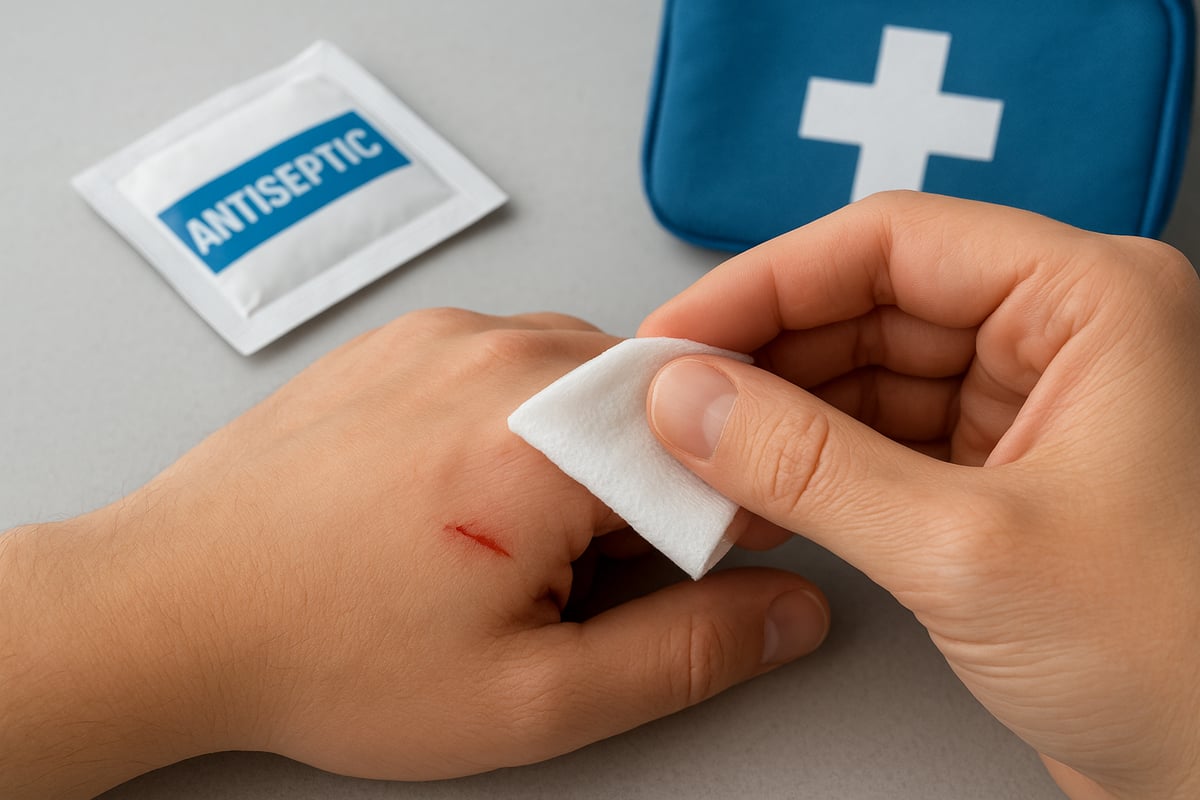
Antiseptic wipes first aid play a crucial role in modern wound care. These pre-moistened, single-use pads are designed to quickly and effectively clean minor injuries. Whether you are at home, in the workplace, or outdoors, antiseptic wipes first aid offer a convenient way to reduce infection risk and promote faster healing.
What Are Antiseptic Wipes and Why Are They Used?
Antiseptic wipes first aid are disposable cloths saturated with antimicrobial solutions. Their main purpose is to clean the skin and reduce the presence of harmful microorganisms. They are a staple in every well-stocked first aid kit due to their effectiveness in preventing infection. These wipes are particularly valued for situations where soap and water are unavailable or impractical.
Key Antiseptic Agents and Their Effectiveness
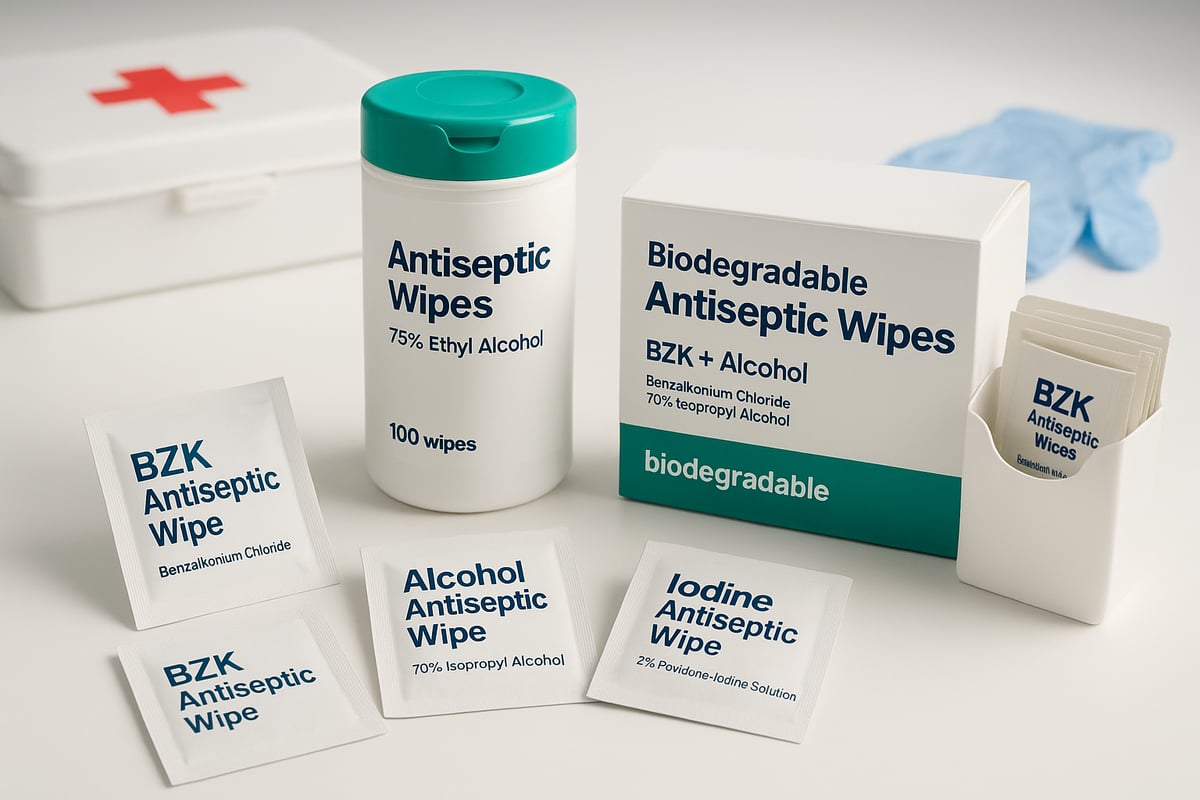
Most antiseptic wipes first aid use agents like Benzalkonium Chloride (BZK), isopropyl alcohol, or povidone-iodine. Each offers unique benefits. BZK is gentle, non-stinging, and effective against bacteria and some viruses. Alcohol-based wipes are fast-acting but can be drying or irritating, especially on sensitive skin. Povidone-iodine provides broad-spectrum coverage, including fungi and viruses, but may stain skin and is not always suitable for everyone.
A systematic review, Antiseptic solutions in acute wound care, found that antiseptic agents significantly reduce infection rates and bacterial load in acute wounds compared to non-antiseptic solutions. This evidence supports the inclusion of antiseptic wipes first aid in all emergency kits.
| Agent | Pros | Cons |
|---|---|---|
| BZK | Gentle, non-stinging | Less effective vs. spores |
| Alcohol | Rapid, broad action | May irritate, dries skin |
| Povidone-Iodine | Broad-spectrum, antiviral | Can stain, allergy risk |
How Antiseptic Wipes Eliminate Pathogens
Antiseptic wipes first aid work by disrupting the cell walls or metabolic processes of bacteria, viruses, and fungi on the skin. When applied, the active agents break down the protective membranes of microbes, rendering them inactive or killing them outright. This immediate action helps prevent bacteria from entering the wound, lowering the risk of infection.
Comparing Wipes with Other Wound Cleaning Methods
When considering wound cleaning, antiseptic wipes first aid offer several advantages. Unlike soap and water, they are portable and do not require rinsing or drying. Alcohol pads are similar in format but may not be as gentle for repeated use. Ointments provide a barrier but do not clean debris from the skin. The single-use packaging of antiseptic wipes ensures each application is sterile, greatly reducing cross-contamination.
- Soap and Water: Effective but requires access to clean water.
- Alcohol Pads: Strong but can sting and dry out skin.
- Ointments: Protect but do not clean.
- Antiseptic Wipes: Portable, easy to use, single-use, effective cleaning.
Common Applications and Product Example
Antiseptic wipes first aid are commonly used for:
- Cleaning minor cuts, scrapes, and abrasions.
- Sanitizing skin before injections or blood tests.
- Wound care for minor burns.
- Quick sanitation when handwashing is not possible.
A widely used product is BZK Antiseptic Wipes containing 0.133% Benzalkonium Chloride. These are trusted for their gentle action and broad effectiveness, making them a preferred choice in many first aid kits.
Guidelines and Infection Control
Both the CDC and OSHA recommend antiseptic wipes first aid as part of standard hand hygiene and wound care protocols. Their single-use design and reliable antimicrobial action make them an essential tool for infection prevention in any emergency setting.
Why Antiseptic Wipes Are Essential in First Aid Kits for 2026
The landscape of first aid is rapidly evolving, and antiseptic wipes first aid supplies are more critical than ever in 2026. With rising infection risks and the continued challenge of antibiotic resistance, the importance of immediate and effective wound cleaning cannot be overstated. Even minor cuts and scrapes can become serious if not properly managed, highlighting the need for reliable antiseptic wipes first aid solutions in every kit.
Recent years have seen an uptick in superbugs and resistant bacteria. This trend makes prevention the first line of defense. By ensuring wounds are cleaned with antiseptic wipes first aid products, you reduce the chances of infection and lessen the need for antibiotics later. The CDC and OSHA both emphasize the value of proper wound hygiene, especially as antibiotic resistance becomes a global concern.
Regulatory bodies such as ANSI and OSHA now require antiseptic wipes first aid supplies in workplace and public first aid kits. These standards are set to become even more stringent in 2026, reflecting the vital role that antiseptic wipes play in infection control. Employers, schools, and public facilities must comply with these updated guidelines to protect staff, students, and visitors.
Versatility is a key advantage. Antiseptic wipes first aid products are suitable for home, office, schools, travel, and outdoor environments. They offer a portable and convenient alternative to traditional cleaning methods, eliminating the need for water or bulky supplies. Whether you’re treating a scraped knee on the playground or managing a minor cut in the workplace, antiseptic wipes first aid options provide immediate, effective sanitation.
Hospitals and emergency responders rely on antiseptic wipes first aid for quick sanitation in the field. Their ability to deliver rapid, single-use cleaning reduces cross-contamination and speeds up care. In fact, studies show that proper wound cleaning with antiseptic wipes first aid can cut infection rates in half compared to untreated wounds.
Here’s a quick comparison of outcomes with and without antiseptic wipes first aid:
| Scenario | Infection Rate | Healing Time |
|---|---|---|
| With antiseptic wipes first aid | Low | Faster |
| Without proper wound cleaning | High | Slower |
Updated first aid kit recommendations for 2026 prioritize antiseptic wipes first aid as a must-have. For a detailed breakdown of essential items, including antiseptic wipes, see the Basic First Aid Box Essentials guide.
The benefits of including antiseptic wipes first aid in your kit are clear: improved infection control, faster healing, compliance with regulations, and peace of mind for families and professionals alike. As we move into 2026, making antiseptic wipes first aid a staple in every kit is not just best practice—it’s essential for safety and preparedness.
Step-by-Step Guide: How to Use Antiseptic Wipes for First Aid
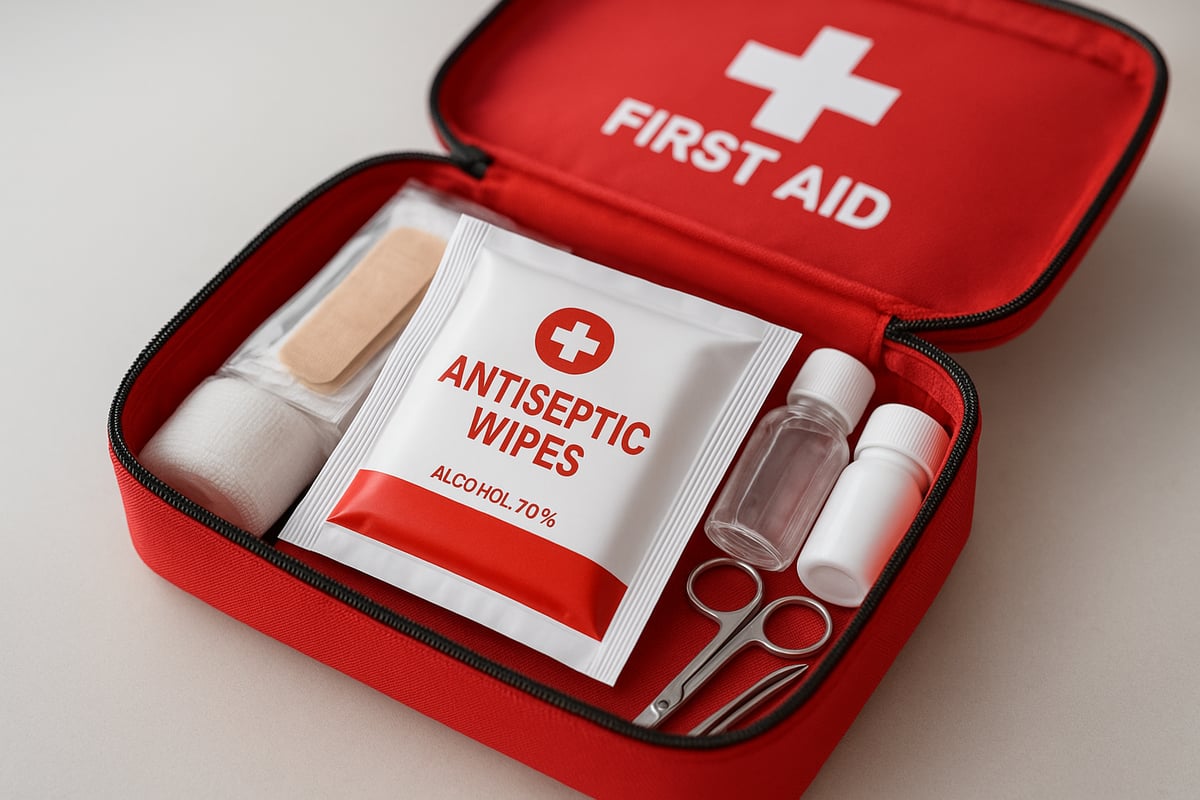
When every second counts, knowing how to use antiseptic wipes first aid techniques can prevent infection and speed up healing. This step-by-step guide outlines the safest, most effective way to handle minor wounds using antiseptic wipes first aid methods recommended for 2026.
Preparing for Wound Cleaning
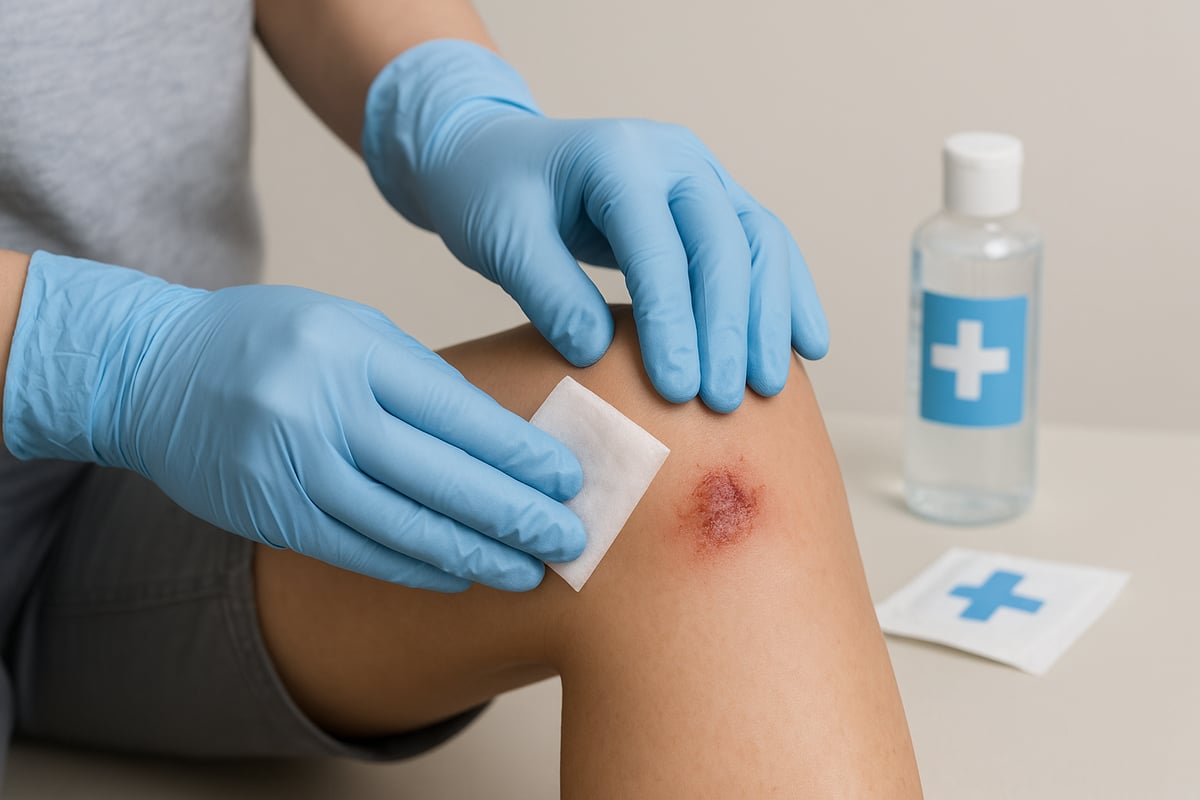
Before using antiseptic wipes first aid procedures, always assess the injury. If the wound is deep, heavily bleeding, or shows signs of severe trauma, seek medical attention immediately. For minor cuts and scrapes, preparation is key.
Begin by washing your hands thoroughly with soap and water. If soap is not available, use hand sanitizer. Clean hands reduce the risk of introducing new germs during antiseptic wipes first aid.
Next, gather your supplies. You will need antiseptic wipes, disposable gloves, and a suitable bandage or dressing. If possible, ensure the environment is clean to minimize contamination. First responders in the field often use antiseptic wipes first aid to minimize infection risk when water is unavailable.
For added protection, put on gloves before touching the wound. This not only protects the patient but also safeguards you from potential exposure.
Cleaning the Wound with Antiseptic Wipes
Open the antiseptic wipe package carefully, ensuring you do not touch the wipe itself to avoid contamination. Use antiseptic wipes first aid by gently wiping around the wound to remove visible dirt and debris. This initial cleaning step is crucial for optimal wound care.
Once the surrounding area is clean, take a fresh antiseptic wipe and clean the wound itself. Use a single, outward motion, moving from the center of the wound toward the edges. Avoid rubbing the wound vigorously, as this can damage healthy tissue and delay healing.
For larger or heavily soiled wounds, you may need to use additional antiseptic wipes first aid. Replace wipes as soon as they appear soiled to maintain effective cleaning. For example, after a child falls and scrapes a knee, cleaning with antiseptic wipes first aid can remove grit and bacteria quickly, reducing infection risk.
Make sure to use each wipe only once and discard it properly after use.
Post-Cleaning Care and Dressing the Wound
After using antiseptic wipes first aid, allow the cleaned area to air dry for a few seconds. This ensures the antiseptic has enough time to act against bacteria and other pathogens.
Select an appropriate bandage or sterile dressing to cover the wound. Secure it in place, making sure it is snug but not too tight. Proper coverage helps maintain a clean environment and prevents new contaminants from entering the wound.
Dispose of used antiseptic wipes first aid packaging and gloves in a sealed bag or designated waste container. Safe disposal prevents cross-contamination and keeps the area sanitary.
Monitor the wound daily for signs of infection, such as increasing redness, swelling, pain, or pus. If you notice any of these symptoms, consult a healthcare professional. Re-clean and re-dress the wound as needed, following antiseptic wipes first aid best practices.
For example, in a workplace setting, changing dressings and cleaning wounds regularly with antiseptic wipes first aid can prevent minor injuries from becoming major health concerns.
Special Considerations for Sensitive Skin and Children
When performing antiseptic wipes first aid on children or those with sensitive skin, select wipes with gentle, hypoallergenic formulas. Look for products labeled as fragrance-free or containing soothing agents like aloe vera.
Avoid using harsh antiseptics on infants or individuals with known allergies. Always test the wipe on a small patch of skin before full application if sensitivity is suspected.
For more tips on selecting the safest supplies for young ones, refer to First Aid Supplies for Children, which covers essential considerations for antiseptic wipes first aid in pediatric care.
Pediatric first aid kits often include specially formulated wipes to ensure comfort and safety for all ages.
Common Mistakes to Avoid When Using Antiseptic Wipes
Even with the right supplies, mistakes can undermine antiseptic wipes first aid efforts. Avoid these common pitfalls:
- Failing to wash hands before wound care
- Reusing wipes or using expired antiseptic wipes first aid products
- Ignoring possible allergic reactions or sensitivities
- Using antiseptic wipes first aid on deep, puncture, or animal bite wounds (seek medical help for these cases)
Studies show that improper antiseptic wipes first aid application can significantly increase infection rates, so following correct procedures is critical.
Choosing the Right Antiseptic Wipes: Key Factors and Product Comparisons
Selecting the best antiseptic wipes first aid supplies for your kit can be overwhelming with so many options on the market. The right choice depends on your needs, the environment, and the types of injuries you are most likely to encounter. Understanding the differences between ingredients, packaging, and regulatory requirements is essential for making an informed decision.
Active Ingredients: BZK, Alcohol, and Iodine
The active ingredient in antiseptic wipes first aid products determines their effectiveness and suitability for different situations. Benzalkonium chloride (BZK) is gentle on skin, non-stinging, and effective against a broad spectrum of bacteria and some viruses. Alcohol-based wipes act rapidly and provide strong antimicrobial action, but may sting, dry out skin, and are not suitable for all users. Iodine wipes offer broad-spectrum effectiveness, including against some fungi, but may cause staining or irritation in sensitive individuals.
When choosing antiseptic wipes first aid solutions, consider the common injuries in your environment and any known sensitivities. BZK is often recommended for general use, while alcohol and iodine are preferred in settings where rapid action or broader coverage is critical.
Packaging and Added Features
Packaging plays a key role in maintaining sterility and convenience. Single-use packets reduce the risk of cross-contamination and are ideal for portable first aid kits. Bulk dispensers work well in high-traffic or clinical settings but require careful handling to ensure wipes remain uncontaminated. Eco-friendly options, such as biodegradable wipes, are increasingly popular for those concerned about sustainability and environmental impact. Recent research confirms that these sustainable wipes can offer effective antibacterial protection without compromising on quality, as seen in this biodegradable antiseptic wipes study.
Look for features like hypoallergenic formulas, added moisturizers (such as aloe vera), and fragrance-free options if you or your team have sensitive skin. The thickness and size of the wipe should match the anticipated wound size—thicker, larger wipes are better for cleaning larger areas, while small packets are suitable for minor cuts and scrapes.
Sterile vs. Non-Sterile Wipes and Compliance
Sterility is crucial for wound care, especially in medical or high-risk settings. Sterile antiseptic wipes first aid products are individually sealed and free from microorganisms, making them the best choice for open wounds or post-surgical care. Non-sterile wipes are suitable for cleaning intact skin or minor injuries where sterility is less critical.
Always ensure your wipes comply with ANSI and OSHA standards if you’re preparing kits for workplaces, schools, or public spaces. Regulatory compliance guarantees a minimum level of safety and effectiveness, which is vital for both legal and health reasons.
Product Comparison Table
| Feature | Safetec Antiseptic Wipes | First Aid Only BZK Wipes |
|---|---|---|
| Active Ingredient | BZK (0.13%) | BZK (0.133%) |
| Packaging | Individually wrapped | Individually wrapped |
| Added Features | Fragrance-free, non-sting | Hypoallergenic, no alcohol |
| Sterility | Yes | Yes |
| Eco-Friendly Option | Available | Not specified |
Market Trends and Consumer Preferences for 2026
The antiseptic wipes first aid market is evolving rapidly. Consumers are increasingly prioritizing eco-friendly and hypoallergenic products, with biodegradable and plant-based options gaining traction. Portability and convenience remain top priorities, driving demand for single-use packets over bulk dispensers.
Regulatory changes and increased awareness of infection control have also led to a higher standard for both home and workplace kits. As you update your antiseptic wipes first aid supplies, monitor emerging trends and ensure your products meet current guidelines and personal needs.
Safety Tips, Storage, and Shelf Life of Antiseptic Wipes
Proper storage of antiseptic wipes first aid supplies is crucial for maintaining their effectiveness and ensuring safety in emergencies. Always keep wipes in a cool, dry place, away from direct sunlight or heat sources. Exposure to moisture or temperature extremes can degrade the active ingredients, reducing their ability to prevent infection. For best results, store unopened packages in their original packaging to protect against contamination.
When considering shelf life, check the manufacturer’s expiration date on each packet or box. Most antiseptic wipes first aid products have a shelf life of two to three years. Using wipes past their expiration can result in decreased potency or dried-out materials, making them less effective for wound care. Regularly inspect your supplies for changes in color, texture, or odor, and replace any products that show signs of deterioration.
Safe disposal is another important aspect of antiseptic wipes first aid. After use, place wipes and packaging in a designated waste container to prevent the spread of bacteria and contamination. Do not flush wipes, as they can clog plumbing and harm the environment. If you are updating your home kit, follow guidelines for safe disposal and replacement, as outlined in resources like Building a Family First Aid Kit.
To keep your antiseptic wipes first aid supplies safe for everyone, store them out of reach of children and pets. Some wipes contain strong antiseptic agents that can cause irritation if ingested or handled improperly. For those with sensitive skin or allergies, select hypoallergenic or fragrance-free options, and always test a small area before full use. If irritation occurs, discontinue use and consult a healthcare provider.
In workplace settings, follow safety protocols for storing and monitoring antiseptic wipes first aid supplies. Train staff to check expiration dates, dispose of used wipes safely, and recognize signs of degraded products. Regular audits and adherence to manufacturer guidelines help ensure that first aid kits are always ready for emergencies.
By following these safety, storage, and shelf life tips, you maximize the effectiveness of antiseptic wipes first aid products and help protect everyone in your home, workplace, or on the go.
Innovations and Trends: The Future of Antiseptic Wipes in First Aid
Innovation is rapidly transforming antiseptic wipes first aid, setting new standards for wound care and infection prevention. As the need for reliable, effective first aid solutions grows, manufacturers and healthcare professionals are focusing on smarter, safer, and more sustainable products. These advancements will shape how individuals and organizations prepare for emergencies in 2026 and beyond.
Advanced Formulations for Broader Protection
The next generation of antiseptic wipes first aid products features enhanced antimicrobial agents. New formulas target a wider range of bacteria, viruses, and fungi, supporting better outcomes in both routine and high-risk environments. Research into antiseptic agents in chronic wounds shows the importance of selecting the right compounds for optimal healing and infection prevention.
Manufacturers are refining concentrations and combining ingredients to reduce irritation while maximizing effectiveness. This ensures that antiseptic wipes first aid remains safe for frequent use, even on sensitive skin or chronic wounds.
Eco-Friendly Materials and Smart Packaging
Sustainability is now a top priority for antiseptic wipes first aid. Companies are developing biodegradable wipe materials and recyclable packaging to reduce environmental impact. These eco-friendly options appeal to both consumers and institutions focused on responsible practices.
Smart packaging is another area of rapid improvement. Features like expiration date indicators and tamper-evident seals help users ensure that their antiseptic wipes first aid supplies are fresh and safe. This reduces the risk of using outdated products, supporting better infection control.
Digital Integration and Pandemic Preparedness
Digital technology is transforming how people manage antiseptic wipes first aid. Mobile health apps now connect with digital first aid kits, offering step-by-step wound care guidance and reminders to restock supplies. These tools help families, schools, and workplaces stay prepared for emergencies.
The recent pandemic has prompted a renewed focus on infection control. Antiseptic wipes first aid is now central to protocols for public spaces, travel, and healthcare settings. Touch-free dispensers and individually wrapped wipes have become standard, further reducing the risk of cross-contamination.
Market Growth, CDC Guidance, and Future Readiness
The market for antiseptic wipes first aid is expected to grow significantly. According to the U.S. wound wash market report, demand for advanced wound care products continues to rise as consumers seek safer, more effective solutions.
Regulatory bodies like the CDC are updating guidelines to reflect new research and technologies. Emerging best practices emphasize the role of antiseptic wipes first aid in preventing infections and supporting rapid healing. These trends will ensure that individuals and organizations can respond confidently to any emergency, making first aid kits smarter and more reliable for 2026.

