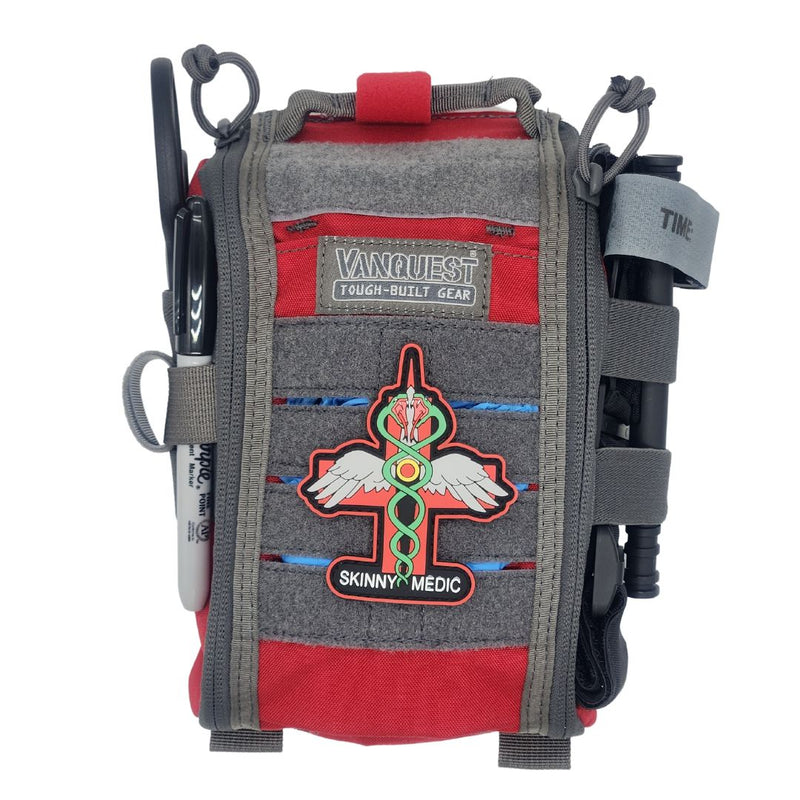
Van First Aid Kit Guide: Essential Tips for Safe Travels 2026
Imagine cruising along a scenic highway in your van, when an unexpected medical emergency suddenly disrupts your adventure. Being prepared with a van first aid kit can make the difference between panic and confidence during these moments.
This guide offers you practical, expert-backed advice for assembling and maintaining a reliable van first aid kit, giving you peace of mind wherever your journey takes you in 2026.
Discover why a kit is essential for van travel, what to include, how to customize it, storage and maintenance tips, and crucial emergency response steps. Take action now to travel safer and smarter.
Why Every Van Needs a First Aid Kit
Traveling in a van offers freedom, but it also presents unique challenges. Understanding why a van first aid kit is essential can mean the difference between adventure and adversity. Let's explore the core reasons every van traveler should be prepared.
The Unique Risks of Van Travel
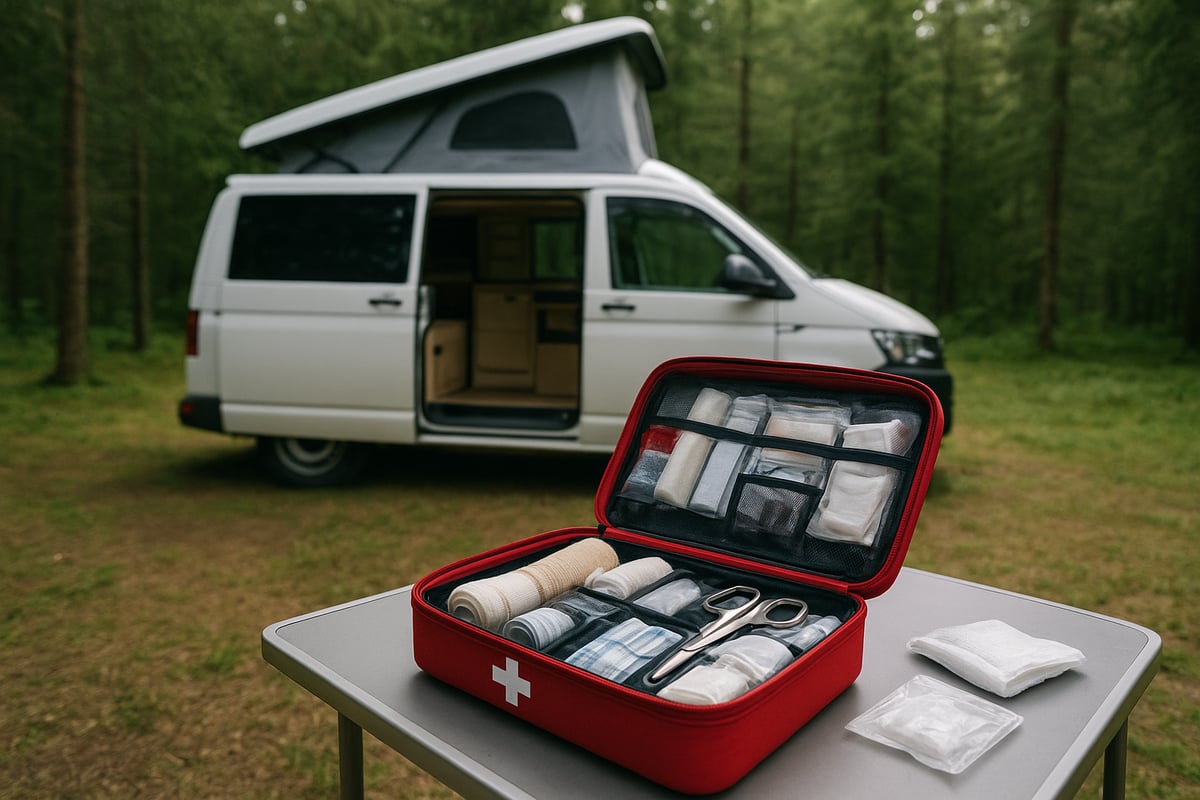
Life on the road means frequent exposure to situations where immediate medical help is not available. Remote campsites, rugged terrain, and unpredictable weather all increase the likelihood of needing a van first aid kit.
- Minor injuries like cuts, burns, and sprains can occur while camping or fixing your vehicle.
- Wildlife encounters and environmental hazards may lead to bites or stings.
- According to a 2024 industry survey, over 30% of van travelers have faced a medical issue during their journeys.
Real stories highlight the difference a van first aid kit can make. Some travelers resolved emergencies quickly with the right supplies, while others struggled due to lack of preparation. For practical guidance on assembling a kit tailored for vehicles, see How to Build a Vehicle First Aid Kit.
Legal and Insurance Considerations
Carrying a van first aid kit is not just about safety; it can also be a legal requirement. Some regions require vehicles to be equipped with a first aid kit by law.
- Insurance providers may look at your preparedness when reviewing claims.
- For commercial van operators, employers often mandate carrying a compliant kit.
- Failing to meet these standards could affect coverage or result in fines.
Staying current with regulations ensures you are both safe and compliant wherever your travels take you.
Peace of Mind and Self-Sufficiency
A van first aid kit brings peace of mind, especially in uncertain situations. Knowing you can handle minor emergencies reduces anxiety and builds confidence.
- Immediate access to medical supplies lets you act quickly.
- Self-reliance is crucial when help is delayed or unavailable.
- Responsible travelers prioritize preparedness for themselves and others.
This level of readiness supports a more enjoyable and worry-free travel experience.
Supporting Others on the Road
Van travel often involves meeting other travelers. Having a van first aid kit means you are ready to assist those in distress.
- You can provide aid to fellow vanlifers during accidents or sudden illness.
- Building a supportive community is easier when everyone comes prepared.
- Shared knowledge and resources make the road safer for all.
Your kit is not just for you; it can be a lifeline to others in need.
Cost and Time Savings
Immediate use of a van first aid kit can prevent minor issues from becoming major problems.
- Treating small injuries right away cuts down on medical costs.
- Quick care helps you avoid unplanned detours to clinics or hospitals.
- Preventative action keeps your journey on track and within budget.
Investing in a well-stocked kit is a smart choice for every van traveler.
Essential Contents of a Van First Aid Kit
Packing the right supplies in your van first aid kit can make all the difference when handling health emergencies on the road. A well-prepared kit ensures you are ready for anything, from minor scrapes to more serious incidents. Let us break down the essential contents every traveler should have on hand for a safe and confident journey.
Basic First Aid Supplies
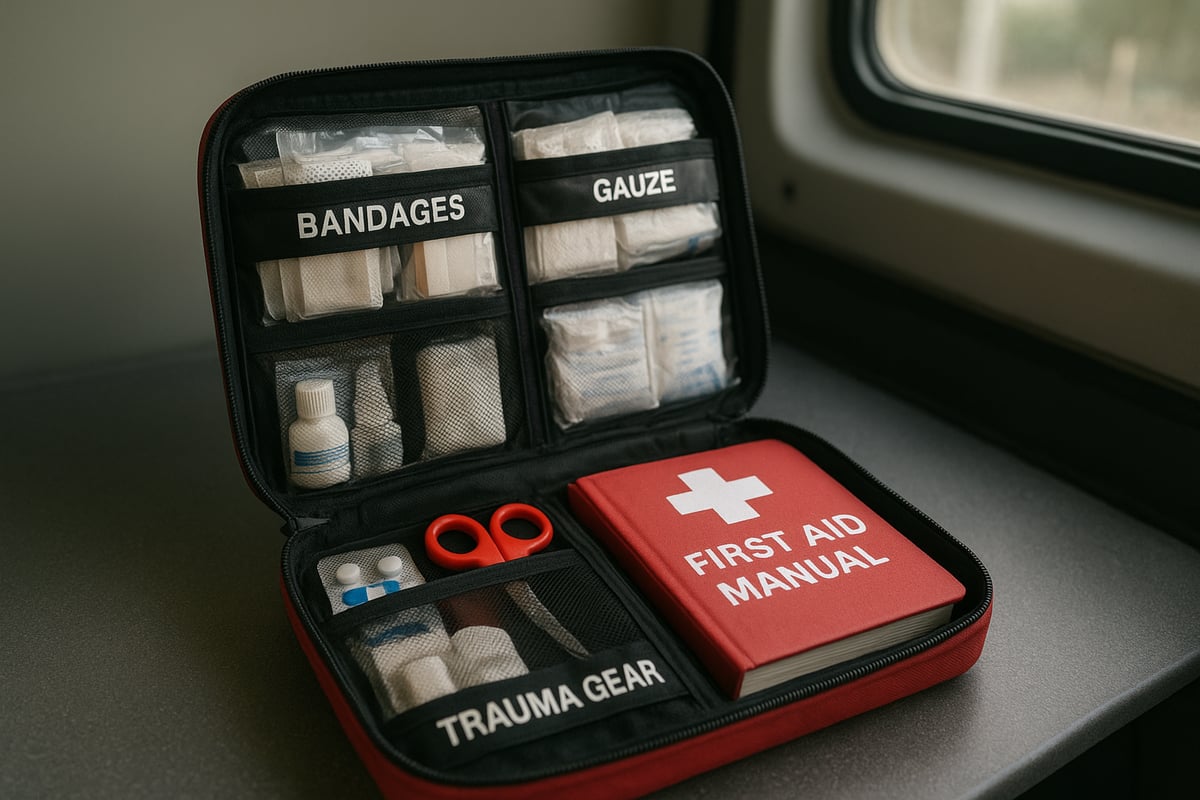
The foundation of any van first aid kit is a range of basic first aid items. These are the tools you will reach for most often, whether addressing a scraped knee or a minor burn. Key supplies include:
- Adhesive bandages in multiple sizes
- Sterile gauze pads and medical tape
- Antiseptic wipes and alcohol pads
- Antibiotic ointment
- Tweezers and scissors
- Safety pins and nitrile gloves
- Thermometer, instant cold packs, and cotton swabs
A thoughtfully stocked kit ensures you are equipped for everyday mishaps. For a detailed breakdown, visit The 9 Items You Must Have in Your First Aid Kit. Remember, your van first aid kit should always contain enough basics for everyone traveling with you.
Trauma and Emergency Gear
In more severe situations, specialized trauma supplies are crucial. Your van first aid kit should include:
- Tourniquet and pressure bandages for bleeding control
- Hemostatic agents to help blood clot
- CPR mask for resuscitation
- Emergency blanket for shock or cold
- Trauma shears for cutting clothing or seatbelts
- Burn dressings, saline eye wash, and chest seals (for advanced or remote kits)
These items are vital in emergencies where professional help is not immediately available. Having them on hand can provide peace of mind and improve outcomes during critical moments.
Medications and Topicals
Medications are a key part of any van first aid kit. Stock the following:
- Pain relievers such as acetaminophen or ibuprofen
- Antihistamines for allergic reactions
- Anti-diarrheal tablets and electrolyte packets
- Hydrocortisone cream and burn gel
- Insect sting relief
- Spare personal prescription medications
Keep medicines in original packaging, check expiration dates regularly, and adjust quantities based on your group size and health needs.
Specialty Items for Van Travel
Van life brings unique risks that require extra preparation. Enhance your van first aid kit with:
- Snake bite kit and tick remover for wilderness areas
- Splints for immobilizing fractures
- Blister pads and moleskin for hiking
- Water purification tablets for emergencies
Consider your destination and planned activities when selecting specialty items. These additions can help you handle unexpected challenges far from medical facilities.
Documentation and Communication Tools
Clear information and communication tools are essential for effective first aid. Include in your van first aid kit:
- Emergency contact list and medical info cards
- A printed first aid manual or quick reference guide
- Whistle for signaling
- Waterproof flashlight and spare batteries
Quick access to this information can save valuable time in an emergency, especially if someone else needs to assist you.
Storage and Organization
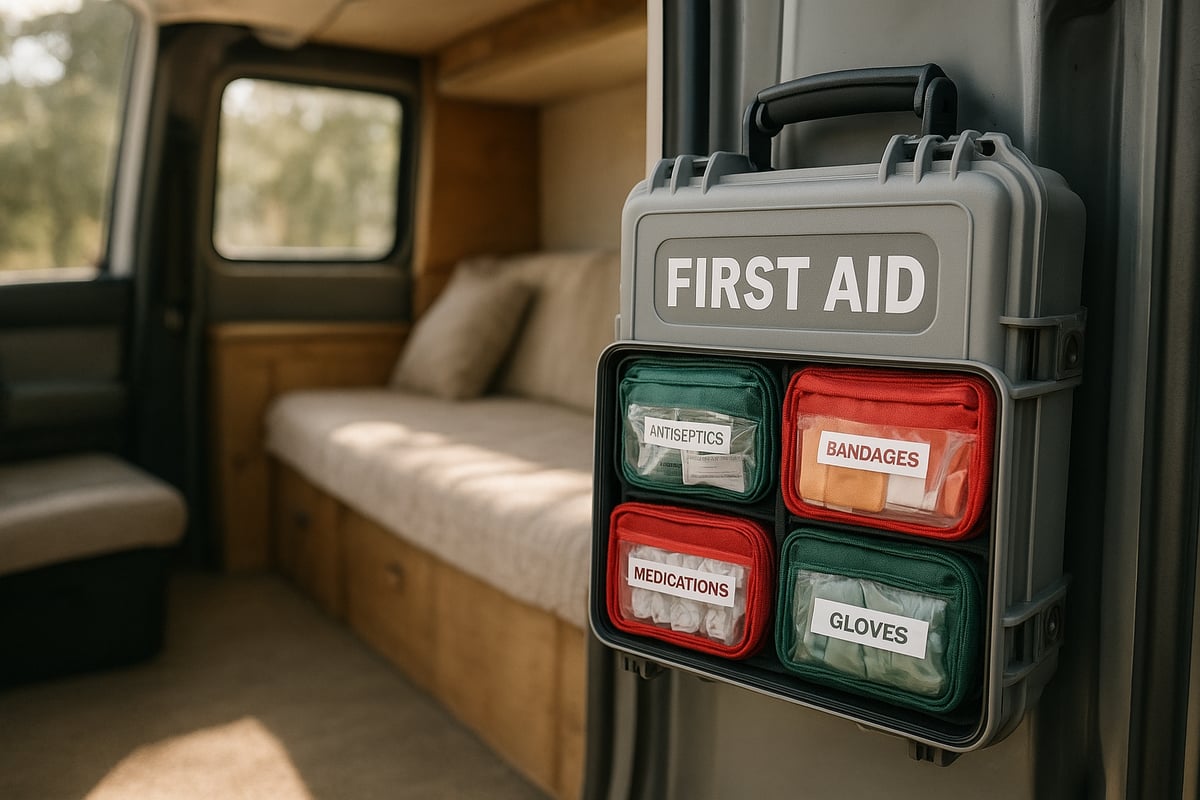
Protecting your supplies is just as important as having them. Store your van first aid kit in a waterproof and durable case. Use color-coded or compartmentalized sections for wounds, burns, and medications. Label everything clearly and keep an inventory list inside the kit for easy restocking.
Organization ensures you can find what you need without delay, even in stressful situations.
Regularly Overlooked Must-Haves
Some useful items are often forgotten but can be lifesavers on the road. Do not forget to add these to your van first aid kit:
| Item | Purpose |
|---|---|
| Extra phone charger/power bank | Emergency communication |
| Duct tape | Splinting, repairs, or sealing |
| Spare glasses/contact lenses | Backup for vision needs |
Review your kit after every trip and adjust based on your experiences. The right combination of standard and overlooked items will keep you ready for any road adventure.
Choosing and Customizing Your Van First Aid Kit
Selecting the right van first aid kit is essential for safety and peace of mind on every journey. The process goes beyond grabbing any kit off the shelf. Customization ensures your kit meets the unique demands of your travel style, destinations, and group composition. Thoughtful preparation today can make a crucial difference during an emergency on the road.
Pre-Made vs. DIY Kits
When choosing a van first aid kit, you’ll encounter two main options: pre-made kits or building your own from scratch. Pre-made kits offer convenience and often include a standardized range of supplies. However, they may lack certain essentials specific to your travels. DIY kits allow for tailored selections but require research and careful organization.
| Kit Type | Pros | Cons |
|---|---|---|
| Pre-Made | Quick, easy, often well-labeled | May lack customization, variable quality |
| DIY | Fully customizable, can meet unique needs | Time-consuming, requires medical knowledge |
Evaluating commercial kits is crucial. Look for comprehensive contents, durable cases, and clear labeling. To dive deeper into best practices for kit selection, consult The Ultimate Guide to First Aid Kits, which offers expert recommendations tailored for travelers. Remember, the van first aid kit you choose should reflect both your travel style and your comfort with first aid procedures.
Assessing Your Travel Needs
Every van traveler’s needs are different. Start by considering the number of people in your group and their specific medical requirements. Solo travelers may only need a compact van first aid kit, while families or groups should scale up supplies.
- Solo vs. group travel: Adjust quantities of essentials.
- Duration: Stock more items for longer trips.
- Remoteness: Remote travel calls for advanced trauma gear.
- Special considerations: Children, pets, or chronic health conditions require additional items.
Customizing your van first aid kit ensures you're prepared for the unique challenges of your journey.
Climate, Environment, and Activities
Your van first aid kit should adapt to your destinations and planned activities. Hot climates demand sunburn and dehydration treatments, while cold environments require frostbite supplies.
- Hot weather: Electrolyte packs, sunburn relief.
- Cold weather: Thermal blankets, frostbite cream.
- Activities: Add splints for hiking, waterproof dressings for water sports.
- Wildlife/insects: Include snake bite kits or tick removers, depending on region.
Tailoring your van first aid kit for your environment means greater safety and readiness.
Regular Kit Audits and Restocking
Maintaining your van first aid kit is as important as assembling it. Supplies can expire or get used up over time, so schedule regular audits.
- Set reminders for quarterly or pre-trip checks.
- Replace expired medications and used items.
- Keep an inventory checklist inside the kit.
- Organize refill supplies in labeled pouches for easy access.
A well-maintained van first aid kit ensures you’re always prepared, no matter how many miles you travel.
Accessibility and Emergency Readiness
Quick access to your van first aid kit is vital during emergencies. Store your kit in a visible, easily reachable location inside your van. Label the kit clearly so that all occupants know where to find it.
- Use color-coded or compartmentalized storage.
- Include a simple instruction guide for non-medical users.
- Inform everyone in your group about the kit’s location and contents.
When seconds matter, an accessible van first aid kit can make all the difference.
Budget and Quality Considerations
Investing in quality supplies for your van first aid kit is non-negotiable. Cheap or incomplete kits may fail when you need them most.
- Choose durable containers and reputable brands.
- Avoid bargain kits with inadequate or expired contents.
- Prioritize reliability over price.
Balancing your budget with quality ensures your van first aid kit will perform reliably throughout your adventures.
Medical Gear Outfitters: Trusted First Aid Kits & Supplies for Van Travelers
Medical Gear Outfitters specializes in expertly curated first aid and trauma kits designed by a paramedic. Their range covers everything from compact kits for minor incidents to advanced trauma packs for serious emergencies. Each van first aid kit is customizable for solo travelers, families, or groups, and educational resources are provided to help you use your supplies effectively. With FSA/HSA eligible products and a knowledgeable support team, Medical Gear Outfitters is trusted by van travelers seeking peace of mind and preparedness on the road.
Storing, Organizing, and Maintaining Your First Aid Kit in Your Van
Properly storing, organizing, and maintaining your van first aid kit is crucial for safety and efficiency. A well-kept kit ensures you can respond quickly when emergencies arise, giving you peace of mind on every journey.
Best Practices for Storage
Choosing the right storage solution for your van first aid kit is the first step toward readiness. Opt for containers that are waterproof, dustproof, and resistant to temperature extremes, as vans often experience varying climates. Secure the kit so it does not shift during travel. This prevents spills and keeps everything in place.
Visibility and accessibility are also key. Store your van first aid kit somewhere all passengers can reach it quickly, such as a cabinet near the main door or under a seat. Avoid hidden or hard-to-reach spots, and use bright labels so the kit stands out in an emergency.
Organization Tips for Quick Response
Efficient organization can make a critical difference during emergencies. Use labeled compartments or pouches to separate supplies by category, such as wounds, burns, or medications. Color-coding or clear bags help you identify items instantly.
Consider including an inventory checklist inside your van first aid kit. This ensures you can track supplies and find replacements easily. According to Travel First Aid Kit Essentials, organizing your kit for quick access is a recommended best practice for all travelers.
Maintenance and Restocking Routines
Regular maintenance is essential to keep your van first aid kit effective. Set reminders for quarterly or pre-trip checks. During these checks, look for expired medications and replace any used or outdated items.
Clean and disinfect the kit and tools periodically to prevent contamination. Keep a small log of maintenance dates inside your van first aid kit to stay organized and ensure nothing is overlooked.
Keeping the Kit Up-to-Date with Your Needs
Your van first aid kit should evolve as your travel circumstances change. Adjust supplies based on new health conditions, group size, or destination. For example, add extra allergy medication during spring or insect repellent for summer trips.
Review your kit after each journey and update it to reflect lessons learned. This proactive approach ensures your van first aid kit always meets your needs.
Emergency Access for All Travelers
Everyone in your van should know where the van first aid kit is stored and how to use it. Go over the kit’s contents as a group before setting out. Include a simple instruction sheet for anyone without medical training.
Label your kit clearly and keep it in a spot that can be reached quickly even in stressful situations. This empowers all travelers to help in an emergency.
Examples: Organization Setups from Experienced Vanlifers
Experienced vanlifers often share creative ways to store and organize their van first aid kit. Some use hanging organizers with clear pockets, while others prefer hard cases with foam inserts. Common mistakes include storing kits under heavy gear or in locked compartments, which can delay access.
Learning from others’ setups helps you avoid pitfalls and find a system that works for your van lifestyle. Prioritizing accessibility and organization ensures your van first aid kit is always ready when you need it.
Emergency Response Steps for Van Travelers
Unexpected emergencies can happen at any point during van travel, making a van first aid kit and a clear response plan essential for safety. Knowing exactly what to do in those first critical moments can make all the difference. This section breaks down the must-follow emergency steps every van traveler should know to stay calm, act fast, and use their van first aid kit effectively in real-world situations.
Step 1: Assess the Situation Safely
Before reaching for your van first aid kit, pause and survey your surroundings. Is there ongoing traffic, wildlife nearby, or environmental hazards such as fire or flooding? Your safety comes first. Move yourself and others to a safe area if possible.
Taking a moment to check for hazards reduces the risk of additional injuries. Always put on gloves from your van first aid kit before helping, especially if there is blood present. Ensuring you are safe allows you to focus on helping others without putting yourself in danger.
Step 2: Evaluate the Injury or Illness
Once you are in a safe spot, quickly evaluate the injured person. Is it a minor cut or something more severe, such as heavy bleeding or difficulty breathing? Use your van first aid kit's thermometer and quick reference guide to help assess the situation.
For minor issues, your kit’s basic supplies will usually suffice. For serious injuries, make a rapid decision about whether professional help is needed. Knowing when to treat on your own and when to escalate is a vital skill for every van traveler.
Step 3: Apply Immediate First Aid
With your van first aid kit in hand, select the necessary supplies: clean wounds with antiseptic wipes, apply bandages, or use a tourniquet for severe bleeding. Immobilize fractures using splints or duct tape if needed.
Use trauma shears to remove clothing around wounds, and if someone is unresponsive, employ your CPR mask. Fast, targeted action can be lifesaving. Refer to your first aid manual or quick reference sheet for step-by-step instructions as you work.
Step 4: Contact Emergency Services if Needed
If the injury exceeds what your van first aid kit can handle, call for help right away. In remote areas, try cell phones, satellite devices, or radios. Be ready to give clear details: your location, number of injured, and the nature of the emergency.
Being prepared is crucial. Studies on First Aid and Harm Minimization for Road Trauma Victims highlight how bystander intervention and preparedness can significantly improve outcomes after road accidents. Knowing how to communicate in a crisis is just as important as having the right gear.
Step 5: Monitor and Support Until Help Arrives
After applying first aid, continue monitoring the patient closely. Keep them warm with an emergency blanket from your van first aid kit and offer reassurance. Watch for changes in breathing, consciousness, or symptoms.
Take turns with travel companions if possible to avoid fatigue. Keep a log of vital signs and any changes. This information can be invaluable for emergency personnel when they arrive.
Step 6: Document and Review the Incident
When the situation is stable, record what happened: time, nature of the injury, steps taken, and any supplies used from your van first aid kit. This documentation is useful for medical professionals and can assist with insurance claims.
After the emergency, review your response. What worked well? What could be improved? Regularly updating your kit and knowledge ensures you are ready for the next challenge.
Real-Life Emergency Scenarios in Vanlife
Van travelers often face unique emergencies, from burns while cooking to falls during outdoor activities. For example, a minor kitchen burn treated promptly with burn gel from a van first aid kit can prevent infection and allow the journey to continue.
Lessons from real incidents show that having a comprehensive kit and knowing how to use it makes all the difference. When planning your own kit, consider insights from Travel Medical Kit Considerations to anticipate common travel-related injuries and illnesses.
Preparedness empowers you to handle emergencies confidently, support others, and keep your van journey on track.
First Aid Kit Tips for Specific Vanlife Scenarios
Long-term and full-time vanlife demands a robust approach to health and safety. When you live on the road, your van first aid kit should be scaled up to cover extended periods between resupply, including ample quantities of medications and wound care essentials. If you have chronic health conditions, pack extra prescription meds and documentation. Consider organizing your kit by frequency of use, with daily items easily accessible and emergency gear stored securely. This proactive preparation ensures you are self-sufficient, supporting your health and peace of mind during long journeys.
Traveling with kids or pets introduces unique considerations for your van first aid kit. Child-safe medications, pediatric bandages, and dosing tools are essential for families, while pet-specific items like tick removers and animal-safe antiseptics protect your furry companions. Remember allergy medications and clear dosing instructions for all ages. For step-by-step guidance on adapting your kit, the resource How to Build a Family First Aid Kit offers expert recommendations. Always store hazardous items out of reach and include restraints or carriers for safe transport if emergencies occur.
International and cross-border travel can expose you to unfamiliar health risks and legal requirements. Research destination-specific hazards, such as waterborne diseases or region-specific insects, and update your van first aid kit accordingly. Carry multilingual instructions and medical cards to bridge language gaps in emergencies. Some countries may require documentation for certain medications or supplies, so keep copies of prescriptions and official paperwork in your kit. Adaptability and compliance help ensure you are prepared for any situation, wherever your travels take you.
Adventurous vanlifers often pursue activities like hiking, biking, or water sports, which add new risks. Customize your van first aid kit with activity-specific supplies, such as splints, blister pads, burn dressings, and even bear spray for wilderness trips. For high-risk outings, pack extra trauma gear and electrolyte packets to combat dehydration or heat-related issues. Review your kit before each adventure to confirm you have the right equipment for your planned activities, minimizing the impact of unexpected injuries.
Seasonal and regional changes also affect your van first aid kit needs. In hot climates, include sunburn treatments, oral rehydration salts, and insect repellent. For cold weather, pack frostbite care items, thermal blankets, and hand warmers. Monitor local disease risks, such as Lyme disease or West Nile virus, and add preventive items as needed. By updating your kit seasonally, you stay prepared for the unique challenges each environment presents.
Community and shared vanlife experiences, such as convoy travel or group meetups, require coordination. Discuss first aid responsibilities with fellow travelers and consider pooling resources for a group van first aid kit. Assign roles so everyone knows who carries which supplies and how to access them. Sharing knowledge and equipment strengthens your safety net and fosters a supportive travel community.
Learning from experienced van travelers can help you avoid common pitfalls. Many recommend keeping an inventory list, auditing supplies before each trip, and practicing emergency scenarios. Mistakes to avoid include storing your kit in inaccessible spots or neglecting to restock after use. Stay proactive by adapting your van first aid kit based on real-world experiences and feedback from others, ensuring that you are always ready to handle whatever the road brings.