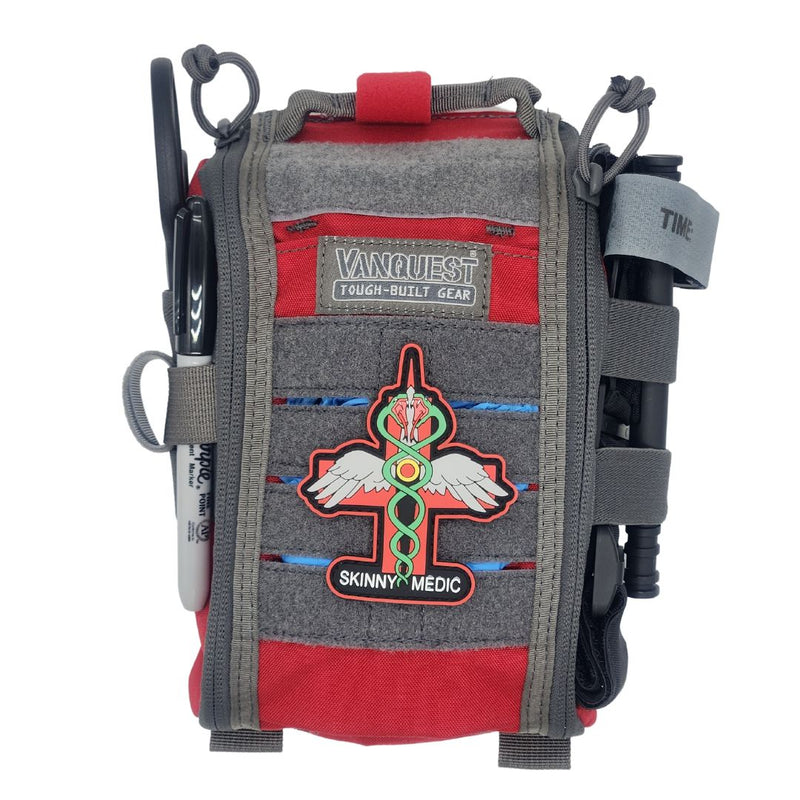
Tourniquet for First Aid Kit: The Essential Guide 2026
Imagine being faced with a sudden emergency where uncontrolled bleeding threatens a life, and every second matters. Would you know what to do to save someone before help arrives?
This guide will empower you with everything you need to know about choosing, using, and maintaining a tourniquet for first aid kit readiness in 2026. Whether you are a professional responder or a prepared citizen, understanding the essentials is vital.
We will explore the evolution of tourniquet technology, highlight key features to look for, provide step-by-step application instructions, discuss legal and ethical considerations, and share expert recommendations for the year ahead.
By the end of this article, you will feel confident and prepared to act when it matters most.
The Critical Role of Tourniquets in Emergency First Aid
Uncontrolled bleeding is one of the most urgent threats to life in trauma situations. According to the CDC, up to 40 percent of trauma deaths are due to hemorrhage, many of which could be prevented with timely intervention. In these critical moments, having a tourniquet for first aid kit use can mean the difference between life and death.
The concept of the tourniquet for first aid kit use originated on battlefields, where rapid blood loss was a constant danger. Over time, this lifesaving device moved from military settings into civilian first aid kits. For decades, myths persisted that tourniquets inevitably caused limb loss, leading to hesitation in their use. However, modern research and improved designs have changed this perception, proving that correct tourniquet use is both safe and effective.
There are countless real-world examples demonstrating the value of a tourniquet for first aid kit applications. From mass casualty incidents to workplace accidents and outdoor emergencies, tourniquets have repeatedly proven their worth. Studies now show survival rates can increase by up to 90 percent when a tourniquet is applied promptly. A 2022 systematic review of prehospital tourniquets in civilians found significant improvements in survival and outcomes, reinforcing the importance of these devices in everyday emergencies. You can learn more about these findings in the Prehospital tourniquets in civilians review.
| Cause of Trauma Death | Percentage | Survival Rate with Prompt Tourniquet Use |
|---|---|---|
| Uncontrolled Bleeding | Up to 40% | Up to 90% increase |
Tourniquets are essential in a range of emergencies, including:
- Car accidents with severe limb injuries
- Industrial or construction site incidents
- Natural disasters causing traumatic wounds
- Active shooter or mass casualty events
In all these situations, a tourniquet for first aid kit use can be the most effective tool when direct pressure is not enough. This is why both medical professionals and laypersons are encouraged to learn proper application techniques.
Public awareness and education campaigns, such as the national “Stop the Bleed” initiative, have further highlighted the importance of including a tourniquet for first aid kit readiness. These programs empower individuals to act confidently in emergencies, contributing to stronger community preparedness and improved survival rates.
Types of Tourniquets: Choosing the Right One for Your First Aid Kit
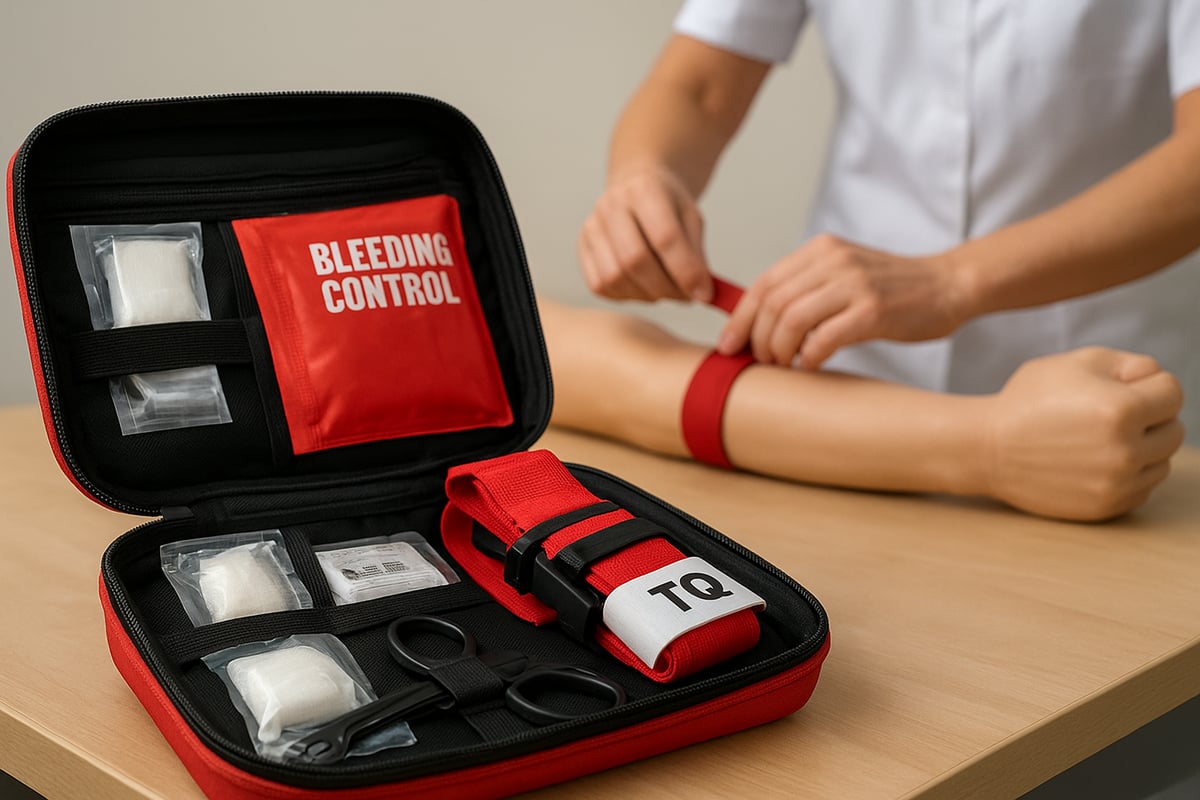
Selecting the right tourniquet for first aid kit use in 2026 can be the difference between life and death. With advancements in technology and new safety standards, understanding the options available is more important than ever. Below, we break down the main types, features to prioritize, top models, and where to securely purchase authentic devices.
Mechanical vs. Improvised Tourniquets
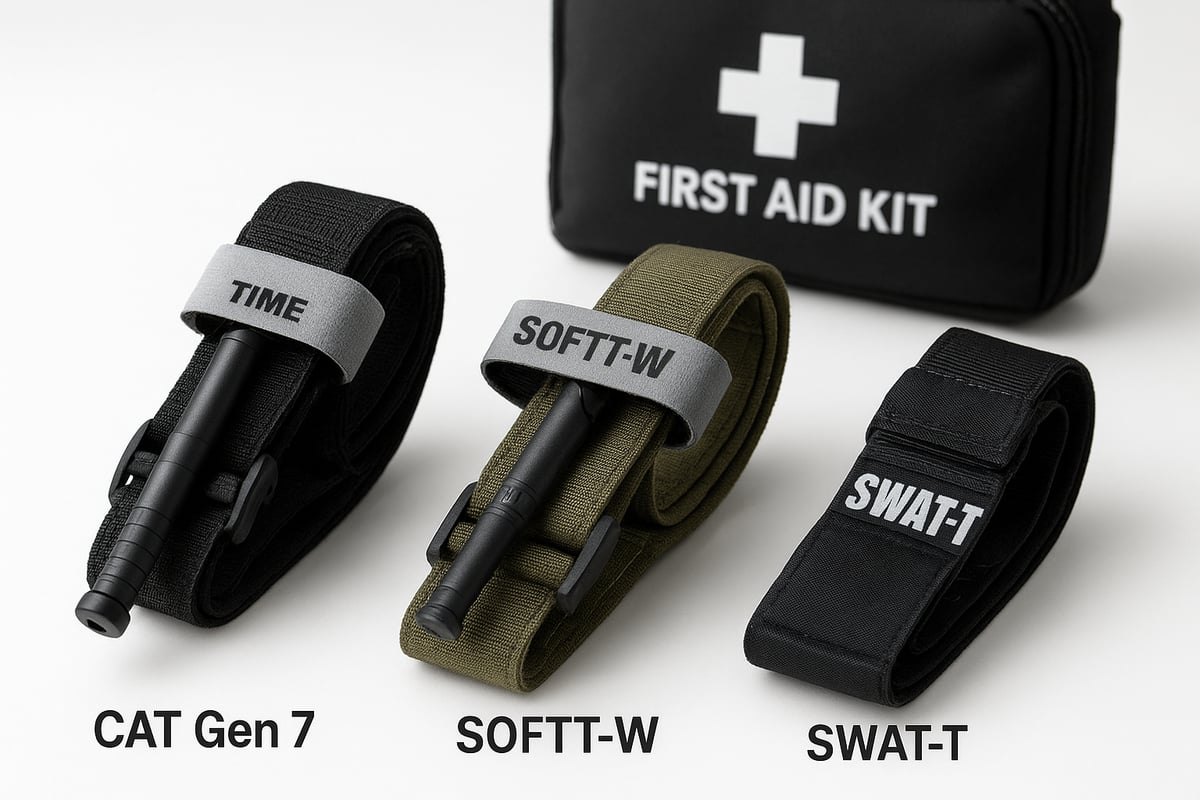
When choosing a tourniquet for first aid kit scenarios, the first decision is between mechanical (commercial) and improvised types. Mechanical tourniquets, such as the CAT and SOFTT-W, are specifically engineered for rapid, effective bleeding control. They feature robust materials, secure locking mechanisms, and are rigorously tested for safety.
In contrast, improvised tourniquets use everyday items like belts or strips of cloth. While better than nothing in dire emergencies, studies show improvised options are less reliable, often failing to fully stop arterial bleeding or causing tissue damage.
| Type | Reliability | Safety | Common Use Cases |
|---|---|---|---|
| Mechanical | High | High | EMS, military, civilians |
| Improvised | Low | Low | Last resort situations |
Leading trauma organizations and military guidelines strongly recommend a mechanical tourniquet for first aid kit inclusion. This ensures consistent performance under stress and reduces the risk of preventable errors.
Key Features to Look For in 2026
Innovation has transformed what to expect from a tourniquet for first aid kit use. In 2026, prioritize these essential features:
- One-handed application: Critical for self-rescue if both hands cannot be used.
- Durable materials: Look for reinforced nylon and plastics that resist wear, moisture, and sunlight.
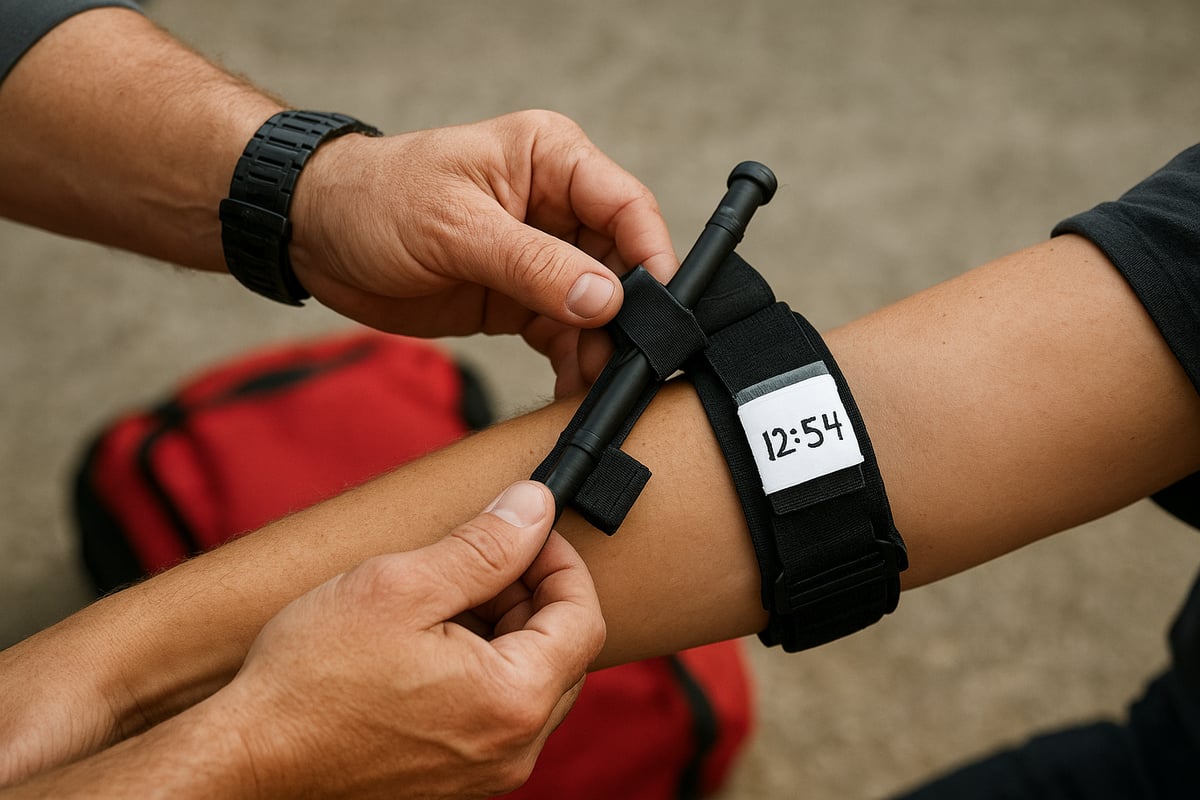
- Visible time strip: Recording application time helps medical teams manage care and reduce complications.
- Compact size and lightweight: Ensures the tourniquet fits easily in any first aid kit, including portable or personal kits.
- Universal fit: Choose models that adjust for both adults and children.
- Regulatory compliance: Confirm FDA or CE markings, guaranteeing the device meets strict performance standards.
A tourniquet for first aid kit use should also feature intuitive operation, allowing even laypersons to apply it under pressure. Avoid outdated or generic designs that lack these critical advancements.
Top Tourniquet Models for 2026
With many options on the market, selecting a proven tourniquet for first aid kit scenarios is vital. Trusted models, such as the CAT Gen 7, SOFTT-W, and SAM XT, stand out for their reliability and ease of use.
- CAT Gen 7: Widely adopted by first responders, features an auto-locking windlass and reinforced strap. Read more about the Best Combat Application Tourniquet to understand why it remains a top choice.
- SOFTT-W: Praised for its metal hardware and rapid deployment.
- SAM XT: Known for its innovative buckle that clicks when optimal tightness is reached.
User feedback highlights improved application speed and comfort in these models. Field tests show high success rates and minimal complications. Price ranges vary, but investing in a reputable tourniquet for first aid kit use ensures lasting value and peace of mind.
Where to Buy Authentic Tourniquets
Counterfeit tourniquets are a growing concern, with failure rates that could endanger lives. Always verify the authenticity of any tourniquet for first aid kit purchase. Look for:
- Manufacturer’s markings and serial numbers
- Authorized retailers and direct manufacturer websites
- Certified medical suppliers
Avoid auction sites or non-verified sellers, where counterfeit rates are highest. Trusted sources provide not only genuine products but also warranties and customer support. By sourcing your tourniquet for first aid kit from reputable outlets, you protect yourself and those you care for in critical moments.
How to Use a Tourniquet: Step-by-Step Guide for 2026
Facing a severe bleeding emergency is daunting, but knowing how to use a tourniquet for first aid kit situations can save a life. Quick, confident action is crucial. This guide walks you through recognizing when a tourniquet is needed, applying it safely, and caring for the injured until help arrives.
When to Use a Tourniquet
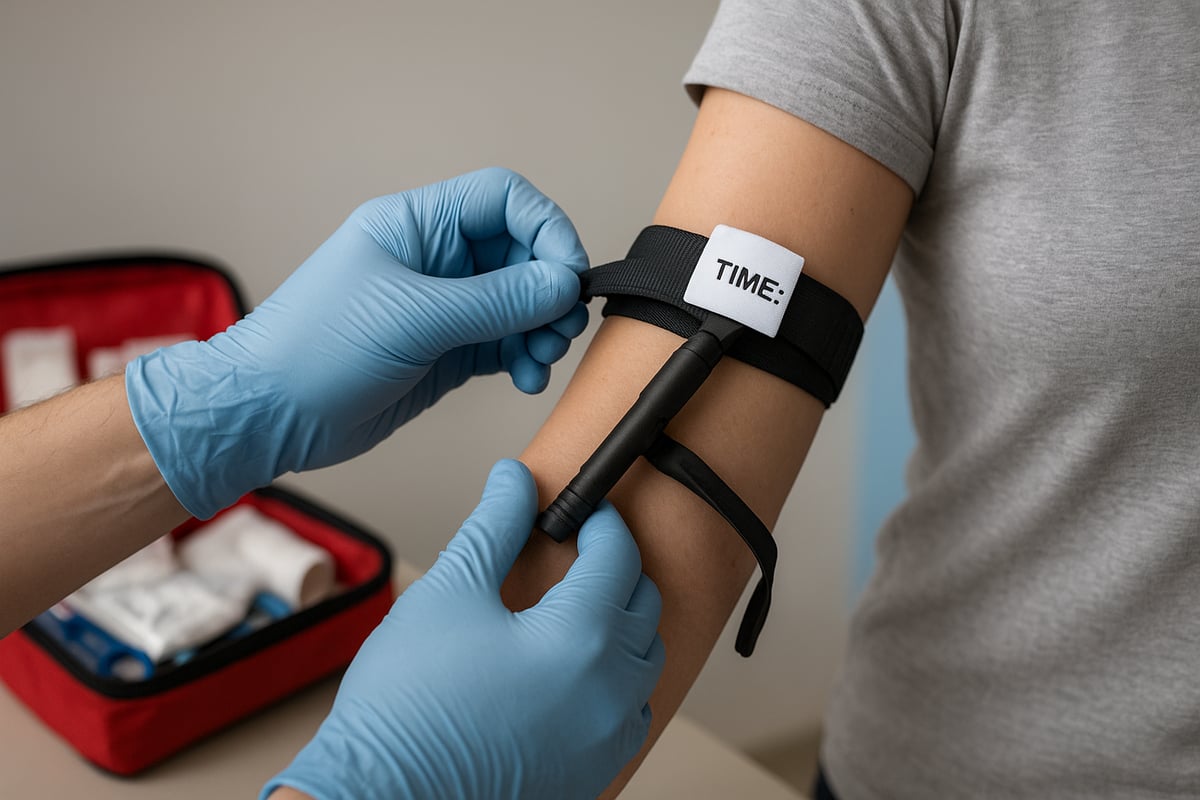
Knowing when to use a tourniquet for first aid kit emergencies is vital. Apply a tourniquet if you see life-threatening bleeding from an arm or leg, such as blood spurting with each heartbeat, rapid pooling, or if the limb is losing function.
If direct pressure does not control the bleeding, or if it is unsafe or impossible to maintain pressure, a tourniquet becomes the next step. Follow guidance from organizations like the American College of Surgeons and the Stop the Bleed program. Using the “ABC” approach—Alert, Bleeding, Compress—helps you act quickly.
Never hesitate to use a tourniquet for first aid kit scenarios when seconds matter. Early intervention increases survival rates dramatically.
Step-by-Step Application Process
Applying a tourniquet for first aid kit use requires precision and speed. Follow these steps for best results:
- Ensure scene safety and protect yourself with gloves if available.
- Expose the wound to assess the bleeding source.
- Place the tourniquet 2 to 3 inches above the bleeding site, never over a joint.
- Tighten the device until bleeding stops and no pulse is felt beyond the tourniquet.
- Secure the windlass or tightening mechanism firmly to prevent loosening.
- Record the application time visibly on the device or the casualty’s skin.
- Do not remove or loosen the tourniquet for any reason until advanced care arrives.
- Continuously monitor for signs of shock and offer reassurance to the injured person.
A helpful mnemonic is “High and Tight, Time in Sight.” Place the tourniquet for first aid kit use as high as possible on the limb and always document the time.
Common mistakes include placing the tourniquet too loosely, over clothing, or too close to a joint. Delayed application can lead to increased blood loss. For further detailed procedural steps and safety tips, consult the Tourniquet application guidelines.
Mastering these steps ensures your tourniquet for first aid kit is used effectively and safely in emergencies.
Special Considerations for Children and Elderly
When using a tourniquet for first aid kit situations involving children or the elderly, adapt your approach. Smaller limbs may require pediatric-specific devices or extra care to avoid excessive pressure.
Always check for a complete stop in bleeding, but be mindful of the risk of tissue damage. Use only the force needed. Pediatric trauma guidelines recommend commercial tourniquets, not improvised ones, for the best outcomes.
A real-world example: In a school emergency, quick use of a properly sized tourniquet for first aid kit saved a child’s life without further complications. Training and awareness make all the difference.
Aftercare and What to Do While Awaiting EMS
After applying a tourniquet for first aid kit use, monitor the injured limb for pain, numbness, or color changes. This helps detect complications early.
Relay important details to emergency responders, such as the time of application and any changes in the limb’s condition. Never attempt to remove or loosen the tourniquet unless instructed by medical professionals.
Support the person emotionally. Calm reassurance can help reduce anxiety and shock. Proper aftercare maximizes the benefits of your tourniquet for first aid kit and improves outcomes until EMS arrives.
Training and Practice: Building Confidence
Hands-on training is essential for anyone adding a tourniquet for first aid kit use. Repeated practice builds muscle memory, making your response faster and more accurate during real emergencies.
Many organizations, like the Stop the Bleed campaign and the Red Cross, offer both online and in-person courses. Studies show laypersons who practice tourniquet for first aid kit skills are more likely to act effectively and save lives.
Encourage your family, workplace, or community to participate in regular drills. Confidence in using a tourniquet for first aid kit empowers you to respond decisively when every second counts.
Legal, Ethical, and Safety Considerations in Tourniquet Use
Understanding the legal, ethical, and safety aspects of using a tourniquet for first aid kit situations is essential for everyone, whether you're a medical professional or a lay responder. In emergencies, acting quickly to control severe bleeding can be the difference between life and death, but it also raises important questions about responsibility and risk.
Legal Protections for Lay Responders
In the United States and many other countries, Good Samaritan laws protect individuals who use a tourniquet for first aid kit emergencies in good faith. These laws are designed to encourage bystanders to help without fear of legal repercussions, provided they act within their level of training and do not act recklessly. Internationally, similar protections exist, but it's always important to know your local regulations before you respond.
If you follow manufacturer instructions and recognized protocols, your actions are much more likely to be protected. Still, documentation is key: always record the time a tourniquet is applied and any other relevant details for emergency responders. This information not only supports patient care but also demonstrates your adherence to best practices.
Ethical Considerations: Balancing Risks and Benefits
Applying a tourniquet for first aid kit emergencies sometimes raises concerns about the potential for limb loss. However, modern medical consensus is clear: saving a life takes precedence, and the risk of significant complications is lower when tourniquets are used correctly and promptly. Ethical guidelines support lay responders and professionals who act decisively to prevent fatal blood loss.
It's crucial to weigh the risks and benefits, especially in high-stress situations. Using a tourniquet should only occur when direct pressure fails or is not possible, and only for severe, life-threatening bleeding. Proper training and practice help ensure these decisions are made confidently and ethically.
Manufacturer Guidelines, Safety, and Liability
Always use a tourniquet for first aid kit purposes as the manufacturer intended. Misuse can lead to complications, and using counterfeit or untested devices increases the risk of failure. Stick to reputable brands and suppliers to ensure your equipment is reliable and compliant with current standards.
Regulatory updates for 2026 have introduced stricter requirements for materials, labeling, and performance, so always check for FDA or CE markings. Training and certification remain vital for both professionals and the public. Regularly updating your skills and reviewing guidelines minimizes liability and maximizes safety.
Litigation, Outcomes, and Preparedness
While lawsuits related to civilian tourniquet use are rare, most outcomes favor responders who act within established protocols and document their actions. Statistics show that education and proper equipment reduce complications and improve survival rates. Incorporating a tourniquet for first aid kit into your emergency supplies, along with regular training, ensures you're prepared to respond ethically and safely.
Ongoing education, community courses, and clear communication with emergency personnel are the best ways to stay current and protected. By understanding the legal, ethical, and safety considerations, you empower yourself to act with confidence when every second counts.
Maintaining and Storing Tourniquets in Your First Aid Kit
Proper maintenance and storage are vital to ensuring your tourniquet for first aid kit will function when you need it most. A neglected or damaged device could fail in a crisis, so routine checks and smart storage can make all the difference.
Shelf Life and Inspection
Most commercial tourniquets have a recommended shelf life of five to seven years. Always check the manufacturer’s guidelines for your specific tourniquet for first aid kit, as materials can degrade over time.
Regular inspections should include:
- Looking for fraying, cuts, or other damage to the strap
- Ensuring the windlass or tightening mechanism works smoothly
- Checking for any fading or illegible time markers
- Confirming no signs of mold or moisture exposure
- Verifying the expiration date
A quick monthly inspection can help you catch issues early.
Proper Storage and Placement
Where and how you store your tourniquet for first aid kit is just as important as the type you buy. Keep your kit in a cool, dry place away from direct sunlight and extreme temperatures, which can weaken materials and reduce effectiveness.
Placement matters for quick access. In emergencies, every second counts. Store the tourniquet at the top layer or in a clearly labeled compartment. For a visual reference, the Large First Aid Kit Overview demonstrates best practices for organizing trauma supplies, including tourniquets.
Here’s a comparison table for storage environments:
| Environment | Storage Tips |
|---|---|
| Home | Hall closet, labeled shelf |
| Vehicle | Glove box, away from heat vents |
| Workplace | Mounted cabinet, central location |
| Outdoors | Waterproof bag, shaded compartment |
Replacement, Cleaning, and Special Environments
If your tourniquet for first aid kit has been used, contaminated, or shows any damage, replace it immediately. Used devices are no longer sterile and may not function reliably in a second emergency.
For training tourniquets, follow cleaning protocols recommended by the manufacturer. Never attempt to clean and reuse a field-deployed tourniquet in a real emergency.
Different environments pose unique challenges:
- In vehicles, avoid leaving kits in direct sun or freezing temperatures.
- For outdoor kits, select waterproof containers and inspect after hikes or trips.
- In workplaces, ensure kits are checked by safety personnel regularly.
Learning from Storage Failures
Improper storage can lead to equipment failure. There have been cases where a tourniquet for first aid kit left in a hot car for months became brittle and snapped during use. To avoid this, log regular checks and rotate supplies as needed.
By following these guidelines, you can trust your tourniquet for first aid kit will be ready to save a life when seconds matter.
Future Trends: Tourniquet Innovations and First Aid Preparedness in 2026
The landscape of emergency care is evolving rapidly, and the tourniquet for first aid kit is at the forefront of this transformation. As we look toward 2026, new developments are enhancing both the effectiveness and accessibility of bleeding control tools. These innovations aim to empower everyone, from healthcare professionals to everyday citizens, to act decisively in critical moments.
Smart technology is reshaping the way a tourniquet for first aid kit functions. In 2026, expect to see digital time tracking displays and integrated pressure sensors that provide real-time feedback during application. Some leading models can even connect to mobile apps, offering step-by-step instructions and automatically alerting EMS when deployed. For those seeking versatile options, the Authentic SWAT-T Tourniquet Features highlight how new designs are both user-friendly and adaptable to various emergency scenarios.
Accessibility is expanding through public policy and community initiatives. More workplaces, schools, and public venues now feature dedicated tourniquet stations, making the tourniquet for first aid kit readily available in high-traffic areas. Recent mandates require bleeding control kits alongside AEDs in many regions, and mass training programs are equipping laypersons to respond confidently. Research shows that increased adoption and use of tourniquets on a community level increased tourniquet use saves lives, improving survival rates in traumatic emergencies.
Looking ahead, the next decade promises even greater integration of the tourniquet for first aid kit into daily life. Experts predict universal first aid literacy, with bleeding control skills taught as early as primary school. Advances in materials will yield lighter, more compact tourniquets that fit seamlessly into any kit. As technology and education converge, society moves closer to a future where rapid, effective bleeding control is within everyone’s reach.