
Sterile Gauze Pads 2x2 Guide: Best Practices for 2026
In 2026, sterile gauze pads 2x2 have become essential for anyone seeking reliable wound care. Demand for effective solutions is rising, both in clinical environments and at home. These pads play a vital role in preventing infection and speeding up healing, making them a cornerstone of modern first aid.
This comprehensive guide covers everything you need to know about selecting, using, and handling sterile gauze pads 2x2. You will find best practices, expert tips, and the latest standards. Learn about types, application steps, storage, safety, and future trends to ensure optimal wound care.
Understanding Sterile Gauze Pads 2x2: Types, Features, and Uses
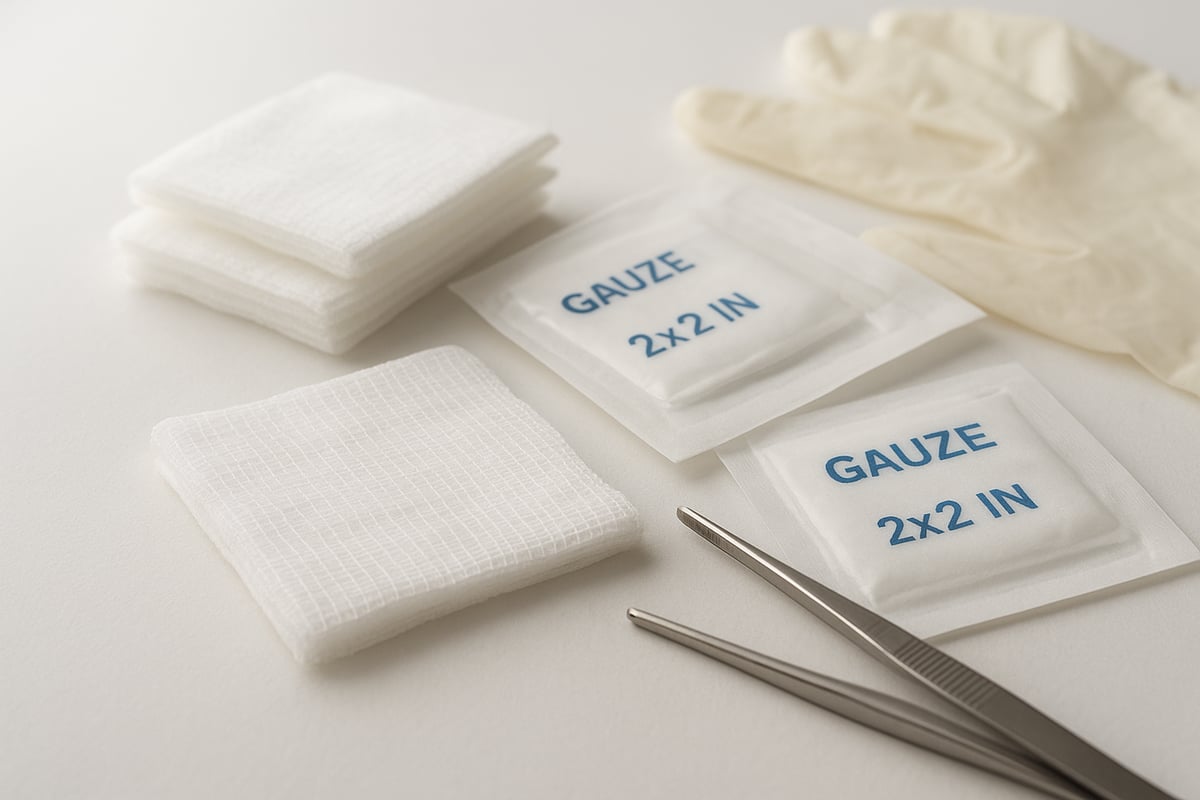
Sterile gauze pads 2x2 are foundational tools in wound care, valued for their versatility and reliability. These pads are made from layers of woven or non-woven fibers, typically cotton or a cotton blend, and measure precisely 2 inches by 2 inches. The term "sterile" means the pads are processed and packaged to be free from bacteria and contaminants, making them safe for direct contact with open wounds.
One major distinction exists between sterile gauze pads 2x2 and non-sterile pads. Sterile options are individually wrapped, ensuring safety during procedures where infection prevention is critical. In contrast, non-sterile pads are generally used for cleaning or cushioning rather than direct wound contact. The compact 2x2 size is particularly useful for small to medium wounds, such as minor cuts or surgical incisions, because it covers the area precisely without excessive bulk.
These pads are chosen for their absorbency, which manages wound exudate effectively, and their breathability, promoting a healthy healing environment. They are also compatible with a range of secondary dressings and medical tapes, making them adaptable in various care settings. For those building a first aid kit or managing wounds at home, sterile gauze pads 2x2 are often a first choice due to their balance of size and function.
What Are Sterile Gauze Pads 2x2?
Sterile gauze pads 2x2 are small, square dressings crafted from soft, highly absorbent materials designed to protect wounds and manage fluids. The 2x2 measurement refers to the pad's dimensions, making it ideal for covering small injuries or delicate surgical sites. Sterility is achieved through specialized manufacturing processes, ensuring each pad is free from harmful microorganisms until opened.
The main difference between sterile gauze pads 2x2 and non-sterile options is their intended use. Sterile versions are best for direct wound contact, while non-sterile pads are reserved for cleaning or external padding. The compact size makes them perfect for pediatric care, minor burns, or as a secondary dressing layered over a primary wound covering.
Key features include:
- High absorbency for efficient fluid management
- Breathable weave that promotes healing
- Soft texture to minimize irritation
Sterile gauze pads 2x2 are compatible with medical tapes, wraps, and other dressings, allowing flexible use in both clinical and home environments.
Types of Sterile Gauze Pads 2x2
There are several types of sterile gauze pads 2x2, each tailored to specific needs. The two main categories are woven and non-woven. Woven pads are made from interlaced cotton threads, offering durability and a traditional texture. They are effective for debriding wounds, but fibers may occasionally stick to the wound bed. Non-woven pads are produced from synthetic fibers pressed together, resulting in a softer, more lint-free option that minimizes irritation and reduces the risk of fibers remaining in the wound.
Packaging options also matter. Pre-packaged sterile gauze pads 2x2 are sold in bulk, making them efficient for high-use environments like clinics. Individually wrapped pads maximize sterility and convenience for home first aid kits or emergency use. Specialized varieties exist, such as X-ray detectable pads for surgical settings, antimicrobial-infused pads for infection-prone wounds, and hypoallergenic types for sensitive skin.
Some sterile gauze pads 2x2 are designed for single use, while others are multi-layered for added absorption. To see the full range of options and understand which type might best suit your needs, you can explore the Types of dressings and gauze available today.
Key Features to Look For in 2026
When selecting sterile gauze pads 2x2 in 2026, new features and standards should guide your choice. Advances in antimicrobial technology have led to pads that actively reduce bacterial growth, lowering infection risk for chronic wounds or high-risk patients. Eco-friendly and biodegradable materials are now more accessible, offering healthcare providers and patients options that reduce environmental impact without sacrificing performance.
Packaging innovations help maintain sterility for longer periods, with improved seals and indicators that signal when a pad is no longer safe to use. Regulatory standards, such as FDA and CE certifications, are crucial indicators of quality and compliance in sterile gauze pads 2x2. Always check for these marks to ensure the product meets strict safety and efficacy requirements.
Other features to consider include:
- Enhanced absorbency layers for better fluid management
- Hypoallergenic construction for sensitive skin
- Clear labeling for expiration dates and lot numbers
By prioritizing these features, you ensure safer, more effective wound management.
Common Uses in Clinical and Home Settings
Sterile gauze pads 2x2 serve a variety of roles in both clinical and home care environments. In hospitals and clinics, they are used for minor cuts, abrasions, superficial burns, and post-surgical wound care. Their absorbency makes them suitable for managing light to moderate exudate, while their size allows precise coverage of small wounds.
At home, sterile gauze pads 2x2 are essential components of first aid kits, used to stop bleeding, clean injuries, and protect healing tissue. They are often layered as secondary dressings or combined with topical medications for enhanced healing. Pediatric and geriatric patients benefit from the gentle, non-irritating surface, which minimizes trauma during dressing changes.
Healthcare professionals and caregivers rely on sterile gauze pads 2x2 for versatility, safety, and ease of use, making them a staple in wound care protocols everywhere.
Step-by-Step Guide: How to Use Sterile Gauze Pads 2x2 Safely and Effectively
Caring for wounds with sterile gauze pads 2x2 requires precision and attention to detail. Following a structured process ensures safety, promotes healing, and reduces infection risk. This guide walks you through the essential steps for using sterile gauze pads 2x2 effectively.
Preparation and Hand Hygiene
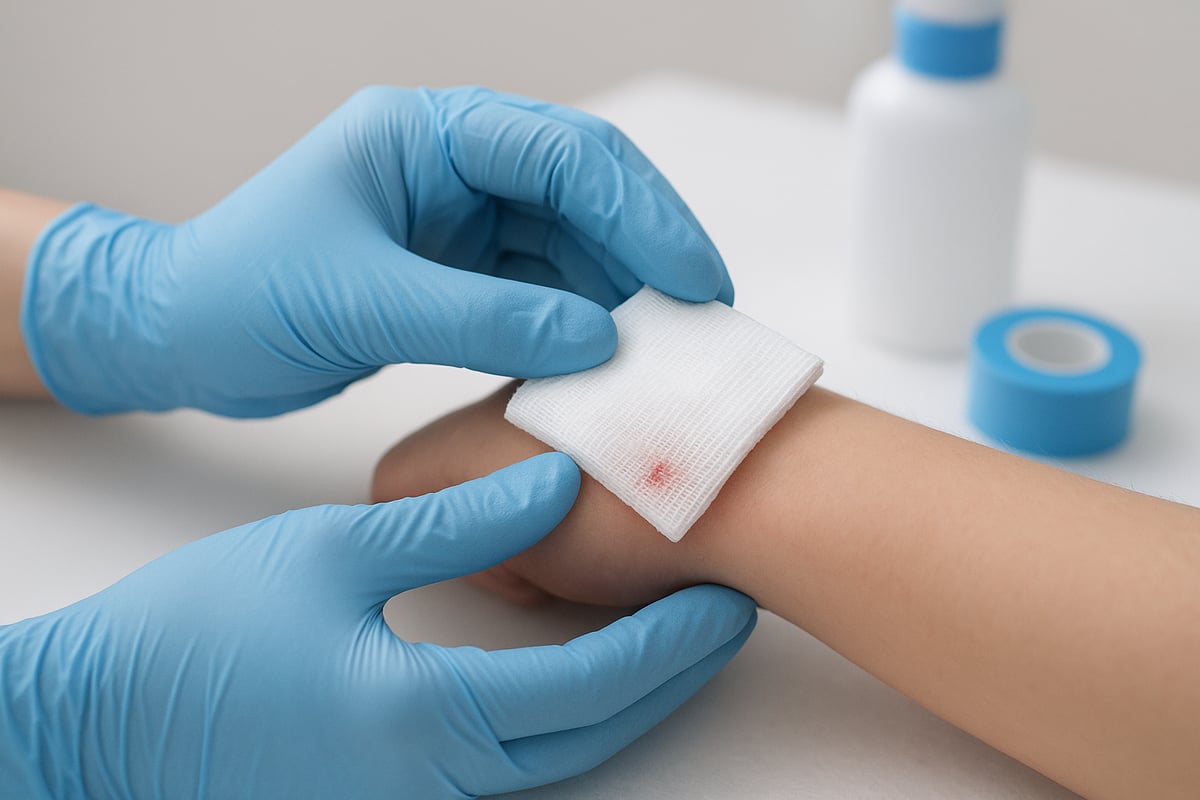
Proper preparation is the foundation for safe wound care. Begin by thoroughly washing your hands with soap and water, then dry them with a clean towel. If available, wear disposable medical gloves to further reduce the risk of contamination.
Set up a clean workspace by wiping surfaces with disinfectant. Gather all necessary supplies, including sterile gauze pads 2x2, medical tape, wound cleanser, and a waste container. Only open the packaging of sterile gauze pads 2x2 when you are ready to use them, keeping the pads untouched by anything unclean.
When assembling your supplies, refer to trusted resources on complete first aid kit components to ensure you have everything required for effective wound care. This preparation step helps maintain the sterility of gauze pads and supports positive healing outcomes.
Wound Assessment and Cleaning
Before applying sterile gauze pads 2x2, carefully assess the wound. Observe the type, size, and depth. Look for foreign objects or debris that may need removal.
Use a sterile saline solution or wound cleanser to gently irrigate the wound. This step flushes out dirt and bacteria, lowering infection risk. If there is an old dressing, remove it gently, taking care not to disturb healing tissue.
Pat the area around the wound dry with a clean cloth. Avoid touching the wound or surrounding skin directly, as this can introduce bacteria. Each of these actions prepares the site for the safe application of sterile gauze pads 2x2.
Applying Sterile Gauze Pads 2x2
Application technique is crucial for wound protection and healing. Open the sterile gauze pads 2x2 packaging carefully, avoiding any contact with the pad surface. Use sterile forceps or gloved fingers to handle the pad.
Place the sterile gauze pads 2x2 directly over the wound, ensuring full coverage. For larger or deeper wounds, multiple pads can be layered to enhance absorption. Make sure the pad does not stick to the wound bed, as this can cause pain or disrupt healing.
Secure the gauze pad with medical tape, an adhesive bandage, or a wrap. The dressing should be snug but not too tight, allowing for breathability and normal circulation. Using sterile gauze pads 2x2 in this way helps to absorb exudate, protect against contaminants, and create an optimal environment for tissue repair.
Monitoring and Changing Dressings
Regular monitoring is essential to wound management. Check the sterile gauze pads 2x2 at least once daily or more often if the wound is producing significant fluid. If you notice the pad is saturated, has an unusual odor, or if redness and swelling appear, change the dressing immediately.
When removing the old gauze, do so gently to minimize pain and trauma. If the pad sticks to the wound, moisten it with sterile saline before removal. Replace with fresh sterile gauze pads 2x2, repeating the application process.
Document any changes in wound appearance, drainage, or discomfort. These notes can help identify complications early and guide further care.
Disposal and Post-Care
After each dressing change, dispose of used sterile gauze pads 2x2 in a sealable plastic bag or designated biohazard container. This step prevents the spread of infection and maintains a clean environment.
Wash your hands again after handling used dressings. Gently cleanse the skin around the wound to remove adhesive residue and prevent irritation. Continue to monitor the wound for signs of healing or infection, and maintain a record of progress.
Proper disposal and post-care practices are vital for effective wound management and help ensure that sterile gauze pads 2x2 deliver the best possible results.
Best Practices for Storing and Handling Sterile Gauze Pads 2x2
Storing and handling sterile gauze pads 2x2 properly is crucial for maintaining their effectiveness and ensuring optimal wound care. Simple mistakes in storage or handling can compromise sterility, leading to increased infection risk. These best practices help you keep every pad safe and ready for use.
Storage Requirements for Sterility
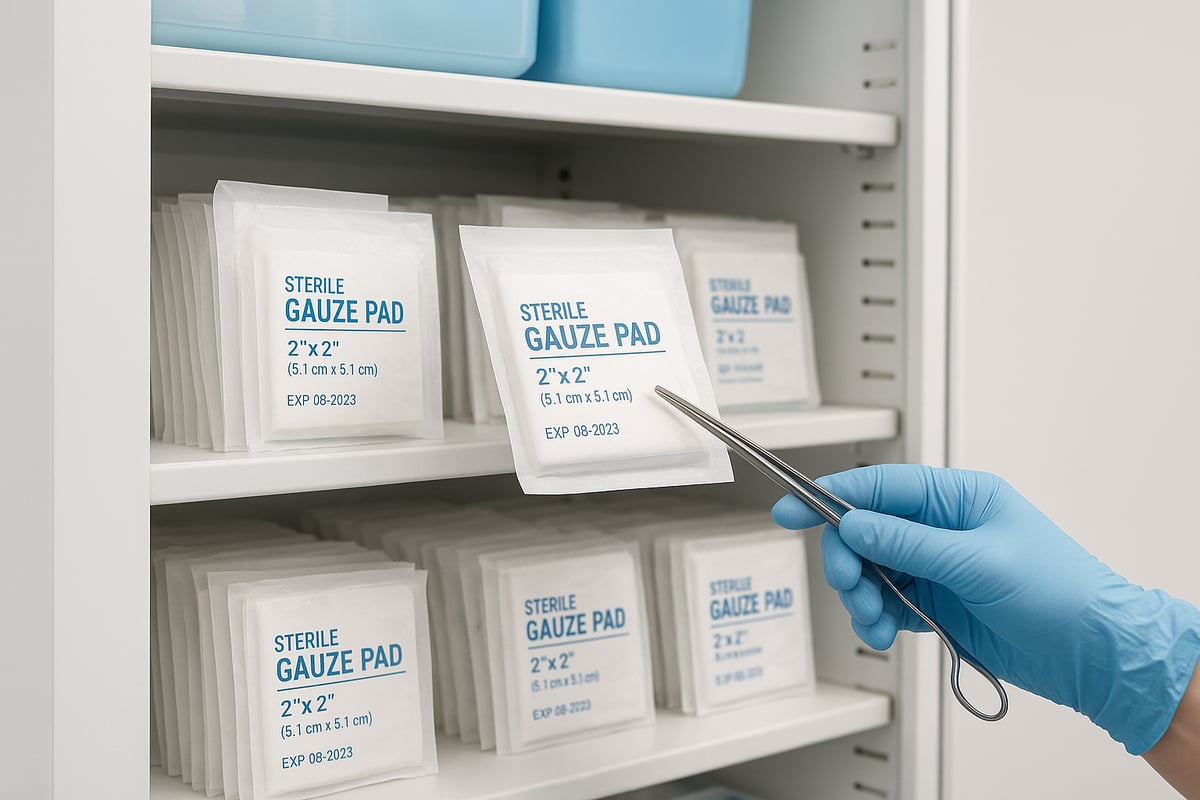
Proper storage is the first line of defense for keeping sterile gauze pads 2x2 uncontaminated. Always store these pads in a cool, dry place with stable temperatures between 15°C and 25°C. Avoid areas with high humidity, as moisture can compromise packaging integrity and sterility.
Keep pads away from direct sunlight, which can degrade packaging and reduce shelf life. Regularly check expiration dates, and ensure pads are used before they expire. If you notice any tears or punctures in the packaging, discard the affected pads immediately.
Handling Techniques to Maintain Sterility
Maintaining the sterility of sterile gauze pads 2x2 during use is just as important as storage. Only open the packaging when you are ready to apply the pad. Wash your hands thoroughly and wear gloves whenever possible to reduce contamination risk.
Never touch the pad surface directly with your fingers. Use sterile forceps or gloved hands to handle the pad, especially when placing it on a wound. If the pad accidentally touches a non-sterile surface, replace it with a new one to ensure patient safety.
Inventory Management for Clinics and Homes
Effective inventory management ensures you always have safe, sterile gauze pads 2x2 available. Rotate your stock using the first-in, first-out method to use older pads before newer ones. Inspect each package for signs of damage or moisture before use.
For clinics, storing pads in bulk containers can be efficient, but always keep them sealed until needed. In home or travel kits, such as those highlighted in the Best car medical kit essentials guide, opt for individually wrapped pads to maintain sterility and convenience. Regular checks help prevent the use of compromised supplies.
Preventing Cross-Contamination
Preventing cross-contamination is essential when handling sterile gauze pads 2x2. Store sterile and non-sterile supplies separately to reduce confusion and risk. Clean storage containers and surfaces regularly with approved disinfectants.
Train all staff and users on proper handling and storage protocols. This includes recognizing compromised packaging and understanding when to replace pads. Implementing these practices ensures every pad remains as effective as intended for wound care.
Safety Considerations, Allergies, and Infection Control
Proper use of sterile gauze pads 2x2 requires a careful approach to safety, allergy awareness, and infection control. By following best practices, you protect yourself and others from complications, ensuring effective wound healing. This section explores crucial safety aspects, common allergic responses, and the latest infection control protocols for 2026.
Recognizing Signs of Infection
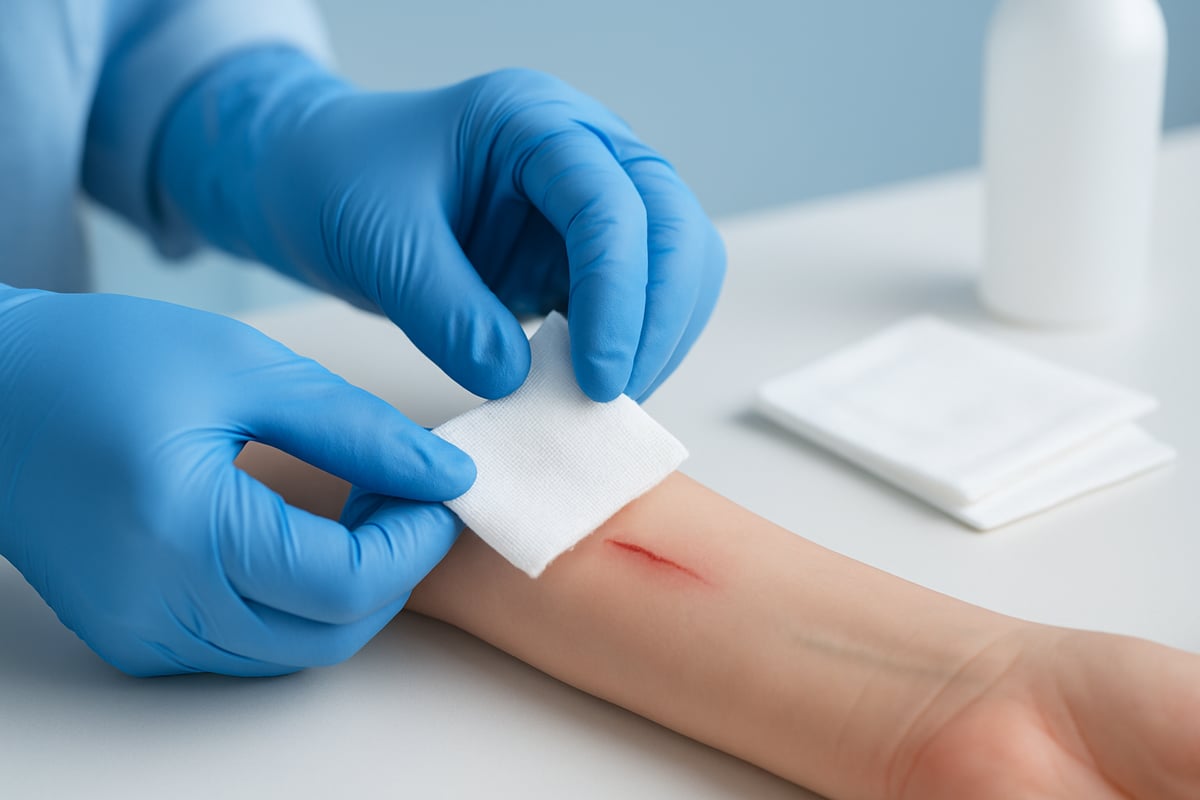
Identifying infection early is vital when using sterile gauze pads 2x2. Watch for these warning signs:
- Redness or swelling around the wound
- Increased pain or tenderness
- Pus, discharge, or foul odor
- Warmth at the wound site
- Fever or chills
If you notice these symptoms, replace the sterile gauze pads 2x2 promptly and consult a healthcare professional. Early intervention reduces the risk of complications and supports faster recovery. Always document any infection signs and your actions for proper follow-up.
Allergic Reactions and Sensitive Skin
Some individuals may react to materials found in sterile gauze pads 2x2. Common allergens include:
- Latex (in some pads or adhesives)
- Certain adhesives or tapes
- Additives in antimicrobial-infused pads
Signs of an allergic reaction can include itching, redness, rash, or swelling. If a patient experiences these symptoms, discontinue use of the current sterile gauze pads 2x2 and switch to hypoallergenic alternatives. Always review packaging for allergen information and consult with healthcare providers for sensitive skin solutions.
Infection Control Protocols in 2026
Strict infection control remains a cornerstone of wound care with sterile gauze pads 2x2. Updated CDC and WHO guidelines stress single-use pads for high-risk wounds, routine hand hygiene, and proper disposal. The role of antimicrobial and silver-infused gauze has expanded, offering added protection against resistant bacteria. For more on recent advances in antimicrobial dressings and smart wound care technologies, see the Sterile Gauze Dressing Market Research Report 2025.
Healthcare providers are encouraged to stay current with protocol updates and regularly review their infection control practices. Using sterile gauze pads 2x2 with embedded antimicrobial properties can further reduce infection risk in clinical and home settings.
Pediatric and Elderly Patient Considerations
Children and older adults often have more delicate skin, making the choice and handling of sterile gauze pads 2x2 especially important. To minimize trauma:
- Use non-adherent types for fragile skin
- Change dressings gently and more frequently
- Avoid adhesives that may irritate or damage the skin
Caregivers should monitor for signs of pressure, breakdown, or allergic reaction during each dressing change. In home and nursing facility settings, individualized care plans support better wound outcomes for these vulnerable groups.
Regulatory and Safety Compliance
Sterile gauze pads 2x2 must comply with FDA and international standards, ensuring product safety and efficacy. Look for clear labeling, expiration dates, and batch numbers on packaging. Healthcare providers should:
- Maintain documentation for each dressing change
- Report any adverse reactions or product defects
- Respond promptly to recalls or safety alerts
Proper compliance not only protects patients but also supports legal and regulatory requirements in wound care environments. Staying informed about the latest regulations helps ensure safe, effective use of sterile gauze pads 2x2.
Innovations and Trends: The Future of Sterile Gauze Pads 2x2
The landscape of sterile gauze pads 2x2 is rapidly evolving, driven by technology, sustainability concerns, and the need for advanced wound care solutions. In this section, we explore the most significant innovations and trends shaping the future of sterile gauze pads 2x2 in 2026.
Technological Advancements
Technological breakthroughs are redefining how sterile gauze pads 2x2 support wound care. The integration of embedded sensors allows these pads to monitor moisture levels and detect early signs of infection, offering real-time feedback to both patients and caregivers.
In addition, new antimicrobial coatings are being developed to reduce bacterial colonization and improve healing outcomes. Some sterile gauze pads 2x2 are now fully customizable, able to conform to irregular wound shapes and maintain their form during use.
For more on recent innovations like these, see the Medical Gauze Market Trends 2025 report, which highlights advances in antimicrobial dressings and smart wound care technologies.
Sustainability and Eco-Friendly Options
Sustainability is becoming a top priority in the design of sterile gauze pads 2x2. Manufacturers are introducing biodegradable and compostable materials that break down naturally, reducing environmental impact.
Efforts to minimize plastic in packaging are also gaining traction, with many brands opting for recyclable or reduced-plastic wraps. These changes not only support green healthcare initiatives but also appeal to environmentally conscious consumers.
Eco-friendly sterile gauze pads 2x2 are helping healthcare providers meet strict environmental standards while maintaining performance and sterility.
Market Trends and Data for 2026
The demand for sterile gauze pads 2x2 is projected to rise as home healthcare and self-care continue to expand globally. The market is expected to surpass $2.5 billion by 2026, reflecting the growing need for advanced wound care products.
Manufacturers are launching innovative products that cater to diverse patient needs, from pediatric to geriatric care. To dive deeper into industry shifts and new product introductions, explore the Top 7 Trends in Medical Gauze for insights on negative pressure systems and device convergence.
These trends highlight the central role of sterile gauze pads 2x2 in modern wound management.
Education and Training
Education is keeping pace with product innovations in sterile gauze pads 2x2. Online resources and certification programs are now widely accessible, ensuring that healthcare professionals and caregivers stay updated on best practices.
Telemedicine platforms are also transforming wound assessment and dressing guidance, making expert advice available remotely. Ongoing training helps maximize the effectiveness of sterile gauze pads 2x2 and supports patient safety.
With these resources, both clinical and home users can confidently adopt the latest standards in wound care.
Frequently Asked Questions about Sterile Gauze Pads 2x2
Sterile gauze pads 2x2 are foundational supplies for wound care, but users often have questions about their best use, handling, and safety. Here, we address the most common questions to help you get the most from your sterile gauze pads 2x2.
How long can a sterile gauze pad 2x2 be left on a wound?
The recommended duration varies by wound type and exudate. For minor wounds, change sterile gauze pads 2x2 every 24 hours or sooner if saturated. For post-surgical or highly exuding wounds, follow your healthcare provider’s guidance and monitor for signs of saturation or contamination.
Can sterile gauze pads 2x2 be cut or folded for different wound sizes?
Yes, you can fold sterile gauze pads 2x2 to fit smaller wounds, maintaining sterility during handling. Cutting is not advised, as it may compromise the pad’s sterile barrier unless performed with sterile scissors in a sterile field.
Are there reusable alternatives to sterile gauze pads 2x2?
Sterile gauze pads 2x2 are designed for single use to minimize infection risk. While some non-sterile cloth dressings can be washed and reused, they do not provide the same level of protection. Always use sterile gauze pads 2x2 for open or high-risk wounds.
What should I do if the gauze sticks to the wound?
If sterile gauze pads 2x2 adhere to the wound, moisten them with sterile saline before removal. This softens the pad, reducing pain and trauma. Avoid forceful pulling, which could disrupt healing tissue.
How to recognize if a gauze pad is no longer sterile?
Check the packaging before use. If the wrapper is torn, wet, or opened, the sterile gauze pads 2x2 are considered non-sterile. Discard compromised pads and use only those in intact, sealed packaging.
Do sterile gauze pads 2x2 expire?
Yes, all sterile gauze pads 2x2 have expiration dates printed on their packaging. Using expired pads increases the risk of contamination. Store pads in a cool, dry place and rotate stock to use the oldest first.
Where can I buy high-quality sterile gauze pads 2x2?
Sterile gauze pads 2x2 are available at pharmacies, medical supply stores, and online. For insights into new product developments and market trends, see the Medical Gauze Market Size Share Growth report, which covers recent advancements and leading manufacturers.
What’s the difference between medical-grade and over-the-counter gauze pads?
Medical-grade sterile gauze pads 2x2 meet strict regulatory standards for sterility, absorbency, and material safety. Over-the-counter options may not meet these standards and are often intended for minor, non-sterile applications. Always check for FDA or CE certification on packaging.

