
Essential Guide to Restaurant First Aid Kit in 2026
In the fast-paced world of food service, a single moment can change everything. Accidents, injuries, and unexpected emergencies can strike kitchens and dining rooms without warning. Are you truly prepared to protect your team and your guests?
This essential 2026 guide is designed to help you build, maintain, and confidently use a compliant restaurant first aid kit. You will find the latest regulatory updates, must-have supplies, best placement strategies, and practical training tips inside.
Food service incidents are on the rise. Imagine the peace of mind that comes from knowing your staff can respond quickly and effectively. Follow this guide to create a safer, more compliant restaurant environment that puts safety first.
Quick answer: A restaurant first aid kit should be built for kitchen and dining-room risks, with food-safe blue (metal-detectable) bandages, burn dressings and burn gel, assorted bandages, gauze, antiseptic wipes, nitrile gloves, scissors, eyewash, and a CPR shield. OSHA requires adequate first aid supplies to be "readily available" (29 CFR 1910.151(b)) and points to the ANSI/ISEA Z308.1 standard, so a compliant Class A or B kit is the baseline, scaled by staff size and checked against state and local rules. Keep kits clearly labeled and accessible, train staff, and restock on a schedule. Full contents, compliance, and placement guidance below.
Why Every Restaurant Needs a First Aid Kit in 2026
In 2026, the importance of a restaurant first aid kit has never been more clear. Regulatory bodies and industry standards now demand a higher level of safety and preparedness for every food service operation. Owners and managers must understand the vital role these kits play, not just for compliance, but for the well-being of staff and guests.
Legal and Regulatory Requirements
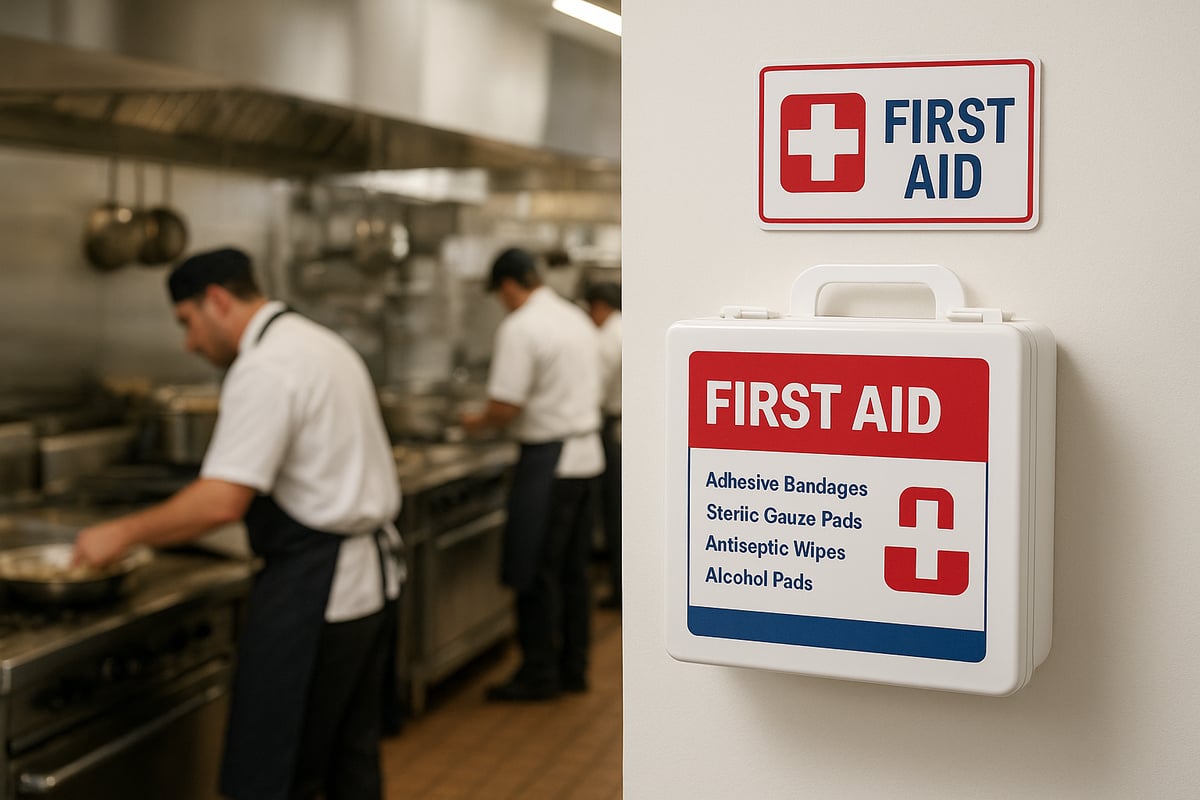
Adhering to legal standards is non-negotiable for any restaurant. The Occupational Safety and Health Administration (OSHA) and local health departments require every establishment to maintain a compliant restaurant first aid kit. In 2026, regulations have been updated to specify not only the minimum contents but also the accessibility and maintenance of kits. Failure to comply can result in fines, citations, or even temporary closure. For example, health inspectors now routinely check for expired supplies or missing items during inspections, and over 30% of restaurant violations in 2025 were related to inadequate first aid provisions. Documentation and regular audits are critical, and you can review the OSHA First Aid Kit Requirements for detailed guidance on compliance.
Common Restaurant Injuries and Incidents
A restaurant first aid kit is essential because injuries are frequent in the food service industry. The most common incidents include cuts from knives, burns from hot oil or surfaces, slips, falls, and sudden allergic reactions. Real-world examples range from a chef accidentally slicing a finger during prep to a customer experiencing a choking episode. According to 2024 OSHA data, the food service sector reports 6.3 injuries per 100 full-time workers, highlighting the risks faced daily. These events not only affect staff morale but can also erode customer trust if not managed swiftly and professionally.
Business and Ethical Imperatives
Every restaurant has an ethical and business obligation to protect employees and patrons. A visible, well-stocked restaurant first aid kit demonstrates your commitment to safety and can enhance your establishment’s reputation. Customers are more likely to return and leave positive reviews when they see proactive safety measures in place. From an insurance and liability perspective, having the right supplies on hand can reduce claims and help manage risks. Restaurants that prioritize first aid preparedness often experience higher employee satisfaction and loyalty, further strengthening their business.
The Cost of Unpreparedness
Neglecting to maintain a compliant restaurant first aid kit can have serious consequences. Financial losses may result from lawsuits, worker’s compensation claims, or regulatory fines. Unanticipated incidents can lead to downtime and staffing shortages, disrupting operations and revenue. In extreme cases, such as a major allergic reaction, restaurants have faced temporary or permanent closure. Beyond immediate costs, the long-term impact on your brand’s reputation can be devastating, making it clear that investing in first aid readiness is a smart and necessary business decision.
Essential Components of a Restaurant First Aid Kit
A well-equipped restaurant first aid kit is the backbone of any food service safety program. Understanding the essential components ensures compliance, effective emergency response, and peace of mind for both staff and patrons.
Core Supplies for Food Service Environments
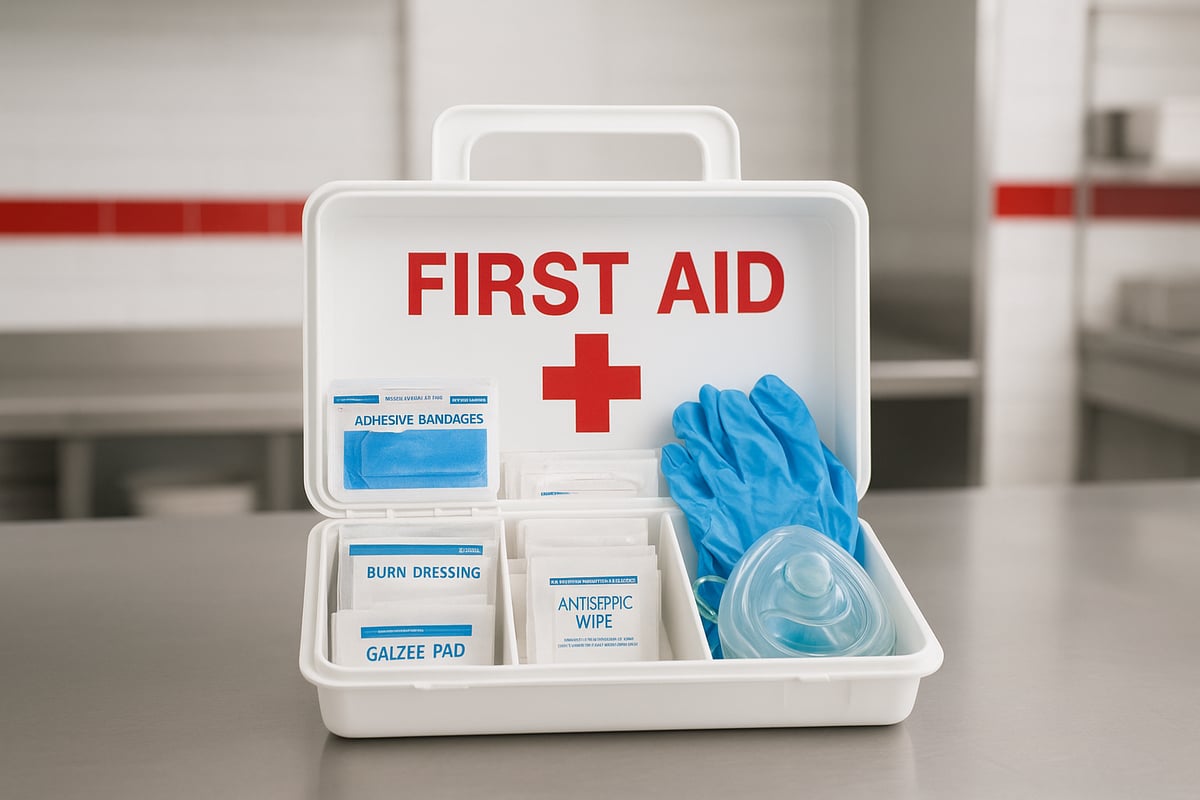
Every restaurant first aid kit must include supplies tailored for the unique hazards of kitchens and dining areas. Start with adhesive bandages, especially blue or detectable types, which are vital for food safety compliance. Sterile gauze pads and rolls are necessary for managing cuts and lacerations.
Antiseptic wipes and sprays help prevent infection, while burn dressings and gels address common thermal injuries. Eye wash solutions and eye pads are important for accidental splashes. CPR face shields or masks add a layer of protection during emergencies. Disposable nitrile gloves are preferred to minimize allergy risks.
For example, blue detectable bandages are easily spotted if lost during food prep, preventing contamination and ensuring safety.
Specialized Supplies for Restaurant Risks
Restaurant environments present unique injury risks that require specialized supplies in every restaurant first aid kit. Finger cots and knuckle bandages are essential for treating minor kitchen cuts, while burn treatment supplies are critical for hot surface and liquid injuries.
Cold packs provide immediate relief for sprains or bruises, and advanced kits should include tourniquets for severe bleeding. Splints can be valuable for stabilizing minor fractures until professional help arrives.
Burn gel dressings are particularly useful after grill or fryer accidents, offering quick pain relief and minimizing tissue damage.
Medications and Topicals
A comprehensive restaurant first aid kit should contain a selection of over-the-counter medications and topical treatments. Stock pain relievers such as acetaminophen and ibuprofen to address headaches or minor aches. Include antihistamines for unexpected allergic reactions, which are not uncommon in food service environments.
Antibiotic ointment is crucial for treating cuts and scrapes to prevent infection. Ensure all medications are properly labeled and stored safely to avoid misuse or confusion. Maintaining clear labeling and safe storage practices in your restaurant first aid kit helps staff respond quickly and accurately.
Regulatory and Food Safety Items
Regulatory compliance is a core function of any restaurant first aid kit. Food-safe bandages and gloves are required to protect both staff and food products. Include biohazard disposal bags for safe waste management, and sharps containers if your operation uses needles for tasks like allergy injections.
Emergency contact lists and incident report forms should be part of your kit, supporting both legal compliance and effective post-incident review. These regulatory and food safety items ensure your restaurant first aid kit meets industry standards and keeps your establishment inspection-ready.
Kit Organization and Labeling
Efficient organization is key for a functional restaurant first aid kit. Use clearly labeled compartments to help staff find supplies quickly during emergencies. Choose waterproof and dustproof containers to keep items sterile and ready for use.
Decide between wall-mounted or portable kits based on your restaurant’s layout and risk zones. Inventory checklists and refill reminders simplify the process of maintaining your kit. Proper organization ensures that every item in your restaurant first aid kit is accessible when it matters most.
Example Kit Configurations for 2026
Restaurants come in all shapes and sizes, so your restaurant first aid kit should match your unique needs. A basic compliance kit may suit a small café, while a full-service restaurant benefits from an intermediate kit with expanded supplies. Large or high-risk venues, such as banquet halls, should consider advanced trauma kits.
For guidance and examples, you can review Complete restaurant first aid kits that align with Red Cross and OSHA recommendations. Choosing the right configuration ensures your team is prepared for any emergency and meets evolving 2026 standards.
How to Choose the Right First Aid Kit for Your Restaurant
Selecting the best restaurant first aid kit is crucial for both compliance and the safety of everyone in your establishment. With so many options available, it is essential to take a systematic approach. By evaluating your unique environment, kit quality, placement, and budget, you can ensure your restaurant is always prepared for emergencies.
Assessing Your Restaurant’s Unique Needs
Every restaurant faces distinct risks based on its size, layout, and cuisine. Start by considering your staffing levels and daily customer volume. A small café may need a basic restaurant first aid kit, while a large, high-traffic venue requires a more comprehensive solution.
Examine your kitchen’s layout and identify high-risk zones, such as areas near fryers, grills, and sharp utensils. The type of cuisine you serve also matters. For example, seafood restaurants should stock extra allergy supplies for potential shellfish reactions. Review your equipment—deep fryers, slicers, and ovens each present unique hazards requiring tailored first aid items.
By analyzing these factors, you can choose a restaurant first aid kit that matches your daily risks and operational realities.
Evaluating Kit Types and Quality
When evaluating a restaurant first aid kit, determine whether a pre-assembled or custom kit best fits your needs. Pre-assembled kits offer convenience and ensure regulatory compliance, while custom kits allow you to address specific risks.
Always look for ANSI or OSHA-certified kits, as these meet workplace safety standards. The quality of each component is critical—ensure all supplies are FDA-approved and check for expiration dates. Avoid kits with low-quality or outdated materials that could fail in emergencies.
For additional guidance, consult resources like the Red Cross Restaurant First Aid Kits page, which outlines best practices for kit selection and maintenance in food service environments.
Placement and Accessibility Best Practices
A restaurant first aid kit is only effective if staff can access it quickly in an emergency. Place kits in strategic locations, such as the kitchen, break room, and front-of-house areas. High-visibility placement reduces response time and reassures both staff and customers.
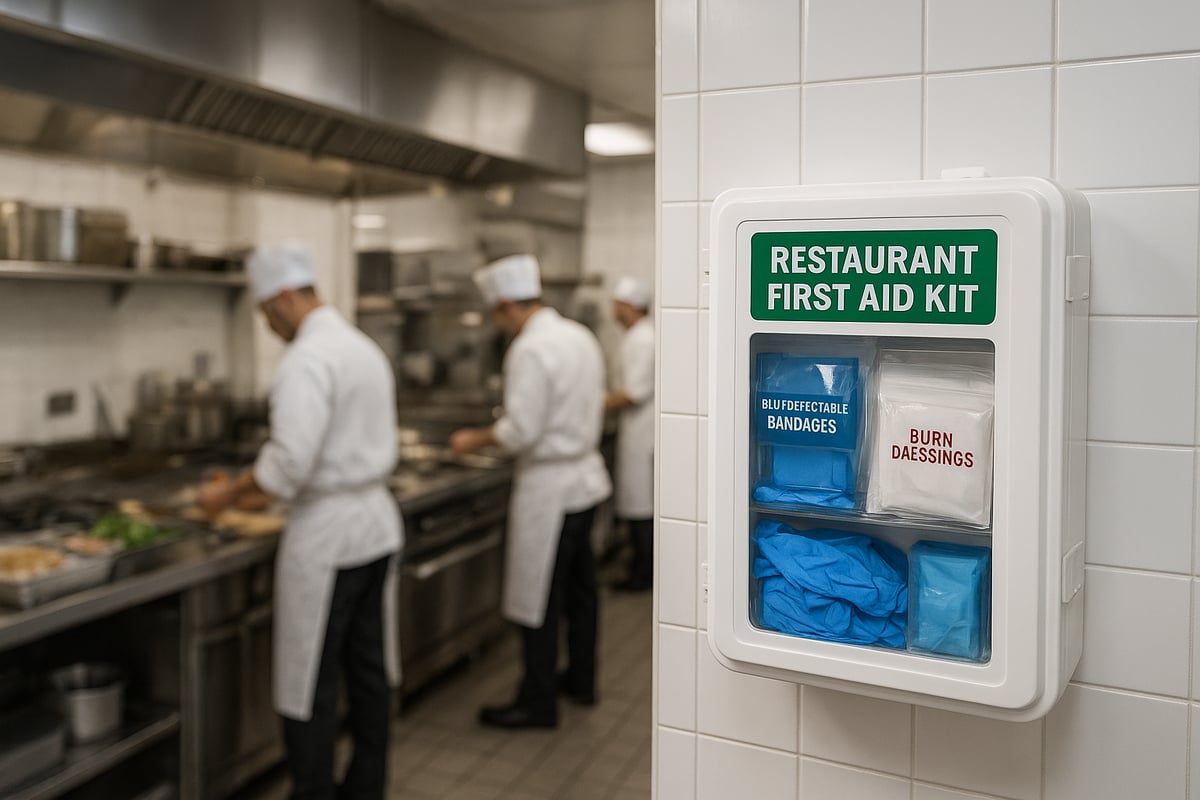
Decide between wall-mounted and portable options based on your restaurant’s layout and workflow. Wall-mounted kits provide a fixed, central location, while portable kits allow for flexibility in larger or multi-level establishments. Use clear signage to mark first aid kit locations, making them easy to find even during busy shifts.
Regularly review your placement strategy to adapt to any changes in your restaurant’s design or staffing patterns.
Budgeting and Cost Considerations
Balancing cost and quality is vital when investing in a restaurant first aid kit. While it may be tempting to choose the least expensive option, subpar supplies can lead to compliance issues and compromised safety outcomes.
Consider bulk purchasing if you manage multiple restaurant locations, as this can lower per-unit costs. Factor in the ongoing expense of restocking supplies, especially items with expiration dates. The cost of maintaining a well-stocked kit is always less than the potential losses from workplace injuries or regulatory fines.
Allocate budget for regular kit inspections and updates, ensuring your restaurant first aid kit remains fully compliant and ready for any emergency.
Staff Training and First Aid Response Procedures
A restaurant first aid kit is only as effective as the people trained to use it. Staff knowledge and readiness are critical for compliance and a fast, confident response in emergencies. Proper training ensures that every team member can act quickly, reducing risk and protecting everyone in your establishment.
Training Requirements for Restaurant Staff
Every restaurant first aid kit program begins with comprehensive staff training. OSHA and local health departments require food service employees to be familiar with first aid and CPR basics. Certification must be renewed regularly, typically every one to two years, to remain compliant with evolving standards.
Training can be delivered in-house by certified instructors or through accredited third-party providers. Many restaurants opt for blended learning, combining online modules with hands-on practice. This approach helps ensure staff are comfortable using the restaurant first aid kit in real scenarios. Regular refreshers keep knowledge current and boost team confidence.
Step-by-Step Emergency Response Protocols
When an incident occurs, a clear, stepwise approach is vital. First, assess the scene for safety and alert a manager. Next, put on gloves or other PPE from the restaurant first aid kit. Administer aid based on the injury, such as following the 7 steps to wrap a finger wound for a cut. Always call for medical help if the situation requires it.
Communication is crucial throughout. Assign roles so one person helps the victim, another manages bystanders, and a third documents the event. Practicing these steps ensures your team responds efficiently and calmly with the restaurant first aid kit.
Building a Culture of Safety and Readiness
A strong safety culture turns first aid from a compliance task into a daily habit. Regular drills and restaurant first aid kit inspections keep skills sharp and supplies ready. Encourage staff to report near-misses and share lessons learned, reinforcing a proactive approach.
Leadership sets the tone by prioritizing safety, recognizing good practices, and investing in ongoing education. When everyone feels responsible for safety, the restaurant first aid kit becomes a trusted tool, not an afterthought.
Documentation and Incident Reporting
Accurate documentation protects your business and supports continuous improvement. After using the restaurant first aid kit, staff should complete a standardized incident report. Digital forms streamline this process and make compliance tracking easier.
Templates for injuries, near-misses, and follow-up actions help ensure nothing is overlooked. Proper records demonstrate due diligence in case of audits or claims, providing a clear account of your response to any event involving the restaurant first aid kit.
Ongoing Education and Updates
First aid protocols and products evolve, making ongoing staff education essential. Stay informed through resources like the Red Cross, OSHA, and industry associations. Integrate real-life incidents into training sessions to keep content relevant and practical.
Update your restaurant first aid kit and training materials as regulations or best practices change. By fostering a mindset of lifelong learning, you ensure your team remains prepared for any emergency that may arise in your restaurant.
Maintaining and Restocking Your Restaurant First Aid Kit
A well-maintained restaurant first aid kit is not just a regulatory checkbox, it is a frontline defense for workplace safety. Regular upkeep ensures your kit is always ready to handle emergencies. By following structured protocols for inspection, storage, and restocking, you protect your team and your business from unnecessary risks.
Scheduled Inspections and Inventory Checks
Routine inspections are vital for keeping your restaurant first aid kit compliant and effective. Schedule monthly or quarterly checks, assigning responsibility to a designated staff member. Use digital or printed checklists to verify that all required supplies are present and in-date.
Document each inspection to demonstrate regulatory adherence. Missing or outdated items can lead to citations or fines. For detailed guidance on compliance, refer to the OSHA First Aid Standard Interpretation, which outlines workplace requirements.
Break the process into manageable steps:
- Inspect kit contents against your inventory list.
- Record findings and restock as needed.
- Retain inspection records for audits.
Proper Storage and Environmental Controls
Where and how you store your restaurant first aid kit directly impacts its reliability. Place kits in dry, cool areas away from heat, humidity, or chemical exposure. Wall-mounted units should be at eye level and easily accessible, while portable kits must be stored where staff can locate them quickly.
Avoid locations near stoves, dishwashers, or sinks to prevent moisture damage. Use waterproof containers to keep supplies sterile. Signage should identify kit locations clearly for all employees.
Plan for accessibility during peak hours, ensuring no obstacles block access. A well-placed kit can save precious seconds in an emergency.
Managing Expiry Dates and Product Rotation
Keeping track of expiration dates in your restaurant first aid kit is essential for safety and compliance. Medications, sterile bandages, and topical ointments all have limited shelf lives. Implement a first-in, first-out (FIFO) rotation system to ensure older stock is used before newer items.
Digital alerts or app-based reminders can help staff monitor upcoming expirations. During inspections, remove and replace any expired items promptly. Maintain a log of expiration checks to support your compliance efforts.
Consider color-coded labels or tags to flag soon-to-expire products. This proactive approach reduces waste and guarantees that your kit is always ready for emergencies.
Sourcing Quality Refills and Supplies
The reliability of your restaurant first aid kit depends on sourcing certified, high-quality refills. Work with reputable vendors who provide food-safe, OSHA-compliant supplies. Avoid bulk purchases from unknown sources, as counterfeit or substandard items can compromise safety.
Establish a preferred supplier list and review it annually. Compare prices and options for bulk restocking, especially if you operate multiple locations. Prioritize vendors who offer traceable lot numbers and clear expiration dates.
Document all purchases and keep receipts for regulatory review. Investing in quality ensures your kit meets industry standards and protects both staff and customers from preventable harm.
Medical Gear Outfitters: Your Trusted Partner for Restaurant First Aid Kits
Medical Gear Outfitters, owned by a seasoned paramedic, is the go-to source for any restaurant first aid kit. Their kits are OSHA-compliant and designed specifically for food service needs, offering everything from blue/detectable bandages to burn treatment supplies for kitchens. Restaurants benefit from customizable options and bulk purchasing, making compliance easy across multiple locations. Trusted brands and expert-curated products ensure you are prepared for any emergency. Medical Gear Outfitters also provides educational resources and guidance to keep your team ready. Shop or consult for your custom solution at Medical Gear Outfitters.
Future Trends in Restaurant First Aid and Emergency Preparedness
The landscape of restaurant first aid kit preparedness is evolving rapidly as technology, regulations, and societal needs shift. Staying ahead of these trends is crucial for restaurant owners and managers who want to ensure safety, compliance, and a resilient operation.
Advances in First Aid Kit Technology
Restaurant first aid kit technology is entering a new era. Smart kits equipped with RFID tags and digital inventory systems are becoming more common. These features help managers monitor supply levels in real time and receive automated alerts when items expire or run low.
Some smart kits now integrate directly with restaurant management software, streamlining compliance and reporting. For instance, a kit can automatically notify a manager when a tourniquet or burn gel needs replenishing. To better understand the importance of choosing quality tourniquets for your kit, you can review the best tourniquets for emergencies.
These technological advancements not only improve efficiency but also ensure the restaurant first aid kit is always ready during emergencies.
Evolving Regulatory Standards and Industry Best Practices
Regulatory bodies are regularly updating standards for restaurant first aid kit contents and accessibility. Anticipated changes for 2026 may include stricter requirements for allergy response tools, such as mandatory epinephrine auto-injectors in all food service establishments.
Industry best practices are also shifting to address the realities of modern restaurant risks. According to the AmTrust 2024 Restaurant Risk Report, common injuries and associated costs are prompting regulators to push for more comprehensive kits.
Staying informed and proactive with your restaurant first aid kit ensures compliance and protects both staff and guests.
Enhanced Training and Digital Resources
First aid training is becoming more accessible and interactive. Many restaurants are turning to online modules and virtual reality (VR) simulations to teach staff how to use the restaurant first aid kit effectively.
Mobile apps now provide real-time, step-by-step emergency guidance, making it easier for staff to respond confidently during high-pressure situations. Large restaurant chains are beginning to adopt VR training for immersive learning, giving team members hands-on experience without real-world risk.
These advancements help reinforce the importance of a well-stocked and accessible restaurant first aid kit.
Focus on Mental Health and Trauma Response
The definition of emergency preparedness is expanding to include mental health. Restaurant first aid kit protocols now often incorporate mental health first aid training, equipping staff to recognize and respond to stress, anxiety, or trauma in the workplace.
Some kits are starting to include de-escalation tools and resources for managing challenging customer incidents. By addressing both physical and mental health, the restaurant first aid kit becomes a more comprehensive solution for overall safety and well-being.
This holistic approach fosters a more supportive and resilient restaurant environment.
Sustainability and Eco-Friendly First Aid Solutions
Sustainability is a growing focus in the food service industry, and the restaurant first aid kit is no exception. Newer kits feature biodegradable bandages, refillable containers, and minimal packaging to reduce environmental impact.
Some restaurants are adopting green initiatives by sourcing eco-friendly supplies and encouraging responsible disposal practices. These steps not only support the planet but also appeal to environmentally conscious customers and staff.
Choosing a sustainable restaurant first aid kit signals a commitment to health, safety, and corporate responsibility.
Restaurant First Aid Kit FAQs
What should be in a restaurant first aid kit?
A restaurant kit should include food-safe blue (metal-detectable) bandages, burn dressings and burn gel, assorted adhesive bandages, sterile gauze, antiseptic wipes, nitrile gloves, scissors, eyewash, an instant cold pack, medical tape, and a CPR shield. Tailor it to your kitchen's specific risks and staff size.
Are restaurants required to have a first aid kit?
Yes, in practice. OSHA's general rule (29 CFR 1910.151(b)) requires adequate first aid supplies to be readily available when there's no nearby clinic or hospital, and it recognizes the ANSI/ISEA Z308.1 standard for kit contents. Many states and local health codes add their own requirements, so check the rules that apply to your location.
What are blue bandages and why do restaurants use them?
Blue bandages are brightly colored, often metal-detectable adhesive bandages used in food service. The blue color stands out against food so it's easy to spot if it falls off, and the metal-detectable strip can be caught by detectors, helping prevent contamination of food.
How many first aid kits does a restaurant need?
It depends on the size of your staff and facility. A small restaurant may need one well-stocked, accessible kit, while larger or multi-area operations should have several, placed near the kitchen, prep areas, and other higher-risk zones so help is always close at hand.
Where should first aid kits be placed in a restaurant?
Place kits in central, clearly labeled, easily reachable spots near the highest-risk areas, especially the kitchen and prep stations, where burns and cuts are most common. Make sure every staff member knows where they are, and keep them unobstructed.
What are the most common restaurant injuries?
The most common are cuts and lacerations from knives and slicers, burns and scalds from hot surfaces, oil, and steam, and slips, trips, and falls. A restaurant kit should be weighted toward wound care and burn treatment to match these risks.
Does OSHA require first aid training for restaurant staff?
OSHA requires that trained first aid providers be available when medical help isn't nearby, and many restaurants train staff in basic first aid and CPR as a best practice. Training ensures the supplies in the kit are actually used effectively in an emergency.
How often should a restaurant restock its first aid kit?
Inspect kits on a regular schedule and after any use. Replace used items immediately, rotate stock to manage expiration dates on medications and sterile items, and keep an inventory checklist so kits stay fully stocked and compliant.

