Guide to Creating Your Own Personalized First Aid Kit 2026
Imagine you are in the middle of an emergency and every tool you need is right at your fingertips, all because you took the time to build your own personalized first aid kit. In a world where health needs are as unique as our lifestyles, having a kit that fits you—rather than a generic option—can make all the difference. This guide will walk you through every step of designing a personalized first aid kit tailored to your health, your family, and the most up-to-date recommendations for 2026. Discover why customization matters, what essentials to include, how to adapt your kit for any situation, and expert tips for staying prepared. Ready to feel confident and safe in any scenario? Let’s get started.
Why Personalize Your First Aid Kit in 2026?
The landscape of emergency preparedness is rapidly changing. In 2026, more people are moving away from generic first aid solutions and choosing a personalized first aid kit that matches their specific needs. This shift is driven by new health challenges, evolving lifestyles, and a growing awareness of the importance of readiness.
Why is this trend gaining momentum?
Recent first aid kit market growth trends show that consumers are demanding more tailored and specialized kits. The days of one-size-fits-all are fading as families, travelers, and individuals recognize that a personalized first aid kit can make a real difference in emergencies. People are looking for kits that address their unique health profiles, daily activities, and environmental risks.
Consider how your own health conditions or family needs could impact your kit. For example, someone with severe allergies might include extra antihistamines and an epinephrine injector, while a family with young children will want child-safe bandages and fever reducers. A personalized first aid kit ensures you have the right supplies for your situation, whether you’re at home, on the road, or exploring the outdoors.
Medical guidelines and health recommendations are also changing. The past few years have seen an increase in allergy prevalence and a greater focus on pandemic preparedness. Keeping your personalized first aid kit up-to-date with the latest supplies, such as rapid test kits or advanced PPE, means you’re prepared for new challenges. Regularly updating your kit helps you adapt to evolving risks and protects you and your loved ones.
Let’s look at how different scenarios benefit from personalization:
| Scenario | Key Needs in Personalized First Aid Kit |
|---|---|
| Families with Children | Child-safe medications, fun bandages, fever pads |
| Solo Travelers | Compact design, motion sickness remedies |
| Urban Residents | Compact kits, public transport PPE |
| Rural Dwellers | Trauma supplies, snake bite tools, extra meds |
Statistics highlight the value of customization. In a recent survey, over 60% of households reported using a first aid kit in the past year, with the most common incidents being cuts, burns, and sprains. However, the contents most often used varied by setting. For example, outdoor enthusiasts reported higher use of tick removers and cold packs, while urban families relied on wound dressings and allergy medications. This data underscores that a personalized first aid kit maximizes usefulness and prevents waste.
A well-designed personalized first aid kit is also cost-effective. By including only what you need, you reduce unnecessary purchases and expired items. You gain peace of mind, knowing that your kit is always ready for the situations you’re most likely to face. Personalization not only saves money but also ensures you’re never caught off guard.
In summary, building a personalized first aid kit in 2026 is no longer a luxury; it’s a practical necessity. Tailoring your kit to your lifestyle, health needs, and the latest medical guidelines ensures you are prepared, confident, and protected—whenever and wherever emergencies happen.

Step 1: Assessing Your Unique Needs
Creating a truly effective personalized first aid kit begins with a careful assessment of your unique needs. Before you gather any supplies, it is essential to understand what makes your situation distinct. By considering your health profile, daily environments, and the specific risks you face, you can ensure your kit is ready for any emergency.

Understanding Your Health Profile
Start by evaluating your current health status. Do you or your family members have chronic conditions like diabetes, asthma, or severe allergies? If so, your personalized first aid kit should always include essential items such as backup prescription medications, inhalers, or an EpiPen.
For households with infants, elderly relatives, or pets, consider their unique medical requirements. For example, a diabetic may need glucose tablets, while someone with severe allergies will require an EpiPen. Pet owners should think about including items like pet-safe bandages or flea combs. By tailoring your kit to your health profile, you create a safety net that reflects your real-life needs.
Evaluating Your Daily Activities and Environments
Think about where you spend most of your time and the types of activities you perform. Do you work in an office, travel frequently, or enjoy outdoor adventures? Each environment presents different challenges, and your personalized first aid kit should adapt accordingly.
For those who commute in urban areas, a compact kit with essentials fits easily in a backpack or purse. Outdoor enthusiasts, such as hikers or boaters, need waterproof or weather-resistant supplies. If you live in a remote area or a region prone to natural disasters, include items that address those risks. In every scenario, consider the frequency and nature of your activities so your personalized first aid kit stays practical and ready for action.
Here are some examples:
- Waterproof bandages for boating or fishing trips
- Compact kits for daily commuters
- Insulated pouches for medications in extreme climates
By aligning your kit with your lifestyle, you keep your preparedness both efficient and relevant.
Identifying Common Risks and Scenarios
Next, identify the most likely injuries or emergencies you might encounter. Data shows that the most frequent first aid scenarios involve cuts, burns, sprains, and allergic reactions. According to a Survey on Home First Aid Kits, most households have a kit, but many lack the supplies tailored to their specific risks.
Consider local hazards as well. If you live in a wooded area, tick exposure is a concern, so include tick removal tools. Kitchen enthusiasts may want burn dressings and finger bandages close at hand. Solo travelers should prepare for injuries that could occur far from immediate help.
Below is a table summarizing common risks by environment:
| Environment | Common Injuries | Suggested Additions |
|---|---|---|
| Home | Cuts, burns, sprains | Burn dressings, splints |
| Outdoors | Insect bites, sprains | Tick tool, snakebite kit |
| Travel | Motion sickness, allergies | Antihistamines, travel meds |
| Workplace | Minor wounds, strains | Adhesive tape, cold packs |
Customizing your personalized first aid kit for these scenarios means you will be ready for the most probable emergencies. By anticipating your needs based on data, location, and lifestyle, you maximize your kit’s usefulness and reduce unnecessary items.
Step 2: Choosing the Right Container
Selecting the right container is the foundation of a truly effective personalized first aid kit. Your choice impacts not only what supplies you carry, but also how quickly you can access them when every second counts. The right container ensures your kit is ready for action, no matter where life takes you.
Types of First Aid Kit Containers
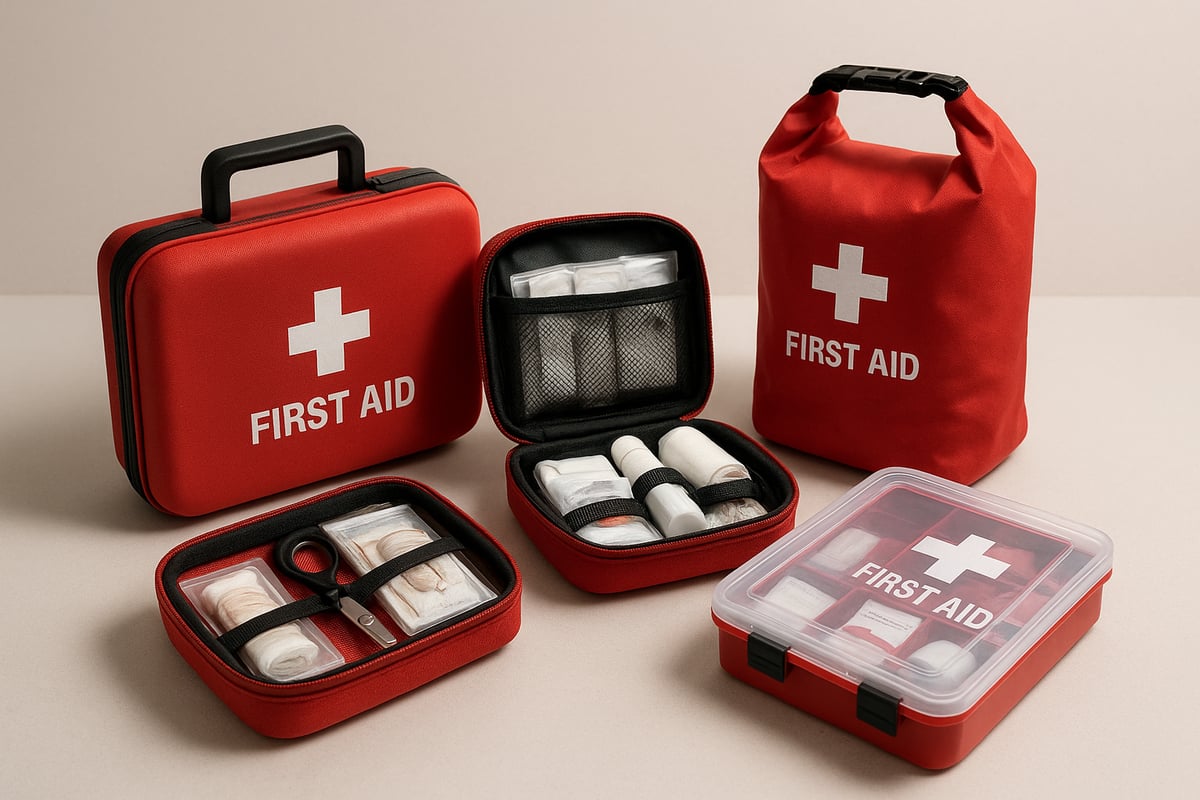
When building a personalized first aid kit, the container you choose sets the stage for functionality and peace of mind. There are several main types to consider:
| Container Type | Pros | Cons | Best For |
|---|---|---|---|
| Hard Shell Case | Crushproof, protective | Heavier, less flexible | Car kits, home storage |
| Soft Zippered Pouch | Lightweight, flexible | Less protection from impacts | Travel, commuting |
| Waterproof Dry Bag | Water resistant, floatable | Bulky, sometimes less organized | Boating, outdoor adventure |
| Wall Mounted Box | Always accessible, large | Not portable | Workplace, home wall |
For example, a hard shell case is ideal for a car or home personalized first aid kit, protecting supplies from bumps and drops. Soft pouches are perfect for commuters or travelers who need flexibility and portability. If your activities involve water, a waterproof dry bag can be a lifesaver by keeping contents dry.
To explore different options suited for your personalized first aid kit, consider browsing Choosing first aid kit containers, which showcases a variety of bags and cases designed for customization.
Organization and Accessibility
Effective organization transforms a personalized first aid kit from a jumbled box into an efficient emergency resource. Look for containers with multiple compartments or pockets, which help separate supplies by type or urgency.
Labeling each section, or using color-coded pouches, makes it easy to find what you need quickly. Transparent bags or clear pockets allow you to visually confirm contents at a glance, reducing search time during stressful situations.
- Use small zip bags for medications and ointments.
- Reserve a separate section for trauma supplies.
- Color-code by category: red for bleeding control, blue for medications, green for tools.
A well-organized personalized first aid kit ensures supplies are not only present, but also instantly accessible when you need them most.
Durability and Portability
The durability and portability of your personalized first aid kit matter as much as the supplies inside. Choose containers made from water-resistant, tear-resistant material that can stand up to daily use and harsh environments.
Look for easy-to-clean surfaces, sturdy zippers, and reinforced seams. Features like handles, shoulder straps, or mounting straps add convenience, letting you attach your kit to a backpack or bicycle for on-the-go readiness.
For outdoor enthusiasts, a kit that can be clipped to gear or worn on a belt ensures your personalized first aid kit is always within reach. Select a container that matches your lifestyle and activities, so your kit is durable enough to go wherever you do.
Step 3: Essential Components for Every Personalized Kit
Building a truly effective personalized first aid kit means selecting the right mix of supplies, tools, and medications to fit your specific needs. With the right components, you will be ready for nearly any emergency, whether at home, work, or on the go.
Basic First Aid Supplies
Every personalized first aid kit starts with the essentials. These basic supplies handle minor injuries like cuts, scrapes, and burns. You should include a variety of adhesive bandages, sterile gauze pads, adhesive tape, and antiseptic wipes. Tweezers, blunt-tip scissors, safety pins, and disposable gloves are also must-haves.
To help you visualize, here is a quick comparison for home vs. travel kit quantities:
| Item | Home Kit | Travel Kit |
|---|---|---|
| Adhesive Bandages | 20 | 10 |
| Gauze Pads | 10 | 4 |
| Antiseptic Wipes | 15 | 8 |
| Gloves (pairs) | 4 | 2 |
For more ideas on what to include, check out these essential first aid kit components to customize your kit. By starting with these basics, your personalized first aid kit will be ready for everyday incidents.
Medications and Topicals
No personalized first aid kit is complete without medications and topical treatments. Stock your kit with pain relievers like acetaminophen or ibuprofen, antihistamines for allergic reactions, hydrocortisone cream, and burn ointment. Always include any personal prescription medications, with extras if possible.
If you are a frequent traveler, consider adding motion sickness tablets or anti-diarrheal medicine. This approach ensures your personalized first aid kit addresses both expected and unexpected health issues.
Tools and Devices
Specialized tools make your personalized first aid kit more versatile. Include a digital thermometer for monitoring fevers, a CPR mask for emergencies, and an emergency blanket for shock or cold exposure. Instant cold packs help manage sprains, while splints and finger splints are valuable for sports injuries.
If you engage in remote adventures, consider a tourniquet, but only if you have proper training. Each tool enhances your kit's usefulness, making your personalized first aid kit a true resource in any situation.
Emergency and Survival Items
A well-rounded personalized first aid kit should also cover emergency and survival needs. Pack a small flashlight, a whistle, a notepad with a pen, and an emergency contact card. These items help you communicate and stay organized during a crisis.
Multi-tools and waterproof matches are practical for outdoor kits, while a small amount of cash can be crucial in travel emergencies. Adding these elements ensures your personalized first aid kit is ready for more than just medical needs.
Personalization for Family Members and Pets
Consider everyone in your household when building your personalized first aid kit. For children, include child-safe bandages and fever reducers. Pet owners should add pet-specific bandages, tick removers, and a pet first aid reference card.
Elderly family members may need hearing aid batteries, extra glasses, or mobility aids. Customizing your personalized first aid kit in this way guarantees that everyone’s unique requirements are covered.
Hygiene and Protection
Hygiene and personal protection are more important than ever. Equip your personalized first aid kit with face masks, hand sanitizer, soap sheets, and feminine hygiene products. Eye wash, insect repellent wipes, and sunscreen packets are excellent add-ons.
If you often use public transport or travel, include extra masks. This ensures your personalized first aid kit is practical for both daily life and unexpected situations.
Keeping Up with 2026 Innovations
Modern emergencies require modern solutions. Update your personalized first aid kit with the latest supplies, like rapid test kits and digital health tools. For example, a digital thermometer with Bluetooth connectivity lets you track health data on your phone.
Keeping up with innovations ensures your personalized first aid kit is as effective as possible, no matter what the future holds.
Step 4: Customizing for Specific Situations
Building a personalized first aid kit is only the first step. To ensure true readiness, you must adapt your kit to the specific environments and situations you face daily. Each setting brings unique challenges, so customizing your kit means you always have the right supplies for the moment. Let’s explore how to tailor your personalized first aid kit for home, travel, outdoor adventures, workplaces, and specialized needs.
Home and Family Kits
Your home is where most minor accidents happen. A personalized first aid kit for the family should contain supplies in larger quantities, since multiple people may need care at once. Include a range of adhesive bandages, sterile gauze, and burn dressings to handle cuts, scrapes, and kitchen burns.
For homes with children, add child-safe scissors, pediatric medications, and digital thermometers suitable for all ages. Splints and elastic bandages are useful for sprains or falls. Consider the special needs of elderly family members, such as extra hearing aid batteries or mobility aids.
Strategic storage is crucial. Place the main kit in a central, easily accessible spot, but away from small children. For added safety, create sub-kits for specific areas like the kitchen or bathroom, each with supplies tailored to common risks in those rooms. This approach ensures your personalized first aid kit is always within reach when you need it most.
Travel and Commuter Kits
When you’re on the move, portability and compliance matter. A personalized first aid kit for travel should be compact and lightweight, with TSA-approved containers for any medications or liquids. Choose supplies that address common travel issues, such as motion sickness tablets, antidiarrheal medications, and travel-sized antiseptics.
If you travel internationally, include language cards that explain medical conditions or allergies in the local language. Multi-lingual first aid instructions can also be invaluable in a foreign country. For urban commuters, opt for a slim design that fits easily in a backpack or purse, ensuring you never leave your personalized first aid kit behind.
Outdoor and Adventure Kits
Outdoor environments demand extra preparation. Your personalized first aid kit for hiking, camping, or boating should be weatherproof and durable. Choose waterproof pouches and pack survival essentials like water purification tablets, emergency blankets, and a lightweight emergency shelter.
Include a snake bite kit, tick removal tools, and insect repellent wipes for wilderness areas. For remote adventures, add a whistle, a high-visibility signal mirror, and extra energy bars or glucose tablets for emergencies. Prioritize lightweight supplies to keep your personalized first aid kit easy to carry, yet comprehensive enough for unexpected situations.
Workplace and School Kits
Workplaces and schools have specific safety requirements. A personalized first aid kit in these environments must meet local regulations and address the unique risks of each setting. For workplaces, include items like burn dressings, eye wash, and a list of trained first aiders. Privacy for personal medications is essential, so use labeled pouches or lockable containers.
Schools require allergy management tools, such as EpiPens and antihistamines, as well as child-friendly supplies. Store the kit in a visible, accessible spot, and ensure staff know its location. Including incident report forms and a current list of emergency contacts in your personalized first aid kit adds another layer of preparedness.
Specialized Kits (Sports, Pets, Seniors)
Specific activities and family members require further customization. For sports, build a personalized first aid kit with extra cold packs, athletic tape, and blister prevention pads. Runners and cyclists may also need finger splints or electrolyte tablets.
Pet owners should create kits with pet-safe bandages, styptic powder, a muzzle, and a pet first aid reference card. Seniors often benefit from pill organizers, emergency contact sheets, and supplies tailored to mobility or chronic conditions. This level of detail ensures your personalized first aid kit truly fits every member of your household, human or animal.
Expert-Recommended Supplies and Training from Medical Gear Outfitters
To guarantee your personalized first aid kit is both reliable and up to date, turn to expert-curated solutions. Medical Gear Outfitters offers a range of complete first aid kits options you can use as a base, then personalize with items specific to your needs. Their resources include guidance from paramedics and professional trainers, helping you make informed choices and stay prepared for any situation.

Step 5: Maintaining and Updating Your First Aid Kit
Keeping your personalized first aid kit reliable means regular care and updates. A well-maintained kit gives you confidence that supplies are fresh, complete, and tailored to your current needs. Let’s explore how to keep your kit in top shape, adapting as your life and health recommendations change.
Regular Inspection and Restocking
Set a recurring reminder on your calendar to inspect your personalized first aid kit every three months. During each check, review every item and remove anything that is expired, damaged, or depleted. Replace used supplies immediately. This habit ensures your kit is always ready for emergencies, especially if it is used frequently.
Keep an updated inventory list, either on paper or with a checklist app. Many people find it helpful to use a printable form or a digital tool to track what’s inside. This makes restocking much easier and reduces the chance of missing critical items. For workplaces, be sure your kit meets OSHA First Aid Kit Requirements to stay compliant and safe.
A sample quarterly inspection checklist might include:
- Checking expiration dates on medications and ointments
- Counting bandages and gauze pads
- Ensuring all medical devices, like thermometers, still work
- Reviewing emergency contact cards for accuracy
By making inspection and restocking a routine, you keep your personalized first aid kit dependable and effective.
Adapting to Life Changes and New Risks
As your household grows or your lifestyle shifts, your personalized first aid kit should evolve too. Add supplies for new family members, such as infant fever reducers or pet bandages. If someone develops a new health condition, include related medications or equipment.
Environmental changes also matter. For example, during wildfire season, you might add inhalers or extra masks. If someone starts a new sport, consider adding blister care or cold packs. Keeping your kit in sync with your life ensures it remains truly personalized and ready for any scenario.
Staying Current with Medical Guidelines
Medical recommendations change over time. Make it a habit to check updates from trusted sources like the CDC, Red Cross, or your local health department. New items, such as rapid test kits or advanced PPE, may become essential.
For example, recent Updated First Aid Kit Standards highlight the addition of items like foil blankets and tourniquets. By staying informed, your personalized first aid kit will always match the latest safety guidelines.
Tips for Training and Practice
A personalized first aid kit works best when everyone knows how to use it. Set aside time to practice key skills, such as CPR or wound care. Involve family members in locating and opening the kit, and hold occasional first aid drills.
Regular training builds confidence and ensures your personalized first aid kit delivers help when it matters most.
Resources for Building and Personalizing Your First Aid Kit
Building a personalized first aid kit requires more than just gathering supplies. You need access to trusted resources that help you choose the right items, stay informed, and maintain your kit’s effectiveness over time.
Trusted Sources for Supplies
When sourcing items for your personalized first aid kit, reliability is essential. Local pharmacies are convenient for basic supplies, while specialty retailers offer advanced medical gear and scenario-specific items.
| Source Type | Example | Best For |
|---|---|---|
| Pharmacy | Walgreens, CVS | Bandages, OTC meds |
| Specialty Retailer | Medical Gear Outfitters | Trauma supplies, rapid tests |
| Online Marketplace | Amazon, Medline | Bulk orders, unique items |
Choose suppliers with a reputation for quality and up-to-date inventory. This ensures your personalized first aid kit is stocked with safe, effective products.
Reliable Checklists and Guidance
Expert-backed checklists help ensure you include all essentials. The CDC, Red Cross, and Mayo Clinic regularly update their guidance based on new health recommendations.
Use official checklists as a foundation, then adapt for your personalized first aid kit by adding or removing items based on your needs. For example, families with children may need extra wound care supplies, while travelers might require compact, TSA-approved containers.
For specialized emergencies, such as gunshot wounds, consult scenario-specific guidance like Basic first aid for gunshot wounds to tailor your kit even further.
Digital Tools and Apps
Technology can help you manage your personalized first aid kit and provide instant guidance during emergencies. Many apps offer inventory management, expiration reminders, and step-by-step first aid instructions.
Recommended apps include:
- Red Cross First Aid App
- Mayo Clinic First Aid
- St John Ambulance First Aid
- Medisafe (for medication tracking)
These tools can also store digital copies of medical records and emergency contacts, making your personalized first aid kit more functional.
Training Resources
Knowledge is as important as supplies. Consider formal training to use your personalized first aid kit effectively. Online courses and local workshops cover essential skills like CPR, wound care, and using devices such as tourniquets.
Popular training options:
- American Red Cross online and in-person classes
- Local community health centers
- Workplace safety seminars
Books and video tutorials can supplement hands-on learning, ensuring you feel confident using your personalized first aid kit in any situation.
Community Programs, Data, and Real-life Examples
Many communities offer group training sessions and public awareness events focused on first aid. Participating in these programs helps keep your skills current and connects you with others who value preparedness.
According to recent surveys, over 65% of households now keep a first aid kit, but only 30% update their supplies regularly. Trained individuals respond more effectively to emergencies, reducing recovery time and complications.
Using a first aid app during a real emergency has proven invaluable for many, offering clear instructions when stress is high. By leveraging the best resources, your personalized first aid kit becomes a powerful tool for safety and peace of mind.