
Outdoor First Aid Box Guide: Essential Tips for 2026
Imagine you are deep in the wilderness, hours from the nearest help, when a sudden injury strikes. Would you know what to do? Emergencies can happen when you least expect them, and preparation is your best defense.
This guide will show you how to build and maintain an outdoor first aid box designed for the challenges of 2026. Whether you are a solo hiker, a family on an adventure, or leading a group in remote areas, having the right supplies can make all the difference.
You will discover why being prepared matters, what essentials to include, and how to adapt your kit for every activity and environment. With expert advice, maintenance tips, and the latest innovations, you will have the confidence to handle unexpected situations.
Get ready to take control of your safety and enjoy peace of mind on every outdoor journey.
Why an Outdoor First Aid Box is Essential in 2026
The outdoors has never been more popular. After the pandemic, individuals and families are venturing further from cities, seeking fresh air and adventure. This surge is not just a trend; it reflects a shift in lifestyle and priorities. According to the 2024 Outdoor Participation Trends Report, outdoor recreation participation rose by 17% in 2024. With more people exploring remote locations, the need for self-sufficiency and preparedness is greater than ever.
When you are miles from civilization, waiting for professional help can feel like an eternity. In wilderness areas, emergency medical services often take over an hour to arrive. This delay can turn minor injuries into major risks. Having an outdoor first aid box ensures that you are ready to respond immediately, protecting yourself and others from the unpredictable.
Outdoor adventures come with inherent risks. Common injuries include:
- Sprains and fractures
- Cuts and lacerations
- Burns
- Allergic reactions
- Hypothermia
Each of these situations requires fast and effective intervention. For example, a deep cut during a hike could lead to severe blood loss if not treated promptly. An outdoor first aid box gives you the tools to manage these emergencies, even when help is far away.
Consider the true story of a hiker who slipped on a rocky trail and fractured their ankle. Alone and hours from the nearest trailhead, the hiker used their outdoor first aid box to splint the injury and minimize pain. The kit also contained a whistle and emergency blanket, which helped the hiker stay warm and signal rescuers. This preparation made a critical difference during the wait for help.
Carrying an outdoor first aid box is more than a personal precaution; it is a legal and ethical responsibility for group leaders, parents, and guides. When you lead others into remote areas, you accept a duty of care. Being prepared to manage injuries or medical issues is not just best practice but often required by outdoor organizations and trip policies.
The psychological benefits are just as important. Knowing you have a well-stocked outdoor first aid box reduces anxiety and builds confidence. You can focus on the adventure, trusting that you have the resources to handle surprises. This peace of mind is invaluable, especially for families with children or new adventurers.
Beyond day-to-day mishaps, an outdoor first aid box is essential for disaster preparedness. Natural disasters and sudden weather changes can transform a routine outing into a survival situation. In these moments, your kit becomes a lifeline. It allows you to treat wounds, prevent infections, and maintain morale until help arrives.
A well-equipped outdoor first aid box also supports community safety. By being prepared, you can assist others in need, whether that is a fellow hiker or a lost camper. Your actions could mean the difference between a minor setback and a life-threatening emergency.
In summary, the rising popularity of outdoor activities, combined with the unpredictability of nature, makes an outdoor first aid box a non-negotiable item for 2026. It is a symbol of readiness, responsibility, and respect for the outdoors. When you pack your kit, you pack peace of mind, safety, and the ability to protect those you care about in the wild.
Key Components of an Outdoor First Aid Box
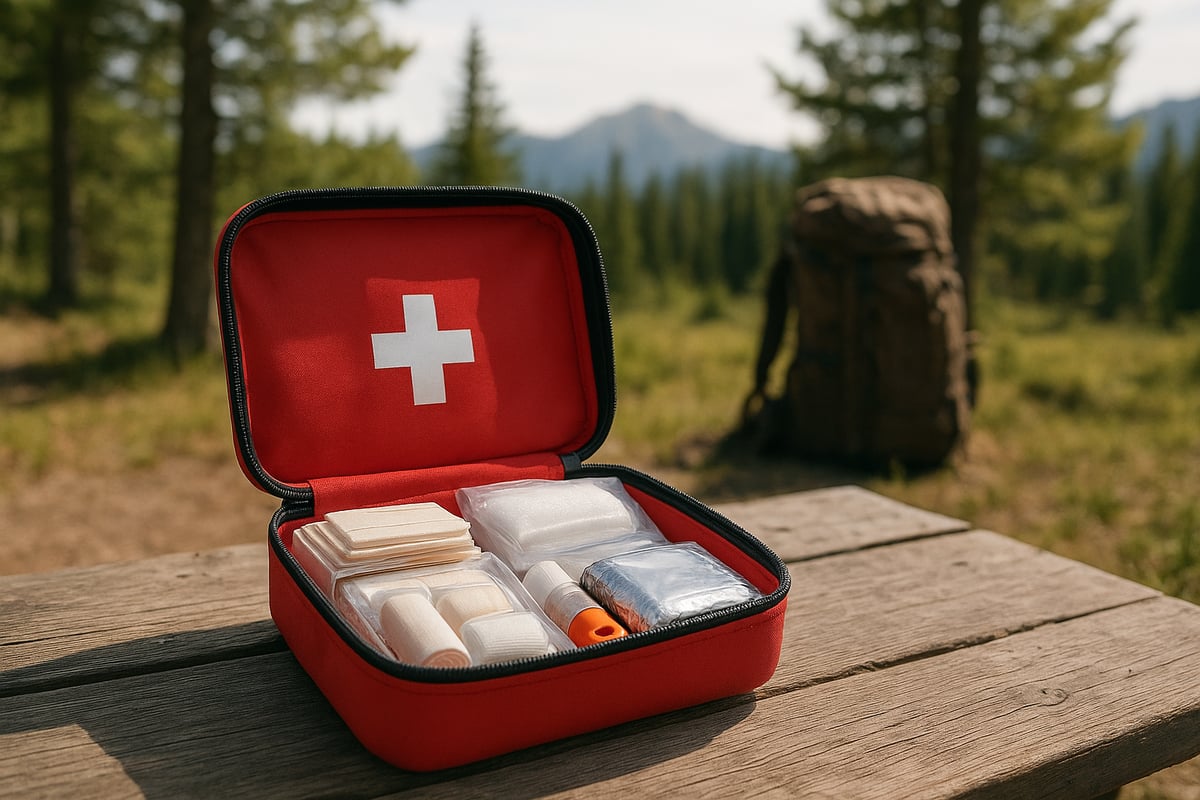
A well-stocked outdoor first aid box is your first line of defense when facing injuries far from medical facilities. Whether you build your kit from scratch or start with a Complete Outdoor First Aid Kit, understanding each component ensures you are truly prepared for emergencies. Let’s break down what every reliable outdoor first aid box should include.
Basic Medical Supplies
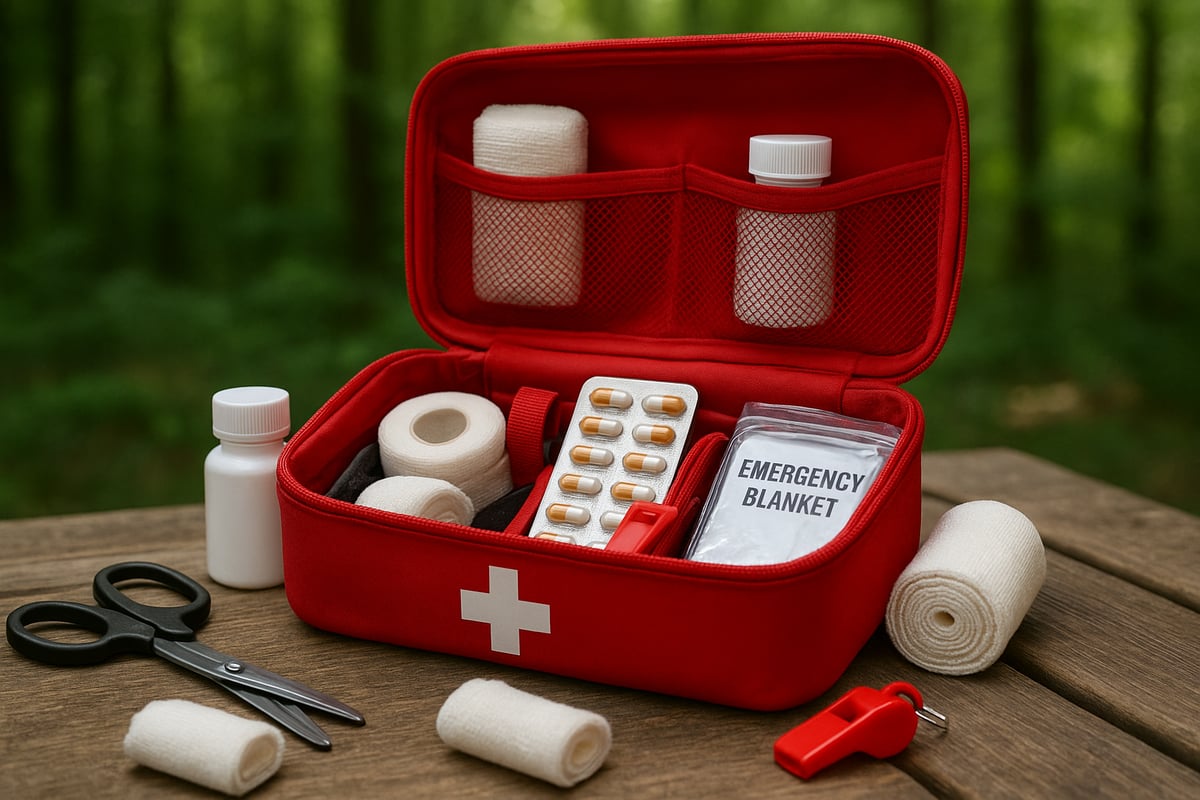
The foundation of every outdoor first aid box lies in its basic medical supplies. These are the items you’ll reach for most often to treat everyday injuries on the trail or campsite.
- Adhesive bandages in various sizes
- Sterile gauze pads and rolls
- Medical tape for securing dressings
- Antiseptic wipes or solution
- Tweezers for splinter and tick removal
Unlike a home kit, an outdoor first aid box must be lightweight, compact, and versatile. For instance, treating a minor cut or blister requires quick access to antiseptic wipes and bandages, preventing infection and keeping you moving. Imagine hiking and discovering a painful blister—having these essentials means you can address the problem before it worsens.
Advanced Emergency Items
For more serious injuries, advanced tools in your outdoor first aid box become vital. These items can mean the difference between stabilization and deterioration while waiting for help.
- Trauma shears for cutting clothing or bandages
- Tourniquet to control severe bleeding
- Hemostatic agents that speed clotting
- Splints for immobilizing fractures or sprains
- Burn dressings for thermal injuries
- Chest seals for penetrating chest wounds
Data from the CDC highlights that severe bleeding causes nearly 30 percent of preventable trauma deaths in outdoor environments. If a group member suffers a deep laceration, using a tourniquet or hemostatic agent from your outdoor first aid box can buy precious time until rescue arrives.
Medications and Personal Needs
Medications are an indispensable part of any outdoor first aid box. They help manage pain, control allergic reactions, and address gastrointestinal issues that can derail an adventure.
- Pain relievers (acetaminophen, ibuprofen)
- Antihistamines for allergies
- Anti-diarrheal tablets
- Epinephrine auto-injector (EpiPen) for severe allergies
- Personal prescription medications, clearly labeled
Always monitor expiration dates and label each medication. For example, a swift response with an antihistamine or EpiPen can be lifesaving if someone has an unexpected allergic reaction during your trip.
Survival and Environmental Gear
An outdoor first aid box extends beyond medical supplies, including gear designed to enhance survival and comfort in unpredictable environments.
- Emergency blanket for warmth and shock prevention
- Whistle to signal for help
- Waterproof matches or fire starter
- Insect repellent and sunscreen
- Water purification tablets
Dual-purpose items are especially valuable. An emergency blanket can treat shock or provide insulation during sudden weather changes, making your outdoor first aid box a true survival resource.
Documentation and Instructions
Finally, every outdoor first aid box should contain clear, accessible instructions and documentation. These tools empower non-medical users to respond effectively in high-stress situations.
- First aid manual with step-by-step guides
- Emergency contact card with vital info
- Waterproof notepad and pen for recording symptoms or treatments
For instance, a quick-reference CPR chart can guide you through lifesaving steps when seconds matter. Clear documentation ensures that anyone, regardless of experience, can utilize the outdoor first aid box confidently.
Customizing Your First Aid Box for Outdoor Activities
Customizing your outdoor first aid box is essential for safety and confidence during any adventure. Every outdoor activity presents unique risks, so your kit must be tailored to meet those specific challenges. By considering the type of activity, group size, environment, and personal needs, you can ensure your outdoor first aid box is always ready for the unexpected.
Activity-Specific Needs
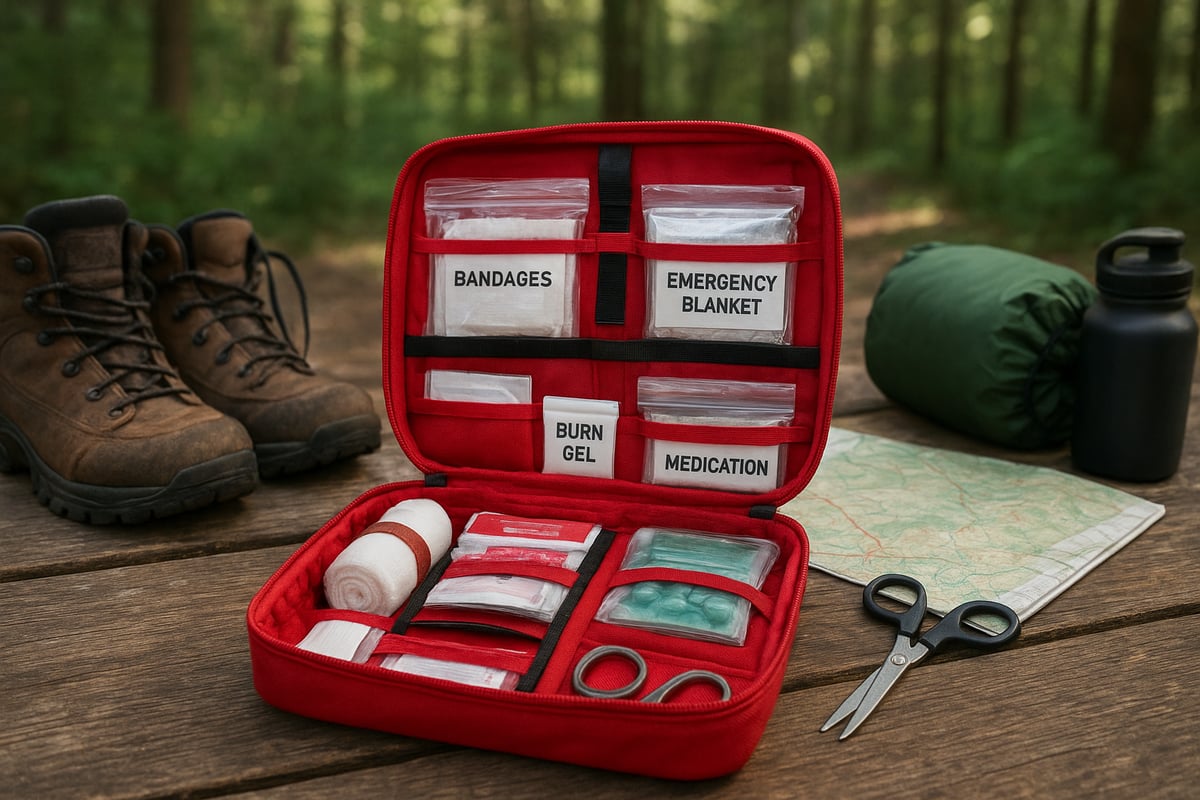
Different activities expose you to different hazards, so your outdoor first aid box should reflect your plans. For hiking in desert areas, a snake bite kit and extra hydration tablets are crucial. Campers who cook over open flames should include burn gel and dressings—specialized burn treatment supplies for first aid can make a real difference if an accident occurs.
If you are boating, waterproof bandages and anti-nausea medication become important. Climbers may want extra blister pads and finger tape. For family outings, child-friendly medications and fun bandage designs help keep children calm.
Always review your itinerary and add items that address the most likely risks. This ensures your outdoor first aid box is practical and relevant for your chosen adventure.
Group Size and Trip Duration
The number of people and length of your trip directly affect what goes into your outdoor first aid box. A solo hiker on a day trip needs only basic supplies in small quantities. For a multi-day trek with a group, you will need bulkier quantities and a broader range of items.
Consider this simple table for reference:
| Group Size | Trip Length | Bandages | Medications | Trauma Supplies |
|---|---|---|---|---|
| 1 person | 1 day | 6 | 1 set | Minimal |
| 4 people | 3 days | 24 | 4 sets | Full kit |
Assess your group's health needs and trip duration before packing. This approach keeps your outdoor first aid box efficient and prevents shortages during emergencies.
Climate and Environment Considerations
Environmental factors can impact both the contents and storage of your outdoor first aid box. In hot climates, heat-sensitive medications may spoil quickly, so pack only what you can keep cool. Add electrolyte packets for desert adventures, and extra insect repellent for humid regions.
In cold environments, include hand warmers and check that liquids will not freeze. At high altitudes, altitude sickness medication and extra hydration become priorities. Always review weather forecasts and terrain to adjust your kit accordingly.
Adapting your outdoor first aid box to the environment helps ensure supplies remain effective and accessible when needed most.
Special Considerations: Children, Pets, and Medical Conditions
When traveling with children, pets, or people with medical conditions, your outdoor first aid box must accommodate their requirements. For kids, include pediatric dosing instructions, liquid medications, and child-sized bandages. Pet owners should add a muzzle, tick remover, and pet-safe antiseptics.
If someone in your group has a chronic illness, such as asthma or diabetes, pack extra inhalers or glucose gel. Always double-check expiration dates and keep personal prescriptions properly labeled and sealed.
By customizing your outdoor first aid box for these special needs, you can confidently handle emergencies for all group members.
Storage, Portability, and Waterproofing
Durable, waterproof storage is vital for your outdoor first aid box. Choose a container that is tough, compact, and weather-resistant. Use color-coded pouches or dividers to organize supplies for fast access in stressful moments.
Attach your kit to the exterior of your backpack or store it in an accessible pocket. Regularly check seals and closures to prevent moisture or dirt from damaging contents. Practical organization ensures your outdoor first aid box is always ready for rapid deployment in any scenario.
Latest Innovations and Trends in Outdoor First Aid (2026 Edition)
Staying updated on the latest advances is crucial for anyone relying on an outdoor first aid box. In 2026, technology, sustainability, and adaptability are reshaping how adventurers prepare for emergencies. Let’s explore the top trends making outdoor safety both smarter and more accessible.
Smart and Tech-Enabled First Aid Solutions
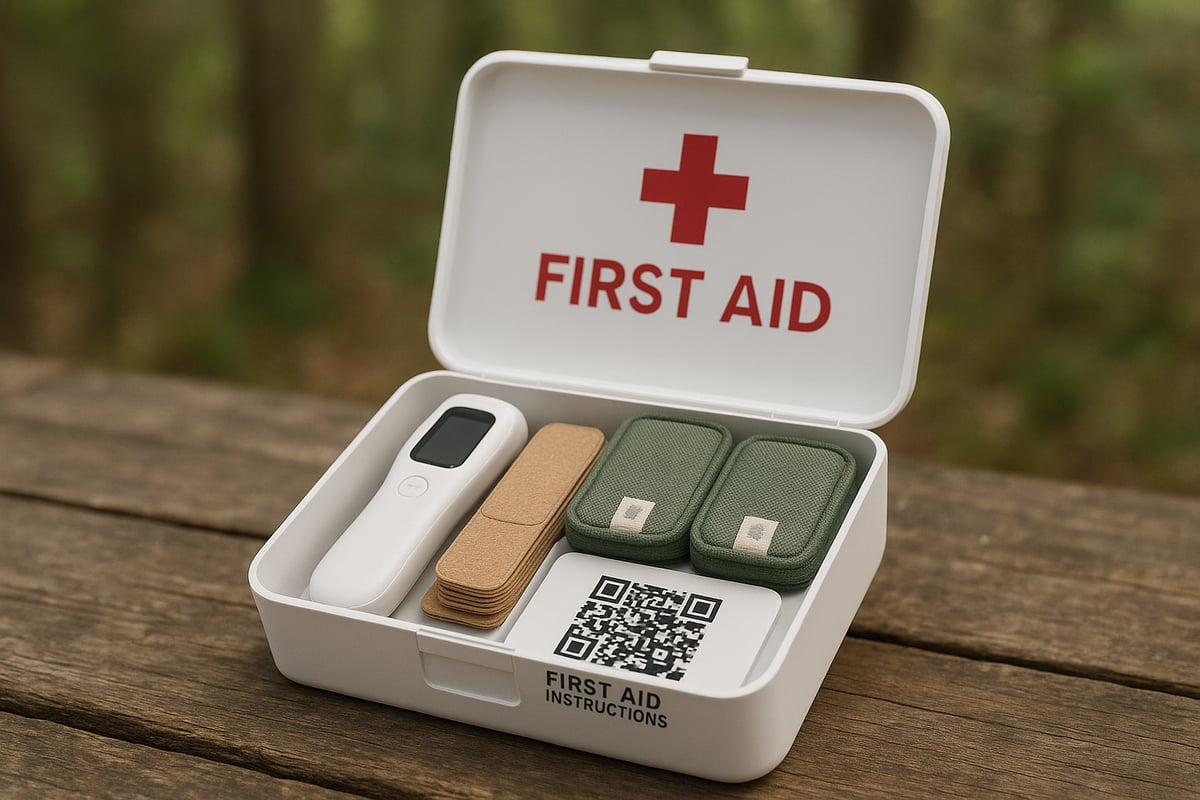
Technology now plays a key role in the evolution of the outdoor first aid box. Portable diagnostic devices, such as pocket-sized ECG monitors and Bluetooth-enabled thermometers, offer real-time health tracking. Smart bandages can monitor wound healing and alert users to infection, while first aid apps provide step-by-step guidance and emergency alerts even offline.
For example, a Bluetooth thermometer can help you monitor for fever during remote expeditions, improving decision-making. Some kits now include QR codes linking to interactive instructions or AR simulations. The Rhino Rescue Launches New Outdoor Product Lineup highlights how cutting-edge gear is being integrated into modern kits, making every outdoor first aid box more responsive and intuitive.
Eco-Friendly and Sustainable Products
Environmental responsibility is influencing the design of the outdoor first aid box. Manufacturers are offering biodegradable bandages, refillable ointment tubes, and recyclable packaging to minimize waste. In 2025, 34% of outdoor consumers preferred eco-friendly gear, reflecting this growing demand.
Look for bandages made from organic fibers and reusable containers that reduce single-use plastics. Water purification tablets now come in compostable wrappers, and insect repellents are available in refillable spray bottles. These innovations ensure your outdoor first aid box keeps you safe while protecting the environment.
Compact and Modular Kits
Adaptability is now essential for the outdoor first aid box. Compact, modular kits let users swap out pouches or modules based on their planned activities. For instance, you might pack a trauma module for climbing or a burn care pouch for camping trips.
Stackable modules make it easy to customize your kit without adding bulk. Many boxes feature color-coded pouches for quick identification, ensuring you can respond rapidly to any emergency. This modular approach keeps your outdoor first aid box organized and efficient for every adventure.
Enhanced Training and Education Resources
Modern outdoor first aid box kits are paired with advanced training tools. Online courses, AR/VR simulations, and instructional QR codes help users build confidence and skills. Imagine scanning a code to access a video tutorial on splinting techniques or practicing CPR with an AR overlay.
These resources ensure that even non-medical users can act quickly and effectively. Regular updates keep training relevant, so your outdoor first aid box remains a reliable asset in any situation.
Regulatory Updates and Standards
In 2026, new safety regulations and best practice standards are shaping the outdoor first aid box market. Updated guidelines focus on kit content requirements, labeling, and user education. Staying informed about these standards ensures your outdoor first aid box meets current safety expectations and is ready for any emergency.
Expert Tips for Maintaining and Using Your Outdoor First Aid Box
Maintaining your outdoor first aid box is crucial to ensure it delivers reliable support during emergencies. Proper upkeep, training, and gear selection will help outdoor enthusiasts stay prepared for any scenario.
Regular Inspection and Restocking
Inspecting your outdoor first aid box every quarter is essential for readiness. Create a checklist that includes checking for expired medications, used supplies, and damaged packaging. Use digital reminders on your phone or calendar to help you stay on schedule.
Restock items promptly after each trip. Always ensure that your outdoor first aid box contains fresh bandages, sterile dressings, and up-to-date medications. Replace anything that appears damaged or past its expiration date. This routine guarantees that your kit is equipped for the next adventure.
Proper Training and Skill Building
Possessing an outdoor first aid box is only effective if you know how to use it properly. Enroll in certified first aid training courses and practice frequently with your kit's contents. According to the Red Cross, trained individuals are 60 percent more effective in emergencies.
Hands-on practice builds confidence and familiarity with every tool in your outdoor first aid box. Consider online resources or local courses that focus on outdoor-specific injuries and scenarios. This knowledge can make a significant difference when every second counts.
Safe Storage and Transportation
Store your first aid kit in a durable, waterproof container to protect its contents from the elements. Keep it in an accessible location, such as the exterior of your backpack or within easy reach in a vehicle.
Avoid exposing your outdoor first aid box to extreme temperatures, which can degrade medications and supplies. Use color-coded pouches or compartments to organize items for quick access. Secure the kit during travel to prevent accidental spills or loss.
Real-World Practice and Scenario Drills
Simulating emergencies with your outdoor first aid box builds muscle memory and teamwork. Organize mock drills with family or group members, such as treating a simulated snake bite or stabilizing a fracture.
Practice essential skills like moving an injured person safely. For guidance on best practices, review How to Move Someone in an Emergency. Regular drills ensure everyone knows their role, increasing confidence and efficiency in real situations.
Responsible Disposal and Upgrading
Dispose of expired medications and used materials from your outdoor first aid box responsibly. Follow local guidelines for pharmaceutical disposal to prevent environmental harm. Upgrade your kit as innovative products become available or as your activities change.
Regularly reviewing new gear and medical standards helps keep your outdoor first aid box current and effective. This approach also allows you to adapt the kit to evolving group needs and environments.
Expert-Recommended Outdoor First Aid Gear from Medical Gear Outfitters
For those seeking the highest quality gear, consider outdoor first aid box options curated by medical professionals. Medical Gear Outfitters offers paramedic-approved kits, bulk purchasing for groups, and access to educational resources.
Selecting a professionally designed outdoor first aid box ensures you have reliable tools for emergencies. Investing in expert-recommended gear delivers peace of mind and supports effective response when it matters most.

