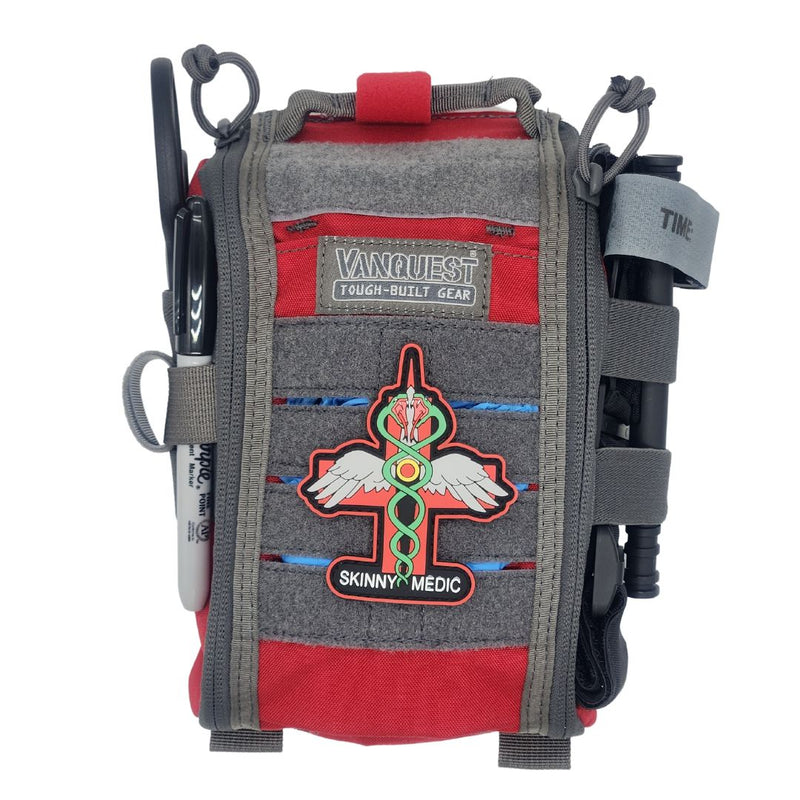
Essential Guide to Mountain Bike First Aid Kit for 2026
Every mountain biker knows that adventure means facing unpredictable challenges, from rough terrain to unexpected falls. The right mountain bike first aid kit can make all the difference when emergencies happen far from help.
This essential guide will show you how to assemble the ultimate kit for 2026, giving you the knowledge and confidence to tackle any trail safely. You will discover the latest must-have gear, expert recommendations, tips for tailoring your kit to every ride, and smart storage solutions.
Are you ready to ride with peace of mind? Let’s get started on building your perfect mountain bike first aid kit.
Why Every Mountain Biker Needs a First Aid Kit
Mountain biking brings adventure, adrenaline, and the thrill of the unknown. But with every ride into the wild comes a level of unpredictability that demands respect. Whether you are tackling local trails or exploring remote backcountry routes, the potential for unexpected incidents is always present. No matter your skill level, preparing with a mountain bike first aid kit is a fundamental step toward safeguarding your journey.
The Risks Every Rider Faces
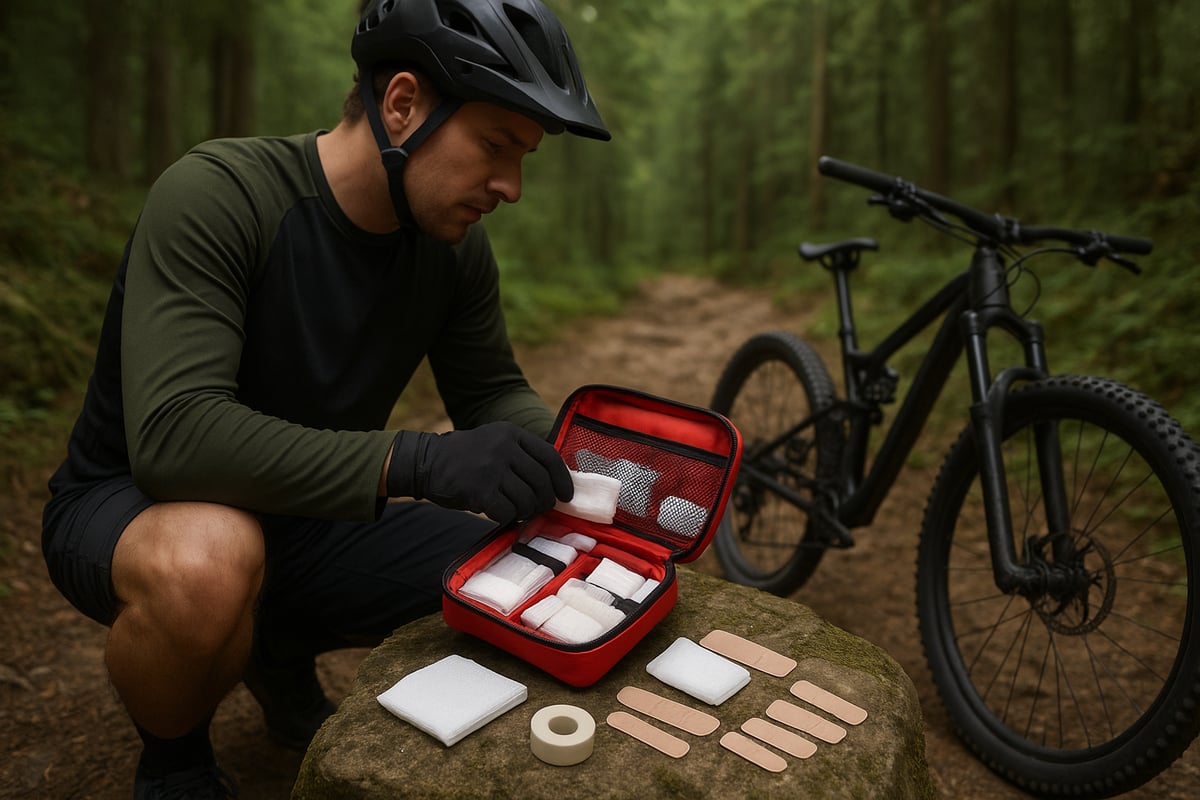
Mountain biking exposes riders to a unique set of dangers. Common hazards include:
- Sudden falls on rocky descents
- High-speed crashes on technical terrain
- Sharp branches, thorns, and environmental obstacles
- Changing weather conditions and unpredictable trail surfaces
These risks make carrying a mountain bike first aid kit not just practical, but essential for every ride.
Common Injuries and The Numbers
Trail injuries happen to both beginners and experienced riders. The most frequently encountered issues include:
- Cuts, scrapes, and abrasions
- Sprains and strains of wrists or ankles
- Fractures from hard impacts
- Severe trauma such as head or spinal injuries
According to the Mountain Biking Injury Surveillance Study, mountain biking injuries account for up to 20% of all cycling-related emergency room visits. This statistic highlights the real-world importance of having a mountain bike first aid kit within reach on every outing.
Remote Trails Mean Delayed Help
Many mountain biking adventures take place far from immediate medical assistance. Cell service is often unreliable, and emergency responders may need significant time to reach your location. In these situations, self-sufficiency is critical. Riders have shared stories of stabilizing broken bones, controlling bleeding, or managing allergic reactions with only the contents of their mountain bike first aid kit until professional help arrived.
Confidence, Responsibility, and Preparedness
Carrying a well-stocked mountain bike first aid kit instills peace of mind, allowing you to ride with greater confidence. Beyond personal safety, there is an ethical responsibility to assist fellow riders in need. Being prepared can mean the difference between a manageable incident and a catastrophic outcome. With the right supplies at hand, you can respond quickly, protect yourself and others, and turn what could be a tragedy into a story of resilience and readiness.
Core Components of a Mountain Bike First Aid Kit for 2026
Building a reliable mountain bike first aid kit is essential for every rider aiming to handle emergencies confidently in 2026. The right kit balances portability with comprehensive coverage, ensuring you can manage everything from minor scrapes to severe trauma. Let us break down the must-have components for your mountain bike first aid kit, organized by type of injury and response.
Basic Wound Care and Minor Injury Supplies
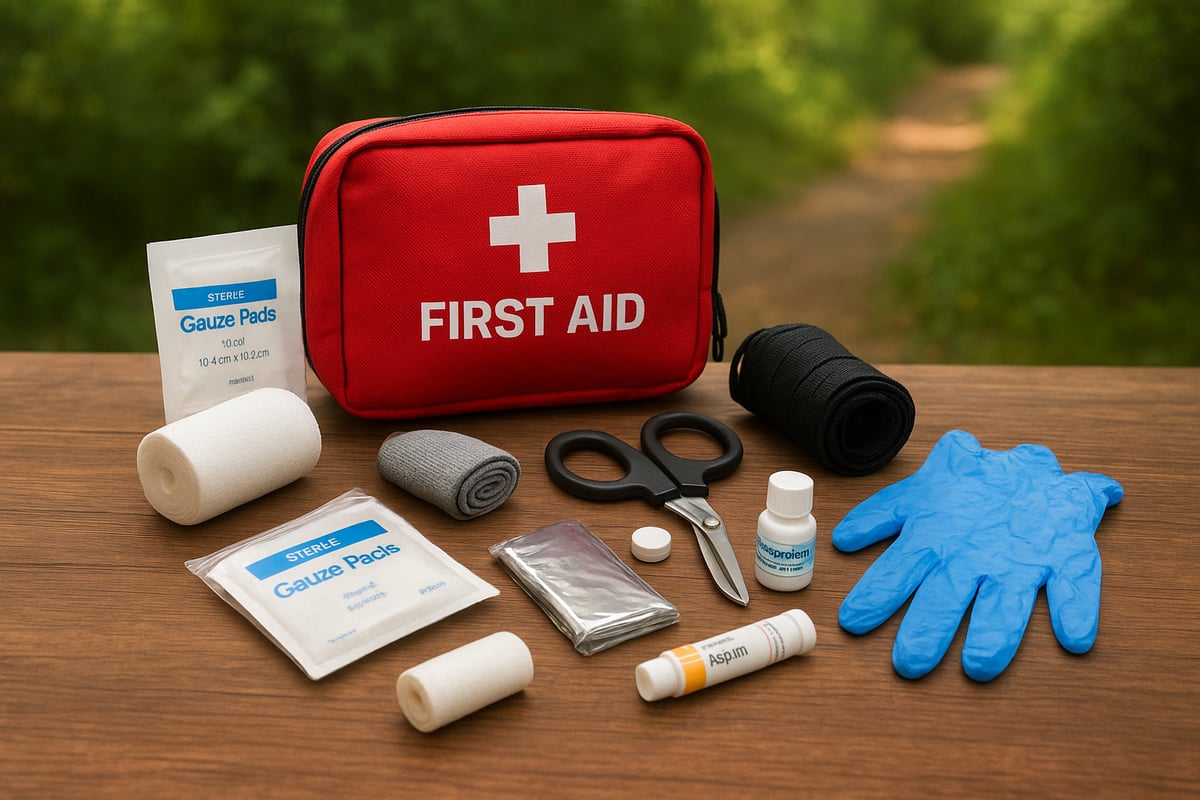
Every mountain bike first aid kit should start with the essentials for treating common trail injuries. Cuts, scrapes, and blisters are frequent occurrences, so having the right supplies makes all the difference.
- Sterile gauze pads (4x4, 5x9) absorb blood and cover wounds.
- Adhesive bandages protect minor cuts and abrasions.
- Butterfly closures help close small lacerations.
- Antiseptic wipes (alcohol, povidone-iodine) clean wounds and reduce infection risk.
- Triple antibiotic ointment speeds healing and prevents infection.
- Burn cream soothes minor burns from hot bike parts or sun exposure.
- Sting and bite pads provide quick relief from insects.
- Moleskin prevents and treats blisters, especially on longer rides.
- Ibuprofen, acetaminophen handle pain and inflammation.
- Allergy medication (Benadryl) for unexpected reactions.
- Nitrile gloves protect both you and the injured party from infection.
For example, if you scrape your knee after a fall, clean the wound with an antiseptic wipe, apply ointment, cover with gauze, and secure with tape. With these core items, your mountain bike first aid kit will address the majority of minor trail injuries, giving you the confidence to keep riding.
Trauma and Emergency Response Essentials
Serious accidents require rapid, effective intervention. Your mountain bike first aid kit must be equipped for bleeding control, fractures, and shock. These supplies can mean the difference between a manageable incident and a life-threatening emergency.
- Tourniquet (such as a Combat Application Tourniquet) stops severe arterial bleeding.
- Israeli pressure bandage and hemostatic gauze control heavy bleeding.
- Emergency blanket prevents hypothermia and treats shock.
- Triangular bandage creates slings or immobilizes limbs.
- Splint (SAM or RISE) stabilizes suspected fractures.
- Trauma shears cut clothing and gear for wound access.
- Tweezers remove debris from wounds.
Imagine a rider suffers a deep leg laceration with arterial bleeding. Applying a tourniquet immediately can save a life, followed by pressure bandage application. For more on bleeding control, see How to Stop a Major Bleed. These trauma tools are vital components of a mountain bike first aid kit, especially for remote locations where help may be delayed. Always ensure your kit is ready for the unexpected.
Airway, Breathing, and Circulation Tools
Advanced emergencies, while rare on the trail, are critical to prepare for. A well-stocked mountain bike first aid kit should include tools to support airway and breathing, especially for group leaders or riders with advanced training.
- CPR face shield or mask enables safe resuscitation.
- Chest seal treats puncture wounds to the chest (for advanced kits).
- Epi-pen (prescription required) addresses severe allergic reactions.
- Medical tape and rolled gauze secure dressings and splints.
- Waste disposal bag safely contains biohazard materials.
While airway emergencies are less common, having these items in your mountain bike first aid kit can be life-saving in rare but severe situations, such as anaphylaxis or chest trauma. Preparation empowers you to act decisively when seconds count.
Medication and Comfort Items
Beyond trauma and wound care, your mountain bike first aid kit should provide comfort and symptom relief to keep you or your companions safe until help arrives.
- Pain relief: Aspirin, ibuprofen, acetaminophen.
- Allergy relief: Antihistamines (Benadryl), hydrocortisone cream.
- Burn and sting relief: Burn cream, sting pads.
- Electrolyte tablets prevent dehydration and cramping.
For example, if a rider experiences a minor allergic reaction or muscle pain, quick access to these medications in your mountain bike first aid kit can help manage symptoms and keep the ride on track. Always tailor medication choices to your personal needs and ride duration.
How to Customize Your First Aid Kit for Different Rides
Every mountain biker’s adventures are unique, and so are the risks faced on the trail. Customizing your mountain bike first aid kit to match your ride type, location, and personal needs is essential for effective preparedness. Let us explore how to tailor your kit to maximize safety and efficiency on every outing.
Day Rides vs. Multi-Day Adventures
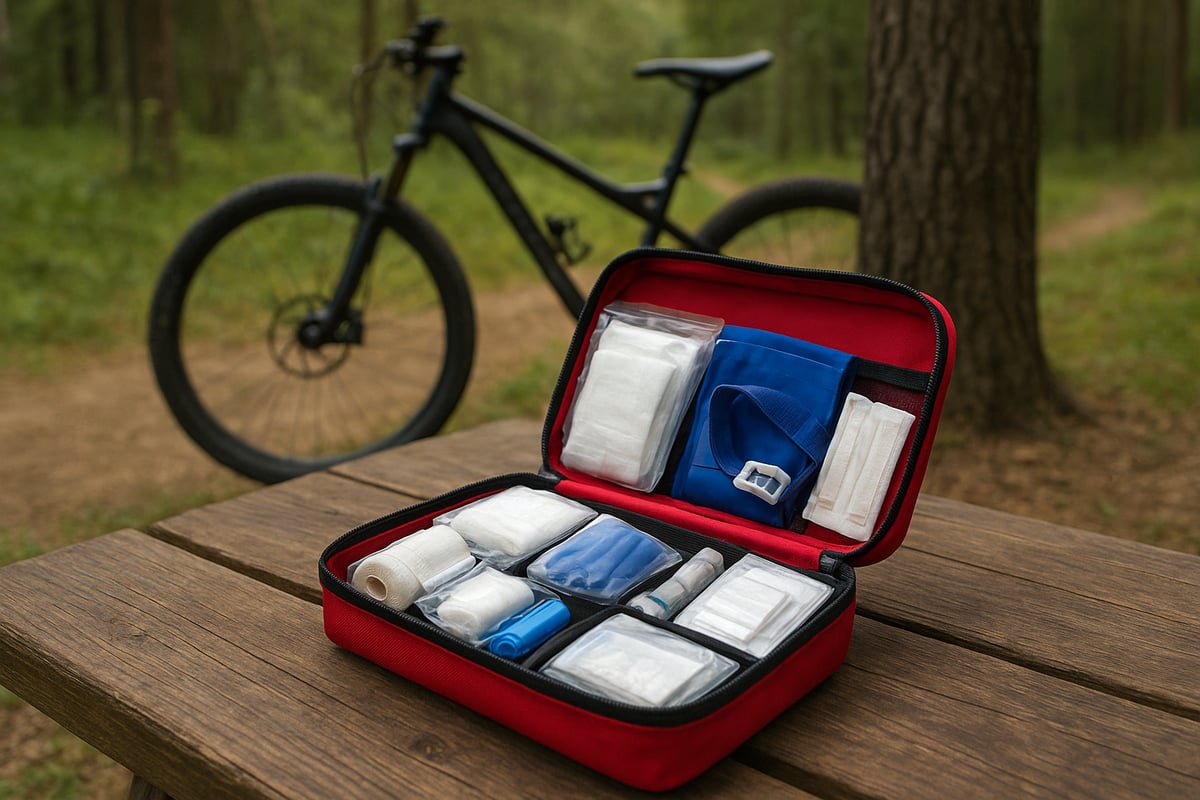
For short, local rides, a lightweight mountain bike first aid kit works best. Essentials include adhesive bandages, gauze pads, antiseptic wipes, and a compact trauma item such as a tourniquet. Many riders opt for a modular setup, allowing easy addition or removal of items based on the day’s plan.
Multi-day or backcountry trips demand more comprehensive supplies. Consider extra medication, a splint, larger bandages, and extra wound care items. Hydration aids, like electrolyte tablets, become more important as ride duration increases. A modular approach lets you adapt your mountain bike first aid kit quickly.
For a detailed look at what to pack for compact rides, see What to Pack in a Small First Aid Kit. ER doctors often carry a tourniquet, Epi-pen, and Israeli bandage even on short rides, ensuring they’re prepared for severe injuries.
A well-organized mountain bike first aid kit ensures you’re ready for emergencies, whether it is a quick loop or a multi-day adventure.
Solo Riders vs. Group Rides
Solo riders must prioritize self-sufficiency. Choose a mountain bike first aid kit that is easy to use with one hand, and focus on core items—bandages, trauma care, and medications you are trained to use.
In group rides, a collective approach is effective. Distribute the load by assigning medical kit responsibilities within the group. Comprehensive kits can be shared, and items like splints or extra gloves are often split among riders.
Communication is key. Before heading out, discuss who carries which parts of the mountain bike first aid kit. This reduces redundancy and ensures all critical supplies are covered.
Climate, Terrain, and Regional Hazards
Adapting your mountain bike first aid kit for the environment is crucial. In hot or dry climates, include extra hydration options and sunburn care. Electrolyte supplements can help prevent dehydration during long, sun-exposed rides.
Cold or wet environments require hypothermia prevention tools, such as an emergency blanket and waterproof storage for supplies.
Regional hazards matter. In areas with snakes or aggressive insects, add a snake bite kit or insect repellent. For alpine or desert rides, adjust your mountain bike first aid kit with items specific to those threats.
Customizing your kit for terrain and climate ensures you are prepared for the unique challenges each location presents.
Skill Level and Medical Training
Your experience level should guide the contents of your mountain bike first aid kit. Beginners may focus on basic wound care, pain relief, and allergy management. Core items are easier to use and address the most common injuries.
Advanced riders or those with medical backgrounds can include airway management tools, advanced trauma gear, or decompression needles. However, only carry what you are trained to use.
Studies show that most riders use less than half of their kit, so prioritize the essentials. A streamlined mountain bike first aid kit is more efficient and less overwhelming in an emergency.
Step-by-Step Guide: Assembling Your Mountain Bike First Aid Kit
Assembling a reliable mountain bike first aid kit is a vital step for every rider, regardless of experience level. By following a systematic approach, you can ensure your kit is well equipped, organized, and ready for any emergency on the trail.
Step 1: Assess Your Needs and Riding Style
Start by evaluating your typical rides. Are you tackling short local trails or venturing into remote backcountry routes? Consider the average distance, expected terrain, and how long you may be away from help. Factor in your riding group size and any unique medical needs, such as allergies or chronic conditions.
Reflect on previous incidents. Have you experienced common injuries or faced specific hazards like sharp rocks or wildlife? This honest assessment helps you decide if you need a basic "boo boo kit" for minor mishaps or a comprehensive mountain bike first aid kit for more serious emergencies.
Step 2: Gather Core Supplies
With your needs defined, build your kit using a thorough checklist. Focus on key categories: wound care, trauma management, medications, and essential tools. For wound care, include sterile gauze pads, adhesive bandages, antiseptic wipes, and moleskin. Trauma supplies should cover tourniquets, pressure bandages, and splints. Add pain relievers, allergy meds, and burn cream for comfort and safety.
Sourcing your mountain bike first aid kit can be as simple as visiting your local pharmacy, outdoor retailer, or a reputable online supplier. Some riders prefer assembling their own kits for customization, while others opt for pre-assembled solutions. To explore essential gear options and find out what makes an effective kit, check out the Must-Have Outdoor First Aid Gear guide.
Sample Supply Checklist:
| Category | Examples |
|---|---|
| Wound Care | Gauze, bandages, antiseptic wipes, moleskin |
| Trauma | Tourniquet, pressure bandage, hemostatic gauze |
| Medications | Ibuprofen, antihistamines, burn/sting relief |
| Tools | Trauma shears, tweezers, nitrile gloves |
Review your checklist against your riding style and adjust as needed for your mountain bike first aid kit.
Step 3: Organize and Pack for Accessibility
Once you have your supplies, organization is crucial. Use waterproof pouches or dry bags to keep everything dry, especially in unpredictable weather. Divide supplies into categories, placing trauma gear separately from minor wound care for quick access during emergencies.
Pack your mountain bike first aid kit in a spot that is easy to reach, such as the top pocket of your backpack or a dedicated lumbar pack. Consider the layout so you can deploy items rapidly, even with gloved or injured hands. Practice packing and unpacking your kit to ensure you can access everything efficiently on the trail.
For group rides, communicate with teammates about kit locations and responsibilities. Shared kits can be distributed among riders to balance weight and increase preparedness. This method ensures your mountain bike first aid kit is always within reach when seconds count.
Step 4: Regularly Inspect and Restock Your Kit
Maintaining your mountain bike first aid kit is an ongoing process. After every ride, check for used, damaged, or missing items. Inspect expiration dates on medications, ointments, and sterile supplies. Replace anything that is out of date or compromised.
Schedule a thorough review of your kit at the start of each season. This habit ensures your equipment remains reliable and effective. Remember, a well maintained mountain bike first aid kit can make the difference between a minor inconvenience and a major problem.
Step 5: Practice Using Your Kit
Familiarity with your kit is as important as its contents. Take time to practice applying bandages, using a tourniquet, and setting up splints. Watch instructional videos or attend hands-on workshops to build confidence.
Simulate trail emergencies with your riding group. Practicing real scenarios helps you stay calm and efficient in actual situations. The more you handle your kit, the more instinctive your response will become when it matters most.
Where to Buy High-Quality Mountain Bike First Aid Kits and Supplies
Selecting the right supplier for your mountain bike first aid kit is crucial. The quality, reliability, and adaptability of your kit can make all the difference in a real emergency. Riders need to trust that their gear is both field-tested and expert-approved.
Medical Gear Outfitters: Expert-Curated First Aid Kits
Medical Gear Outfitters stands out as a top destination for anyone building a dependable mountain bike first aid kit. Founded and run by a paramedic, this company specializes in first aid gear designed specifically for outdoor challenges and emergencies.
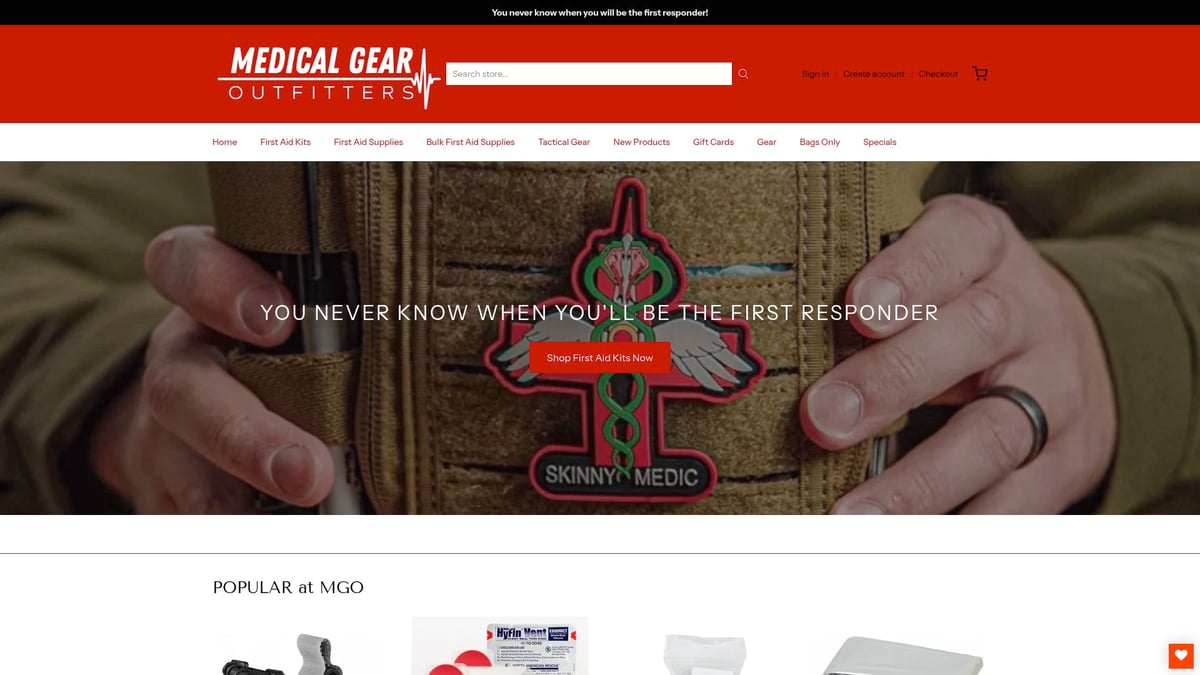
Their catalog covers everything from compact kits for quick rides to advanced trauma packs suitable for remote expeditions. You will find options like small “boo boo kits” for minor scrapes, all the way up to comprehensive trauma kits with tourniquets, hemostatic gauze, splints, and more. For riders seeking to build a custom mountain bike first aid kit, Medical Gear Outfitters also offers individual components, letting you tailor your supplies to your unique needs.
Key benefits include:
- Expert-curated and field-tested products
- Detailed educational resources, including blogs and instructional YouTube videos
- FSA and HSA eligible items for added convenience
- Customization options for different ride types and group sizes
Pricing is accessible, with basic kits starting at just $9.99. Advanced trauma kits and individual supplies are available for those seeking to upgrade or supplement their mountain bike first aid kit. Bulk ordering is also possible for riding groups, clubs, or event organizers.
What sets Medical Gear Outfitters apart is their commitment to education and safety. Before purchasing trauma gear, many riders benefit from reviewing their Tourniquet Use and Safety Tips, ensuring that every tool in your mountain bike first aid kit is used correctly and safely.
Riders from beginners to professionals trust these kits for real-world emergencies, whether tackling local trails or venturing deep into the backcountry. With fast online ordering and positive reviews from EMTs, paramedics, and recreational cyclists alike, Medical Gear Outfitters is a reliable source for building your ideal mountain bike first aid kit.
Essential First Aid Training for Mountain Bikers
Every mountain biker who carries a mountain bike first aid kit should understand that effective use depends on proper training. Even the best supplies are only as valuable as your ability to use them under stress. In a trail emergency, confidence and skill can make the difference between a quick recovery and a preventable tragedy.
Preparedness is about more than gear. It is about knowing how to act when every second counts. Many riders assume they will “figure it out” in the moment, but studies show that untrained individuals are less likely to intervene successfully. Investing in first aid training is a crucial step for anyone who builds or carries a mountain bike first aid kit.
Why Training Matters
Knowing how to use your mountain bike first aid kit is essential when faced with real-world emergencies. Proper training ensures you can apply a tourniquet, dress wounds, and manage shock confidently. Without these skills, even a well-stocked kit might not help when you need it most.
In high-stress situations, muscle memory and knowledge take over. This is why hands-on first aid courses are so valuable for mountain bikers. You cannot predict every emergency, but you can prepare for the most likely scenarios with the right instruction.
Data shows that riders without first aid training are far less likely to render effective help. This puts both themselves and others at greater risk. Make training a non-negotiable part of your mountain bike first aid kit strategy.
Recommended Courses and Certifications
There are several reputable courses designed for those who carry a mountain bike first aid kit. Basic First Aid and CPR courses lay the foundation for responding to common injuries. For those who ride in remote areas, Wilderness First Aid and Wilderness First Responder programs go further, teaching advanced skills for backcountry scenarios.
Consider these options:
| Course Name | Provider | Focus |
|---|---|---|
| Basic First Aid & CPR | American Red Cross | Everyday emergencies |
| Wilderness First Aid | NOLS, REI, Red Cross | Remote and outdoor scenarios |
| Wilderness First Responder | NOLS | Advanced wilderness care |
| Online Tutorials | Red Cross, YouTube | Self-paced skill refreshers |
For more information on wilderness-specific training, explore the Wilderness First Aid Training Courses offered by the Red Cross. These programs are tailored for outdoor athletes and mountain bikers.
Practicing and Refreshing Skills
Carrying a mountain bike first aid kit is only the first step. Regularly practicing your skills ensures you remain ready when emergencies happen. Schedule time to review the contents of your kit and rehearse techniques like applying bandages or using a tourniquet.
Simulate trail emergencies with your riding group. Practice one-handed applications for situations where you may be injured yourself. Stay updated on new protocols and innovations in first aid for mountain bikers, especially as kit recommendations evolve for 2026.
Learning is ongoing. Watch instructional videos, attend refresher workshops, and keep your knowledge current. This habit ensures that your training matches the capabilities of your mountain bike first aid kit.
Building a Culture of Preparedness in the MTB Community
Creating a safe riding environment means sharing responsibility. Encourage others to take first aid training and check their mountain bike first aid kit before group rides. Designate a rider with medical experience as a point person for emergencies.
Sharing stories and experiences helps normalize first aid readiness. A community that values preparedness is better equipped to handle the unexpected. Make first aid knowledge as essential as a helmet or bike maintenance for every mountain biker.